
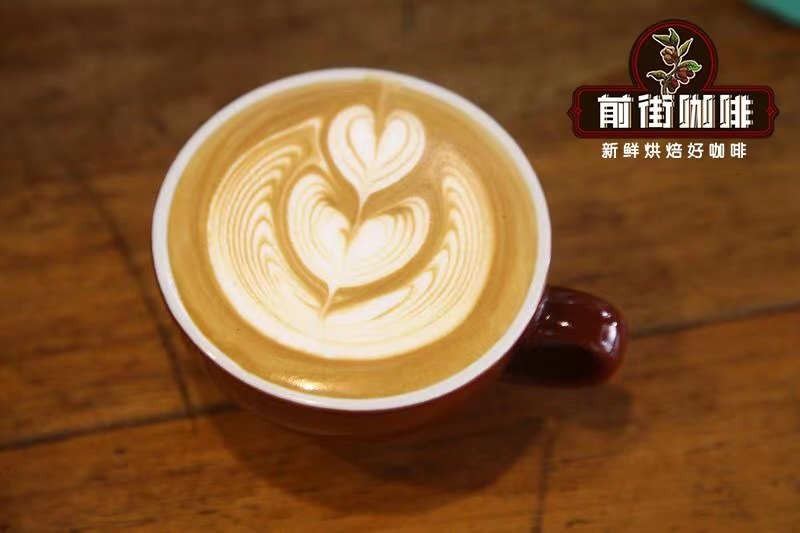
Used by FrontStreet CoffeeEspresso blended coffee beans, is to increase the richness and harmony of the taste, but is not absolutely necessary. There are nowSOE coffeeThe method is to use coffee beans from a single production area.espresso, highlighting the coffee flavor of this production area, but also easily amplifying its shortcomings. Moreover, the roasting parameters of SOE will be different from those of manual roasting. FrontStreet Coffee uses hand-roasted Front Street Yirgacheffe coffee beans to make espresso. The acidity of the product is very strong (some people may also like it), becauseFront Street YirgacheffeIt is famous for its fruity acidity. Under the high-pressure and high-temperature conditions of Italian extraction, the acidity of Front Street Yirgacheffe is amplified several times. Instead, its advantages turn into disadvantages, which violates the original intention of producing coffee. So FrontStreet Coffee is choosing to makeespressoCoffee from a single origin will use different roasting parameters.
What is a coffee blend?
Blend coffee, also known as blended coffee,espresso beans, is to mix various single-origin coffee beans together, so as to give full play to the advantages of various single-origin coffee beans. The blended beans are mixed from coffee beans from different origins to create a more balanced taste. For example, if a kind of coffee bean is smooth but lacks aroma, you can add another bean with rich aroma. The advantages of individual coffee beans can be used to complement each other and complement or enhance the taste, thereby creating a new and richer taste of coffee. Sometimes the beans are mixed first and then roasted, which is called raw blending; sometimes the coffee beans are roasted and then mixed, which is called cooked blending.
Whether it is pre-mixed green beans, or individually roasted and then blended. Both methods are acceptable depending on the characteristics of the coffee in the recipe. Post-roast blending provides a different degree of roasting for each bean so that each ingredient brings out the best in it.
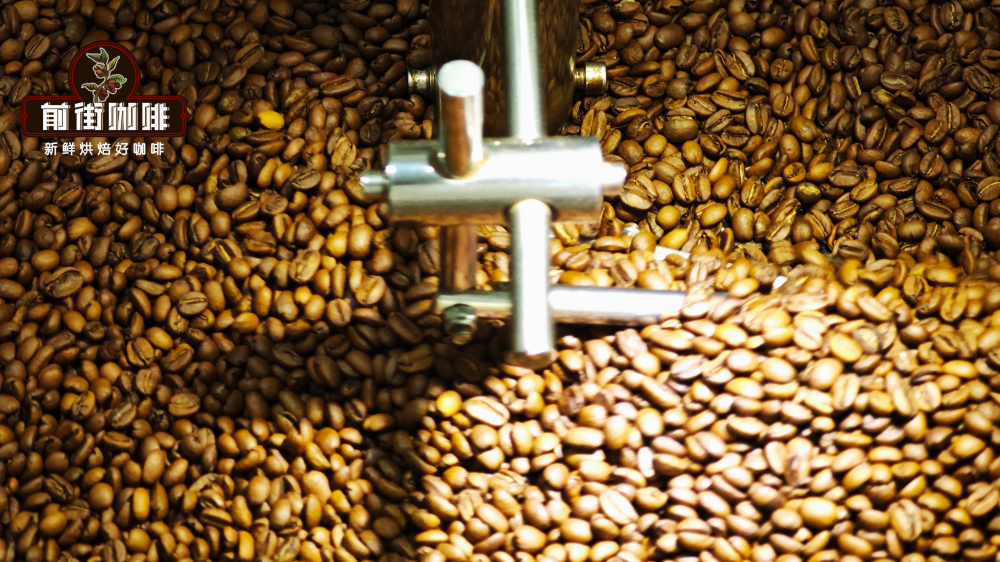
Before mixing beans, you must first know the flavors of different varieties of coffee around the world. Beans have different characteristics depending on where they are produced. Different coffee beans have different personalities due to different varieties and origins. There are subtle differences in sour, bitter, sweet, aroma, mellow and other flavors. Single-origin coffee beans often focus on showing the unique characteristics of a certain type of coffee. Blend beans are mostly used forespressoSuch as Espresso, Americano, Latte or Cappuccino, etc., the taste of coffee is more balanced, smoother, and the taste is more stable. It can be said that the taste is more popular.
Mixing different coffee beans mainly serves the following purposes:
1. Stable flavor
Since coffee beans are a type of crop, even the same kind of coffee beans will have different flavors from year to year, so blending several coffee beans together solves this problem and keeps the taste basically the same every year.
2. Balance the taste
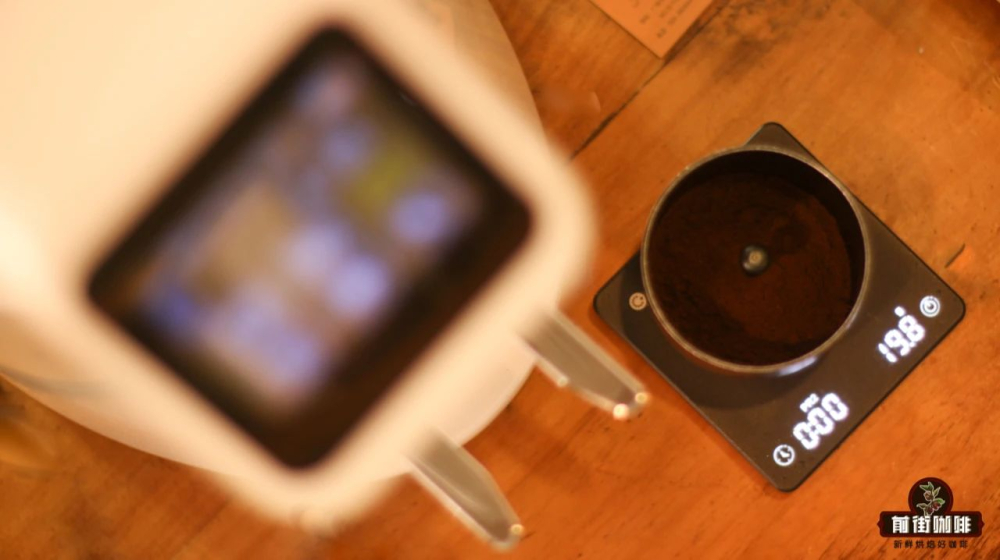
Since an espresso machine has the characteristic of amplifying the most prominent flavor characteristics of the coffee beans, we almost never use a single variety of coffee to make Espresso. Otherwise, if the coffee beans are bitter, the Espresso will be extremely bitter, and if it is too sour, it will be very sour. So we need to balance the flavors through blending.
Blending coffee is by no means a simple addition. Instead, it is hoped that through the blender's unique understanding of coffee flavor, different coffee beans can complement each other's strengths and weaknesses, and blend Italian coffee beans with excellent flavor.
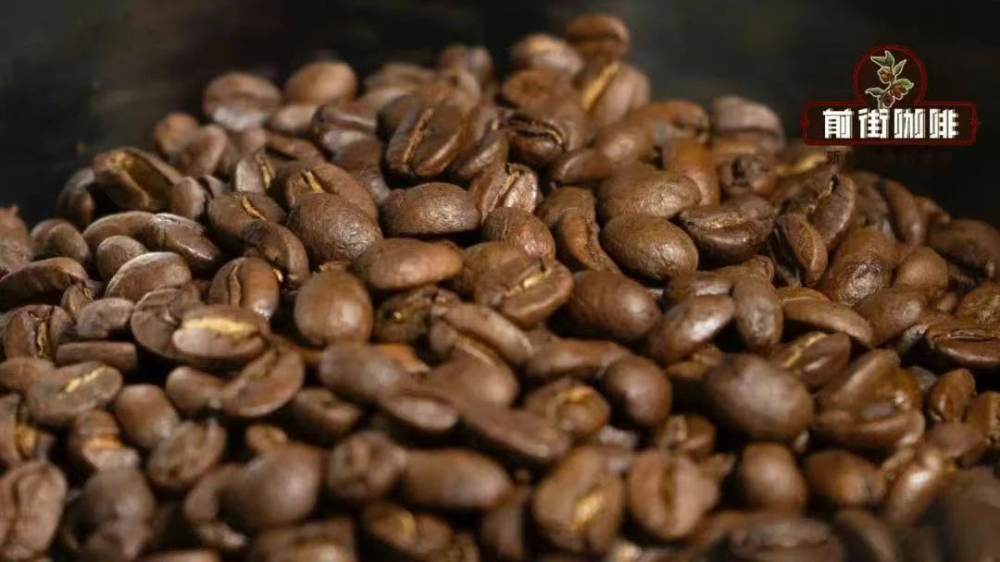
So how does FrontStreet Coffee do its blending? FrontStreet Coffee currently has four types of FrontStreet espresso beans.
1. Front Street Premium Italian Blend Coffee Beans
Using coffee beans from Colombia and Brazil, the ratio is 3:7
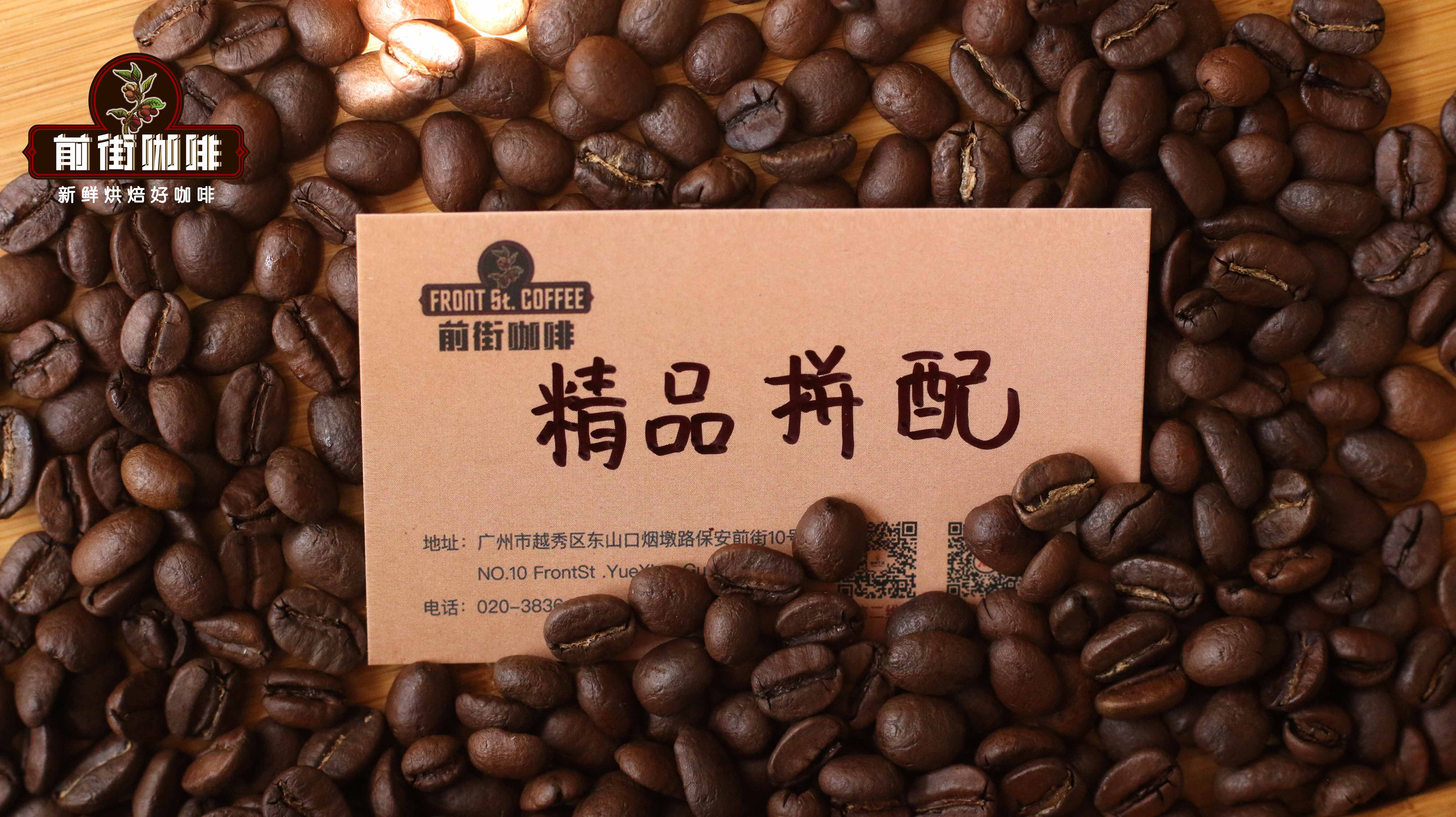
Colombia Cymbidium Producing Area
Located in the southwest of Colombia, it is one of the main coffee cultivation areas. Colombia generally has an altitude of 1,500-1,800 meters. Most of the beans are Bourbon and Caturra varieties. They are washed and processed with high density, uniform bean mesh, and full bean shape (bean core to bean surface is thicker). Because the Cymbidium area is dotted with famous coffee cultivation areas, the names of each small area became brand names and circulated. Although the cultivation conditions in the area are also very good, the cultivation infrastructure for coffee cultivation farms and surrounding conditions is not very developed. It is very regrettable that the green bean drying equipment or water-washing processing facilities are not yet complete. The coffee from the Huilan region has a strong taste and a heavier texture. In particular, the coffee from the Cymbidium region can be called high-end specialty coffee with its nutty, chocolate, caramel and other aromas and appropriate acidity.
Flavor characteristics of Front Street Colombian Cymbidium coffee: rich and solid taste, pleasant sourness, mellow smell, moderate acidity, rich sweetness and very intriguing. Because it is cheap and the beans are small, it is suitable for use as a single product or as a base for Italian blends.
Brazil· Ceradot Producing Area
Brazilian coffee generally grows at an altitude of 1,000-1,300 meters, so its density is relatively low. Most of them are Bourbon varieties, which are processed by semi-sun drying. The water content is moderate, the bean quality is soft, and the thickness from the bean surface to the bean core is thin, so it is not suitable for roasting at too high a temperature. The temperature of the inner wall of the boiler will burn the bean surface, which will cause a burnt and bitter taste. We hope to show the characteristics of nuts, milk chocolate, and good body, and use it as the base for blending, so FrontStreet Coffee adopts a method of adding beans over medium heat, maintaining the fire until the dehydration stage, and fine-tuning as the temperature rises after the first crack begins to promote a more complete caramelization reaction. When the temperature rises to the time when the second crack is approaching, the beans can be discharged.
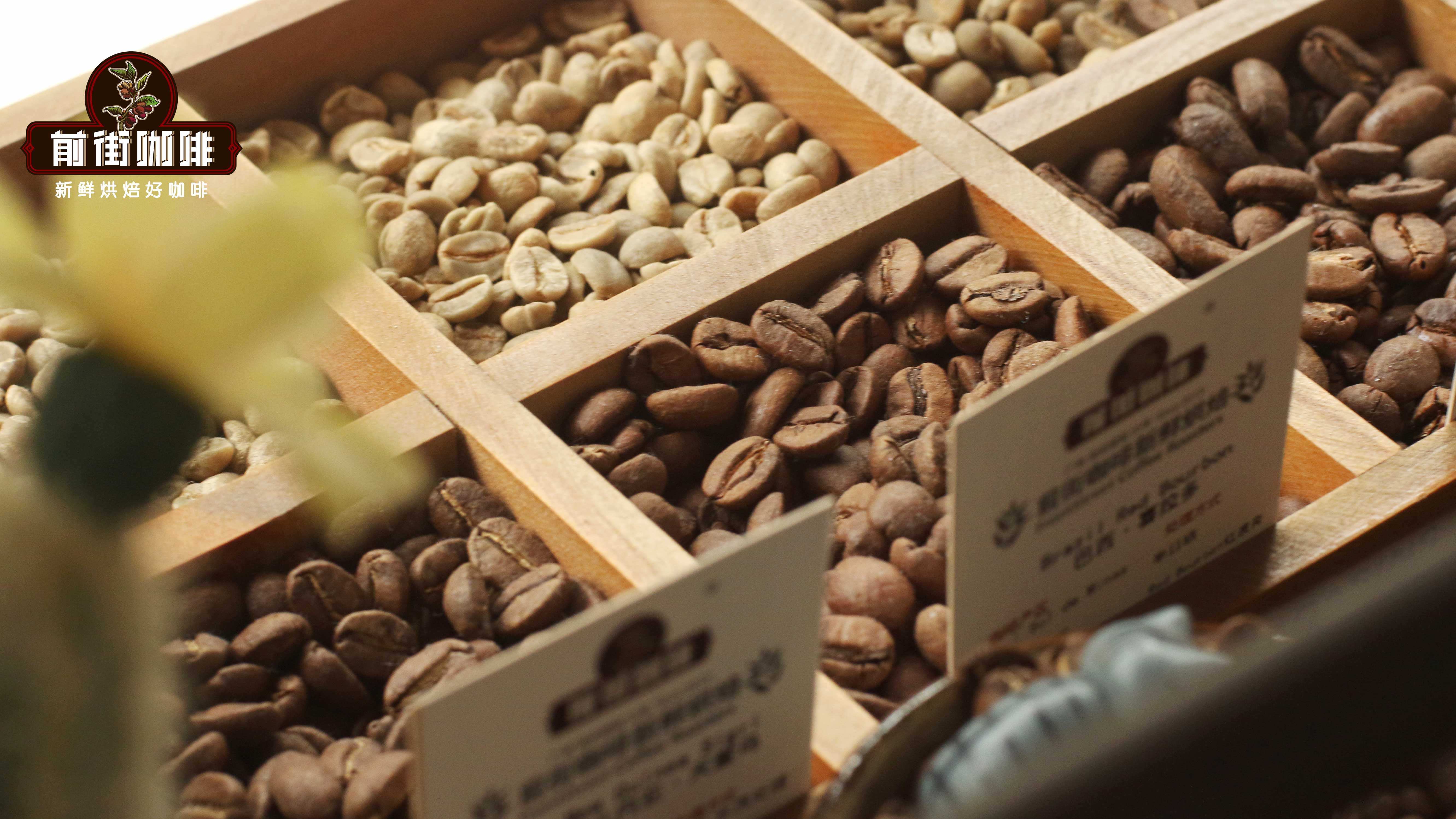
The flavor characteristics of Front Street Brazilian Cerato coffee beans: comfortable sweet and bitter taste, extremely smooth in the mouth; with a faint grassy aroma, a refreshing fragrance with a slight bitter taste; sweet and smooth taste, with a refreshing aftertaste.
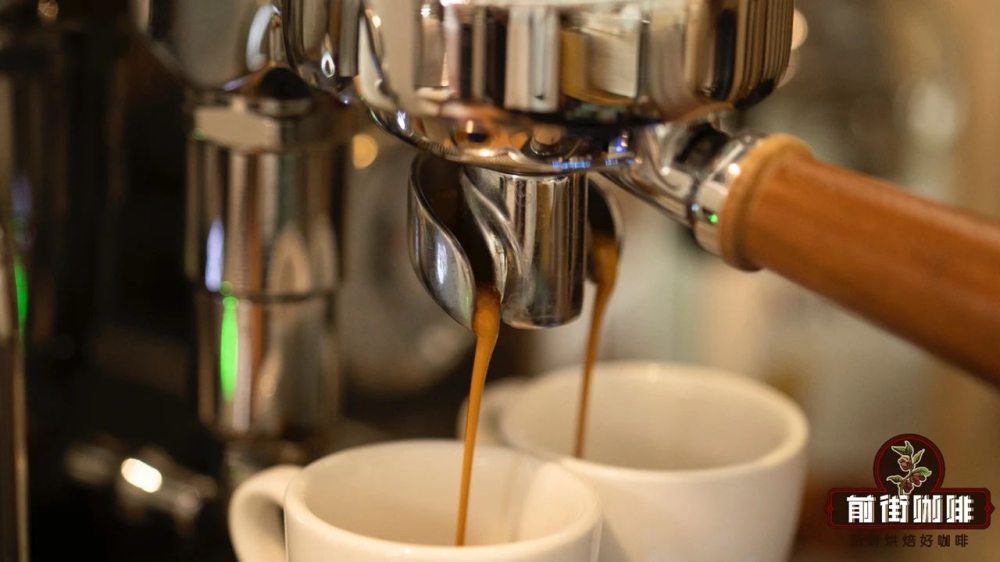
Flavor after blending:Sweet taste. It is roasted at a medium-dark depth. When it is concentrated, the taste will be soft, slightly sour, sweet, and nutty. The overall feeling is not too irritating, mild, and the fat is medium, suitable for daily production in coffee shops.
2. Front Street Commercial Italian blended coffee beans
Coffee beans and Robusta from Colombia and Brazil are used, the ratio is 3:6:1, raw;
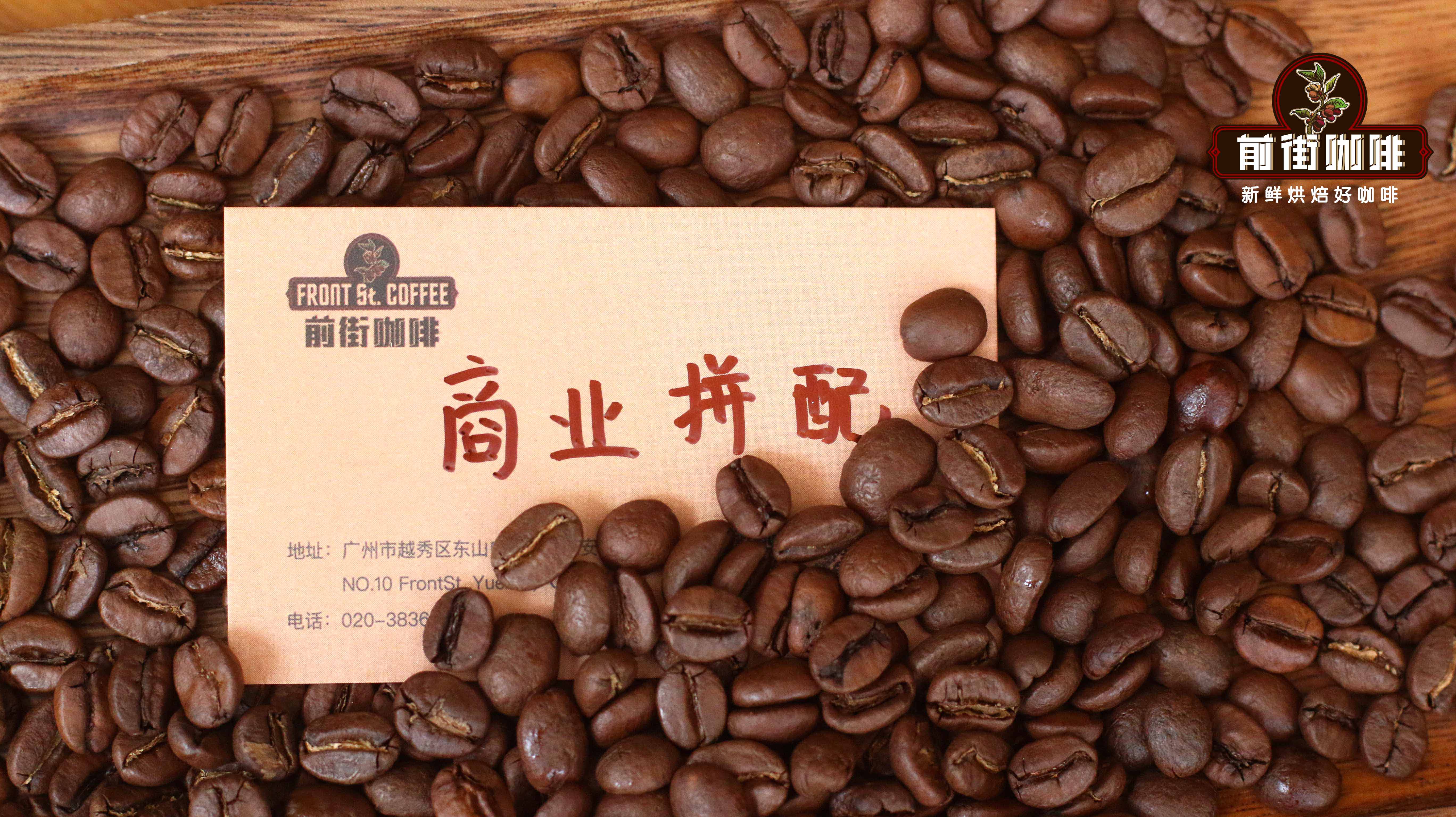
Robusta beans have strong resistance to pests and diseases and have high yields. Usually without the acidity of Arabica beans, they often have a woody aroma. The caffeine content of 2.2% is higher than the 1.2% of Arabica beans. The content of chlorogenic acid is also higher and quite bitter. It is usually used in commercial beans and the cost is cheaper than Arabica beans.
In terms of the flavor of individual beans, the taste of coffee obtained from commercial beans is much inferior to that of specialty coffee beans. Generally, commercial beans are selected for blending. After blending, coffee with good taste can also be made, which can be used to make latte, cappuccino and other Italian coffees. FrontStreet Coffee's commercial blend of Espresso, because of the presence of Robusta beans, is richer in oil and has a classic taste, with the sweetness of caramel, the flavors of nuts, cocoa, and dark chocolate. It has a balance of sweet and sour, a little bit of sweetness and bitterness, and a long-lasting aftertaste. In terms of cost performance, it can meet the daily needs of cafes.
3、Front Street Dark Cocoa Blend (100% Arabica) Coffee Beans
Coffee beans from Yunnan AA and Brazil are used; the ratio is 3:7, cooked and blended;
FrontStreet Coffee's native Yunnan AA variety is produced in the southeastern parts of Ethiopia and Sudan. All Arabica is derived from Tybika. The top leaves are red copper in color, so it is called red-top coffee. It has an elegant flavor, but it has a weak constitution and poor disease resistance. It is prone to leaf rust and has low fruit production. The four Tiepikas are slender, spread out, and tilted at an angle of 50 to 70 degrees. The opposite leaves are oblong in shape with smooth leaf surfaces. The branches at the end are very long and have few branches. The flowers are white and bloom at the base of the petiole connecting the branches. Ripe coffee berries look like cherries and are bright red.

It requires more shade when planted and can only be harvested about once every two years. Yunnan's high-quality geographical and climatic conditions provide good conditions for coffee growth. The planting areas include Lincang, Baoshan, Simao, Xishuangbanna, Dehong and other prefectures. The natural conditions of Yunnan are very similar to those of Colombia, with high altitude and large temperature difference between day and night. The flavor is mellow, with moderate sourness, rich and mellow taste, uniform particles, rich oil content and fruity aroma. Its quality and taste are similar to Colombian coffee.
Flavor blend:It has soft fruit acidity, caramel sweetness, nutty and dark chocolate flavors. It is smooth and viscous, but has a light taste. It is suitable for shop owners and home users who prioritize cost and have average taste requirements.
4、Front Street Sunflower Warm Italian Style Blend Coffee Bean
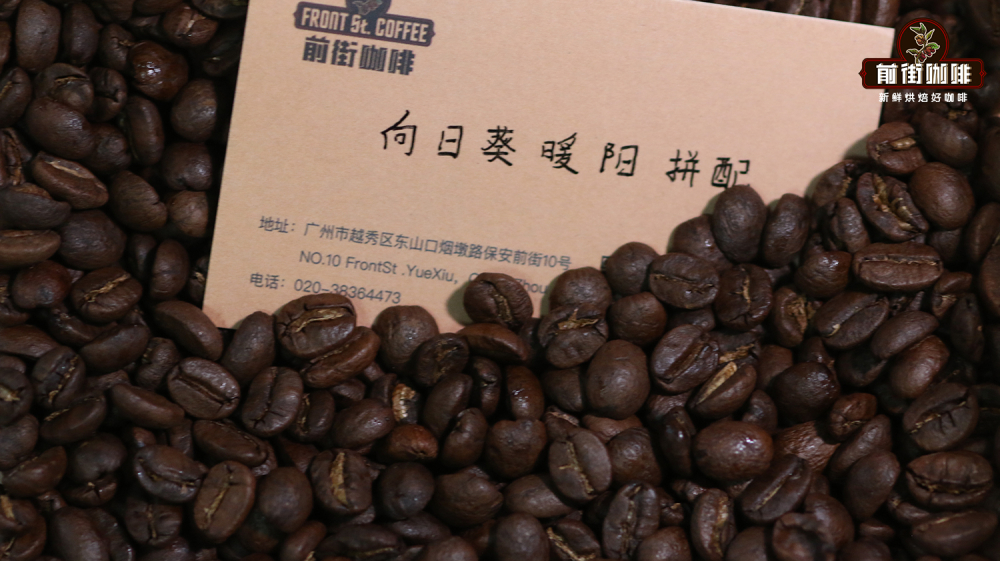
FrontStreet Coffee's Sunflower Warm Sun blend uses Front Street Honduran sherry wine barrel fermented coffee beans and Front Street sun-dried Yirgacheffe red cherries. The ratio is 6:4. 60% of the Front Street Honduran sherry wine barrel coffee beans provide flavor and mellowness to this Front Street Italian blend, and 40% of the Front Street sun-dried Yirgacheffe provides more aroma and acidity.
Baking suggestions
When FrontStreet Coffee roasts this Front Street Sunflower Warm Sun Blend coffee beans, it gradually reduces the heat so that the beans can develop simultaneously during the roasting process.
When the furnace temperature reaches 210℃, put the pot into the pot, open the damper to 4, firepower to 200, temperature recovery point to 1'30", 92℃; when the furnace temperature is 140℃, open the damper to 6; at this time, the bean surface turns yellow, the grassy smell disappears completely, and it enters the dehydration stage. When the furnace temperature reaches 180℃, adjust the firepower to 10 and open the damper to the maximum 10.
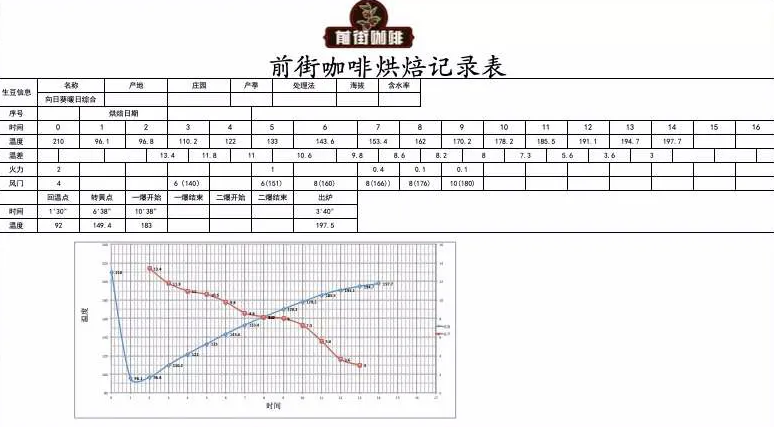
At 9'30", ugly wrinkles and black spots appear on the surface of the beans, and the smell of toast obviously changes to the aroma of coffee, which can be defined as the prelude to the first crack. At this time, you need to listen clearly to the sound of the first crack. The first crack begins at 10'38", and develops to 3'40'' after the first crack. The pot is cooked at 197.5℃.
FrontStreet Coffee chooses the warm sunshine of Front Street sunflowers to make iced latte.
Espresso extraction parameters:
Coffee serving size: 20g
Coffee liquid volume: 40g
Extraction time: 28s
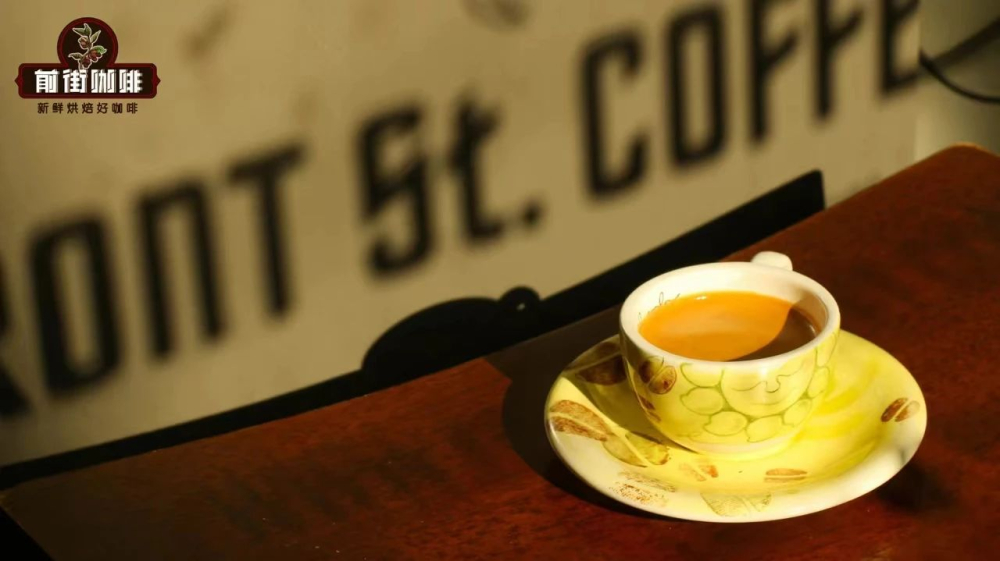
Because iced latte coffee is mixed with a lot of milk, the milk flavor is more obvious.
The espresso made with FrontStreet Coffee's own blend of Front Street Nuanyang will have a more obvious alcoholic chocolate flavor. The iced latte made with milk and ice will have a smoother taste, a long-lasting chocolate flavor, mixed with a pleasant wine taste, a long-lasting aftertaste, and obvious sweetness, which is very suitable for cooling off in summer.
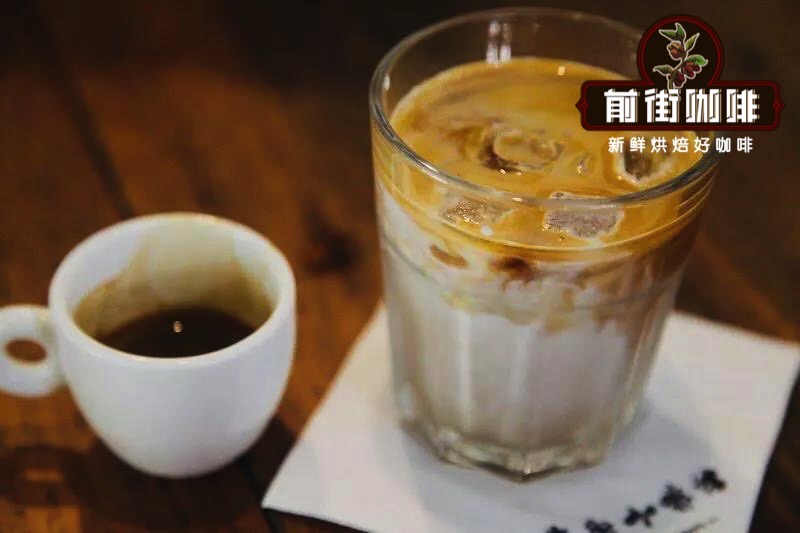
Why is there a spoon attached?
When drinking espresso, most people will add a spoon, sugar and water.
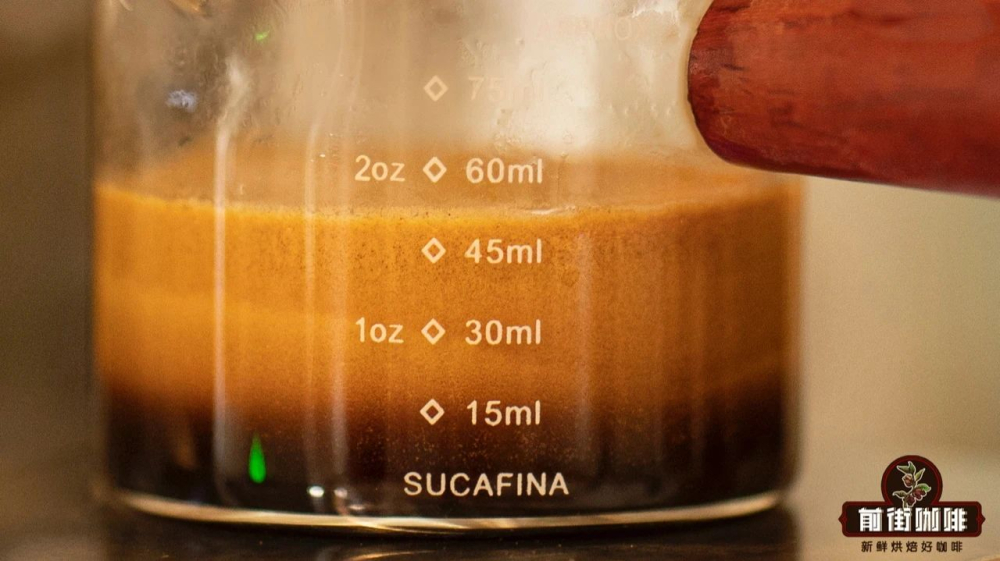
Espresso is extracted using hot water and pressure, so in addition to the water-soluble components that dissolve in water, some fat-soluble components are also extracted. The water-soluble ingredients are heavier, so they sink below as coffee liquid, while the fat-soluble ingredients float on top as foam. The ingredient of this foam type is crema, which contains many ingredients that affect the aroma, consistency and texture. The water-soluble ingredients sinking below are mainly substances that allow the tongue to feel the taste. To put it simply, crema is responsible for the aroma part, and the extract is responsible for the taste part.
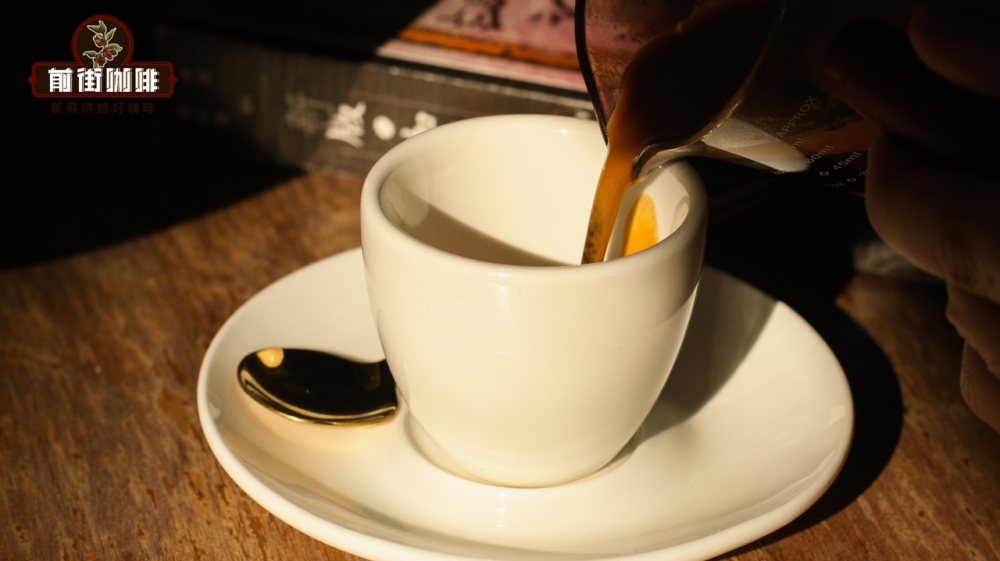
If you drink it without stirring, the water-soluble components and fat-soluble components will be separated. Mix the ingredients of espresso by stirring or shaking before drinking, so that you can feel the rich and harmonious taste and aroma. So the espresso is always served with a spoon.
Should sugar be added to espresso?
Whether or not to add sugar to your espresso is a matter of personal preference. However, adding sugar to the rich crema, watching the sugar slowly sink, and imagining the rich taste of coffee is also a happy experience. The sugar can also be used to judge whether the crema is rich or not: carefully put a spoonful of sugar on the crema without letting the crema break. If the sugar stays there for 2 to 3 seconds before slowly becoming wet from the edge and slowly sinking, it means the crema is very rich.
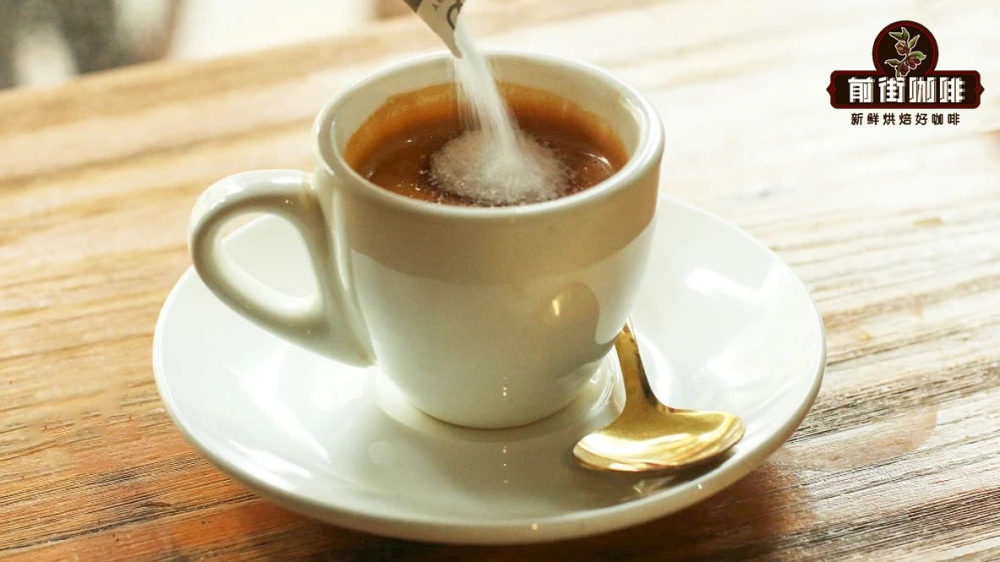
Since sugar reduces the bitterness of coffee, the sourness that was originally masked by the bitterness will be highlighted due to the reduced bitterness, making the impression of coffee more high-end. And sugar can make the texture of coffee milder, which can be said to be an excellent helper for coffee.
Is the more Crema the better?
The thickness and maintenance time of crema (fat) have a great relationship with the freshness of coffee. The richer the crema, the fresher the coffee may be; the greater the gas content produced when the coffee beans are roasted, the more crema will appear. When coffee is extracted not long after roasting, you will find that there will be a lot of crema, but unfortunately, it will disappear quickly. When you taste this coffee, the sensation you experience on your tongue is the same as when you drink carbonated water. Because the gas generated during baking dissolves in water, it will cause a harsh, bitter or astringent taste.
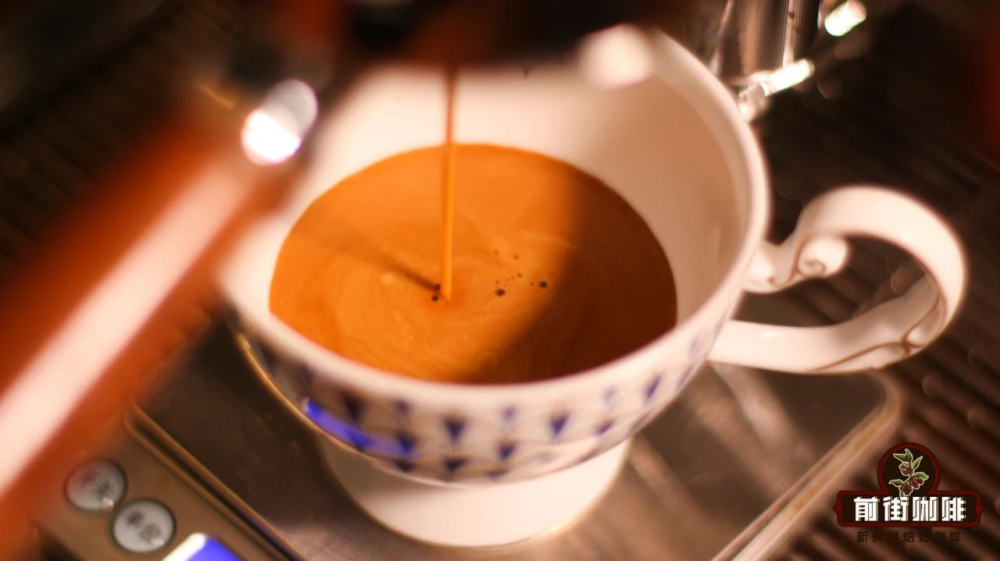
It can be seen from this that even fresh coffee cannot be said to be good coffee. It still needs to be properly managed. Depending on the roasting method, the time it takes for coffee beans to mature is somewhat different. Put the coffee away from light and oxygen for at least 3 to 4 days to more than 2 weeks, so that the gas generated during the roasting of the coffee beans can be naturally discharged. By using this kind of coffee, you can make good coffee with beautiful crema. The optimal state is when the crema is in a stable state after extraction and does not exceed 3 to 5mm.
Does espresso have to be blended with beans?
Espresso is just one of the coffee extraction methods. No matter what kind of coffee is used, as long as the coffee is made with an espresso machine, it can be called espresso. As long as it tastes good, it doesn't matter if it's single-origin coffee or mixed-bean coffee, or light roasted coffee or dark roasted coffee. There are no rules that say only what kind of coffee can be used.
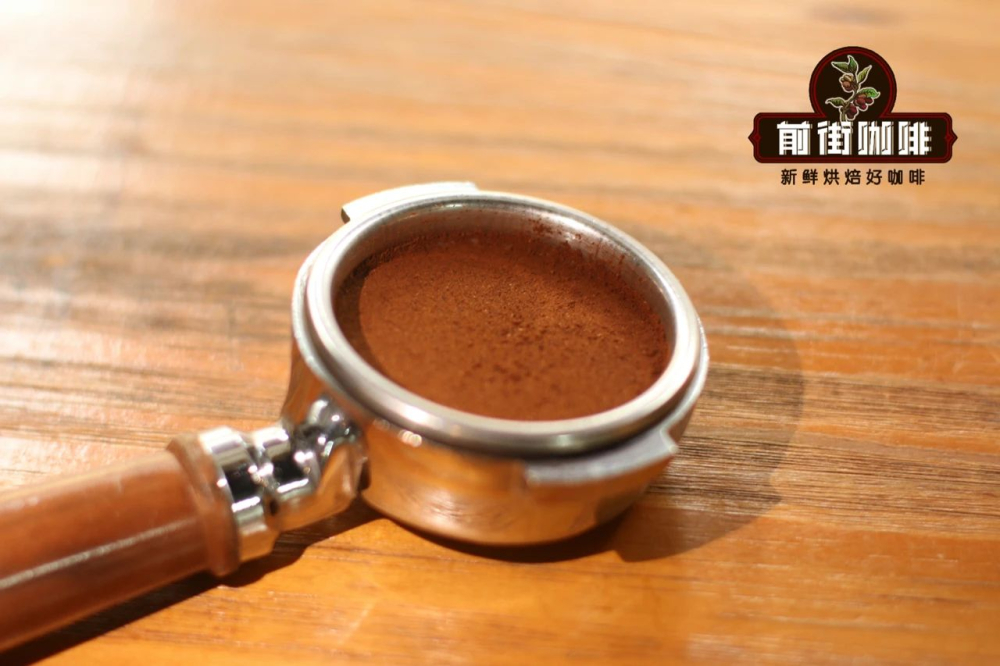
The machine that extracts espresso coffee has the best conditions for extraction, so no matter what kind of coffee is used, it can make the best extraction. But the so-called "good extraction" not only extracts the beautiful components in coffee to the maximum value; similarly, the bad taste will also be extracted to the maximum value, which must be paid attention to. Therefore, when choosing beans, you must use good coffee beans without defects. If the coffee beans themselves have shortcomings, it’s as mentioned above. Shortcomings will also be extracted in large quantities and magnified to an intolerable degree.
All coffees have advantages, but they also come with disadvantages. Therefore, instead of using single-origin coffee to make espresso, various single-origin coffees are often mixed to make special coffee for the richness and harmony of the taste.
For more specialty coffee beans, please add FrontStreet Coffee on private WeChat, WeChat ID: kaixinguoguo0925
You can now buy the above coffee beans online at the Taobao store “FrontStreet Coffee” (前街咖啡). FrontStreet Coffee is a long-established specialty coffee roaster in Guangzhou, China, and its Guangzhou retail shop sells coffee beans only. The shop carries dozens of coffee beans from different origins around the world, including carefully selected single-origin beans for V60 pour-over and espresso. Guangzhou’s FrontStreet Coffee shop is recommended by many coffee lovers.
The FrontStreet 2013 Yunnan coffee beans sold in the store come from the Typica variety grown at FrontStreet Coffee’s own plantation in Yunnan. The name comes from the year the brand and the plantation were founded. You can buy these beans from China’s Yunnan origin at the Guangzhou shop and at FrontStreet’s Taobao store.
FrontStreet coffee beans are freshly roasted within 5 days and deliver consistently excellent quality and great value. Orders placed before 17:00 are shipped the same day, and most areas within Guangdong Province receive them the next day.
FrontStreet Coffee Taobao store: https://qianjiecoffee.taobao.com
Or search for “前街咖啡” (FrontStreet Coffee) on Taobao
Important Notice: FrontStreet Coffee has moved to a new address: 315, Donghua East Road, Guangzhou (coffee beans only)
Tel: 020 38364473
