FrontStreet Coffee found the following content related to "tone" for you
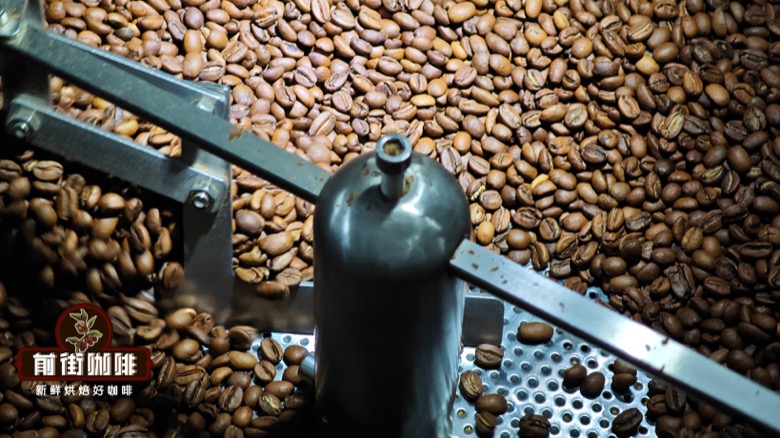
The core charm of darkly roasted coffee beans lies in the rich touch and the balance between bitter and sweet. When roasting enters the second explosion stage, the caramelization reaction inside the bean body continues to deepen, and a large amount of sugar substances are converted into dark caramel and flavor substances, bringing significant sweetness and thick texture. At the same time, organic acids process at high temperatures
Read more →
Whether a cup of latte tastes good or not is largely determined by the relationship between milk and beans. When the milk fat, lactose and protein enter the coffee, a series of flavor chemical reactions will occur - understanding these reactions will help you understand how to balance the equation for latte bean selection. Let’s first look at what milk does to coffee. The richness brought by butterfat will
Read more →
When you go to a coffee shop and order a cup of coffee, have you ever been asked by the barista: "Would you like to try our SOE?" The so-called "SOE" is the abbreviation of "Single Origin Espresso", which is espresso coffee from a single origin. Many people think that single origin is better than blending
Read more →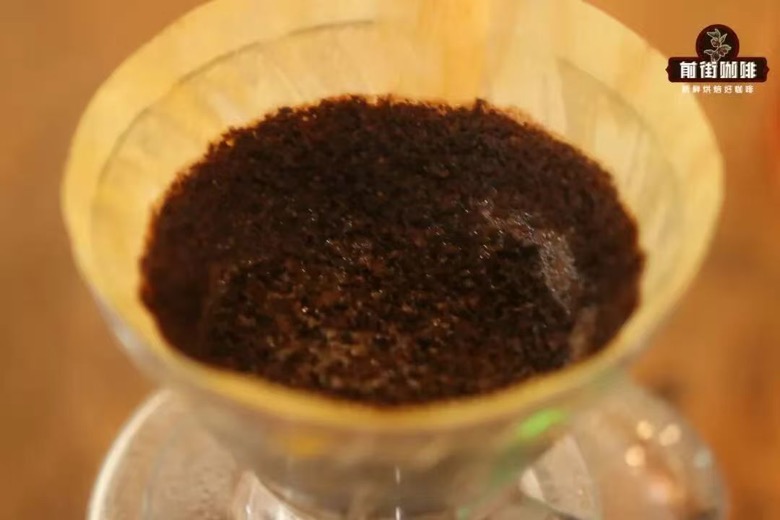
Coffee is an agricultural product and is as seasonal as fruit. Many people stare at the baking date on the package to check the freshness. In fact, going one step further, there is a larger calendar worth keeping in mind, which is the production season table of the northern and southern hemispheres. When the beans fall from the tree and when they are processed determines which time of year they fall.
Read more →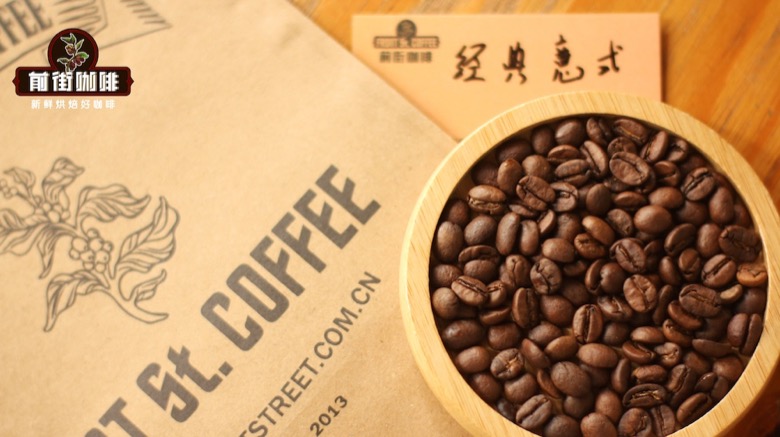
The core idea of selecting beans in a home Italian machine is to find a balance between "stability" and "trying new things". Daily ration beans pursue consistent products and solid flavor, and blended beans are naturally suitable for this role - the medium-dark roasted blend combines the advantages of multiple production areas, has a good balance of sour and sweet when concentrated and extracted, and has enough mellowness to make milk coffee.
Read more →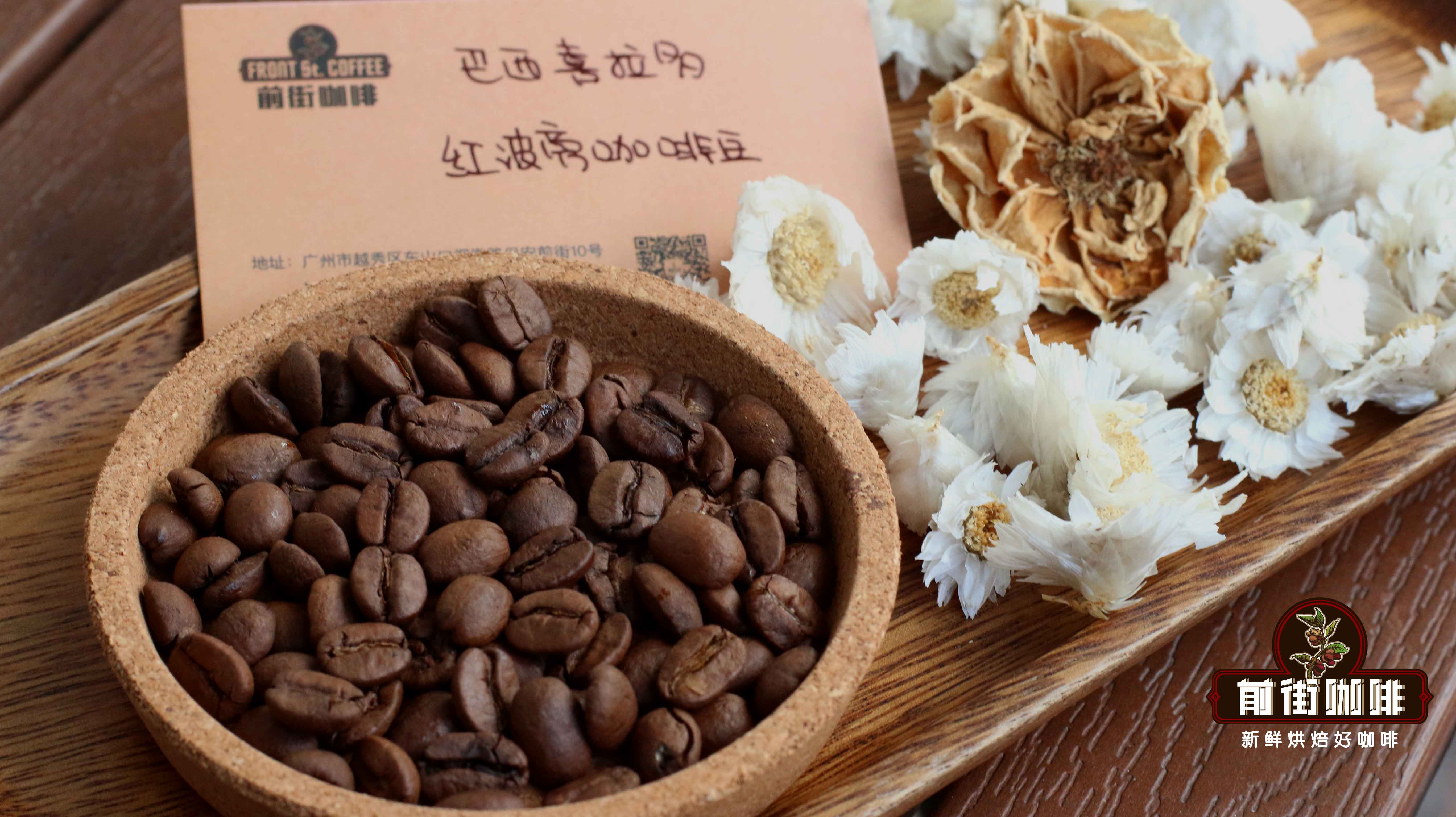
In the map of coffee origins, Brazil is an unavoidable page. It is not only an important coffee-producing country, but also a frequent visitor in Italian blends. The general characteristics of Brazilian beans are nutty and chocolate flavor, low acidity, and balanced taste. It is smooth to drink and not picky, so it has become the basis of many milk coffees and daily rations. This is it
Read more →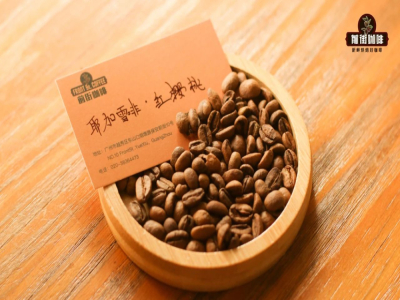
Yirgacheffe coffee has a unique citrus, lemon fruit aroma, with the fragrance of jasmine, a fresh and bright texture, and a clear-cut sour taste, clean and free of impurities. The high altitude brings a large temperature difference between day and night to Yirgacheffe. The temperature difference between day and night delays the production speed of coffee fruits and can form more flavors.
Read more →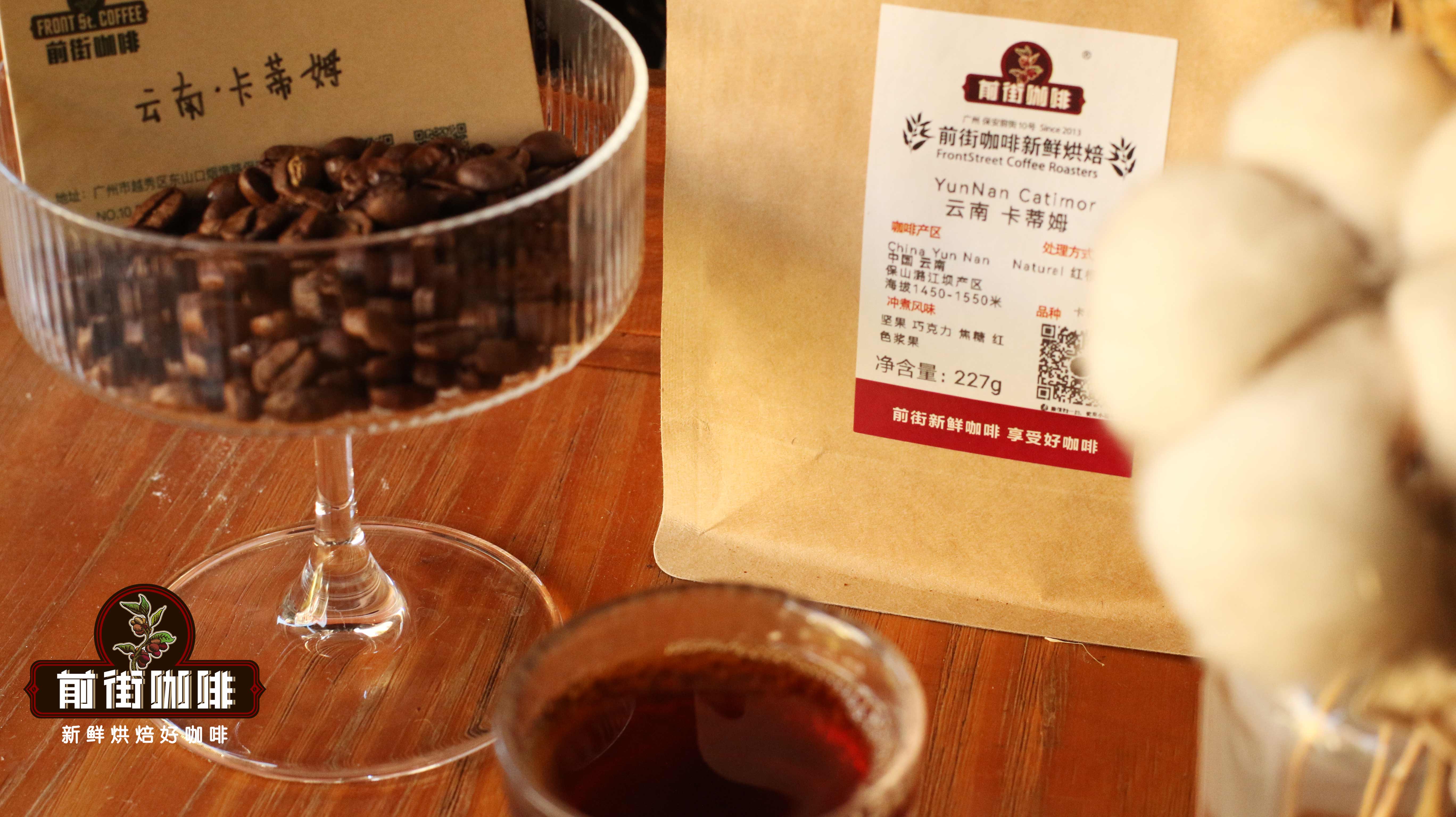
When talking about the representative of Chinese coffee, many people may think of Yunnan coffee, or Yunnan small grains. So what exactly is Yunnan small grains? Where can I buy authentic Yunnan small grains? Today let’s talk about this domestic product. Yunnan small grains can be understood as Arabica in coffee. Coffee cherries are smaller in size.
Read more →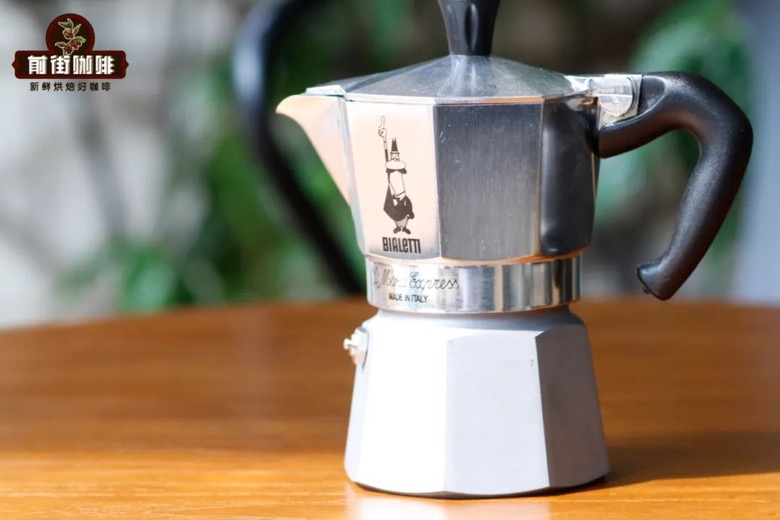
The Moka pot generates steam pressure through heating, pushing hot water through the layer of coffee grounds to complete extraction. In this process, the water temperature is higher and the contact time is concentrated, so the substances in the coffee powder will be quickly dissolved. Under such extraction conditions, roasting degree becomes the key variable that determines the direction of a cup of Moka pot coffee. Lightly roasted beans in moka pot
Read more →
Before the concept of specialty coffee became popular, "treating guests to drink Blue Mountain" was almost synonymous with high-quality coffee. Even with the emergence of high-quality production areas, Blue Mountain still has a place for its balanced and delicate taste, and Blue Mountain No. 1 is the one that has attracted much attention in this hierarchy. If you want to understand it, you can learn about it from certification, flavor and brewing
Read more →
After making cold brew coffee, how to store it to retain the flavor is a question that many people are concerned about. The extraction process of cold brew involves low temperature and long-term soaking. The properties of the finished product are more stable than hot brewed coffee. It is completely feasible to store it in the refrigerator for a few days, but the flavor trend is also very different depending on the storage method. First is the container and
Read more →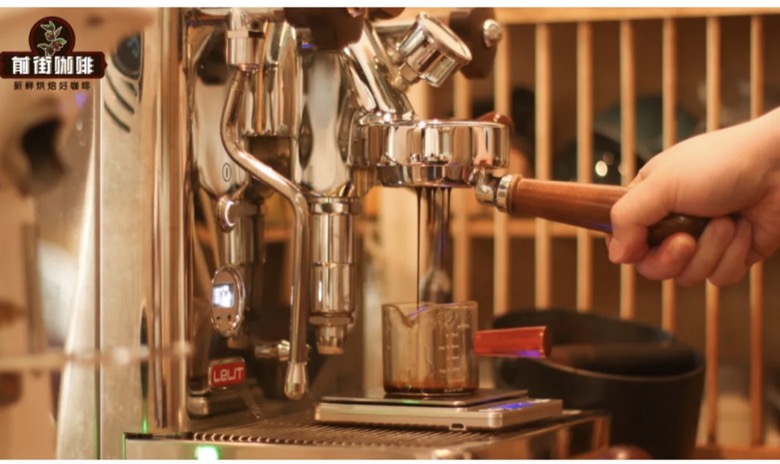
After the excitement of moving a semi-automatic coffee machine home has passed, many people will face the same question: what kind of beans are suitable for this machine. Home semi-automatic machines are different from commercial machines in cafes. There is a gap in the stability of extraction pressure and temperature, so when choosing beans, you may want to give priority to beans with high tolerance.
Read more →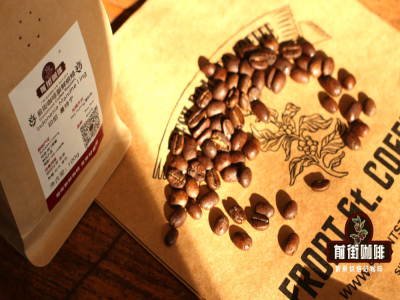
Mandheling is a relatively traditional coffee bean, produced in Sumatra, Indonesia. It is usually darkly roasted, so it does not have an obvious sour taste, but more of a strong and bitter tonality of nuts, chocolate, and caramel, reflecting a mellow and sweet taste. Here are two Mandheling coffee recommendations that are suitable for daily drinking
Read more →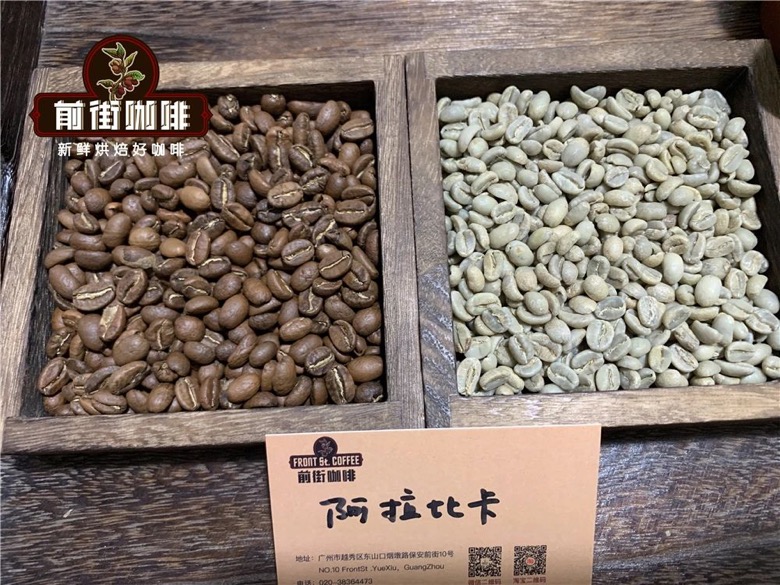
Distinctive beans often come from processing methods or the scarcity of varieties: the orange blossom guava aroma of Front Street Grana Estate Geisha is the iconic expression of the Geisha variety; the multiple fermentation processes of Colombian Hija give the passion fruit and blueberry flavor an unusually strong flavor. The meaning of specialty beans is to provide a taste experience beyond daily life
Read more →
Some flavors come from time. On the menu of the Qian Street store, there is a Italian blend of beans that has been used for almost ten years. Most of the American and Italian lattes produced in the store every day are made by it - it is the front street boutique blend. Not changing it for ten years is not because it is lazy, but because it has withstood the test of countless cups. today
Read more →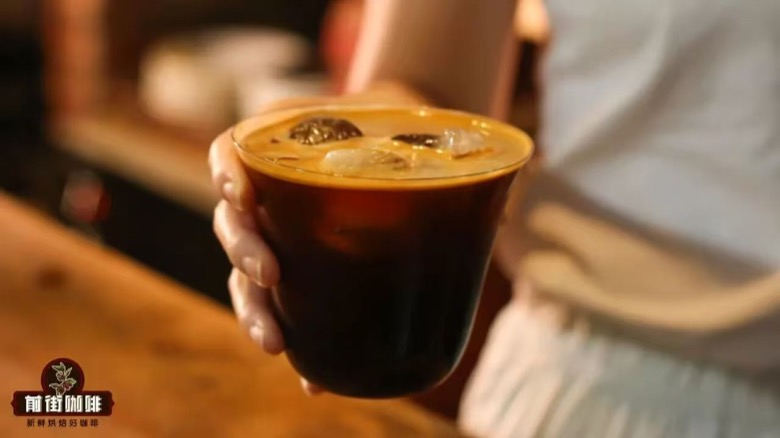
The charm of cold brew coffee lies in the smooth taste brought by low-temperature and slow brewing, and choosing the right beans is the starting point for making a good cup of cold brew. Cold brewing uses cold water to soak coffee powder for 12 to 24 hours. The release of aromatic substances is slow in a low-temperature environment, and the amount of bitterness and acidity is also reduced accordingly. The extracted coffee liquid is overall sweeter and more acidic.
Read more →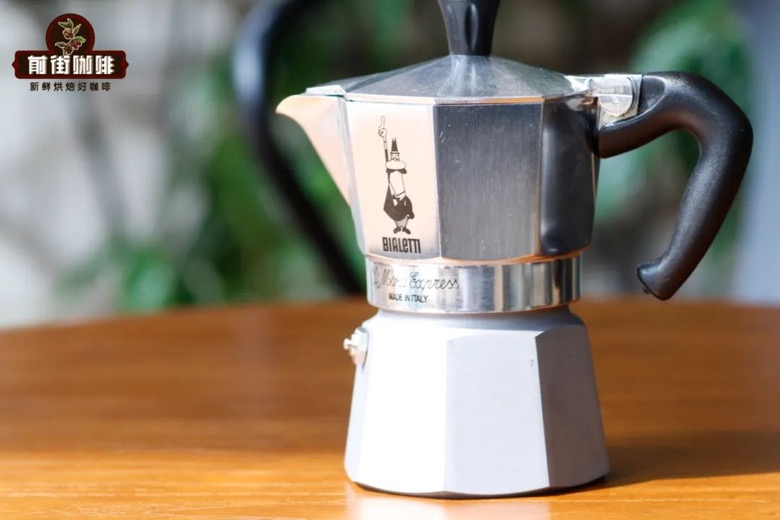
The Moka pot is an introductory appliance for making coffee in many households. It has a simple structure and is affordable. However, to make good use of the Moka pot, bean selection is more important than you think. The extraction principle of the Moka pot is between the Italian machine and hand brewing. The steam pressure pushes the hot water through the powder cake. The extraction is thicker than hand brewing but lighter than Italian brewing. Seize the oil, grind and roast when selecting beans
Read more →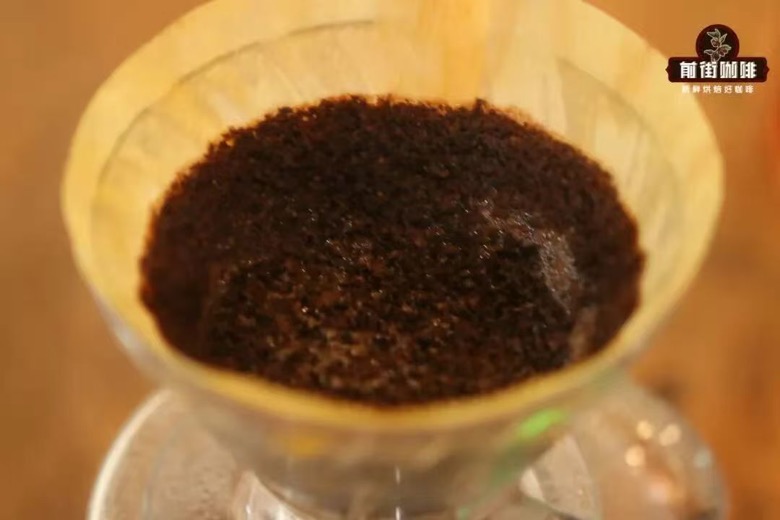
When brewing beans, the list of flavor descriptions on the packaging is often dazzling: floral, berry, caramel, oolong tea... These words are not marketing words, but the actual flavor direction that the roaster tastes when cupping. If you want to pick distinctive beans, the first thing to do is to treat these labels as beans.
Read more →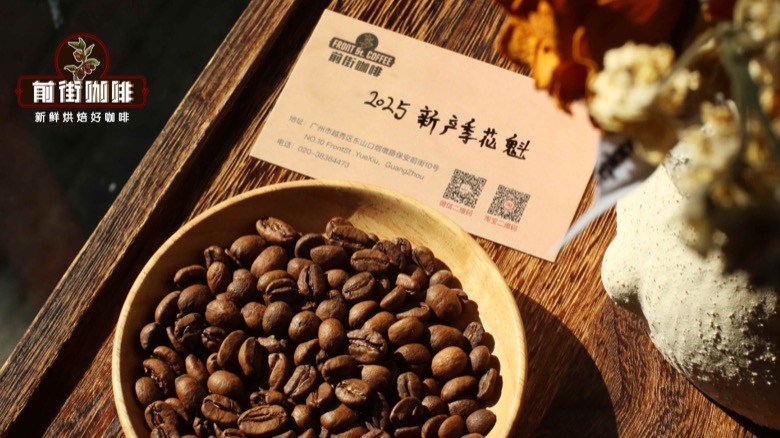
In the specialty coffee market in recent years, there are not many examples where one bean can drive recognition of the entire category, and Oiran is one of them. When many people drink it for the first time, their reaction is "Is this really coffee?" - the aroma of passion fruit and berries, coupled with a light tea taste, completely subverts people's perception of coffee as "bitter, dark, and strong"
Read more →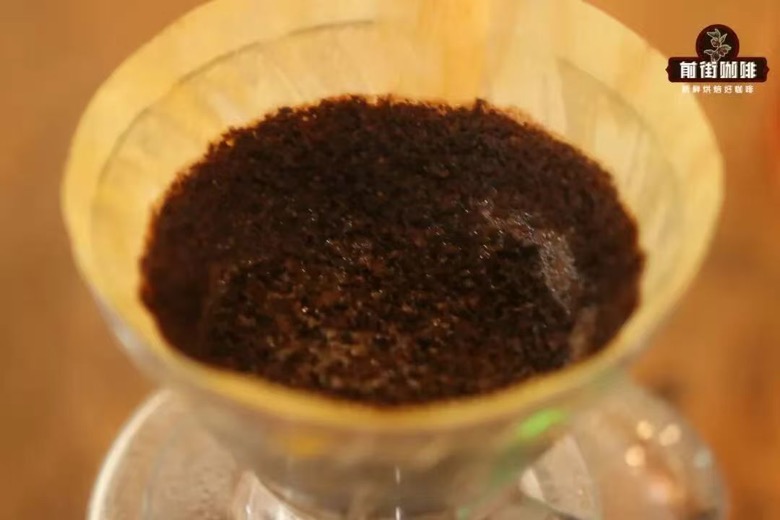
After drinking hand-brewed coffee for a long time, many people will find a phenomenon: some coffees are forgotten after drinking, while others are remembered for several days. The difference between the two lies in the "memory point" - the flavor signature that sticks in the soul after one bite and is never forgotten. This article talks about how to understand and find memorable hand-brewed beans from the perspective of quality control and bean selection. memory
Read more →Be the first to know about new bean releases, brewing tips, promotions and cupping notes

Scan to Follow Front Street Coffee on WeChat
