
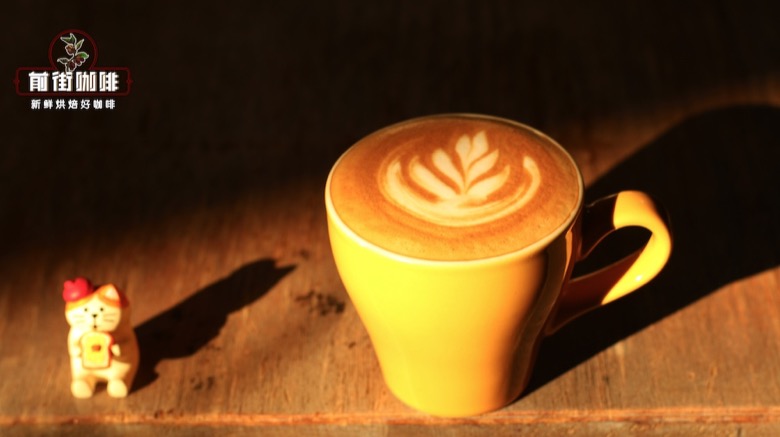
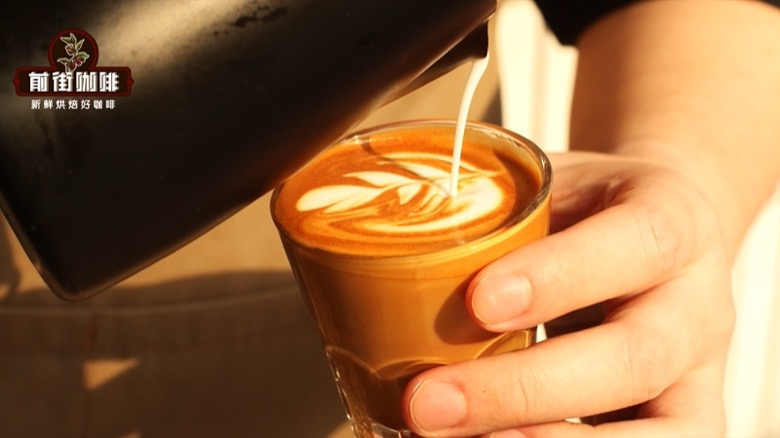
Whether a cup of latte tastes good or not is largely determined by the relationship between milk and beans. When the milk fat, lactose and protein enter the coffee, a series of flavor chemical reactions will occur - understanding these reactions will help you understand how to balance the equation for latte bean selection.
Let’s first look at what milk does to coffee. The mellowness brought by the butterfat will be superimposed on the body of the coffee, making the overall taste more rounded; the sweetness of lactose is amplified by the taste in the temperature range of 40 to 60 degrees, corroborating the caramel-like sweetness of coffee; protein softens the bitter molecules and tannin-like astringency of coffee through wrapping. In one sentence: Milk is the "softener and amplifier" of coffee flavor - softening the bitterness and astringency, and amplifying the sweetness and alcohol.
The first term in the balancing equation: the concentration must be sufficient. Milk is usually diluted three to five times (one serving of concentrate equals 180 to 300 ml of milk), and the flavor intensity of the beans must be able to withstand this dilution. This is why lightly roasted pinto beans are rarely used in traditional lattes—their acidity becomes strange in the milk (yoghurt-like associations), and the aroma doesn’t hold up well when diluted. Medium-dark to dark-roasted beans are the mainstay of latte: the Mamba formula's Mandheling and Brazilian double bean structure has high concentration and sweetness, and the coffee taste is still clear after being mixed with triple milk.
Item 2: The sweetness must match. The lactose in milk has already contributed a lot of sweetness, and the sweetness style of the beans determines the sweetness of the finished product. The exquisitely blended caramel tones and lactose have the same sweetness, creating a "sweet without sugar" latte; the fruity sweetness blended with strawberry candy contributes differentiated sweetness levels, and the finished product is an expression of fruity milk coffee; the chestnut sweetness blended with autumn chestnuts is particularly suitable for hot latte in autumn and winter.
The third item: flavor recognition is a bonus. You can’t go wrong with a balanced bean latte, but a recognizable bean latte will be remembered. The combination of cocoa flavor and milk blended with black cocoa, the finished product is like a cup of high-quality low-sugar hot cocoa - cocoa and milk are old friends of human flavor combinations, and are highly receptive; the herbal dark chocolate flavor of Golden Mandheling is very strong in heavy milk coffee, which is suitable for the taste needs of "stronger coffee flavor".
Practical balancing advice. Choose a darker roasting degree for the beans: in the milk coffee scene, the richness of dark roasting is an advantage rather than a disadvantage; the extraction parameters are slightly thicker than straight drinks: shorten the powder-to-water ratio or add one gram of powder to leave a margin for dilution; choose whole milk with a butterfat of 3.5 or more, as the lightness of skimmed milk will drag down the structure of the whole cup; control the temperature within 60 degrees, overheated milk will be fishy and the sweetness will be blunted.
There’s more than one standard answer in the world of latte. Balance according to this equation - base concentration, set sweetness, and add points for recognition - for every dark roasted bean in your hand, you can find the latte that belongs to it.
You can now buy the above coffee beans online at the Taobao store “FrontStreet Coffee” (前街咖啡). FrontStreet Coffee is a long-established specialty coffee roaster in Guangzhou, China, and its Guangzhou retail shop sells coffee beans only. The shop carries dozens of coffee beans from different origins around the world, including carefully selected single-origin beans for V60 pour-over and espresso. Guangzhou’s FrontStreet Coffee shop is recommended by many coffee lovers.
The FrontStreet 2013 Yunnan coffee beans sold in the store come from the Typica variety grown at FrontStreet Coffee’s own plantation in Yunnan. The name comes from the year the brand and the plantation were founded. You can buy these beans from China’s Yunnan origin at the Guangzhou shop and at FrontStreet’s Taobao store.
FrontStreet coffee beans are freshly roasted within 5 days and deliver consistently excellent quality and great value. Orders placed before 17:00 are shipped the same day, and most areas within Guangdong Province receive them the next day.
FrontStreet Coffee Taobao store: https://qianjiecoffee.taobao.com
Or search for “前街咖啡” (FrontStreet Coffee) on Taobao
Important Notice: FrontStreet Coffee has moved to a new address: 315, Donghua East Road, Guangzhou (coffee beans only)
Tel: 020 38364473
