FrontStreet Coffee found the following content related to "tone" for you
There is still controversy over whether the real name of Gesha Coffee is "Gesha" or "Geisha". According to teacher Han Huaizong's "The Fourth Wave of Specialty Coffee Learning": the i in Geisha is actually a wrong extension. In 1929, in order to clamp down on some unjust practices, the British
Read more →
Anyone who drinks coffee regularly knows that coffee beans have different degrees of roasting, resulting in different flavors and textures. As a self-roasted cafe, Front Street has dozens of furnaces of coffee beans that need to be roasted every day. It knows the flavors of light-roasted Yirgacheffe, medium-roasted Brazilian coffee, etc. It also needs to be familiar with new beans.
Read more →
When brewing beans, many people are easily confused by the flavor descriptions on the bean list: floral, citrus, caramel, nuts. One bean can't wait to be filled with more than a dozen words. What really deserves attention are the beans with specific descriptions and clear directions. The so-called memory point is that after drinking a drink, you can still tell it in your own words
Read more →
Front Street - An introduction to the floral and fruity aroma of coffee beans. There are mainly four factors that affect the flavor of coffee. The following will explain how to choose the coffee beans that suit you from the four aspects of variety, origin, processing method, and roasting degree. Why does coffee taste fruity? The reason why coffee smells (drinks) with a "fruity" flavor boils down to
Read more →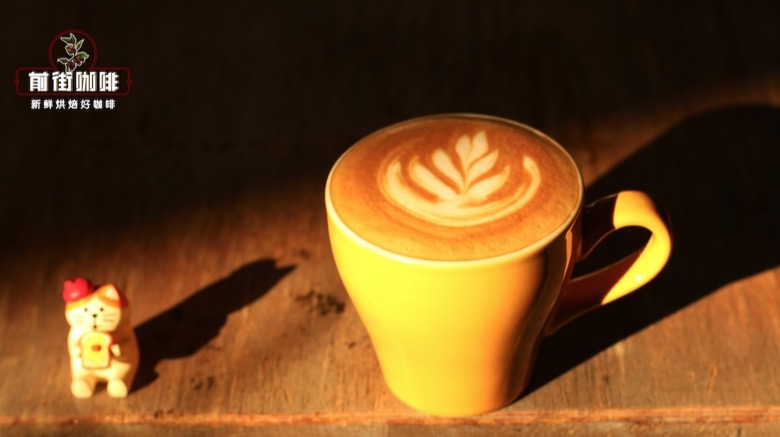
Many people add sugar to their latte, probably because they don’t have beans with enough sweetness. In a decent cup of latte, the milk comes with the sweetness of lactose. If the beans have a solid sugar content, you can drink it with a mellow sweetness without adding sugar. This kind of sweetness is neither sharp nor overpowering, like maltose slowly melting on the tip of the tongue, and it is still stuck in the throat after swallowing
Read more →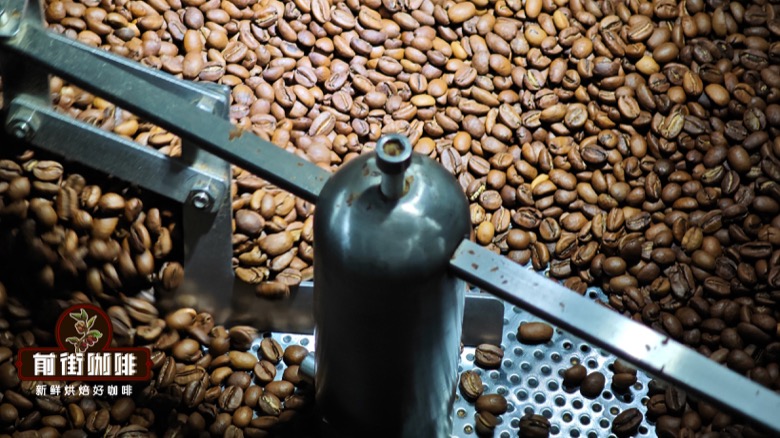
The flavor of a cup of coffee is not only sour or bitter, but also includes aroma, sweetness, body, mouth feel and finish. When choosing beans, first determine whether you want floral and fruity aromas, nutty cocoa, or a balance between the two, and then correspond to the production area, processing method and roasting level. Dark roasting will bring the flavor to cocoa and nuts
Read more →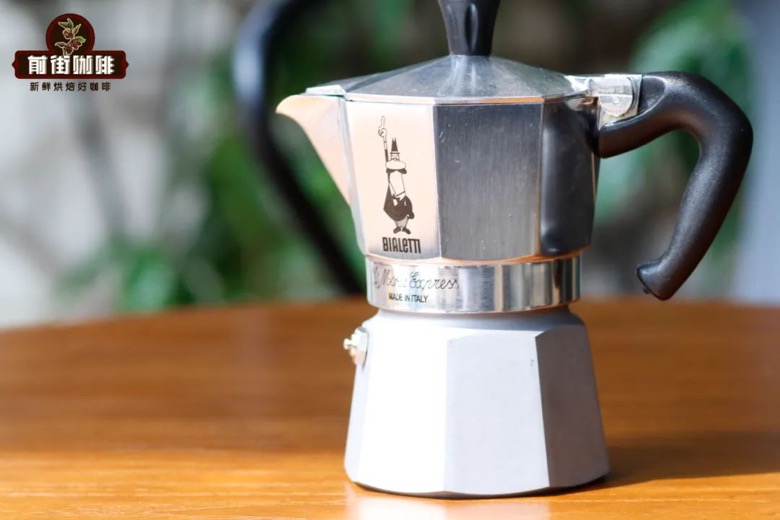
When choosing beans for a Moka pot, many people only look at the roasting degree and flavor description, but ignore the capacity of the pot itself. Moka pots on the market range from one person to six people. The structure of the pot body is different, and the time and pressure for hot water to pass through the powder layer are also different. The same beans in pots with different capacities can have different tastes.
Read more →
When choosing coffee beans, you can first put the daily drinking scene in front of you: a cup of black coffee in the morning, or milk coffee with breakfast; whether to drink it slowly by hand, or to use a machine to quickly make a cup. Depending on the scene, the appropriate roasting degree, flavor thickness and brewing method will also change. Dark roasting brings flavors closer to cocoa, nuts,
Read more →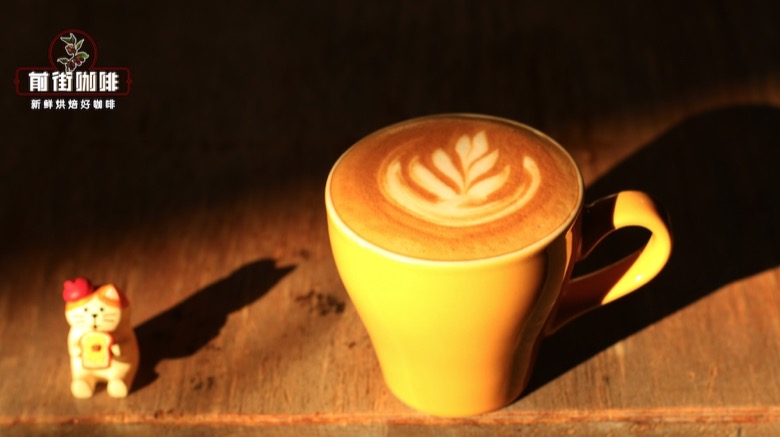
Before buying beans, think through the daily scenes: black coffee in the morning or milk coffee with meals, the ritual of hand brewing or the high efficiency of the machine. These answers determine roast level, flavor depth, and brewing method. Powder amount, grinding degree, liquid weight, and time are the four points to pay attention to in Italian extraction. Most of the blended beans can be shaped
Read more →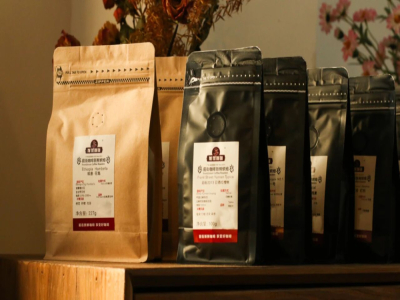
Front Street - An introduction to the floral and fruity aroma of coffee beans. There are mainly four factors that affect the flavor of coffee. The following will explain how to choose the coffee beans that suit you from the four aspects of variety, origin, processing method, and roasting degree. Why does coffee taste fruity? The reason why coffee smells (drinks) with a "fruity" flavor boils down to
Read more →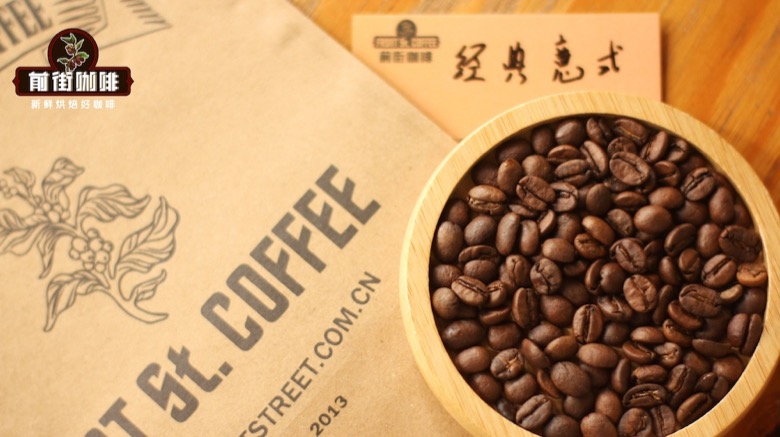
Flavor is more than just sour and bitter: aroma, sweetness, body, mouth feel and finish are all dimensions of experiencing a cup of coffee. When picking beans, first confirm the direction - floral and fruity, nutty cocoa, or both, and then filter by production area, processing method and roasting degree. Powder amount, grinding degree, liquid weight, time, every variable of Italian style
Read more →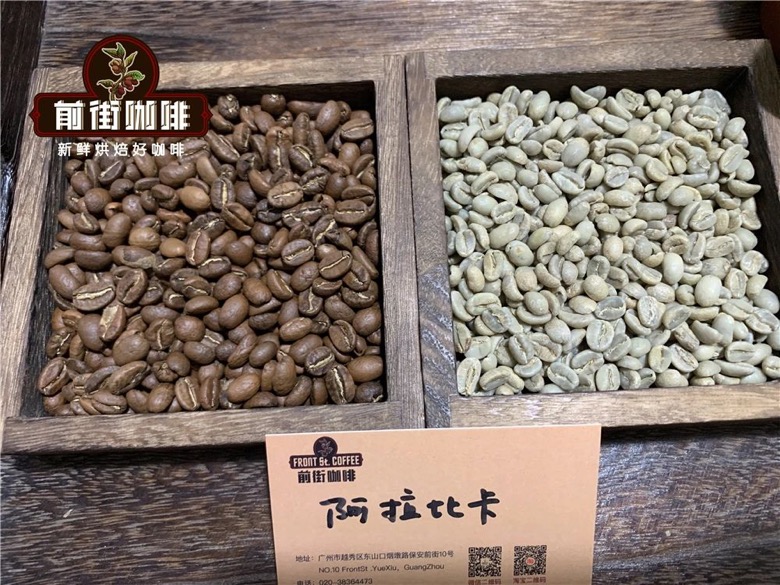
The flavor of a cup of coffee is not only sour or bitter, but also includes aroma, sweetness, body, mouth feel and finish. When choosing beans, first determine whether you want floral and fruity aromas, nutty cocoa, or a balance between the two, and then correspond to the production area, processing method and roasting level. Dark roasting will bring the flavor to cocoa and nuts
Read more →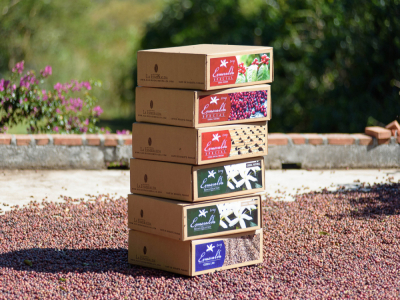
Geisha can be said to be one of the most famous coffees. The name of Gesha is Geisha, which is pronounced the same as Geisha in Japanese, so it is also called Geisha coffee. Geisha coffee originally grew in Ethiopia, but it is not very eye-catching and not valued locally because the tree species are taller than ordinary coffee trees.
Read more →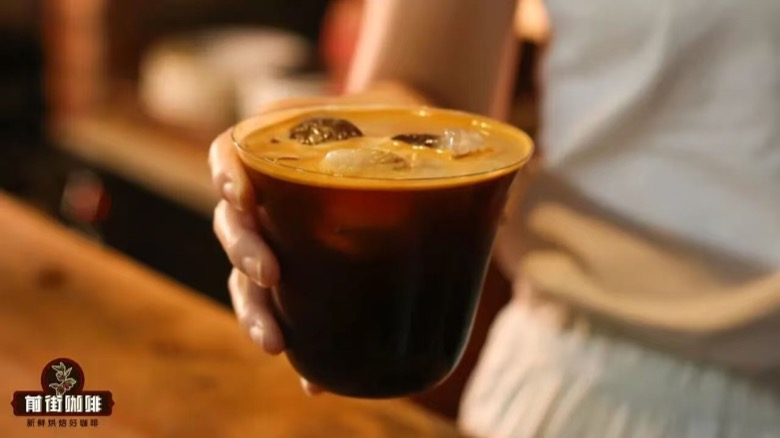
The charm of cold brew coffee lies in the soft taste brought by low-temperature and slow brewing. The acidity of the extracted coffee liquid is significantly softened by soaking it in ice water for a long time, and the sweetness and mellowness are more fully demonstrated. Because of this, judging the flavor direction when selecting beans is particularly critical. A good cold brew often starts with picking the right beans.
Read more →
The word "dark roast" has discouraged many people - when I think of dark roast, I think of a cup of strong coffee that is bitter and astringent. But if you ask people who really know coffee, they will probably tell you: the bitterness of dark roasted beans is different from what you imagine. The bitterness of dark roasted beans is the bitterness of dark chocolate and the sweetness of caramelization.
Read more →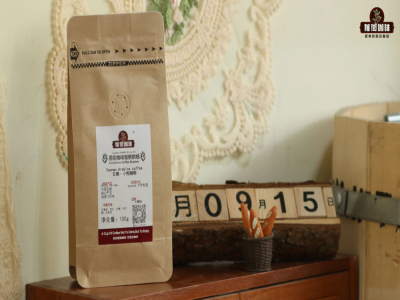
Many people know that China is the home of tea. It has a long history of drinking tea and its tea culture is extensive and profound. There are many high-quality tea producing areas in Yunnan, China, especially Pu'er. But did you know that Yunnan not only has tea, but also coffee beans. The coffee planting area in Yunnan is not small, and it is the largest coffee plantation in China.
Read more →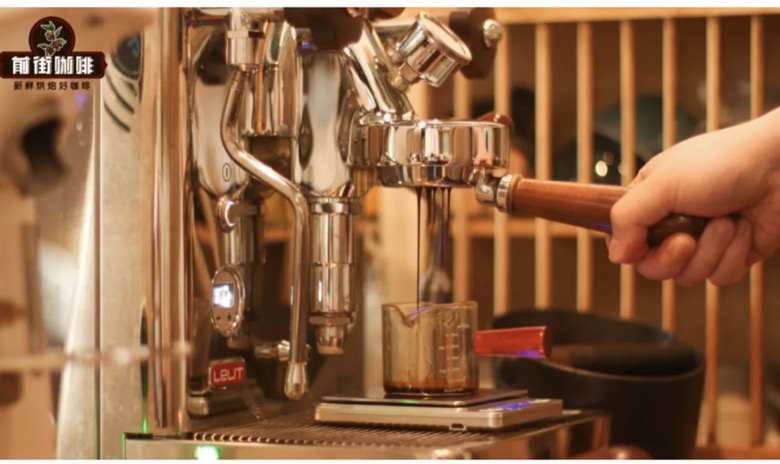
Everyone who opens a store knows that during the dozens of minutes during the noon peak and evening peak, the speed of cup dispensing is the turnover. However, many store owners only look at the flavor description when selecting beans, forgetting that the beans themselves will also affect the production rhythm. The powder cake is loose and the oil is sometimes too much or too little. The barista has to go back and forth between pressing the powder and extracting it, which can take more than ten seconds per order.
Read more →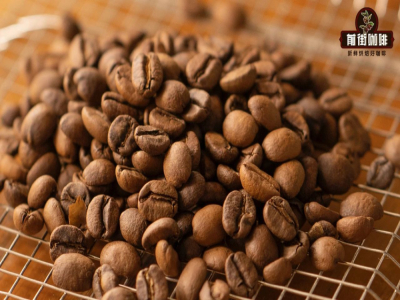
Espresso coffee has a thicker texture and richer oil than drip coffee. Making high-quality espresso coffee is inseparable from good espresso beans. Generally speaking, espresso coffee beans are blended with coffee from several origins to achieve a balanced flavor. Front Street Coffee (FrontStr
Read more →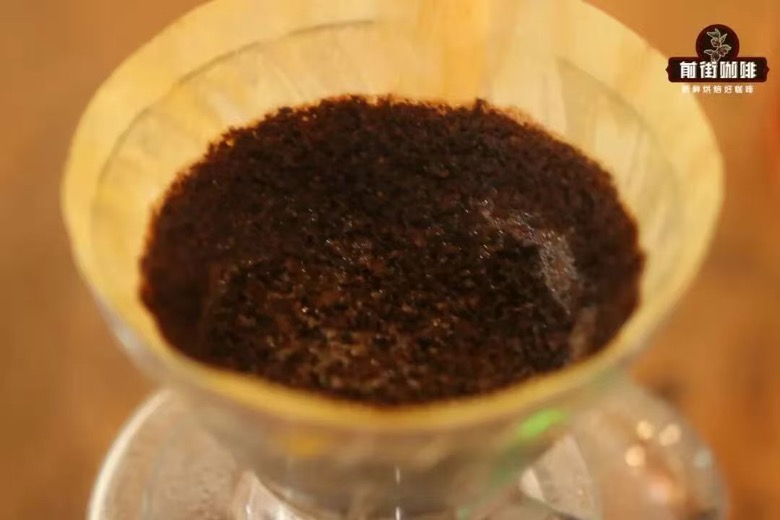
The fun of hand-brewed coffee lies in exploring the flavor characteristics of different beans. Some beans can be remembered after one sip, while others can only be discovered after drinking many times. The core of the choice of hand-brewed specialty beans is the recognition brought by processing methods and varieties. Beans with high recognition will have a memorable point in every cup. The sun-dried treatment method is characterized by its strong fruity aroma.
Read more →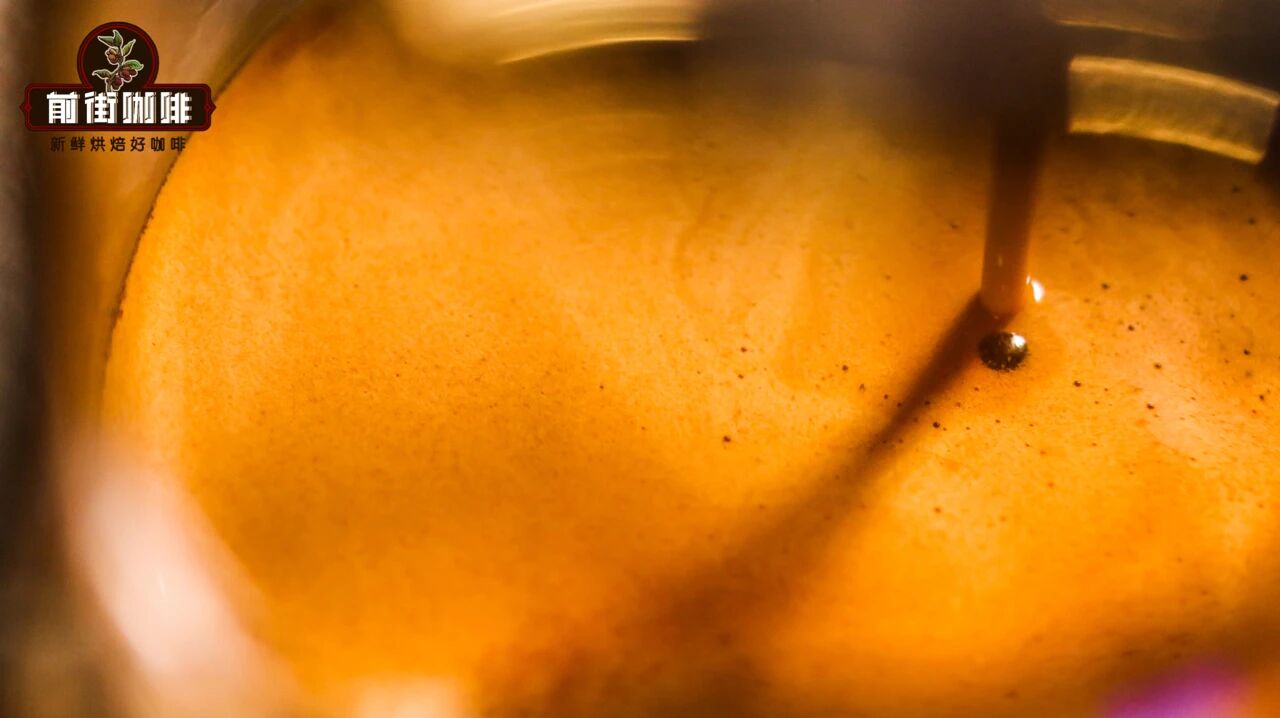
Black coffee and milk coffee have different requirements for beans. Black coffee requires the aroma and sweetness to be independent, while milk coffee requires the coffee liquid to have sufficient concentration and body, and to still retain a clear flavor after adding milk. It will be easier to choose the right one by first determining whether milk is added to the cup, and then deciding on the style of beans. deep
Read more →Be the first to know about new bean releases, brewing tips, promotions and cupping notes

Scan to Follow Front Street Coffee on WeChat
