FrontStreet Coffee found the following content related to "structure" for you
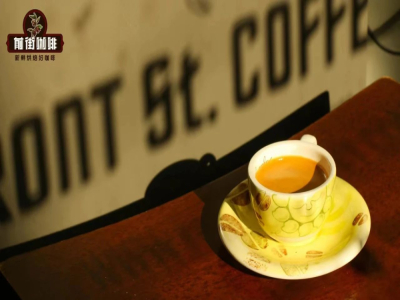
As coffee entered people's attention, it slowly became a part of life. When it comes to tasting coffee, it’s not just limited to the pleasure brought by hand brewing. There are many ways to drink coffee. In addition to simple hand brewing, espresso coffee is everyone's favorite. Maybe you often hear in coffee shops: "Have a cup"
Read more →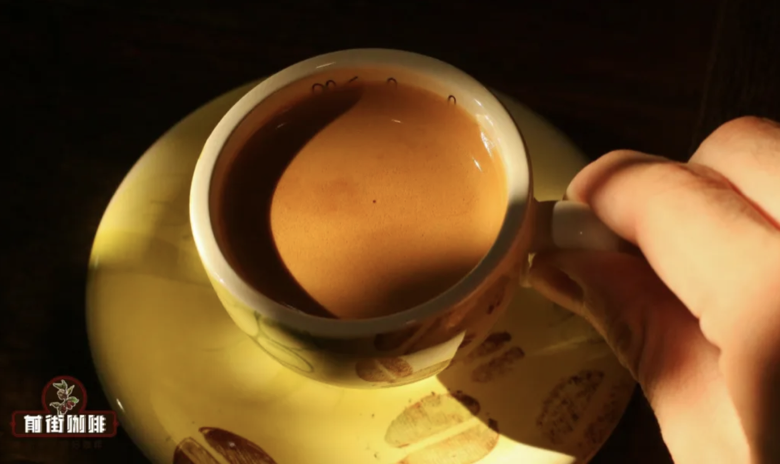
In the Italian world, that layer of golden-brown crema is what many players are chasing. Whether the fat is thick or fine, directly affects the fusion between the concentrated taste and milk coffee. There is a clear logic from the bean level that determines the performance of fats - variety, ingredients and roasting, three factors are written together.
Read more →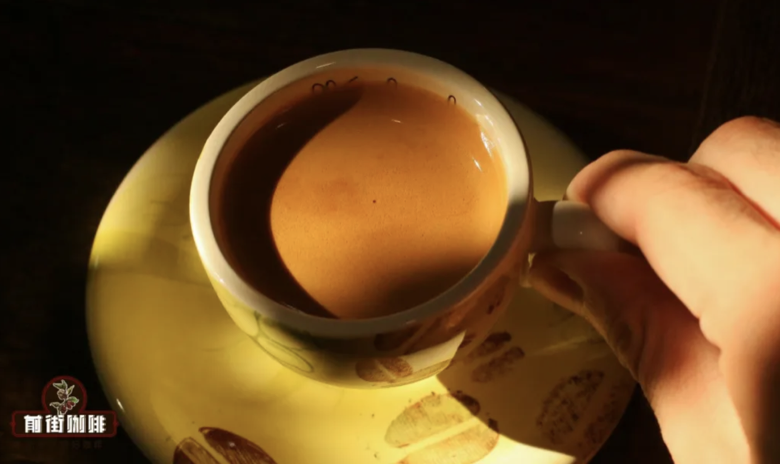
In the Italian world, that layer of golden-brown crema is what many players are chasing. Whether the fat is thick or fine, directly affects the fusion between the concentrated taste and milk coffee. There is a clear logic from the bean level that determines the performance of fats - variety, ingredients and roasting, three factors are written together.
Read more →
When opening a coffee shop, the product structure is usually divided into two lines: Italian line (American, latte, cappuccino) and hand-brew line (single-origin coffee). The bean selection logic of the two lines is completely different, but both directly determine the repurchase rate. This article is a reference for friends who are preparing to open a store or optimize their menu. Italian line: stability is overwhelming
Read more →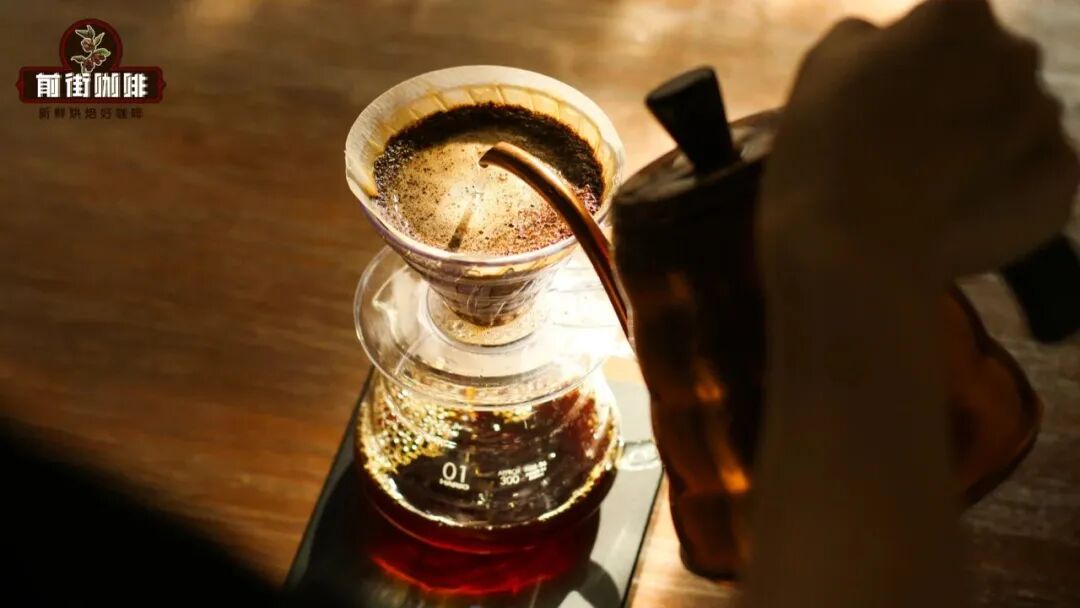
If you often read Front Street’s articles, you should be familiar with the brewing time of “2 minutes”. It is a reference value based on countless past extraction experiences and can help us judge the speed of the flow rate. Recently, a friend bought a bunch of different types of beans at a Front Street store and curiously asked: Does he buy a bunch of beans every time?
Read more →
In a cup of latte, milk occupies the vast majority of the volume, and the coffee only has a small cup of concentrated base. If you want this cup of milk coffee to have a clear coffee flavor, when selecting beans, you must look at the concentration and structure of the flavor substances, which is often referred to as penetration. Beans with strong penetrating power create a clear latte with a clear boundary between milk and coffee.
Read more →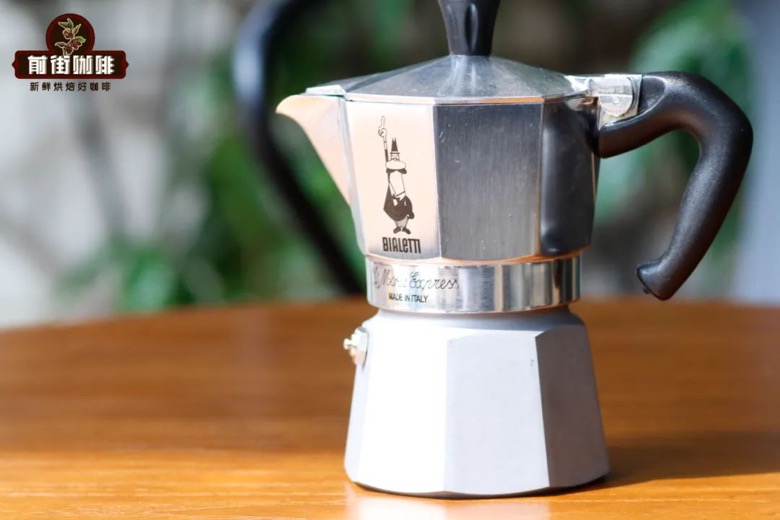
When choosing beans for a Moka pot, many people only look at the roasting degree and flavor description, but ignore the capacity of the pot itself. Moka pots on the market range from one person to six people. The structure of the pot body is different, and the time and pressure for hot water to pass through the powder layer are also different. The same beans in pots with different capacities can have different tastes.
Read more →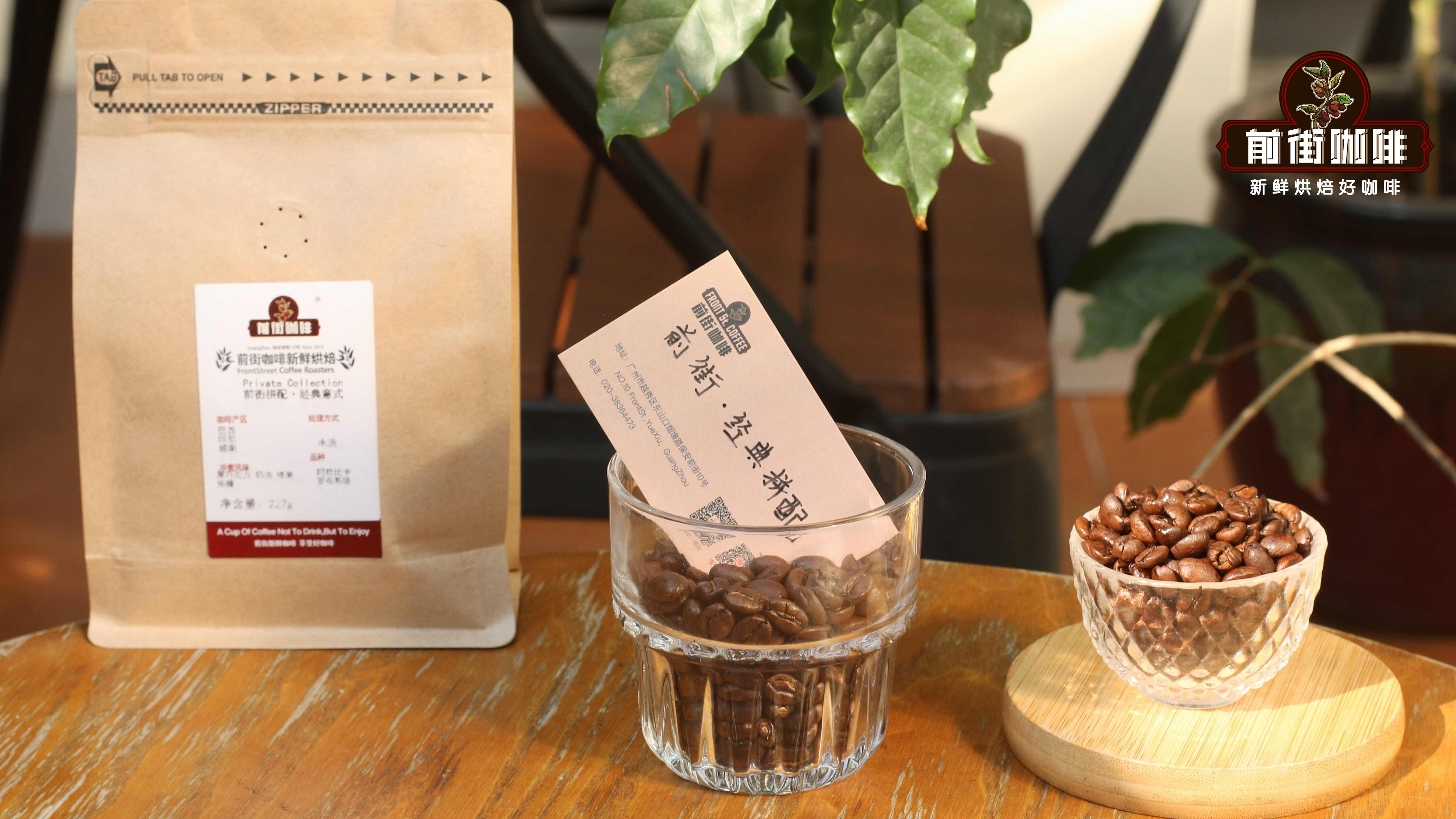
Many friends who are new to coffee will struggle with a question: Which one should I buy, French Press or Moka Pot? Both are recognized as novice-friendly coffee appliances, but their extraction principles, taste, flavor, and operation methods are completely different. Today’s article will help you figure it out at once. After reading it, you can place an order directly without any entanglement.
Read more →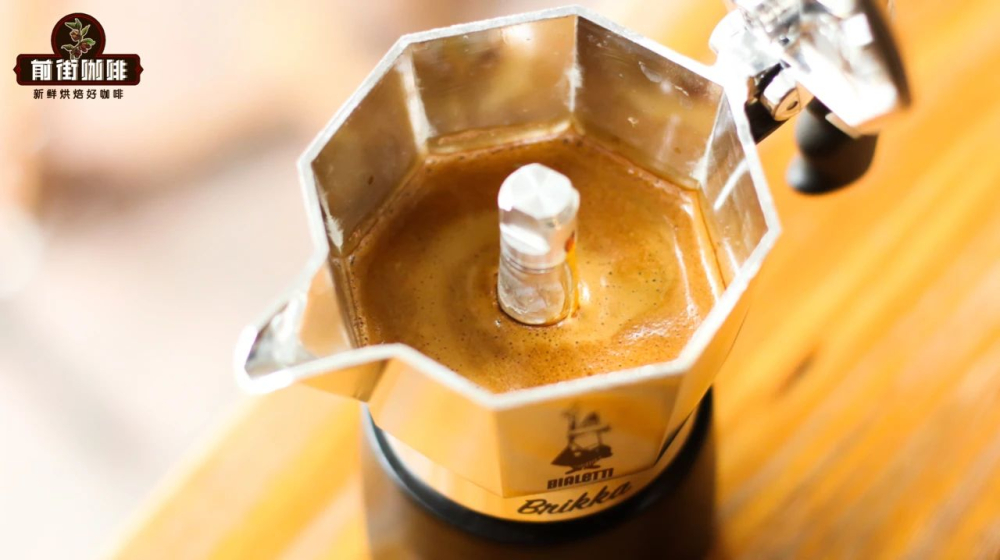
We all know that a Moka pot can brew delicious coffee, but we don’t know whether it counts as espresso. If not, what is the difference between the two types of coffee? Today Front Street will compare the similarities and differences between the two. The Moka pot can make such delicious espresso, let’s take a look at the moka pot
Read more →
As coffee enters people's attention and gradually becomes a part of life, the way to taste coffee is no longer limited to the happiness brought by hand brewing. There are many ways to make coffee. In addition to simple hand brewing, there are also other methods such as Italian style, cold brewing, and siphoning. Maybe you often do it in coffee shops.
Read more →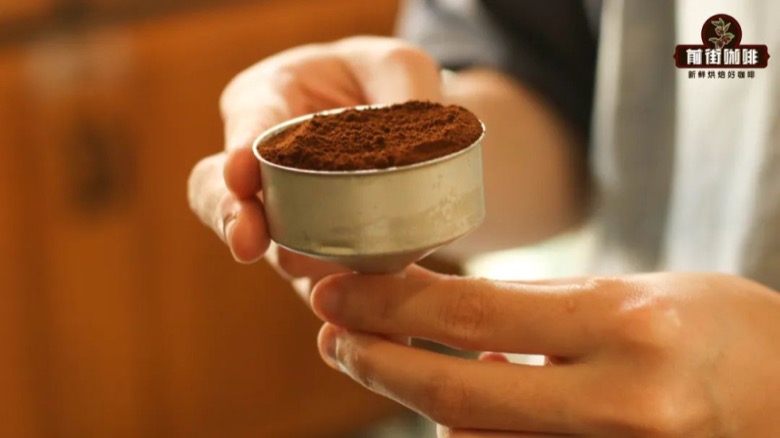
The Moka pot is an introductory appliance for making coffee in many households. It has a simple structure, an affordable price, and a rich product. However, the extraction method of the Moka pot is different from that of the Italian machine, and the bean selection logic also has its own characteristics. Blended beans are a safe choice for a moka pot. The bean blends are specially designed for Italian and Moka pots and come in Mamba or Bago blends
Read more →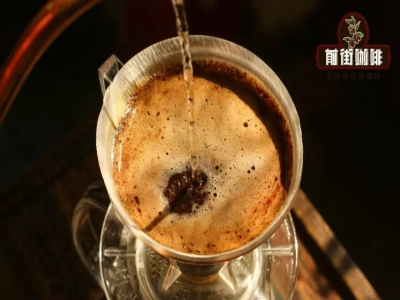
The emergence of hand-brewed coffee was originally to make coffee making easier. With the changes of the times and the improvement of the quality of life, everyone is enjoying the process of making hand-brewed coffee more and more, and there is more research and pursuit. Research is constantly innovating, and everyone is constantly pursuing it, so that many misunderstandings have arisen, which has caused many friends to
Read more →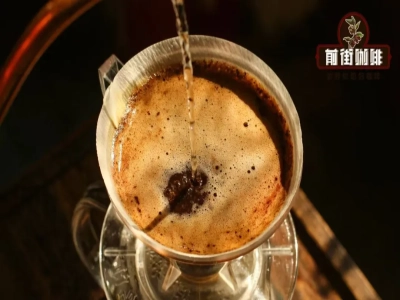
The emergence of hand-brewed coffee was originally to make coffee making easier. With the changes of the times and the improvement of the quality of life, everyone is enjoying the process of making hand-brewed coffee more and more, and there is more research and pursuit. Research is constantly innovating, and everyone is constantly pursuing it, so that many misunderstandings have arisen, which has caused many friends to
Read more →
For more knowledge about specialty coffee, please pay attention to: Frontsteet Coffee French Press originated in France in the 19th century. It is called French Press in English and can also be called "French Press" in Chinese. Although the specific time of its emergence is unclear, in 1852, the French
Read more →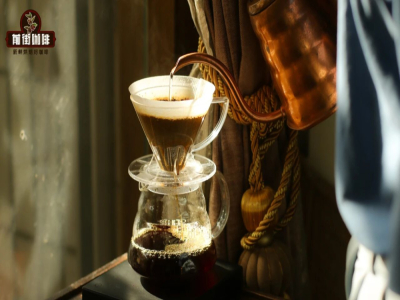
I wonder if you have noticed that except for some large chain brands, very few coffee shops now use trapezoidal filter cups to produce hand-brewed coffee. Nowadays, almost all of them use conical filter cups with large holes. Front Street will take you to explore. The world's first filter cup was the trapezoidal filter cup of Melitta from Germany.
Read more →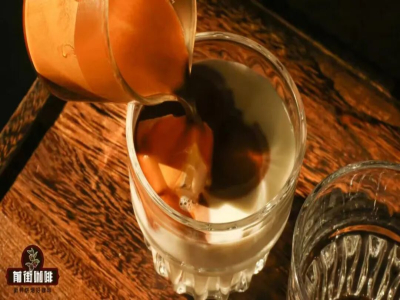
Since the materials used to make Dirty and Iced Latte are the same, both are iced milk and concentrate, and their appearance is similar, and they both have a layered structure created by milk and concentrate. Therefore, I am often asked by customers and friends drinking iced latte on Qian Street: "Both are iced milk and condensed milk, Dirty and
Read more →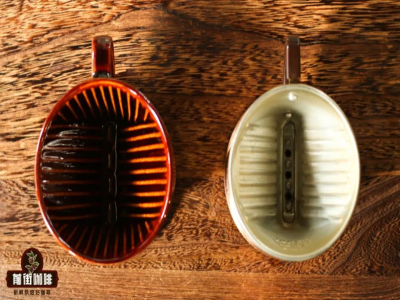
I don’t know if you have noticed that, except for some large chain brands, we rarely see trapezoidal filter cups in coffee shops. Compared with trapezoidal filter cups, the appearance rate of cone-shaped, flat-bottomed/cake filter cups is obviously much higher. So many friends are curious, why do we use a trapezoidal filter cup?
Read more →
Since the materials used to make Dirty and Iced Latte are the same, both are iced milk and concentrate, and their appearance is similar, and they both have a layered structure created by milk and concentrate. Therefore, I am often asked by customers and friends drinking iced latte on Qian Street: "Both are iced milk and condensed milk, Dirty and
Read more →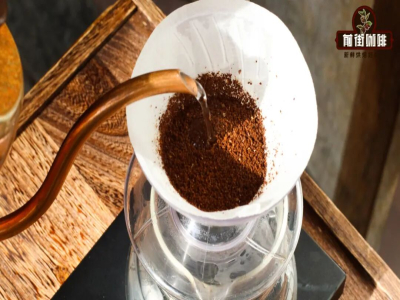
Anaerobically processed coffee beans generally have a richer and more recognizable flavor (for the most part) than other conventional processing methods because they tend to be more deeply fermented. For example, the Front Street 90+Eleta in the Front Street bean menu has obvious longan, spice, and citrus flavors.
Read more →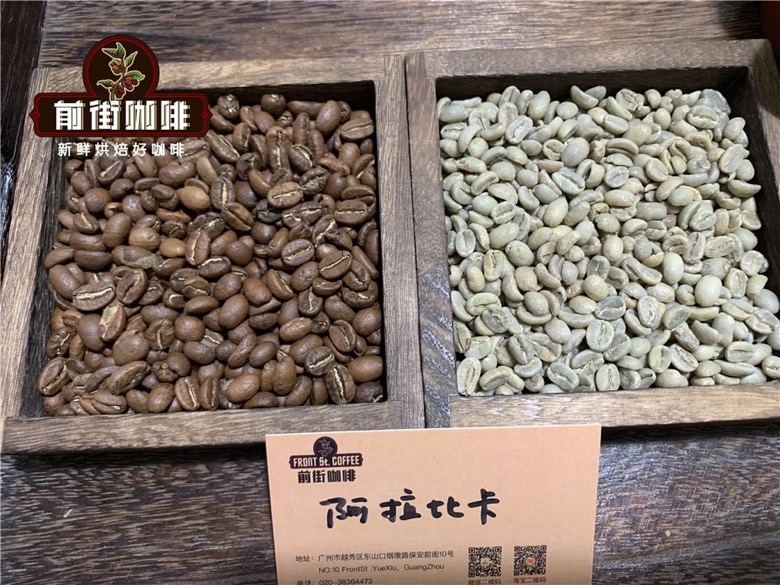
Arabica is a well-known bean species in the coffee world, and most of the specialty coffee on the market comes from it. People who like to drink coffee have probably heard the names Typica and Bourbon, both of which belong to the Arabica family. If you understand the structure of this family, you will also understand the origin of the flavor in the cup. Arabica is a
Read more →Be the first to know about new bean releases, brewing tips, promotions and cupping notes

Scan to Follow Front Street Coffee on WeChat
