FrontStreet Coffee found the following content related to "solid" for you
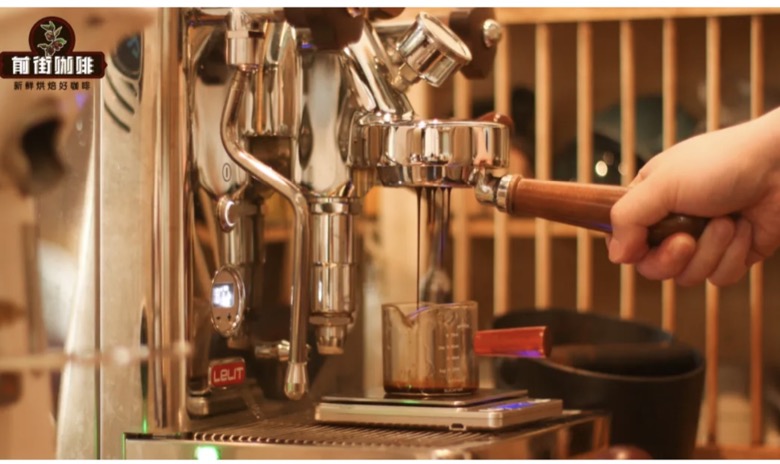
When you open a shop to make Italian coffee, the formula structure of the blended beans directly determines the flavor direction and cost control of the product. Behind a good cup of espresso is the careful combination of base beans and specialty beans. The base beans are responsible for supporting the richness and oil, while the specialty beans are responsible for the finishing touch of flavor. Clarify the matching logic and select beans for commercial use
Read more →
When it comes to Panama coffee, the first word that pops into most people’s minds is “Gesha”. In the past decade or so, this small country in Central America has amazed the world with its Geisha, so much so that many people only know this variety of Panama coffee. In fact, in this land, it was Bo
Read more →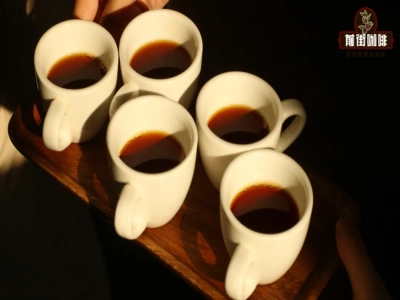
Front Street - Brief Introduction to Coffee Growing Conditions Botanically speaking, coffee is a genus of Coffea in the Rubiaceae family, with Arabica and Robusta as the main species. Specialty coffee is mainly Typica, Bourbon, Caturra, etc. under Arabica. Coffee trees are evergreen shrubs planted in more than 70 countries with suitable climates, about 2 latitudes north and south.
Read more →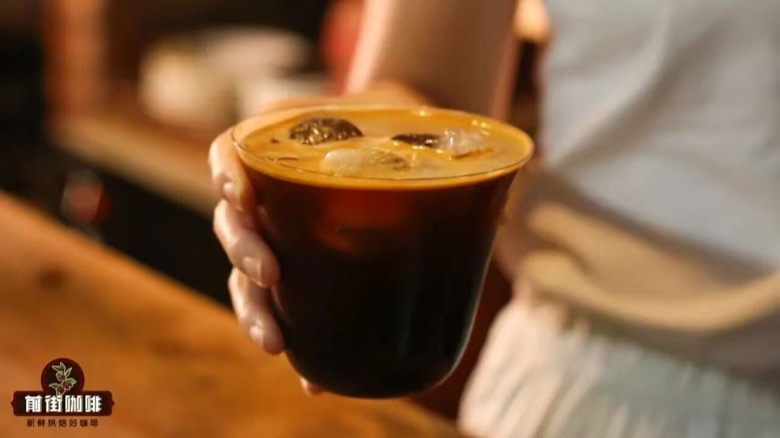
The charm of cold brew coffee lies not only in its preparation, but also in its flexible drinking methods. Because of the long-term soaking at low temperature, the concentration of the original solution obtained by cold extraction is higher, and the sweetness and smoothness are more prominent, which leaves enough room for subsequent blending. A cup of original liquid can be turned into refreshing black coffee or a milky latte.
Read more →
The selection of beans for cold brew coffee is different from hot brewing. Low temperature and slow brewing will amplify the sweetness, reduce the acidity, and make the flavor more rounded and soft. If you choose the right beans, the cold brew will be delicious; if you choose the wrong beans, it will be tasteless or bitter. By clarifying the two routes of selecting beans, fruity and mellow, cold brewing will have a clear direction. fruit
Read more →
The charm of hand-brewed coffee lies in the flavor differences of the production areas. However, faced with the dazzling array of beans on the shelves, many novices are prone to difficulties: Which production area should they choose? In fact, you don’t have to memorize the flavor from the production area. Instead, work backwards from your own taste preferences. The choice will be much simpler. If you like floral and citrus notes, you can give priority to Ethiopia.
Read more →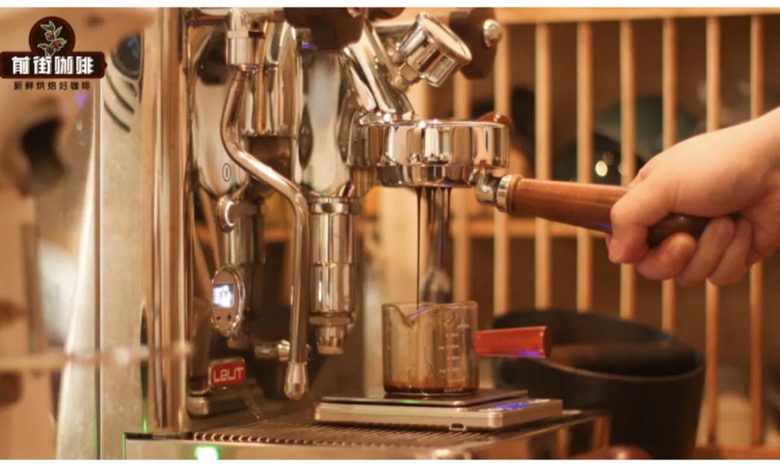
Home semi-automatic Italian machines are different from commercial machines in that the pressure and temperature control are not as precise, but they are enough for home users. In terms of bean selection, the household scene pays attention to the combination of ration beans and advanced beans. Daily ration beans are used to ensure cost-effectiveness, and advanced beans are used on weekends to explore the flavor. Use the two together to make Italian products at home.
Read more →
In the map of coffee origins, Brazil is an unavoidable page. It is not only an important coffee-producing country, but also a frequent visitor in Italian blends. The general characteristics of Brazilian beans are nutty and chocolate flavor, low acidity, and balanced taste. It is smooth to drink and not picky, so it has become the basis of many milk coffees and daily rations. This is it
Read more →
(Comparison of Arabica and Robusta) Generally speaking, Arabica is mainly used in the currently popular single-origin/specialty coffee, while Robusta is mostly used in instant coffee. This is not to say that Robusta is necessarily worse than Arabica, but just based on the main uses of the two coffee varieties in the market. However, no
Read more →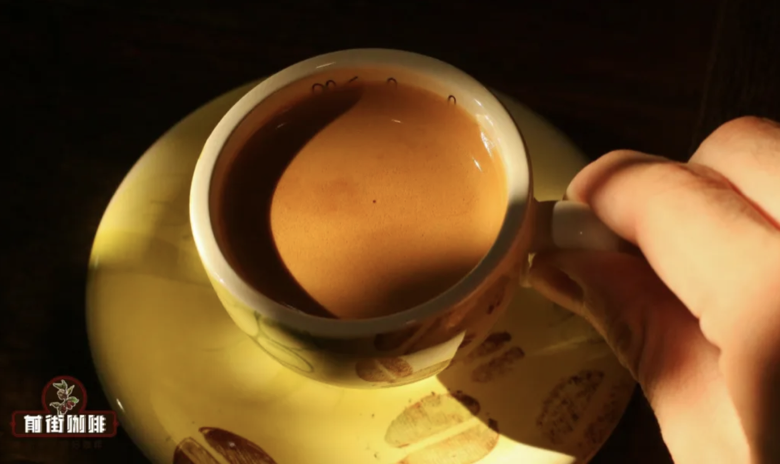
In the Italian world, that layer of golden-brown crema is what many players are chasing. Whether the fat is thick or fine, directly affects the fusion between the concentrated taste and milk coffee. There is a clear logic from the bean level that determines the performance of fats - variety, ingredients and roasting, three factors are written together.
Read more →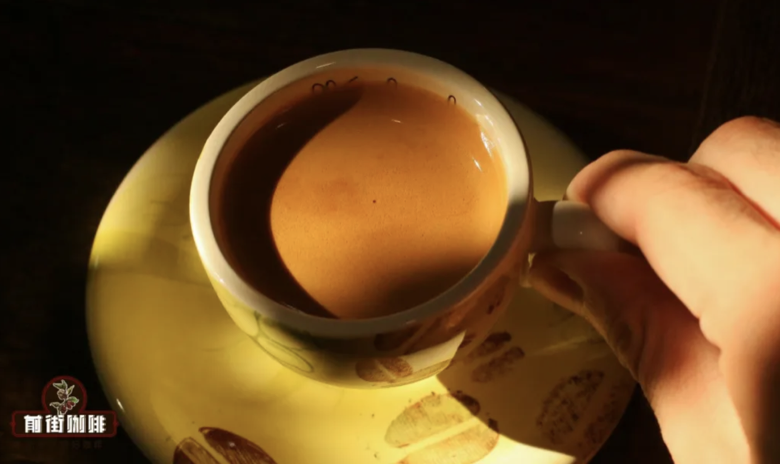
In the Italian world, that layer of golden-brown crema is what many players are chasing. Whether the fat is thick or fine, directly affects the fusion between the concentrated taste and milk coffee. There is a clear logic from the bean level that determines the performance of fats - variety, ingredients and roasting, three factors are written together.
Read more →
After making cold brew coffee, how to store it to retain the flavor is a question that many people are concerned about. The extraction process of cold brew involves low temperature and long-term soaking. The properties of the finished product are more stable than hot brewed coffee. It is completely feasible to store it in the refrigerator for a few days, but the flavor trend is also very different depending on the storage method. First is the container and
Read more →
Want to get started with single-origin coffee, but don’t know where to start? In fact, the world of single-origin beans is not as complicated as imagined - first get to know a few representative beans, find your favorite flavor direction, and the rest of the journey will be smooth. This article has compiled a list of popular ones suitable for beginners, from gentle to stunning, explained in one go.
Read more →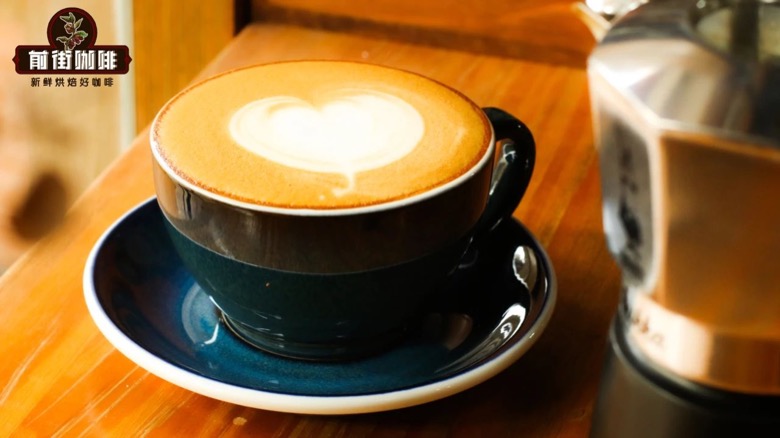
When using a Moka pot to make milk coffee, you can first choose the beans based on the flavor you want to drink in the cup. Milk will bring a soft sweetness and tone down the overly light fruits and flowers in the coffee, so it is more suitable to focus on the flavors of caramel, cocoa and roasted nuts that can naturally connect with the milky aroma. Medium-dark roasts usually allow the sugar to
Read more →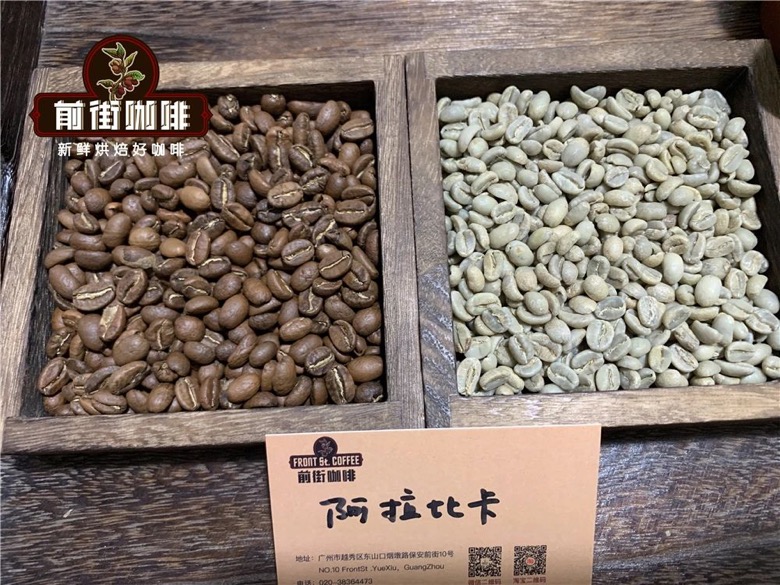
Distinctive beans often come from processing methods or the scarcity of varieties: the orange blossom guava aroma of Front Street Grana Estate Geisha is the iconic expression of the Geisha variety; the multiple fermentation processes of Colombian Hija give the passion fruit and blueberry flavor an unusually strong flavor. The meaning of specialty beans is to provide a taste experience beyond daily life
Read more →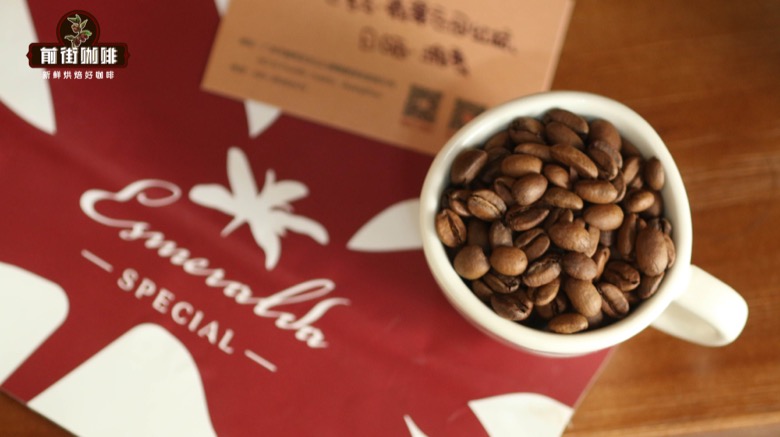
Geisha is probably a highly talked-about variety in the world of specialty coffee: its elegant jasmine aroma, citrus and black tea-like delicate flavors make many enthusiasts willing to practice brewing for it. However, Geisha is mostly lightly roasted, and the beans have a dense texture and strong exhaust, so you need to use the habit of deep-roasting beans to soak them.
Read more →
Some flavors come from time. On the menu of the Qian Street store, there is a Italian blend of beans that has been used for almost ten years. Most of the American and Italian lattes produced in the store every day are made by it - it is the front street boutique blend. Not changing it for ten years is not because it is lazy, but because it has withstood the test of countless cups. today
Read more →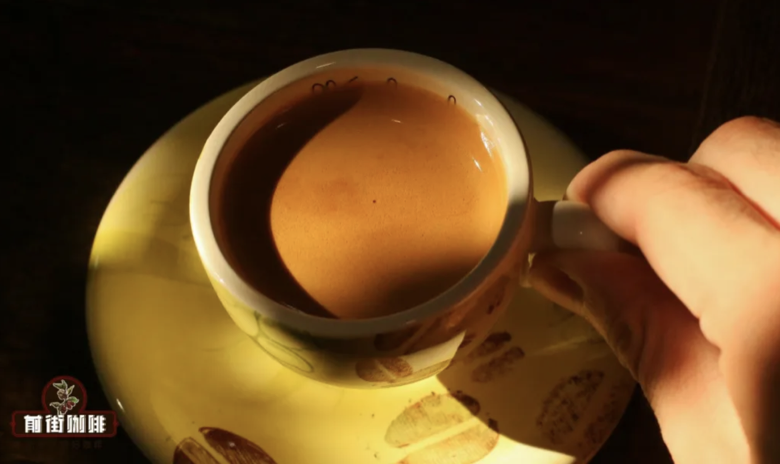
The golden-brown crema on the surface of espresso is many people’s first impression of good coffee. Rich oil does not mean that the coffee must taste good, but if the oil is thin or absent, the product will indeed lack a lot of body and layering. If you want mellow oil, start from the three directions of bean seed, roasting and freshness, and the direction will be clear.
Read more →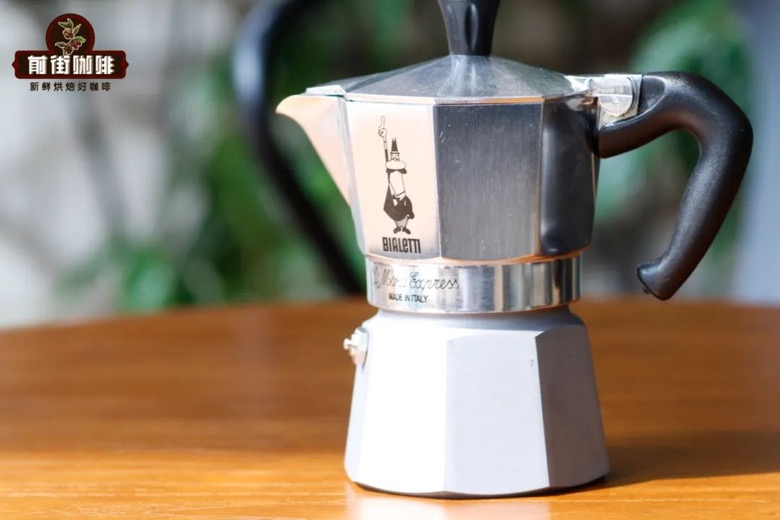
The Moka pot is an introductory appliance for making coffee in many households. It has a simple structure and is affordable. However, to make good use of the Moka pot, bean selection is more important than you think. The extraction principle of the Moka pot is between the Italian machine and hand brewing. The steam pressure pushes the hot water through the powder cake. The extraction is thicker than hand brewing but lighter than Italian brewing. Seize the oil, grind and roast when selecting beans
Read more →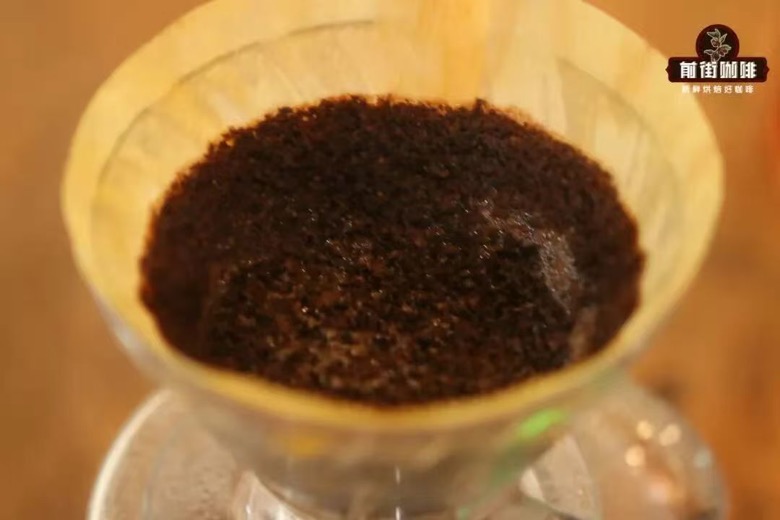
When brewing beans, the list of flavor descriptions on the packaging is often dazzling: floral, berry, caramel, oolong tea... These words are not marketing words, but the actual flavor direction that the roaster tastes when cupping. If you want to pick distinctive beans, the first thing to do is to treat these labels as beans.
Read more →Be the first to know about new bean releases, brewing tips, promotions and cupping notes

Scan to Follow Front Street Coffee on WeChat
