FrontStreet Coffee found the following content related to "residue" for you
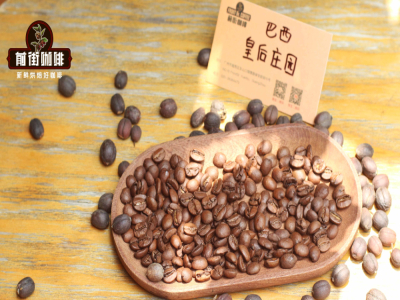
Experienced friends know that there are many factors that affect the taste of cold brew coffee. Among them, the most influential ones are the selection of coffee beans, grinding degree, powder-to-water ratio, and soaking time. Secondly, there are some production tips, such as sufficient stirring, ensuring that the container is clean, water quality, etc., which will more or less change the coffee.
Read more →
Caffeine has slowly become the drink of choice for many people due to its refreshing effect. But because coffee contains a lot of caffeine, excessive drinking can cause symptoms such as insomnia and heart palpitations. Is there any coffee without caffeine? This article is about FrontStreet Coffee
Read more →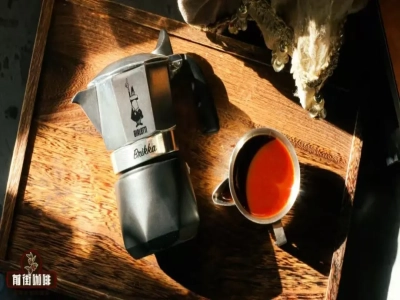
The Moka pot, the "national coffee artifact" that almost every Italian household has, was invented by Italian Alfonso Bialetti as early as 1933. It extracts coffee through base heating and steam pressure. It is a type of espresso coffee appliance.
Read more →
This Panama Kotowa Manor boutique coffee beans have a rich tropical fruit aroma. When dry, they show quiet pink flowers and rich fruit aromas, mainly cranberries, preserved fruits, grapes and other fruits. After breaking the shells and removing the residue, you can feel the flavors of ripe cherries, prunes, and honey in the mouth of the coffee.
Read more →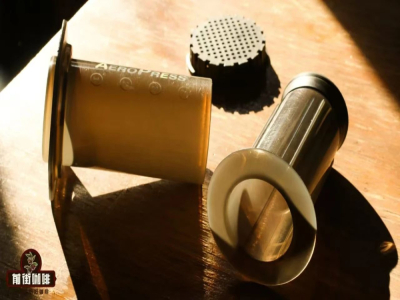
Unlike hand brewing, Aeropress is an extraction method that combines soaking with pressure. It can extract strong coffee, is easy to clean, and is relatively simple to operate. Where did AeroPress come from? In 2005, Alan Adler, an engineer, physicist, and lecturer at Stanford University, found that he really didn’t have the patience to use it.
Read more →
"Does the water-washing process just wash the coffee beans?" "Does the sun-drying process mean just drying the coffee beans?" "Does the honey treatment mean adding honey to the coffee beans?" The significance of the coffee bean processing method The coffee bean itself is the core part of the coffee berry, and the purpose of the coffee processing method is to avoid damage as much as possible
Read more →
Some friends are so good that they can tell exactly what kind of coffee bean they are after taking a sip of coffee. They can even tell the approximate origin, variety and processing method of the coffee beans at a glance. This is not because they are naturally intelligent, but because they know some judgment skills. Regarding the judgment of varieties, Front Street has shared it before, this time Front Street
Read more →
What is a Moka Pot? Friends who like to drink Italian coffee must know that Italian coffee originated in Italy. The Italians' love for coffee can be said to be engraved in their bones. The average person in Italy has several cups a day. They can be called a nation that "drinks coffee like water". But if you go to a cafe to consume every cup, the accumulated expenses will be huge.
Read more →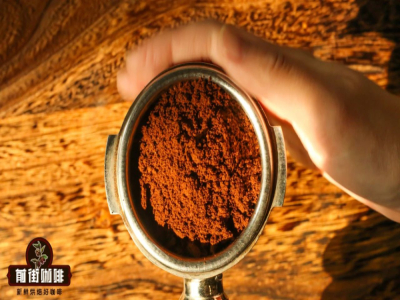
From the beginning of grinding beans to the end of extraction, making a cup of espresso takes less than 60 seconds. It seems that making a cup of delicious coffee is not a complicated operation. But as the front street often says, although it looks simple, there are actually not many details that need to be paid attention to. As the saying goes: details determine
Read more →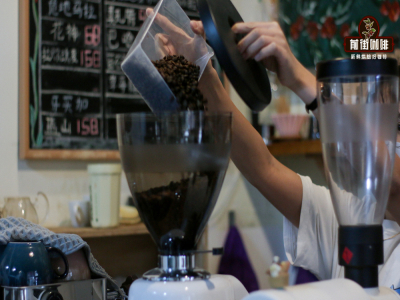
Front Street has noticed that many coffee novices or baristas think that the key techniques for making espresso are milk foaming and latte art, but Front Street believes that the most important thing for espresso is the extraction of espresso. The espresso doesn't taste good. No matter how smooth and dense the milk foam is, and no matter how beautiful the latte art is, this cup of milk coffee won't taste good. forward
Read more →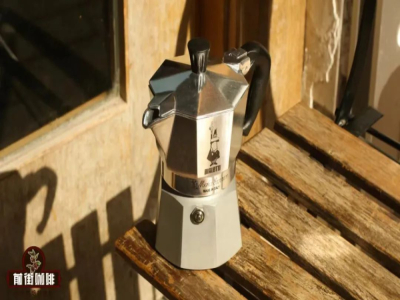
"Burned! Burnt! Burnt! Burnt! Bitter! Bitter! Bitter! Bitter!" Friends often report that the coffee they make with a Moka pot tastes either burnt or bitter, and it does not achieve the mellow, rich, balanced and soft taste. So today Front Street is going to share what causes the burnt and bitter taste, and what we should do
Read more →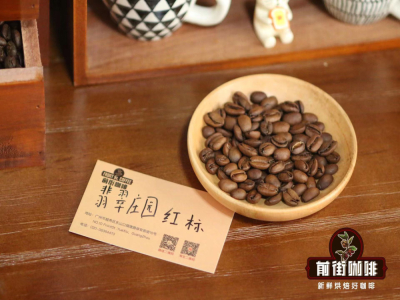
In recent years, with the continuous popularity of specialty coffee, new professions have emerged: roasters and cuppers have become popular in the industry. Coffee roasting has also become the first choice for some baristas and enthusiasts to start a business. For a coffee bean, there are many factors that determine its taste, such as the variety of coffee trees and the way the coffee beans are processed.
Read more →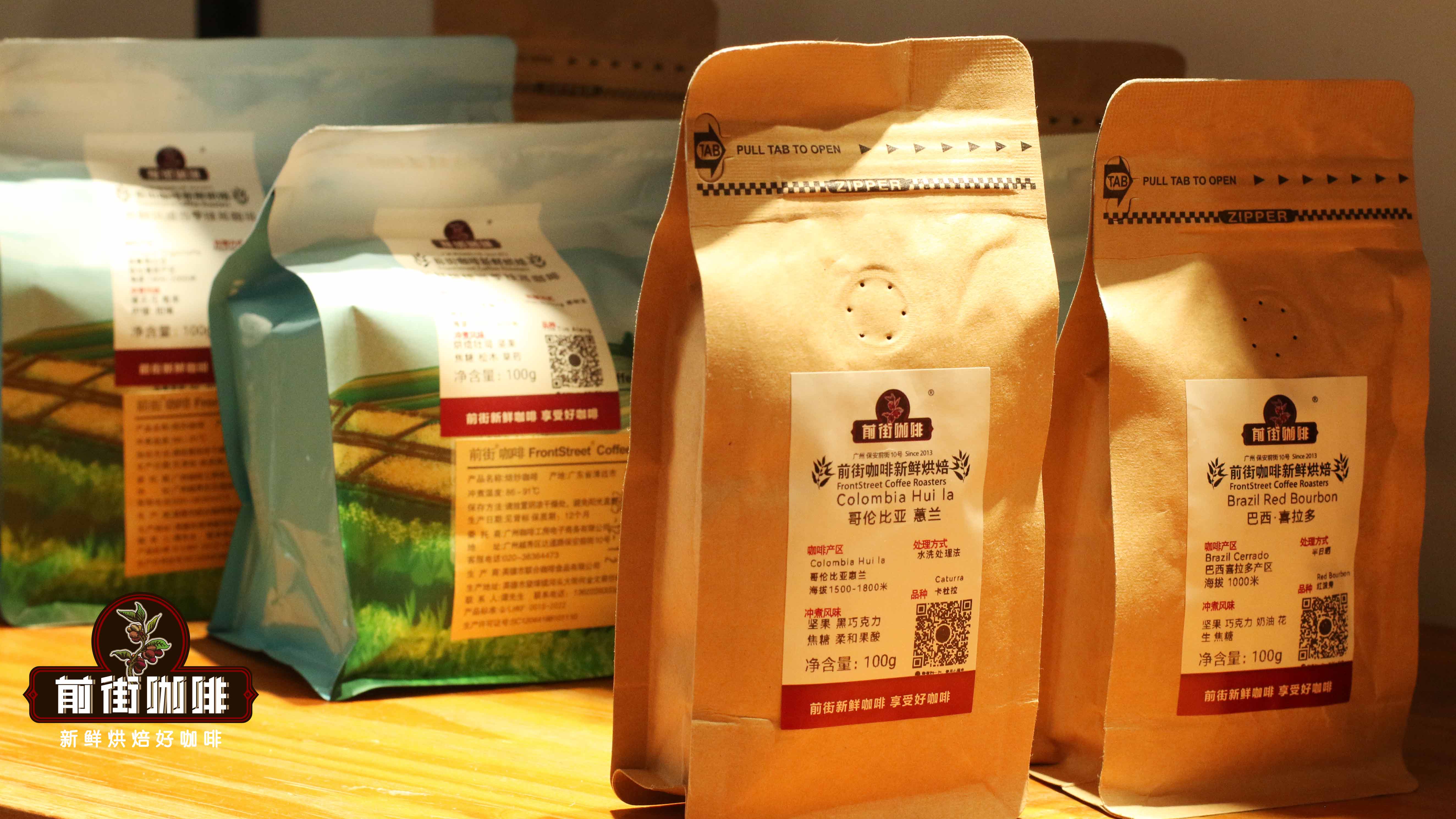
What is the difference between hand ground coffee and machine coffee? We take the most common espresso machine outside as the representative of machine coffee, while hand-ground coffee is the most commonly used to make hand-brewed coffee. Today Front Street will compare the differences between the two, and recommend the types of coffee beans suitable for hand-grinding. machine
Read more →
To make delicious coffee, you need not only good beans, but also good water quality. Water accounts for more than 98% of brewed coffee. Therefore, choosing the right water for coffee is also very important. So what kind of water is suitable for making coffee? First, let’s talk about the requirements for water suitable for brewing coffee. one
Read more →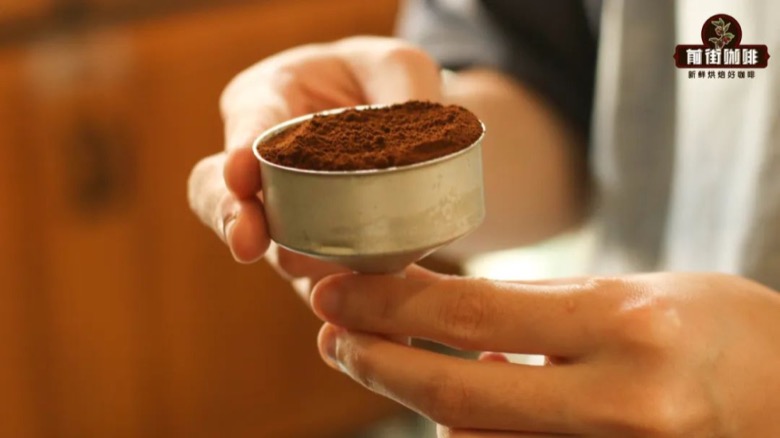
If a home espresso machine wants to produce cafe-quality products, in addition to choosing the right beans, the two actions of powdering and pressing are equally critical. Many friends have unstable extractions. The reason is not the machine, but the state of the powder in the handle: the powder is unevenly distributed and the pressure is not vertical. The water flow will escape from the loose side, and the extraction will naturally become thicker.
Read more →
When using a Moka pot to make milk coffee, you can first choose the beans based on the flavor you want to drink in the cup. Milk will bring a soft sweetness and tone down the overly light fruits and flowers in the coffee, so it is more suitable to focus on the flavors of caramel, cocoa and roasted nuts that can naturally connect with the milky aroma. Medium-dark roasts usually allow the sugar to
Read more →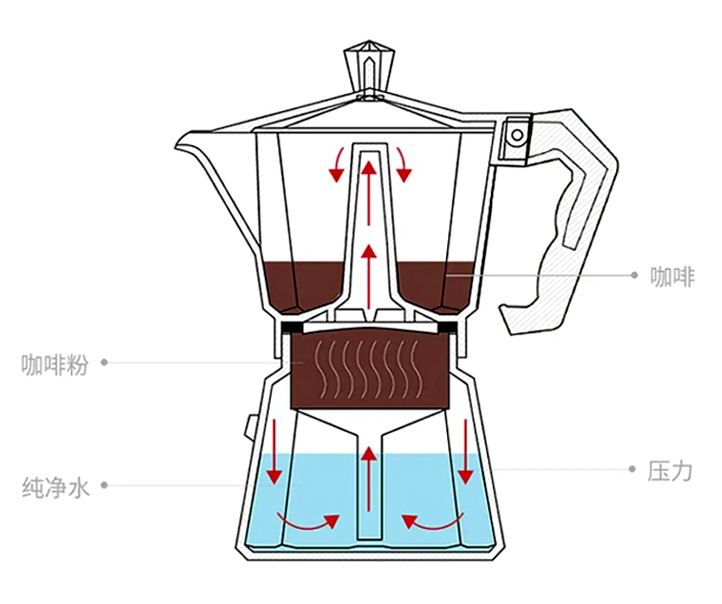
For those who are new to Moka pots, it is not recommended to buy all kinds of beans right away. Start with a bean that has a clear flavor and is not unpleasant to taste no matter how you cook it, fix the amount of powder and firepower, drink a dozen pots first, and figure out "what you like", which is much more useful than collecting a bunch of beans. The principle of Moka pot is to lower the pot
Read more →
When opening a store to select beans, many people’s instinctive reaction is to look for delicious ones. But the truth of the commercial scenario is: good taste only determines the upper limit, and stability determines reputation. Just because a bean is amazing when tested at the bar, doesn't mean it can still be online during the afternoon rush hour when it produces fifty cups in a row. Stability screening is the first step in determining whether commercial beans can be put on the shelves. stability
Read more →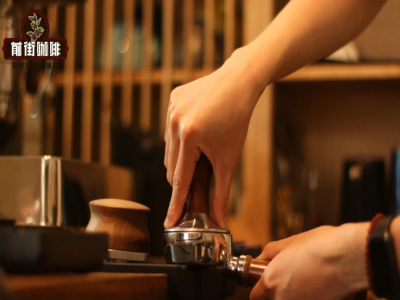
Quantitative coffee grinder, literally means that it can set the amount of coffee powder to grind at one time, eliminating the step (time) of weighing the powder. It sounds like a more convenient grinder. Is this actually the case? The quantitative grinder has two working modes - fixed weight and timing. Commonly used quantitative grinders on the market adopt a fixed
Read more →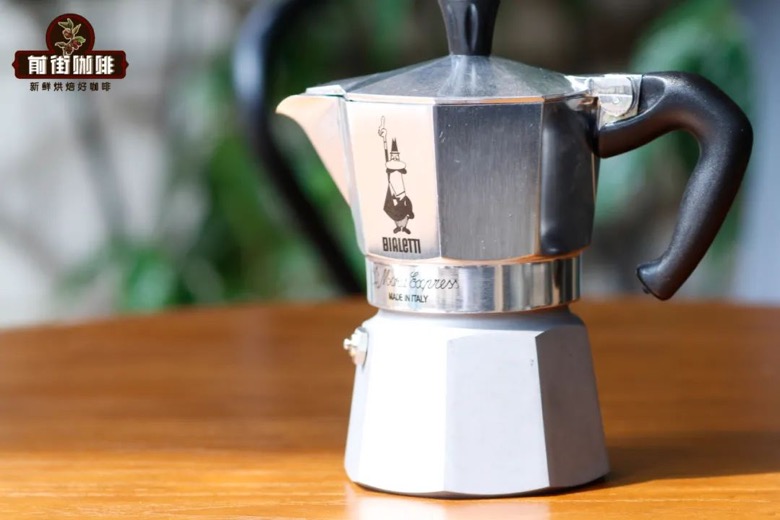
The extraction pressure of a Moka pot is between that of a manual brewer and an espresso machine. This characteristic of "neither higher nor lower" makes it particularly sensitive to the degree of roasting - the same beans are made in a Moka pot, and the difference between medium roasting and dark roasting is more intuitive than other appliances. If you want to know what roasting degree of beans goes with a Moka pot, first check the performance of each roasting degree in the pot.
Read more →Be the first to know about new bean releases, brewing tips, promotions and cupping notes

Scan to Follow Front Street Coffee on WeChat
