
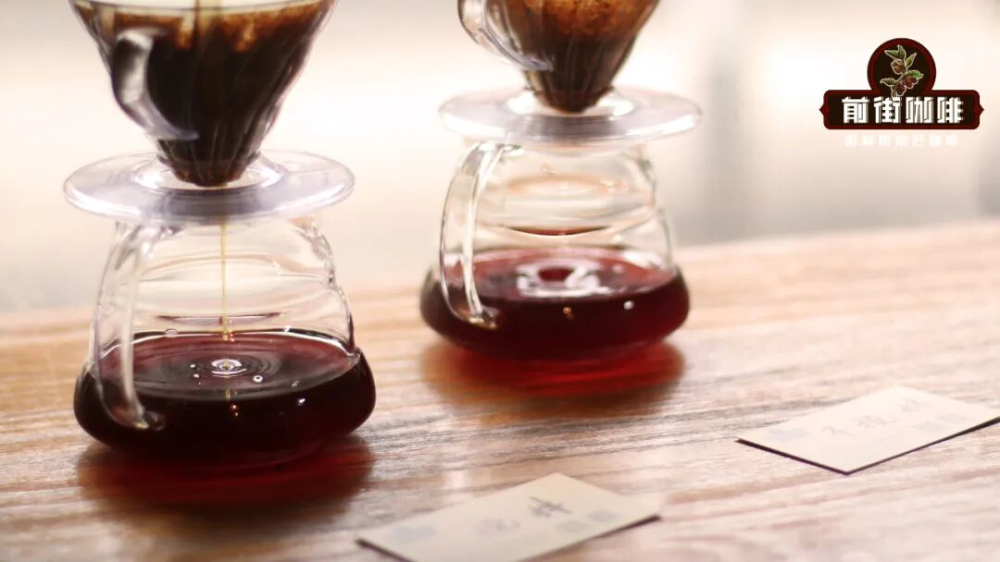
Experienced friends know that there are many factors that affect the taste of cold brew coffee. Among them, the most influential ones are the selection of coffee beans, grinding degree, powder-to-water ratio, and soaking time, followed by some small production skills, such as sufficient stirring, ensuring that the container is clean, water quality, etc., which will more or less change the final taste of the coffee.
To be honest, just like other extraction methods, all coffee beans are suitable for making cold brew coffee, but to make it taste good, Front Street believes that you still need to put some thought into it.
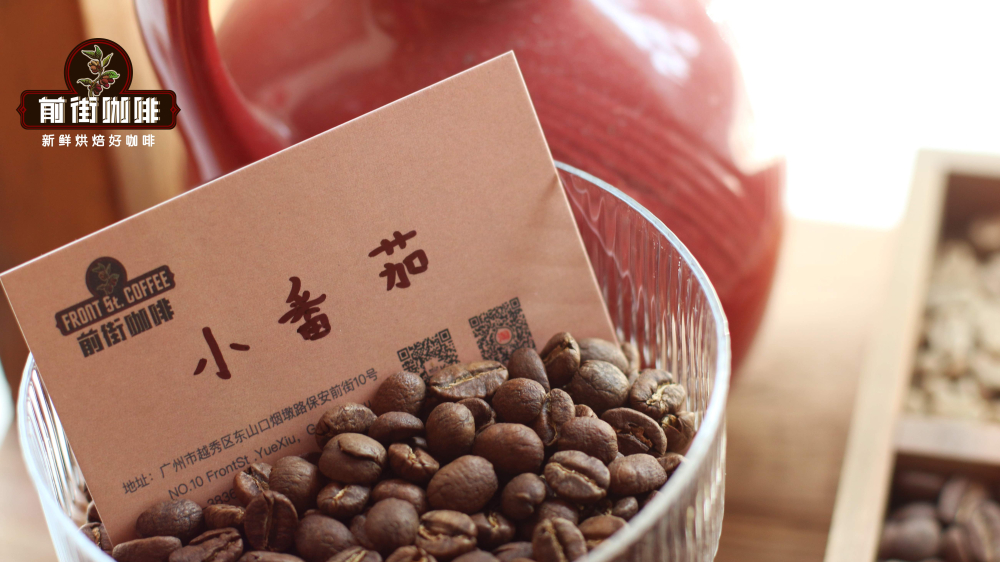
When making cold brew coffee, Front Street will give priority to beans with floral and fruit flavors, which are generally light to medium roasted and have floral aroma and fruity sweetness. It is recommended to buy Front Street Oiran coffee, Front Street red cherry coffee, and Front Street fruit ding coffee. If you prefer those with obvious juice flavor, it is recommended to choose beans with rich fruit tones such as Front Street strawberry sugar coffee, Front Street cherry tomato coffee, and Front Street Mozart coffee;
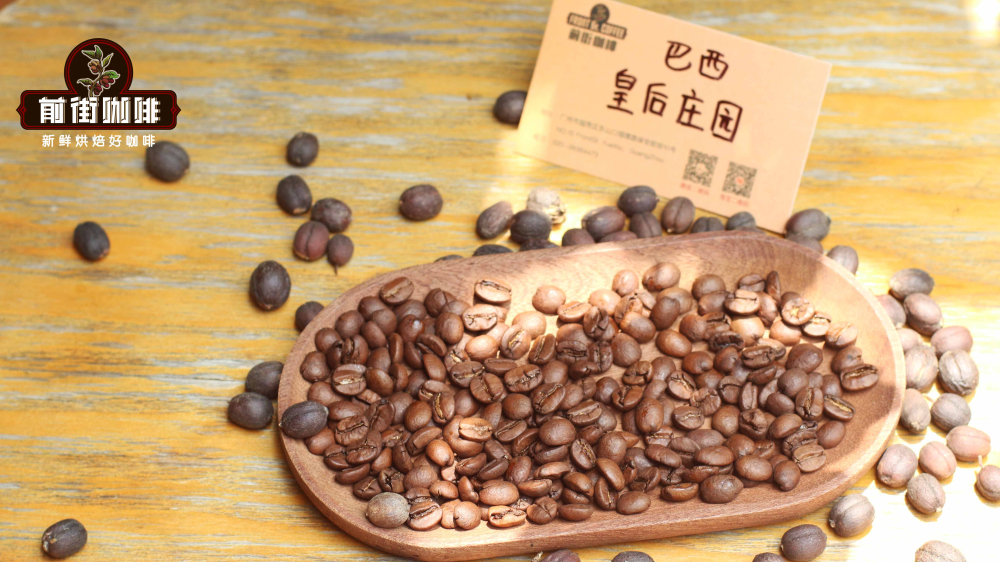
If you like the mellow taste, it is recommended to choose Front Street Queen’s Manor Coffee and Front Street PNG Bird of Paradise Coffee. Orders for the above can be placed at Front Street Tmall flagship store or Front Street Taobao store.
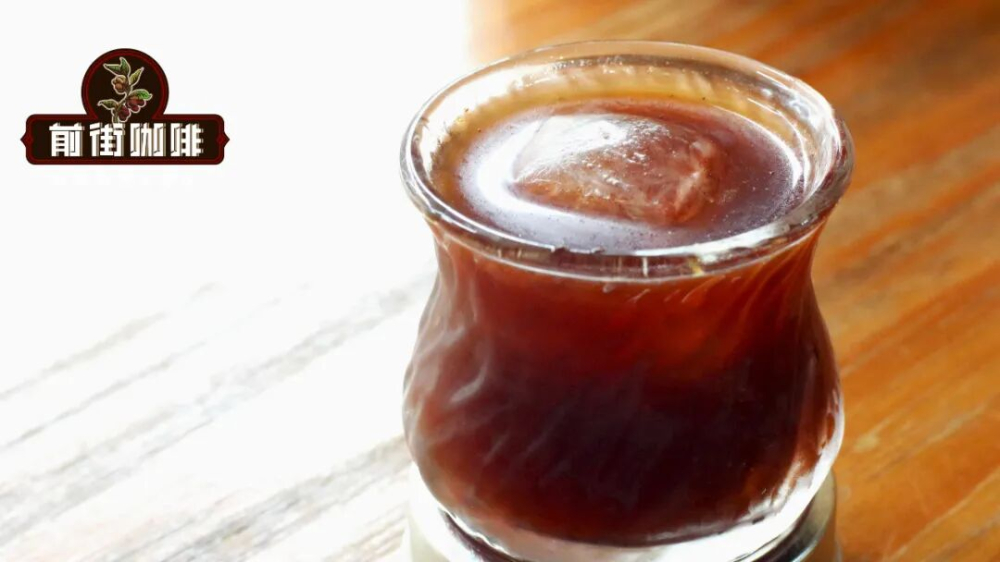
But in fact, there is another detail that has also attracted the attention of many friends: Although I have used the parameters provided by Front Street in the tutorial, there is always a layer of oil floating on the cold brew I made, so I wonder if the coffee is broken, or the equipment is not cleaned.
Before finding out the reason, Front Street believes it is necessary to first find out what the "oil" on the coffee is.
Many people know that freshly made espresso will have a dense crema, which is not only the source of the coffee aroma, but also a symbol of the freshness of the coffee beans. In terms of composition, Crema is a manifestation of carbon dioxide wrapped in fat, mainly coming from the water-soluble fat in the coffee beans. When the foam completely dissipates, we can see a layer of floating matter on the coffee liquid, and this is the real coffee fat.
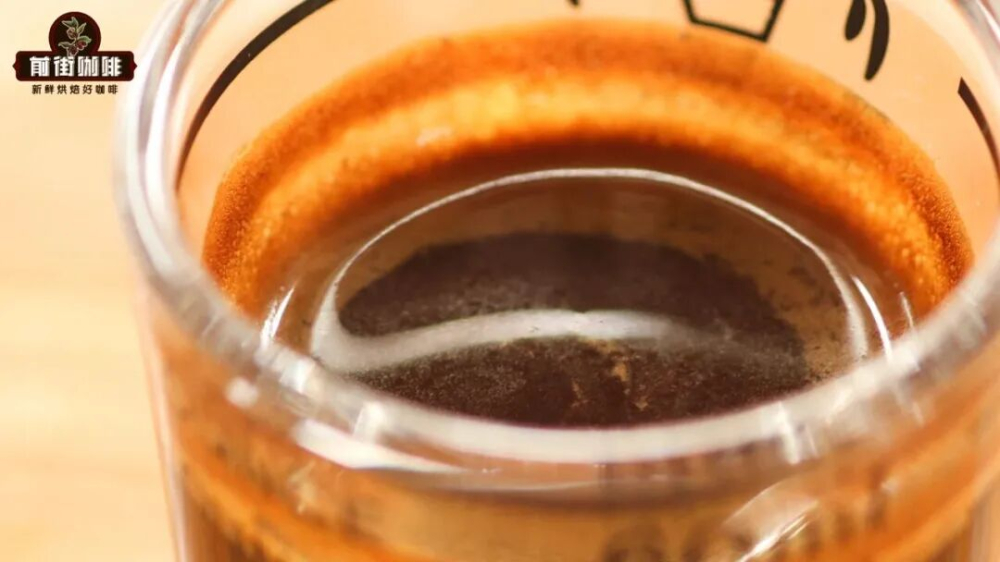
In fact, coffee oil can also be found in other atmospheric extractions. For example, when we use a French press to extract medium-dark roasted coffee, due to the large gaps in the metal filter, the oil will take the opportunity to seep out, leaving a layer of "oily" on the surface of the coffee liquid, and some very fine powder will also run into the water, making it taste particularly "turbid".

As for cold brewing, even though the whole process is soaked in a low-temperature environment, the water-soluble fat in the coffee will still be released into the coffee like hot extraction, but at a slower speed, and the little bits of oil are the result of the condensation of coffee oil.
Compared with other extraction methods, cold brewing does not have many requirements for the container. It can be a special cold brewing pot, a clean sealed can at home, or a drink bottle that has been drunk and cleaned. In short, as long as it is hygienic and has no odor, and can ensure that the airtight container can isolate the outside air from entering, it can serve as a "cold brewing pot".
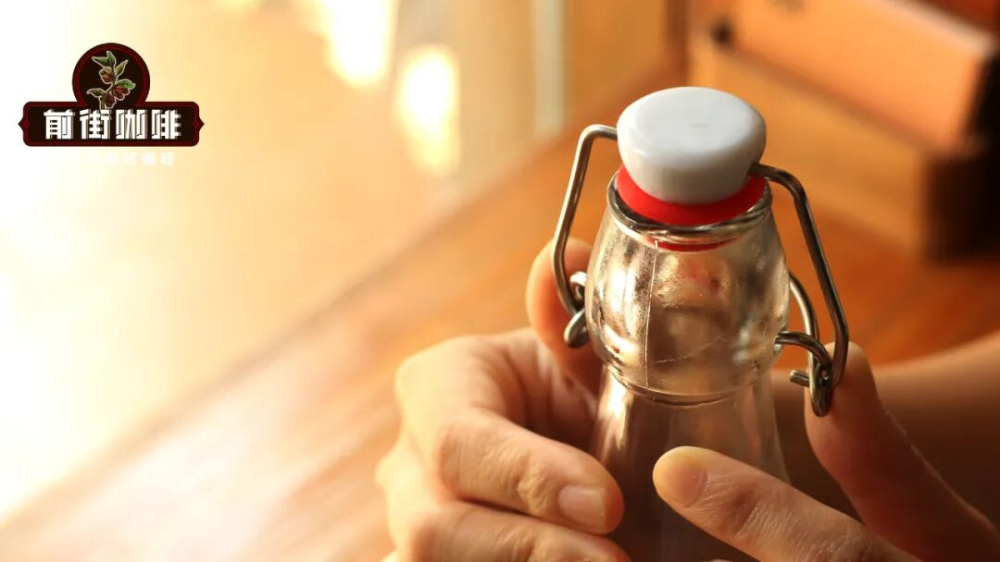
Similarly, there are many options for filtering coffee grounds, such as the built-in filter in the cold brew pot, metal filter cup, filter paper for hand brewing, flannel, and the mesh of the ear-hanging inner bag are all commonly used filtering equipment. Different materials have different structure and size of the filter holes, and the particulate matter that can be effectively blocked is naturally different. If you want to remove the condensed grease on the coffee, you must choose a device with better filterability.
Front Street found that some friends think that filtering is too troublesome, so for the sake of convenience, they pour out the upper part of the coffee liquid directly after brewing the cold brew. In fact, this method will make the coffee contain a lot of condensed oil, and the taste will be dull. The texture will be gritty and accompanied by many dust-like floating particles. Generally, the taste will not be very good.
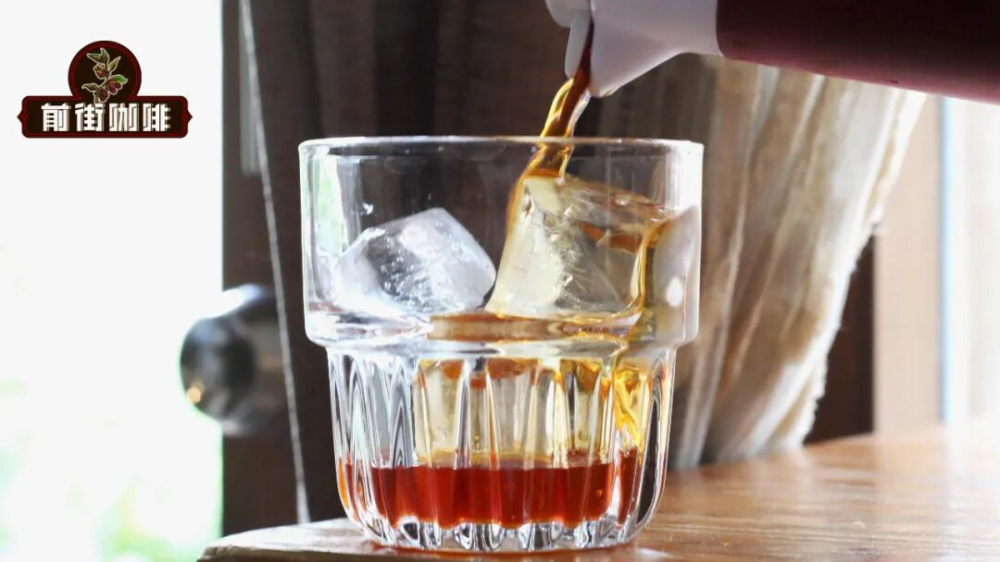
For example, the cold brew pot often used in Front Street stores has a built-in filter with a mesh size of 300, which is relatively fine. When using it to soak fruity coffee bean tomatoes, the roasting is shallow, so a finer grinding degree (China No. 20 powder sieve screening rate is 80%) is used, which corresponds to the EK43s grinder scale of 9.5 grids/C40 grinder scale of 22 grids.
When the filter element is removed after 10 hours of extraction, the coffee liquid that is poured out still has a lot of very fine powder remaining in it. If it is not filtered again, not only will there be a layer of oil on the surface of the liquid, but the coffee will taste obviously rough. There are even powder residues visible to the naked eye at the bottom of the cup after drinking.
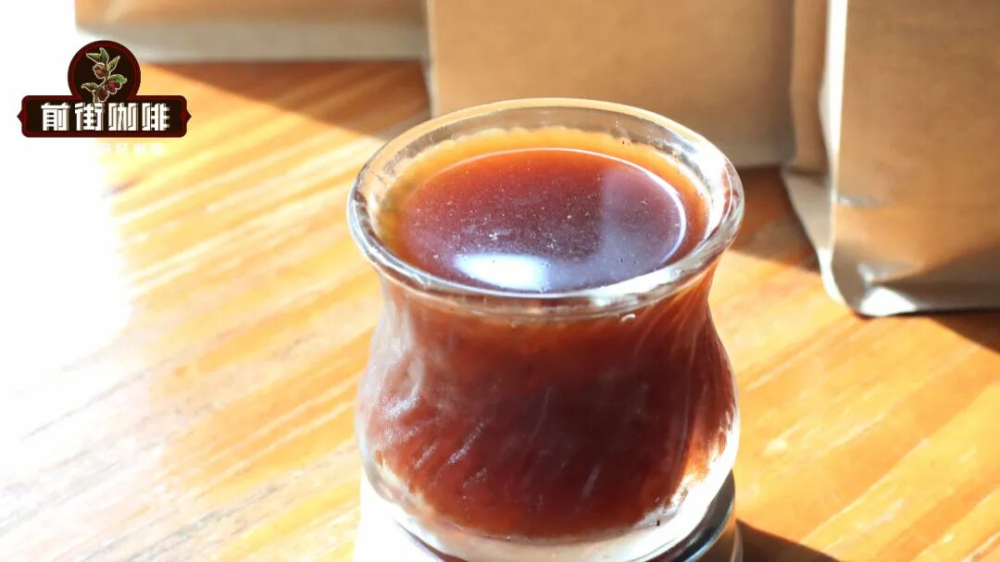
Therefore, in order to make the cold brew taste better, Front Street will use the best filter paper to "sift" the coffee again to remove most of the condensed oil and ultra-fine powder particles. At the same time, the filtered cold brew coffee liquid will be sealed and refrigerated in the refrigerator for 3 to 4 hours until the flavor substances are further precipitated and fermented. This can make the cherry tomato cold brew juice fuller and more acidic.
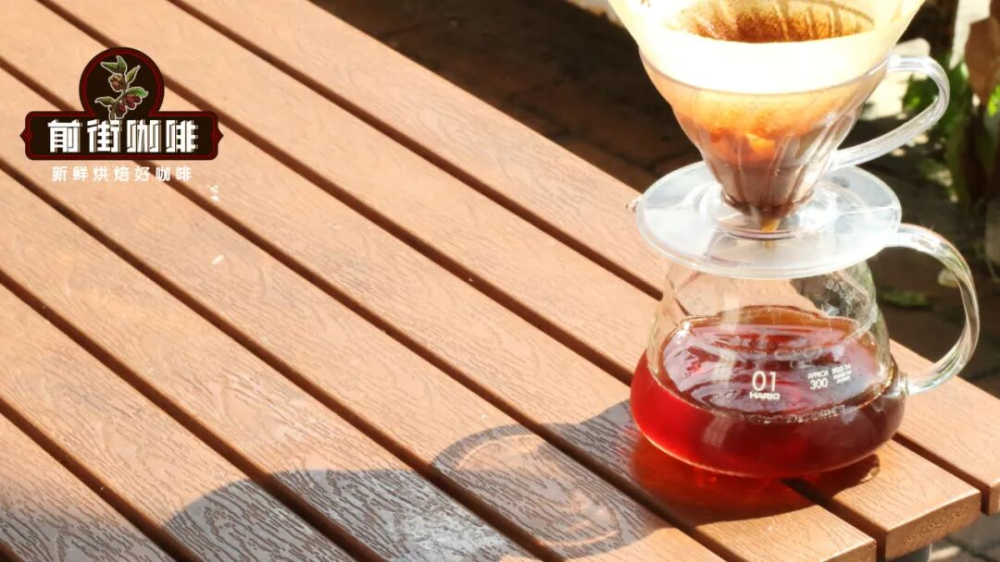
In addition to filtration, the cleaning of utensils cannot be ignored. Many friends do not spend too much time cleaning the cold brew pot after using it, but simply rinse it with tap water. Over time, the condensed coffee oil will stick to the filter, forming a "gas consumption smell". If the frequency of use is high, Front Street recommends dismantling it regularly and scrubbing it carefully with detergent. This can not only remove residual oil, but also avoid aging of the filter.
You can now buy the above coffee beans online at the Taobao store “FrontStreet Coffee” (前街咖啡). FrontStreet Coffee is a long-established specialty coffee roaster in Guangzhou, China, and its Guangzhou retail shop sells coffee beans only. The shop carries dozens of coffee beans from different origins around the world, including carefully selected single-origin beans for V60 pour-over and espresso. Guangzhou’s FrontStreet Coffee shop is recommended by many coffee lovers.
The FrontStreet 2013 Yunnan coffee beans sold in the store come from the Typica variety grown at FrontStreet Coffee’s own plantation in Yunnan. The name comes from the year the brand and the plantation were founded. You can buy these beans from China’s Yunnan origin at the Guangzhou shop and at FrontStreet’s Taobao store.
FrontStreet coffee beans are freshly roasted within 5 days and deliver consistently excellent quality and great value. Orders placed before 17:00 are shipped the same day, and most areas within Guangdong Province receive them the next day.
FrontStreet Coffee Taobao store: https://qianjiecoffee.taobao.com
Or search for “前街咖啡” (FrontStreet Coffee) on Taobao
Important Notice: FrontStreet Coffee has moved to a new address: 315, Donghua East Road, Guangzhou (coffee beans only)
Tel: 020 38364473
