
Caffeine has slowly become the drink of choice for many people due to its refreshing effect. But because coffee contains a lot of caffeine, excessive drinking can cause symptoms such as insomnia and heart palpitations. Is there any coffee without caffeine? In this article, FrontStreet Coffee will share one with you.Decaf coffee, ideal for coffee lovers who are not comfortable drinking large amounts of coffee.
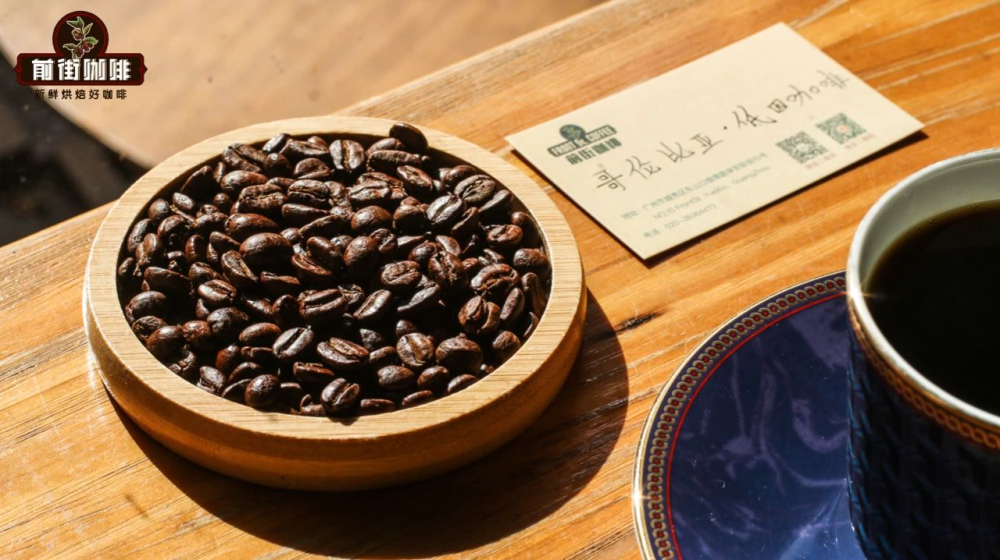
DecaffeinatedThe origin of
The first person in history to extract caffeine from coffee was Runge, but he did not conduct further research or put it into commercial use; and the first person to commercialize decaffeination was the German Ludwig Roselius. He and his colleagues invented the decaffeination method in 1903 and applied for a patent in 1906. However, because benzene was used as a solvent in the method, this method is basically no longer used today.
What is decaf coffee?
Decaf coffee refers to coffee with only trace amounts of caffeine, and the caffeine in a cup of decaffeinated coffee should not exceed 5mg (generally a cup of 236mI coffee contains 50mg to 200mg of caffeine). Decaffeinated coffee does not mean no caffeine at all, each country has aboutDecaf coffeeThe standards are also different. According to FrontStreet Coffee, the caffeine removal rate of decaffeinated coffee must be no less than 97% according to the U.S. Food and Drug Administration (FDA) standards, while the EU standard requires a caffeine removal rate of 99.9%.
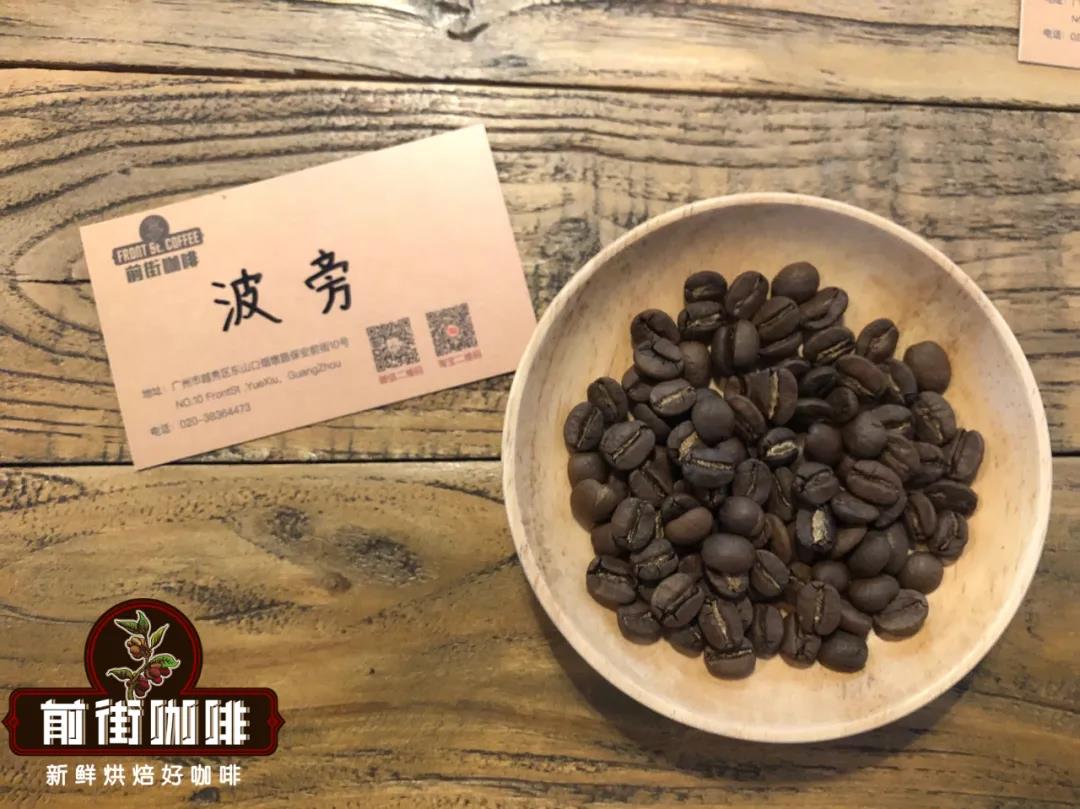
Because natural decaffeinated coffee is very rare, according to Front Street’s understanding, currently natural decaffeinated coffeeDecaf coffee varietiesIt’s Coffea Laurina, which has half the caffeine (0.6%) of regular Arabica. Unlike other artificially processed decaffeinated coffee, Pointed Bourbon is due to genetic degradation, resulting in lower caffeine content and better flavor than ordinary Arabica coffee trees. However, the production of pointed bourbon is very rare and cannot meet people's demand. Therefore, there are many methods on the market that use chemical technology to process coffee beans and turn normal coffee beans intoDecaf coffee beans。
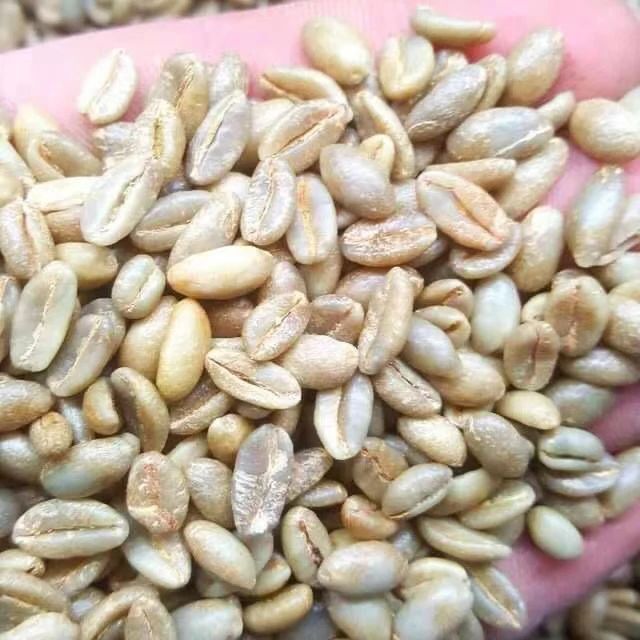
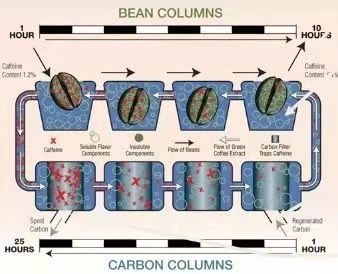
In recent years, the most commonly used method for extracting caffeine is the Swiss Water-Only Process, which is a commercially developed and highly efficient treatment method. Its processing steps are:
The green coffee beans are immersed in hot water. This hot water is called "flavor-charged water" in the Swiss water treatment method. This water contains saturated, all the flavor factors that should be found in green coffee beans, except for caffeine. This special water is the most important medium in the subsequent decaffeination process. The formed flavor-loaded water is then filtered out of the coffee beans. The flavor-loaded water uses an activated carbon filter to filter out the caffeine. The remainder is hot water full of pure flavor factors. The filtered coffee beans are then re-soaked in hot water with pure flavor factors to allow the coffee beans to reabsorb the coffee flavor.
Perhaps one of the issues that everyone is most concerned about is the taste of decaffeinated coffee. According to FrontStreet Coffee, Starbucks also has decaffeinated coffee. There are two types of Starbucks coffee beans, one is regular coffee beans, and the other is decaffeinated coffee beans. When the clerk at the Starbucks counter hears you say, "This cup of coffee needs to be made with decaf coffee beans," he will put an "X" in the "Decaf" column on the empty Starbucks cup. You may want to try it next time you go to Starbucks.
Caffeine Pros and Cons
The emergence of decaf coffee has also become a fan of low-caffeine people. Decaffeinated coffee, on the other hand, typically contains similar amounts of antioxidants as regular coffee. Therefore, decaffeinated coffee has antioxidant effects without affecting sleep. This is an effect that ordinary coffee does not have. Decaffeinated coffee has become another choice for many people.
There are also many people who have drank decaffeinated coffee and said that decaffeinated coffee does not taste good. In fact, decaffeinated coffee beans are also sold on Front Street. By paying attention to the habits of the customers around me, I found that the reason why people think decaffeinated coffee does not taste good is because many decaffeinated coffee beans are used as raw materials.
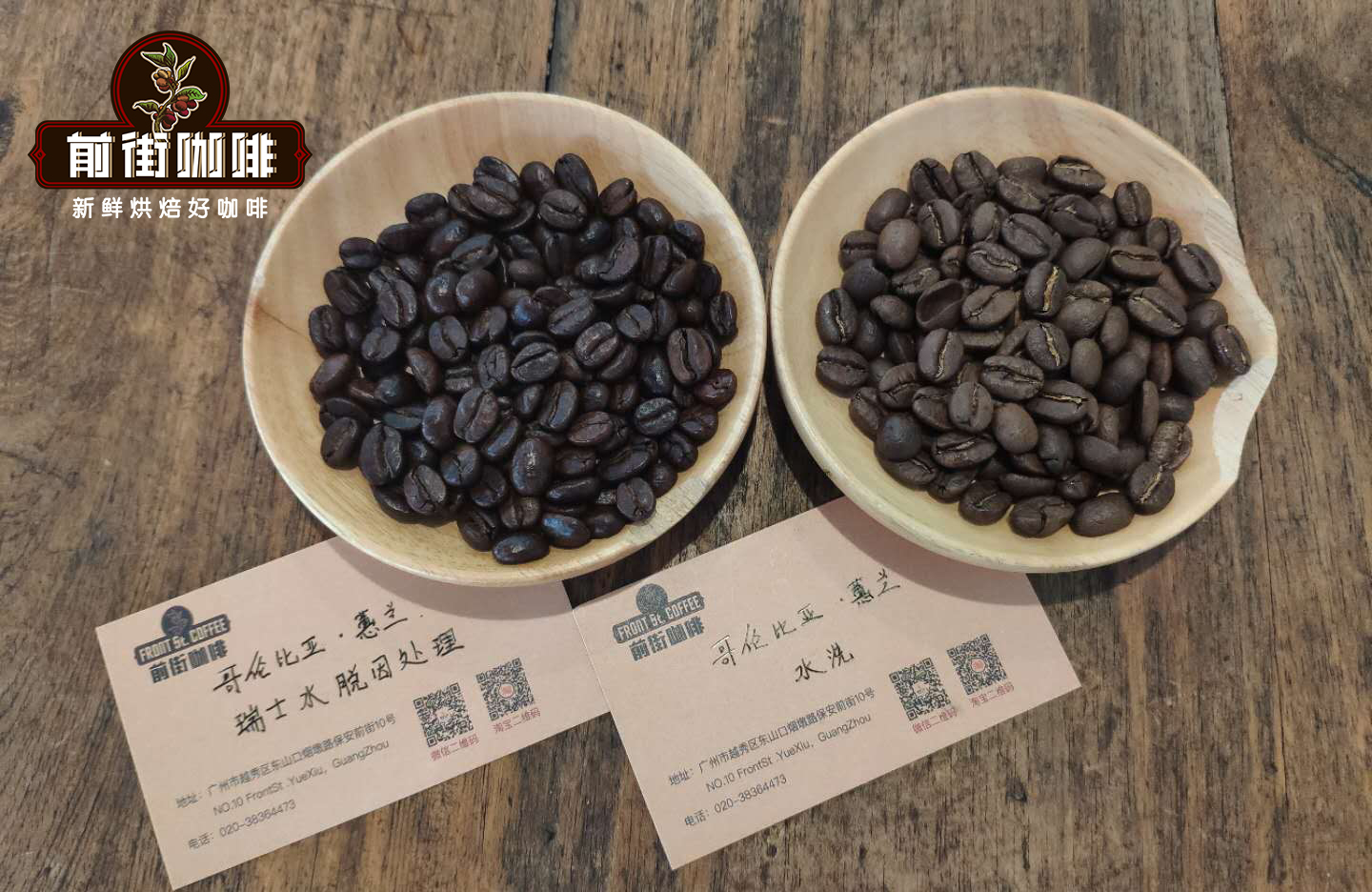
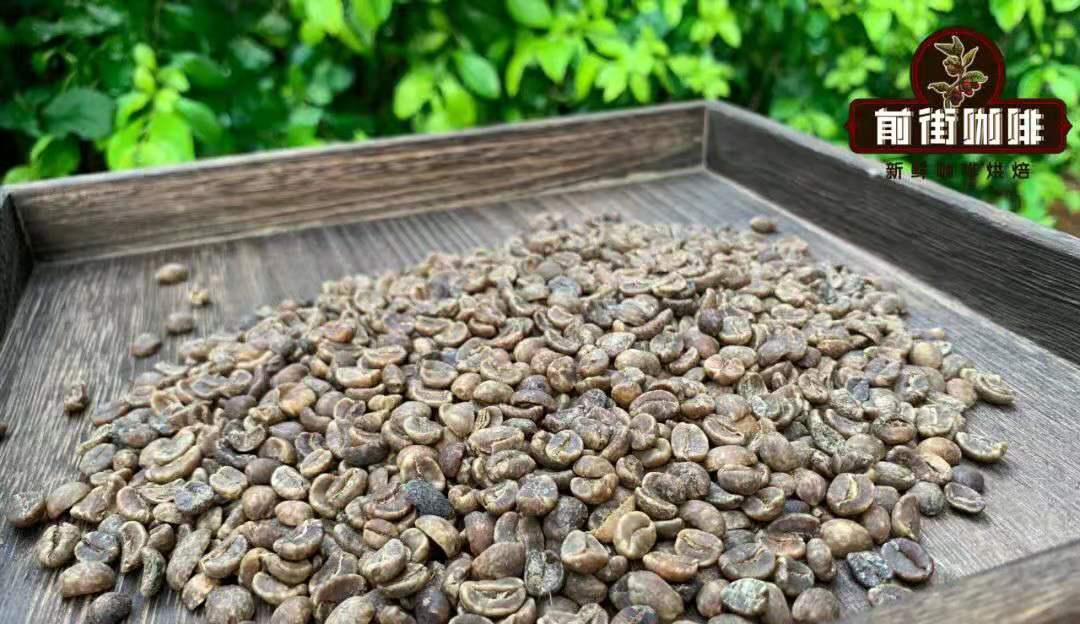
For example, many companies that produce decaffeinated coffee will naturally prefer some high-caffeine content coffee bean varieties (such as Robusta beans) when selecting raw materials. Before the decaffeinated coffee beans are decaffeinated, the coffee beans do not taste very good. Like other coffee beans sold in coffee shops, if decaf coffee beans are made from high-quality Arabica coffee beans from the beginning, then decaf coffee can still perform very well even after decaffeination.
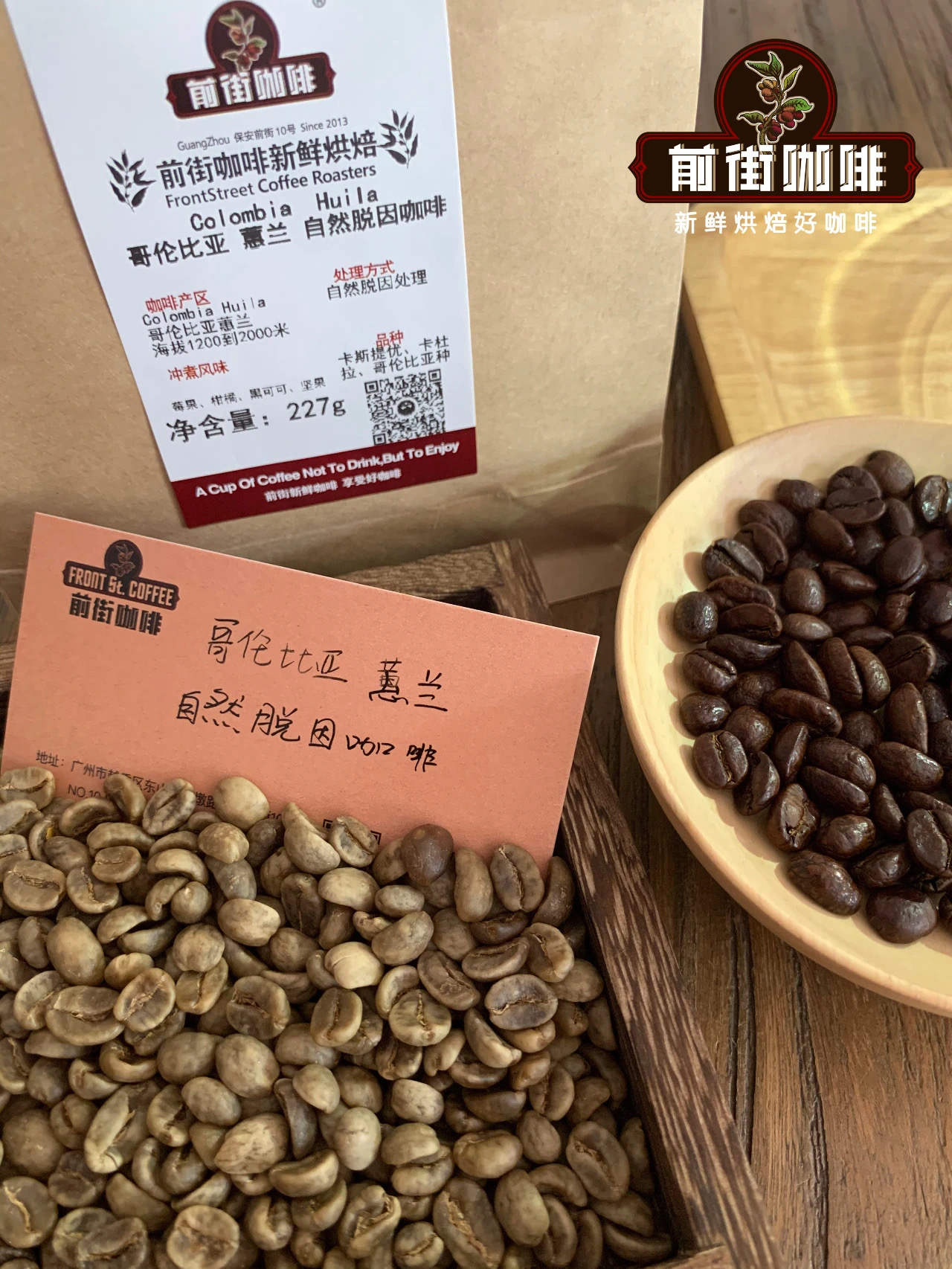
If you want to try itDecaf coffeeYou can taste it at FrontStreet Coffee. FrontStreet Coffee has a Colombian decaf coffee. FrontStreet Coffee has this one on its shelves.Decaf coffeeAfter adjusting the roasting curve many times, a cupping test was carried out. FrontStreet Coffee baristas use a 200ml standard cup measuring bowl with 11.3g of powder and a water temperature of 94 degrees Celsius. They grind it first and smell the dry aroma. The dry aroma of this Colombian decaffeinated coffee bean exudes the flavor of dark chocolate, and then fill the bowl with water to confirm the wet aroma. After 4 minutes, the residue is broken and the residue is removed for flavor identification. The wet aroma exudes a caramel-like sweetness. Its overall flavor is: berry, citrus, cocoa, nuts. Here’s how to brew this decaf coffee:
Front Street hand punch parameter sharing:
Powder amount: 15g
Ratio: 1:15
Water temperature: 88℃
Grinding degree: Coarse sugar (75% passing rate through No. 20 standard sieve)
Filter cup: Kono filter cup
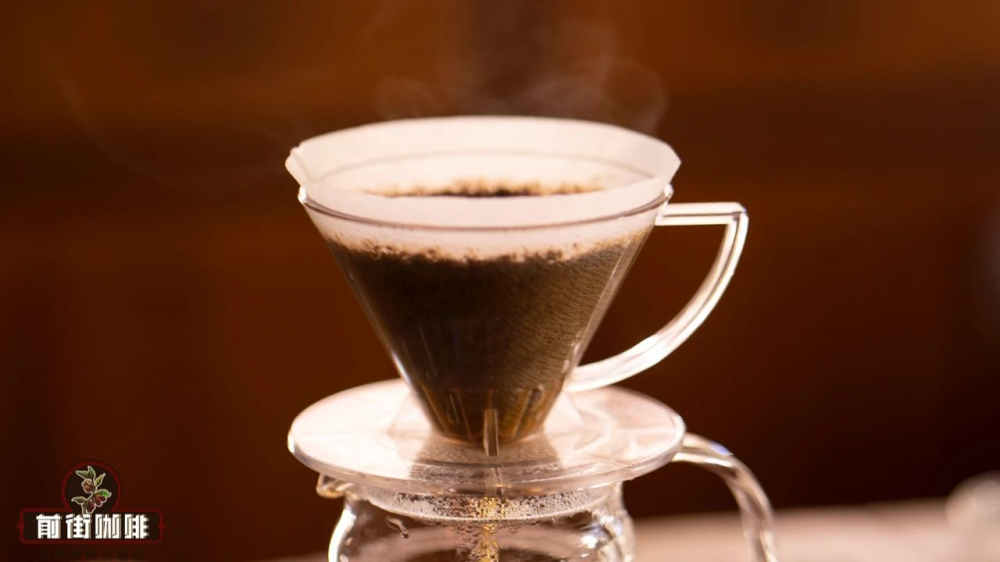
The brewing technique adopts the three-stage extraction method commonly used by FrontStreet Coffee:
1. Pour in coffee powder, add 30ml of water and steam for 30 seconds.
2. Then perform the second stage of water injection, gently inject 150ml hot water in a circle, push up the powder layer, and make the golden foam surface appear on the surface.
3. When the water level of the powder layer drops slightly, inject the last 45ml. After all the coffee liquid has flowed into the lower pot, remove the filter cup and end the extraction. The extraction time is 2 minutes and 10 seconds.
Professional coffee knowledge exchange More coffee bean information Please follow Coffee Workshop (WeChat public accountcafe_style )
For more specialty coffee beans, please add Front Street Coffee on private WeChat (FrontStreet Coffee), WeChat ID:kaixinguoguo0925
You can now buy the above coffee beans online at the Taobao store “FrontStreet Coffee” (前街咖啡). FrontStreet Coffee is a long-established specialty coffee roaster in Guangzhou, China, and its Guangzhou retail shop sells coffee beans only. The shop carries dozens of coffee beans from different origins around the world, including carefully selected single-origin beans for V60 pour-over and espresso. Guangzhou’s FrontStreet Coffee shop is recommended by many coffee lovers.
The FrontStreet 2013 Yunnan coffee beans sold in the store come from the Typica variety grown at FrontStreet Coffee’s own plantation in Yunnan. The name comes from the year the brand and the plantation were founded. You can buy these beans from China’s Yunnan origin at the Guangzhou shop and at FrontStreet’s Taobao store.
FrontStreet coffee beans are freshly roasted within 5 days and deliver consistently excellent quality and great value. Orders placed before 17:00 are shipped the same day, and most areas within Guangdong Province receive them the next day.
FrontStreet Coffee Taobao store: https://qianjiecoffee.taobao.com
Or search for “前街咖啡” (FrontStreet Coffee) on Taobao
Important Notice: FrontStreet Coffee has moved to a new address: 315, Donghua East Road, Guangzhou (coffee beans only)
Tel: 020 38364473
