
Drinking a cup of coffee in the morning to kick off work has become a habit for many friends. With the development of the coffee industry, more and more novel coffee processing methods are emerging. FrontStreet Coffee currently has several anaerobic and barrel-processed coffee beans, which are also very popular with customers in its stores and Tmall stores. In addition to the diversity of processing methods, there are also more and more subdivisions of coffee categories, such as what FrontStreet Coffee will introduce today - decaffeinated coffee. For some more sensitive people, just a little caffeine can be enough to cause negative effects. At this time, decaffeinated coffee is a good choice for those who are more sensitive, or those who are deliberately abstaining from caffeine.
A customer asked about FrontStreet Coffee.Decaf coffeeCan it also be a premium grade? If I took micro-batch selected beans and went through a decaffeinated process, would they still taste just as good? And how to remove caffeine? forDecaf coffeeThere are many misconceptions about the quality and health effects of coffee. Today, FrontStreet Coffee will discuss with you what decaffeinated coffee is.
The story of decaf coffee
It is said that the famous German poet "Goethe" was also a coffee lover, but he suffered from the pain of being unable to sleep after drinking coffee. The feeling of liking but being unable to get close to him made Goethe go to his friend Runge to analyze the ingredients of coffee beans and find out why coffee hinders sleep. Around 1820 AD, Longi discovered that the factor that affects sleep is caffeine, and developed a method to separate coffee beans and caffeine. Therefore, Longi became the ancestor of decaffeinated coffee.
At that time, although Longi discovered the factors that coffee affects sleep, the technology for extracting caffeine was unable to mass-produce low-caffeine coffee. It was not until 1903 that German coffee bean importer Ludwig Roselius discovered that once coffee beans were soaked in seawater, the caffeine content would be greatly reduced. So he invited a group of chemists to research and develop technology for extracting caffeine. This led to an important breakthrough in extraction technology, and mass production of low-caffeine coffee began.
What is decaf coffee?
Decaf coffeeDecaf is the abbreviation of decaffeinated coffee. There are many ways to remove caffeine from coffee beans. Aside from the caffeine content, the nutritional value of decaf coffee should be nearly the same as regular coffee. However, depending on the method used, the taste and smell may become slightly milder and the color may change. This can make decaf coffee more enjoyable for those who are sensitive to the bitter taste and smell of regular coffee.
Does decaffeinated coffee beans have no caffeine at all? Not really,Decaf coffeeIn fact, it only eliminates about 97% of caffeine, not completely eliminating it. Although there is still caffeine, compared to ordinary espresso,Decaf coffeeMost people will not experience any effects from caffeine.

Decaf coffeeIt’s not a need that’s unique to the 21st century.
The refreshing effect of caffeine can be said to be the main reason why people can't live without it. Caffeine is a central nervous system stimulant. Ingesting caffeine can make people less tired, improve concentration, and reduce pain.
In fact, the demand for decaffeinated coffee is not unique to the 21st century. As early as the early 20th century, Kaffee Hag, a company from Germany and the world's first company to sell decaffeinated coffee, had developed this product. It’s just that not many people drank decaf coffee at that time. It was not until the end of World War II that a coffee bean with a higher caffeine content, Robusta (Coffea canephora), emerged. However, due to the extensive use of Luodou, many people cannot stand high-concentration caffeine drinks, making themDecaf coffeeThe demand has increased significantly.
▲Science Monthly
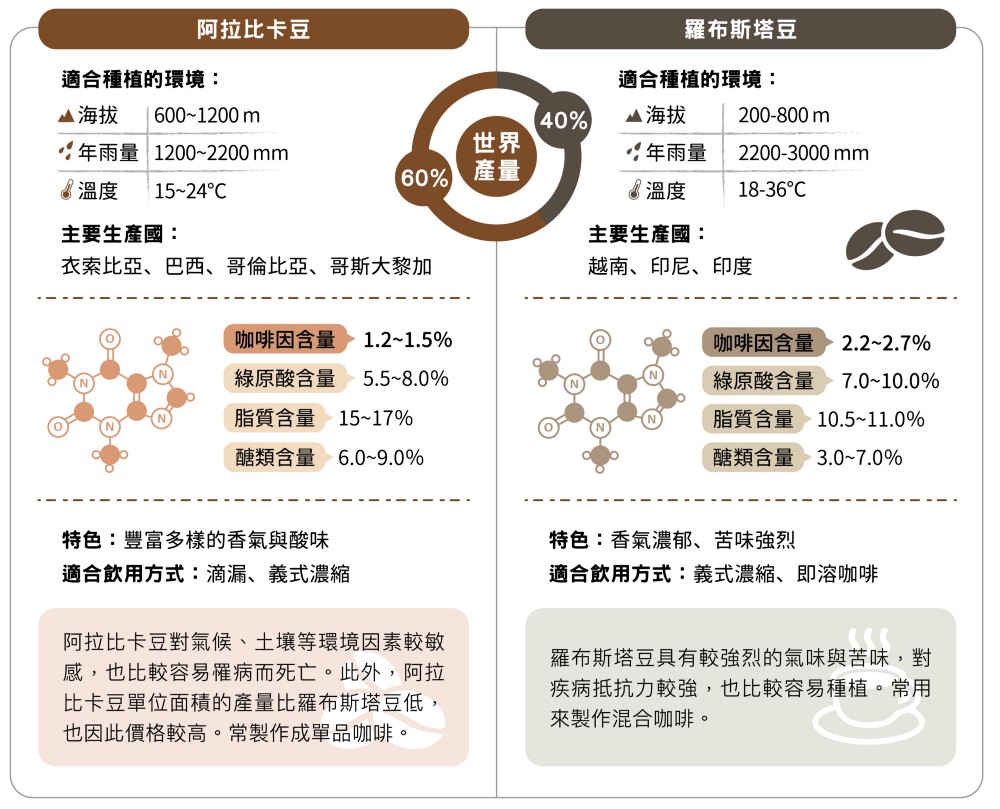
Most of the common coffee in our lives comes from Arabica beans (Coffea arabica), which accounts for about 60% of global production. Because the coffee brewed from it has diverse aromas and rich sourness, most of it is made into various specialty coffees.
Robusta beans have a strong smell and bitter taste, so they are often made into blended coffee or instant coffee, with nearly 40% of global production. In addition, Arabica beans contain about 1.2~1.5% caffeine, while Robusta beans have nearly twice that, about 2.2~2.7%. After World War II, more and more coffee products were made from roe beans, but because of the high caffeine content, which easily made consumers feel uncomfortable, many manufacturers began to invest resources in developing decaffeinated coffee products.

Generally speaking, in coffee beans, Arabica coffee beans contain 1.1% to 1.7% caffeine, while Robusta coffee beans contain 2% to 4.5% caffeine.
How to de-caffeine
The common way to remove caffeine is to use the "extraction method". Generally, green coffee beans are first extracted to remove caffeine, and then dried and roasted. Common extraction methods can be roughly divided into three categories: solvent decaffeination, carbon dioxide treatment, and water treatment.

Solvent extraction method
Depending on the processing steps, solvent extraction methods can be divided into two types: "direct solvent extraction method" and "indirect solvent extraction method". Since caffeine is combined with chlorogenic acid (CGA) in the beans, before starting the extraction, the dry coffee beans need to be saturated with water to separate the two, so that the caffeine molecules can be effectively dissolved.
direct extraction methodIt directly steams the dry green coffee beans to soak them with water vapor, and then soaks the green beans in a solvent. After the caffeine is dissolved, it is taken out and heated to evaporate the solvent and water. Andindirect extraction methodThe green beans are boiled in hot water to dissolve caffeine and various odor molecules. The water used to cook the coffee beans is then fully mixed with a solvent to allow the caffeine to dissolve into the solvent. After removing the solvent, the green beans are rinsed with the remaining water so that the odor molecules can return to the beans, and finally drained and dried.

When it comes to caffeine extraction solvents, methylene chloride dominated the decaf coffee industry before the 1970s and is recognized as the most useful solvent. In addition to its excellent extraction performance, its colorless, boiling point of 39.6°C, easy volatilization, and non-flammable characteristics make the process very effective and safe. But the irony is that the reason why methylene chloride was finally abandoned was not because it was found to be carcinogenic, but because it was suspected to be one of the culprits of the hole in the ozone layer.
After methylene chloride fell out of fashion, it was replaced by ethyl acetate. Ethyl acetate occurs naturally in nature, and many fruits themselves contain a certain proportion of it, so there is no safety concern. In 1982, the U.S. Food and Drug Administration (FDA) permitted ethyl acetate to be used to remove caffeine. However, because many foods contain ethyl acetate, its health effects cannot be directly discussed, so there is no clear licensing standard for residues.
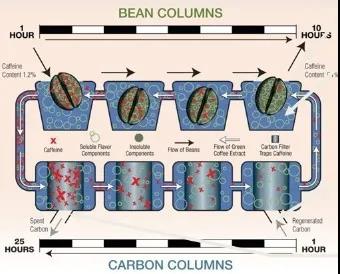
carbon dioxide treatment
The carbon dioxide treatment method is similar to the direct solvent method. The coffee beans are soaked in warm water, and then the high-pressure liquefied carbon dioxide replaces the solvent to extract the caffeine. Then the carbon dioxide returns to room temperature and becomes a gas. Coffee made by using carbon dioxide to decaffeinate is less harmful to the human body, and according to research, this method extracts more caffeine than the direct solvent method. However, the cost of this method is much more expensive than the direct solvent method.
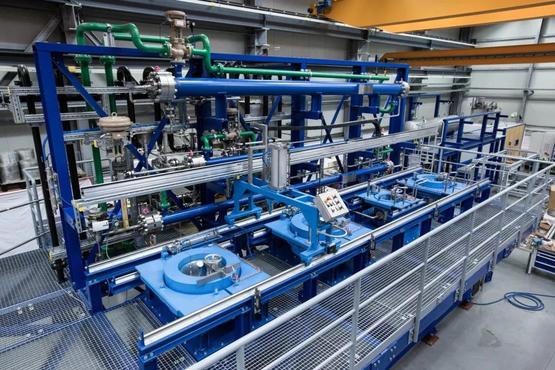
water treatment method
In addition to developing the expensive supercritical fluid method, another group of people at that time developed a method that used water as a solvent to extract caffeine without losing the smell of coffee. The cost of this method is much lower than the supercritical fluid method and the operation is simpler; the most common water treatment method is the Swiss water process developed by the Swiss company Coffex in the late 1970s.
Swiss Water Treatment ActGreen coffee beans are soaked in hot water. The soaking stage has actually partially removed the caffeine. The soaked solution is then filtered through activated carbon, and finally the solution is poured back into the coffee beans. This series of steps will remove caffeine more effectively. In addition to not requiring the use of chemical solvents, the soaked solution can be reused in different batches of processing, but the coffee will still lose a lot of flavor during the filtering process.

The disadvantage of this treatment method is that the production cost is much more expensive than the above two solvent methods, and the extracted caffeine is directly filtered out and cannot be used for other commercial purposes.
Mountain spring water treatment method
This uses another special type of water, water from glaciers, to extract caffeine. The company Descamex states that they use a special filtration device to remove caffeine. The result is a caffeine-free water-based solution that also dissolves coffee solids and can be reused in the decaffeination process. This treatment method, like the Swiss water treatment method, does not use chemical solvents, so some consumers regard it as a safer and healthier choice.
Decaf coffeeCan it also be specialty coffee?
Everyone often thinks that the flavor of decaffeinated coffee is bland and boring. Although caffeine itself does not have any smell, the most important flavor substances of coffee beans are lost during the processing process, and the loss of flavor has nothing to do with the action of removing caffeine. The biggest challenge in making decaf coffee is finding a way to extract the caffeine without sacrificing the flavor of the coffee beans. This has always been a very controversial topic in the specialty coffee world.

The most common treatment method is to directly use solvents to remove caffeine. This method will directly destroy the flavor of coffee, because the removal target cannot be limited to caffeine. These substances that bring delicious taste to coffee will be consumed in large quantities during the processing process, causing a huge negative impact on the flavor of coffee. Lower quality coffee beans are often treated with solvents because the beans themselves don't taste very good.
But these remarks do not mean that there is no decaffeinated specialty coffee. You can still get good quality coffee by using high-quality coffee beans and removing caffeine with a process that reduces the flavor. Decaffeinated coffee beans obtained using the Swiss water treatment method will have less flavor damage, but its processing cost is higher, so it is less used to process decaffeinated coffee.
The Swiss water treatment method retains the solid dissolved substances of coffee beans. This technology extracts caffeine through "activated carbon that specifically filters out caffeine." This step retains the flavor of the coffee origin and batch processing. To confirm that the flavor is retained, Swiss Water will conduct cupping tests before and after the decausation process.

How to roast decaf coffee?
How to roast sweet coffee that is decaf? The decaf coffee process involves adding water to green coffee beans to extract the caffeine, and then drying them again. The decaffeination process is done as gently and carefully as possible, removing the caffeine without affecting its flavor as much as possible. This means that the roasting process before first crack needs to be gentler. During the roasting process, decaf coffee will follow a similar temperature profile, but the heating rate is a little different. Because decaf coffee is also decaffeinated, the degree of heat retention in the beans is also different.
The amount of beans roasted and the boiler preheat time need to be adjusted for decaffeinated coffee. Decaffeinated coffee is usually roasted with a gentler roast profile than usual, such as a lower and slower heating rate, and then the heating rate reaches a maximum value and then slowly decreases until the end of the roast. There are two keys to maximizing sweetness in roasting decaf coffee: increasing the time and lowering the temperature. The goal is to caramelize slightly before the first crack.
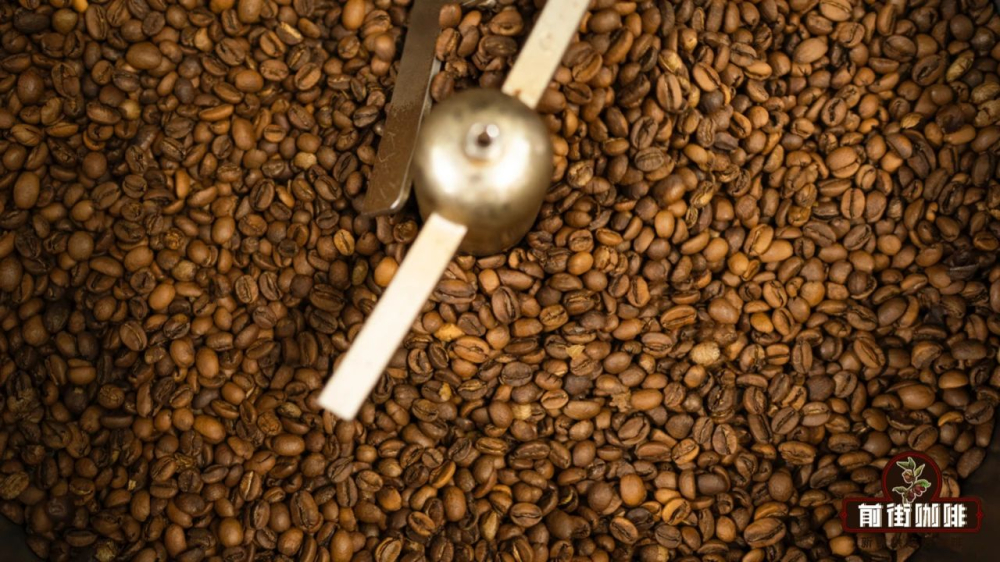
When roasted to the first crack, the reaction of decaffeinated coffee will be very different from that of ordinary coffee. Once the decaffeinated coffee starts to release heat, the development will be different, and the energy maintained in the coffee beans will not be very tight. The unique cellular characteristics of decaffeinated coffee can present challenges for roasters. On the one hand, beans can easily be over-roasted and over-developed; on the other hand, because it cannot maintain the same amount of heat inside the beans, you cannot just roast the beans and wait for them to cool down like regular coffee.
So, look for good quality green beans. Make sure there is adequate but not excessive caramelization in the first crack, and skillfully manage the roasted beans after the first crack to achieve the right balance of sweet, sour, and bitter flavors. To roast delicious and sweet coffee, you still need to accumulate experience through continuous roasting.
For more specialty coffee beans, please add FrontStreet Coffee on private WeChat, WeChat ID: kaixinguoguo0925
You can now buy the above coffee beans online at the Taobao store “FrontStreet Coffee” (前街咖啡). FrontStreet Coffee is a long-established specialty coffee roaster in Guangzhou, China, and its Guangzhou retail shop sells coffee beans only. The shop carries dozens of coffee beans from different origins around the world, including carefully selected single-origin beans for V60 pour-over and espresso. Guangzhou’s FrontStreet Coffee shop is recommended by many coffee lovers.
The FrontStreet 2013 Yunnan coffee beans sold in the store come from the Typica variety grown at FrontStreet Coffee’s own plantation in Yunnan. The name comes from the year the brand and the plantation were founded. You can buy these beans from China’s Yunnan origin at the Guangzhou shop and at FrontStreet’s Taobao store.
FrontStreet coffee beans are freshly roasted within 5 days and deliver consistently excellent quality and great value. Orders placed before 17:00 are shipped the same day, and most areas within Guangdong Province receive them the next day.
FrontStreet Coffee Taobao store: https://qianjiecoffee.taobao.com
Or search for “前街咖啡” (FrontStreet Coffee) on Taobao
Important Notice: FrontStreet Coffee has moved to a new address: 315, Donghua East Road, Guangzhou (coffee beans only)
Tel: 020 38364473
