

In recent years, with the continuous popularity of specialty coffee, new professions such as roasters and cuppers have become popular in the industry. Coffee roasting has also become the first choice for some baristas and enthusiasts to start a business. There are many factors that determine the taste of a coffee bean, such as the variety of the coffee tree, the processing method of the coffee beans, the regional conditions where the tree grows, and even whether the tree has a shade tree, what kind of tree it is, etc. There are many influencing factors, and the impact is difficult to determine. But the author believes that each different influencing factor will still have its own characteristics.
Processing methods of coffee beans The processing methods of coffee beans are divided into the following types: natural; semi-natural or pulsed-natural; honey processing and washed.
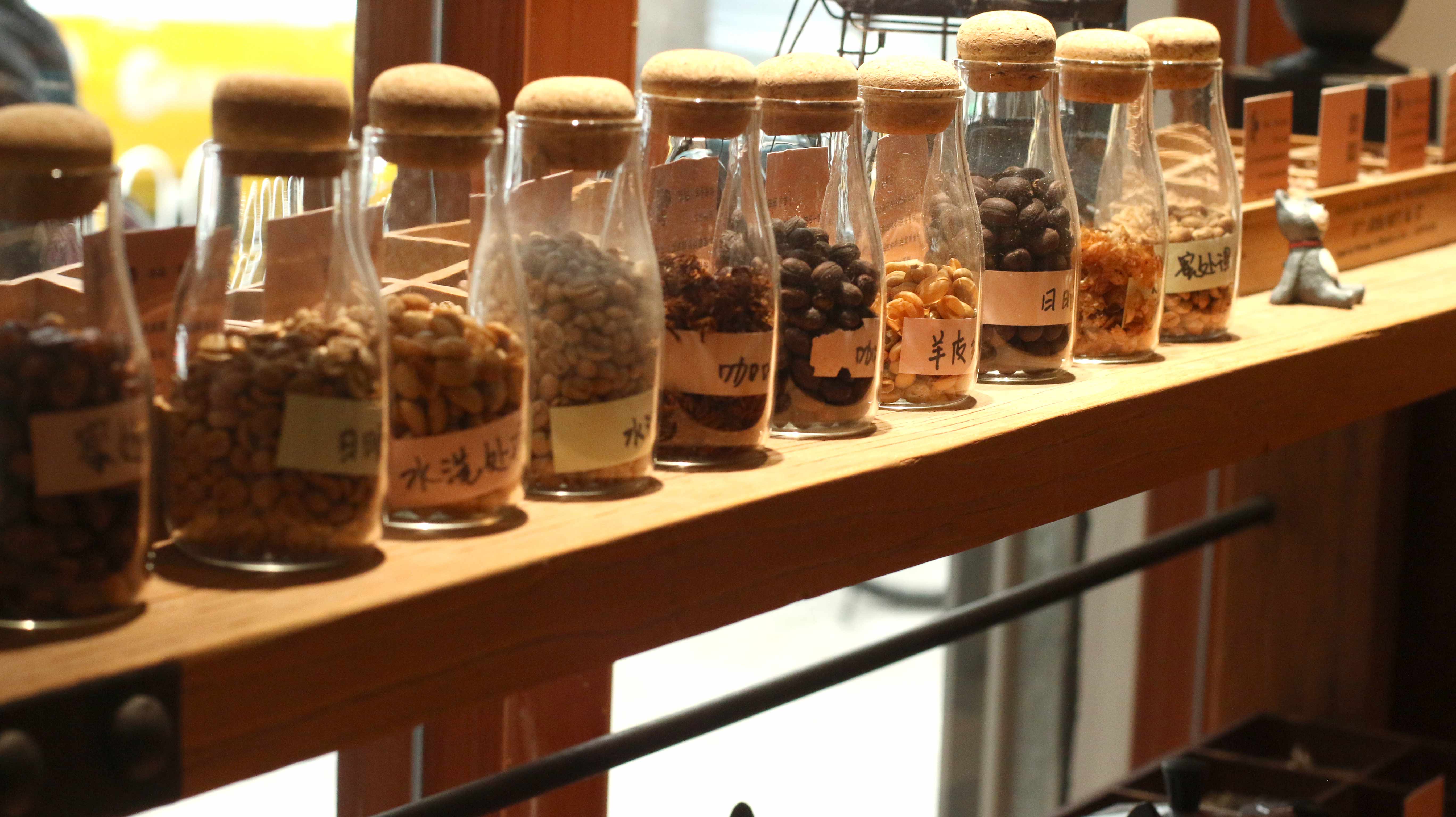
Coffee bean processing methods can be divided into three categories: sun processing (dry processing method), washing processing (wet processing method), and honey processing (semi-dry processing method). The front street coffee will be explained one by one below.
Method 1: Sun treatment, dry processing
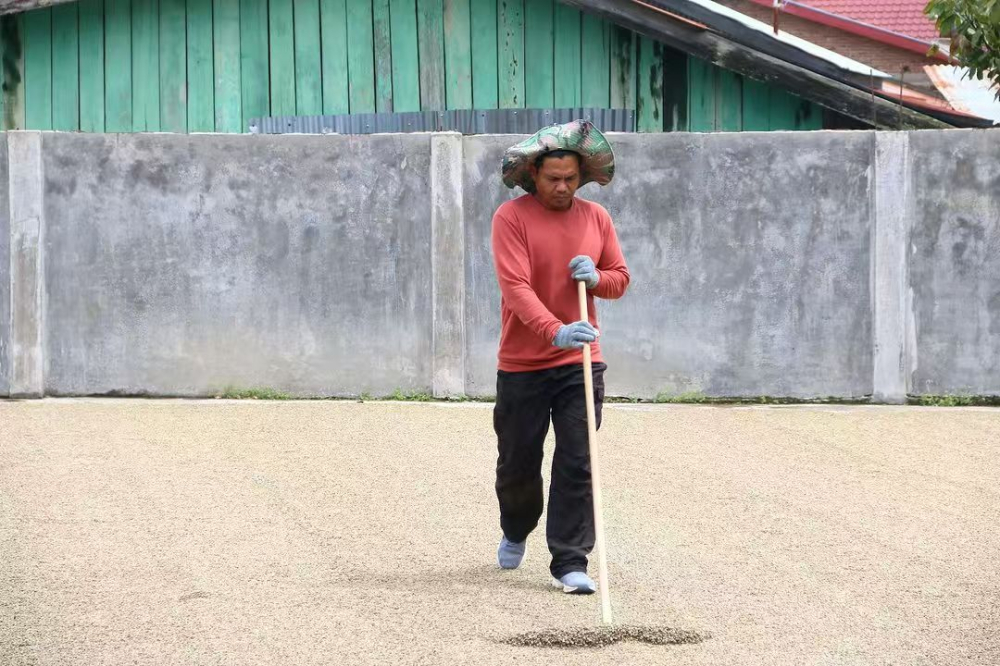
This is an ancient method commonly known as "sun-drying". Simply put, the picked coffee berries are exposed directly to the sun without removing any layer of them, until the moisture content of the beans drops to 10.5-12%. If there is sufficient sunlight, this method saves the most energy. If there is insufficient sunlight or other reasons, a dryer may be used for the whole or part of the process.
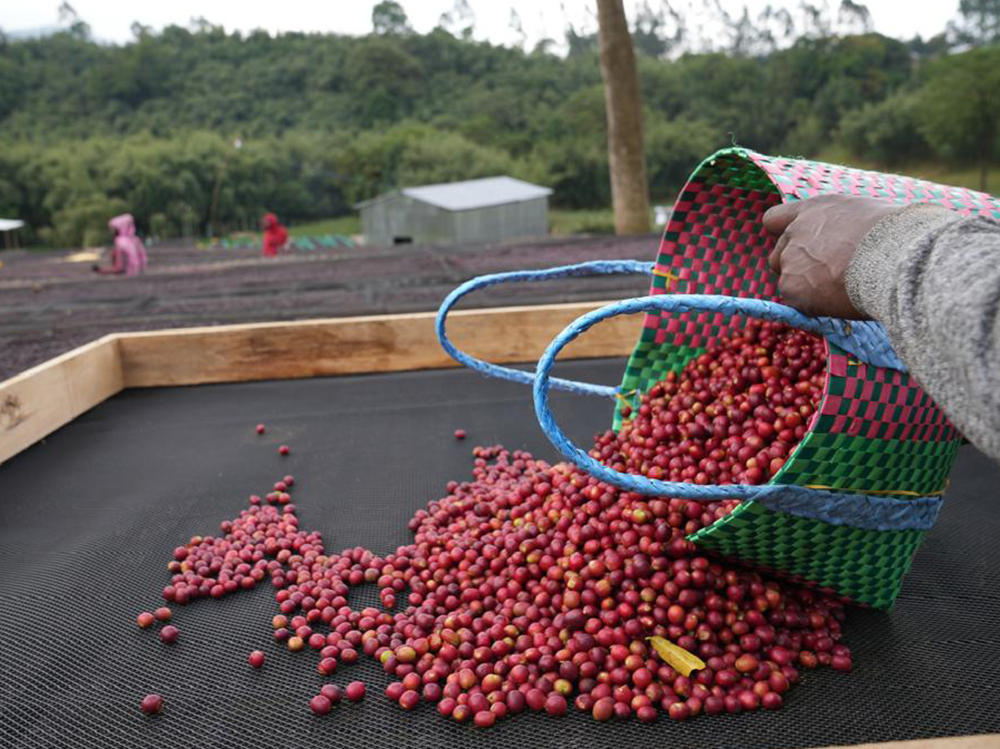
Since the drying process does not necessarily require sunlight, it is not called "sun-drying" in the profession but "dry-processing". Of course, exposure to sunlight is still the mainstream of dry-processing. Major coffee-producing countries such as Ethiopia, Yemen, and Brazil use the sun-dried method for more than 80% of their coffee. Many other producing countries also use this method, especially in places where water resources are scarce.
A few additional points to add about the dry treatment method:
If sun drying is used, it usually takes 2-4 weeks or even longer, depending on the weather conditions and the flavor you want to express. Care must be taken when drying, not only to avoid excessively high temperatures, but also to avoid the beans growing mold or producing odor due to over-fermentation;
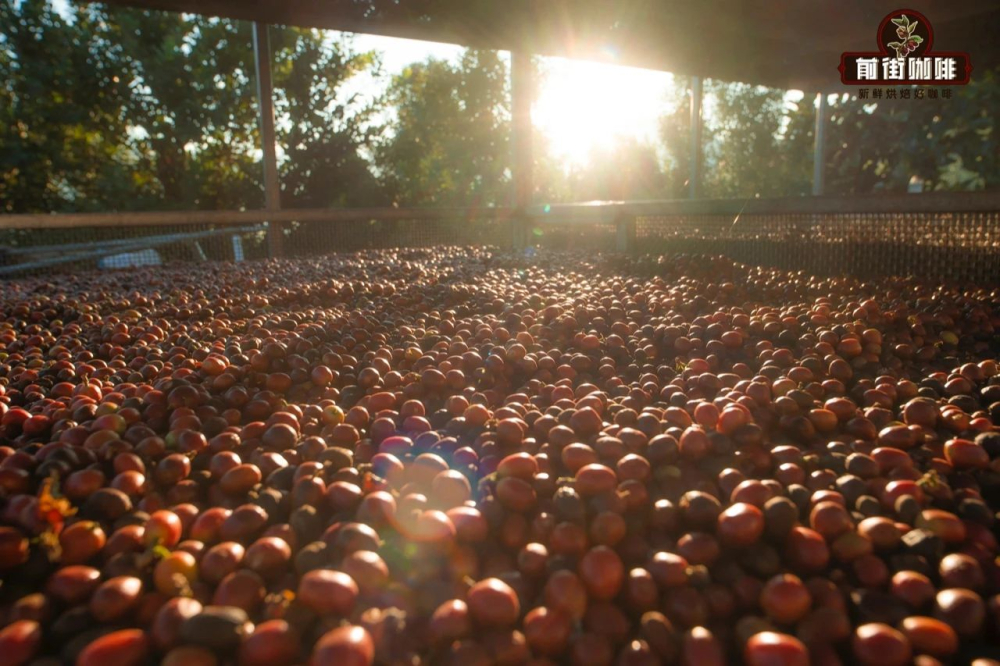
If you use a dryer to dry, it will be easier to control various variables, and the drying speed will be faster than sun-drying, but it will increase machine and energy costs, and the flavor is usually not as good as beans that are fully sun-dried; the dried fruits after processing are usually stored with all coatings on them, and all the coatings on the outside of the coffee beans are removed mechanically until they are ready for shipment. This process is called dry milling;
The length of drying time and temperature will have varying degrees of impact on the flavor of coffee; for example, in strong sunlight and a drier environment, if there is no special control, the colloid may be dried before it has time to ferment, so there is less moisture and slight fermentation brought into the coffee beans. Fruity and sweet, the beans have no characteristics, just like most Brazilian commercial beans. This is one of the reasons why sun-dried beans once had a bad reputation. If the drying time is prolonged and the temperature is properly controlled to allow the coffee berries to undergo slight fermentation, the beans will have a changeable fruity smell.
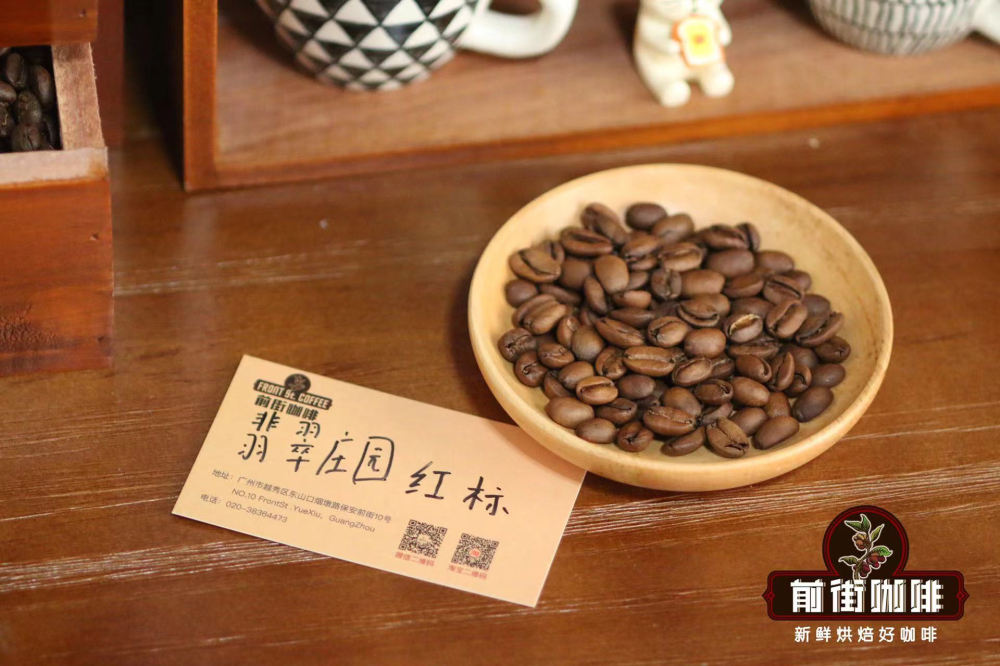
Sun-dried coffee beans are made from the original coffee fruit, resulting in reasonably sun-dried coffee beans. They usually exhibit a complex fruity aroma, accompanied by a soft fermentation aroma. The overall taste of the coffee is smooth and sweet. Representative coffee beans include Front Street Sun-Dried Oiran, Front Street Jade Red Label Geisha, and Front Street Queen’s Manor.
Method 2: Water washing method, wet processing method (wet processing)
Also known as the "washing method", it was a method developed by the Dutch in the 18th century. The reason why the Dutch developed this method was because the colonies (such as Java) were humid and rainy, lacking continuous sunlight, and it was difficult to implement the solarization method (dryers probably did not exist at that time). The traditional method is as follows: first remove the skin and pulp of the coffee cherries, then place the shelled beans with gum attached to them for fermentation in a water tank to allow the sugar in the gum to decompose and the stickiness to disappear. Then rinse away all residue outside the parchment paper with clean water, and finally dry it. Since the peel, pulp and gum are missing, the drying time is greatly shortened.
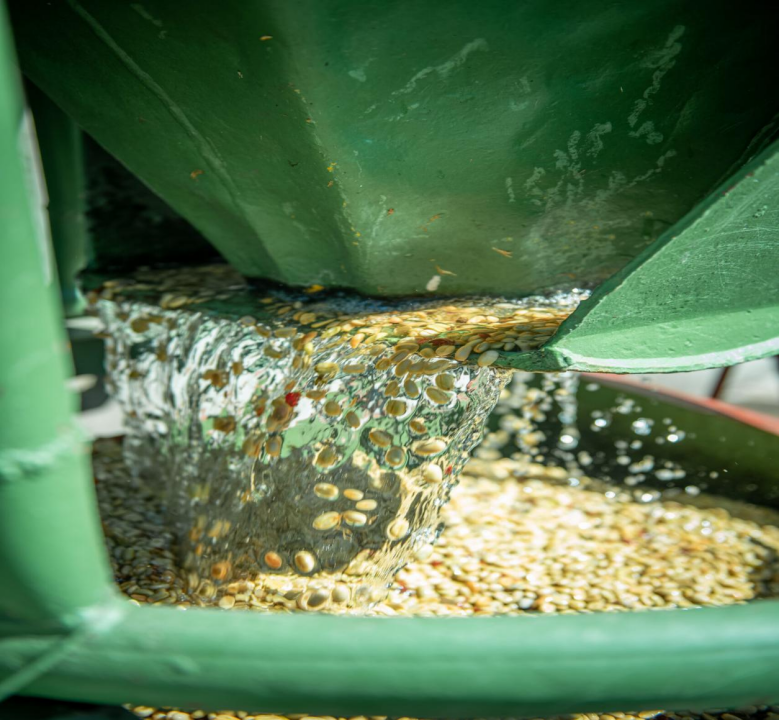
The following is additional information about wet treatment methods:
The time for fermentation to be completed ranges from 12 hours to 6 days, and is related to the temperature at the time, the number of yeasts, and the method used; for example, if the Kenyan method is used, more than one fermentation and washing cycle is required, which will take several days;
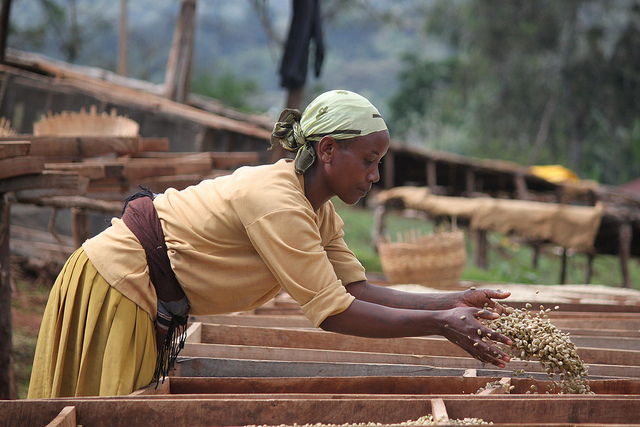
Deciding when to stop fermentation is a very important key in the water washing method. If the fermentation is incomplete, the gum will not be easily washed out, and if the fermentation is over-fermented, the coffee will be contaminated with a sour smell;
The traditional water washing method requires the use of a large amount of water when washing the residue on the parchment paper, which can easily cause environmental pollution. However, there have been innovations in industrial technology. For example, water is filtered and recycled, or a friction machine is used instead of water washing, which can greatly reduce water consumption. This is why it is not called "water washing method" in the profession but "wet treatment method";
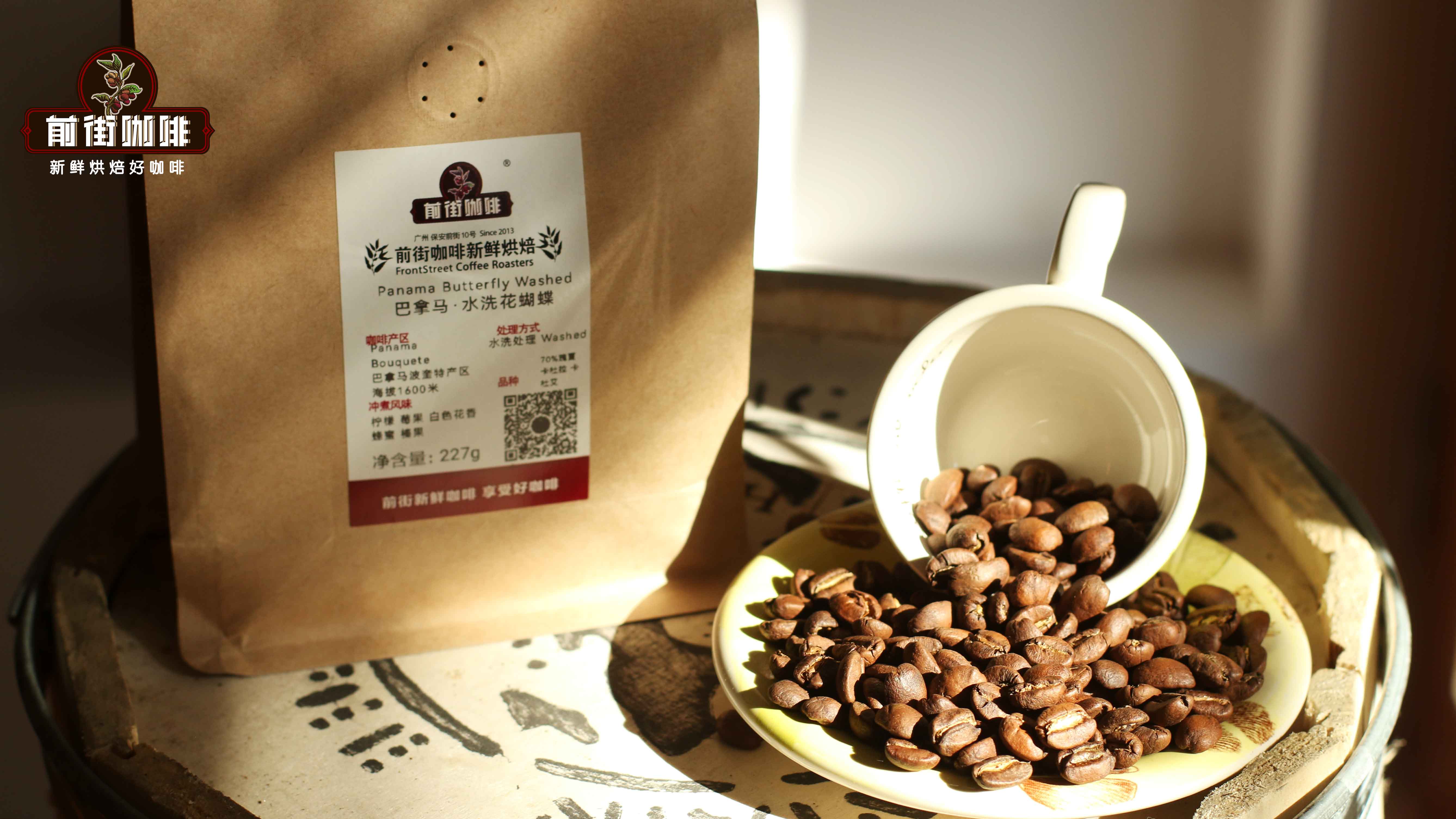
Wet-processed coffee has a characteristic: part of the acid produced during the gum fermentation process will enter the beans. At the same time, because there is no pulp and gum attached to the outside of the parchment during drying, it lacks the unique mellowness of sun-dried beans, and the flavor tends to be clean and bright. If light roasting is used, the acidity is also more obvious. Representative washed coffee beans include Front Street Butterfly, Front Street Fruit Ding Ding, and Front Street Little Tomato.
Method three: semi-dry processing
This is a method between dry and water-washed treatments, and can be further divided into two categories: peeling and sun-drying and honey treatment. The two types of processing methods are basically very similar. They both remove the outer skin of the coffee berries like wet processing, but skip the "pool fermentation and water rinsing" process of wet processing and directly expose them to the sun. Although the methods seem to be similar, there is one important difference that results in two very different flavors and is worth explaining separately.
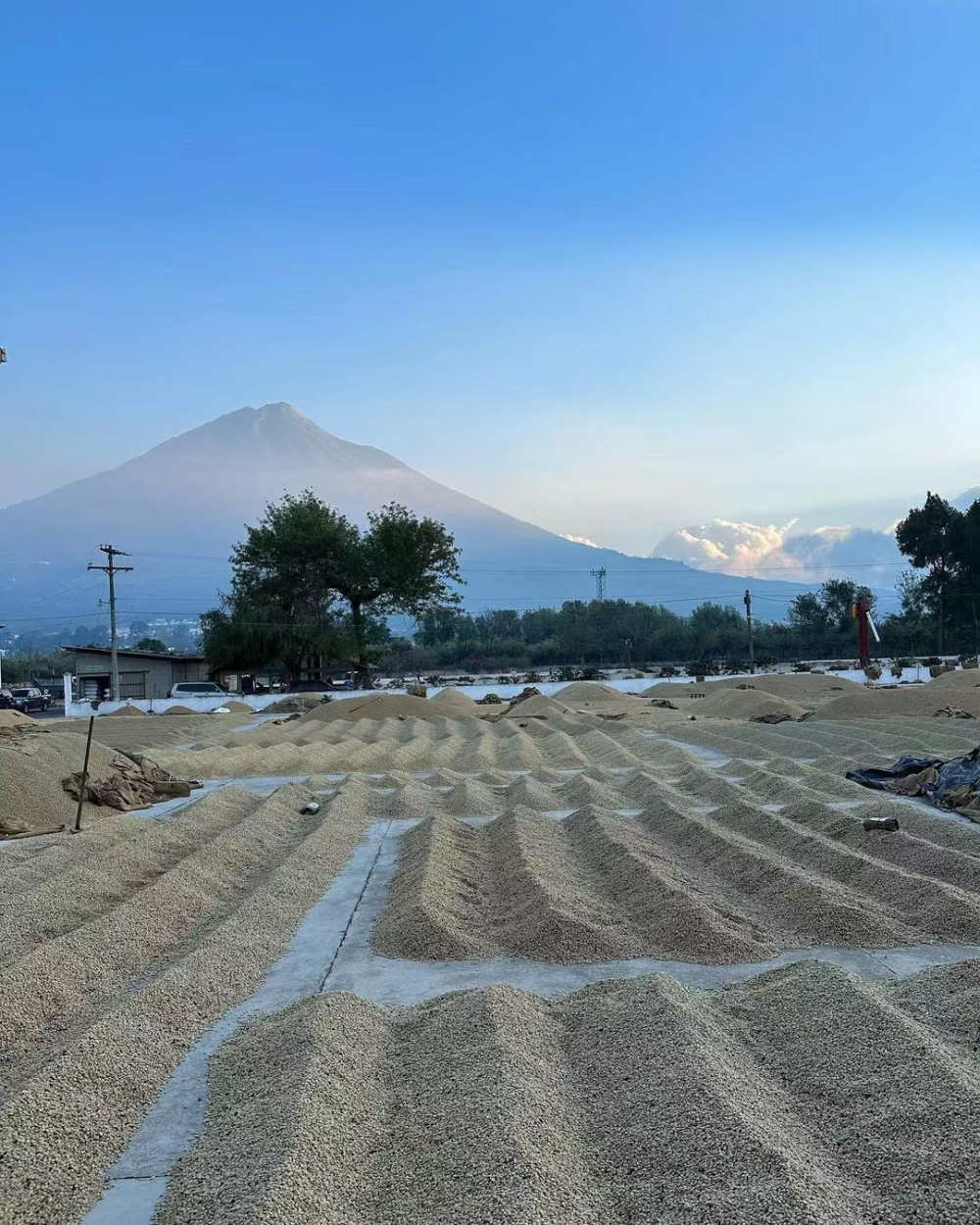
(A) Peeled and tanned method (pulped natural)
This is a method developed by Pinhalense, a Brazilian coffee equipment manufacturer, in the 1980s and 1990s. After many experiments, Pinhalense developed a modern depulper (also called a pulp separator), which uses squeezing to remove the seeds from ripe coffee cherries, and uses a high-tech pressure washing machine to remove as much gum as possible, and then uses it to dry it in the sun to the required degree.
Since the fermentation process is missing, the risk of over-fermentation or under-fermentation is reduced, and the quality of the coffee beans tends to be consistent; but precisely because of the absence of this process, the flavor of the coffee is a bit monotonous. As a result, high-quality coffee is rarely processed in this way. This treatment method uses much less water than the water washing method, and part of the method is similar to wet processing (removal of peel and pulp), and part of the method is similar to dry processing (without fermentation in the tank), so it is also called the semi-washed method. Incidentally, in Brazil and Colombia, one or two companies have registered patents for high-pressure automated cleaning equipment, forming a quasi-monopoly in the market.
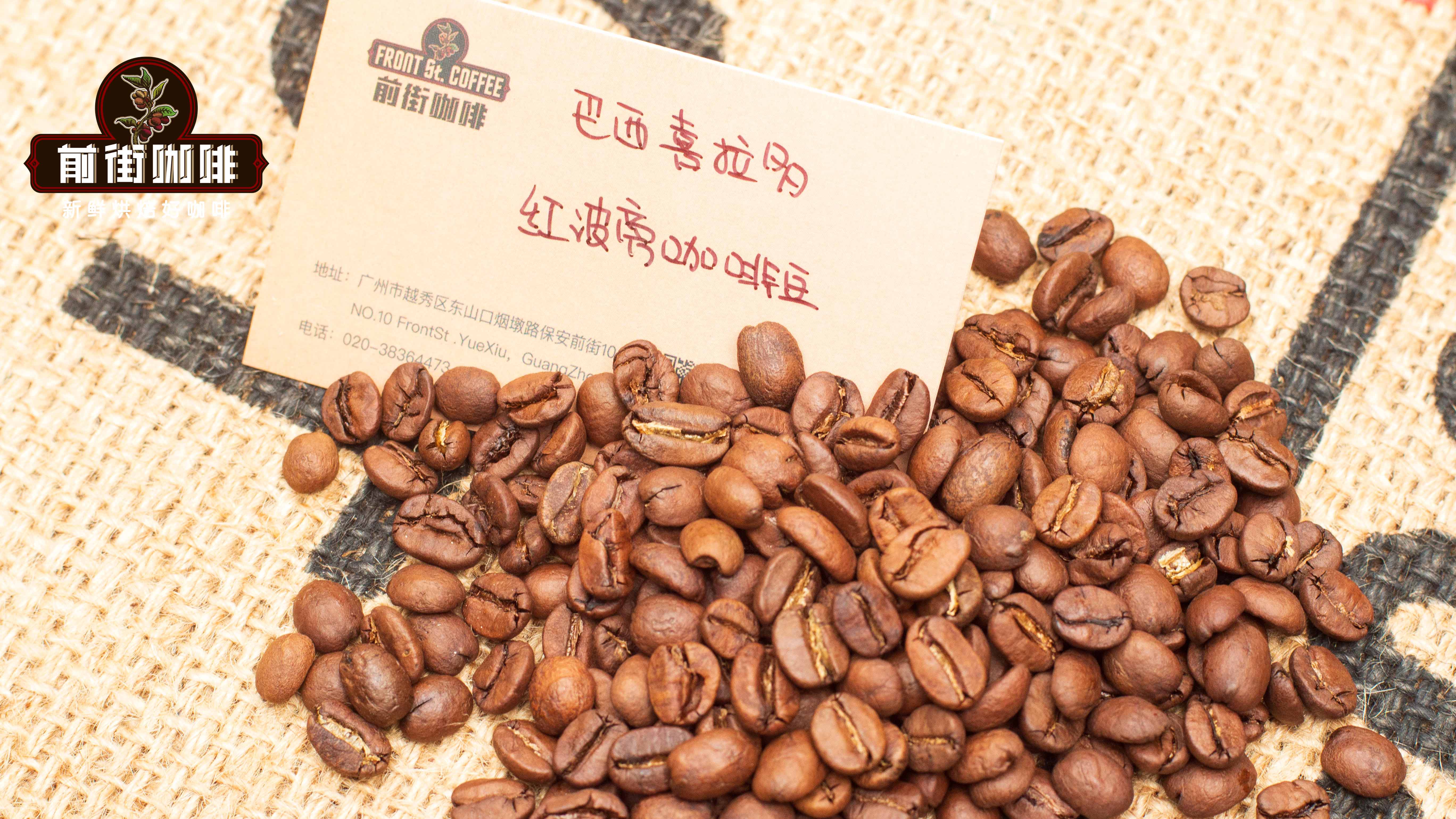
Representative coffees that have been semi-sun-dried with the skin removed include Front Street Brazilian Cerato, which is roasted to a medium level and highlights the flavors of cream, peanuts, nuts, and caramel. It can be brewed by hand, in a moka pot, or even in an espresso machine.
(B) miel method
The honey processing method (often written as honey proces in English) is a partially improved method based on the peeling and sun-drying method. It is currently popular in Costa Rica and El Salvador, and is gradually becoming popular in Central America, and even expanding to coffee-producing countries around the world. The name comes from the fact that part of the gum (honey) is deliberately retained during the drying process of the beans.
Its origin and method are as follows:
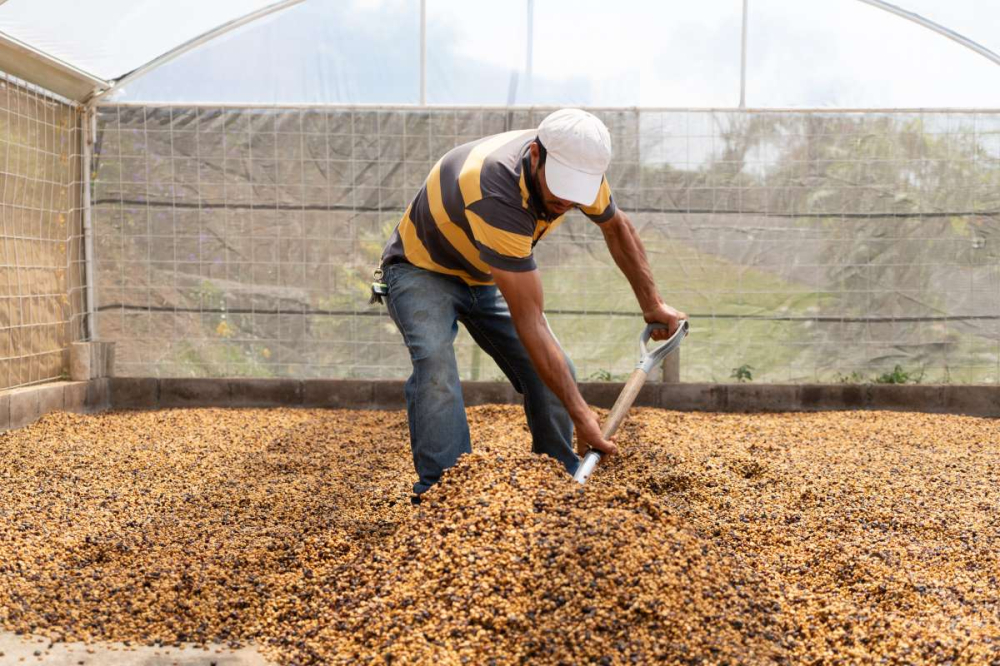
In the 1990s, Costa Rica developed a pectin scraper (demucilager) to replace the Brazilian depulper. The difference between the two machines is that the pectin scraper can adjust the pressure and caliber size. During the peel removal process, part or all of the colloid of the coffee beans is retained, and then the beans and the colloid are taken to the sun (beans with gum cannot be dried using machines, and must bear the risk of over-fermentation or mold growth).
Since during the drying process, the colloid will ferment for a short period of time, the coffee beans will add a little acidity. At the same time, a little sugar in the colloid will penetrate into the beans, giving the coffee a little more sweetness, which is not found in the Brazilian peeling and sun-drying method. Some processors even call their coffee 40%, 60%, 80%, or 100% honey-processed beans based on the amount of gum retained, but this statement should probably be taken with a grain of salt, because it is actually impossible to make it so accurately.
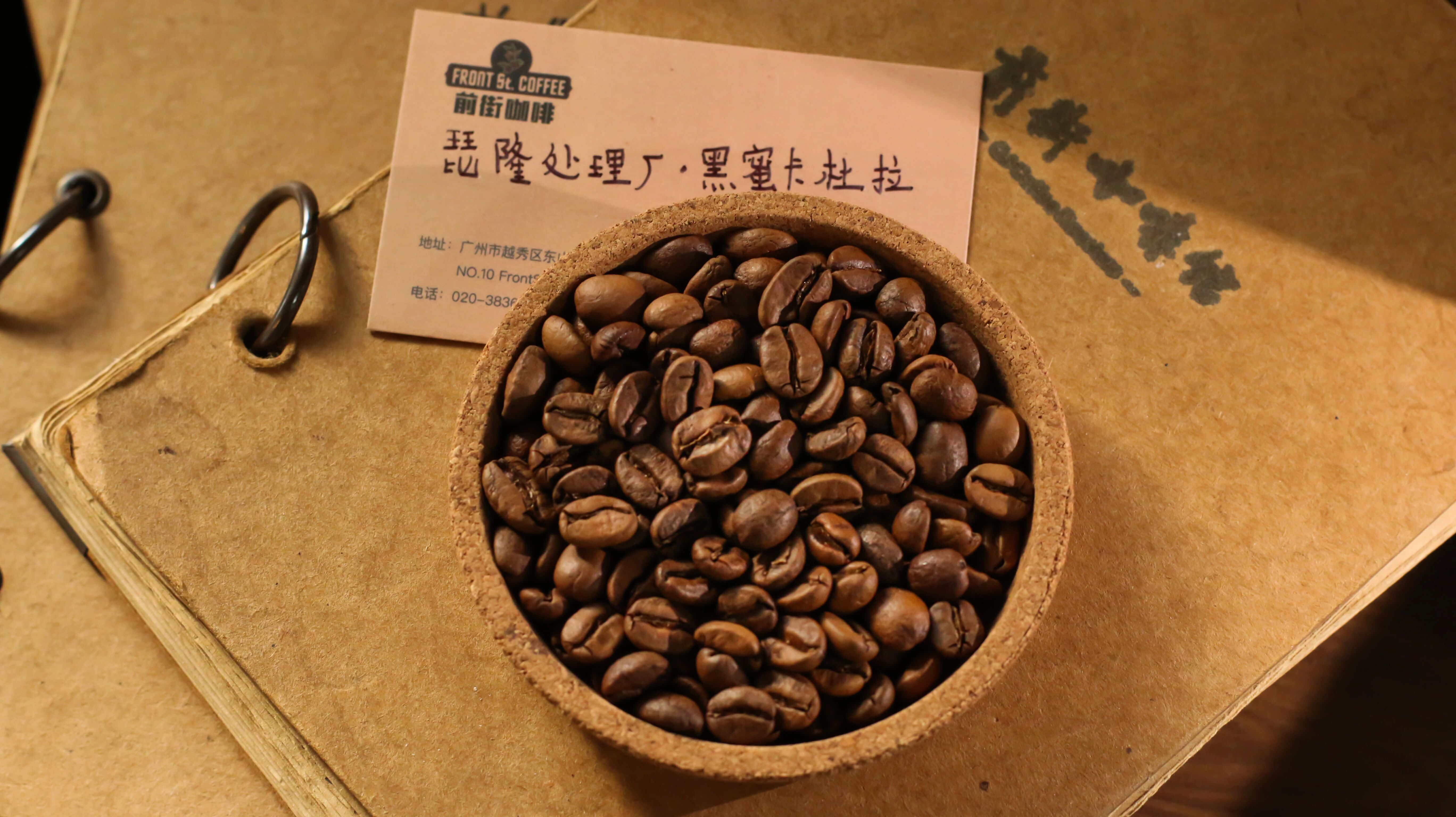
The more popular name nowadays is to use color instead of percentage. There are so-called black honey, red honey, yellow honey, and white honey. The more colloid is retained, the darker the color of the beans after drying. Therefore, the flavor of black honey-processed coffee beans is closer to that of sun-processed coffee. The representative coffee bean, Front Street Blackberry, has a floral and fruity flavor, so it is roasted at a medium to light level. During extraction, you can taste the flavors of orange blossom, berries, dried blueberries, and liqueur chocolate. It is refreshing and sweet in cold extraction, explosive in hand-made sweetness, and overflowing in Italian style.
You can now buy the above coffee beans online at the Taobao store “FrontStreet Coffee” (前街咖啡). FrontStreet Coffee is a long-established specialty coffee roaster in Guangzhou, China, and its Guangzhou retail shop sells coffee beans only. The shop carries dozens of coffee beans from different origins around the world, including carefully selected single-origin beans for V60 pour-over and espresso. Guangzhou’s FrontStreet Coffee shop is recommended by many coffee lovers.
The FrontStreet 2013 Yunnan coffee beans sold in the store come from the Typica variety grown at FrontStreet Coffee’s own plantation in Yunnan. The name comes from the year the brand and the plantation were founded. You can buy these beans from China’s Yunnan origin at the Guangzhou shop and at FrontStreet’s Taobao store.
FrontStreet coffee beans are freshly roasted within 5 days and deliver consistently excellent quality and great value. Orders placed before 17:00 are shipped the same day, and most areas within Guangdong Province receive them the next day.
FrontStreet Coffee Taobao store: https://qianjiecoffee.taobao.com
Or search for “前街咖啡” (FrontStreet Coffee) on Taobao
Important Notice: FrontStreet Coffee has moved to a new address: 315, Donghua East Road, Guangzhou (coffee beans only)
Tel: 020 38364473
