FrontStreet Coffee found the following content related to "mamba" for you
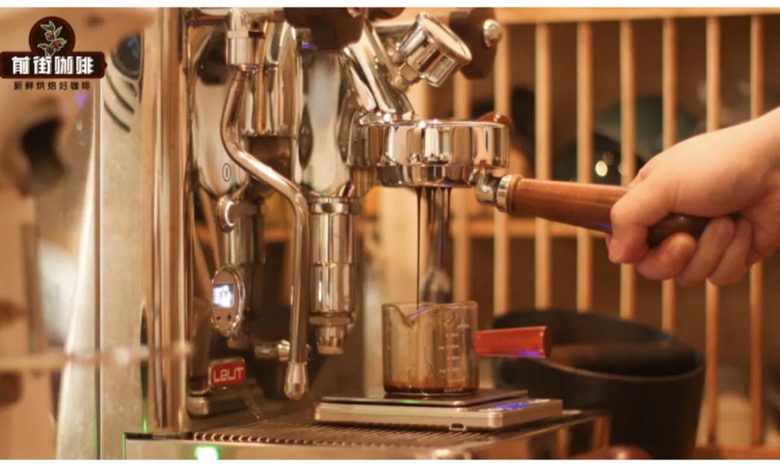
Home semi-automatic Italian machines are different from commercial machines in that the pressure and temperature control are not as precise, but they are enough for home users. In terms of bean selection, the household scene pays attention to the combination of ration beans and advanced beans. Daily ration beans are used to ensure cost-effectiveness, and advanced beans are used on weekends to explore the flavor. Use the two together to make Italian products at home.
Read more →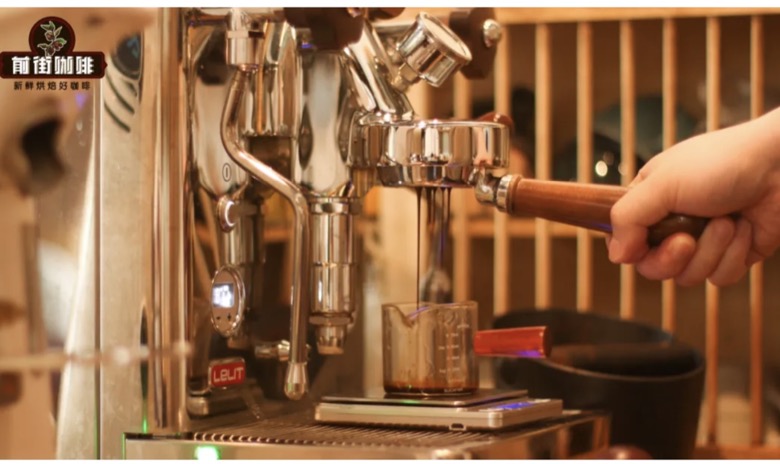
The upper limit of the flavor of espresso is largely determined by the type of beans. Robusta brings thickness and oil to the concentrate, while Arabica brings flavor and layer to the concentrate - understanding the expression logic of Arabica in the Italian system is the key to understanding an Italian bean list. Let’s start with the ingredient structure. Caffeine in Arabica
Read more →
(Comparison of Arabica and Robusta) Generally speaking, Arabica is mainly used in the currently popular single-origin/specialty coffee, while Robusta is mostly used in instant coffee. This is not to say that Robusta is necessarily worse than Arabica, but just based on the main uses of the two coffee varieties in the market. However, no
Read more →
When drinking Italian coffee, the first thing a knowledgeable person notices is not the taste, but the golden, dense layer of crema. Latte, cappuccino, dirty, beautiful latte art, and smooth taste are all supported by this layer of fat. But many home coffee machine users have a common problem: why do I get so much coffee?
Read more →
The flavor formula of latte is half equal to half beans and half milk - but most people only study beans and take milk as a natural background. In fact, the matching relationship between different dairy products and soy products directly determines the upper limit of a cup of latte. This article gives latte players a set of soy milk adaptation methods. First understand the variables of milk. There are three contributions of milk: milk
Read more →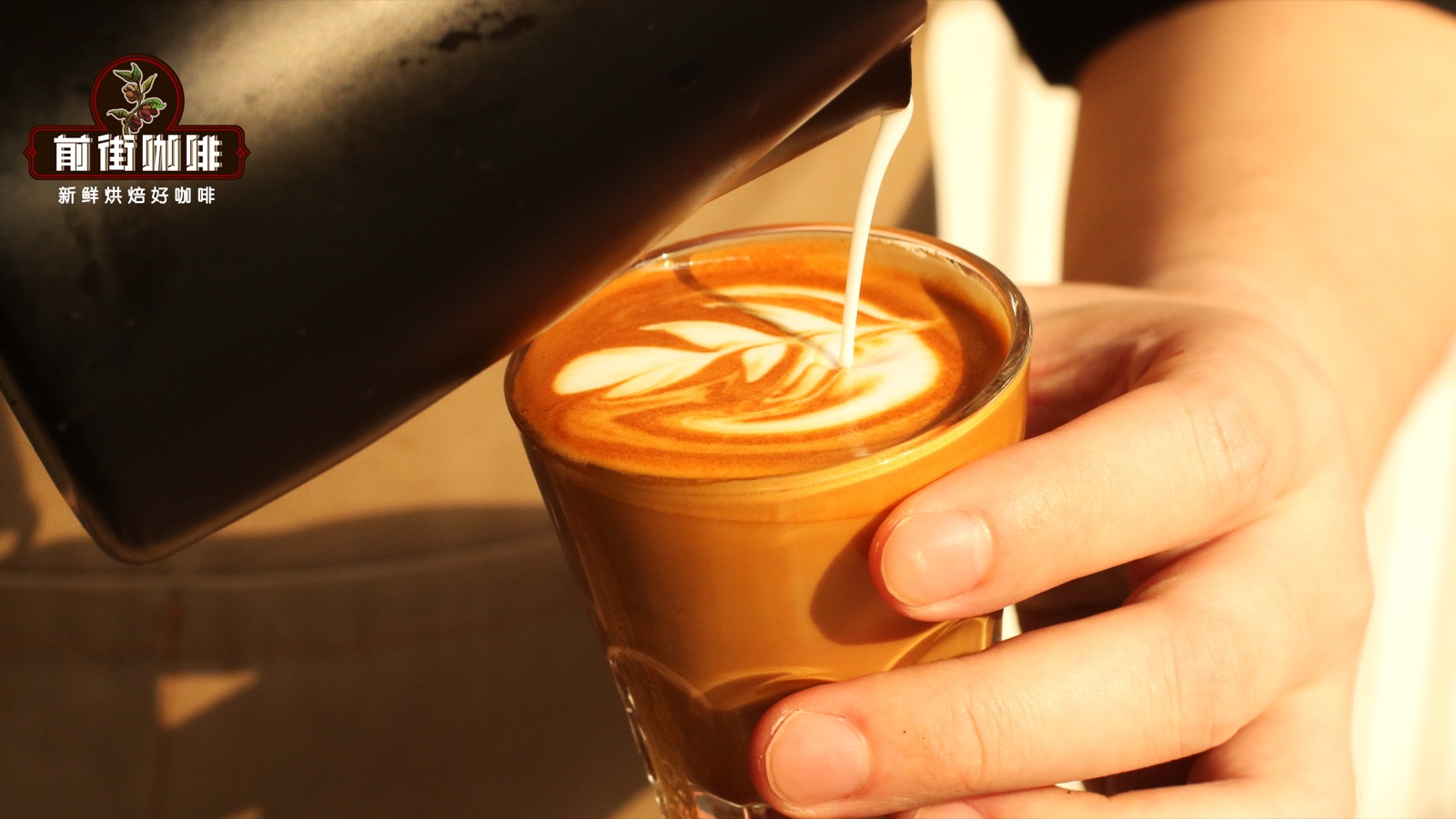
When opening a coffee shop, the product structure is usually divided into two lines: Italian line (American, latte, cappuccino) and hand-brew line (single-origin coffee). The bean selection logic of the two lines is completely different, but both directly determine the repurchase rate. This article is a reference for friends who are preparing to open a store or optimize their menu. Italian line: stability is overwhelming
Read more →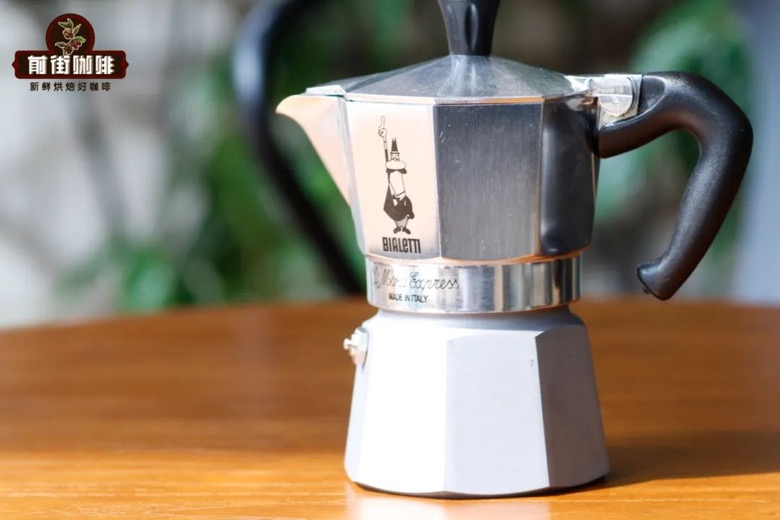
The Moka pot is an introductory appliance for making coffee in many households. It has a simple structure and is affordable. However, to make good use of the Moka pot, bean selection is more important than you think. The extraction principle of the Moka pot is between the Italian machine and hand brewing. The steam pressure pushes the hot water through the powder cake. The extraction is thicker than hand brewing but lighter than Italian brewing. Seize the oil, grind and roast when selecting beans
Read more →
Front Street Coffee - the difference between single-origin coffee, Italian blended coffee and specialty coffee. Single-origin coffee: generally refers to a single style of coffee beans from a single country or production area. It can be compared to a coffee solo. If a bag of coffee is labeled with the name of a coffee-producing country (continental Europe does not produce coffee beans, e.g.
Read more →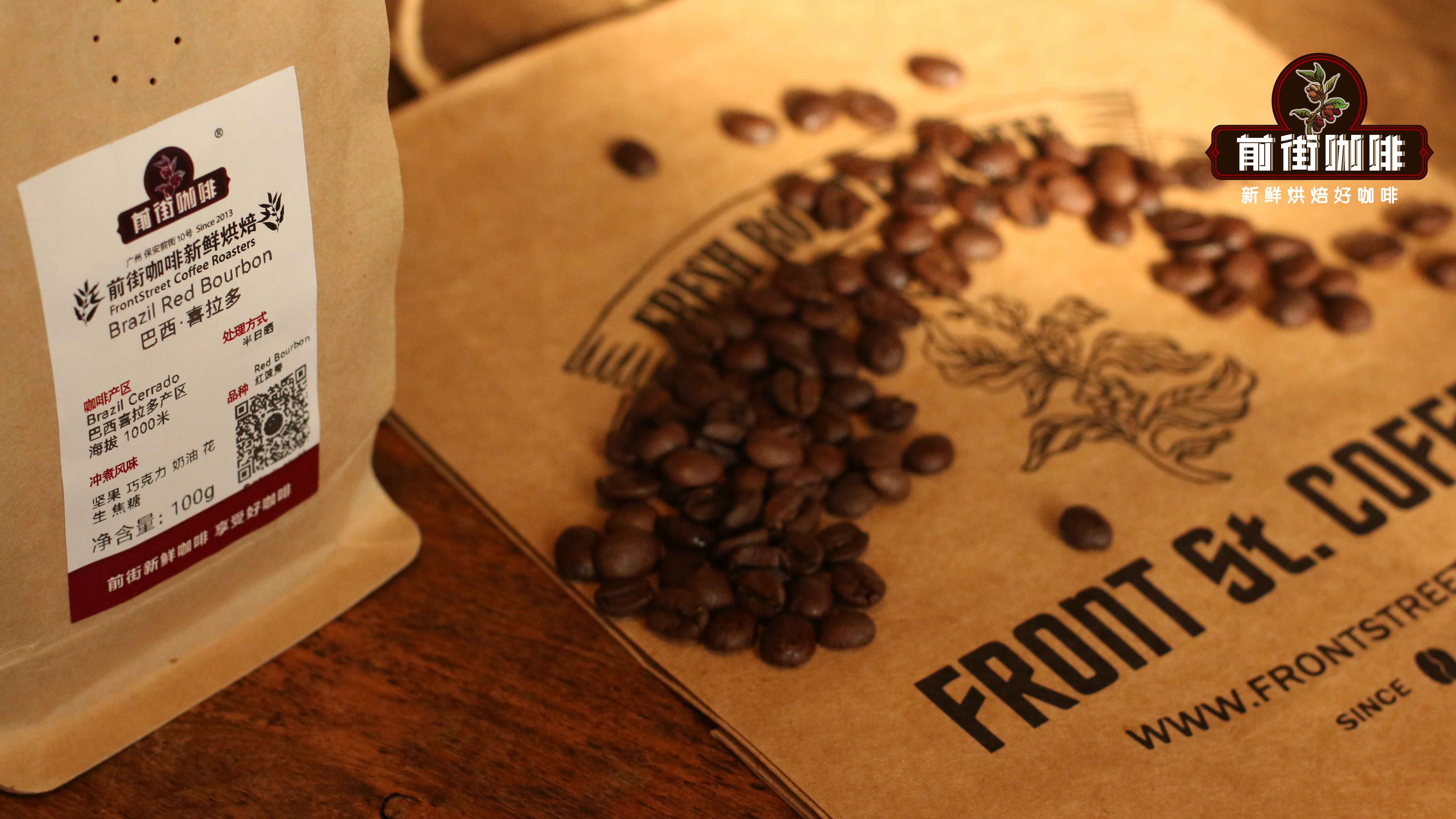
1. Front Street Red Bourbon Coffee from Brazil (South America): The taste is mellow and neutral. It can be brewed directly into Moka pot coffee, with a bit of moderate acidity and a strong nutty aroma. It is known for its balanced taste. You can also add milk to make a latte, which is rich and smooth; 2. Front Street Cymbidium Coffee from Colombia (South America): Rich taste
Read more →
The recipe for a bean blend is like a musical score: each bean is a voice, and the roaster's job is to get them to sing together in the cup to create the designed flavor. This article takes two classic recipes from the front street as an example to break down the role of Arabica beans in blending. Once you understand the design logic, you can read the recipe list of any blend.
Read more →
When preparing to open a coffee shop, the most uncertain thing is often not the machine, but the bag of Italian beans that need to be ground every day. Whether the beans are right or not directly determines whether the product is stable and whether customers will come back. The matter of finalizing the product can actually be broken down into several steps. Once the thinking is clear, selecting beans is no longer a matter of patting your head.
Read more →
When preparing to open a coffee shop, the most uncertain thing is often not the machine, but the bag of Italian beans that need to be ground every day. Whether the beans are right or not directly determines whether the product is stable and whether customers will come back. The matter of finalizing the product can actually be broken down into several steps. Once the thinking is clear, selecting beans is no longer a matter of patting your head.
Read more →
When you open the coffee bean purchase page, you will always get stuck on the words "single product" and "blending". They all look like coffee beans, so what’s the difference? In fact, it’s very simple: Single-origin beans taste the character of a place of origin, while blended beans taste a stable balance. Understand the logic of these two routes. Choosing daily rations of beans will not
Read more →
"Can these beans be used at home?" "What beans should I use for opening a shop?" - When choosing Italian beans, the most common dilemma is between home and commercial use. In fact, there is no strict boundary between the two. Many beans are "one-size-fits-all". The only difference lies in your usage scenarios and priorities. Don't beat around the bush today, just use one
Read more →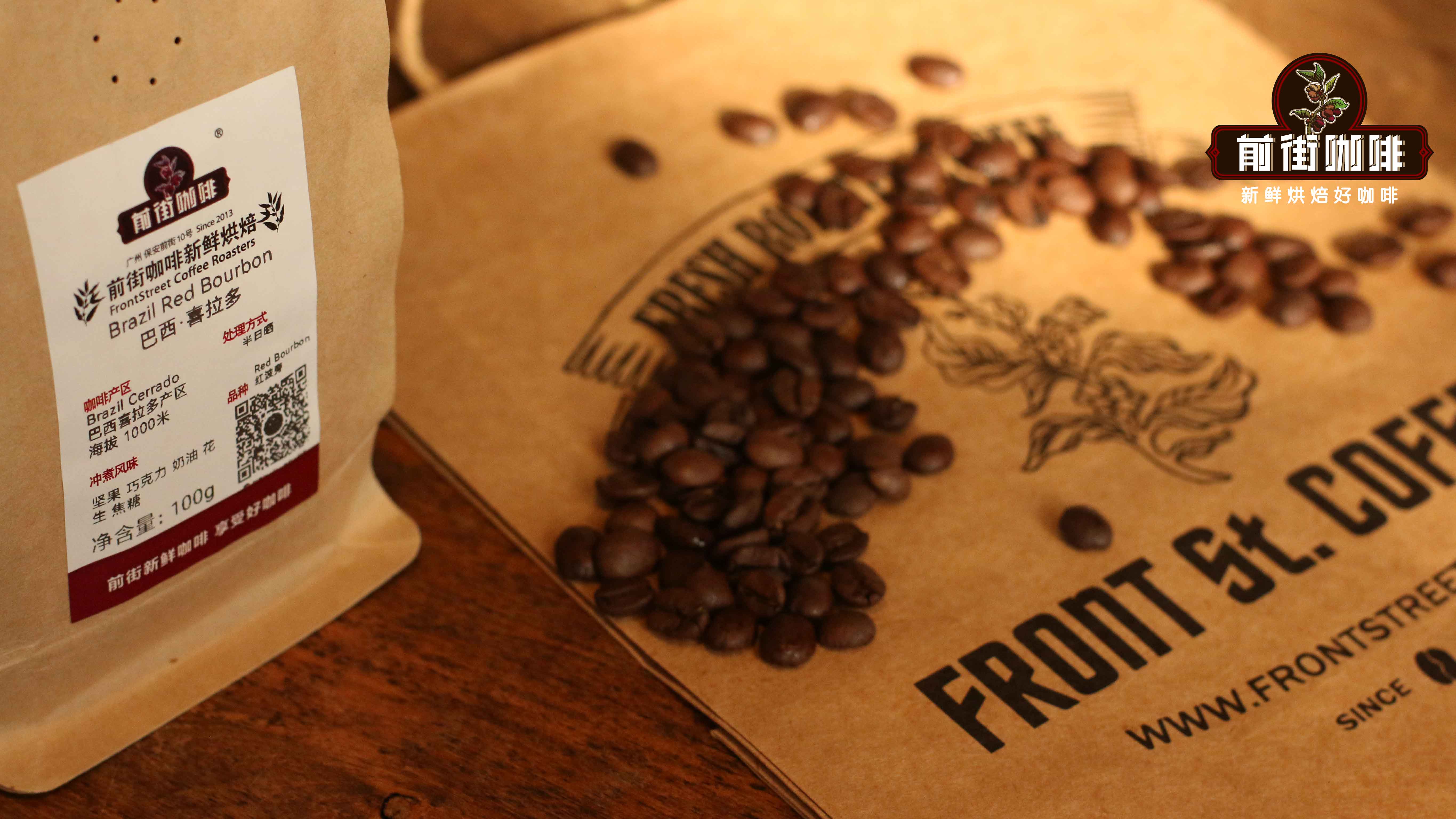
There are five types of coffee beans suitable for Moka pots: 1. Front Street Red Bourbon Coffee from Brazil (South America): It has a mellow taste and is neutral. It can be brewed directly into Moka pot coffee, with a bit of moderate acidity and a strong nutty aroma. It is known for its balanced taste. It can also be added with milk to make a latte, which is rich and smooth; 2. Colombia
Read more →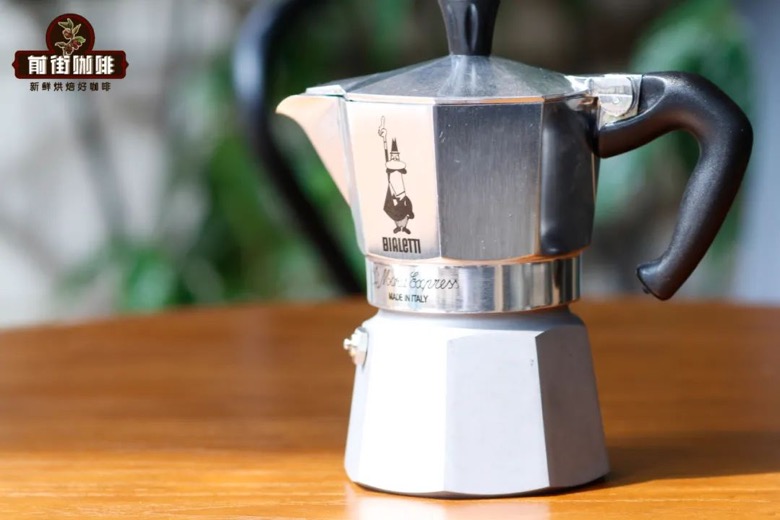
The Moka pot looks like just a small kitchen appliance, but in fact it is a small pressure extraction device: the water tank at the bottom is heated to generate steam, and the pressure pushes the hot water through the powder layer, and espresso coffee pours out from the upper pot. This principle determines the extraction characteristics of the Moka pot, and also determines the three things that cannot be avoided when selecting beans: pressure, temperature and time.
Read more →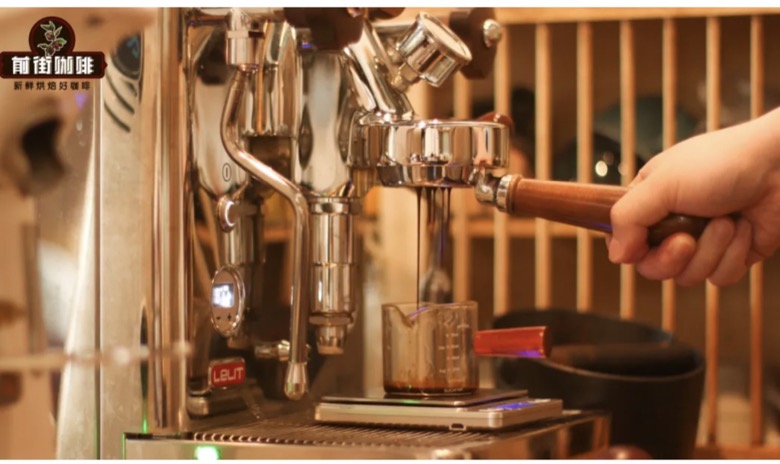
De'Longhi is a popular brand among household semi-automatic and fully-automatic espresso machines. Many families first think of De'Longhi when purchasing a coffee machine. The characteristics of Delonghi machine are that it has a pre-soaking function and the temperature control is relatively stable, but the pressure and water discharge accuracy are not as good as commercial machines. When selecting beans, grasp the balance between oil and taste, and the Delonghi machine can also produce good taste
Read more →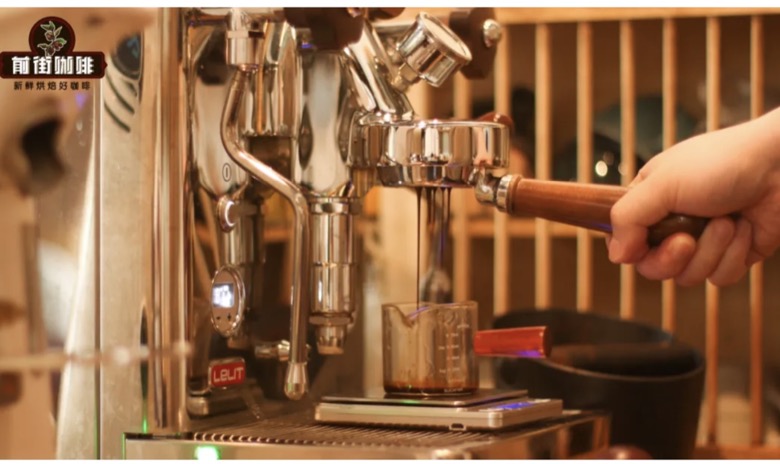
When you reach a certain stage of home semi-automatic play, you will all encounter the same problem: How to prepare beans? If you only stock up on one type, you’ll be afraid of getting tired of it, and if you buy too many, you’ll be afraid that it won’t be fresh. The answer is to plan the bean cabinet according to a two-layer structure - the daily ration layer and the weekend exploration layer. Each of the two layers has its own bean selection logic. The requirements for daily rations are stability, balance, and cost-effectiveness.
Read more →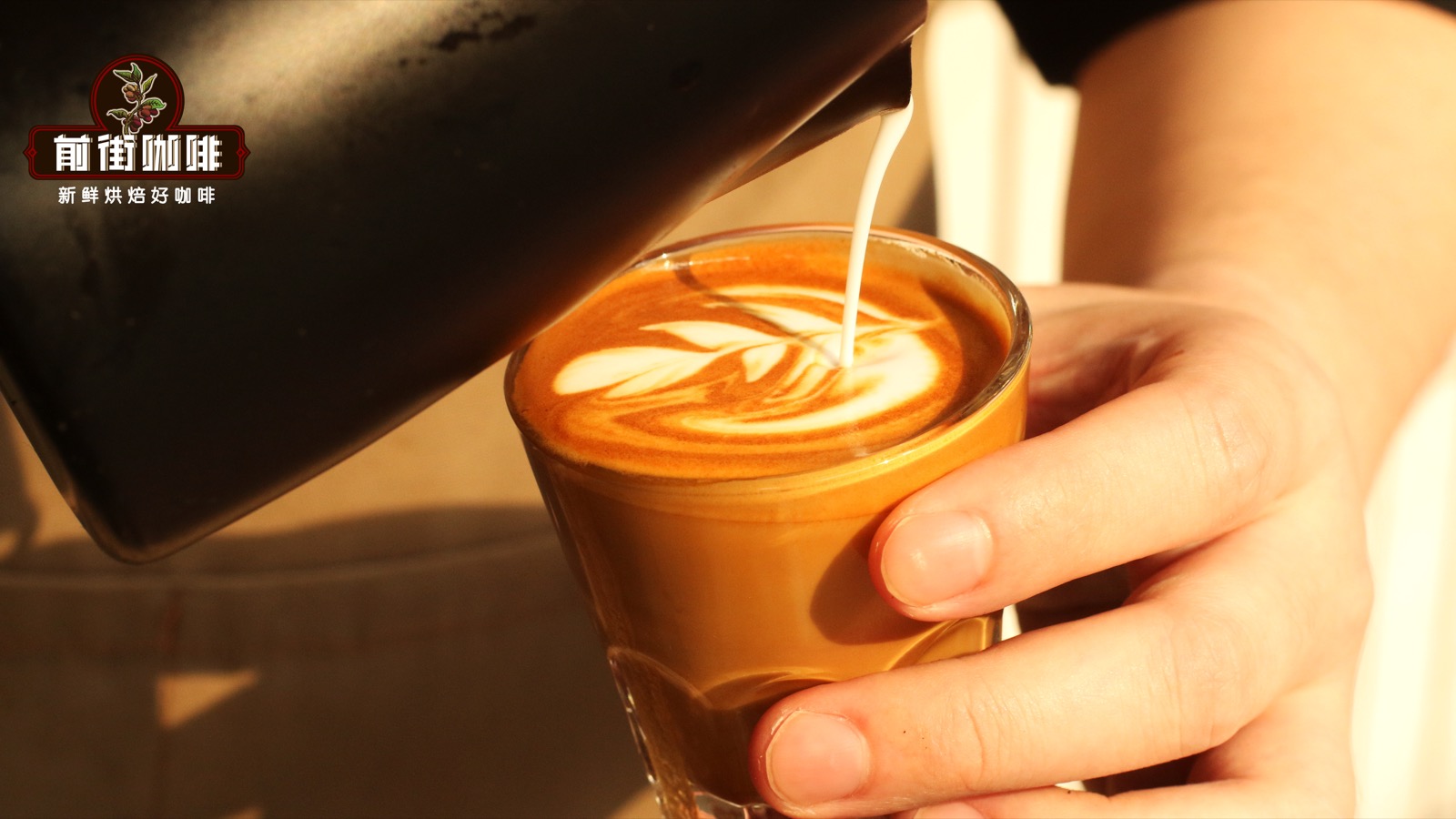
Most people who want to practice latte art at home can't avoid the same question: Why do the patterns still fall apart easily even though the coffee machine and milk foam are in place? Most of the time, the problem is the beans. The formation of latte art depends on the tension between coffee grease and milk foam when they meet on the liquid surface. If the grease is too thin and dilute, the pattern will not be able to hold up. Choose the right one
Read more →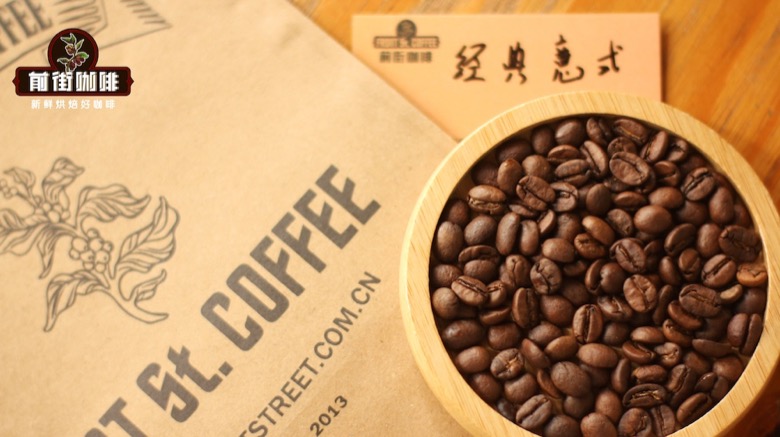
When opening a coffee shop, the choice of Italian blended beans directly determines the basic dish. A cup of latte, a cup of Americano, all rely on this bag of beans. Selecting beans for commercial use is completely different from that for home use. It’s not just about what you think tastes good. You also have to consider the three dimensions of oil performance, cost control and product stability. Italian blended beans
Read more →Be the first to know about new bean releases, brewing tips, promotions and cupping notes

Scan to Follow Front Street Coffee on WeChat
