FrontStreet Coffee found the following content related to "mamba" for you
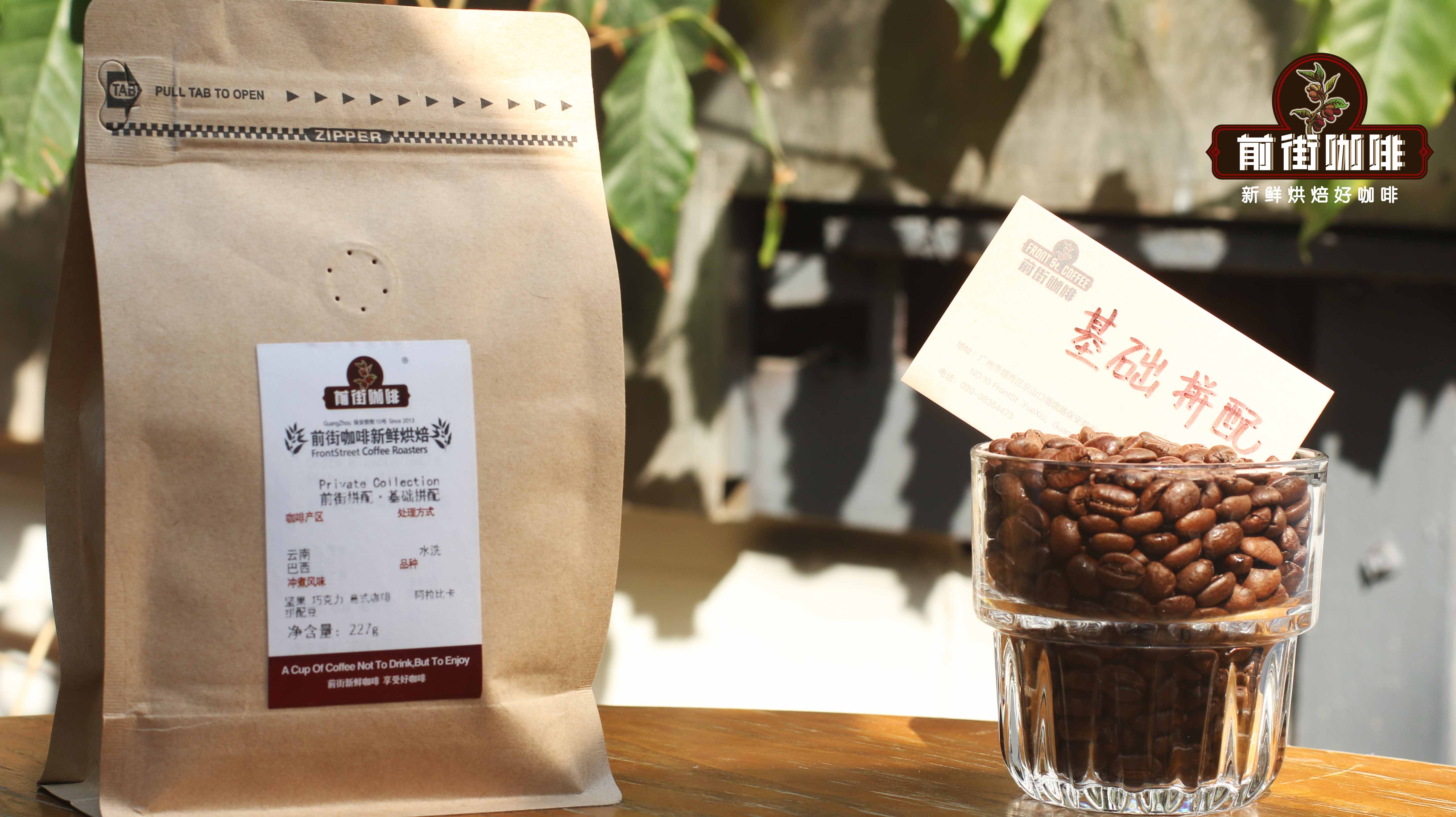
As they drink coffee longer, some people will pursue Italian coffee with a strong taste over time. They are no longer satisfied with buying American coffee in coffee shops, but want to make it themselves. So what are the requirements to make a cup of Italian coffee with rich aroma and high concentration? 1. The coffee beans are fresh enough for a perfect cup
Read more →
Does hand-brewed coffee taste better than coffee from an espresso machine? Front Street believes that this comes down to personal preference. Italian coffee focuses on quick production, so as to obtain a cup of coffee with a balanced taste and rich aroma. Hand-brewed coffee reflects the flavor of the place of origin, and coffee from each production area has its own unique flavor.
Read more →
When you open a coffee shop, the core of the menu is almost all Italian coffee: Americano, latte, cappuccino, and dirty. These are the ones that consume the most cups in a day. The basis of these drinks all come from the same cup of concentrate. Whether the concentration is stable or not, and whether the coffee flavor is clear enough or not, depends largely on the one you choose.
Read more →
Whether you are just planning to set up a semi-automatic coffee machine at home or are planning a small cafe, selecting beans is an unavoidable step. Dark-roasted blended beans are stable, delicious, and highly adaptable. They are almost a "safety card" among Italian products. What we want to talk about today are Front Street Coffee’s three bean blends that are very suitable for opening a store and for home use.
Read more →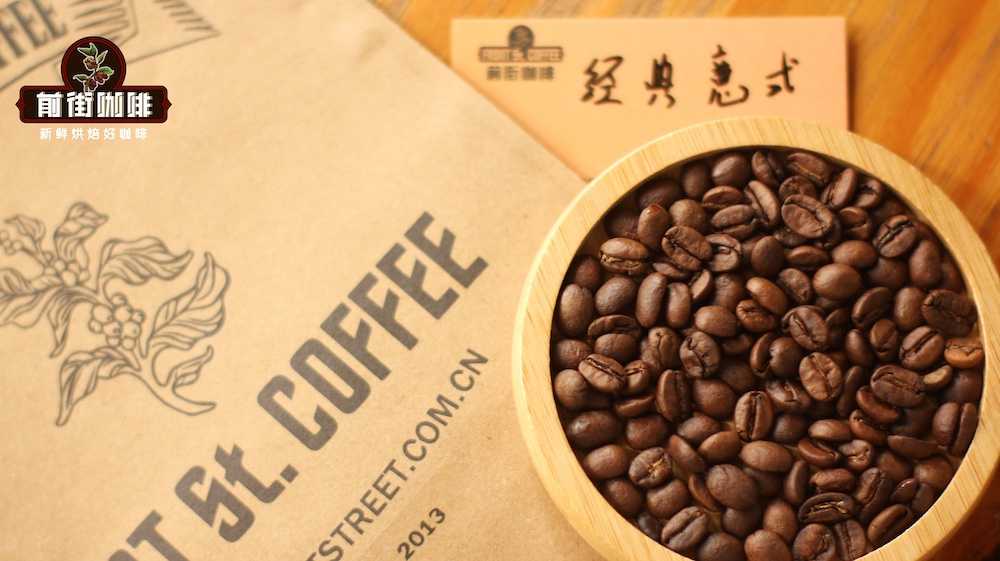
Many people who are new to specialty coffee will encounter a question: What is the difference between single-origin beans and blended beans? Which one should you choose for daily drinking? In fact, there is no difference between the two, they just have different positioning and uses. If you understand their differences, you won’t have to worry about choosing beans. What are single-origin beans? Single-origin beans are beans that come from a single
Read more →
Black coffee is the best way to test the true quality of a bean. Without milk, the flavor, mellowness, and aftertaste will all be apparent. Whether you are making Americano semi-automatically at home, having a cup of iced Americano in summer, or using a Moka pot to brew a pot of fragrant coffee, choosing a suitable dark roasted blended bean can make the product more stable. What we talked about today
Read more →
Introduction I believe many friends have the same thought after reading the title: "I think something is wrong with the title! But I can't tell what is wrong! Isn't espresso just espresso?" What is espresso? Espresso first appeared in the early 19th century, when Italian
Read more →
During the roasting process, coffee beans undergo caramelization and Maillard reactions. Among them, the caramelization reaction allows more sugar substances to come out, giving the coffee a sweet aroma like chocolate; and the Maillard reaction forms a large number of pyrazine compounds, which are the most abundant aroma compounds in chocolate, giving it a chocolatey flavor.
Read more →
During the roasting process, coffee beans undergo caramelization and Maillard reactions. Among them, the caramelization reaction allows more sugar substances to come out, giving the coffee a sweet aroma like chocolate; and the Maillard reaction forms a large number of pyrazine compounds, which are the most abundant aroma compounds in chocolate, giving it a chocolatey flavor.
Read more →
When it comes to medium-dark roasted Moka pot coffee beans, let’s first look at how you plan to drink them every day. Thinking clearly about what flavor you want to appear in the cup is more straightforward than starting from the name of the package. If you mainly drink black coffee, you can pay more attention to the aroma and aftertaste; if you often add milk, you have to consider whether the concentration and body can be retained, which will directly affect
Read more →
After adding a semi-automatic espresso machine to my home, the next question I face is: What beans should I buy? The bean selection logic of the Italian machine is different from that of hand brewing - the machine has higher requirements for grinding, pressure, and extraction. The oil, flavor stability, and error tolerance of the beans are all critical. This article follows the route from affordable to advanced
Read more →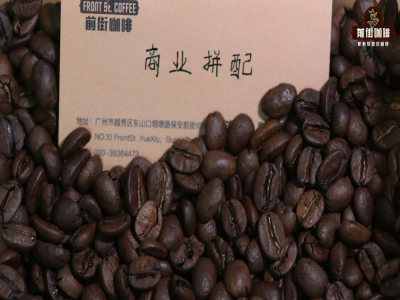
Robusta is what we often call Robusta. It is a widely planted coffee variety. Together with Arabica, it is a commercially available coffee bean species on the market today. When we learn about Luodou, we usually see the words "unpalatable" and "bitter", so Luodou must mean
Read more →
More and more people are using Moka pots to make coffee, but many people are stuck in the first step: What beans should be used? In fact, the answer is clear - Moka pots and dark roasted or medium-dark roasted mellow beans are a perfect match. Why do you say that? The Moka pot relies on steam pressure extraction to produce coffee with high concentration, thick taste and dark roasted beans.
Read more →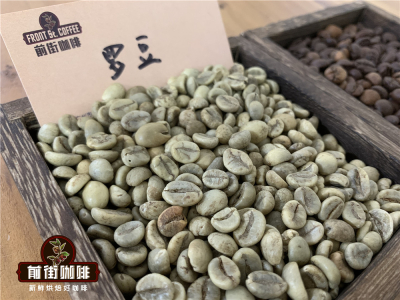
Robusta is one of the two popular types of coffee varieties currently on the market, often referred to as "robusta" by baristas. In terms of flavor, Luodou beans do not have the bright and uplifting flavor of Arabica coffee. The taste is mainly bitter and mellow. They are often used as raw materials for darker roasted Italian spelled bean recipes or instant coffee. Compare Arabica
Read more →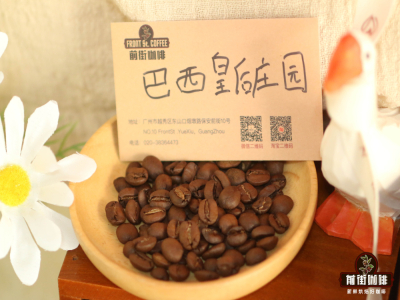
I don’t know if you have noticed that the American style we see in many coffee shops is almost all dark roasted. It has rich oil and mellow taste, and tastes like chocolate, caramel, nuts, and roasted aromas. So if we make it at home, what kind of coffee beans should we choose and how to make it delicious?
Read more →
Many people's first coffee appliance is not a pour-over pot, but a Moka pot. It's cheap, sturdy, and requires no skills. Just put it on the stove and you'll be able to make a cup of rich hot coffee in just a few minutes. Once the aroma wafts around, the whole kitchen will wake up. But people who use a Moka pot for the first time often fail in choosing beans: just buy a bag of beans and bring them back.
Read more →
When you go to a coffee shop to buy beans, the clerk will always ask: "Do you want a blend or a single product?" Novices are often asked: Aren't they all coffee beans? What's the difference? Put it on a moka pot, the difference is really big. Blend beans and single-origin beans follow two different design ideas. Blending is "taking advantage of each other's strengths", combining ingredients from different production areas
Read more →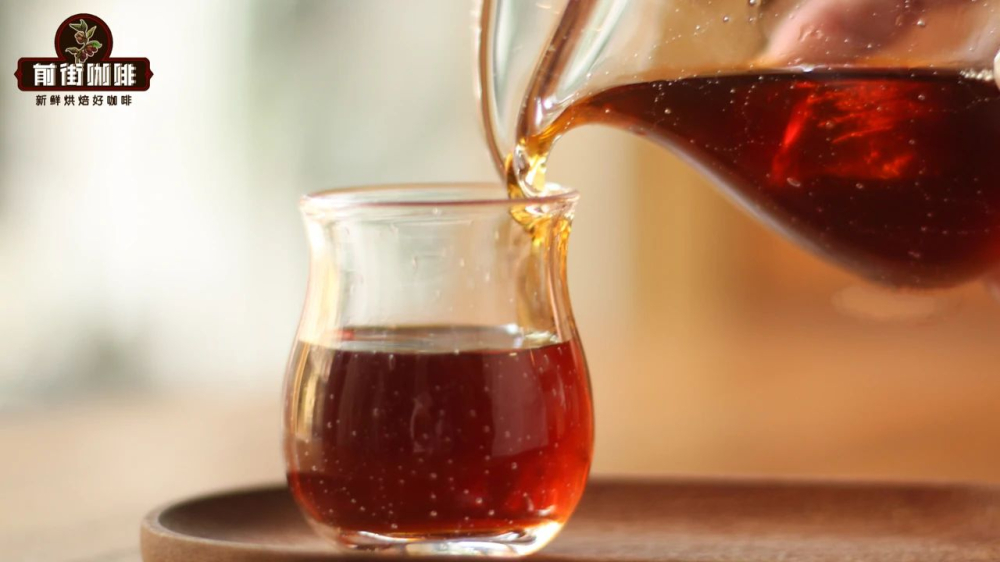
Commercially available coffee is generally divided into three categories: "industrial coffee", "commercial coffee" and "specialty coffee". The classification standards are as follows: (1) Industrial coffee: 100% pure Robusta coffee beans. (2) Commercial coffee: mixed beans from different producing areas or varieties. (3) Specialty coffee: high-quality coffee with the flavor of the production area
Read more →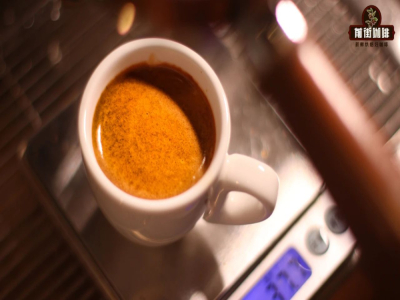
In a coffee shop, you may hear an order like, "Please give me a shot." shot? Is it something new? In bars, the word shot refers to a small glass of hard liquor. The word became popular in the mid-20th century, when a "shot" was a one-ounce glass served by the bar.
Read more →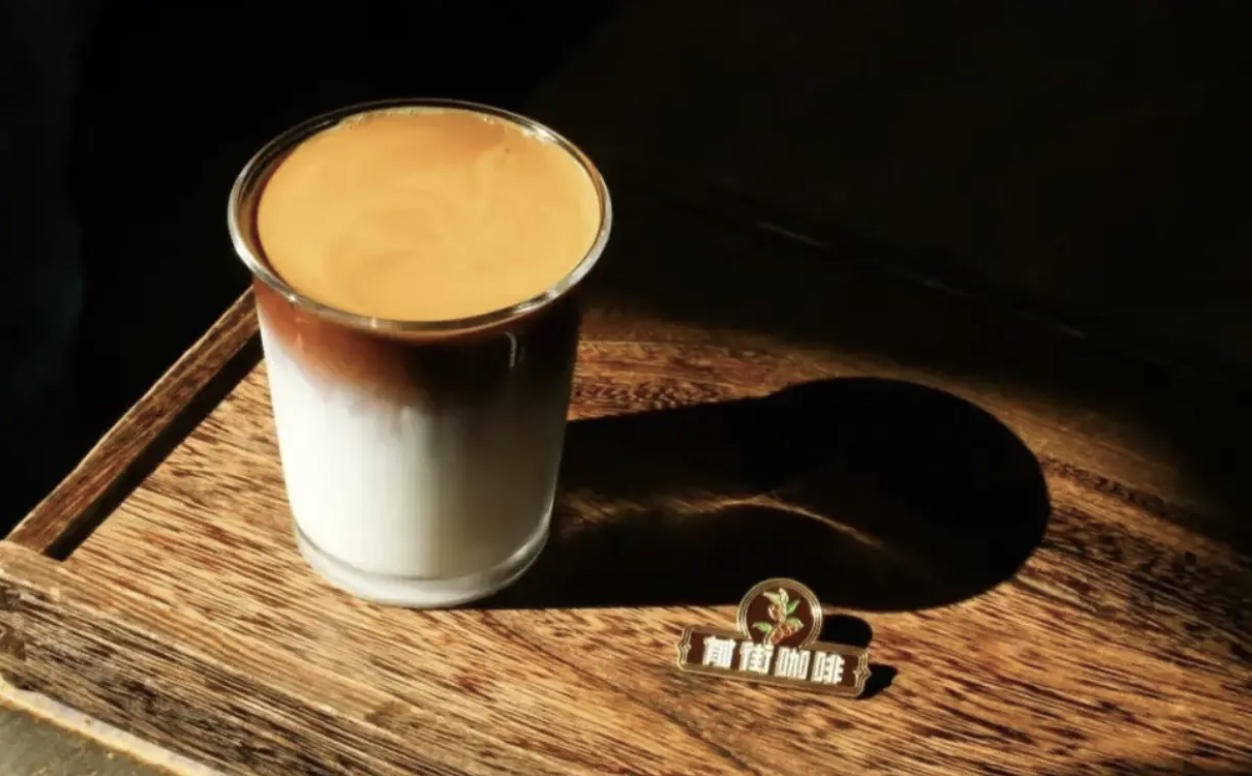
Generally speaking, the selection criteria for Moka pot American Italian and latte coffee beans are medium-dark roasting, rich in oil, mellow and low in acid. Only in this way can they be well integrated with milk. The options are Italian blended beans or SOE coffee beans from a single production area. Then, according to the purchases of many consumers
Read more →Be the first to know about new bean releases, brewing tips, promotions and cupping notes

Scan to Follow Front Street Coffee on WeChat
