FrontStreet Coffee found the following content related to "kenya" for you
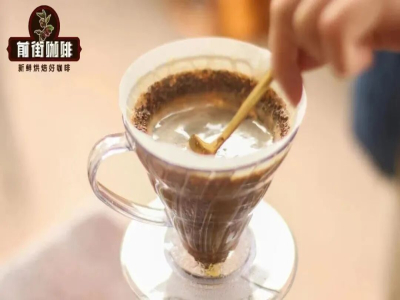
Regarding the production of ice hand brewing, Front Street has shared many different brewing methods. But for those who are just getting started, it is still difficult to master most of the punching methods. Because most ice cream requires the use of ice cubes to achieve a rapid cooling effect, and we have to reduce the amount of water to make it.
Read more →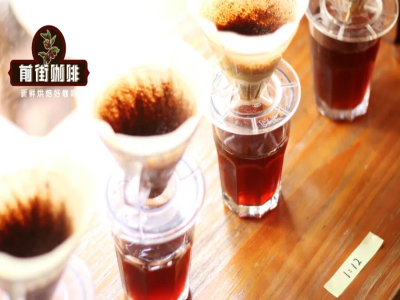
The original intention of cold brew coffee is that under low temperature conditions, small molecular substances that tend to be aromatic and sour are more easily released in cold water, so the coffee tastes light and tastes sour and sweet. In addition, since it is not restricted by equipment or location, cold brew can be said to be a coffee that is easily accessible to people, as long as they have the original coffee at home.
Read more →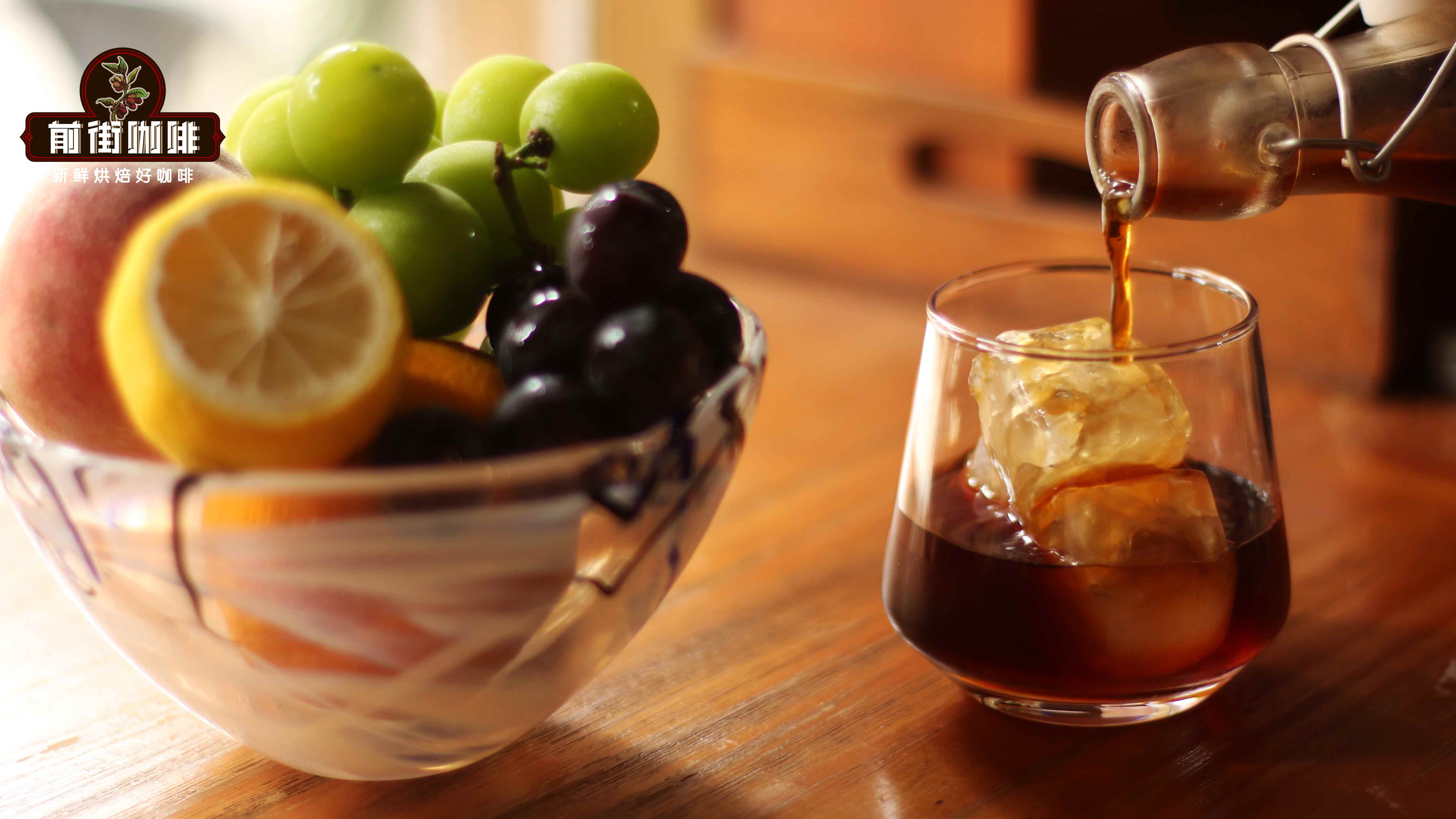
Fruity coffee is one of the most popular qualities of high-quality coffee. They are usually divided into stone fruits (peaches, apricots, apples), citrus (oranges, lemons, grapefruits, oranges) and berries (raspberries, strawberries, blackberries, blackcurrants, cherries). Generally speaking,
Read more →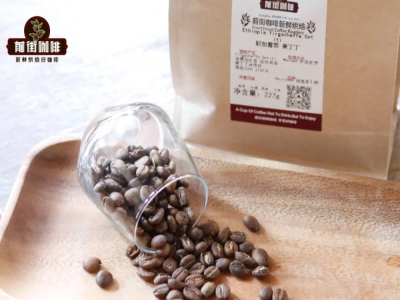
Regarding the best specialty coffee beans, in fact, different people have different opinions. Personal preference is the biggest factor. For example, some people like the richness and acidity of Kenyan coffee instead of the classic balance of Colombian coffee. Some like the floral citric anhydride of Yirgacheffe, while others like the herbal alcohol of Mandheling.
Read more →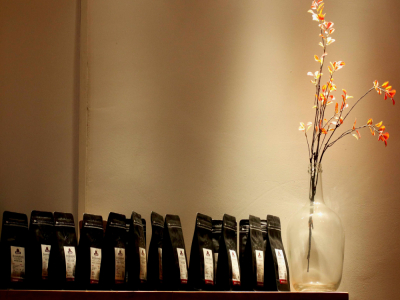
A friend from Guangzhou asked me, what should I do if I want to buy coffee beans but don’t want to buy them online? I recommend FrontStreet Coffee to everyone. Why do I recommend FrontStreet Coffee? This is because there are many types of FrontStreet Coffee, and each coffee bean has its own unique story.
Read more →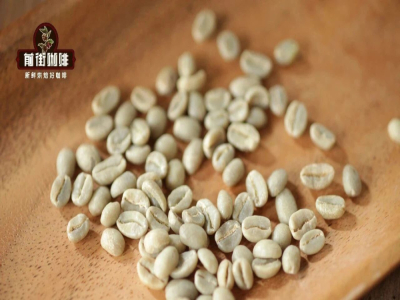
Introduction to Front Street Coffee: Coffee flavor characteristics in Africa, Central and South America, Asia and islands. African bean flavor: Among them, Ethiopia’s Front Street Oiran Coffee and Front Street Yirgacheffe Coffee have more obvious orange and floral aromas, and the flavor is bright and thorough; Kenya’s Front Street Cherry Tomato Coffee has a strong berry aroma, as well as ebony juice and
Read more →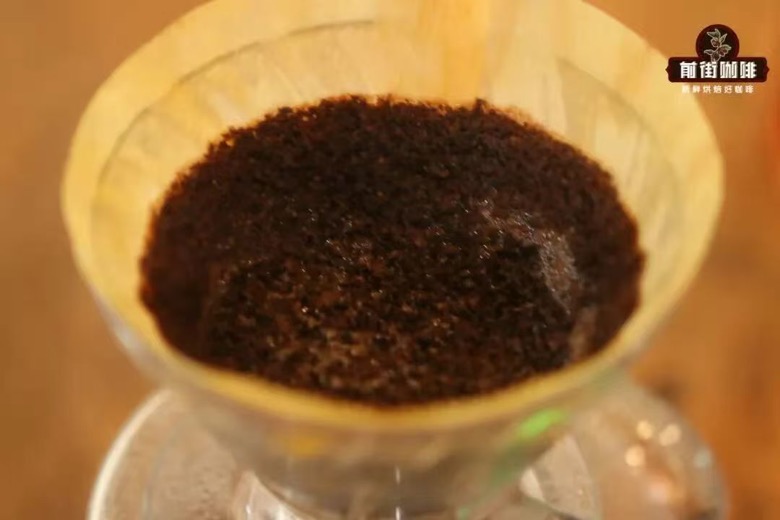
People who are into hand brewing cannot avoid one word: production area. For the same 100 grams of beans, Ethiopia and Indonesia make almost two different drinks. The influence of the production area on the flavor comes from the combined effect of altitude, climate, soil and local processing traditions. Once you understand this main line, hand-brewed bean selection has changed from a chance to a well-founded one.
Read more →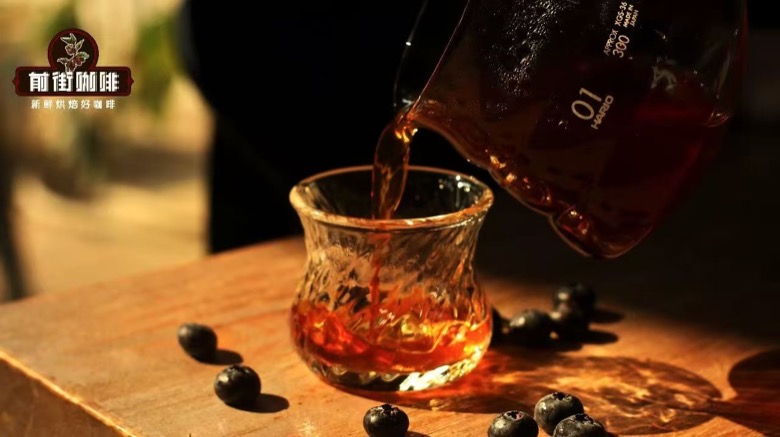
Many people's impression of American style is still bitter and bland. In fact, whether a cup of American style tastes good depends on the beans and the cooking method. Americano is essentially diluted coffee liquid. Whatever aroma the beans have, that aroma will appear in the cup. If you want Americano to have a floral and fruity aroma, choosing the right origin of the beans is more important than anything else.
Read more →
Distinctive coffee beans are suitable for slowly establishing judgment based on taste experience. Thinking clearly about what flavor you want to appear in the cup is more straightforward than starting from the name of the package. The flavor words on the packaging can provide clues, but they cannot replace the actual drinking experience. Whether the acidity is soft, whether the sweetness is sustained, and whether the taste is smooth are all worth paying attention to.
Read more →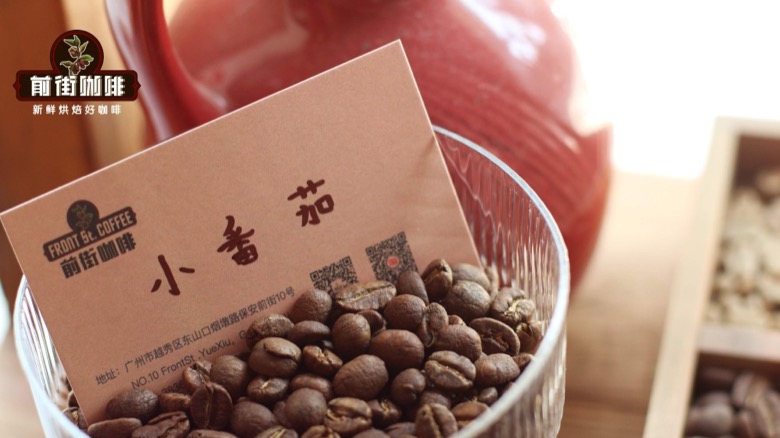
The charm of hand-brewed coffee is that the same coffee fruit grown in different production areas can have completely different flavors in the cup. Since there is no interference from milk and high-pressure extraction in hand brewing, the terroir characteristics of the production area are fully amplified. Understanding the production area means understanding the flavor language of hand-brewed coffee. Ethiopia is the origin of coffee and is
Read more →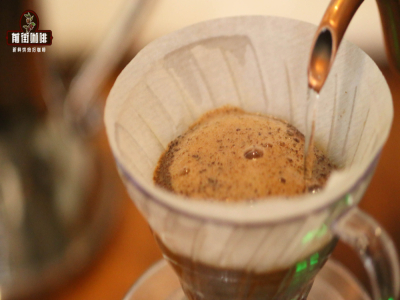
The Geisha variety originated from Ethiopia, the birthplace of coffee. It was discovered in the Geisha forest in Ethiopia in 1931 and was sent to the Kenya Coffee Research Institute. It was successively introduced to Uganda, Tanzania, Costa Rica and other countries, and was introduced to Panama in 1970. Geisha was originally bred in Panama
Read more →
The reason why cold brew is popular is not only because it tastes good, but also because it is "easy" - you can make a pot at a time and keep it in the refrigerator for several days, so you can have a cup anytime and anywhere. However, the requirements for beans in different scenarios are actually different: in the office, they need to be durable and stable, while in camping, they need concentrated flavor and not diluted with ice.
Read more →
The same set of hand brewing utensils, if used at different times, will suit different coffee styles. In the morning when you are rushing to go out, you need a cup with bright aroma and vitality in the mouth; during work breaks, it is suitable for refreshing but not disturbing taste; on weekends, you can choose beans with rich layers that are worthy of being tasted slowly and isothermally. Imagine this cup first
Read more →
The same set of hand brewing utensils, if used at different times, will suit different coffee styles. In the morning when you are rushing to go out, you need a cup with bright aroma and vitality in the mouth; during work breaks, it is suitable for refreshing but not disturbing taste; on weekends, you can choose beans with rich layers that are worthy of being tasted slowly and isothermally. Imagine this cup first
Read more →
The world of coffee is inscrutable, and the world of single-origin coffee is even more confusing. Even if you are not a coffee gourmet who has been studying coffee for many years, it is still very difficult to choose the best single-origin beans among the many coffee producing areas, especially for some ordinary coffee lovers. Sometimes I want to buy some coffee beans for my friends, but I’m afraid that my friends will
Read more →
Today’s article on Front Street hopes to help you understand the flavors of different coffee bean producing areas and quickly find the coffee that suits you. Usually we can divide coffee into three major producing areas; Africa, Asia, America, and coffee from several island countries: African coffee beans usually have a rich floral and fruity aroma and are very acidic.
Read more →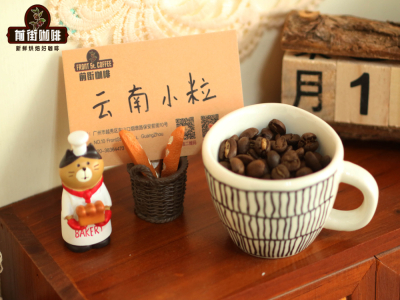
From the same bean, there will be a certain difference in flavor between freshly roasted coffee and hanging coffee, because after the coffee is ground into powder, the natural aroma will disappear quickly. Of course, there are many old customers in Front Street who ask for the powder to be ground and shipped. Generally, Front Street recommends drinking it as soon as possible. Of course, compared to hand flushing, ear-mounting is
Read more →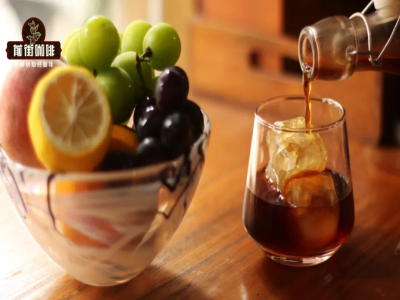
When evaluating a cup of coffee, we use various adjectives to describe the texture, so that others can receive more three-dimensional information. For example, when describing the taste of coffee, words such as smooth and mellow are used to express the tactile experience of coffee in the mouth; or when describing the aroma of a cup of coffee,
Read more →
From the same bean, there will be a certain difference in flavor between freshly roasted coffee and hanging coffee, because after the coffee is ground into powder, the natural aroma will disappear quickly. Of course, there are many old customers in Front Street who ask for the powder to be ground and shipped. Generally, Front Street recommends drinking it as soon as possible. Of course, compared to hand flushing, ear-mounting is
Read more →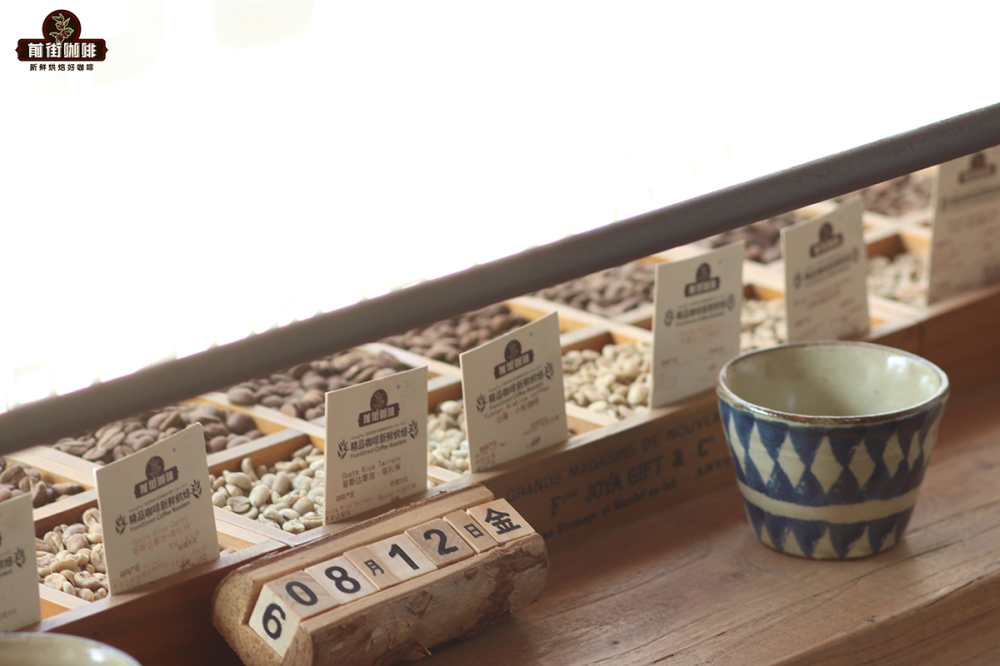
Many friends sent private messages to Front Street, asking Front Street to introduce some representative good coffee beans. Front Street thought about it and found that the most representative coffees are the more distinctive coffee beans from major production areas. For this reason, Front Street recommended 10 coffee beans from different producing countries. 1. Front Street Coffee (FrontSt.
Read more →Be the first to know about new bean releases, brewing tips, promotions and cupping notes

Scan to Follow Front Street Coffee on WeChat
