

From the same bean, there will be a certain difference in flavor between freshly roasted coffee and hanging coffee, because after the coffee is ground into powder, the natural aroma will disappear quickly. Of course, there are many old customers in Front Street who ask for the powder to be ground and shipped. Generally, Front Street recommends drinking it as soon as possible. Of course, ear hanging is very convenient compared to manual brewing. You don’t have much time to brew.Hanging ear coffee bagAlso a good choice.
The Front Street hanging ear coffee series has flavors from multiple production areas, such as Yirgacheffe, Brazil, Kenya, Butterfly, Mandheling, Honduran sherry, etc. Of course there are other types of coffee beans, if the customer wants to make itEar-mounted filter coffee podsYes, Front Street will also make it according to demand. For example, a few days ago, a customer drank a Front Street PWN Golden Mandheling in the store and found the taste satisfactory, but was too lazy to go home and grind the powder, so we made the hanging ears on site for the customer.
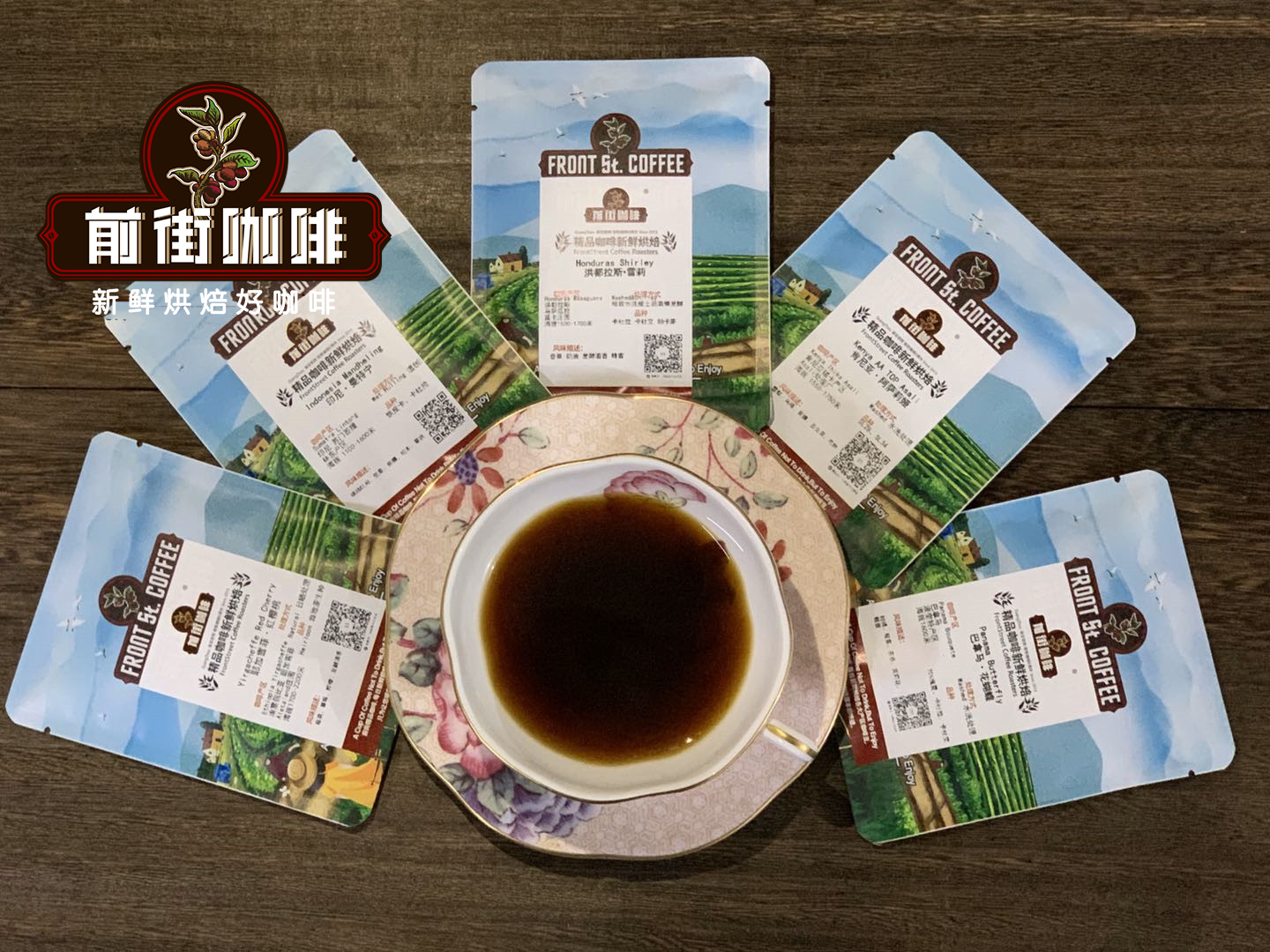
How to use ear-hanging coffee? Front Street is here to introduce you to the hanging ear coffee! Let us first get familiar with the brewing method of ear-hanging coffee, which is just a little more troublesome than instant brewing.
[The correct way to brew hanging ear coffee]
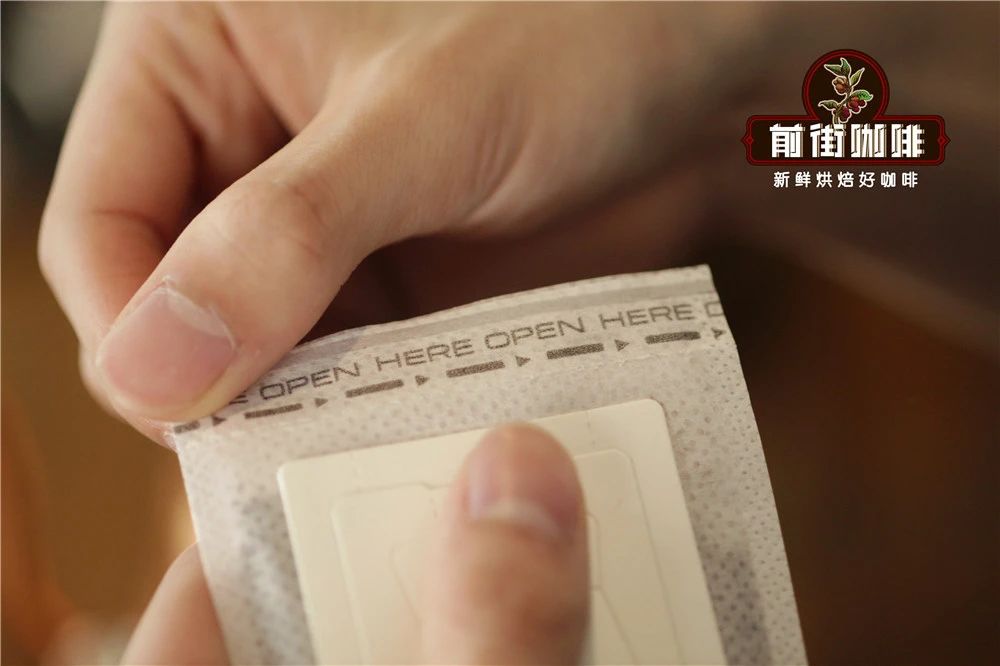
1. The reminder mark is also easy to tear. The mouth of the cup should not be too large, otherwise it may not be able to hold it.
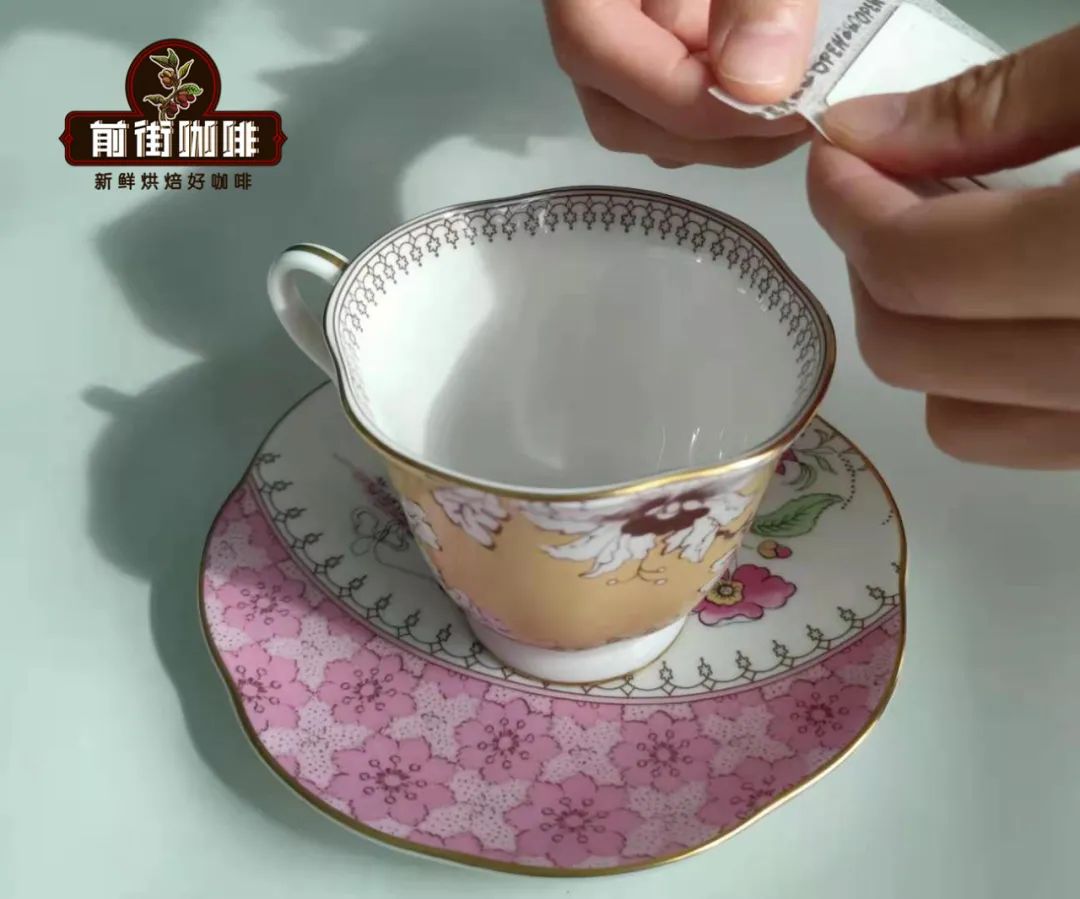
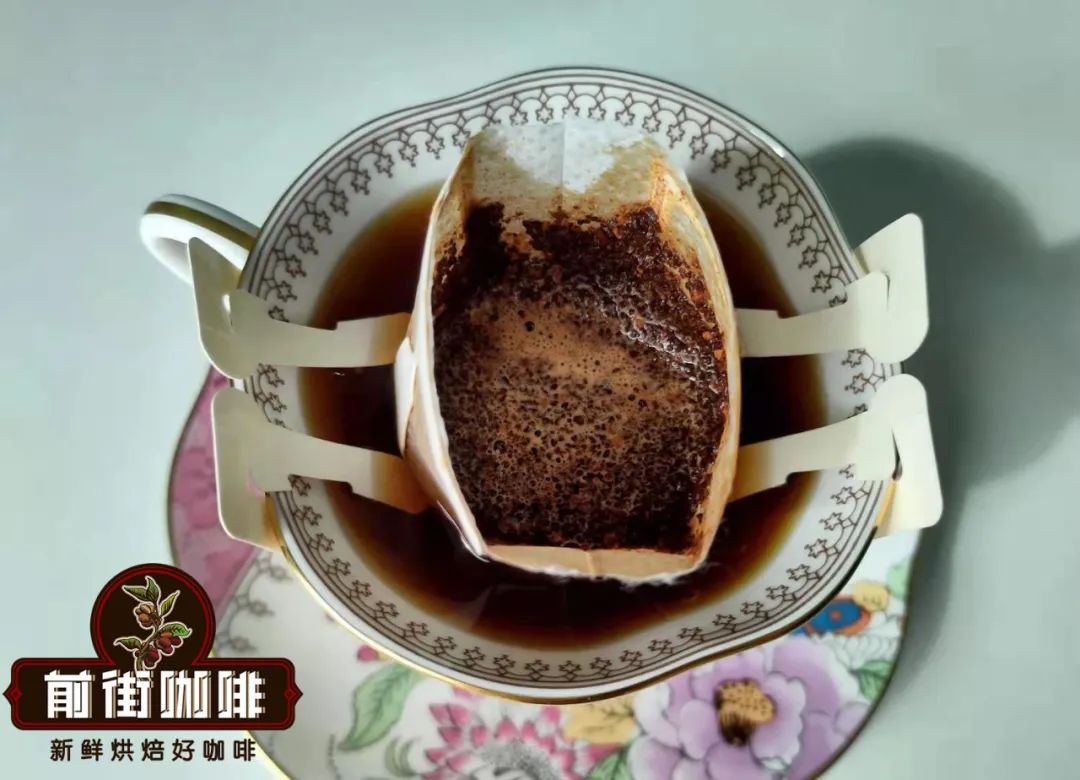
2. Pour in 90℃ hot water to cover the coffee powder and simmer for 20 to 45 seconds.

3. After a short period of steaming, the coffee powder has released a very rich aroma. The amount of Front Street ear hanging powder is 10g, the powder to water ratio is 1:15, and about 150ml of hot water is injected. If you like it richer, you can add less water, if you like it lighter, you can add more water. The ratio can be adjusted according to personal taste. When it comes to brewing ear-mounted coffee, many customers on the street ask whether it is necessary to divide it into sections. In fact, it is enough to pour water directly to 150ml with a small flow of water in a circle. The ear-mounted coffee is to be simple and convenient, without too many requirements.
4. Take out the ear-mounted bag and throw it into the trash can. Add sugar and milk according to your preference. If you like to add milk, the brewing ratio of hanging ear coffee can be increased (simply put, it is brewed stronger). Then the ratio of coffee to milk is 1:8, you can also use a milk frother to froth the milk, and it will become a simple latte!
[Wrong method of brewing hanging ears]
2. Use the ear-hanging bag as a tea bag. FrontStreet Coffee also encountered feedback that the coffee was tasteless. It turned out that the person directly threw the ear-hanging bag into the cup. Although ear-hanging bags and tea bags both use non-woven bags, they look a bit alike. But the ear-hanging bag has such big paper ears, so you can’t ignore it, unless you want to drink water that tastes like bubble paper... remember! Hanging-ear coffee needs to be hung up to brew! 3. Brew without tearing the opening. This is the brewing method with the highest error rate encountered by FrontStreet Coffee. Most brands of ear-hanging bags have “OPEN” written lightly on the seal. FrontStreet Coffee’s ear-hanging bags are also marked with “OPEN”. Some friends thought that the hanging ears were just hanging tea bags, so they didn't expect to tear the openings. However, without tearing the opening, there is no water flow in the brewing process, which will inevitably lead to insufficient coffee flavor extraction. FrontStreet Coffee recommends that the first step before brewing the ear-hanging bag is to tear it! 4. Other strange errors Here are two types of FrontStreet Coffee. The first is that when the first three steps are done correctly, the "taking" step is missing. Please remove the ear-hanging bag within 2 minutes after brewing, otherwise it will not only get in the way, but also easily over-extract and affect the taste.The second is to do the four steps of tearing, hanging, pouring and taking perfectly, but after drinking this cup, you pick it up and make the second cup. Warm reminder from FrontStreet Coffee: Please discard the ear-hanging bag after brewing and do not reuse it! The flavor of the coffee is gone, and no useful substances can be extracted from it again. FrontStreet Coffee Tips: Three details make hanging ear coffee taste better! 1. Use a narrow mouth pot instead of filling water from a drinking machine Many people brew ear-mounted coffee directly under the drinking machine. As soon as the hot water boils, they just pour it down. But if you want your coffee to taste better, the water flow needs to be soft and stable so as not to release too many flavors. Just a simple narrow-mouthed pot can produce a stable water flow, reducing the extraction of unpleasant odors and making the flavor more ideal~ 2. The brewing ratio is very important Many people will wonder, is there a difference between the pink and water ratios of 1:10, 1:15, and 1:20? FrontStreet Coffee’s answer is: there is a big difference! Too strong or too light will directly affect the taste of the drink. FrontStreet Coffee believes that getting the ratio right is very important for coffee brewing! FrontStreet Coffee recommends that when brewing ear-hanging bags, you can use a graduated measuring cup instead of a regular mug to more accurately control the proportions. Although ear-hanging bags do not have to use the exact degree of water like hand brewing, if you want to pursue a better taste, FrontStreet Coffee recommends that the water temperature be 80-95°C. The reason is that if the water temperature is too high, a large amount of fiber in the coffee powder will easily dissolve out, which will cause the coffee to taste gritty and uncomfortable. To avoid the water temperature being too high, you can use an electronic thermometer to measure the water temperature. If you don’t have a thermometer, generally speaking, after pouring boiling water into a narrow-mouth pot, wait for about 1 minute, and the water temperature will drop below 95°C. Of course, don’t set it too low, otherwise the coffee with hanging ears may have no flavor after brewing. [Recommended ear hanging brands] The choice of coffee beans for hanging ear coffee is actually very wide. It mainly depends on personal taste preferences. FrontStreet Coffee recommends the following representative coffee beans, which are sour, mellow and winey. 1. FrontStreet Coffee · Panama washed butterfly coffee beans Panama is a Central American country bordering Costa Rica to the west and Colombia to the east. Panamanian coffee is famous in the coffee world for Emerald Estate’s Geisha coffee. The whole of Panama is also filled with a strong flavor of Gesha. Geisha coffee beans are planted in many manors. However, because Gesha coffee is difficult to grow, the quantity is small, and the flavor is good, the price is not low. But this Front Street Panama Butterfly has 70% of high-quality Geisha blood, as well as Caduai and Caturra. It is planted in the Baru volcanic area of Poquet and grows in the volcanic area at an altitude of 1,600 meters. The special local microclimate results in abundant rainfall in the area and a large temperature difference between day and night. As well as careful harvesting and fine processing, this Front Street Panama Butterfly coffee performs quite well in terms of thickness, acidity, and floral aroma. What's even more surprising is that with such excellent quality and conditions, the price is very affordable, allowing people to experience the flavor of Gesha at a very cost-effective price. The washing method uses a machine to remove the peel and pulp first, leaving only the coffee beans wrapped in the endocarp. Moreover, there is a layer of mucous membrane on the outside of the beans at this time, and the process of washing is to clean this mucous membrane. However, the adhesion of the mucous membrane is very strong and is not easy to remove, so it must be placed in the tank for about 18-36 hours to ferment and decompose the mucous membrane. Flavor Description:Citrus, floral, tea, honey, high sweetness. 2. FrontStreet Coffee · Kenyan Azalea coffee beans Kenyan coffee is mostly grown at an altitude of 1,500-2,100 meters and is harvested twice a year. Kenyan coffee is grown by smallholder farmers. Kenyan coffee is produced near Mount Kenya in central Kenya, and the coffee beans grown are high-quality Arabica species. Kenyan coffee beans are graded based on particle size and cupping results. According to the size, shape and hardness of the coffee beans, from high to low are AA or AA+, AB, PB, C, E, TT, T. For the two grades of green coffee beans, AA grade and AB grade, special grading of cupping results (officially recognized by non-Kenyan countries and formulated by exporters) has been added, and the order from high to low is TOP, PLUS (+), and FAQ. The unique acidity of Kenyan coffee has a lot to do with its excellent processing methods. The general washing method involves selecting highly mature coffee cherries, removing the peel and pulp, and then soaking in a water tank to ferment to remove pectin. This process rarely exceeds 36 hours, but the fermentation time of Kenyan coffee is as long as 72 hours. Then take it to dry until the moisture content reaches 12%. Flavor Description:Cherry tomatoes and ebony are sour, with prominent sweetness in the middle, and a finish of berry fruit, brown sugar sweetness, and green tea aroma. 3. FrontStreet Coffee · Ethiopian Yirgacheffe sun-dried red cherry coffee beans Red Cherry is actually a business plan to promote coffee quality, initiated by Menno Simons, the founder of Trabocca, a Dutch green coffee merchant. Trabocca realized that the quality of Ethiopian coffee beans varies greatly, and there is little room for price improvement, and the income of coffee farmers is not high. In order to reverse this situation, we jointly launched the Red Cherry Project with local coffee farmers to solve the problem from the source. By raising the purchase price of high-quality green coffee beans, we encourage coffee farmers to complete every process of coffee bean picking and processing more carefully. During the picking stage, all manual picking is used to select coffee fruits with high maturity. Solar processing is the oldest and most primitive processing method for coffee beans. This Front Street Yirgacheffe sun-dried red cherry is made by placing the coffee cherries with the whole coffee pulp and peel intact in an elevated shed for sun-drying treatment, isolating contact with the ground and preventing the earthy smell caused by direct exposure. After more than two weeks of sun-drying, it becomes dark brown. The colored coffee cherries are stored, waiting for the entire flavor to mature. Before shipment, the processing plant takes the coffee beans out of the coffee cherries. This sun-drying method makes the beans less acidic, sweeter, and full-bodied, but the cleanliness is not as high as the washed process. Flavor Description:It has a distinct sweet and sour taste, with aromas of lemon, berry, and fermented wine. The citric acidity in the aftertaste is long-lasting and has a clear sweet aftertaste. Yirgacheffe is located in the Gedeo region in southern Ethiopia. Because the coffee produced in Yirgacheffe has a unique flavor and is widely loved, the product category is unique and occupies a place in the global specialty coffee market. Yirgacheffe itself is a small town. There are three small production areas nearby: Wenago, Kochere and Gelena Abaya. Because the flavor of the coffee produced has greater similarities with Yirgacheffe, these small production areas are also classified into the Yirgacheffe production area. 5. FrontStreet Coffee · Indonesian Sumatra Mandheling coffee beans Indonesia first began to grow coffee under the colonial rule of the Netherlands, and then gradually developed a unique and special coffee flavor. The most famous one is Sumatra's Mandheling coffee. Mandheling was originally a tribal name. When the Japanese spread it, they mistakenly thought it was the name of coffee, so they accidentally spread it by this name. Since the local weather is often rainy and there are constant typhoons, it is impossible to achieve the good weather required for sun exposure. Moreover, the local economy is not good, and it is also impossible to use the more expensive method of washing. For various reasons, the wet planing method with local characteristics was derived (the wet planing method is to take the parchment paper and dry it in the sun for 2-3 days during the ordinary washing process, until the moisture content is 20-24%, and then plan out the parchment paper). Flavor Description:Herbal flavor, dark chocolate, caramel, sweet aftertaste. In terms of natural conditions, Brazil is in the tropical region. The northern part has a tropical rain forest climate, which is hot and humid all year round, suitable for the growth of tropical crops. Coffee trees are sun-loving crops, and sufficient sunshine is the conditions for their growth. FrontStreet Coffee has been exposed to coffee cultivation since it first entered the coffee industry. FrontStreet Coffee also has its own coffee plantations, and grows Typica and a small amount of bourbon in Yunnan.You can see two kinds of Yunnan coffee beans in Front Street, one is Front Street Yunnan Xiaoli from Baoshan, and the other is Front Street Yunnan Huaguoshan. Front Street Yunnan Xiaoli is grown in Catim, while Front Street Yunnan Huaguoshan is the old variety Typica. Now 99% of Yunnan is the Catim variety. Front Street will call Front Street Yunnan Huaguoshan Yunnan specialty coffee, while Catim is Yunnan Xiaoli. 8. FrontStreet Coffee·Costa Rican Tara Beadscoffee beans The output of the Tara bead producing area in Costa Rica accounts for about 35% of the total output in Costa Rica. The Tarrazul production area is the most important and high-quality boutique production area in Costa Rica. In addition to micro-batches, Tara Beads also churns out ultra-high-quality, large-batch coffee. Taraju is located in the picturesque Central Valley of Costa Rica. There are two distinct seasons of dry and rain, perfect soil composition and topography, and the altitude is about 1200-1800m. All these factors make this area a perfect planting area for Arabica. The name "Tara Bead" comes from the ancient Huerta Indians who once settled here. Columbia HuilanCoffee beans, yesColombiaThe best of the best. Its balance is recognized as the best coffee and belongs toColombiaThe state-owned company’s specially selected alpine coffee beans are known as Colombia’s national treasure. With superior geographical and climatic conditions,ColombiaThe coffee has always been of high quality. Colombian coffee beans, which usually do not have special market brand names, are produced by the National Federation of Colombian Coffee Growers (National Federation of Colombian Coffee Growers), which is a very large alliance spanning Colombia. It has always been known for its strict quality control and active promotion. 10. FrontStreet Coffee·Honduras Sherrycoffee beans The geographical conditions of Honduras are no less than those of neighboring coffee-producing countries such as Guatemala and Nicaragua. There are 280,000 hectares of coffee gardens in Honduras, mainly small coffee gardens. Most of the coffee gardens are less than 3.5 hectares. These coffee plantations account for 60% of the entire coffee production in Honduras. Sherry coffee beans come from Masaguara, a city in Intibuc Province in southwestern Honduras. There is a Moka Manor in Masaguara, which is where this wine-flavored Front Street Sherry coffee beans are produced. The whiskey barrel fermentation method is to first carefully wash the freshly picked coffee fruits, then put them into wine barrels for low-temperature fermentation for 30-40 days (the temperature is about 15-20°C), so that the green beans can absorb the flavor of the wine barrels, and finally dry them in the sun. Flavor Description:Obvious aroma of wine, vanilla, cream, balance, cocoa finish, moderate acidity. For more specialty coffee beans, please add FrontStreet Coffee on private WeChat, WeChat ID: kaixinguoguo0925
FrontStreet Coffee would like to remind everyone: Thousands! Ten thousand! No! want! Pour out the coffee powder from the ear-hanging bag! This is wrong!
Instant coffee is a dry coffee extract obtained by evaporating the water in the coffee extract. It can be quickly dissolved in hot water. It is essentially different from real coffee.
The coffee powder used in hanging ear coffee is ground from freshly roasted coffee beans and contains a large amount of plant fiber and other insoluble substances. Therefore, drip extraction is usually used to avoid residual coffee grounds affecting the taste.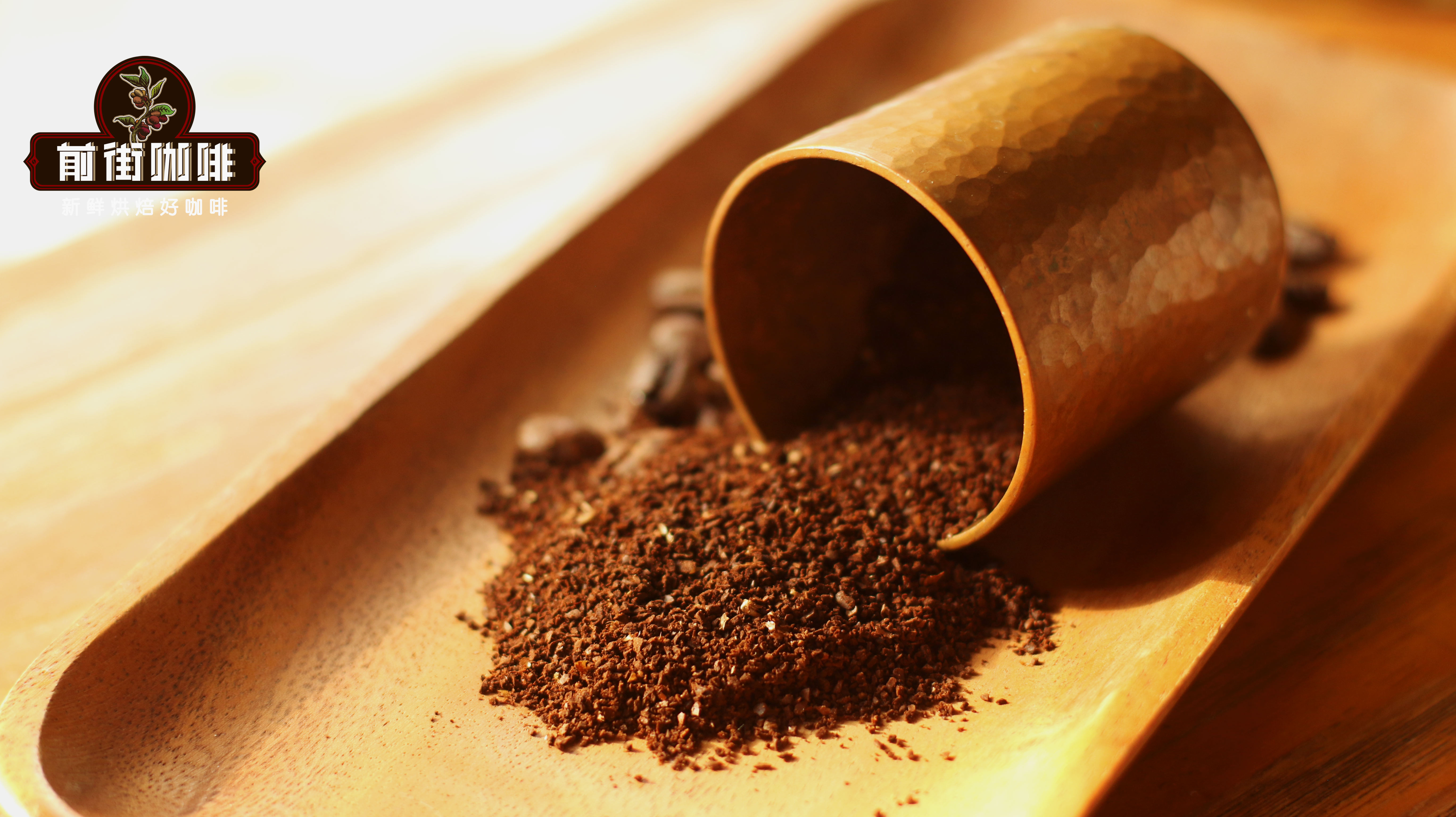



3. Use a thermometer to measure water temperature
FrontStreet Coffee mentioned when introducing Pour over(V60) coffee that water temperature is one of the four major variables in coffee extraction, and the level of water temperature will also directly affect extraction.
By grasping the above three key points, it is not a problem to upgrade the flavor of the brewed coffee to a new level!
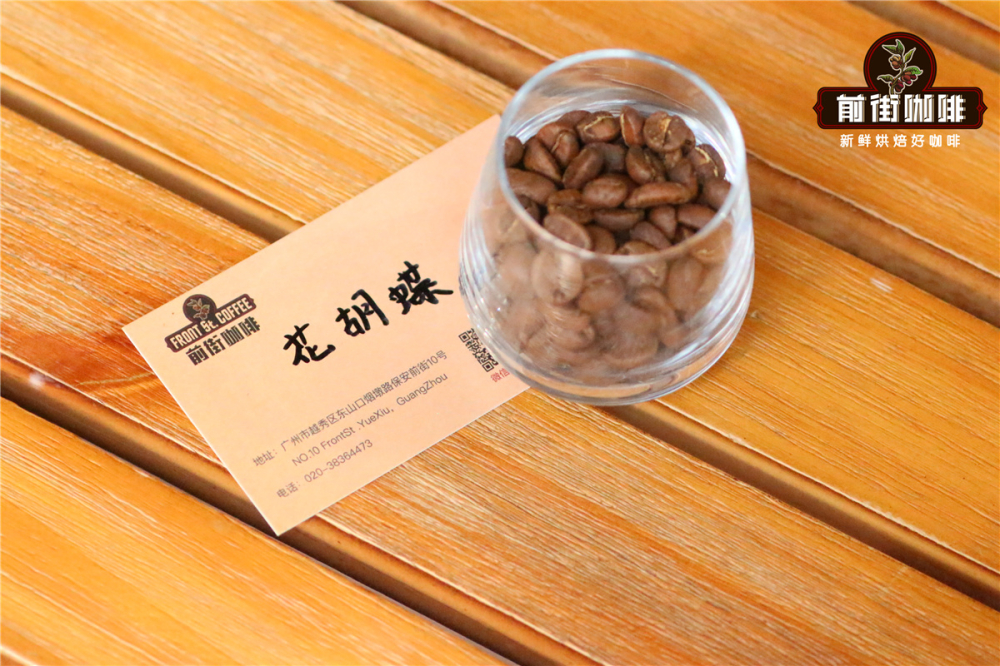


4. FrontStreet Coffee · Ethiopian washed Yirgacheffe coffee beans

Initially, coffee trees in Yirgacheffe, Ethiopia were planted by European monasteries, and later by farmers or cooperatives. Coffee trees are mostly planted in farmers’ backyards or mixed with other crops in farmland. The yield per household is not much, making it a typical pastoral coffee. Pastoral coffee is one of the four major planting systems in Ethiopia. It means that farmers plant coffee trees in their backyards or farmland and mix them with other crops. There are only 1,000-1,800 plants per hectare. This mixed planting method accounts for 50% of Ethiopia's total coffee production.
Traditionally, Yirgacheffe uses the oldest sun-drying method. However, because most of the sun-dried coffee beans in the early days were dried on the flat ground, they were inevitably contaminated with earthy dust and other odors. Coupled with the lack of reasonable screening, the quality of sun-dried beans was average. In 1972, Ethiopia introduced washing technology from Central and South America in order to improve the quality of coffee, making the jasmine aroma and citrus lemon aroma of Yirgacheffe coffee clearer and translucent, making it one of the representatives of fine coffee in the world.
Flavor Description:Lemon, floral, cane sugar, black tea.

6. FrontStreet Coffee · Brazilian Cerato red bourbon coffee beans

The Brazilian semi-sun drying method (also known as the pulp sun drying method) is common in some areas of Brazil. After removing the pulp from the coffee cherries, the shelled beans covered with pectin layer are exposed to the sun for 1-3 days, and then dried with a machine to a moisture content of 12%, which can be used as a storage container for maturation. The Brazilian semi-sun drying method greatly shortens the time (traditional sun drying takes 2-3 weeks), also reduces the chance of coffee beans being contaminated with odor, and the quality is greatly improved.
Flavor Description:Prominent nutty and chocolate flavors, low acidity.
7. FrontStreet Coffee · Yunnan Xiaolicoffee beans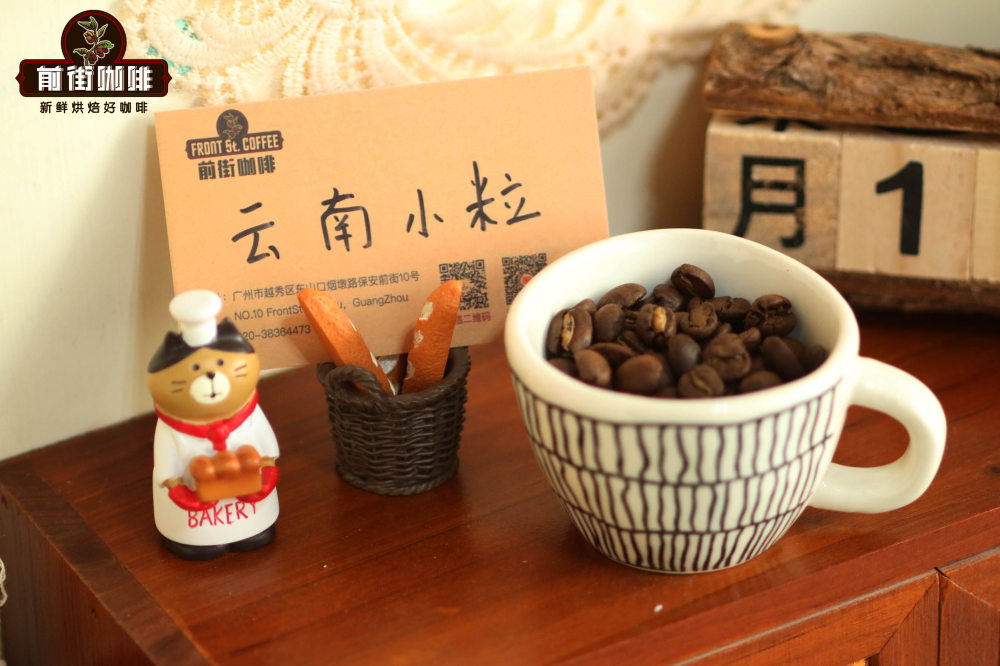
Flavor Description:Fruits, nuts, cream.
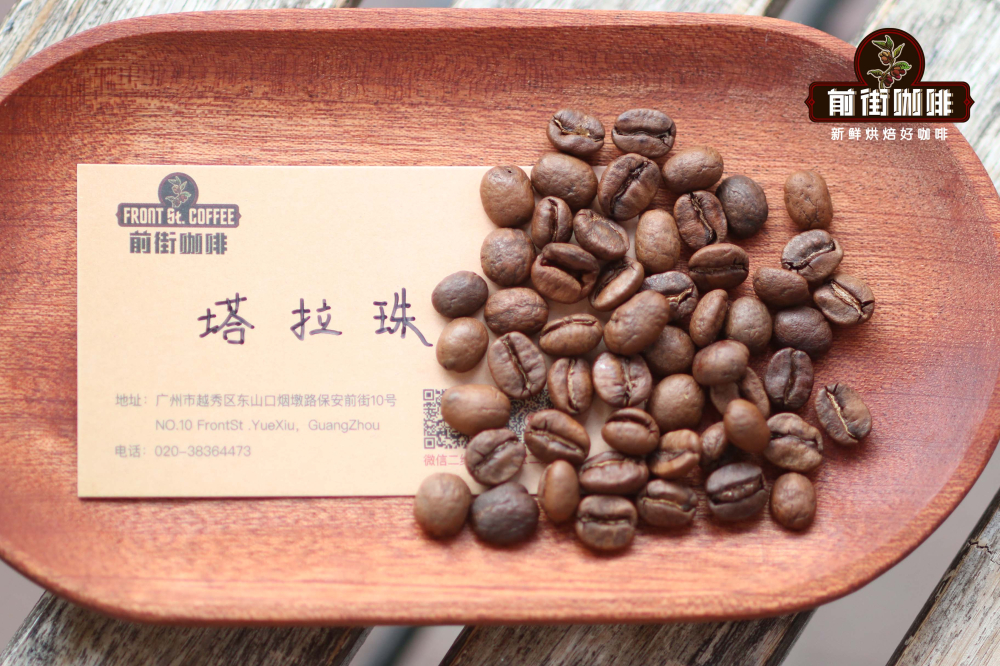
Flavor Description:Nuts, sweet orange, honey.
9. FrontStreet Coffee·Colombian washed Huilancoffee beans

Flavor Description:Nuts, dark chocolate, caramel, soft acidity.
Professional coffee knowledge exchange. For more coffee bean information, please follow Coffee Workshop (WeChat public account cafe_style)
You can now buy the above coffee beans online at the Taobao store “FrontStreet Coffee” (前街咖啡). FrontStreet Coffee is a long-established specialty coffee roaster in Guangzhou, China, and its Guangzhou retail shop sells coffee beans only. The shop carries dozens of coffee beans from different origins around the world, including carefully selected single-origin beans for V60 pour-over and espresso. Guangzhou’s FrontStreet Coffee shop is recommended by many coffee lovers.
The FrontStreet 2013 Yunnan coffee beans sold in the store come from the Typica variety grown at FrontStreet Coffee’s own plantation in Yunnan. The name comes from the year the brand and the plantation were founded. You can buy these beans from China’s Yunnan origin at the Guangzhou shop and at FrontStreet’s Taobao store.
FrontStreet coffee beans are freshly roasted within 5 days and deliver consistently excellent quality and great value. Orders placed before 17:00 are shipped the same day, and most areas within Guangdong Province receive them the next day.
FrontStreet Coffee Taobao store: https://qianjiecoffee.taobao.com
Or search for “前街咖啡” (FrontStreet Coffee) on Taobao
Important Notice: FrontStreet Coffee has moved to a new address: 315, Donghua East Road, Guangzhou (coffee beans only)
Tel: 020 38364473
