FrontStreet Coffee found the following content related to "expression" for you
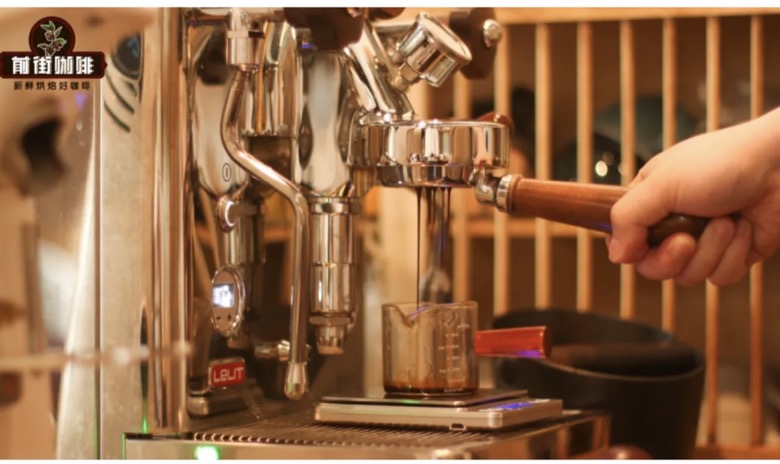
I have a semi-automatic espresso machine at home, and the most common thing I struggle with is what beans to buy. In fact, the idea will be much clearer if you choose three categories according to daily drinking scenarios: daily milk coffee, black coffee American style, and advanced exploration, each with its corresponding bean direction. The most common scenario is daily milk coffee. Most home users buy Italian machines because
Read more →
Cold brew coffee has become more and more popular in recent years. It has a smooth taste and mild bitterness, which is especially pleasant to drink in summer. However, whether cold brew tastes good depends largely on the beans you choose, and the roasting degree is the most critical part. The advantages of using medium-dark roasted beans for cold brewing are sweetness and body. Cold brew is soaked in cold water for a long time, acids
Read more →
Whether a cup of latte tastes good or not is largely determined by the relationship between milk and beans. When the milk fat, lactose and protein enter the coffee, a series of flavor chemical reactions will occur - understanding these reactions will help you understand how to balance the equation for latte bean selection. Let’s first look at what milk does to coffee. The richness brought by butterfat will
Read more →
The charm of hand-brewed coffee lies in the flavor differences of the production areas. However, faced with the dazzling array of beans on the shelves, many novices are prone to difficulties: Which production area should they choose? In fact, you don’t have to memorize the flavor from the production area. Instead, work backwards from your own taste preferences. The choice will be much simpler. If you like floral and citrus notes, you can give priority to Ethiopia.
Read more →
For more knowledge about specialty coffee, please follow the WeChat public account: FrontStreet Coffee. Summer is approaching, and many friends like to make some ice-brewed coffee. Among them, cold-brew coffee is simple, and everyone can make iced coffee at home! So cold brew coffee has specific
Read more →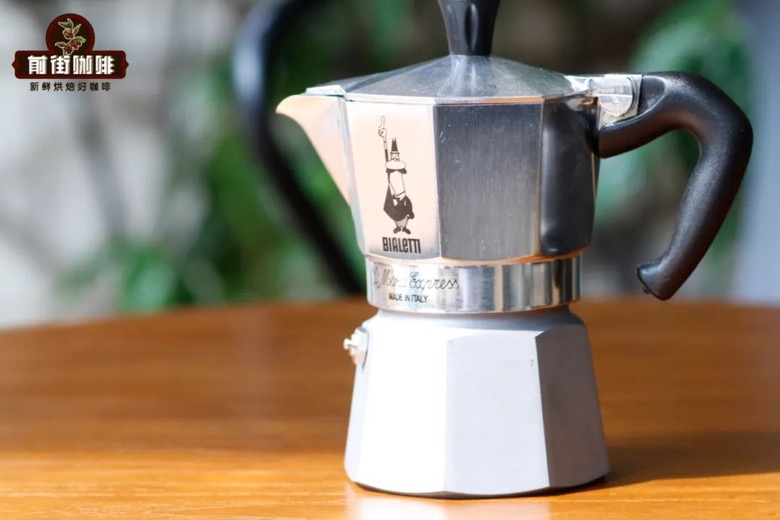
The Moka pot generates steam pressure through heating, pushing hot water through the layer of coffee grounds to complete extraction. In this process, the water temperature is higher and the contact time is concentrated, so the substances in the coffee powder will be quickly dissolved. Under such extraction conditions, roasting degree becomes the key variable that determines the direction of a cup of Moka pot coffee. Lightly roasted beans in moka pot
Read more →
Speaking of popular drinks now, latte is probably the most common coffee drink, and it is also one of the milk coffees that many people are familiar with. Latte is a type of espresso. It is based on espresso and is made by adding milk that has been heated by steam and mixing the two in a certain proportion. by latte definition
Read more →
The common characteristics of Asian coffee are thick flavor, with strong burnt aroma, strong taste and long-lasting sweetness, so it is usually dark roasted. As the representative of Arabica coffee in Asia, Mandheling caffeine from Sumatra in Indonesia has a rich and steady flavor, making it the first choice for many coffee lovers. Want to buy something
Read more →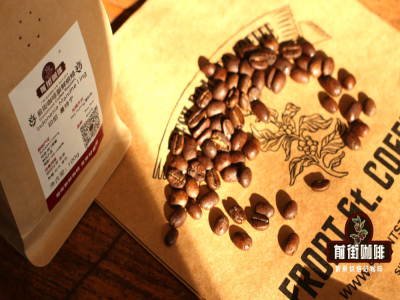
Mandheling is a relatively traditional coffee bean, produced in Sumatra, Indonesia. It is usually darkly roasted, so it does not have an obvious sour taste, but more of a strong and bitter tonality of nuts, chocolate, and caramel, reflecting a mellow and sweet taste. Here are two Mandheling coffee recommendations that are suitable for daily drinking
Read more →
Put drinking habits before bean selection: black coffee or milk coffee, hand-brewed or machine-brewed. Answer these two sets of questions first, and the choice of roasting degree, flavor thickness and brewing method will be directed. Italian style pays attention to the dynamic balance of powder quantity, grinding degree, liquid weight and time. The nutty cocoa caramel tone blended with beans is easy to maintain and can be used daily.
Read more →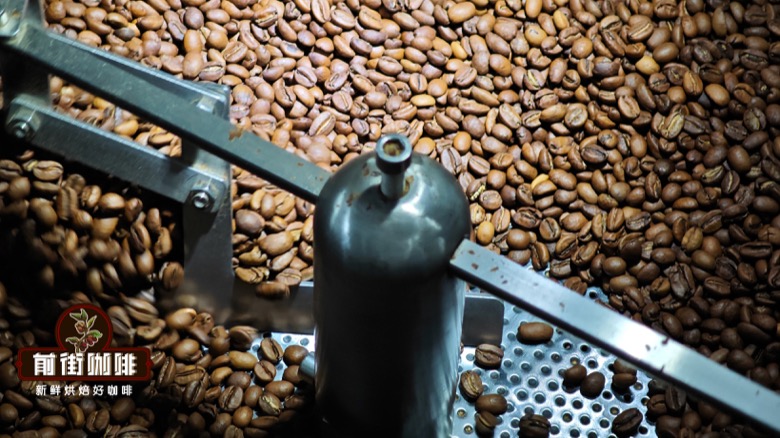
When you first start buying beans, you don’t have to go for a lot of flavor at once. A more practical approach is to first select a bean with a clear flavor profile and high compatibility with brewing methods, fix the amount of powder, grinding and water temperature, and then observe the changes in entrance, sweetness and finish. This way you can establish your own taste reference. Italian extraction focuses on powder quantity
Read more →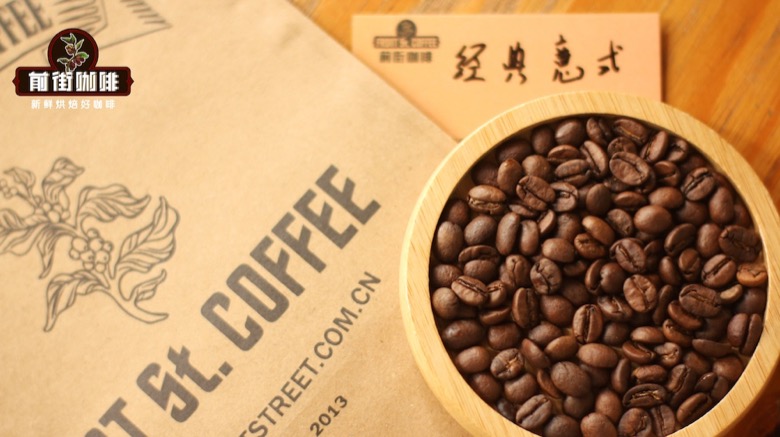
The flavor of a cup of coffee is not only sour or bitter, but also includes aroma, sweetness, body, mouth feel and finish. When choosing beans, first determine whether you want floral and fruity aromas, nutty cocoa, or a balance between the two, and then correspond to the production area, processing method and roasting level. Italian extraction focuses on powder quantity and grinding degree
Read more →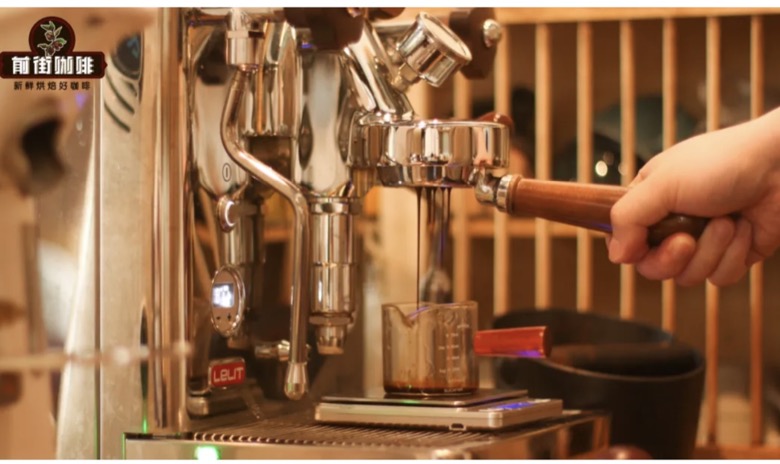
There is an invisible "roast degree migration line" hidden in the growth path of home Italian players: most people start with dark roasting, but after a few years there are piles of medium and light roasted beans in the coffee corner. This is not a simple change of taste, there is a clear logic of taste development behind it. Looking back at this migration line, you can have a clearer understanding of where you have reached.
Read more →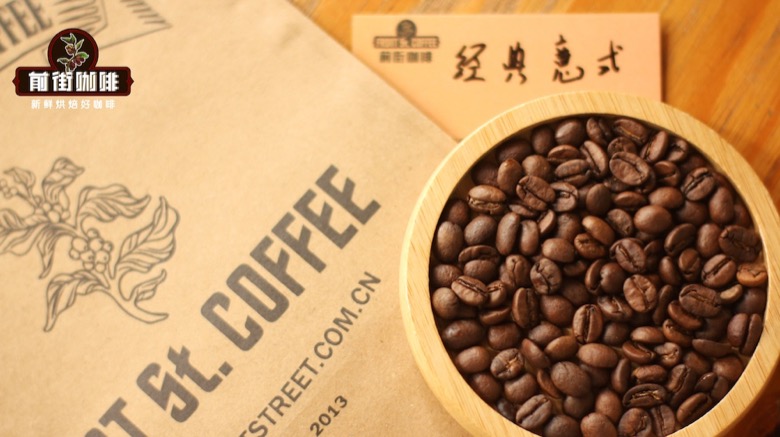
The flavor of a cup of coffee is not only sour or bitter, but also includes aroma, sweetness, body, mouth feel and finish. When choosing beans, first determine whether you want floral and fruity aromas, nutty cocoa, or a balance between the two, and then correspond to the production area, processing method and roasting level. Italian extraction focuses on powder quantity and grinding degree
Read more →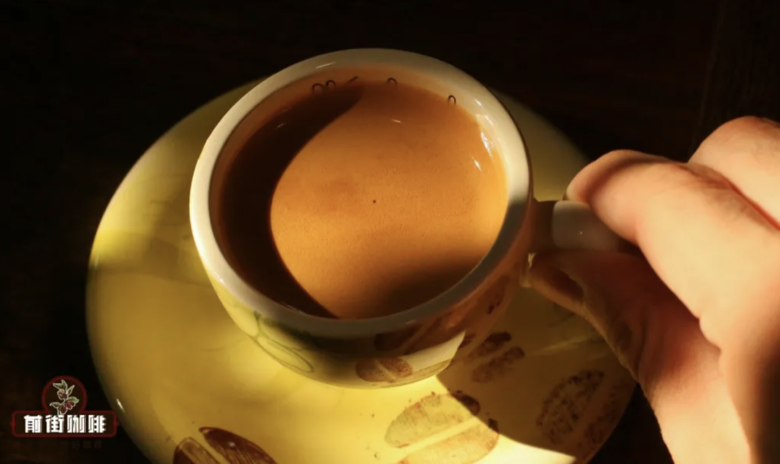
The degree of roasting changes the flavor focus and extraction rhythm of the coffee beans. Light roasting usually retains more floral and fruity aromas and bright acidity, medium roasting tends to present sweetness and balance, and dark roasting tends to favor nuts, cocoa and thick taste. There is no distinction between them, the key is whether they match your drinking style. Italian extraction focuses on powder quantity and grinding
Read more →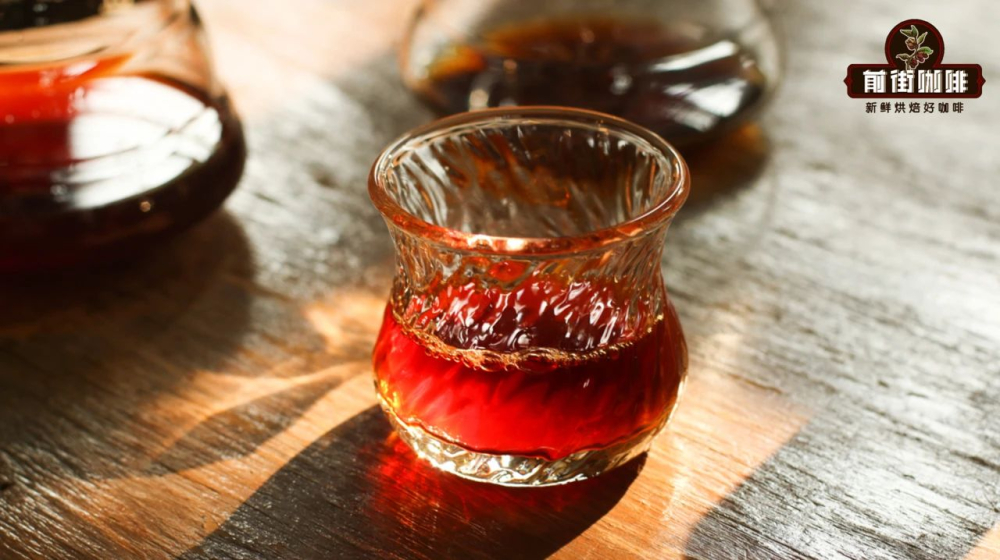
When people learn to taste coffee, they will focus on the description of positive flavors. For example, when describing a cup of coffee, they can blurt out "jasmine, lemon, strawberry, caramel, chocolate", but when they drink unpleasant tastes, they can only say "burnt, bitter, mixed, green". In fact, you need to learn to taste coffee
Read more →
Iced coffee is a test for the beans: low temperature will amplify the sweetness and weaken the aroma, so the flavor concentration of the beans must be sufficient. The Ethiopian Oiran on Front Street makes iced hand-brews. The aroma of strawberry and passion fruit is still clear after the ice cubes cool down; the blueberry juice in Xija feels like a smoothie with ice after being chilled, and the flavor concentration of iced coffee is as strong as beans.
Read more →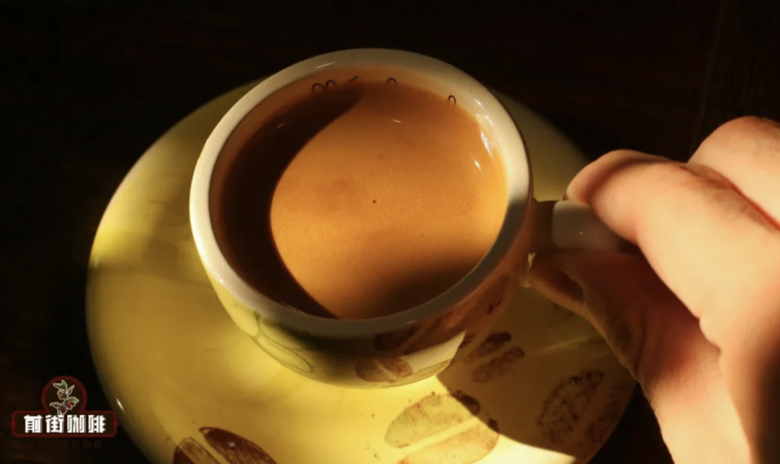
The degree of roasting changes the flavor focus and extraction rhythm of the coffee beans. Light roasting usually retains more floral and fruity aromas and bright acidity, medium roasting tends to present sweetness and balance, and dark roasting tends to favor nuts, cocoa and thick taste. There is no distinction between them, the key is whether they match your drinking style. Italian extraction focuses on powder quantity and grinding
Read more →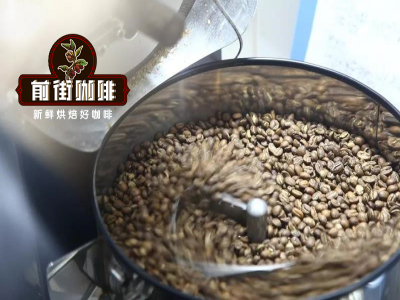
Introduction to the Roast Degree of Front Street Coffee Beans: Light Roast: The coffee beans are roasted until they are close to the first bursting period, and the taste and aroma are insufficient. They are generally used for testing and rarely for tasting. Cinnamon Roast: Coffee beans roasted to about mid-first crack
Read more →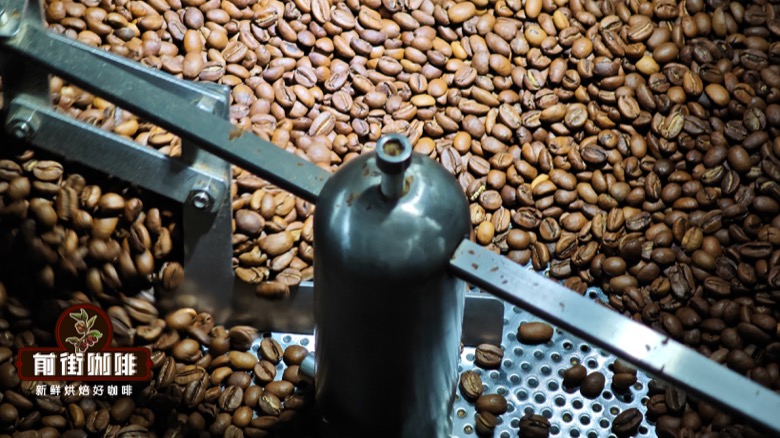
When you first start buying beans, you don’t have to go for a lot of flavor at once. A more practical approach is to first select a bean with a clear flavor profile and high compatibility with brewing methods, fix the amount of powder, grinding and water temperature, and then observe the changes in entrance, sweetness and finish. This way you can establish your own taste reference. Italian extraction focuses on powder quantity
Read more →Be the first to know about new bean releases, brewing tips, promotions and cupping notes

Scan to Follow Front Street Coffee on WeChat
