FrontStreet Coffee found the following content related to "enzyme" for you
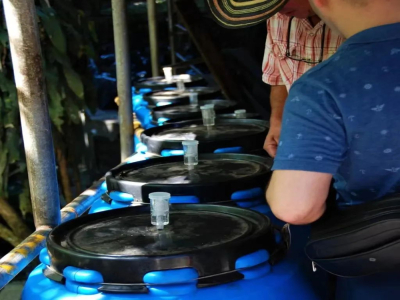
In recent years, there have been more and more innovative coffee processing methods, and new processing methods such as anaerobic treatment, enzyme treatment, carbonic acid maceration treatment, etc. have begun to break into a small world. The enzyme washing treatment method that will be introduced in this article received mixed reviews when it was first introduced. Now many years have passed, Front Street will take everyone to look back and observe this method.
Read more →
There are so many kinds of coffee appliances nowadays, it is not easy for coffee beginners. Looking at a bunch of coffee equipment and wanting to buy them, but not knowing how to choose or use them, every coffee novice must have felt this way. In this case, what we need to do is: "Don't pick expensive ones, don't pick fancy ones, just pick the real ones."
Read more →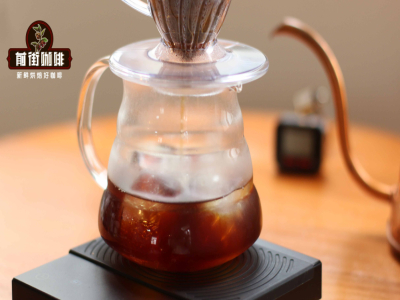
Still wondering what brewing equipment to buy? Seeing a dazzling array of filter cups, brewing kettles, and grinders...don’t know how to choose? It doesn't matter! An article on Front Street will help you choose coffee brewing equipment suitable for novices! The choice of coffee beans for both office and home use. Whether it is the office or the coffee corner at home, a pack of good beans
Read more →
A cup of milk coffee only consists of espresso and milk, so it is important to choose the right coffee beans and milk. They will not only cause taste differences due to the different raw materials selected, but also affect the final concentration of the coffee with different proportions. What kind of milk is suitable for latte? Let’s talk about milk first. It accounts for at least three-quarters of a cup of latte.
Read more →
"No, no, exaggeration. If you don't believe me, try it. Drink water after drinking coffee. The water will be really sweet!" This is a saying from a customer friend who visited the Front Street store yesterday. Front Street found it very interesting, so today we will discuss this issue. Sometimes, we are tasting some specific coffees (espresso, single product)
Read more →
In the coffee industry, roasting is the most attractive aspect. Green coffee beans have almost no flavor at all, and there will be an unpleasant vegetable smell when tasted directly. So what kind of roasting process can be used to make the originally mediocre green beans shine? Front Street Coffee here (FrontStreet
Read more →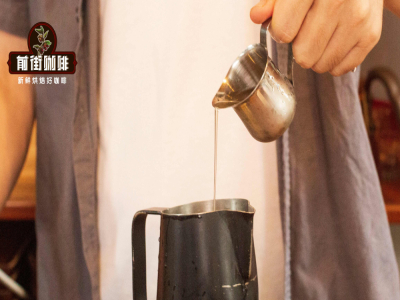
When it comes to coffee companions, everyone has their own habits. Foods that are mild and easy to obtain, such as sugar, milk, condensed milk, and cream, have always been everyone's first choice in daily life. But whenever people are asked whether honey can be added to coffee, whether it tastes good after adding it, whether it is harmful, etc., they immediately
Read more →
It is a consensus that the coffee beans used in Italian coffee are generally roasted darker. Among the roasting levels of coffee, there is a roasting level called "Italian Roast" with an Agtron color value of 25. It is the darkest of the eight roasting levels. Usually the surface of this type of coffee beans will be
Read more →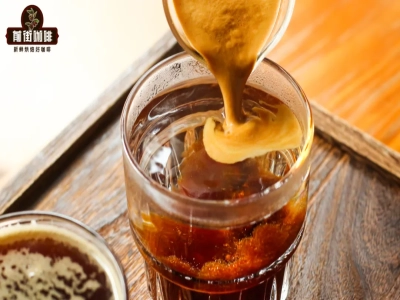
If you say coffee is bitter, most people, whether coffee drinkers or non-coffee drinkers, have no objection; if you say coffee is sour, some people will agree; but if you say coffee is sweet, it may be mistaken for a taste disorder! But in fact, from the cultivation and processing methods of coffee to roasting and brewing,
Read more →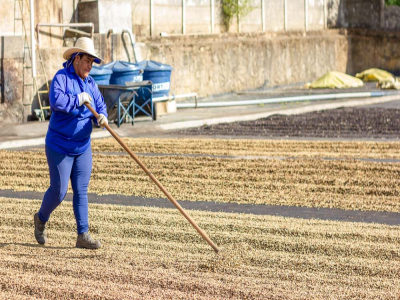
Among the coffee making methods, it is very easy for everyone to understand the sun-dried process and the washed process, but everyone is confused about the semi-dried process and the semi-washed process. What kind of processing method is this, and what impact does it have on the flavor of coffee? In this article, Front Street specially opened the topic of "half-sun exposure" to give everyone a good explanation.
Read more →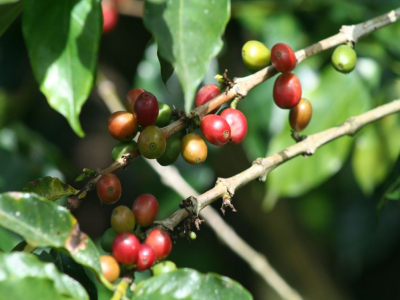
Costa Rica’s specialty coffee has only begun to rise to prominence in the past decade. Although Costa Rica introduced coffee from Cuba as early as 1729, and carried out commercial cultivation, it vigorously developed the coffee bean planting industry. But it mainly produces and blends coffee beans and Italian commercial beans for export to its neighbors.
Read more →
Coffee as a daily drink has penetrated into the lives of many people. At the same time, for many people, coffee is no longer just a supplement of caffeine. The pleasant taste of coffee production areas is also the reason why people love coffee. Different production areas will have different flavors, such as the citrus floral aroma of Yirgacheffe and the floral tea of Gesha, Panama.
Read more →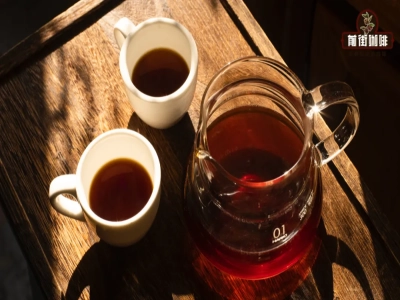
Some friends are so good that they can tell exactly what kind of coffee bean they are after taking a sip of coffee. They can even tell the approximate origin, variety and processing method of the coffee beans at a glance. This is not because they are naturally intelligent, but because they know some judgment skills. Regarding the judgment of varieties, Front Street has shared it before, this time Front Street
Read more →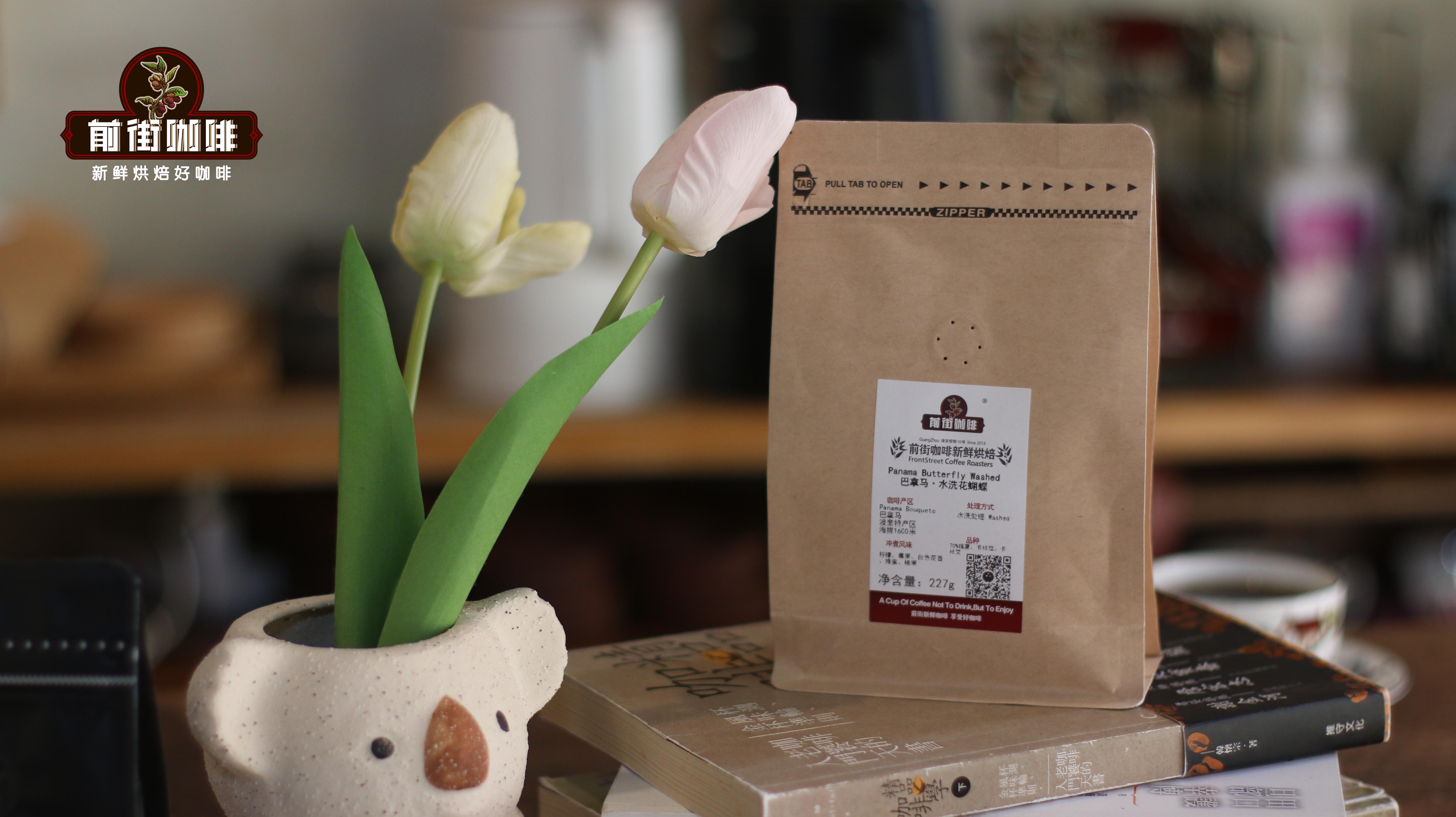
FrontStreet Coffee: Panama Boquete Butterfly Country: Panama Grade: SHB Produced
Read more →
Today Front Street will talk about how a newbie should choose coffee when making hand brew for the first time. Since hand-brewed coffee uses drip extraction, which can well present the flavor and tonality of the coffee beans in the cup, Front Street recommends giving priority to brewing single-origin coffee beans that focus on individualization. These beans are roasted by adjusting the
Read more →
Red Honey Processing Red Honey In a freshly picked coffee cherry, pectin is a very sweet substance that not only contains high water and sugar content, but is also closely connected to the seeds (coffee beans) inside. When fresh coffee fruit is processed with honey, the amount of pectin is retained to varying degrees and the color formed during drying
Read more →
The flavor of coffee comes from 60% raw beans, 30% from roasting, and 10% from brewing. It can be seen that there are many factors that influence the flavor of coffee. So, as a roaster, how do you decide the degree of roasting of coffee beans? Front Street today talks about determining the baking style. I need to remind everyone to pay attention to two points, Ka
Read more →
As coffee gradually became recognized, stores promoted high-quality products in response to the situation. We also began to trace the origin, and we regarded coffee as culture. The rise of boutique hand-brewed coffee undoubtedly meets the needs of the market and the needs of store discovery. The bar counters in stores have also begun to reduce their "value" and are no longer the one-foot-tall bar counters in the early days.
Read more →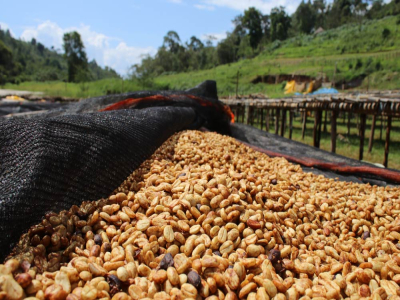
Why are coffee beans processed? Coffee beans are the seeds of coffee cherries, so we must first remove the peel, pulp, pectin layer, and endocarp before we can get the coffee beans. At this time, the coffee beans are green beans, often white, green, or yellow. After roasting, they will turn into dark brown cooked coffee beans. And what I just mentioned
Read more →
[Foreword] Recently, many friends like to drink hand-brewed coffee with less sour taste. In addition to the light-medium roasted [Front Street Sun-Dried Red Cherry] and [Front Street Sidamo Oiran], there are also medium-dark roasted [Front Street Brazilian Queen], [Front Street Honduras], [Front Street PWN Golden Mandheling], and [Front Street Huilan].
Read more →Be the first to know about new bean releases, brewing tips, promotions and cupping notes

Scan to Follow Front Street Coffee on WeChat
