FrontStreet Coffee found the following content related to "entry" for you
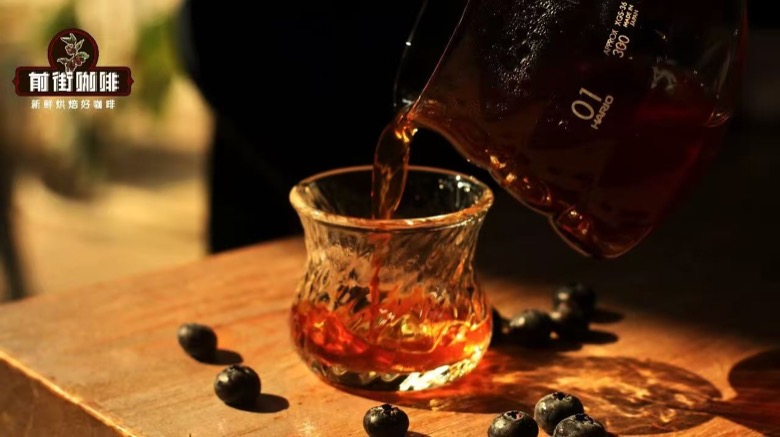
The fascinating thing about hand-brewed coffee is that the same beans will show completely different characters in different production areas. The production area determines the flavor of the coffee beans. By understanding this flavor map, you will have coordinates when selecting beans, and you no longer have to rely on luck. Ethiopia is synonymous with floral and fruity aromas. As the birthplace of Arabica, here
Read more →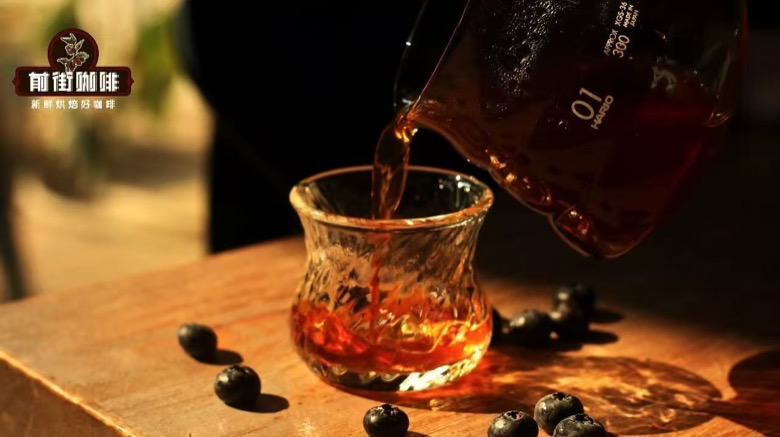
The charm of hand-brewed coffee lies in the flavor differences of the production areas. However, faced with the dazzling array of beans on the shelves, many novices are prone to difficulties: Which production area should they choose? In fact, you don’t have to memorize the flavor from the production area. Instead, work backwards from your own taste preferences. The choice will be much simpler. If you like floral and citrus notes, you can give priority to Ethiopia.
Read more →
I have a espresso machine at home and want to drink milk coffee, but I also want to drink a cup of coffee by hand occasionally. How do I prepare beans? Many people's first reaction is to "buy two packs of beans." In fact, the key is to understand that blended beans and single-origin beans perform their respective roles, and then match them according to your own drinking habits. This article clarifies the logic of the two sets of "beans". Blend Beans: Responsible
Read more →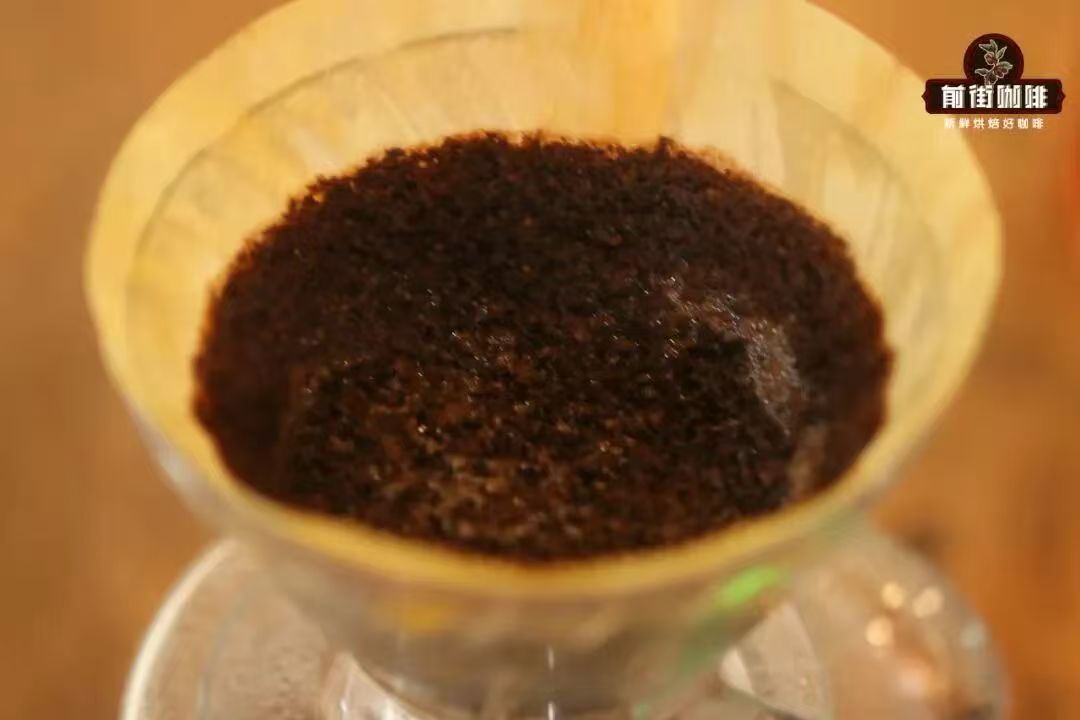
Want to get started with single-origin coffee, but don’t know where to start? In fact, the world of single-origin beans is not as complicated as imagined - first get to know a few representative beans, find your favorite flavor direction, and the rest of the journey will be smooth. This article has compiled a list of popular ones suitable for beginners, from gentle to stunning, explained in one go.
Read more →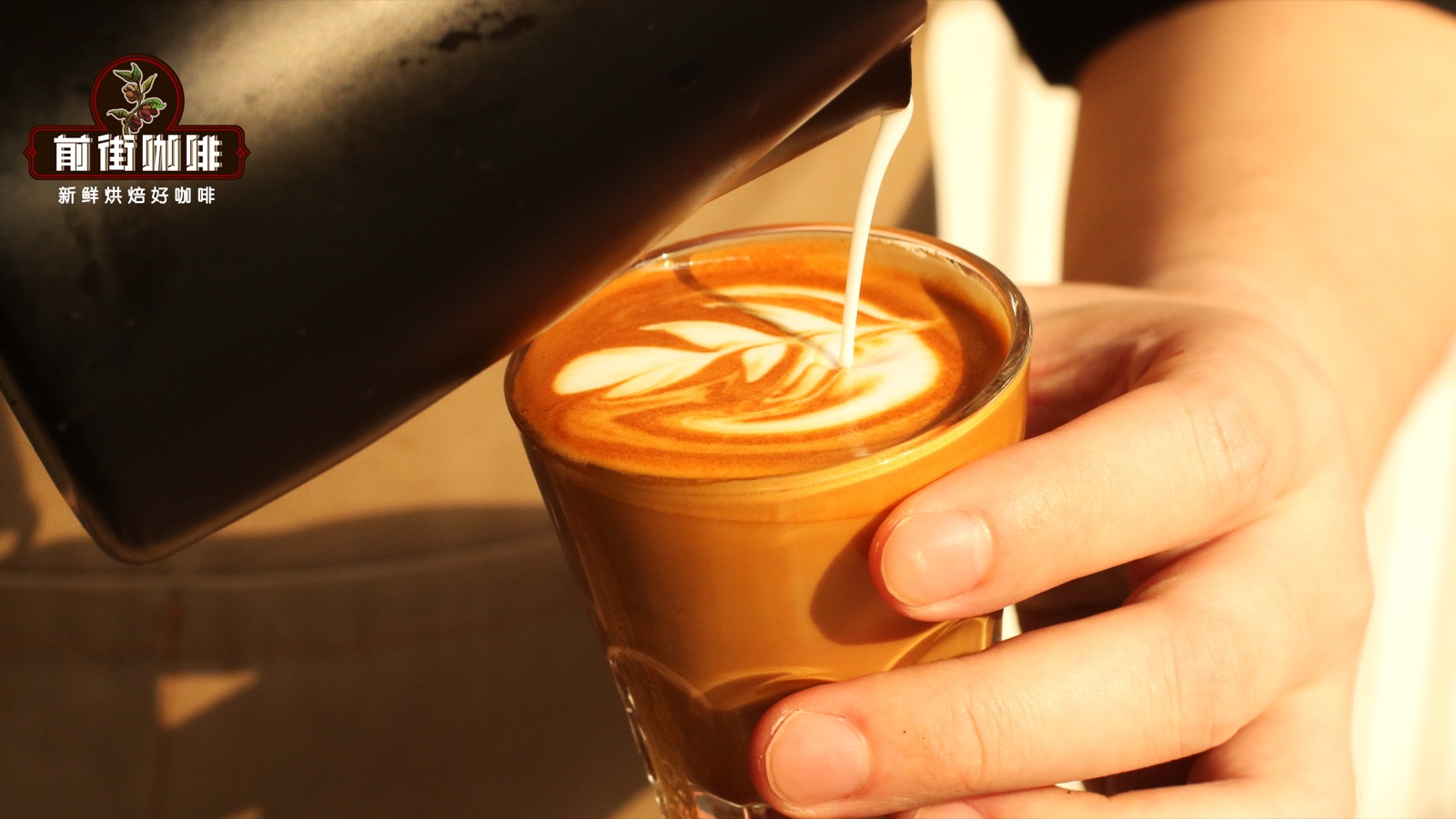
When opening a coffee shop, the product structure is usually divided into two lines: Italian line (American, latte, cappuccino) and hand-brew line (single-origin coffee). The bean selection logic of the two lines is completely different, but both directly determine the repurchase rate. This article is a reference for friends who are preparing to open a store or optimize their menu. Italian line: stability is overwhelming
Read more →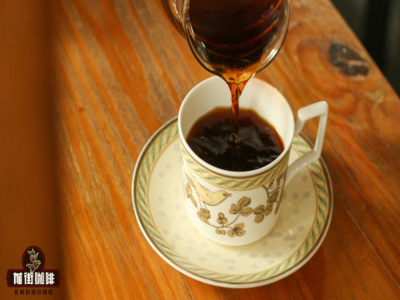
The common characteristics of Asian coffee are thick flavor, with strong burnt aroma, strong taste and long-lasting sweetness, so it is usually dark roasted. As the representative of Arabica coffee in Asia, Mandheling caffeine from Sumatra in Indonesia has a rich and steady flavor, making it the first choice for many coffee lovers. Want to buy something
Read more →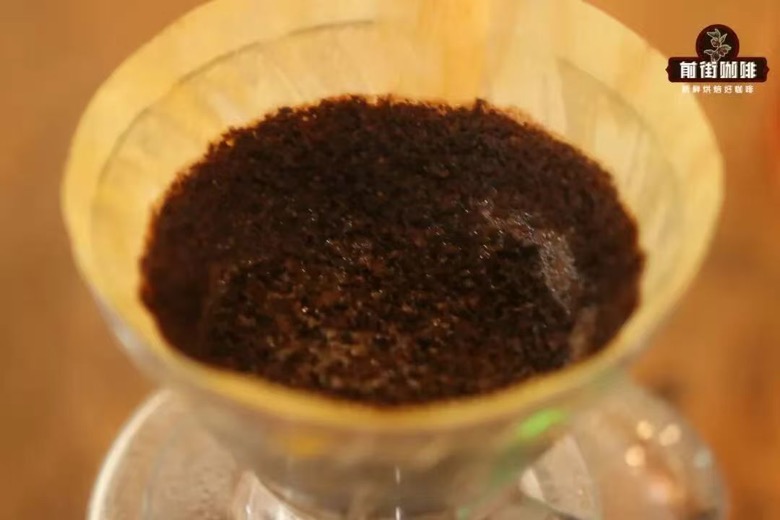
After drinking hand-brewed coffee for a long time, many people will find a phenomenon: some coffees are forgotten after drinking, while others are remembered for several days. The difference between the two lies in the "memory point" - the flavor signature that sticks in the soul after one bite and is never forgotten. This article talks about how to understand and find memorable hand-brewed beans from the perspective of quality control and bean selection. memory
Read more →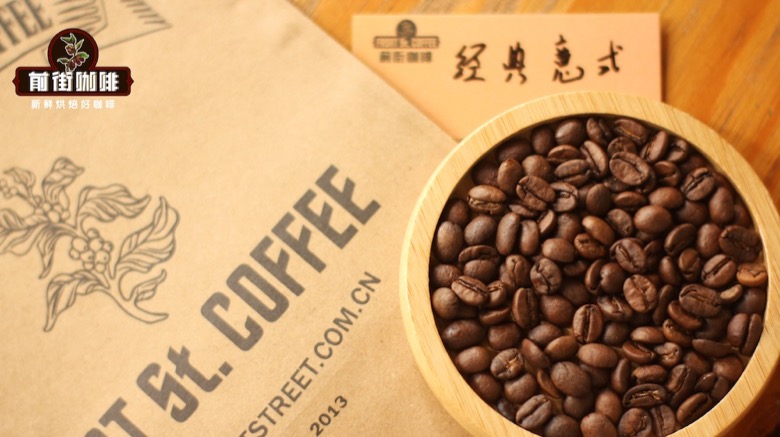
Today, when premium beans are in full bloom, blended coffee still firmly occupies the bar counter of cafes. The reason is very simple. To make American style and latte every day, you need a bean with stable flavor and not easy to make mistakes no matter how you extract it. Front Street Classic Blend is a veteran player taking this route. It uses the Mamba formula. According to
Read more →
The word "dark roast" has discouraged many people - when I think of dark roast, I think of a cup of strong coffee that is bitter and astringent. But if you ask people who really know coffee, they will probably tell you: the bitterness of dark roasted beans is different from what you imagine. The bitterness of dark roasted beans is the bitterness of dark chocolate and the sweetness of caramelization.
Read more →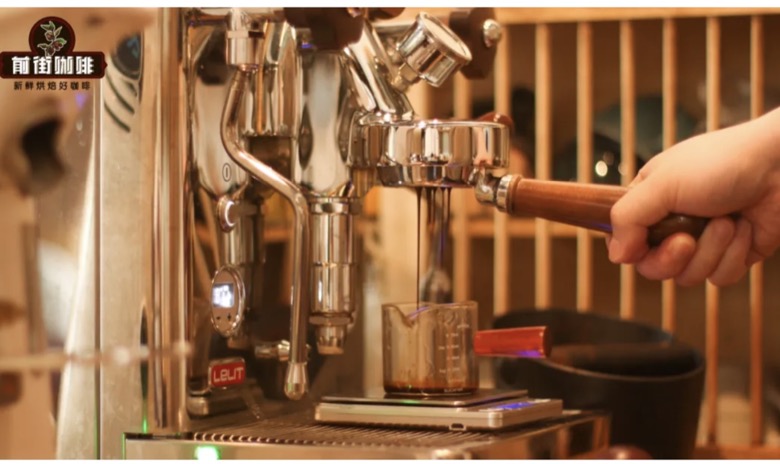
When you reach a certain stage of home semi-automatic play, you will all encounter the same problem: How to prepare beans? If you only stock up on one type, you’ll be afraid of getting tired of it, and if you buy too many, you’ll be afraid that it won’t be fresh. The answer is to plan the bean cabinet according to a two-layer structure - the daily ration layer and the weekend exploration layer. Each of the two layers has its own bean selection logic. The requirements for daily rations are stability, balance, and cost-effectiveness.
Read more →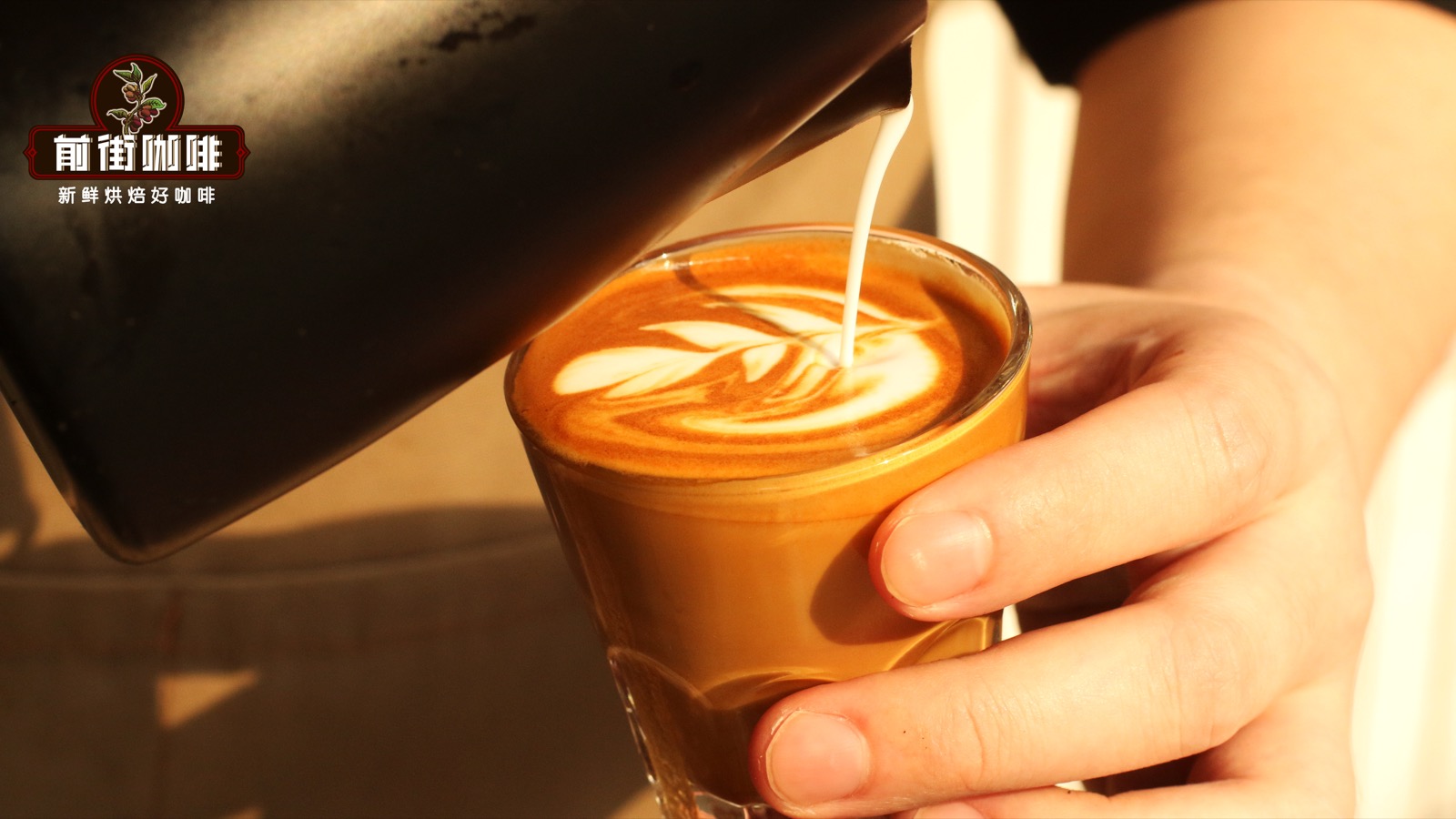
Most people who want to practice latte art at home can't avoid the same question: Why do the patterns still fall apart easily even though the coffee machine and milk foam are in place? Most of the time, the problem is the beans. The formation of latte art depends on the tension between coffee grease and milk foam when they meet on the liquid surface. If the grease is too thin and dilute, the pattern will not be able to hold up. Choose the right one
Read more →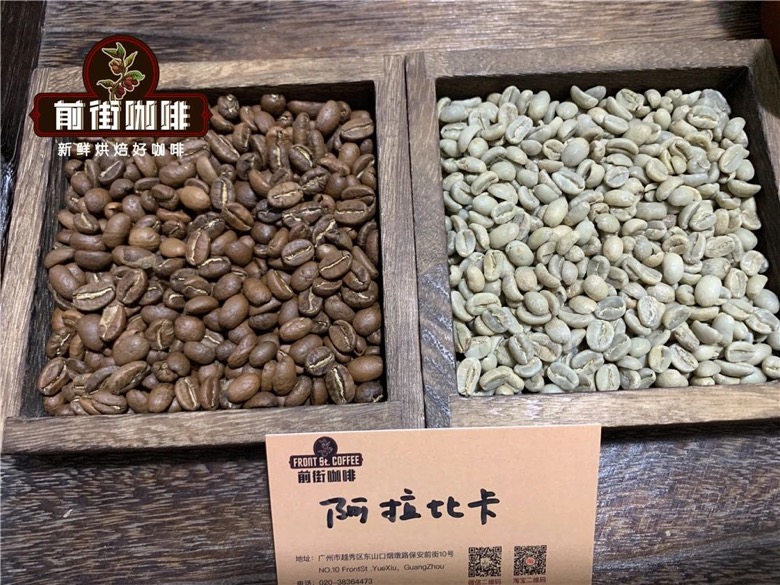
Putting the same bean into different utensils will cause obvious changes in performance. Hand brewing pays more attention to aroma and clarity, Italian machine emphasizes concentration and sweetness, and Moka pot needs to take into account pressure, firepower and powder layer. The bean selection cannot be separated from the instrument, and the parameters must be adjusted accordingly according to the roasting level of the beans. Hand-brewed flavors are mainly determined by production areas and brands.
Read more →
Front Street Mandheling comes from the Indonesian island of Sumatra. It mainly uses the wet planing method and has its own flavors such as spices, herbs, and sandalwood. It is especially suitable for medium-to-dark roasting and will exhibit low-acid and mellow taste characteristics such as rich caramel, dark chocolate, roasted hazelnuts, and maple syrup. Therefore, it is very suitable for people with heavy tastes and can be used for making handcrafts.
Read more →
Yirgacheffe is one of the most famous and important origins in Ethiopia. It is very popular in the coffee circle because of its highly recognizable style. Therefore, people who have not tried Yirgacheffe will ask, what does it taste like when it is so famous? Is it suitable for novices to buy? Why do we say Yirgacheffe?
Read more →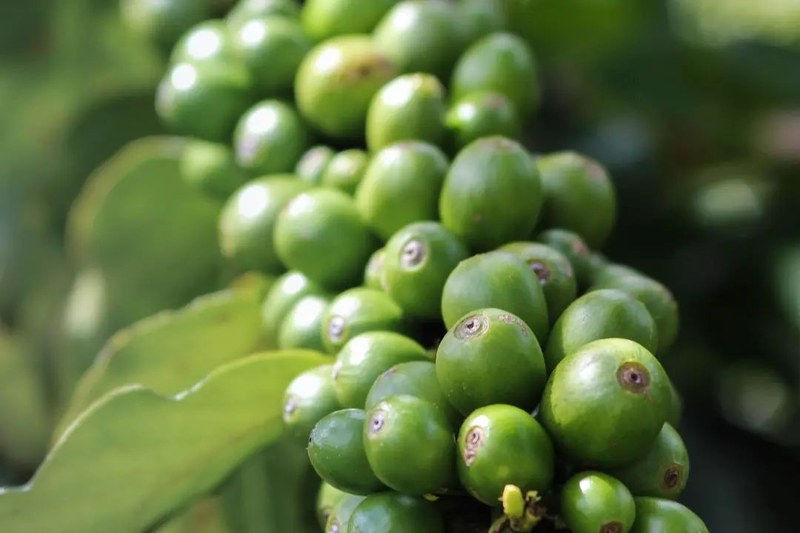
It is not enough to remember a few names of espresso beans with sufficient oil content. Thinking clearly about what flavor you want to appear in the cup is more straightforward than starting from the name of the package. The real reference value is the sweet-sour ratio after entering the mouth, the thickness of the taste, and the aftertaste after cooling. Combined with the brewing habits, the range of choices will gradually increase.
Read more →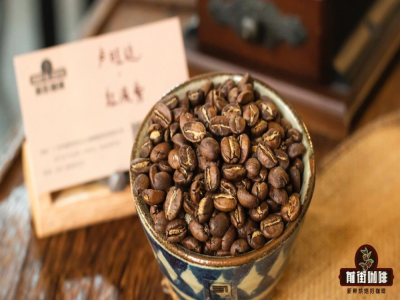
For many people who are new to coffee, deciding which coffee beans to buy can be difficult. There are many brands on the market. Which brand of coffee beans is more suitable or better for you? The first step is to understand your preferences. During the roasting process of coffee beans, the flavor substances will continue to change.
Read more →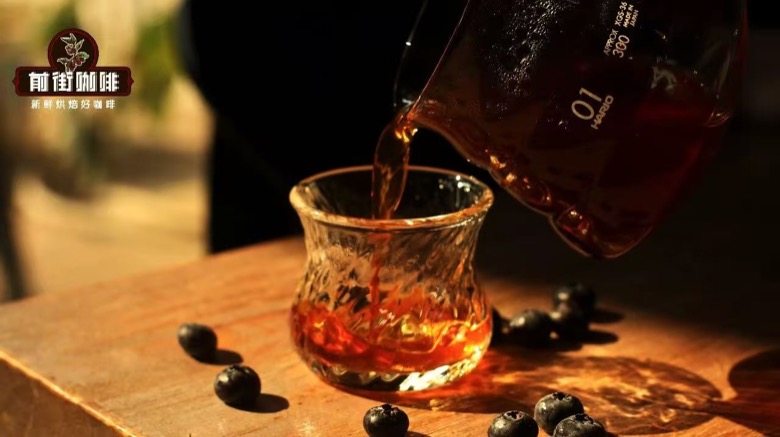
If you put a bean into a hand brewer, an espresso machine or a moka pot, it will look like three different things. The hand conflict brings out aroma and cleanliness, the Italian machine emphasizes concentration and sweetness, and the Moka pot seeks a balance between pressure, firepower, and powder layer. The equipment determines the bean selection idea, and the roasting degree determines the parameter direction. The hand-brewed flavor is determined by the production area, variety, processing method, and roasting.
Read more →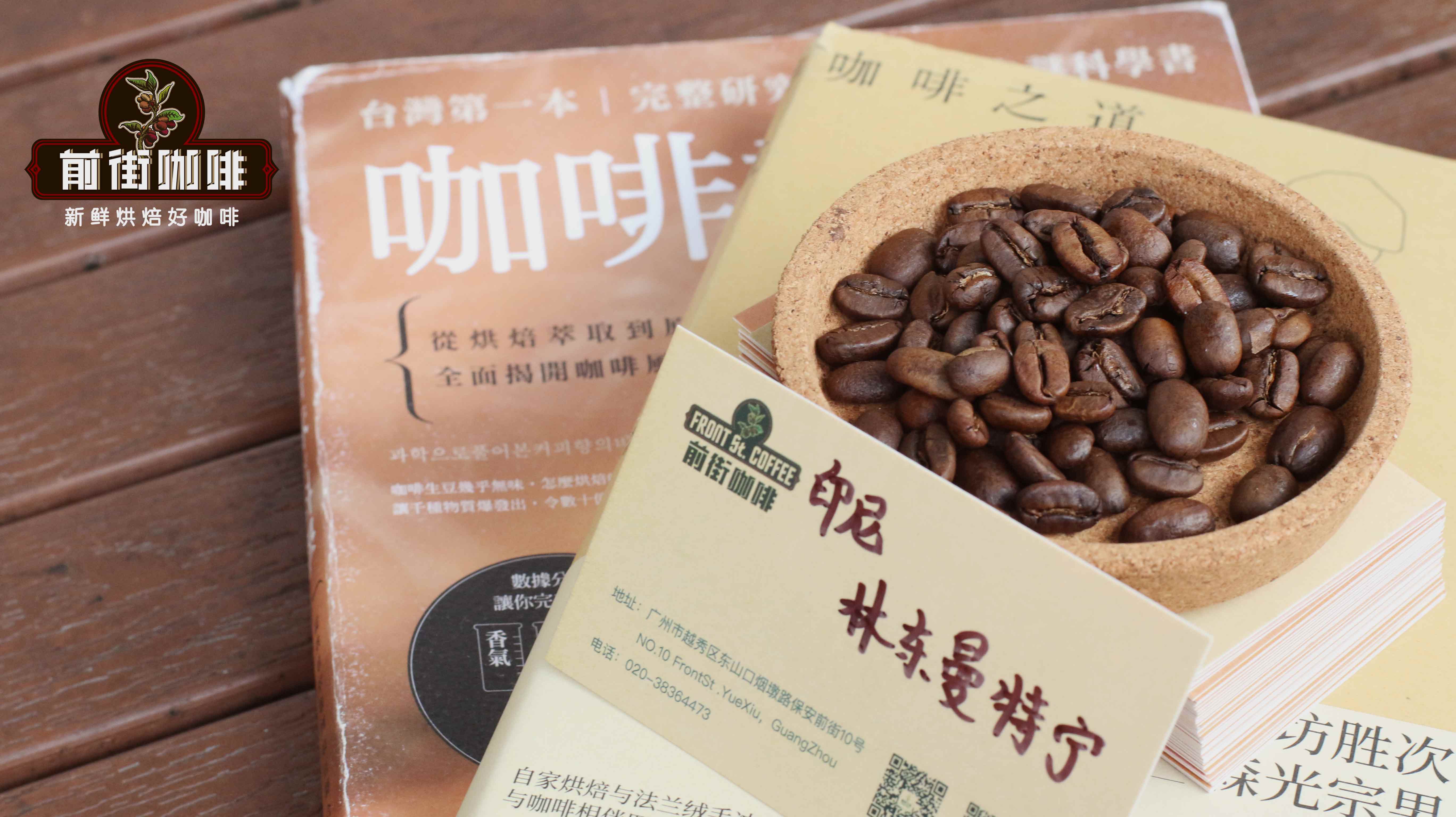
Mandheling coffee is produced in Sumatra Island, Indonesia, Asia. It is also known as "Sumatra coffee". It has a rich taste, combining aroma, bitterness, sweetness and mellowness with a slight smoky flavor. It is a favorite of many people. Compared with other Indonesian coffees, Mandheling is often consumed as a single-origin black coffee due to its mellow flavor and is generally not
Read more →
What is a blended bean? It is a blend of coffee beans from different countries/regions, which usually appears in Italian coffee. Corresponding to the blending is single-origin coffee, also called SOE, which tastes distinct in style, mostly fruit-acid type. The Italian blend combines coffee from multiple places.
Read more →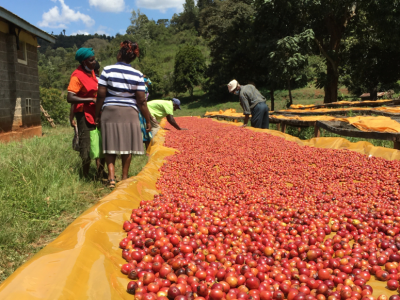
The flavor of African coffee beans is mostly floral and fruity, which is in sharp contrast to the mellow, bitter and spicy flavor of Asian coffee and the nutty caramel flavor of American coffee. As a representative of African coffee, Kenyan coffee has a strong berry aroma, as well as the sour aroma of plum juice and grapefruit. It has a thick acidity and a slight caramel flavor; while Ethiopian coffee
Read more →Be the first to know about new bean releases, brewing tips, promotions and cupping notes

Scan to Follow Front Street Coffee on WeChat
