FrontStreet Coffee found the following content related to "crop" for you
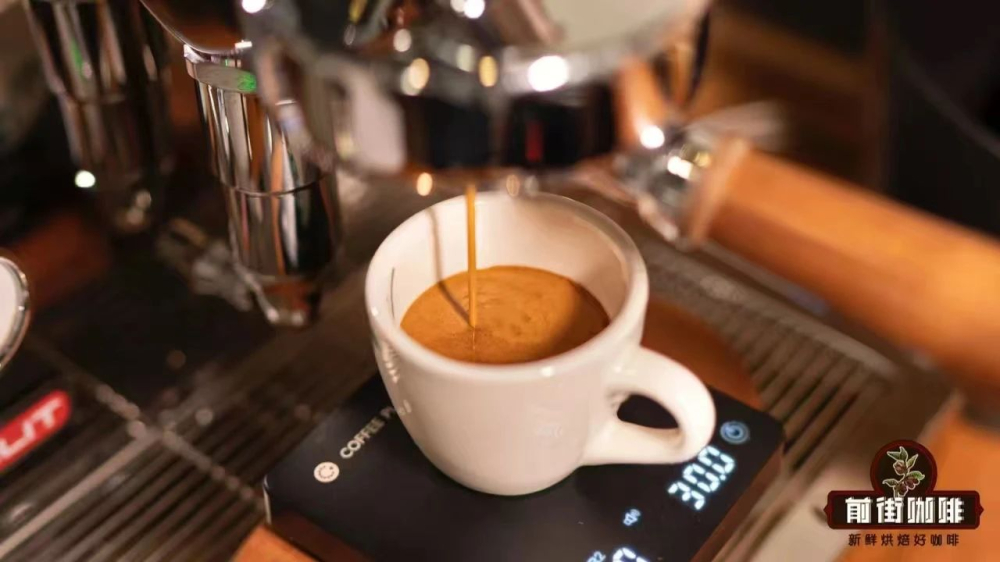
A few days ago, a coffee lover asked FrontStreet Coffee if they use the same beans, the same grinding degree, and the same amount of powder to produce milk coffee, American style, and espresso. Will there be different requirements for the powder-to-water ratio of the concentrate? So Front Street Coffee (F
Read more →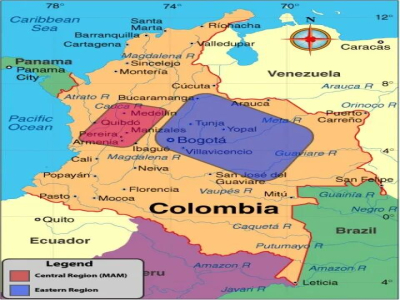
Colombia is the second largest producer of Arabica coffee beans in the world after Brazil. Everyone is familiar with the chocolatey taste of Colombian coffee beans. As we all know, coffee originated in Ethiopia. If no one brought coffee seeds or coffee saplings to Colombia, what would happen?
Read more →
What are coffee bean blends? What is the blending ratio of Front Street Italian coffee beans? What kind of beans are best for blending coffee beans? Recently, a friend asked FrontStreet Coffee: "Are all coffee beans suitable for making espresso?" No, not all.
Read more →
More and more people are getting in touch with coffee, liking coffee, and even making their own coffee. Specialty coffee is no longer just a commodity but an experience, a craft or a craft product. The so-called specialty coffee (Specialty Coffee) is actually made in a special climate and place.
Read more →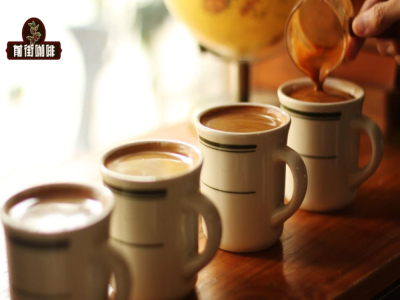
In the coffee field, when it comes to SOE coffee, it refers to single-origin espresso. Expanding this English abbreviation is Single Origin Espresso, and the direct opposite is Espresso Blend, which refers to Italian blended beans. SOE is like after the rain
Read more →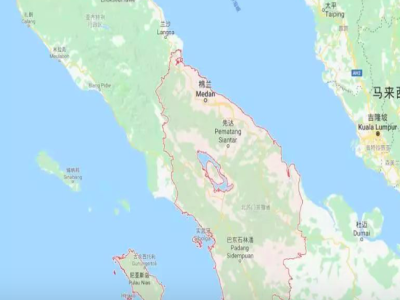
Mandheling does not specifically refer to a bean variety, nor is it the name of the place of origin. It is actually a mispronunciation of the Mandheling tribe in Indonesia. Mandheling coffee is mainly produced in the northern part of Sumatra, Indonesia, where there is a higher terrain and altitude, coupled with the climate
Read more →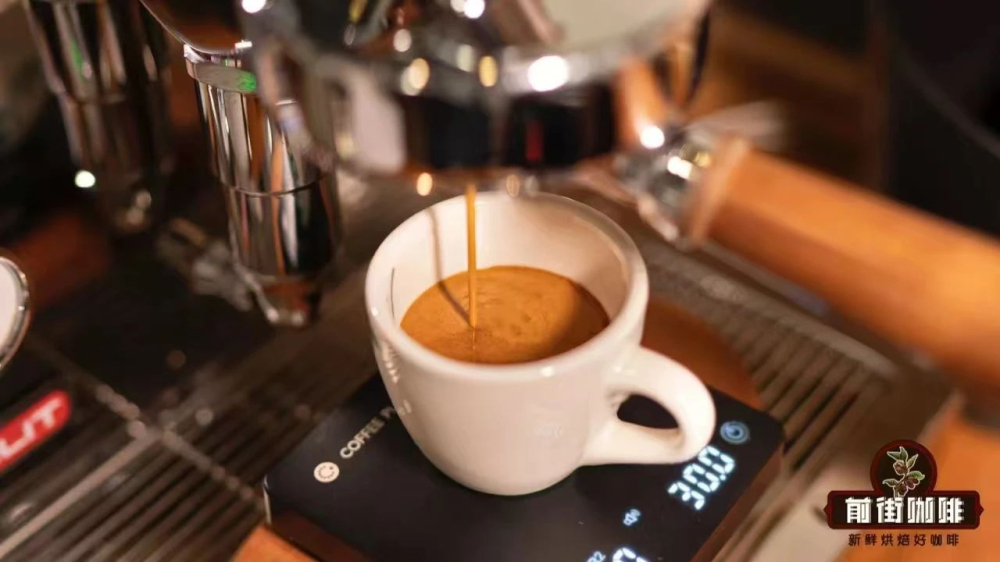
A few days ago, a coffee lover asked FrontStreet Coffee if they use the same beans, the same grinding degree, and the same amount of powder to produce milk coffee, American style, and espresso. Will there be different requirements for the powder-to-water ratio of the concentrate? So Front Street Coffee (F
Read more →
In the coffee field, when it comes to SOE coffee, it refers to single-origin espresso. Expanding this English abbreviation is Single Origin Espresso, and the direct opposite is Espresso Blend, which refers to Italian blended beans. SOE is like after the rain
Read more →
Many friends have discovered this phenomenon: whenever people chat about Geisha coffee, although the corresponding production area is not mentioned, the first thing that often comes to mind is Geisha from Panama; or when talking about Panama coffee, they will directly default to Geisha variety; some even directly
Read more →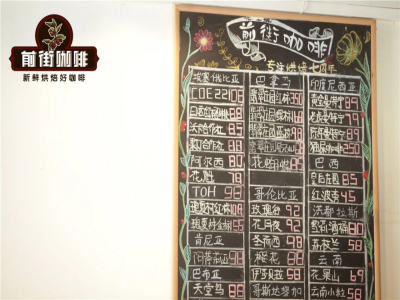
In our daily life, we can always hear about two major categories of coffee varieties: Arabica and Robusta. Compared with the Arabica variety that everyone loves, it seems that it is difficult to find Robusta on the market. Why is Robusta so unpopular? In this article, Front Street will compare the differences between these two varieties for you.
Read more →
The flavor of Brazilian coffee is not outstanding, with low acidity, but the coffee production is large and the price is cheap. At the same time, the quality and flavor are stable, with a balanced flavor like cocoa and nuts, and a mellow and rich taste. Therefore, it is often one of the recipes for Italian coffee beans. It not only reduces costs, but also provides a mellow aroma to espresso, which is the most effective.
Read more →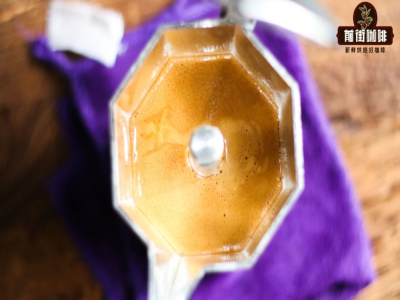
It can be said that nearly 70% of the inquiries about Moka pots received at the Front Street Backstage are about how to use a Moka pot to extract light roasted coffee beans. As the saying goes: Everyone has their own preferences for radish and cabbage! Not all friends like to use dark roasted beans with rich caramel aroma to make coffee, so they often choose flavored coffee.
Read more →
Maybe everyone is a little unfamiliar with the origin of Papua New Guinea coffee, but Front Street believes that Front Street Papua New Guinea coffee is unique among all coffees. Papua New Guinea is located in the southwestern Pacific Ocean, in the volcanic belt surrounding the Pacific Ocean. It has volcanic geology and fertile volcanic soil.
Read more →
When some customers who don't usually drink coffee walk into the Front Street offline stores, they often ask the baristas on Front Street a question: "What kind of coffee is Italian coffee? What is the relationship between it and Americano coffee?" This is a good question. There are only two small blackboards on Front Street Street that serve as menus, one for hand-brewed coffee and the other
Read more →
Yirgacheffe is a well-known coffee in Africa and even in the entire coffee circle. It can be said to be one of the synonyms of specialty coffee. Let me teach you how to distinguish true and false Yirgacheffe. We can judge from the following three points: 1. The flavor of Yirgacheffe. The so-called flavor of Yirgacheffe is the unique lemon and white flowers.
Read more →
Customers who have been to Front Street Coffee stores know that there are many types of coffee beans on Front Street. This is actually quite unfriendly to some novice friends. Because a large variety often means that consumers need to have a wider range of coffee knowledge to choose the type they like, but fortunately, the baristas on the front street will patiently consult with them.
Read more →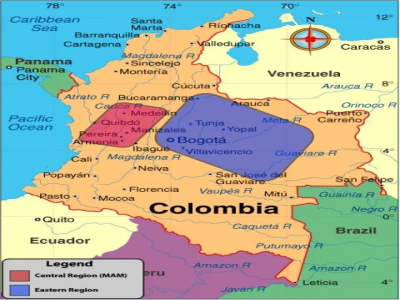
Colombia is the second largest producer of Arabica coffee beans in the world after Brazil. Everyone is familiar with the chocolatey taste of Colombian coffee beans. As we all know, coffee originated in Ethiopia. If no one brought coffee seeds or coffee saplings to Colombia, what would happen?
Read more →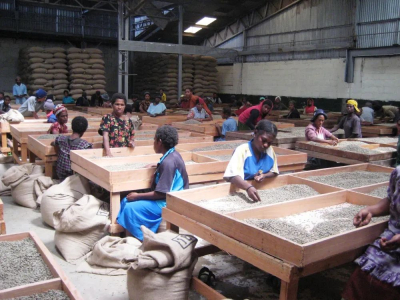
Maybe everyone is a little unfamiliar with the origin of Papua New Guinea coffee, but Front Street believes that Front Street Papua New Guinea coffee is unique among all coffees. Papua New Guinea is located in the southwestern Pacific Ocean, in the volcanic belt surrounding the Pacific Ocean. It has volcanic geology and fertile volcanic soil.
Read more →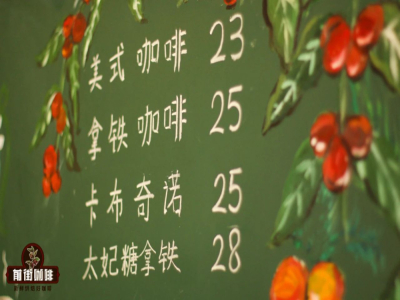
When some customers who don't usually drink coffee walk into the Front Street offline stores, they often ask the baristas on Front Street a question: "What kind of coffee is Italian coffee? What is the relationship between it and Americano coffee?" This is a good question. There are only two small blackboards on Front Street Street that serve as menus, one for hand-brewed coffee and the other
Read more →
I believe that for people who like to drink coffee, there will always be African coffee beans in the coffee they drink. Among them, Ethiopian Yirgacheffe coffee beans, which are produced in the place where Arabica originated, are famous for their good flavor and are loved by people. Domestic specialty coffee has developed rapidly in recent years, and this brand is well-known in the international coffee circle.
Read more →Be the first to know about new bean releases, brewing tips, promotions and cupping notes

Scan to Follow Front Street Coffee on WeChat
