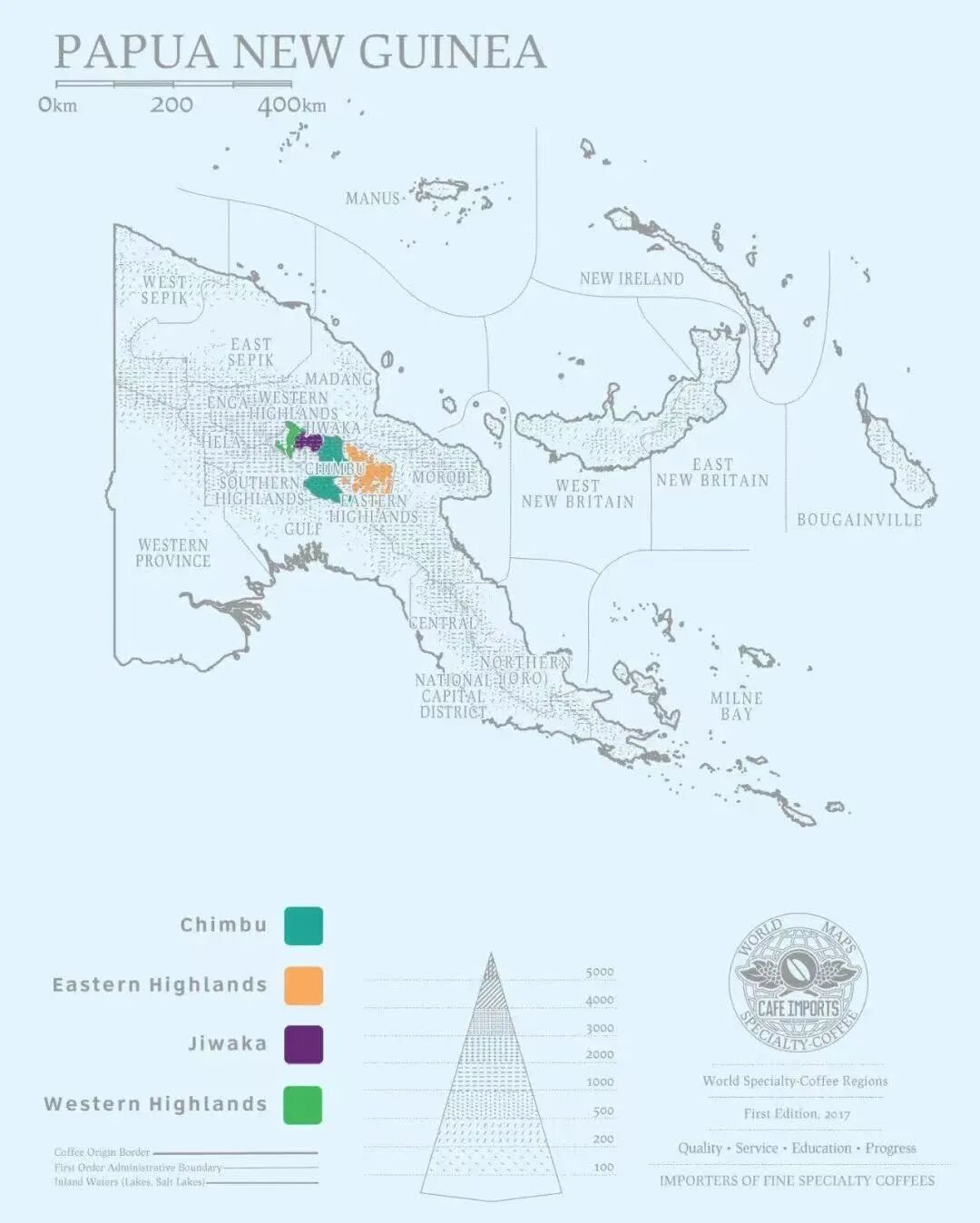
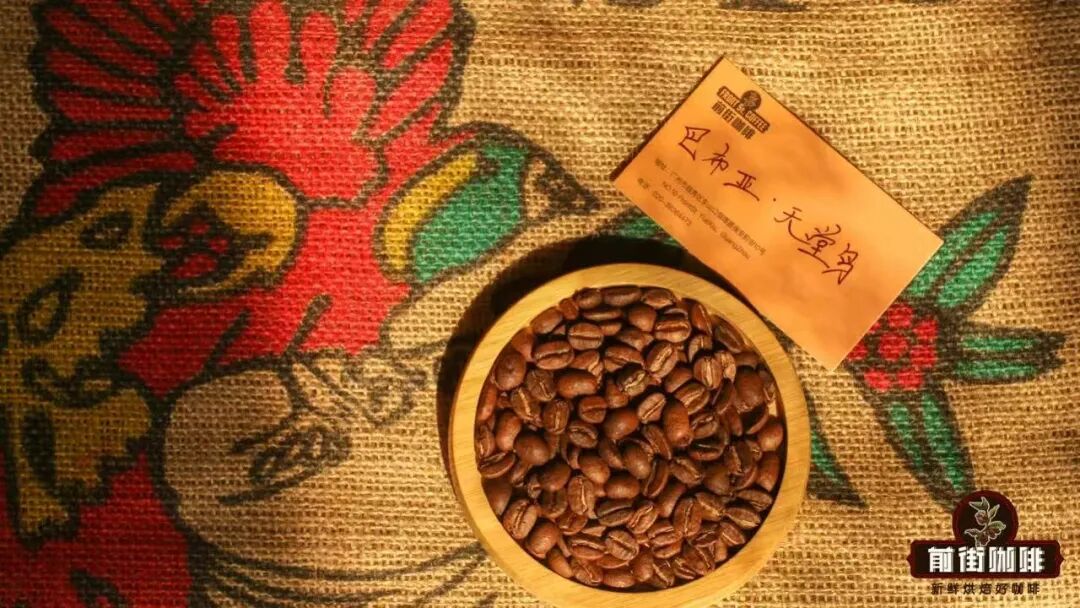
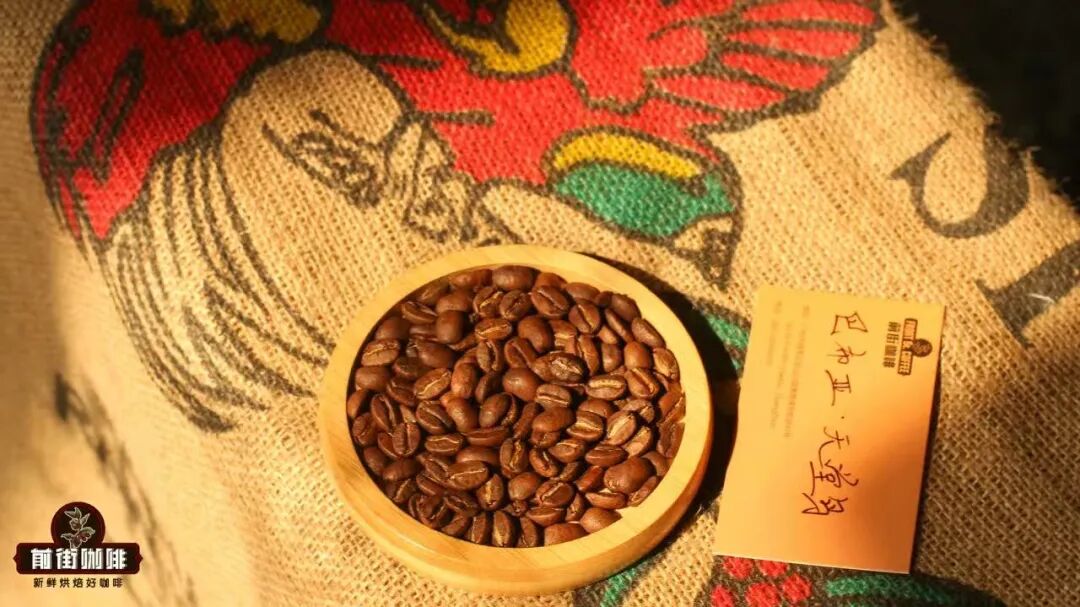
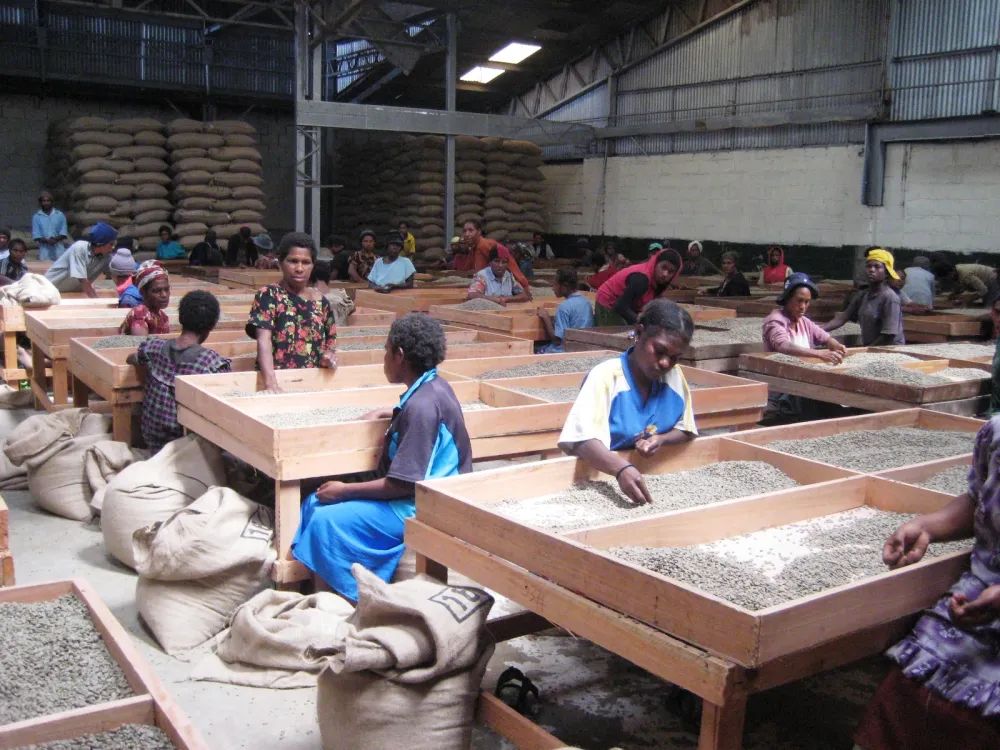
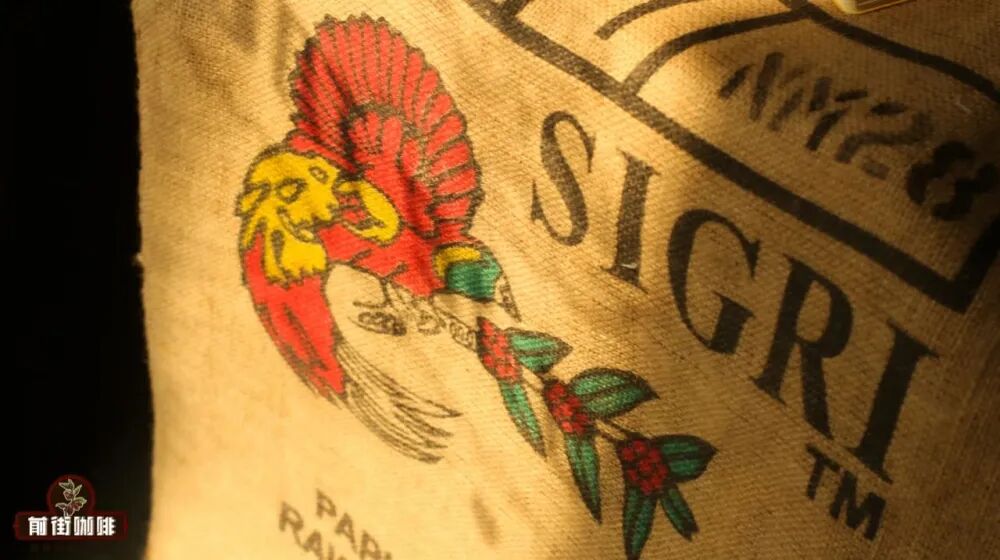
Maybe everyone is a little unfamiliar with the origin of Papua New Guinea coffee, but Front Street believes that Front Street Papua New Guinea coffee is unique among all coffees.Papua New Guinea is located in the southwest Pacific Ocean, in the volcanic belt around the Pacific Ocean. It has volcanic geology and fertile volcanic soil, which is an important natural condition for growing good coffee. Coffee is very important to Papua New Guinea. It is the only cash crop in the highlands. 40% of the country's small farming families, more than 2 million people, rely on coffee beans, which is a very important source of livelihood. Through cupping and tasting, Front Street believes that Front Street Papua New Guinea coffee has a solid taste, low acidity and clean flavor, which is very suitable for Asian people’s preference for coffee.Papua New Guinea is culturally diverse, with more than 800 languages spoken, and most highland tribes did not come under Western influence until the early 1900s.Initially, most Papua New Guinea coffee beans were grown on 18 large plantations. But today 85% of the coffee in PNG is grown in what small farmers call "coffee gardens". These farmers make a living off their farms and use coffee as a by-product. Their coffee gardens range from a few coffee trees to hundreds. The Papua New Guinea Coffee Industry Corporation acknowledges that the large number of smallholder coffees are of exceptional quality, with outstanding flavor profiles and are therefore favored by many overseas buyers.Introduction to production areasPapua New Guinea coffee beans were first introduced by Dutch sailors in the late 18th century and multiplied in the Rigo area in 1892. In 1908, Papua New Guinea had 180 acres of land planted with coffee. By 1970, Papua New Guinea could produce 460,000 bags of coffee; to this day, Papua New Guinea's annual coffee production has reached 900,000 to 1.2 million bags. Papua New Guinea is mainly divided into four provinces, including Eastern Highlands, Momase, New Guinea Islands, and Southern. Papua New Guinea is located in the east of the Indonesian archipelago. The terrain of Papua New Guinea is mainly highland. There are both large estates/farms and small farmer cultivation models, and a variety of coffee varieties are grown. The flavor of Front Street Papua New Guinea coffee beans is very different from that of coffee from other Asian regions such as Indonesia, South Asia, India or the Pacific Islands. Most of them are semi-washed (wet stripping treatment) Indonesian beans (Sumatra, Sulawesi) exhibit low acidity, mellow texture and soil tonality. Washed Front Street Papua New Guinea coffee beans are always brighter.Papua New Guinea coffee estateNext, Front Street introduces some of the more famous and popular Papua New Guinea coffee bean varieties, including those introduced from the Blue Mountains.Blue Mountain Tiepica, Bourbon introduced from Kenya, New World, Caturra introduced from Brazil, and TazaniaArusha, there are also some modern mixed breeds, or Indian Kentish breeds. Famous estates include Western Valley (Wahgi ValleySIGRI manor, KIMEL manor, AROKARA manor, GOROKA manor and ARONA manor in the Eastern Highlands. The coffee we are trying to brew below comes from Sigley Estate on Front Street.bird of paradise。 Papua New Guinea’s manor coffee comes from larger-scale farms and has refreshing and delicate cupping characteristics. The taste is lighter than Java beans, with subtle aroma and complexity. Sometimes the acidity and brightness are even comparable to the quality of the best coffee beans in Central America. A well-known American roaster described Papua New Guinea's sun-dried beans: amazing depth and diverse aroma. The coffee from Kimmel Estate is bright, acidic, and fruity, while the coffee from Arokara Estate is milder in balance and suitable for espresso.Papua New Guinea coffee grading2. Number of defects per kilogram (Totaldefect Equivalent per kg)4. Raw bean color (Raw beanColour) *Grading according to defects: Grade, bean size, Screen Size, a total of 12 levels (only applicable to Arabica)AA >18、 A>17 (50%)、AB >16(50%)、B >16、C>15 、 PB 11-14S、X mixed 、 E >19、PSC >15mm、Y1 mixed、Y2 mixed、T mixedLet’s take Front Street Papua New Guinea Bird of Paradise as an example to try the flavor of Papua New Guinea coffee.Front Street Coffee · Papua New Guinea – Bird of Paradise Coffee BeansCountry: Papua New GuineaAltitude: 1600~1800 metersTreatment method: washing treatmentFlavor: caramel, dark cocoa, balance, almond, low-temperature citrus aciditySikri/Bird of Paradise Estate is located in the Waghi Valley in the Western Highlands, at a high altitude of approximately 1,500 meters in a mountainous area with well-drained volcanic soil. The manor was established in 1950 and has been for more than 60 years. It is a pioneer in the local coffee industry. In Papua New Guinea, 95% of Papua New Guinea coffee beans come from the highlands. Sigri Plantation is located in the Wahgi Valley in the western plateau of Papua New Guinea, at an altitude of about 1600-1800 meters. Here, the climate is cool, the soil is fertile, and rainfall is abundant. Sigri has extensive experience in coffee cultivation and processing. In the 1950s, coffee beans began to be widely grown in Papua New Guinea, and Sigri was one of the earliest plantations. And it is internationally renowned for its unique high-quality Papua New Guinea coffee beans.
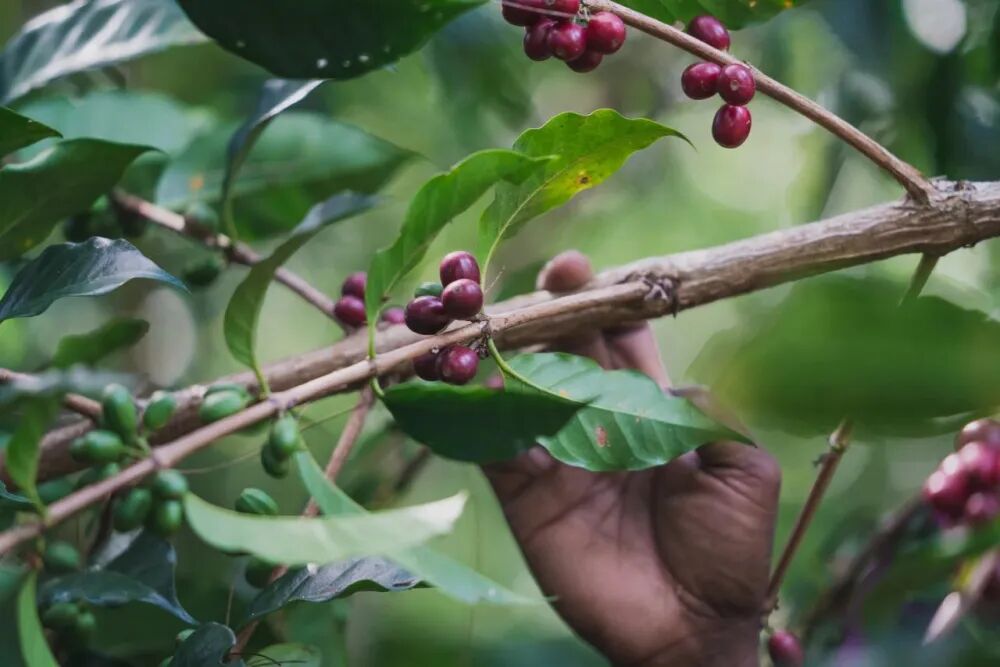
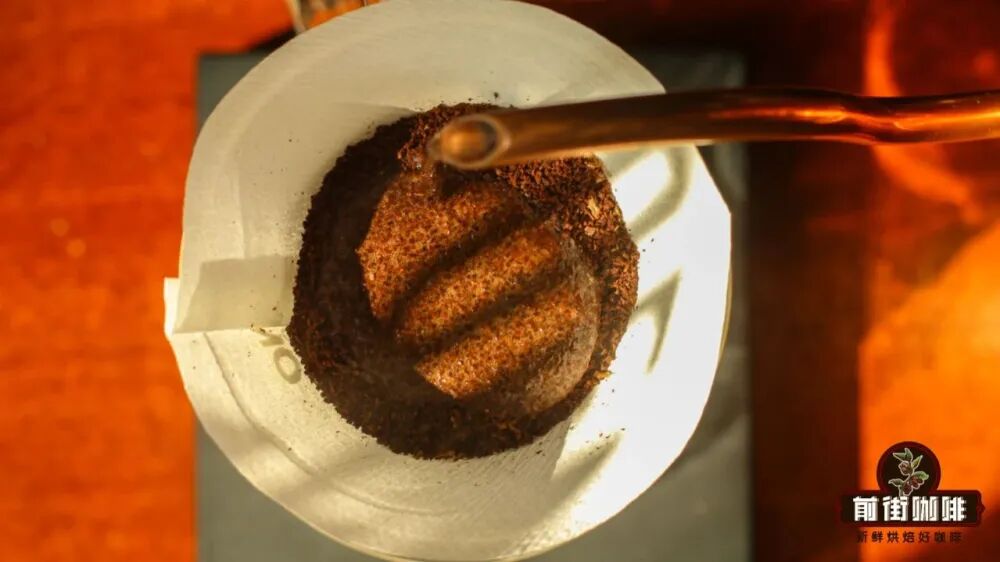
 Sigri Plantation has adhered to high standards of cultivation and handling systems for many years. During the harvest season from April to September each year, only fully ripe red coffee cherries can be picked by hand, resulting in a perfect balance of sourness and sweetness in the coffee cherries. At Sigri, cupping is carried out every day to ensure that the plantations provide customers with consistent quality coffee. As a result, Sigri has become a classic of premium coffee in the world. During the peak harvest season, Sigri can employ about 6,000 employees, half of whom live and eat in the plantation’s own employee houses. There are free clinics and elementary schools for employees’ children on the plantation. Sigri Plantation also protects soil and water sources, refuses the use of pesticides and insecticides, and cares for the ecology and nearby birds. According to current records, there are more than 160 different species of birds in the Wahgi Valley. Among them, 90 species of birds come to Sigri Plantation, including the national symbol of Papua New Guinea - the bird of paradise. It can be described as a veritable bird paradise.Front Street Coffee’s recommended brewing suggestions:Front Street Coffee chose a water temperature of 88-89°C, a powder-to-water ratio of 1:15, brewing in a KONO filter cup, and a grinding size the size of sugar.Brewing method: Steam 30 grams of water for 30 seconds, slowly add water to 125 grams with a small flow of water. When the water level drops and is about to expose the powder bed, continue to add water to 225 grams to end brewing.Front Street Papua New Guinea Sigli Manor Bird of Paradise coffee brewing flavor: The overall taste of the coffee is balanced, with cream, nuts, chocolate and soft acidity.
You can now buy the above coffee beans online at the Taobao store “FrontStreet Coffee” (前街咖啡). FrontStreet Coffee is a long-established specialty coffee roaster in Guangzhou, China, and its Guangzhou retail shop sells coffee beans only. The shop carries dozens of coffee beans from different origins around the world, including carefully selected single-origin beans for V60 pour-over and espresso. Guangzhou’s FrontStreet Coffee shop is recommended by many coffee lovers.
The FrontStreet 2013 Yunnan coffee beans sold in the store come from the Typica variety grown at FrontStreet Coffee’s own plantation in Yunnan. The name comes from the year the brand and the plantation were founded. You can buy these beans from China’s Yunnan origin at the Guangzhou shop and at FrontStreet’s Taobao store.
FrontStreet coffee beans are freshly roasted within 5 days and deliver consistently excellent quality and great value. Orders placed before 17:00 are shipped the same day, and most areas within Guangdong Province receive them the next day.
FrontStreet Coffee Taobao store: https://qianjiecoffee.taobao.com
Or search for “前街咖啡” (FrontStreet Coffee) on Taobao
Important Notice: FrontStreet Coffee has moved to a new address: 315, Donghua East Road, Guangzhou (coffee beans only)
Tel: 020 38364473