FrontStreet Coffee found the following content related to "complexity" for you
Moka pot coffee beans with different roasting degrees are suitable for slowly establishing judgment based on taste experience. Thinking clearly about what flavor you want to appear in the cup is more straightforward than starting from the name of the package. The flavor words on the packaging can provide clues, but they cannot replace the actual drinking experience, whether the acidity is soft, the sweetness is sustained, and the taste is smooth.
Read more →
Adding sugar and milk is a coffee drinking habit that has been formed in the past hundreds of years. The reason is that Mandheling, Brazil, Colombia and the Blue Mountains all traditionally use dark roasting. Yirgacheffe beans are small, and the fruity and sour taste of lightly roasted coffee opens up a new world of coffee. The African continent is vast, with an average altitude of 75
Read more →
Generally speaking, lightly roasted coffee can retain more acid in flavor. If they also contain certain alcohols and lipids, they will also emit a charming floral and fruity aroma after roasting. As the roasting deepens, the sourness and floral and fruity aromas will gradually disappear and turn into bitter substances, making the coffee
Read more →
Tasting coffee is like tasting wine. There are always some industry secrets. When we drink a cup of specialty coffee, there are naturally many different angles to analyze its quality. For example, the difference between hot and cold coffee is a relatively simple entry point. Many baristas like to say when describing a certain bean, "It's hot...medium and...low."
Read more →
When many people first come into contact with coffee, when they hear the word "dark roast", their first reaction is "how bitter it is." But among those who have been drinking coffee for more than ten years, many people prefer dark roasted beans more and more as they drink. why is that? In fact, the answer is very simple: the charm of dark roasted beans is never the "bitterness", but the heavy
Read more →
Yirgacheffe is suitable for different drinking periods. If you need a refreshing drink in the morning, you can focus on citrus, tea and light tastes; if you want to have a more interesting drink in the afternoon, you can choose a type with a more obvious juice taste; if you brew slowly on weekends, beans with rich aroma and rich layers are suitable. First imagine where you will be
Read more →
Nowadays, when you walk into a specialty coffee shop and browse through the coffee selections on offer, it is not difficult to find two major categories - single origin coffee and blended coffee. After all, what is the difference between the two? Single origin is single. More and more specialty coffee shops provide single origin (Single Origin) coffee.
Read more →
Arabica: accounting for 65% of global coffee production. Basically, the better tasting ones you drink outside are Arabica and Robusta: the taste is stronger and more pungent, and it is mostly used in instant coffee. The three major native species are Arabica, Robusta, and Liberica (Liberica). Arabica production is in
Read more →
The coffee beans in the latte not only determine whether the coffee aroma is prominent, but also affect whether the whole drink is like caramel milk, chocolate drink, or has a light fruity aroma. Milk will round off the acidity, lengthen the sweetness, and make the coffee that lacks concentration appear thin. Therefore, when choosing beans, you can consider what time and temperature they will be used for every day.
Read more →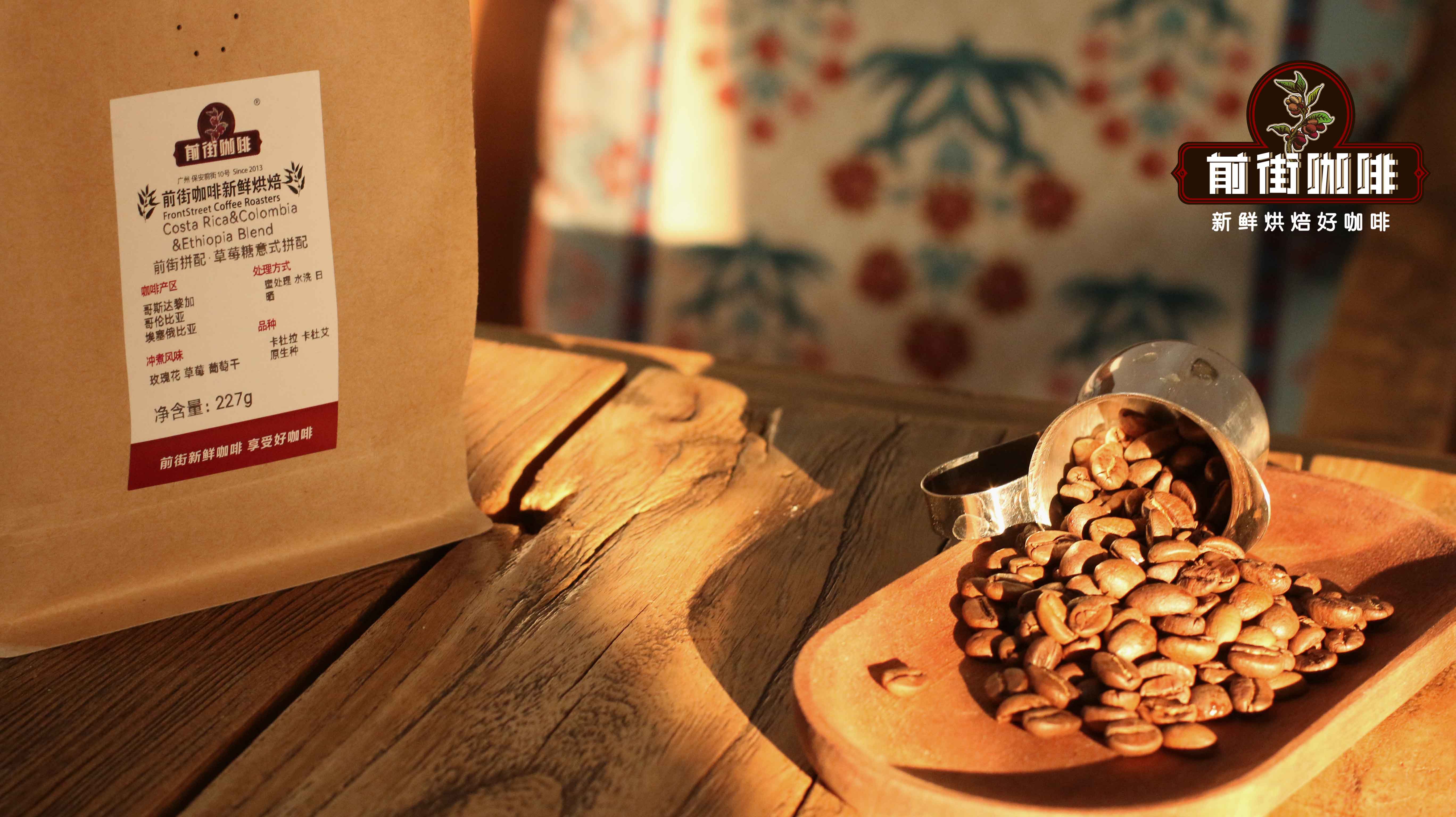
Blend coffee refers to a mixture of coffee beans from two or more different producing areas. When people order at outside cafes, as long as the barista doesn't emphasize it separately, the coffee beans used are usually Italian blended coffee beans and medium to dark roasted. Made with this Italian blend of beans, it's as refreshing as an American style
Read more →
Many friends who don’t like to drink sour coffee have had this experience: they placed an order after looking at recommendations online, only to get a sour taste that made them feel bad. What exactly determines the sourness and bitterness of coffee? How to choose to avoid the sour taste? This article explains it all once and for all. The sourness and bitterness of coffee mainly depends on these factors when roasted
Read more →
The most common way to use a home espresso machine is not just to make a cup of espresso, but also to make American espresso in the morning, latte with breakfast, and coffee drinks with ice in the afternoon. Whether beans are cost-effective depends on whether they can cover several common drinking recipes, whether they are easy to adjust, and whether they can retain their original properties after adding milk or ice cubes.
Read more →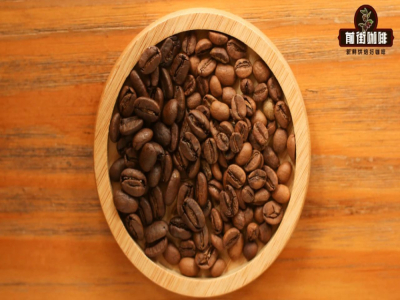
I believe everyone knows that in order to effectively release the flavor and aroma of coffee beans, they must be roasted at high temperatures, and the roasting degree suitable for the coffee must be selected based on the characteristics of the green beans. Sometimes even the same beans may produce completely different coffee flavors due to differences in the degree of roasting. Worth noting
Read more →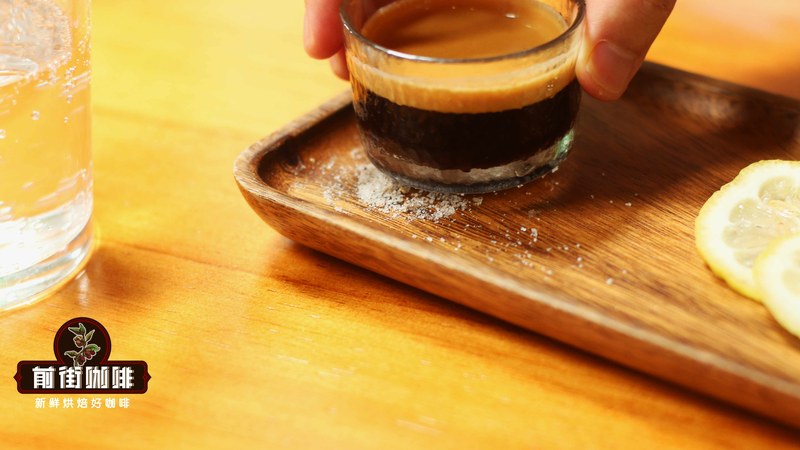
The charm of dark roasted coffee beans lies in the clear roasted aroma, cocoa feel and solid texture in the mouth. It is especially easy to show the warmth when made into hot coffee. It is not only suitable for concentrating or adding milk, but also can be adjusted to different rhythms in the morning, during work breaks, after meals and during ice drinking periods by adjusting the cup shape and concentration. Breakfast with bread
Read more →
We often hear some baristas describe various flavors. Although it sounds mysterious, in fact it can be roughly divided into three categories: sour, bitter, and a balance of sour and sweet and bitter, which correspond to light roast, dark roast, and medium roast respectively. Today Front Street will talk to you about the characteristics of these roasting levels, and at the same time, we will
Read more →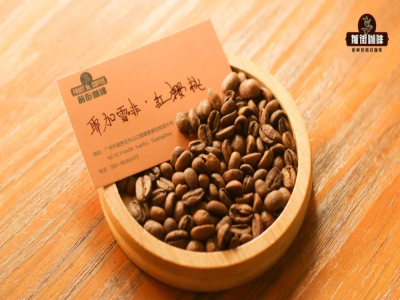
Coffee is originally just the seeds of the fruit. After processing, it becomes green coffee beans. The raw coffee beans themselves do not have a particularly obvious coffee aroma. Only after the coffee beans are roasted can you smell the rich coffee aroma. Therefore, the roasting of coffee beans is the transformation process of the internal components of the coffee beans. Only after roasting
Read more →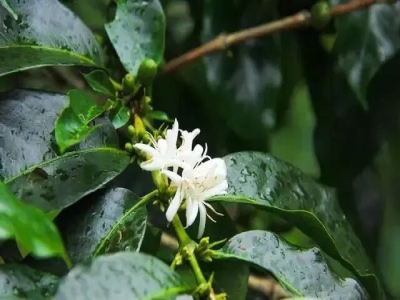
Geisha refers to a coffee variety that originally came from Ethiopia, the birthplace of coffee. After continuous selection, it came to Central and South America. It became famous in Panama in 2004 and became popular in the consumer market because of its iconic flavor. Geisha coffee green beans are slender in appearance, and the cooked beans have a strong fruity aroma, accompanied by
Read more →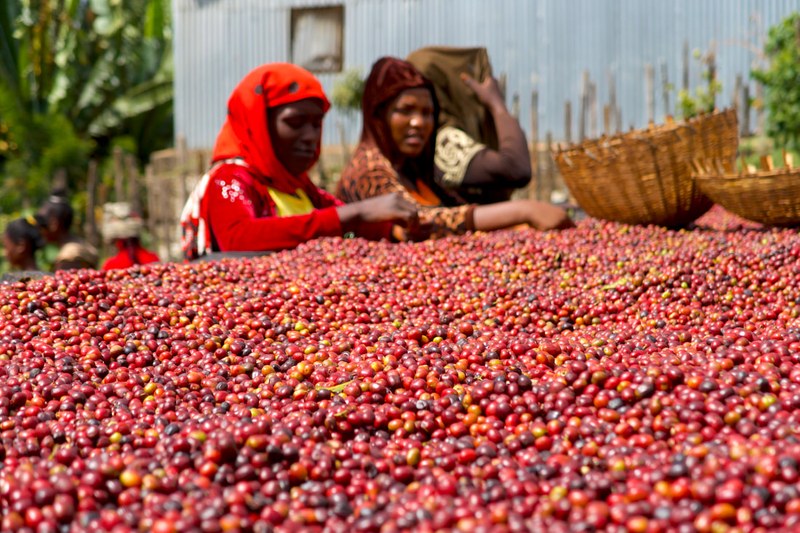
When choosing ration beans under a hundred dollars, you can put complicated information aside. Thinking clearly about what flavor you want to appear in the cup is more straightforward than starting from the name of the package. Starting from the differences between the two groups of fresh or mellow coffee, black coffee or milk coffee, and then looking at the roasting date and processing method, the judgment will be closer to daily life. Water quality will cost you hundreds of dollars
Read more →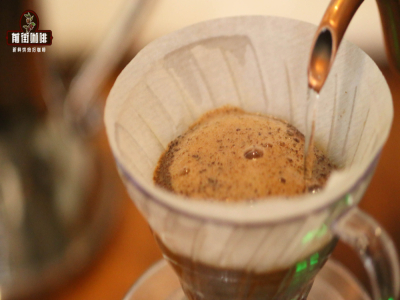
The Geisha variety originated from Ethiopia, the birthplace of coffee. It was discovered in the Geisha forest in Ethiopia in 1931 and was sent to the Kenya Coffee Research Institute. It was successively introduced to Uganda, Tanzania, Costa Rica and other countries, and was introduced to Panama in 1970. Geisha was originally bred in Panama
Read more →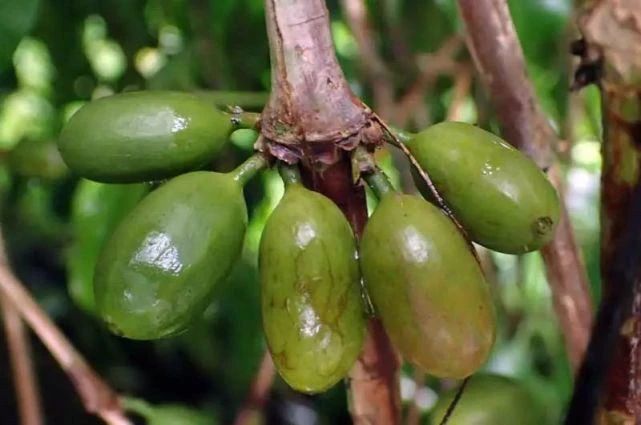
SOE refers to espresso coffee from a single origin or a single batch. After it is made into American style, whether the acidity will be prominent depends on the flavor base of the beans, roasting direction, concentrated extraction and water ratio. It is not "SOE must be sour", it is also American style, some are like citrus juice, some are close to dark chocolate, and some are presented.
Read more →Be the first to know about new bean releases, brewing tips, promotions and cupping notes

Scan to Follow Front Street Coffee on WeChat
