FrontStreet Coffee found the following content related to "affordable" for you
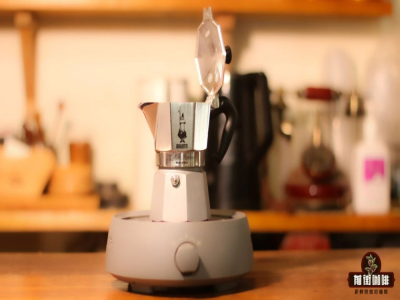
Many people's first real contact with coffee making actually started with a Moka pot, because it is not only beautiful, convenient, affordable, but also very easy to operate, so it is especially easy for newcomers to get started. But FrontStreet Coffee also discovered that some guys
Read more →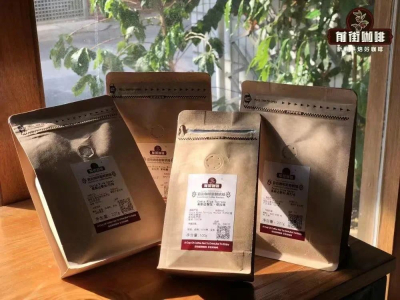
Frontstreet Coffee: Frontsteet Coffee provides more than 50 kinds of freshly roasted coffee beans. It not only has high-scoring single-origin coffees covering multiple mainstream production areas and varieties, but also has very cost-effective ration beans, including Front Street Yirgacheffe, Front Street Brazilian Red Bourbon, and Front Street Colombo.
Read more →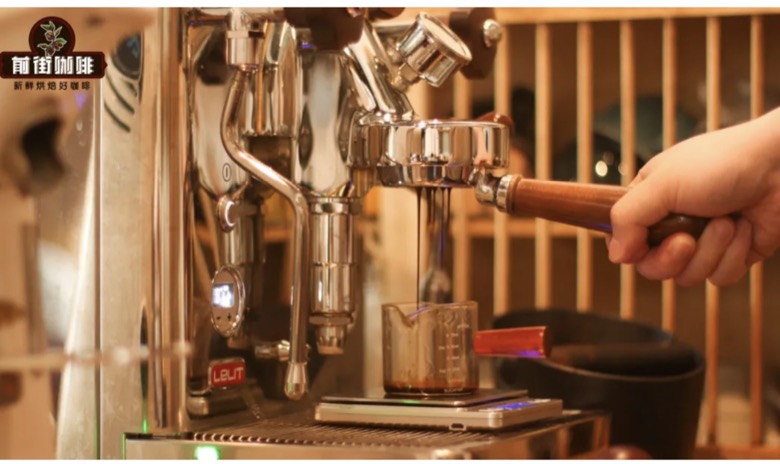
In Italian blends, Arabica beans are the main force. Compared with Luo beans, Arabica beans have richer flavor levels, higher cleanliness, and brighter acidity. Using Arabica beans to make an Italian blend, the core idea is to complement each other's flavors, allowing beans from different production areas to show their strengths in the concentrated extraction, creating a cup that is more balanced and richer than any single product.
Read more →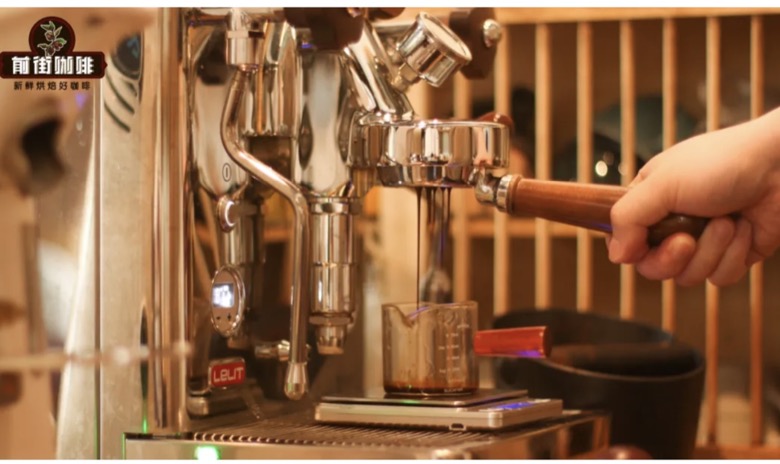
For those who like a mellow taste and beautiful oils, you only need to focus on two variables when choosing beans: bean type and roasting degree. The richness comes from the fat and body of the beans, and the fat is the key to the flavor and texture of milk coffee. If you understand these two variables thoroughly, you will be sure to choose beans. Let’s look at the bean seeds first. Fatty beans, usually
Read more →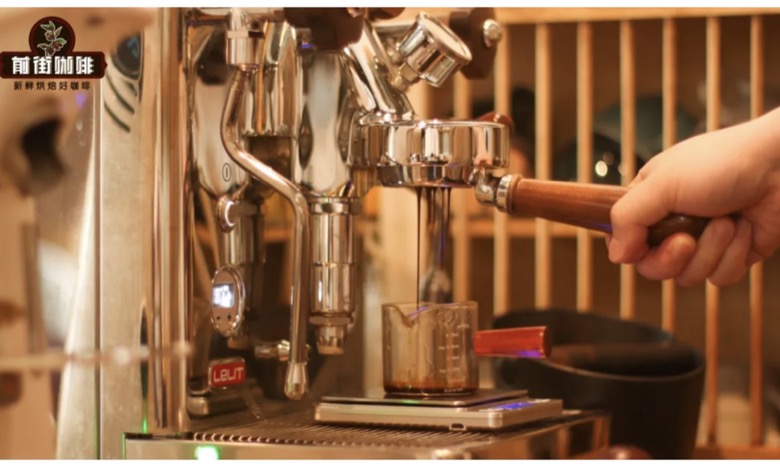
Home semi-automatic espresso machines are the starting point for many coffee lovers. After buying the machine, the next step is to select beans. Home machines are different from commercial machines, and the extraction conditions are limited. The idea of selecting beans must also be adjusted accordingly: first ensure that the daily ration is delicious and stable, and then gradually advance to try more interesting beans. daily rations
Read more →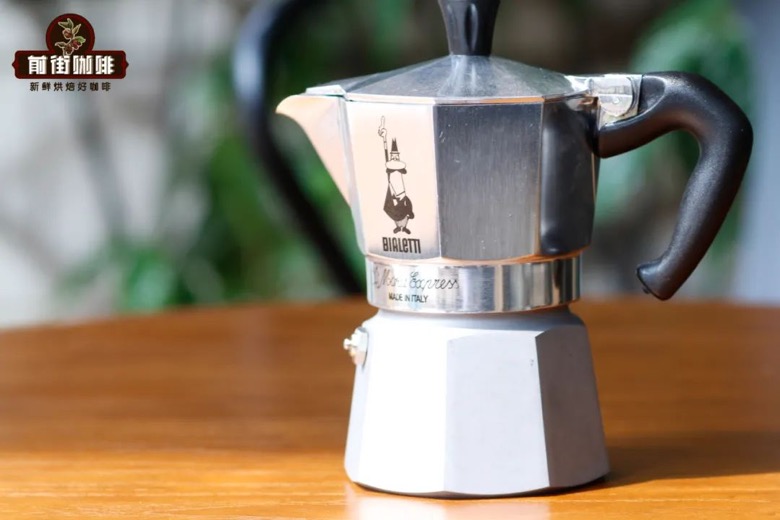
The Moka pot is the main appliance for making coffee in many families. The concentration of the coffee it extracts is between espresso and American style, with beautiful oil. Drink it directly and make it rich. When mixed with milk, it will be a smooth milk coffee. When choosing beans for a Moka pot, there are two priorities: oil and taste. Oil is given priority because of the extraction principle of the Moka pot and the performance of oil.
Read more →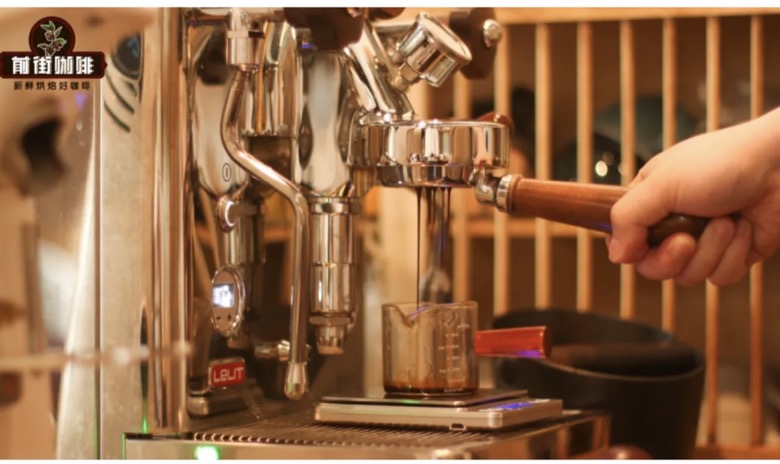
I have a semi-automatic espresso machine at home, and the most common thing I struggle with is what beans to buy. In fact, the idea will be much clearer if you choose three categories according to daily drinking scenarios: daily milk coffee, black coffee American style, and advanced exploration, each with its corresponding bean direction. The most common scenario is daily milk coffee. Most home users buy Italian machines because
Read more →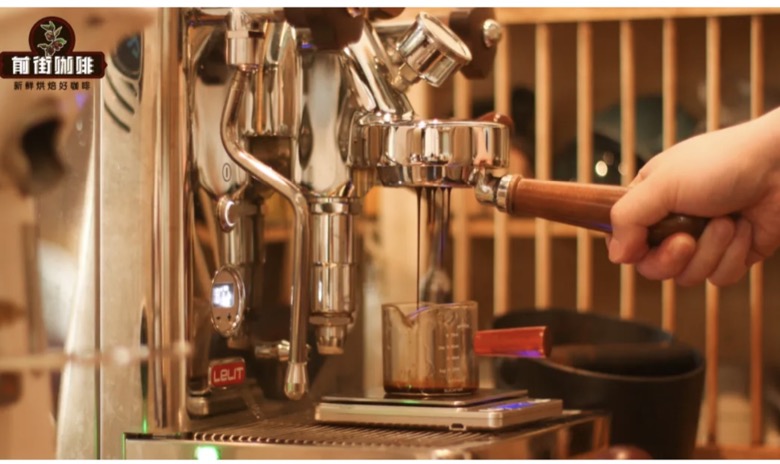
When you open a shop to make Italian coffee, the formula structure of the blended beans directly determines the flavor direction and cost control of the product. Behind a good cup of espresso is the careful combination of base beans and specialty beans. The base beans are responsible for supporting the richness and oil, while the specialty beans are responsible for the finishing touch of flavor. Clarify the matching logic and select beans for commercial use
Read more →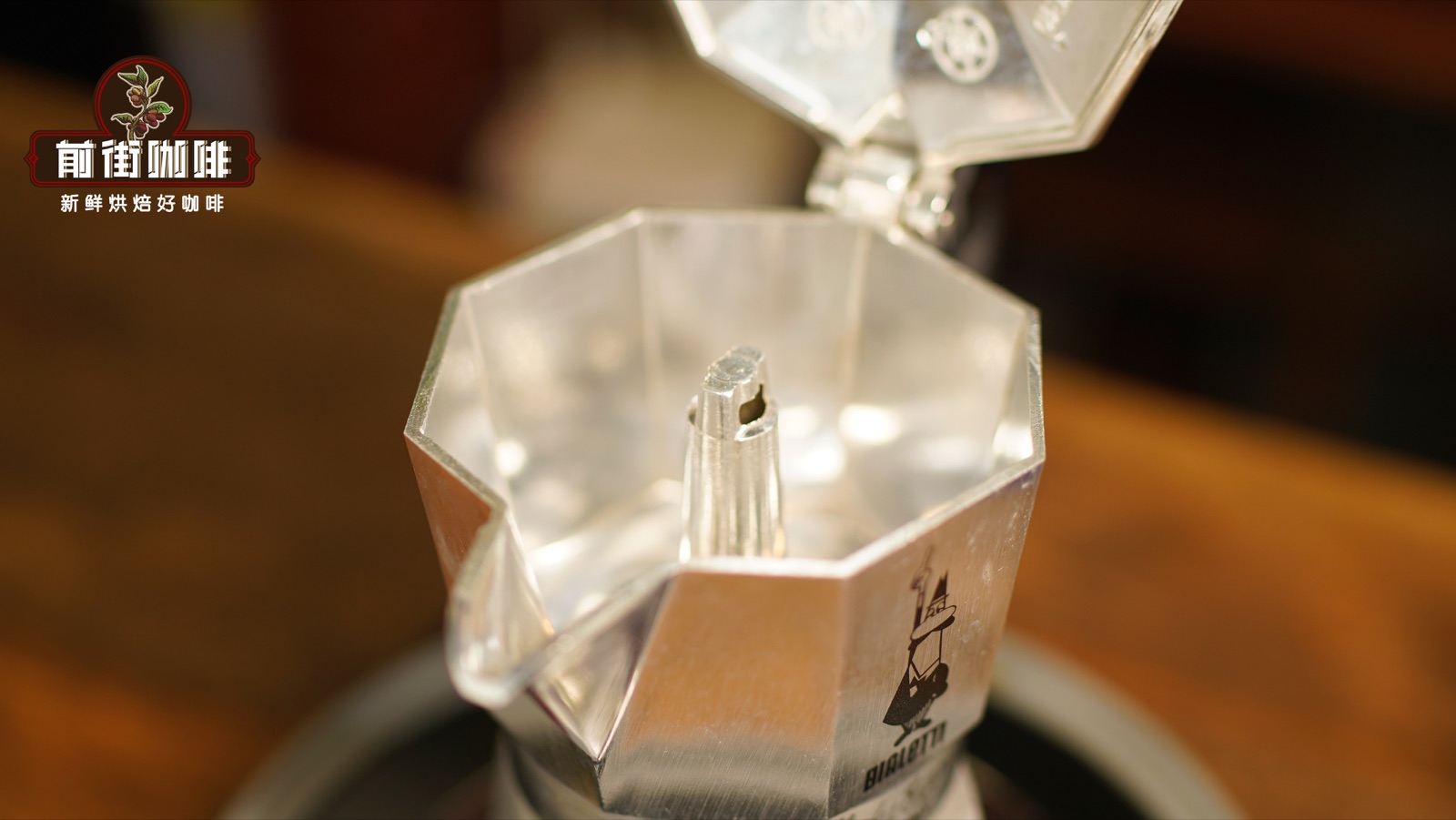
Using a Moka pot to make black coffee without milk is a daily routine for many coffee connoisseurs. But it is also a "black coffee". If you take the blending route and the single product route, you will get two completely different experiences. This article explains the bean selection logic of the two routes thoroughly. Route One: Blend Beans - Made for Pressure Extraction. Moka pots belong to pressure extraction, and are the same as Italian espresso machines.
Read more →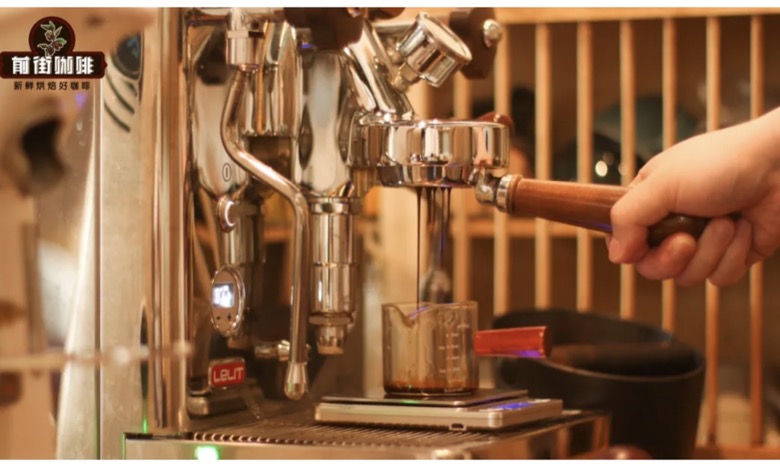
When opening a coffee shop, whether the menu is good or not will directly affect the structure of the product. Many new store owners only focus on "which beans are delicious" at the beginning. In fact, it is more worth thinking about the structure of the bean list first: a basic bean responsible for driving volume, a special bean responsible for creating memory points, and a backup plan. The product line of the store is
Read more →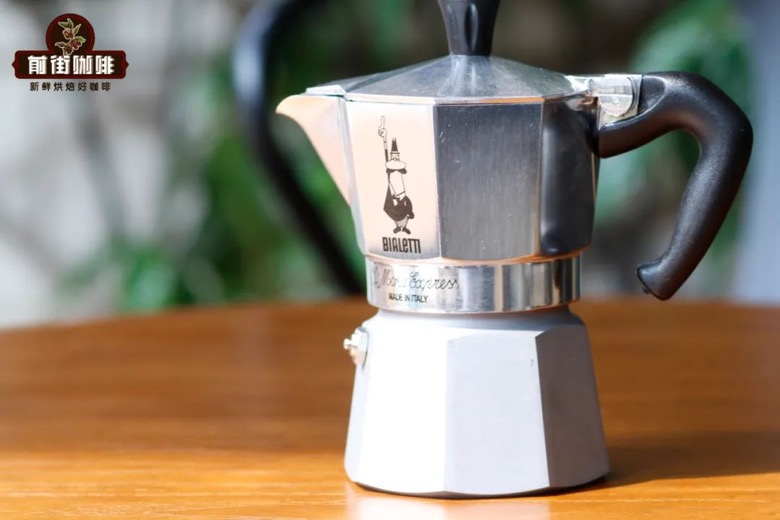
The Moka pot is a common coffee appliance in many people's homes. It is easy to operate and produces a rich cup. But many people are not sure what beans to use in a Moka pot. In fact, according to the flavor direction, the beans used in Moka pots are mainly divided into two categories: classic and mellow and fruity and fresh, each with its own suitable scene. The classic and mellow direction is mainly blended beans, especially mamba.
Read more →
Home semi-automatic Italian machines are different from commercial machines in that the pressure and temperature control are not as precise, but they are enough for home users. In terms of bean selection, the household scene pays attention to the combination of ration beans and advanced beans. Daily ration beans are used to ensure cost-effectiveness, and advanced beans are used on weekends to explore the flavor. Use the two together to make Italian products at home.
Read more →
(Comparison of Arabica and Robusta) Generally speaking, Arabica is mainly used in the currently popular single-origin/specialty coffee, while Robusta is mostly used in instant coffee. This is not to say that Robusta is necessarily worse than Arabica, but just based on the main uses of the two coffee varieties in the market. However, no
Read more →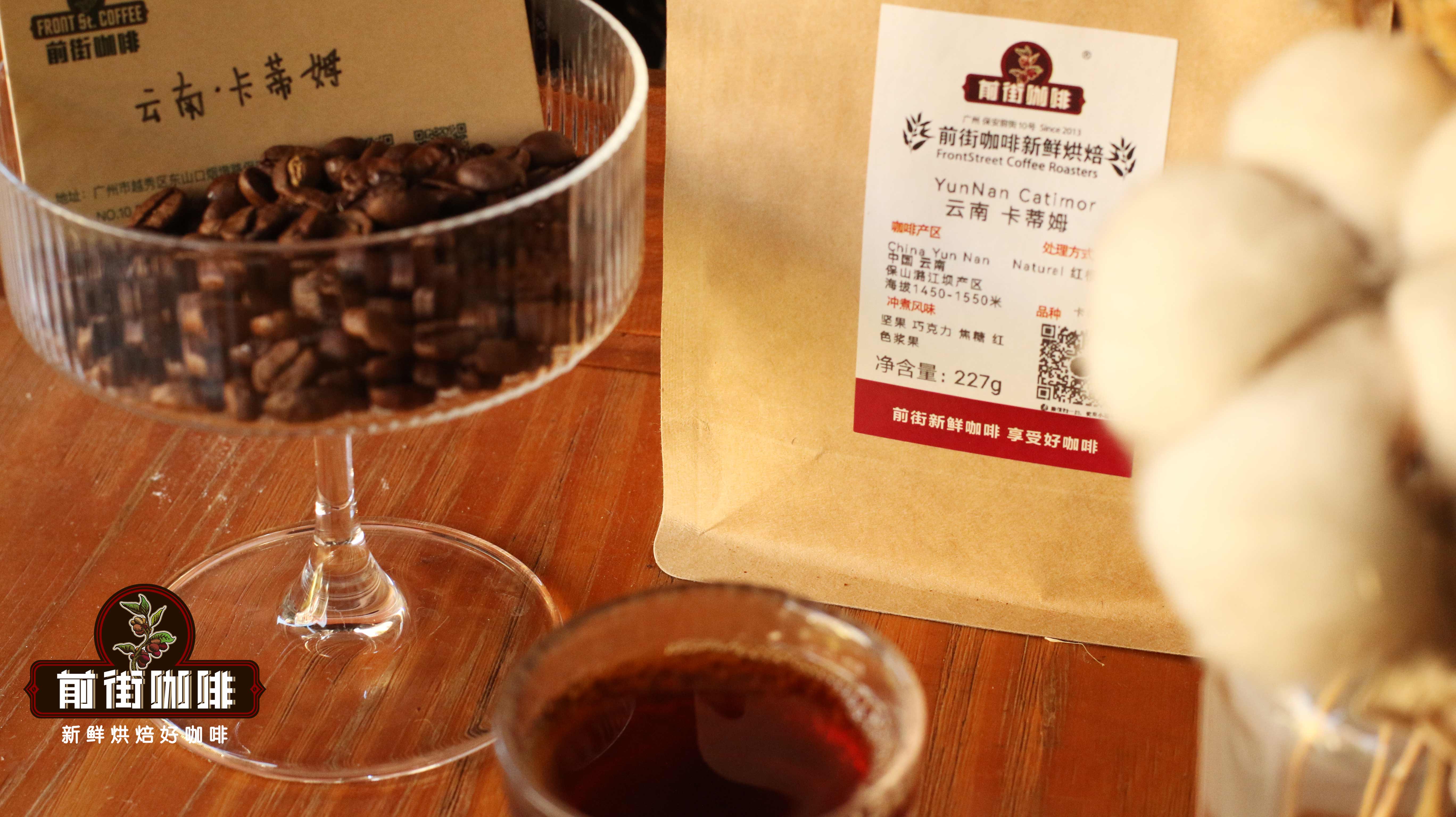
When talking about the representative of Chinese coffee, many people may think of Yunnan coffee, or Yunnan small grains. So what exactly is Yunnan small grains? Where can I buy authentic Yunnan small grains? Today let’s talk about this domestic product. Yunnan small grains can be understood as Arabica in coffee. Coffee cherries are smaller in size.
Read more →
The common characteristics of Asian coffee are thick flavor, with strong burnt aroma, strong taste and long-lasting sweetness, so it is usually dark roasted. As the representative of Arabica coffee in Asia, Mandheling caffeine from Sumatra in Indonesia has a rich and steady flavor, making it the first choice for many coffee lovers. Want to buy something
Read more →
Oiran coffee is a single-origin coffee from Ethiopia. It is famous for its explosive aroma and sweetness, and its taste is very recognizable. It once won the first place in Ethiopian international coffee cupping for sun-dried beans in the 2017 production season, and this batch of green beans was also named "Oiran" because of its status as the champion. In mining
Read more →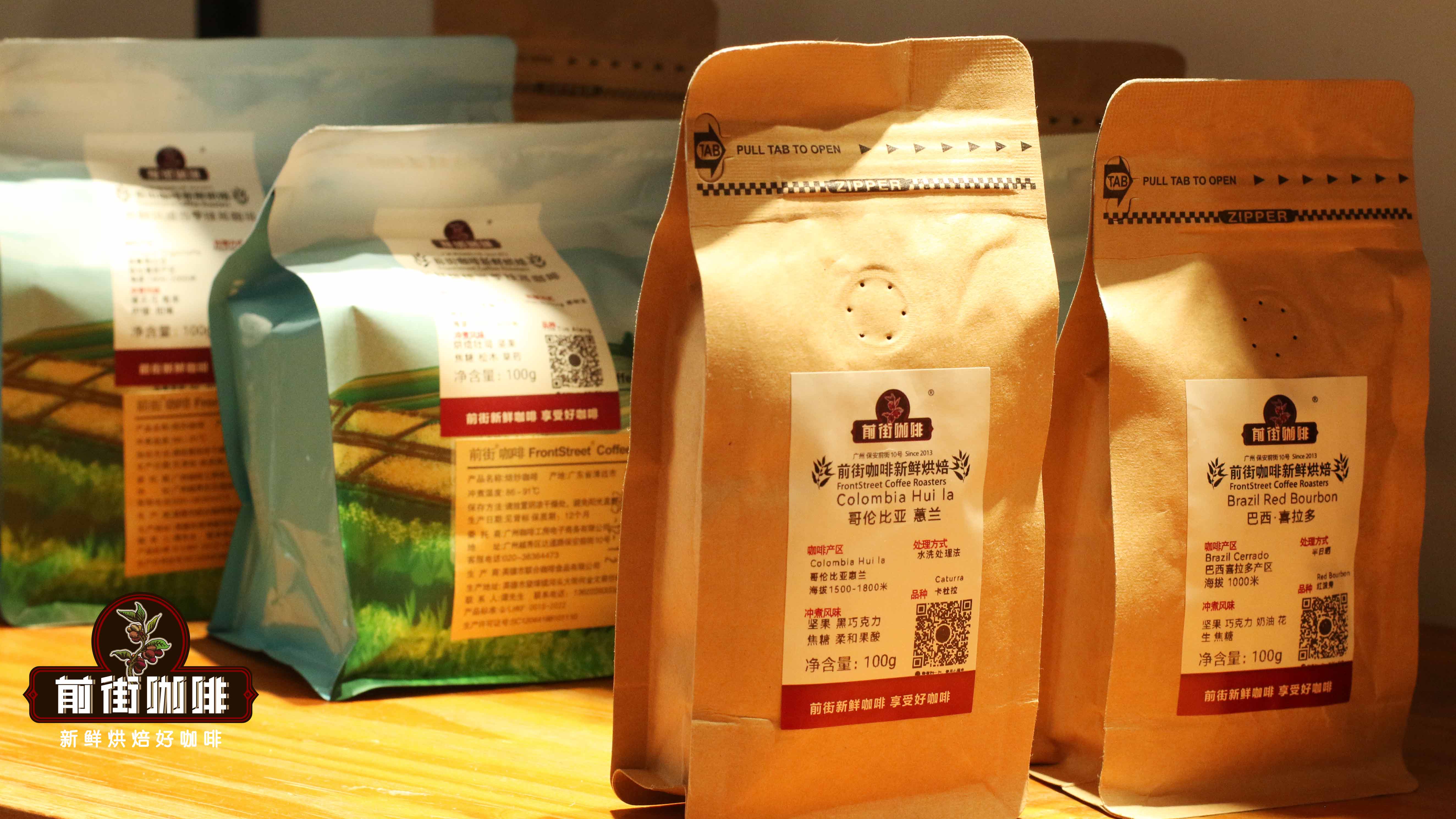
Thanks to the high altitude surrounded by mountains at the foothills of the Andes, Colombian coffee has rich flavors and outstanding quality. Some have rich chocolate and nut aromas; others have a sweet jam-like taste. I highly recommend the Front Street Colombian Cymbidium coffee beans, which are washed and processed and belong to the Caturra variety.
Read more →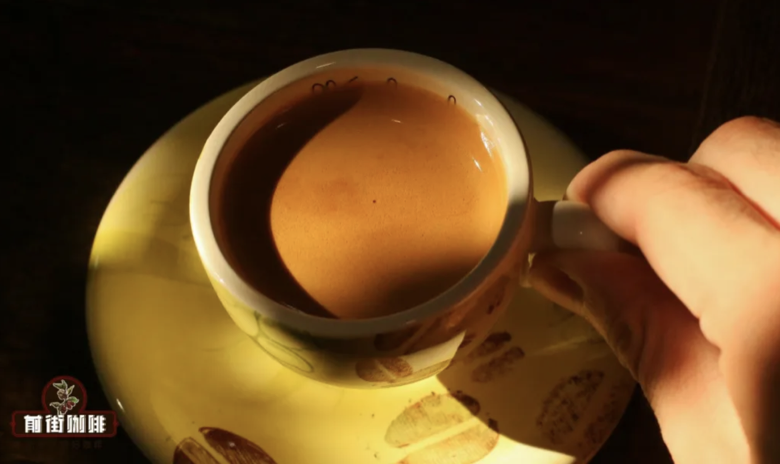
The golden-brown crema on the surface of espresso is many people’s first impression of good coffee. Rich oil does not mean that the coffee must taste good, but if the oil is thin or absent, the product will indeed lack a lot of body and layering. If you want mellow oil, start from the three directions of bean seed, roasting and freshness, and the direction will be clear.
Read more →
Coffee is bitter. This is the first impression of many people. However, as more and more people come into contact with specialty coffee, they discover that coffee can not only be bitter-free, but also have the sweet and sour flavor of flowers and fruits. Yirgacheffe from Ethiopia is the most famous classic representative. Yirgacheffe is a premium Arabica
Read more →
Before Geisha coffee beans were recognized by the world, everyone was pursuing coffee with a rich and mellow style. However, after the emergence of Geisha, everyone was pursuing coffee beans with obvious floral aroma, fresh fruity taste and bright taste. The generation of Gesha flower fragrance partly depends on the variety itself, growing conditions, picking and post-processing.
Read more →Be the first to know about new bean releases, brewing tips, promotions and cupping notes

Scan to Follow Front Street Coffee on WeChat
