Browse all articles and notes in the "Coffee Beans" category of FrontStreet Coffee

The flavor formula of latte is half equal to half beans and half milk - but most people only study beans and take milk as a natural background. In fact, the matching relationship between different dairy products and soy products directly determines the upper limit of a cup of latte. This article gives latte players a set of soy milk adaptation methods. First understand the variables of milk. There are three contributions of milk: milk
Read more →
A good bean deserves a complete ceremony. The unique charm of hand brewing lies partly in the flavor and partly in the process - from weighing and grinding the beans to adding water and tasting, every step can be designed as an experience session. From the perspective of "experience orchestration", this article talks about how to make a hand punch a time worth slowing down. The opening of the ceremony: grinding
Read more →
Flowery and fruity beans have their own halo, but when you use them to make a cup of black coffee (American style or hand-brewed) without sugar or milk, the expression of fruit acid is the key to success: if you make it well, the sourness and sweetness are balanced, bright and clean; if you don't make it well, it will be so sour that you will frown, and it will be as light as water. This article talks about the parameters and ideas for making black coffee from guava beans. There is only one core issue -
Read more →
After the De'Longhi coffee machine arrives at home, most people only have random bonus beans or commercial beans they buy casually, and the official ration beans are still on the way. There is a "transition period" between turning on the machine and drinking it stably. The bean mixing strategy during this period directly determines your initial impression of the machine. This article gives users of new phones a set of random beans to
Read more →
"The body of this bean is very thick" - many people seem to understand this sentence in the review. What exactly is body? If you say it's the texture, it's not the taste on your tongue; if you say it's the weight, there's obviously the same amount in the cup. This article will take you to systematically train your perception of body, for those who know how to drink coffee "
Read more →
The recipe for a bean blend is like a musical score: each bean is a voice, and the roaster's job is to get them to sing together in the cup to create the designed flavor. This article takes two classic recipes from the front street as an example to break down the role of Arabica beans in blending. Once you understand the design logic, you can read the recipe list of any blend.
Read more →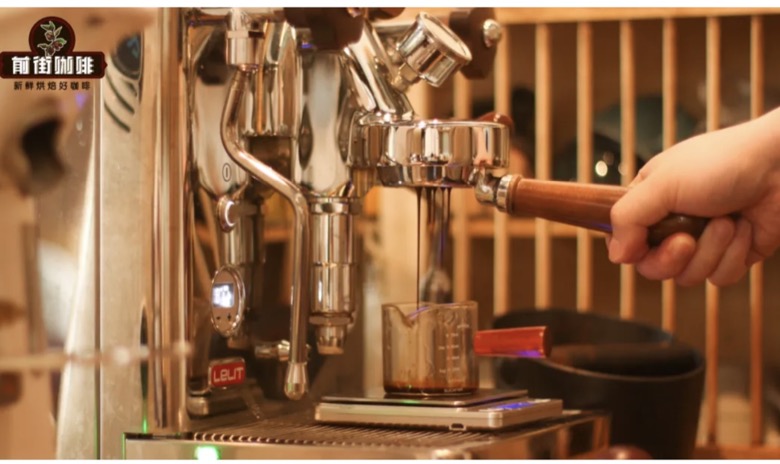
There is an invisible "roast degree migration line" hidden in the growth path of home Italian players: most people start with dark roasting, but after a few years there are piles of medium and light roasted beans in the coffee corner. This is not a simple change of taste, there is a clear logic of taste development behind it. Looking back at this migration line, you can have a clearer understanding of where you have reached.
Read more →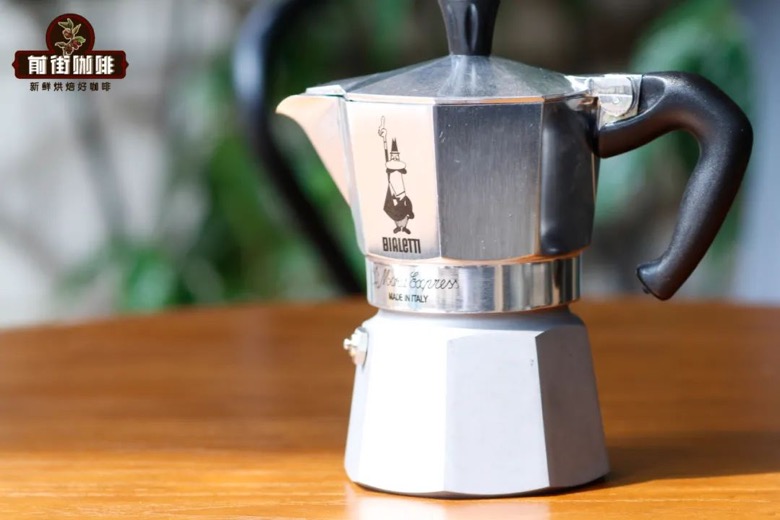
The extraction pressure of a Moka pot is between that of a manual brewer and an espresso machine. This characteristic of "neither higher nor lower" makes it particularly sensitive to the degree of roasting - the same beans are made in a Moka pot, and the difference between medium roasting and dark roasting is more intuitive than other appliances. If you want to know what roasting degree of beans goes with a Moka pot, first check the performance of each roasting degree in the pot.
Read more →
When selecting beans for cold brewing, we talk a lot about the place of origin and processing methods, but the roasting degree is often ignored. Cold brew made from the same green beans, medium roasted and dark roasted, are two different drinks. This article separates out the variable of roasting degree and explains it clearly to help you match beans to the cold brew pot. First understand a basic fact: the low temperature environment of cold brew will amplify certain
Read more →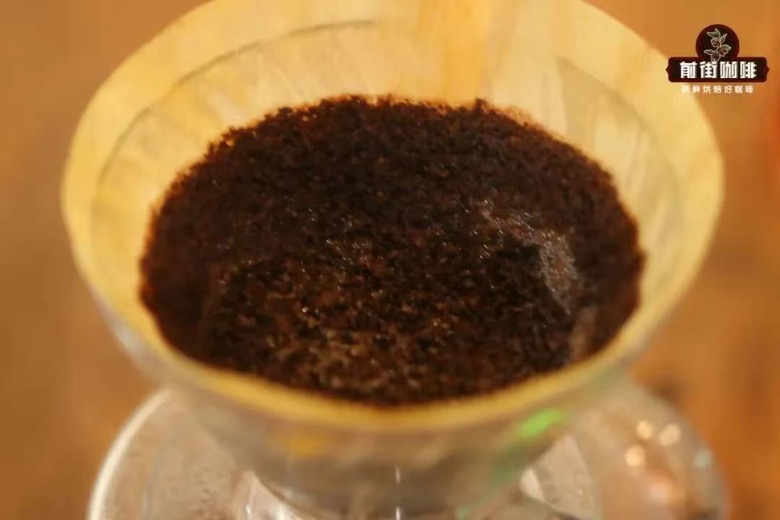
Most people's way of preparing beans is: first look at the production area, then read the flavor description, and finally place an order. But this order is not friendly to novices - Ethiopia, Colombia, Guatemala, these place names are just place names if you don't understand them. A more convenient way is to reverse the order: first figure out what flavor you like
Read more →
Whether the base beans in a store are correct or not depends on the bean testing process. Many store owners make a decision after getting a sample, making a cup and trying it, which makes it easy to miss key information. A complete bean testing process can turn the matter of changing beans from a feeling to a basis. When you get the sample beans, check the condition first and then the flavor. Is the bean raising period coming?
Read more →
In the Italian world, that layer of golden-brown crema is what many players are chasing. Whether the fat is thick or fine, directly affects the fusion between the concentrated taste and milk coffee. There is a clear logic from the bean level that determines the performance of fats - variety, ingredients and roasting, three factors are written together.
Read more →
Whether a cup of latte tastes good or not is largely determined by the relationship between milk and beans. When the milk fat, lactose and protein enter the coffee, a series of flavor chemical reactions will occur - understanding these reactions will help you understand how to balance the equation for latte bean selection. Let’s first look at what milk does to coffee. The richness brought by butterfat will
Read more →
After drinking hand-brewed coffee for a long time, many people will find a phenomenon: some coffees are forgotten after drinking, while others are remembered for several days. The difference between the two lies in the "memory point" - the flavor signature that sticks in the soul after one bite and is never forgotten. This article talks about how to understand and find memorable hand-brewed beans from the perspective of quality control and bean selection. memory
Read more →
The turning point for many people to fall in love with coffee is when they drink a cup of "American juice like juice" one day - no burnt bitterness, no smoke, and bright fruity acidity and floral aroma in the mouth. This turning point is not luck, but an advanced path that can be actively trained. This article explains clearly the sensory logic and training methods of floral and fruity American style.
Read more →
De'Longhi is a brand with a large number of home coffee machines in China, ranging from entry-level machines worth 1,000 yuan to fully automatic machines worth 10,000 yuan, covering almost all home scenarios. But many users overlook one thing: the extraction characteristics of the machine determine its requirements for bean types—if the beans are not selected correctly, no matter how good the machine is, it will not be able to produce good coffee. First
Read more →
In the Italian world, that layer of golden-brown crema is what many players are chasing. Whether the fat is thick or fine, directly affects the fusion between the concentrated taste and milk coffee. There is a clear logic from the bean level that determines the performance of fats - variety, ingredients and roasting, three factors are written together.
Read more →
The upper limit of the flavor of espresso is largely determined by the type of beans. Robusta brings thickness and oil to the concentrate, while Arabica brings flavor and layer to the concentrate - understanding the expression logic of Arabica in the Italian system is the key to understanding an Italian bean list. Let’s start with the ingredient structure. Caffeine in Arabica
Read more →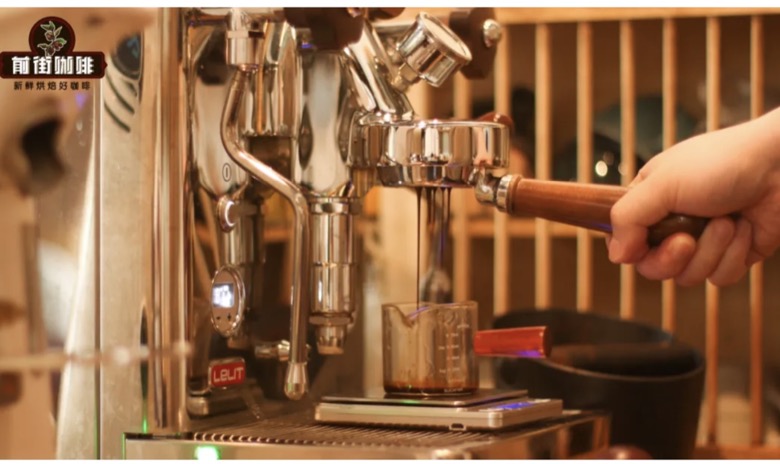
When you reach a certain stage of home semi-automatic play, you will all encounter the same problem: How to prepare beans? If you only stock up on one type, you’ll be afraid of getting tired of it, and if you buy too many, you’ll be afraid that it won’t be fresh. The answer is to plan the bean cabinet according to a two-layer structure - the daily ration layer and the weekend exploration layer. Each of the two layers has its own bean selection logic. The requirements for daily rations are stability, balance, and cost-effectiveness.
Read more →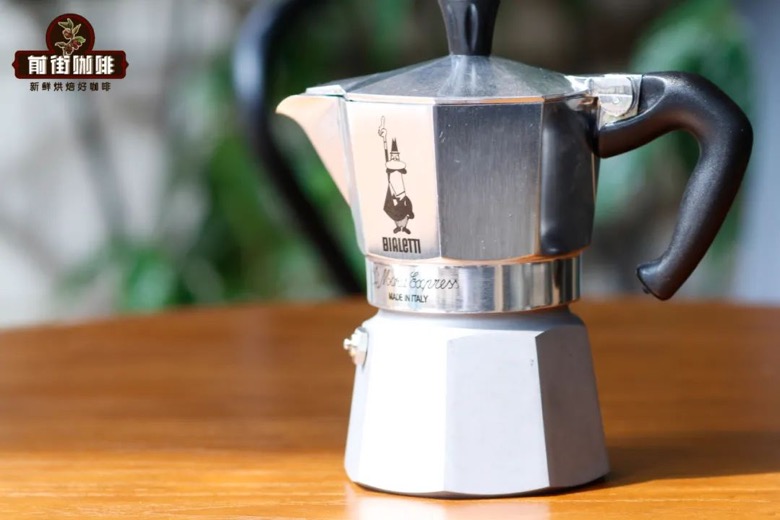
The Moka pot looks like just a small kitchen appliance, but in fact it is a small pressure extraction device: the water tank at the bottom is heated to generate steam, and the pressure pushes the hot water through the powder layer, and espresso coffee pours out from the upper pot. This principle determines the extraction characteristics of the Moka pot, and also determines the three things that cannot be avoided when selecting beans: pressure, temperature and time.
Read more →Be the first to know about new bean releases, brewing tips, promotions and cupping notes

Scan to Follow Front Street Coffee on WeChat
