Browse all articles and notes in the "Coffee Beans" category of FrontStreet Coffee
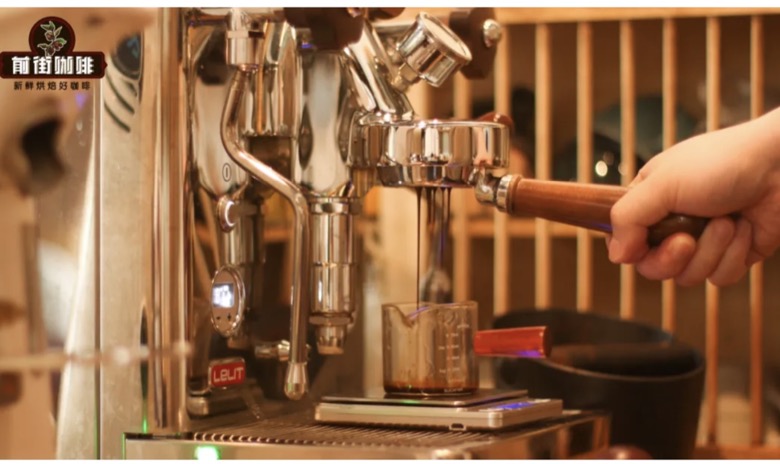
Many home coffee lovers allocate a large part of their budget to a coffee machine, but they only have a grinder. But in fact, in home semi-automatic Italian style, the grinder is the link that really determines the upper limit of bean selection. The uniformity of grinding is directly related to the stability of extraction. No matter how good the beans are, if the powder thickness is uneven, too much fine powder will cause problems.
Read more →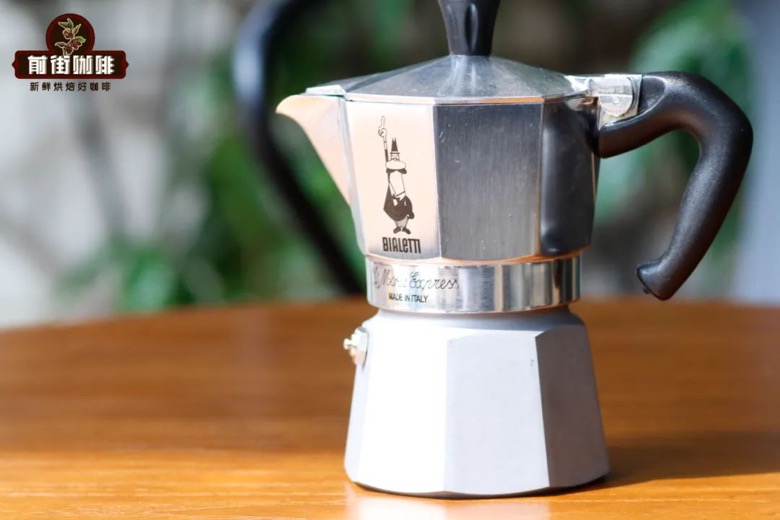
When choosing beans for a Moka pot, many people only look at the roasting degree and flavor description, but ignore the capacity of the pot itself. Moka pots on the market range from one person to six people. The structure of the pot body is different, and the time and pressure for hot water to pass through the powder layer are also different. The same beans in pots with different capacities can have different tastes.
Read more →
For the same cup of iced coffee, cold brew and ice brewing take two completely different paths. Ice hand brewing uses hot water to quickly extract, and then relies on ice cubes to lock the aroma. The flavor structure is close to that of hot hand brewing, with bright acidity and rising aroma. Cold extraction allows the coffee powder to be soaked in low-temperature water for a long time, so that less bitter substances are dissolved, and the taste is round and sweet.
Read more →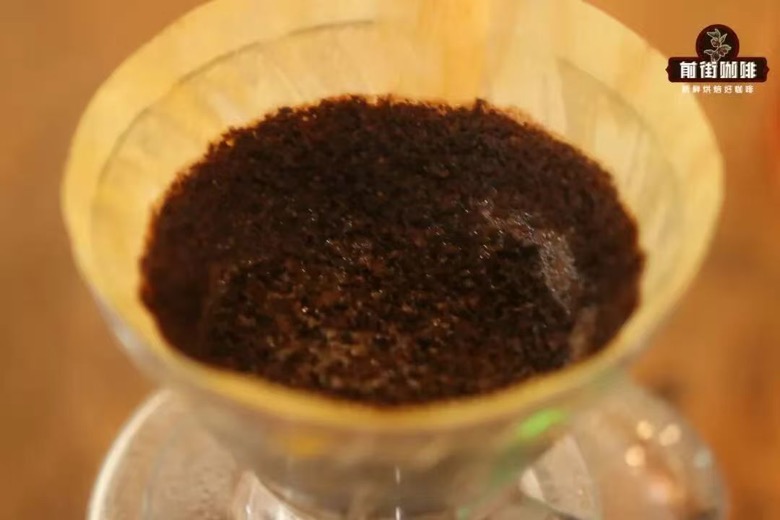
Coffee is an agricultural product and is as seasonal as fruit. Many people stare at the baking date on the package to check the freshness. In fact, going one step further, there is a larger calendar worth keeping in mind, which is the production season table of the northern and southern hemispheres. When the beans fall from the tree and when they are processed determines which time of year they fall.
Read more →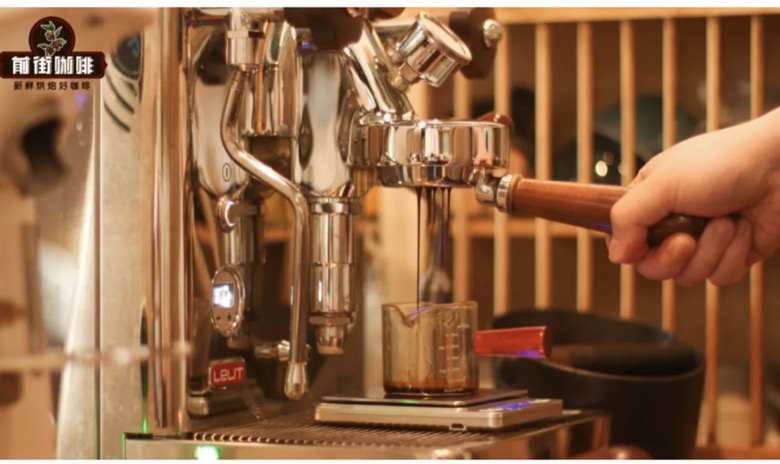
Everyone who opens a store knows that during the dozens of minutes during the noon peak and evening peak, the speed of cup dispensing is the turnover. However, many store owners only look at the flavor description when selecting beans, forgetting that the beans themselves will also affect the production rhythm. The powder cake is loose and the oil is sometimes too much or too little. The barista has to go back and forth between pressing the powder and extracting it, which can take more than ten seconds per order.
Read more →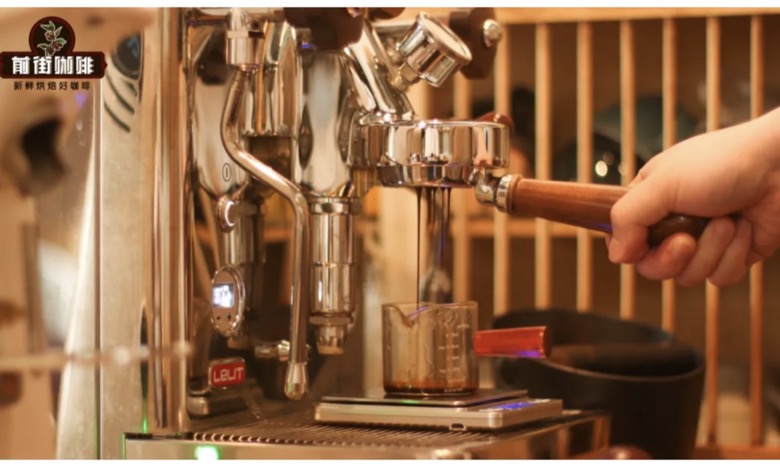
De'Longhi's fully automatic espresso machine combines grinding, powder pressing, and extraction into one button, and the water temperature, water pressure, powder volume, and time are all locked in a stable range by the program. Many people think that the more automatic the machine is, the less important the beans are. In fact, the opposite is true: just because the parameters are fixed, the flavor and character of the beans themselves will be affected.
Read more →
As the quality of Yunnan coffee beans improves, most specialty coffee shop menus include Yunnan beans as an option. Among them, they are generally referred to as Yunnan beans. This makes people curious, what kind of coffee is called arabica coffee? So what is Yunnan arabica coffee? What is arabica coffee? Small
Read more →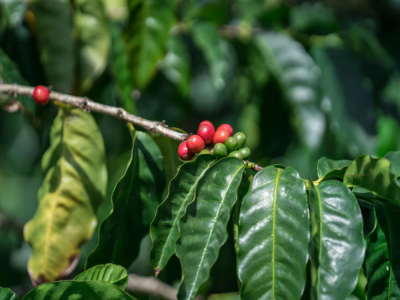
When we look up Yunnan coffee, the word that appears most often is "coffee arabica", and the early Yunnan arabica coffee was famous for its oldest native variety, Typica. Today, let’s talk about the characteristics of Typica coffee beans grown in Yunnan production areas. How Typica Coffee came to the cloud
Read more →
Both Hainan and Yunnan in China are places where coffee is grown, and Yunnan is the largest producer of coffee in China. Yunnan coffee is also called Yunnan arabica coffee and is known as "fragrant coffee". Yunnan's coffee output has been around 26,000 tons per year in recent years, accounting for 90% of the national output. Coffee is a beverage crop with high economic value.
Read more →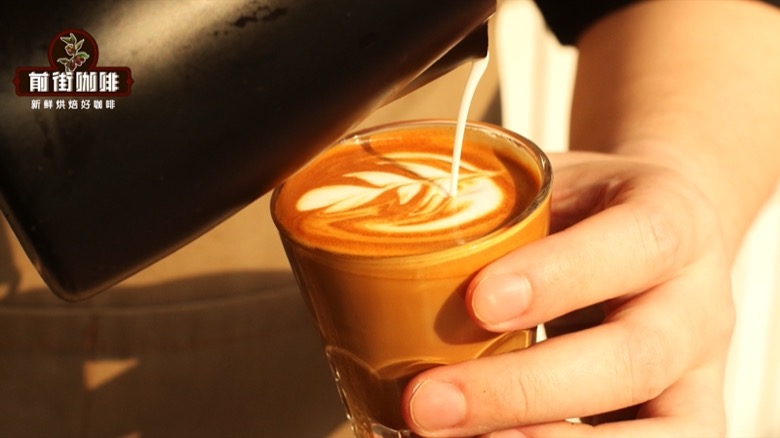
In a cup of latte, milk occupies the vast majority of the volume, and the coffee only has a small cup of concentrated base. If you want this cup of milk coffee to have a clear coffee flavor, when selecting beans, you must look at the concentration and structure of the flavor substances, which is often referred to as penetration. Beans with strong penetrating power create a clear latte with a clear boundary between milk and coffee.
Read more →
When brewing beans, the list of flavor descriptions on the packaging is often dazzling: floral, berry, caramel, oolong tea... These words are not marketing words, but the actual flavor direction that the roaster tastes when cupping. If you want to pick distinctive beans, the first thing to do is to treat these labels as beans.
Read more →
Many people's impression of American style is still bitter and bland. In fact, whether a cup of American style tastes good depends on the beans and the cooking method. Americano is essentially diluted coffee liquid. Whatever aroma the beans have, that aroma will appear in the cup. If you want Americano to have a floral and fruity aroma, choosing the right origin of the beans is more important than anything else.
Read more →
The golden brown layer of oil on the espresso is the starting point for many people to fall in love with Italian coffee. It is not something extra, but the result of the combined action of carbon dioxide and lipids in the coffee beans during high-pressure extraction. The higher the fat content of the beans themselves and the looser the structure after roasting, the more gas and oil they can release.
Read more →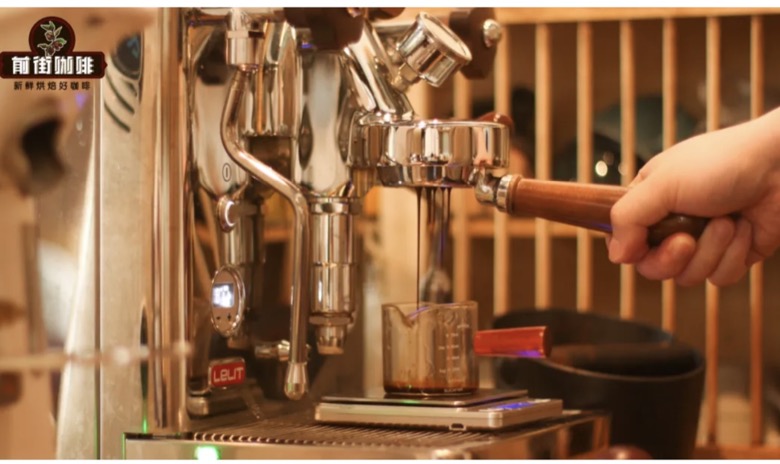
Whether that cup of espresso every morning tastes good or not is often determined before grinding the beans. Among the beans used in Italian style, Arabica is an unavoidable name. It is born with richer aroma substances and higher sugar content than other beans. These invisible ingredients pass through the coffee when high-pressure hot water passes through it.
Read more →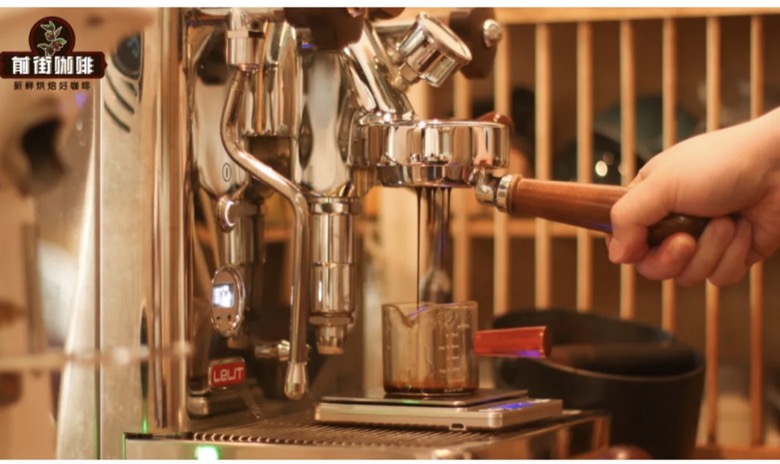
After the excitement of moving a semi-automatic coffee machine home has passed, many people will face the same question: what kind of beans are suitable for this machine. Home semi-automatic machines are different from commercial machines in cafes. There is a gap in the stability of extraction pressure and temperature, so when choosing beans, you may want to give priority to beans with high tolerance.
Read more →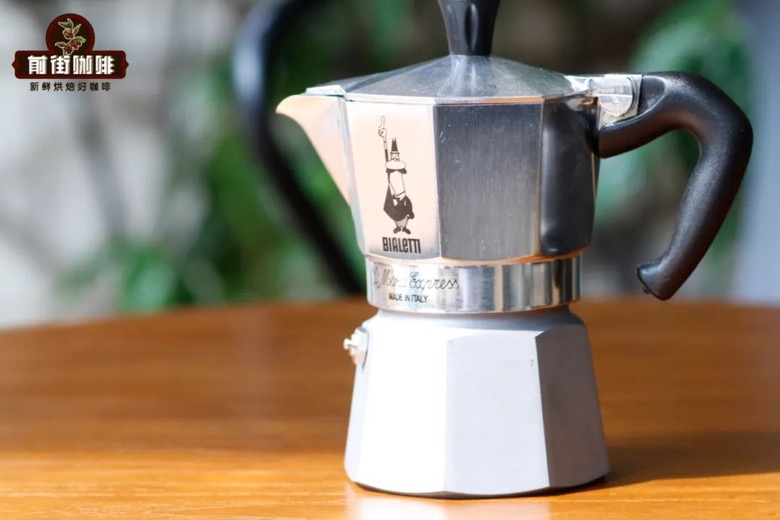
The Moka pot generates steam pressure through heating, pushing hot water through the layer of coffee grounds to complete extraction. In this process, the water temperature is higher and the contact time is concentrated, so the substances in the coffee powder will be quickly dissolved. Under such extraction conditions, roasting degree becomes the key variable that determines the direction of a cup of Moka pot coffee. Lightly roasted beans in moka pot
Read more →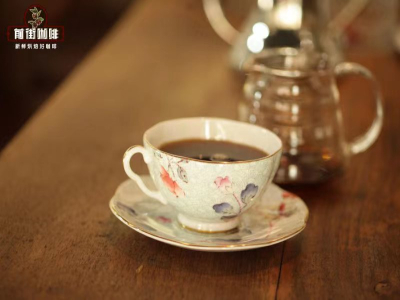
In the early years, many people didn’t even know that Yunnan could produce coffee, not to mention whether Yunnan’s coffee tasted good or not. Because coffee is an imported product in my mind, it was by chance that a missionary planted a coffee bean in Yunnan, which ultimately started the history of coffee cultivation in Yunnan. Specialty coffee in recent years
Read more →
The charm of cold brew coffee lies in the soft taste brought by low-temperature and slow brewing. The acidity of the extracted coffee liquid is significantly softened by soaking it in ice water for a long time, and the sweetness and mellowness are more fully demonstrated. Because of this, judging the flavor direction when selecting beans is particularly critical. A good cold brew often starts with picking the right beans.
Read more →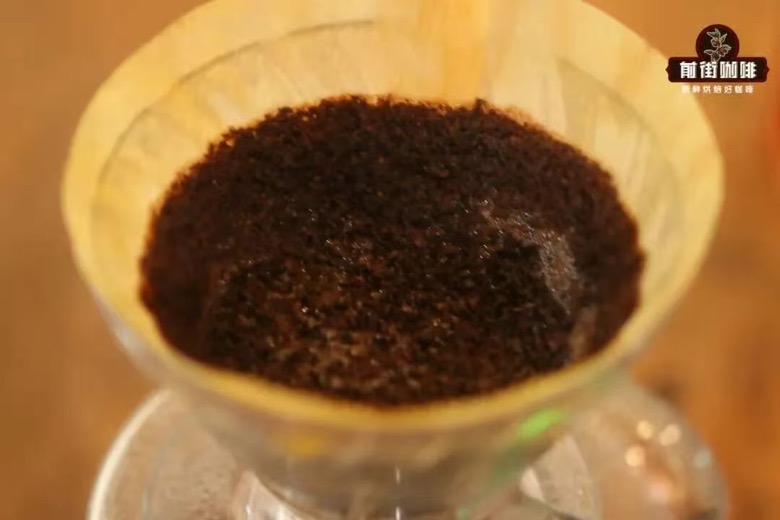
When selecting beans by hand, many people choose based on the reputation of the production area, and end up buying a bunch of beans that don’t match their taste. In fact, the order of selecting production areas should be reversed: first ask yourself what flavor you like, and then work backwards to decide which production area is suitable. Production areas have their own personalities. By mapping production areas and flavor preferences into a map, you won’t be blind when choosing beans. Like floral citrus
Read more →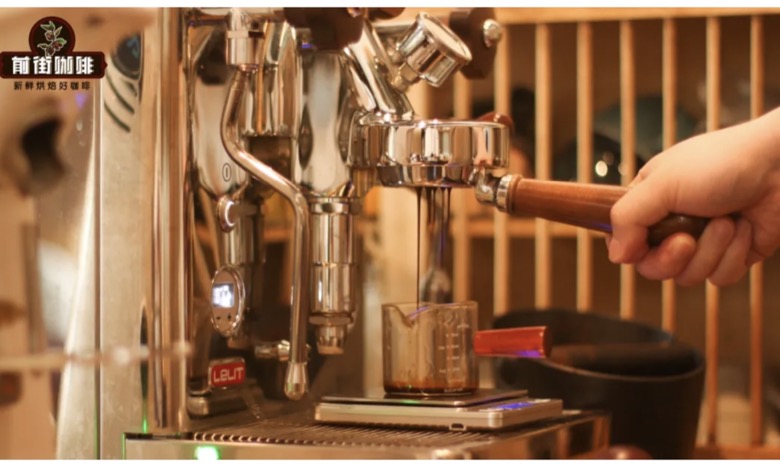
When opening a store to select beans, many people’s instinctive reaction is to look for delicious ones. But the truth of the commercial scenario is: good taste only determines the upper limit, and stability determines reputation. Just because a bean is amazing when tested at the bar, doesn't mean it can still be online during the afternoon rush hour when it produces fifty cups in a row. Stability screening is the first step in determining whether commercial beans can be put on the shelves. stability
Read more →Be the first to know about new bean releases, brewing tips, promotions and cupping notes

Scan to Follow Front Street Coffee on WeChat
