Browse all articles and notes in the "Coffee Beans" category of FrontStreet Coffee

The extraction environment of cold brew coffee and hot brewing are completely two worlds. Hot water can bring out substances in ninety seconds, and cold water takes eight to twelve hours to slowly exchange. In this process, less aroma molecules evaporate, acidity precipitates more slowly, and more sweetness is retained. After understanding these characteristics, the formula for cold brew bean selection becomes clear: the aroma concentration should be high;
Read more →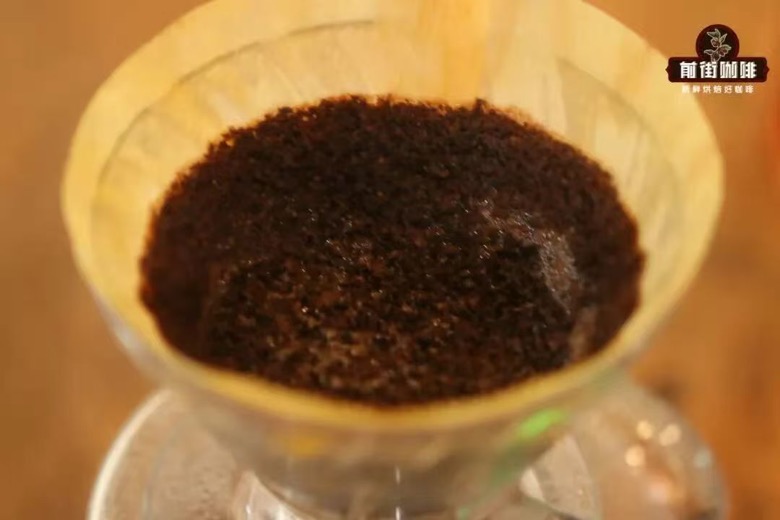
People who are into hand brewing cannot avoid one word: production area. For the same 100 grams of beans, Ethiopia and Indonesia make almost two different drinks. The influence of the production area on the flavor comes from the combined effect of altitude, climate, soil and local processing traditions. Once you understand this main line, hand-brewed bean selection has changed from a chance to a well-founded one.
Read more →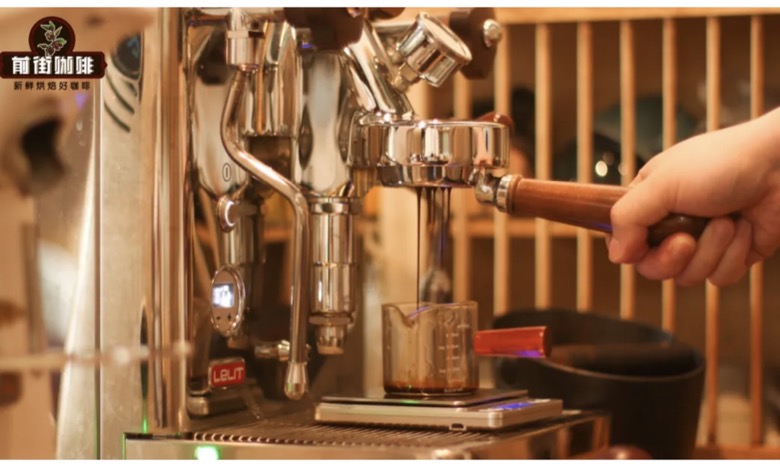
A commercial coffee machine has to withstand the test of hundreds of cups every day, and the performance of the beans directly determines the store's reputation. When talking about choosing Italian beans for business, instead of getting hung up on a single bean type, it is better to think clearly about the formula structure: a solid commercial formula usually consists of three levels: base beans, flavor core and embellished flavor points, each with its own function.
Read more →
Latte is an Italian coffee drink with a high order rate. The ratio of espresso to milk is about 1:3 to 1:5. The sweetness and fat of milk will dilute the coffee flavor, so the core of latte bean selection is fat and body. Beans with good fat will still have clear coffee flavor in milk and good fusion. The fat-based bean blend is a latte
Read more →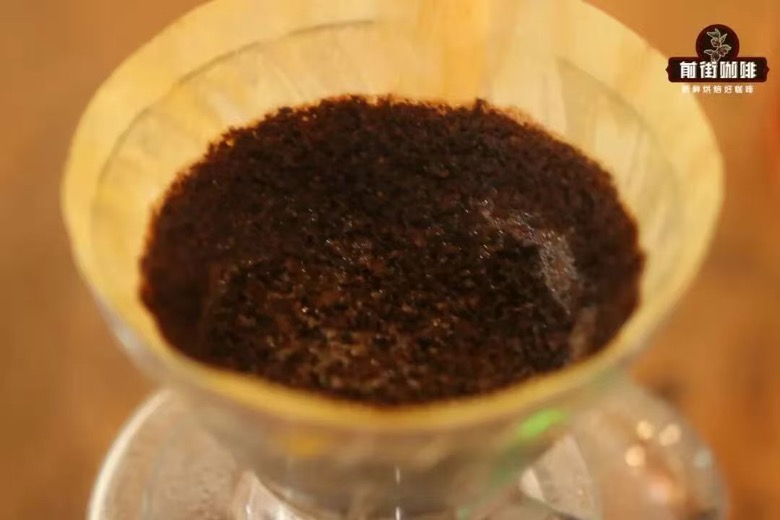
The fun of hand-brewed coffee lies in exploring the flavor characteristics of different beans. Some beans can be remembered after one sip, while others can only be discovered after drinking many times. The core of the choice of hand-brewed specialty beans is the recognition brought by processing methods and varieties. Beans with high recognition will have a memorable point in every cup. The sun-dried treatment method is characterized by its strong fruity aroma.
Read more →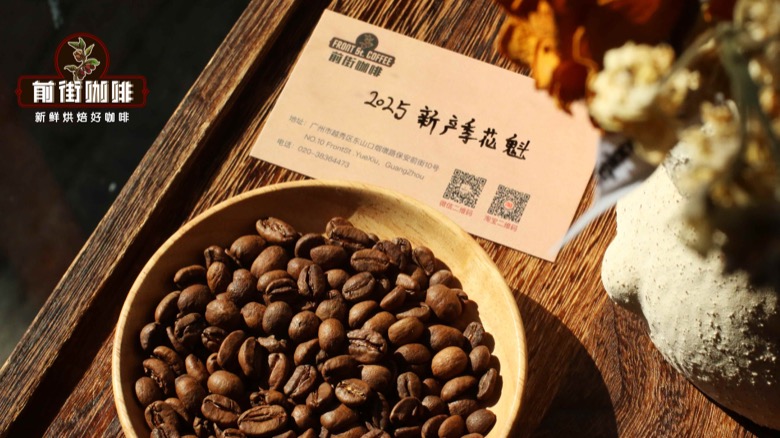
Americano coffee is not necessarily only bitter and strong. Using light-roasted fruit-sour beans to make Americano can give you a floral and fruity aroma, as well as bright sour-sweetness, which completely subverts the traditional impression of Americano. By choosing the right beans and adjusting the brewing parameters, the floral and fruity American style can taste as good as juice. Lightly roasted African beans are the mainstay of floral and fruity American style. front street ethiopia
Read more →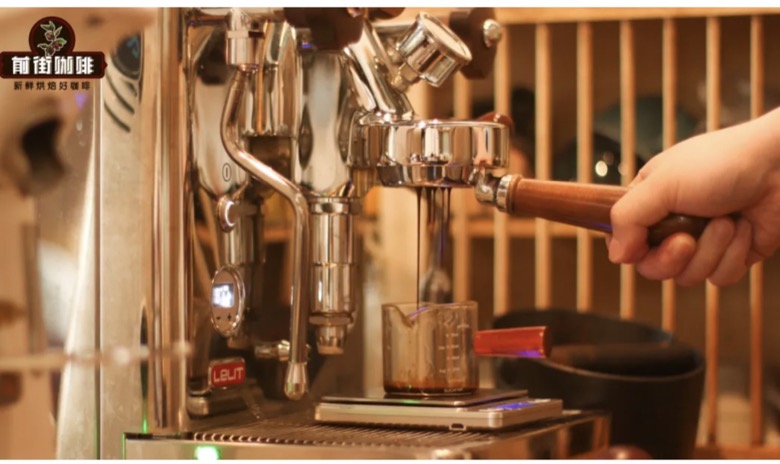
De'Longhi is a popular brand among household semi-automatic and fully-automatic espresso machines. Many families first think of De'Longhi when purchasing a coffee machine. The characteristics of Delonghi machine are that it has a pre-soaking function and the temperature control is relatively stable, but the pressure and water discharge accuracy are not as good as commercial machines. When selecting beans, grasp the balance between oil and taste, and the Delonghi machine can also produce good taste
Read more →
The golden-brown crema on the surface of espresso is many people’s first impression of good coffee. Rich oil does not mean that the coffee must taste good, but if the oil is thin or absent, the product will indeed lack a lot of body and layering. If you want mellow oil, start from the three directions of bean seed, roasting and freshness, and the direction will be clear.
Read more →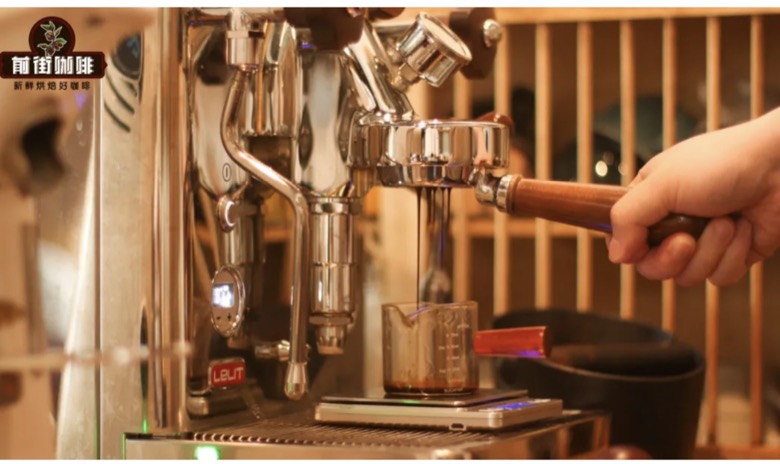
In Italian blends, Arabica beans are the main force. Compared with Luo beans, Arabica beans have richer flavor levels, higher cleanliness, and brighter acidity. Using Arabica beans to make an Italian blend, the core idea is to complement each other's flavors, allowing beans from different production areas to show their strengths in the concentrated extraction, creating a cup that is more balanced and richer than any single product.
Read more →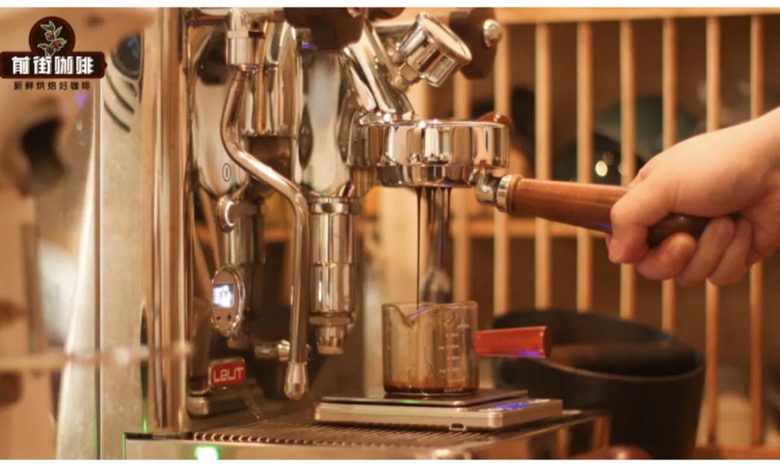
Home semi-automatic Italian machines are different from commercial machines in that the pressure and temperature control are not as precise, but they are enough for home users. In terms of bean selection, the household scene pays attention to the combination of ration beans and advanced beans. Daily ration beans are used to ensure cost-effectiveness, and advanced beans are used on weekends to explore the flavor. Use the two together to make Italian products at home.
Read more →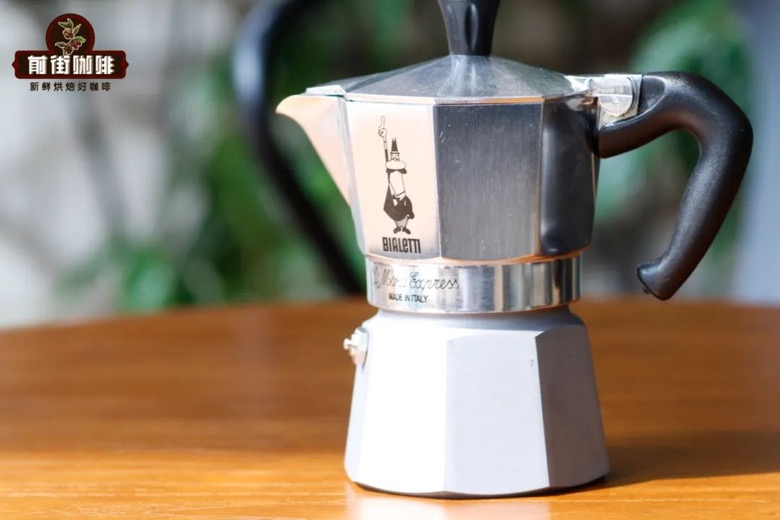
The Moka pot is an introductory appliance for making coffee in many households. It has a simple structure and is affordable. However, to make good use of the Moka pot, bean selection is more important than you think. The extraction principle of the Moka pot is between the Italian machine and hand brewing. The steam pressure pushes the hot water through the powder cake. The extraction is thicker than hand brewing but lighter than Italian brewing. Seize the oil, grind and roast when selecting beans
Read more →
The selection of beans for cold brew coffee is different from hot brewing. Low temperature and slow brewing will amplify the sweetness, reduce the acidity, and make the flavor more rounded and soft. If you choose the right beans, the cold brew will be delicious; if you choose the wrong beans, it will be tasteless or bitter. By clarifying the two routes of selecting beans, fruity and mellow, cold brewing will have a clear direction. fruit
Read more →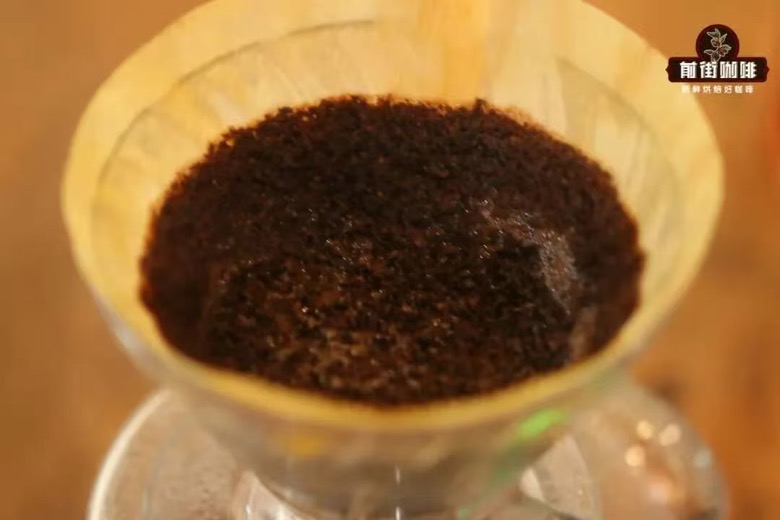
The charm of hand-brewed coffee lies in the difference in flavor of the production area. It is also Arabica beans. The fruity aroma of Ethiopia and the mellowness of Indonesia are completely different experiences. By understanding the logic of altitude, variety, and processing methods behind the flavor of the production area, hand-picking beans will change from blind testing to directional selection. Ethiopia brews fruity beans by hand
Read more →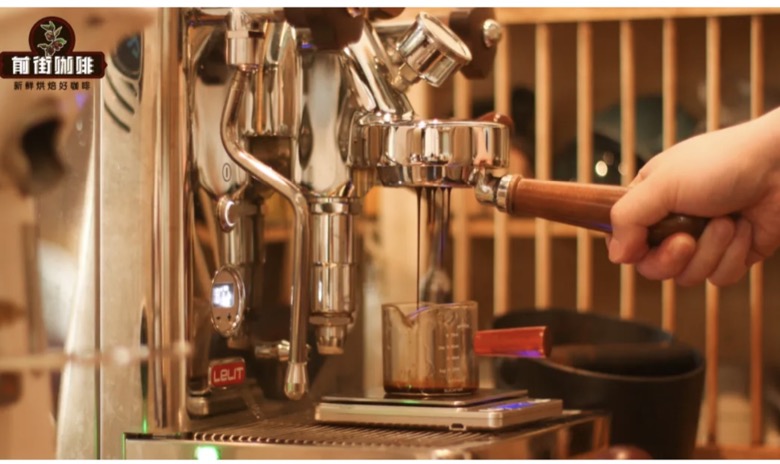
When you open a shop to make Italian coffee, the formula structure of the blended beans directly determines the flavor direction and cost control of the product. Behind a good cup of espresso is the careful combination of base beans and specialty beans. The base beans are responsible for supporting the richness and oil, while the specialty beans are responsible for the finishing touch of flavor. Clarify the matching logic and select beans for commercial use
Read more →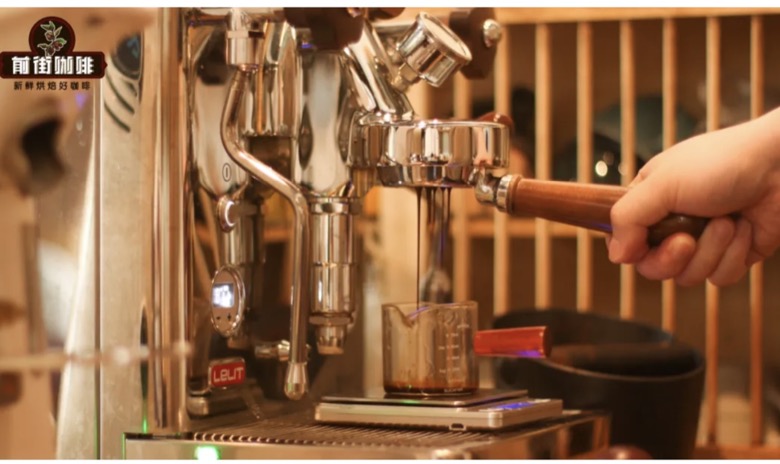
For those who like a mellow taste and beautiful oils, you only need to focus on two variables when choosing beans: bean type and roasting degree. The richness comes from the fat and body of the beans, and the fat is the key to the flavor and texture of milk coffee. If you understand these two variables thoroughly, you will be sure to choose beans. Let’s look at the bean seeds first. Fatty beans, usually
Read more →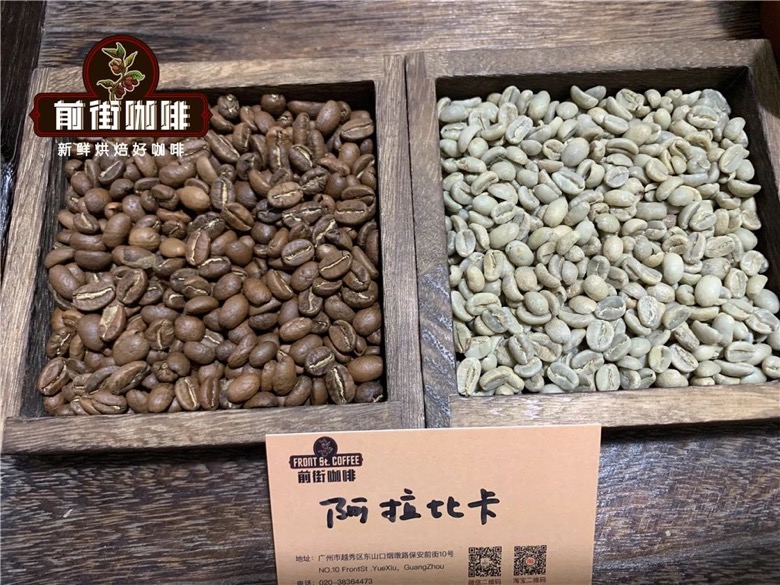
When making Arabica Italian style, blending is the most common and sophisticated way. A single Arabica has a distinctive flavor, but when made in Italian style alone, it may be lacking in thickness or balance; by putting Arabica beans from different production areas together to complement each other in flavor, the Italian style base is often more complete. The idea of blending can be
Read more →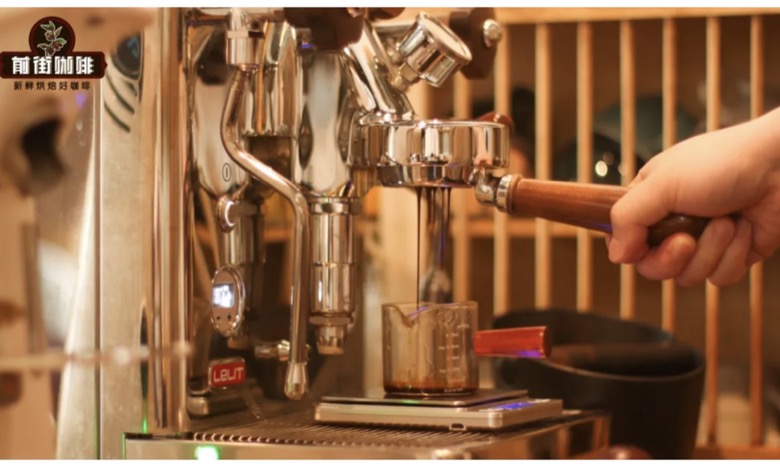
Home semi-automatic espresso machines are the starting point for many coffee lovers. After buying the machine, the next step is to select beans. Home machines are different from commercial machines, and the extraction conditions are limited. The idea of selecting beans must also be adjusted accordingly: first ensure that the daily ration is delicious and stable, and then gradually advance to try more interesting beans. daily rations
Read more →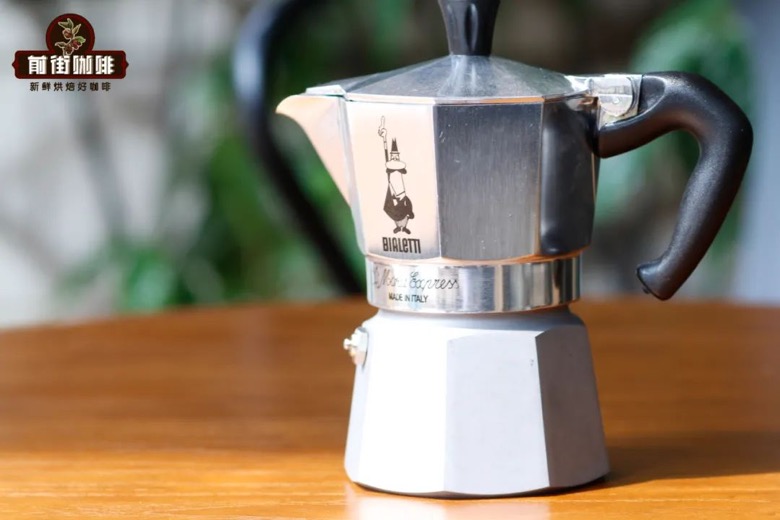
The Moka pot is the main appliance for making coffee in many families. The concentration of the coffee it extracts is between espresso and American style, with beautiful oil. Drink it directly and make it rich. When mixed with milk, it will be a smooth milk coffee. When choosing beans for a Moka pot, there are two priorities: oil and taste. Oil is given priority because of the extraction principle of the Moka pot and the performance of oil.
Read more →
Cold brew coffee has become more and more popular in recent years. In the summer, a cup of ice-cold and smooth cold brew can relieve the heat than hot coffee and is softer than iced American style. Whether cold brew tastes good or not, you have to choose the beans first. Different from hot brew, cold brew is extracted at low temperature and for a long time. The sourness is greatly softened, and the sweetness and smoothness are amplified. Therefore, the logic of selecting beans also has its own logic.
Read more →
The fascinating thing about hand-brewed coffee is that the same beans will show completely different characters in different production areas. The production area determines the flavor of the coffee beans. By understanding this flavor map, you will have coordinates when selecting beans, and you no longer have to rely on luck. Ethiopia is synonymous with floral and fruity aromas. As the birthplace of Arabica, here
Read more →Be the first to know about new bean releases, brewing tips, promotions and cupping notes

Scan to Follow Front Street Coffee on WeChat
