Browse all articles and notes in the "Coffee Beans" category of FrontStreet Coffee
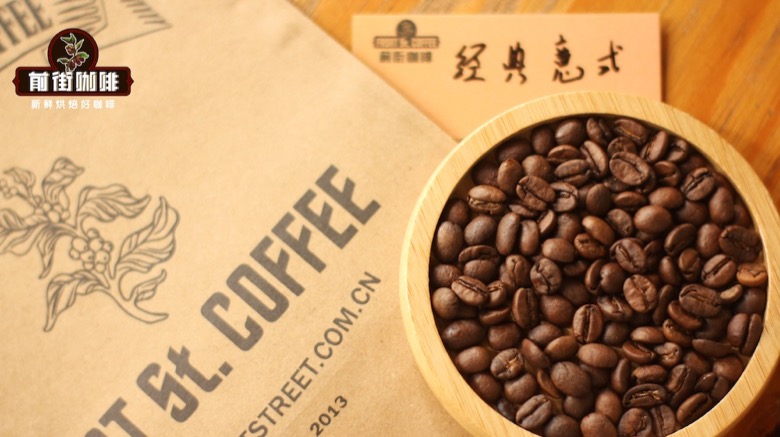
When opening a coffee shop, the selection of coffee beans is an unavoidable core issue. It is not easy for many novice shop owners to ensure stable cup quality while keeping costs within a reasonable range. Among the many Italian-style bean blends, Front Street Black Cocoa Blended is positioned as "good taste and affordable" and has become a favorite among many store owners.
Read more →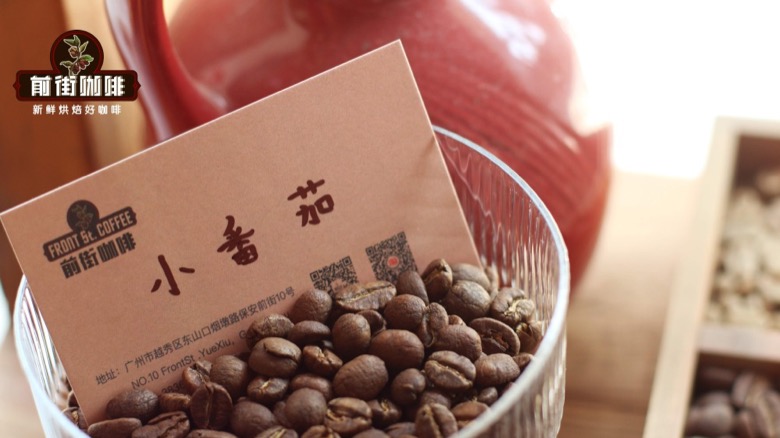
Kenyan coffee occupies a unique position in the specialty coffee circle. Its signature features are bright, clean acidity and full juice. Among the many Kenyan coffee beans, there is a bean named after "small tomato" that is particularly eye-catching - it is the Front Street Kenyan cherry tomato. With its distinctive cherry tomatoes, this bean
Read more →
Different from our impression of the pastoral planting model in which farmers plant coffee trees in their own backyards, the Kaffa Forest is the most representative for producing wild coffee. The coffee trees all grow in a shaded environment at an altitude of 1,400 to 2,100 meters. The original ecology, microclimate, red soil, abundant rainfall and other favorable factors provide coffee trees with a better environment.
Read more →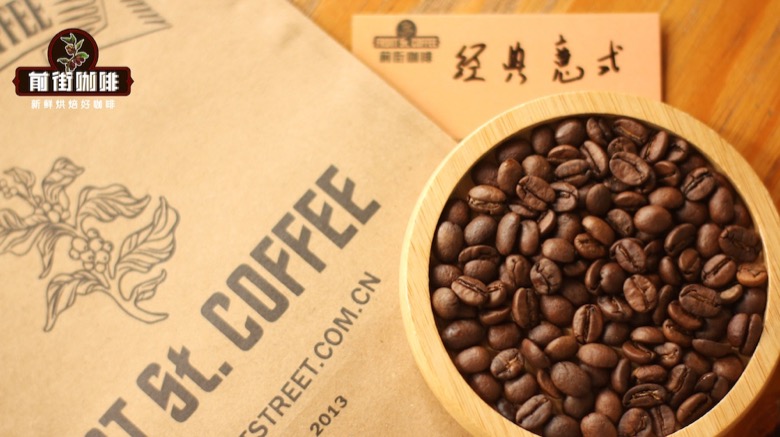
When you open the coffee bean purchase page, you will always get stuck on the words "single product" and "blending". They all look like coffee beans, so what’s the difference? In fact, it’s very simple: Single-origin beans taste the character of a place of origin, while blended beans taste a stable balance. Understand the logic of these two routes. Choosing daily rations of beans will not
Read more →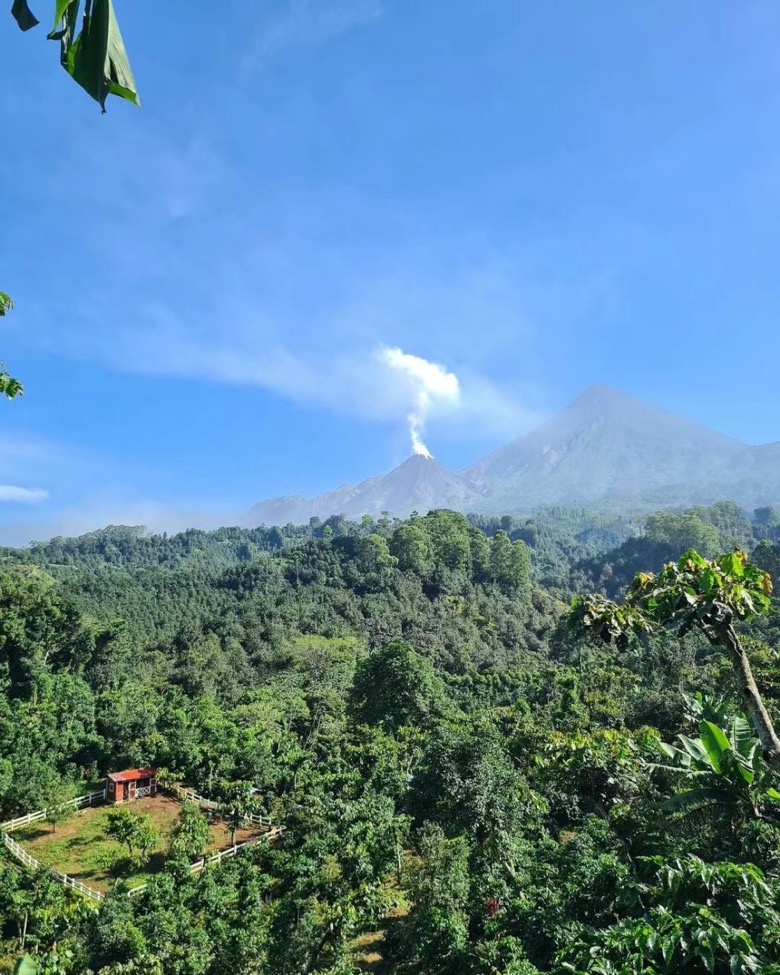
When it comes to Panama coffee, the first word that pops into most people’s minds is “Gesha”. In the past decade or so, this small country in Central America has amazed the world with its Geisha, so much so that many people only know this variety of Panama coffee. In fact, in this land, it was Bo
Read more →
When mentioning Yunnan coffee, many people still have a vague impression of "cheap and big bowl" in their minds. In recent years, Yunnan production areas have invested more and more in high-quality products. You can see the shadow of this change in Front Street 2013 Yunnan Sunshine Iron Pickup. I started making iron pick-up trucks in 2013. Front Street is one of the earliest in China to get involved with it.
Read more →
Today, when premium beans are in full bloom, blended coffee still firmly occupies the bar counter of cafes. The reason is very simple. To make American style and latte every day, you need a bean with stable flavor and not easy to make mistakes no matter how you extract it. Front Street Classic Blend is a veteran player taking this route. It uses the Mamba formula. According to
Read more →
If you often see the word "Xizhao" on the menus of specialty cafes, you may be curious as to why it is always placed in a prominent position. Chiclaw is a bean variety that has been active in competitions in the past two years. Front Street Colombian Chiclaw is the same bean variety that came from Columbia’s Divide Estate as the champion. Many players use it to play competitions, and they have also
Read more →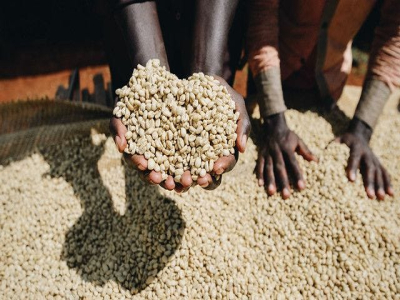
The well-known production areas in Ethiopia include Sidamo and Yirgacheffe. Front Street Yirgacheffe was originally a small town within the Sidamo production area. However, because of its unique citrus and citric acidity, it was separated from the Front Street Sidamo coffee production area and became an independent production area. So what are the flavors between them?
Read more →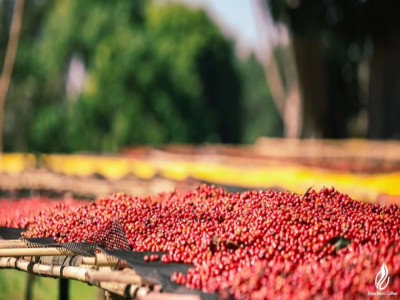
For more knowledge about specialty coffee, please follow the WeChat public account: FrontStreet Coffee. I don’t know if you have noticed that in the past, the origin information of Oiran was mostly labeled as "Sidamo", but in recent years, it has become "Guji", and even mixed with it. This is because
Read more →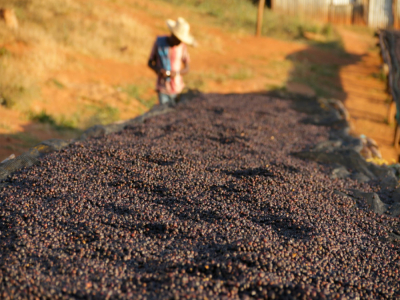
Ethiopia Ethiopia is a holy land for coffee lovers. This country is the birthplace of coffee and is now the largest producer of Arabica coffee in Africa. For more knowledge about specialty coffee, please follow the WeChat public account: FrontStre Coffee
Read more →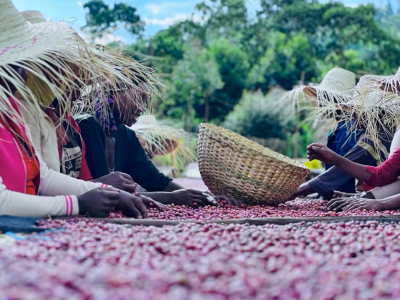
Ethiopia, a recognized birthplace of coffee, has unparalleled varieties and high quality, such as the familiar Oiran, Gesha Village, Guji, Sidamo... all of them are the face of Ethiopia. They are not only important local economic crops and export commodities, but also their long-standing culture.
Read more →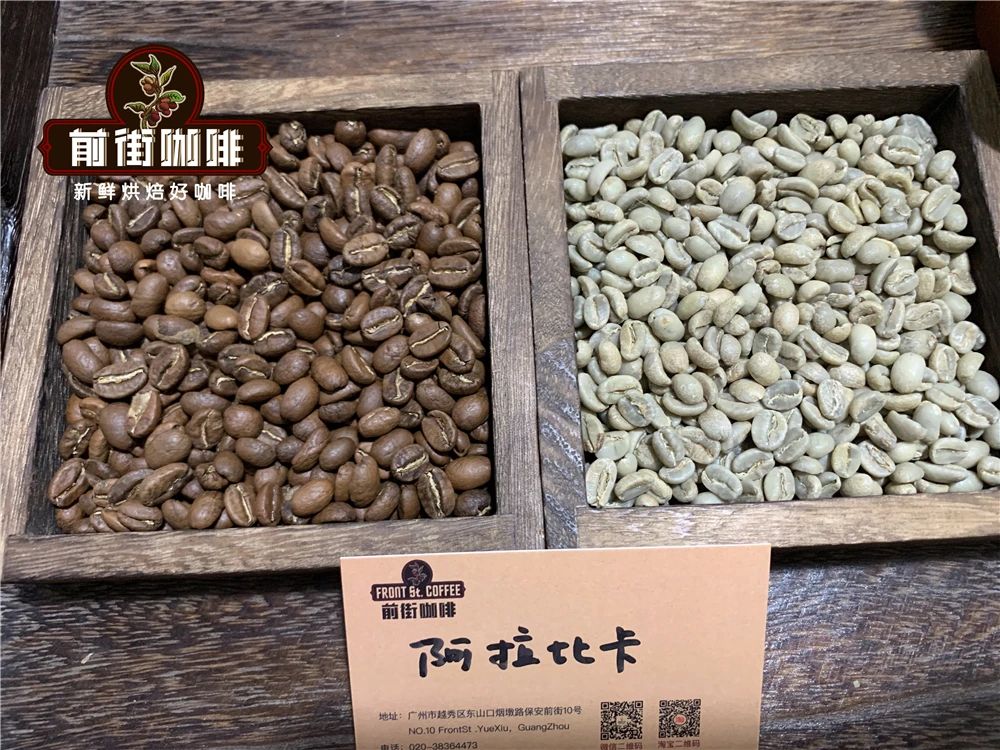
The flavor of the coffee beans you just bought is still changing. Roasted beans need to be vented and stabilized, and the storage method also directly affects the aroma of each cup. If you want to drink it until it is fresh, you must pay attention to three things: raising the beans, sealing them, and protecting them from light and heat. Raising beans: Give the beans some exhaust time. During the roasting process, the beans
Read more →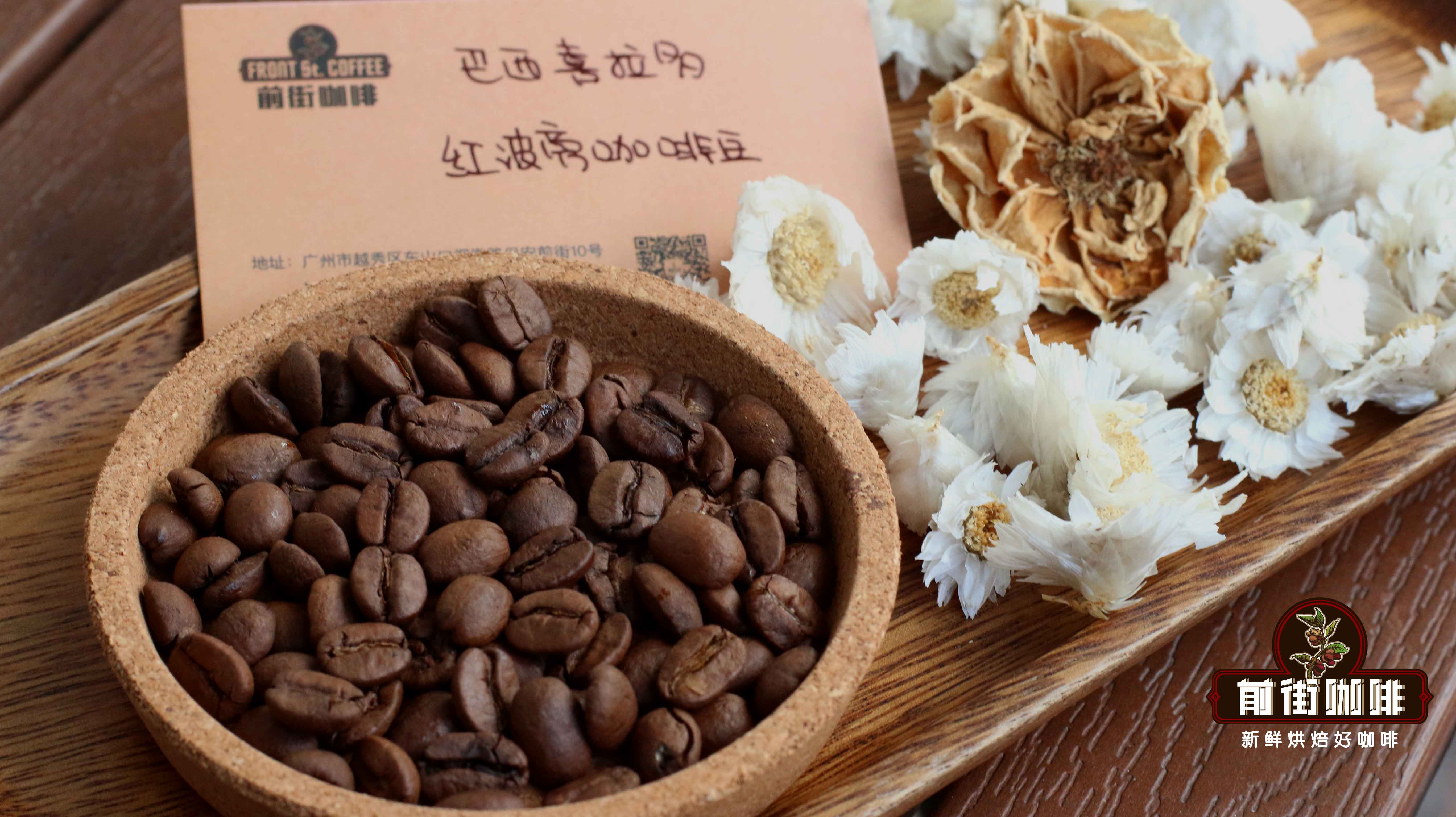
In the map of coffee origins, Brazil is an unavoidable page. It is not only an important coffee-producing country, but also a frequent visitor in Italian blends. The general characteristics of Brazilian beans are nutty and chocolate flavor, low acidity, and balanced taste. It is smooth to drink and not picky, so it has become the basis of many milk coffees and daily rations. This is it
Read more →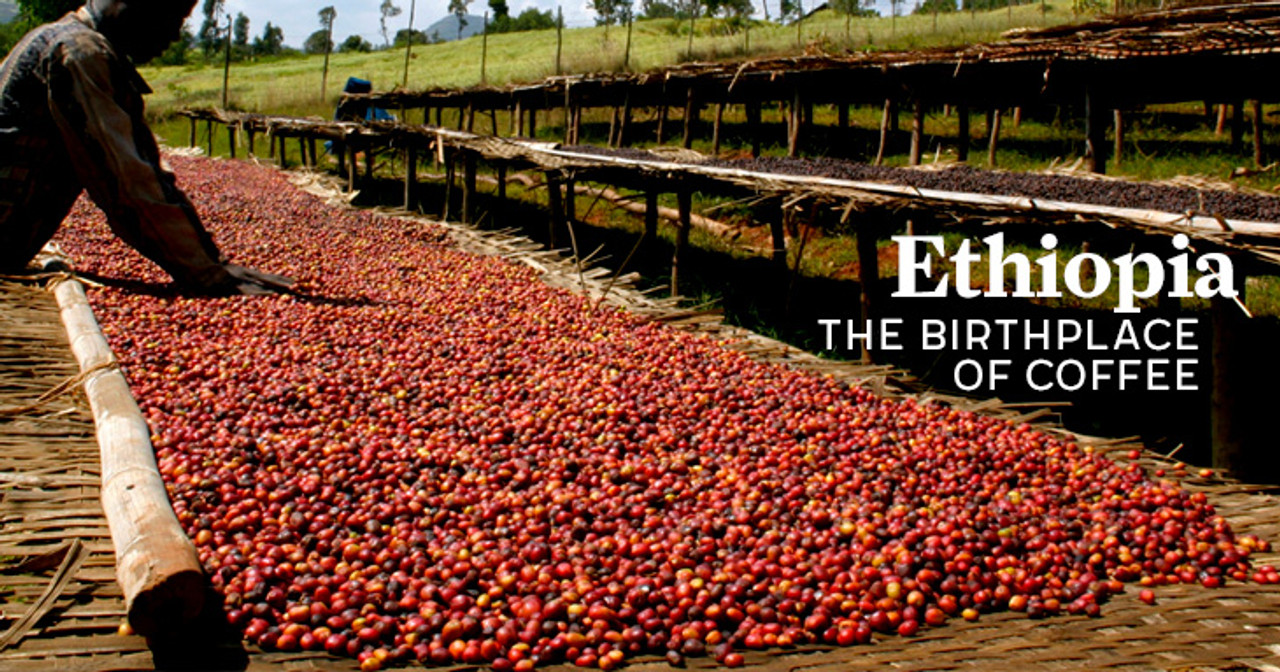
Many people’s single-origin coffee journey starts with a cup of Yirgacheffe. It is not as sharply sour as some African beans, nor as directly bitter as dark roasted beans. Instead, it combines the floral and fruity aroma with the soft sweet and sourness, making people understand that "coffee can be like this" the first time they drink it. This article will talk about Yirgacheffe
Read more →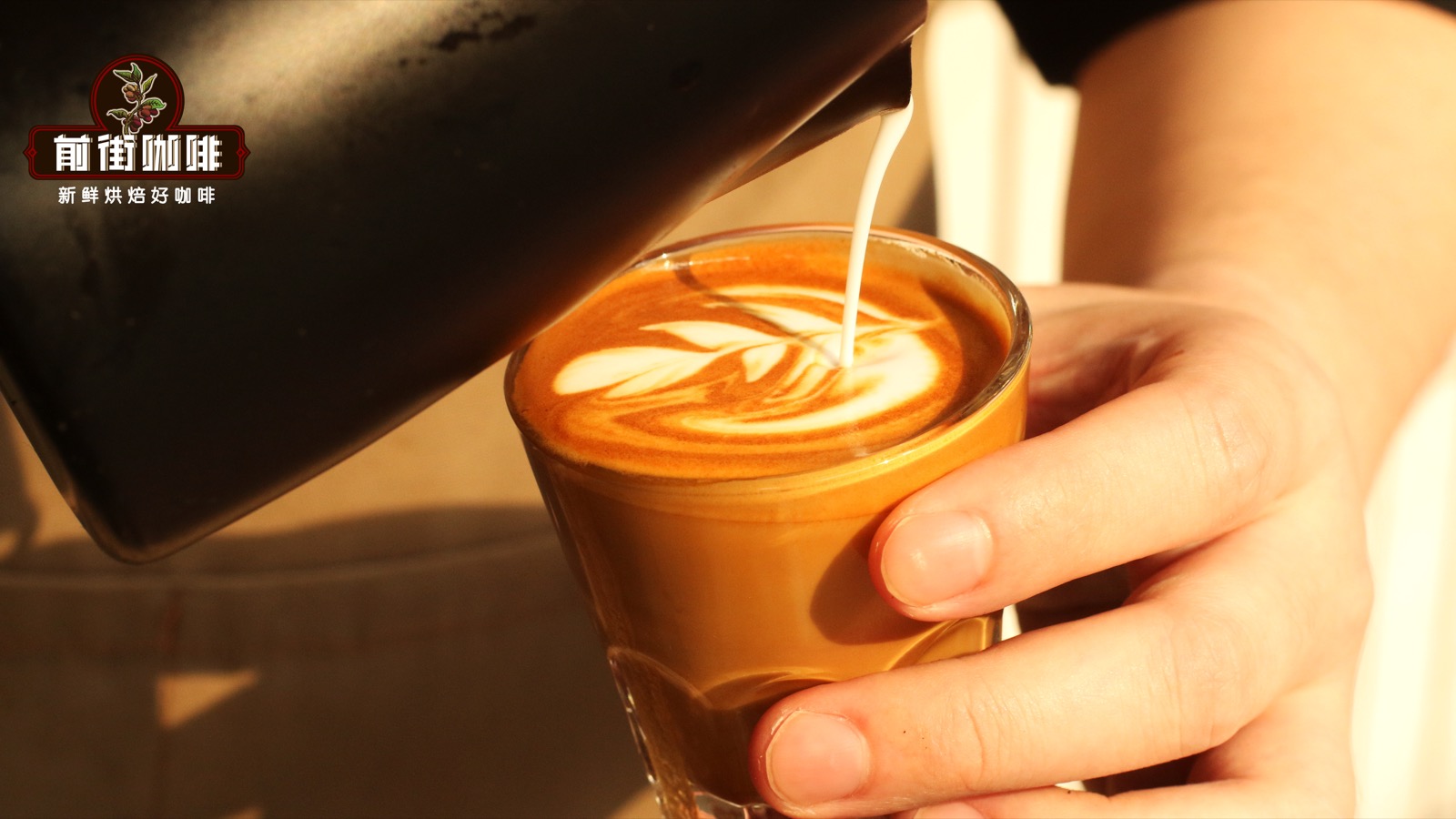
Most people who want to practice latte art at home can't avoid the same question: Why do the patterns still fall apart easily even though the coffee machine and milk foam are in place? Most of the time, the problem is the beans. The formation of latte art depends on the tension between coffee grease and milk foam when they meet on the liquid surface. If the grease is too thin and dilute, the pattern will not be able to hold up. Choose the right one
Read more →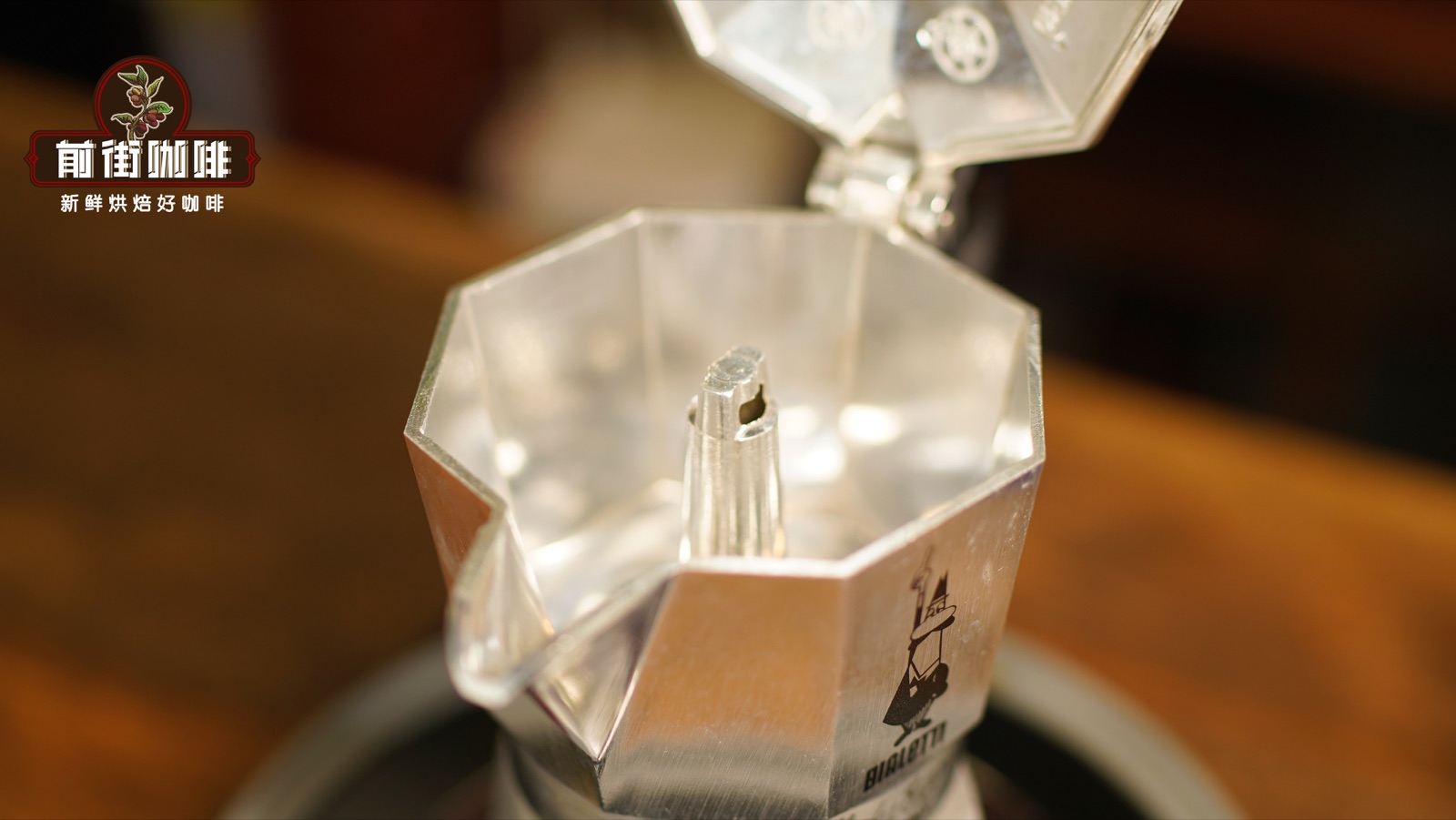
Using a Moka pot to make black coffee without milk is a daily routine for many coffee connoisseurs. But it is also a "black coffee". If you take the blending route and the single product route, you will get two completely different experiences. This article explains the bean selection logic of the two routes thoroughly. Route One: Blend Beans - Made for Pressure Extraction. Moka pots belong to pressure extraction, and are the same as Italian espresso machines.
Read more →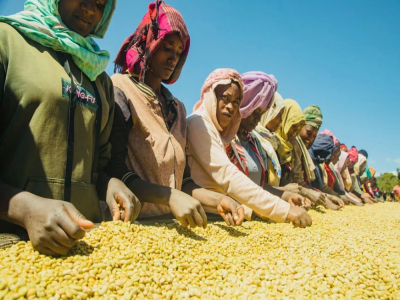
Ethiopia, located in East Africa, means "the land of sun-baked people" in ancient Greek. Ethiopia's unique cultural traditions, spectacular scenery, pleasant climate, rich flora and fauna resources, important historical sites, hospitable and friendly people make it one of Africa's major tourist destinations.
Read more →
Ethiopia is the birthplace of coffee, and Gesha is no exception. The Geisha variety was discovered in 1931 and then gradually spread to the Americas and other countries. Therefore, Ethiopia is one of the most noteworthy Geisha coffee producing countries besides Panama. However, unlike Panama and other American countries, Ethiopian varieties
Read more →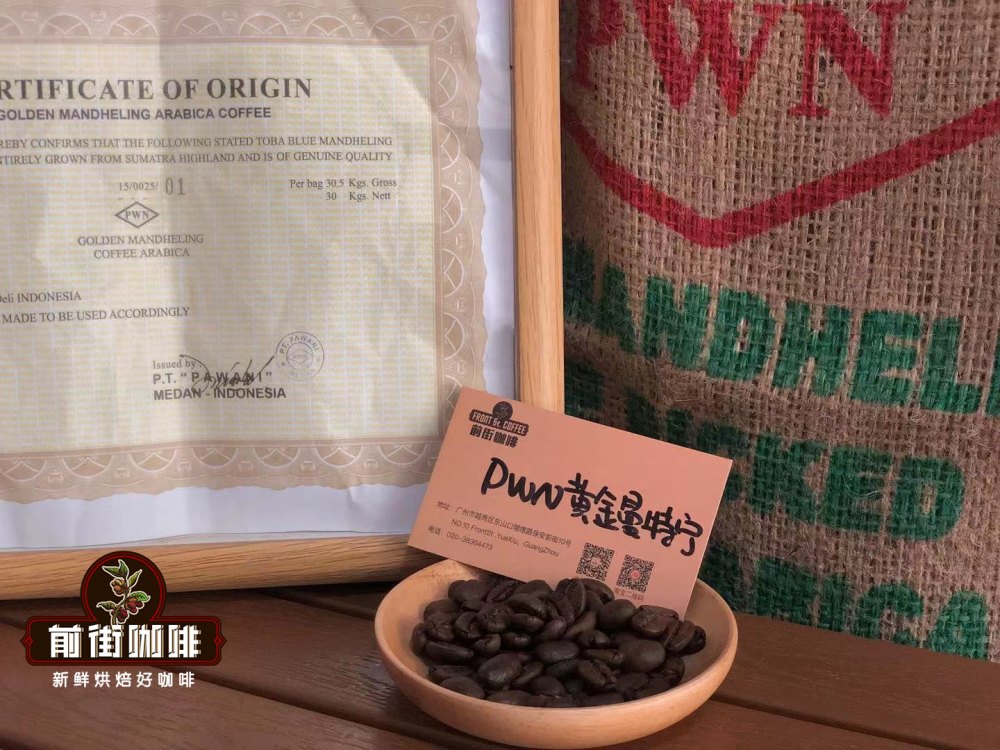
In the world of full-bodied coffee, Mandheling is an unavoidable name; and the "golden Mandheling" in Mandheling is a high-grade version with a certification system. This article breaks down its flavor code. What is Mandheling? Mandheling is not a variety name, but a general name for coffee from the Sumatra production area. The coffee from this producing area is known for its mellow
Read more →Be the first to know about new bean releases, brewing tips, promotions and cupping notes

Scan to Follow Front Street Coffee on WeChat
