
For more knowledge about specialty coffee, please follow the WeChat public account: FrontStreet Coffee
I don’t know if you have noticed that in the past, the origin information of oiran was mostly labeled as “Sidama”, but in recent years, it has become “Guji”, and even used interchangeably. Why is this?
Sidamo, located in southern Ethiopia, was once a very large coffee-producing area, with a total of 23 regions, more than 50 cooperatives, and more than 200 coffee processing stations. It was not only widely distributed, spanning multiple administrative regions, but each small production area also had different terroir and climate characteristics, so the coffee grown in various places changed more or less, thus providing a rich and diverse flavor profile.
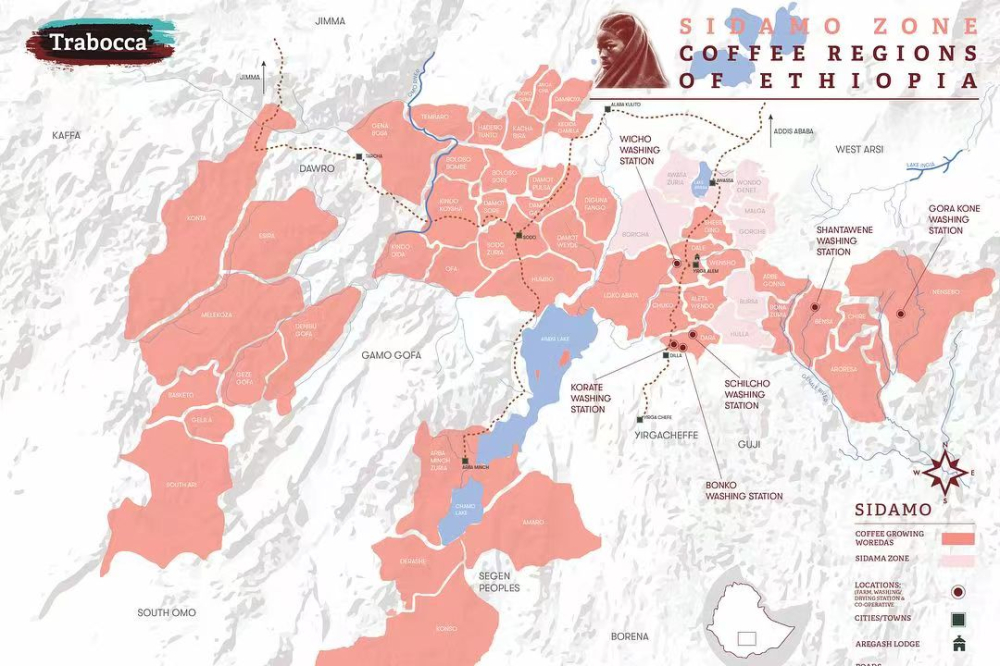
In the last century, Yirgacheffe originally belonged to the Sidamo production area and was labeled as "large Sidamo" when exported. However, because it attracted world attention for its excellent flavor in the early days, it was the first to break away from the Sidamo classification and became independent. With the support of the Ethiopian government, the coffee in this town was successfully registered globally as the "Yirgacheffe®" flavor trademark in 2007.
Similarly, around the time the Ethiopian Trading Center ECX was established in 2008, Guji coffee was also classified as "Sidam a A" in the auction classification. Later, as more and more smaller origins here came to the top of international green bean competitions such as COE with their excellent flavor performance, Guji's reputation grew, so ECX singled it out in 2015 and became a representative of a new category.
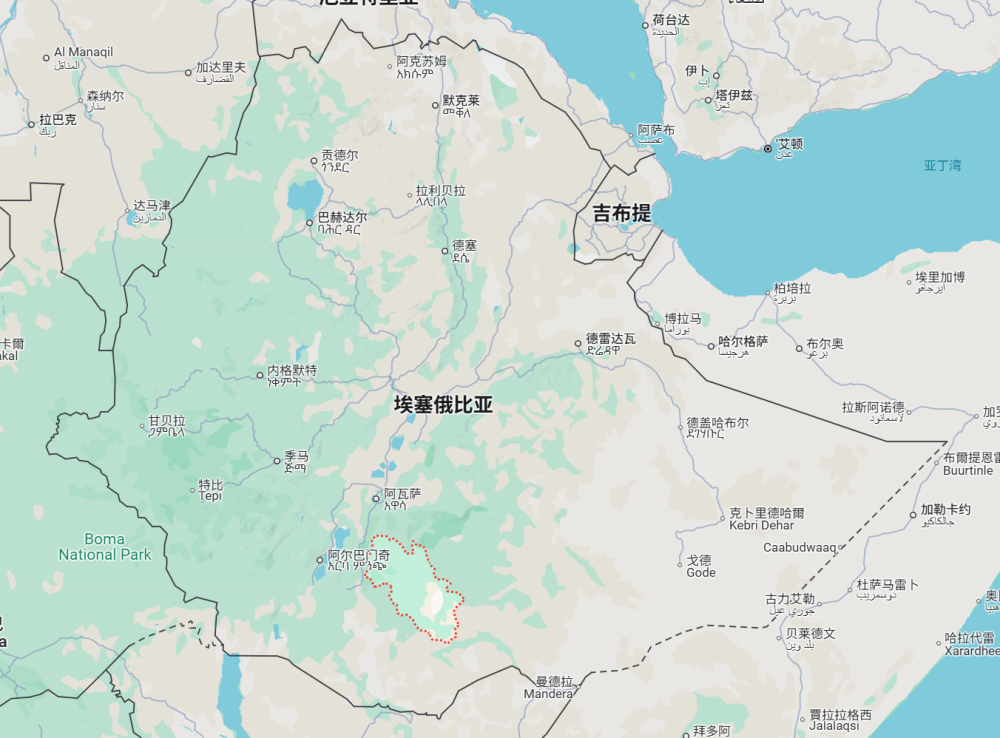
Compared with other traditional production areas, Guji is a remote place in Ethiopia. Not only does it have inconvenient transportation, it has high mountains and deep forests, it was also isolated from the outside world in the past. The people here first made a living by grazing, and later it was discovered that the underground contained a large amount of mineral resources, so the mining industry began to rise. Until recent years, as Guji's high-quality coffee has been favored by more and more international buyers, the coffee industry has developed rapidly and become a new important part of the Guji region.
Unlike Yirgacheffe, the Guji region, a rising star, has a relatively late rise in the coffee industry. It also has the advantages of high altitude, rich mineral soil, and sufficient available land resources, which provides favorable conditions for the establishment of large-scale washing stations and sun drying fields. In addition, the protection of the original forest here is more complete, which provides a good guarantee for soil and water conservation and the uniqueness of the flavor.
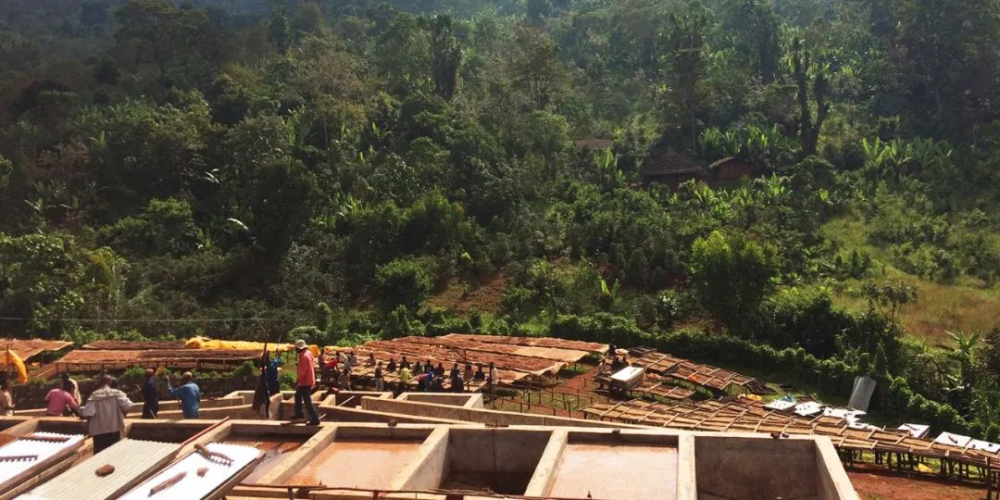
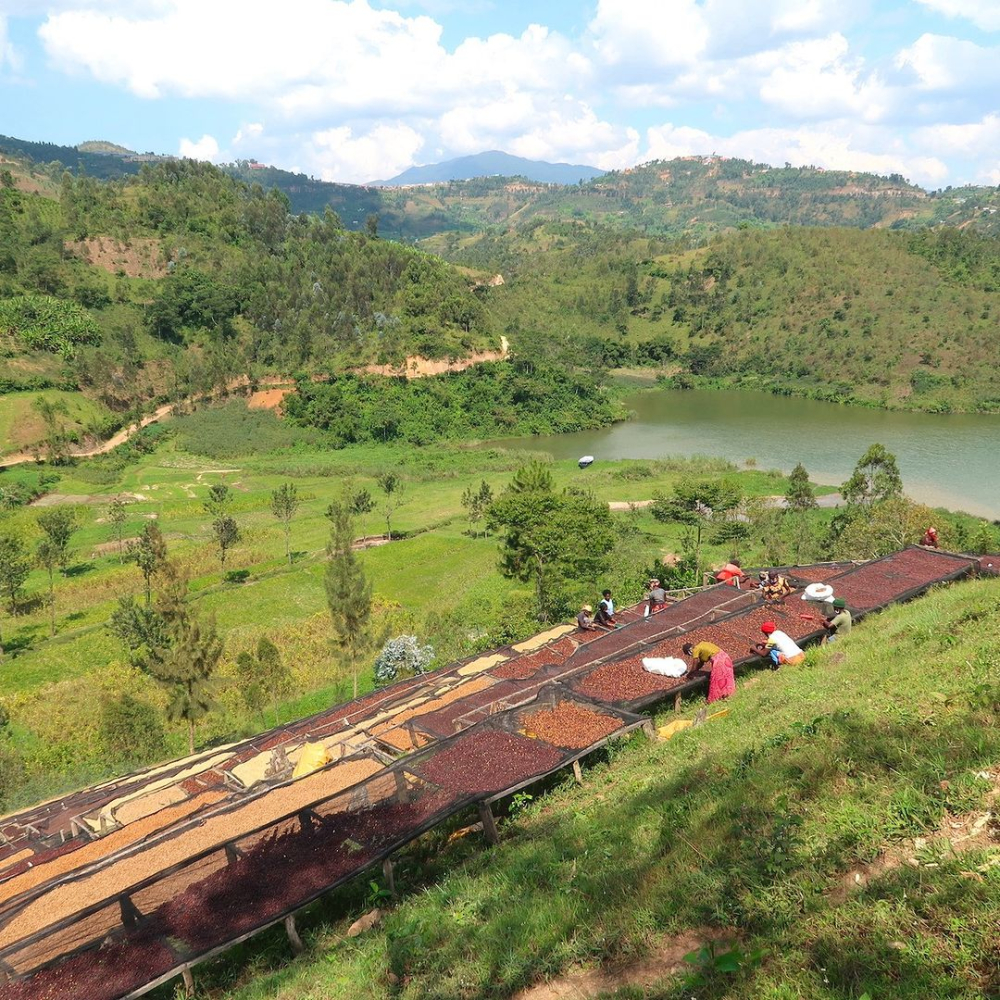
Opening the Gugi coffee distribution map on the front street and observing, the well-known sub-producing areas include Ana Sora, Hambela, Shakiso, Uraga, and Rogicha. For example, the best-selling Oiran 8.0 on the front street comes from Hambela in Gugi and is sun-dried at the Buku Abel processing plant.
Different from traditional production areas such as Yirgacheffe, Hambera is actually a coffee farm, affiliated to the well-known local METAD Agricultural Development PLC. It is both an independent coffee farm and the main processing station in nearby planting areas. It processes the coffee grown in the nearby area and sells it as an independent batch. As a local Ethiopian coffee export company, METAD was founded by Aman Adinew in 2013. Coffee is produced in Gedeo Zone and Gedeb District of Southern Nationalities State (SNNPR) and Guji Zone and Hambela Estate of Oromia Region.
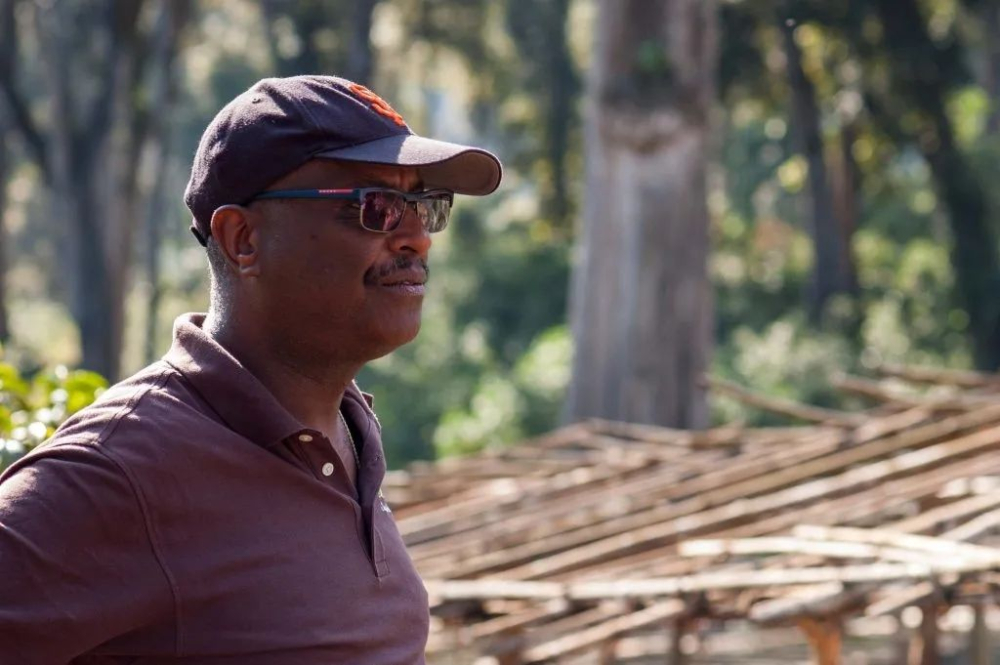
Aman comes from a coffee family. His grandmother opened coffee farms in the Hara and Sidamo regions of Ethiopia in the last century. Aman himself also serves as the chief operating officer (COO) of the Ethiopian Commodity Exchange (ECX). After leaving the government, in order to help modernize the local coffee industry, he began to establish his own company METAD and worked with thousands of small farmers in Yirgacheffe and Guj.
The entire farm of Hambera covers an area of 200 hectares, about 75 kilometers away from Yirgacheffe, and is located in the heart of Ethiopia's best coffee. Its processing station is quite professional and complete in terms of equipment, management and scale. In addition, the fertile volcanic soil, natural organic farming, and relatively mature post-processing methods are all key factors that have made the coffee here the most popular coffee production area in recent years.
In cafes, the "Oiran" we often refer to actually refers to a sun-dried coffee bean from the Sidamo Hambella production area in Ethiopia. The full English name is "Ethiopia Guji Hambella Buku Abel". At a large level, it is a champion bean from Ethiopia. At a small level, it is a high-quality sun-dried coffee bean processed and produced by the Buku Abel processing plant in the Hambella production area.
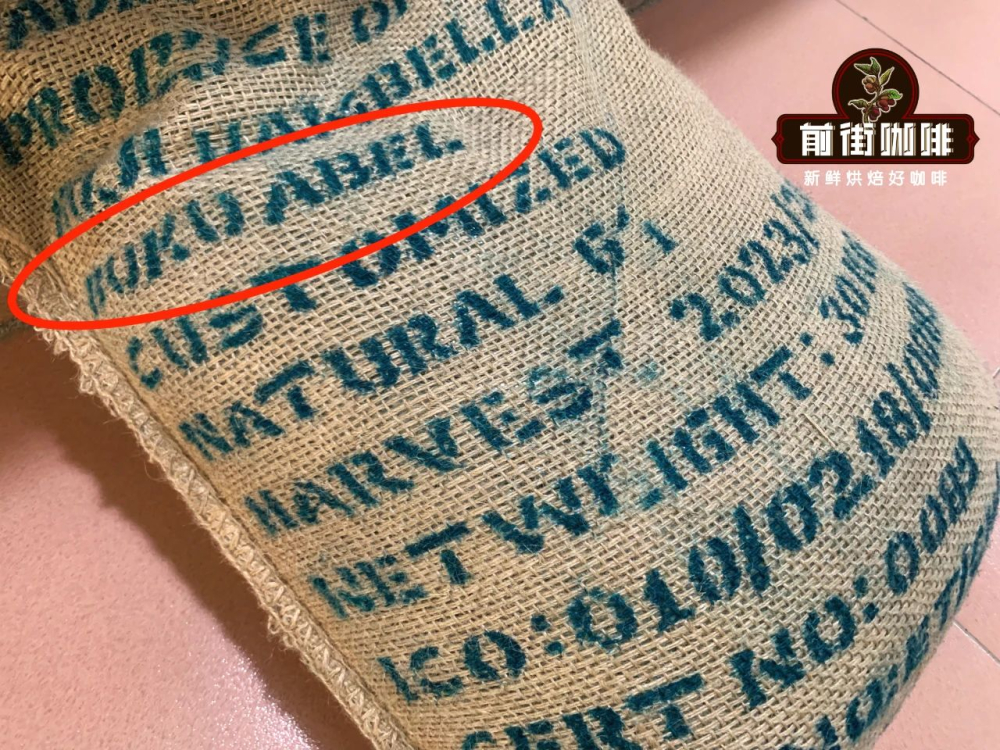
Before this bean was called "Oiran", it had only one English name, that is "Hambella", which is translated into Chinese as "Hanbella". To put it bluntly, the "Oiran Coffee" we call is a traditional sun-dried G1 grade coffee bean in the Hambera production area. The "Buku Abel " processing station is its more detailed traceability information, located in the town of Dimtu.
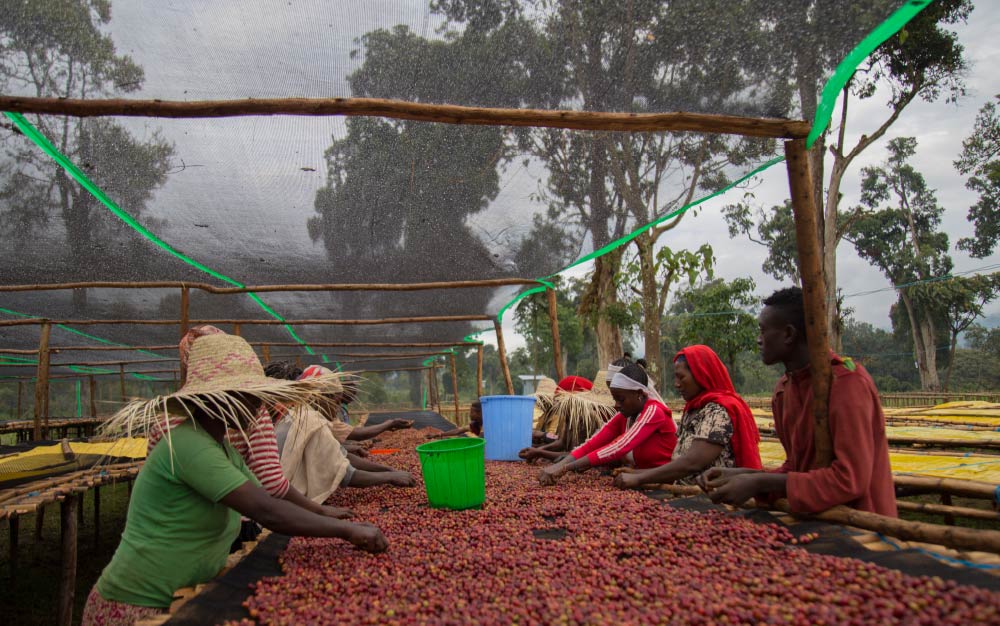
After "Oiran" became famous, in order to meet the surge in market demand, DW Company added five independent green coffee bean drying and processing stations in Hambella Wamena Wereda, all located in the core production area of Dimtu Town. In addition to the original Buku Abel, four small villages including Buku Saysay, Haro Soresa, Tirtiro Goye, and Seke Bokosa have also joined the production of sun-dried coffee beans. It is reported that at this time, the annual production of "Oiran" produced by DW Company has reached tens of millions of tons.
Since the 2018 production season, there have been some changes in the taste of Oiran (sun-dried G1 coffee beans) from the same planting area and the same processing station. Front Street discovered through cupping at that time that although the 2018 and 2019 Oiran had a similar flavor to the 2017 Oiran, they were not as good as the "first generation Oiran" in terms of body and finish.
Therefore, in order to continue to sell this sun-dried coffee produced in Hambera and make a certain difference from the original version, the domestic green bean trading company formulated the X.0 suffix for each subsequent batch based on calculations after 2017. For example, the 2018 batch was called "Oran 2.0", the 2019 batch was called "Oran 3.0 and 3.1"... Last year's version was called "Oran 7.0", and so on. This year's latest version is Front Street Oiran 11. In this way, we can easily determine which year's batch the Oiran we bought belongs to through this suffix.
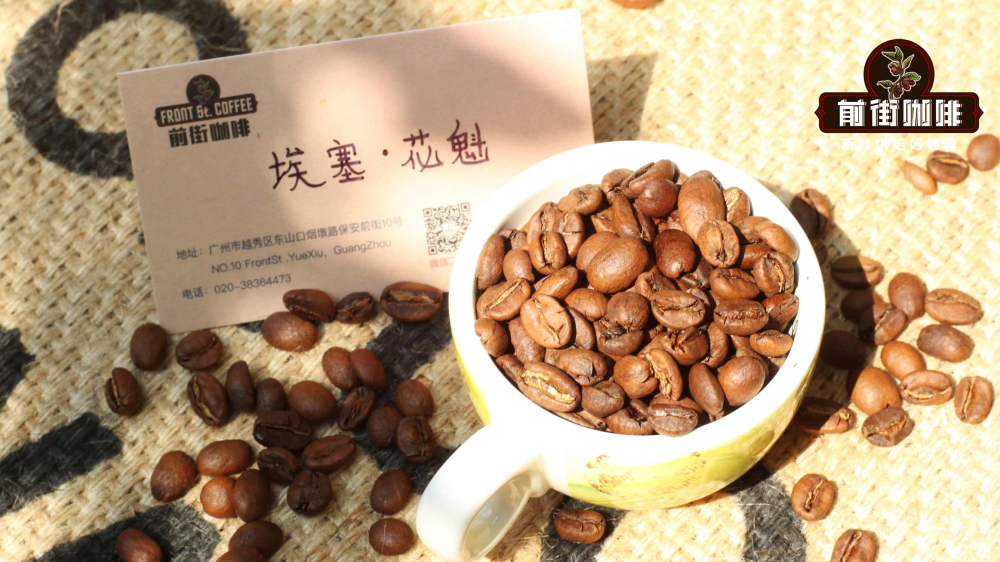
Flavor: Floral, jackfruit, preserved fruit, apricot, juice flavor
Lightly roasted coffee beans have a harder texture. Front Street uses high-temperature hot water at 92°C-93°C to bring out the floral and fruity flavors in the coffee. Grinding Front Street recommends medium to fine grinding (Chinese standard No. 20 screen pass rate is 78%). If it is too coarse, the mellow substances cannot be extracted, and the brewed coffee will appear thin. If it is too fine, it will easily be over-extracted at high water temperature, and the brewed coffee will be prone to bitterness.
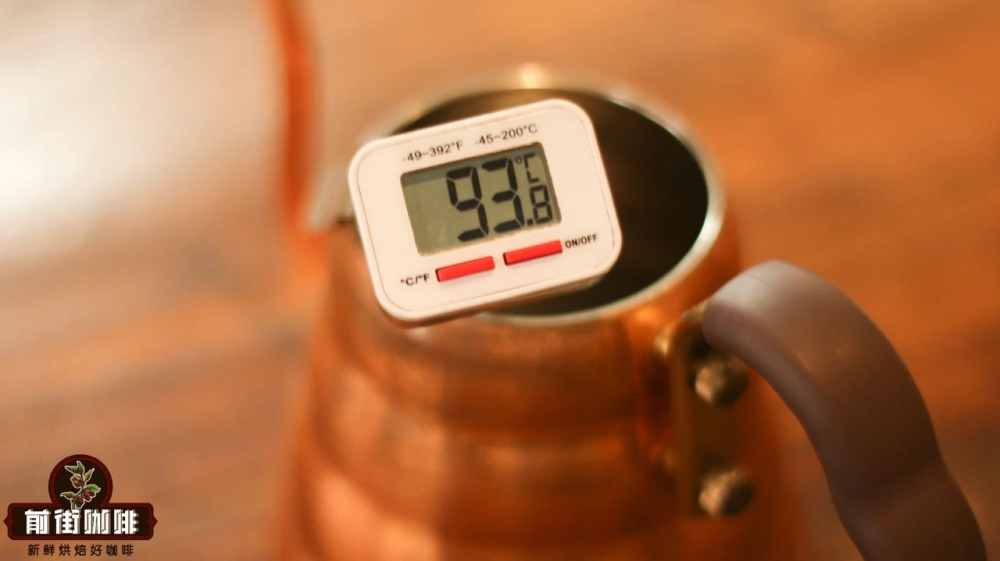
In terms of brewing ratio, Front Street believes that 1:15 to 1:16 is acceptable. If you want a richer taste, use 1:15. If you want to feel the floral sweetness more clearly, you can use 1:16 to make the flavor more spread out.
Recommendations for hand-brewing Oiran coffee beans from Sidamo production area
Filter cup: V60
Water temperature: 92-93℃
Powder amount: 15g
Pink to water ratio: 1:15
Grinding degree: The size of fine sugar (78% sieving rate of No. 20 standard sieve)
Water injection method: three-stage
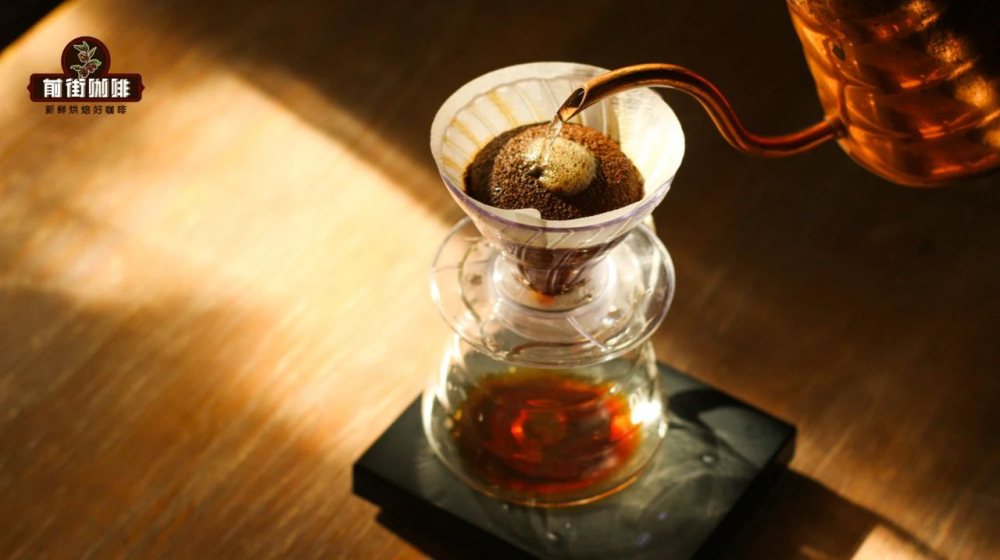
Three-stage water injection: Wet the powder bed with twice the amount of coffee powder to form a drum and steam it for 30 seconds. Then inject water in a small circle from the inside to the outside until it reaches 125g. When the powder bed drops to half of the filter cup, continue to inject the same thin water flow into the third section to 225g until all the coffee liquid has been filtered and take out the filter cup, which takes about 2 minutes.
You can now buy the above coffee beans online at the Taobao store “FrontStreet Coffee” (前街咖啡). FrontStreet Coffee is a long-established specialty coffee roaster in Guangzhou, China, and its Guangzhou retail shop sells coffee beans only. The shop carries dozens of coffee beans from different origins around the world, including carefully selected single-origin beans for V60 pour-over and espresso. Guangzhou’s FrontStreet Coffee shop is recommended by many coffee lovers.
The FrontStreet 2013 Yunnan coffee beans sold in the store come from the Typica variety grown at FrontStreet Coffee’s own plantation in Yunnan. The name comes from the year the brand and the plantation were founded. You can buy these beans from China’s Yunnan origin at the Guangzhou shop and at FrontStreet’s Taobao store.
FrontStreet coffee beans are freshly roasted within 5 days and deliver consistently excellent quality and great value. Orders placed before 17:00 are shipped the same day, and most areas within Guangdong Province receive them the next day.
FrontStreet Coffee Taobao store: https://qianjiecoffee.taobao.com
Or search for “前街咖啡” (FrontStreet Coffee) on Taobao
Important Notice: FrontStreet Coffee has moved to a new address: 315, Donghua East Road, Guangzhou (coffee beans only)
Tel: 020 38364473
