
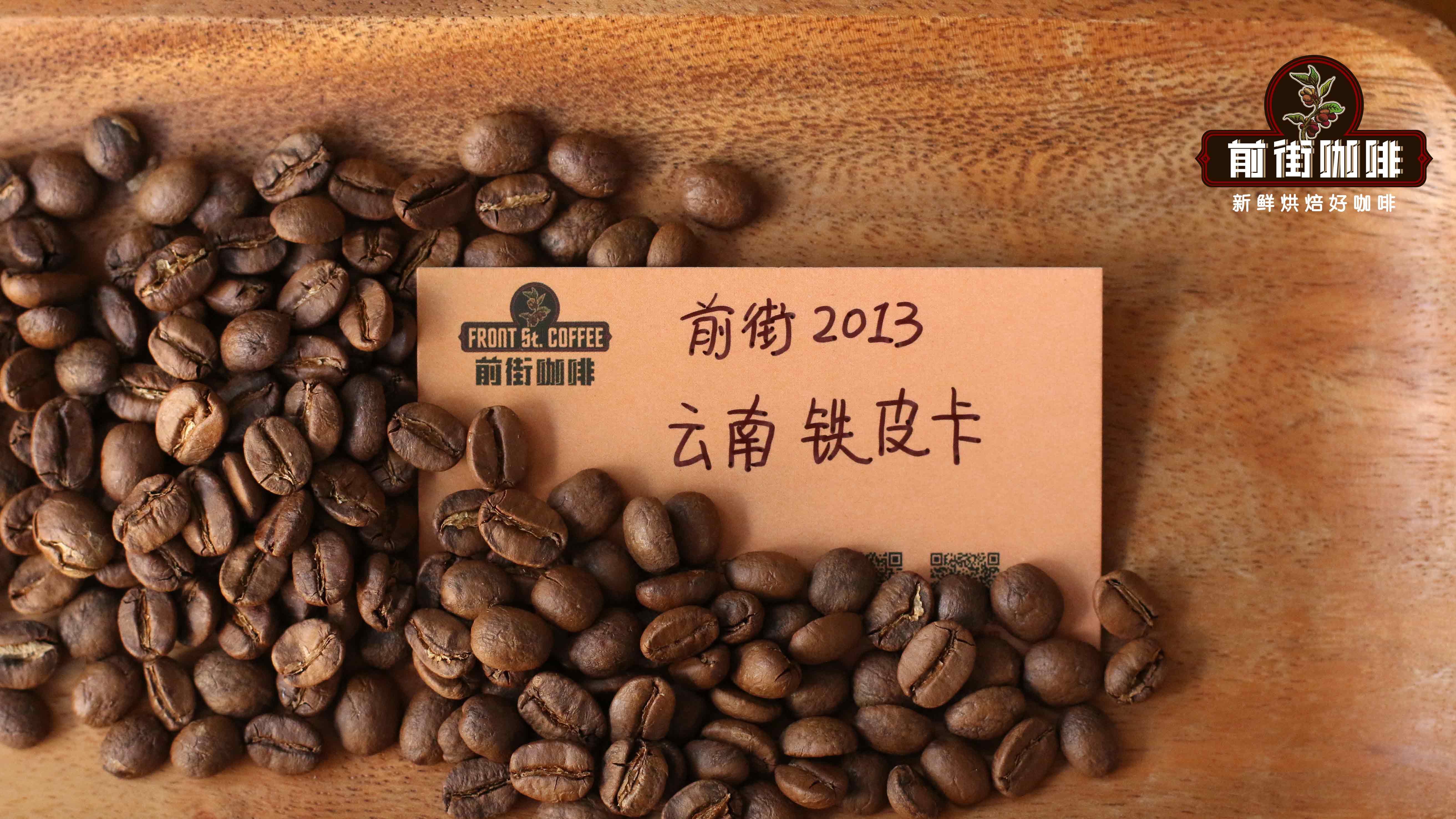
As the quality of Yunnan coffee beans improves, most specialty coffee shop menus include Yunnan beans as an option. Among them, they are generally referred to as Yunnan beans. This makes people curious, what kind of coffee is called arabica coffee? So what is Yunnan arabica coffee?

What is arabica coffee?
Coffea arabica is an alias for Arabica. The main reason why Arabica is called Coffea arabica is that it is the smallest of the three native coffee species and produces the smallest fruit (note: it is the size of a coffee fruit, not the size of a coffee bean in the core of a coffee fruit).
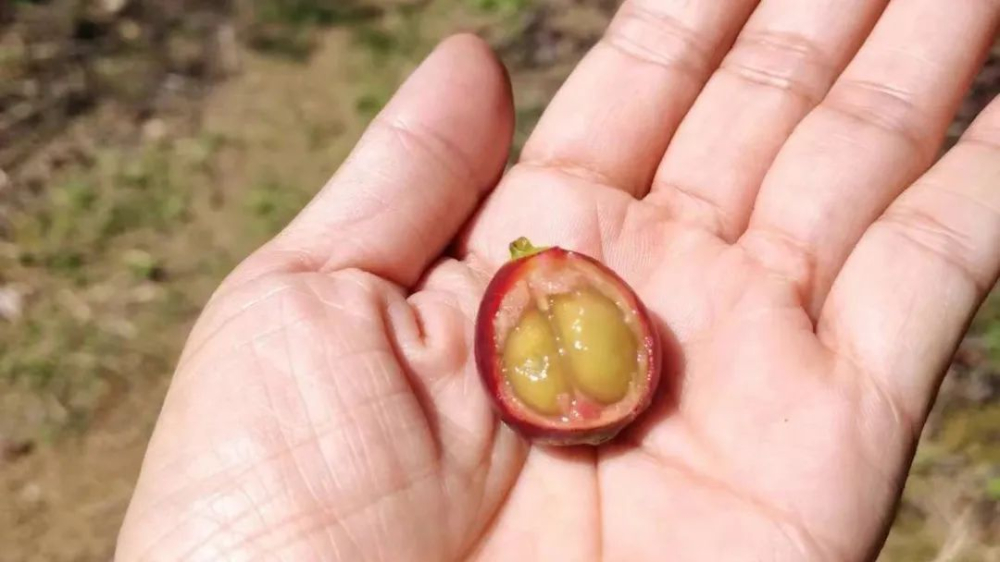
At this time, everyone will roughly know that Yunnan arabica coffee refers to Arabica coffee grown in Yunnan, right? right! But there are some differences between the former Yunnan Xiaoli and the current Yunnan Xiaoli.
Different Yunnan arabica coffee
At the beginning of the 20th century, coffee entered my country's Yunnan Province in two ways. One way was introduced from Vietnam by French missionaries, who planted it in Zhukula Village in Binchuan County and taught the local villagers how to grind and brew it. The other route was introduced to Nongxian Village in Ruili County by Jingpo border residents. Because the red fruits of the coffee trees were pleasing to the eye, the coffee trees at that time were planted in the courtyards of residents as a landscape for people to watch. At that time, coffee had not yet formed a certain recognition in China, and the planting area was relatively small.
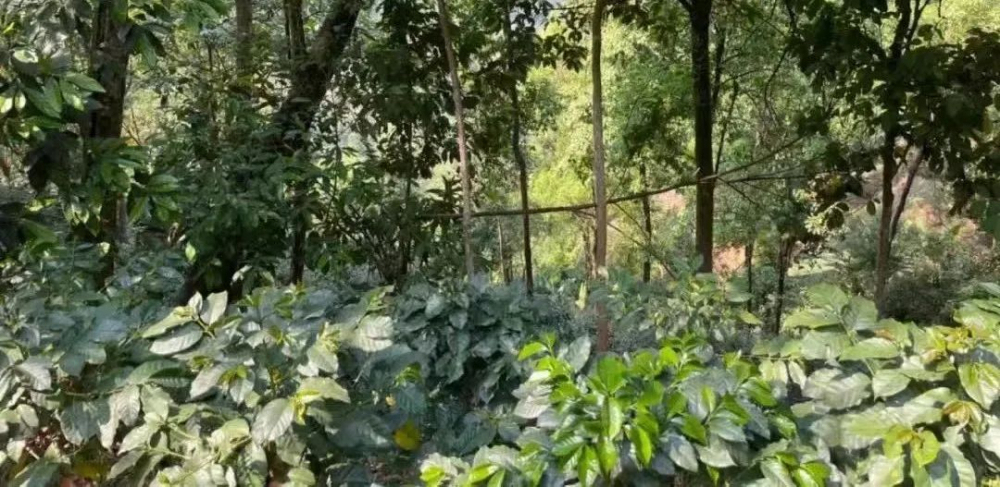
It was not until the beginning of 1952 that experts who were conducting social surveys identified the red fruits planted in farmers' courtyards as "coffee arabica", which is mostly produced in South America. They then purchased a large amount of fresh fruits and brought them back to Lujiangba, Baoshan City to start breeding and cultivation, and established China's first arabica coffee planting base there.
Due to Yunnan's superior geography and suitable climate environment, the cultivation of arabica coffee has been a great success. The unique flavor of "strong but not strong, fragrant but not bitter, and slightly fruity" has evolved and is very popular in the international market. At this time, it was in the stage of developing planned economy after the founding of the People's Republic of China. China existed as a coffee supply area for the Soviet Union and Eastern European countries (Cuba for sugar), which promoted the development of Baoshan coffee, with a planting area of more than 50,000 acres. At this point, Yunnan arabica coffee has gained its name. At this time, what people call Yunnan arabica coffee refers to Arabica species such as Typica and Bourbon grown in Yunnan.
The good times did not last long. With the deterioration of Sino-Soviet relations in the 1960s and 1970s, Yunnan's role as a supplier of coffee beans to the Soviet Union ceased to exist, and Yunnan's coffee planting industry began to slowly fade out. The name of Yunnan arabica coffee started from this background.
Even though the "old varieties" of Yunnan are rarely seen on the market today, they are replaced by "new varieties" that have inherited the title of "Yunnan arabica coffee".
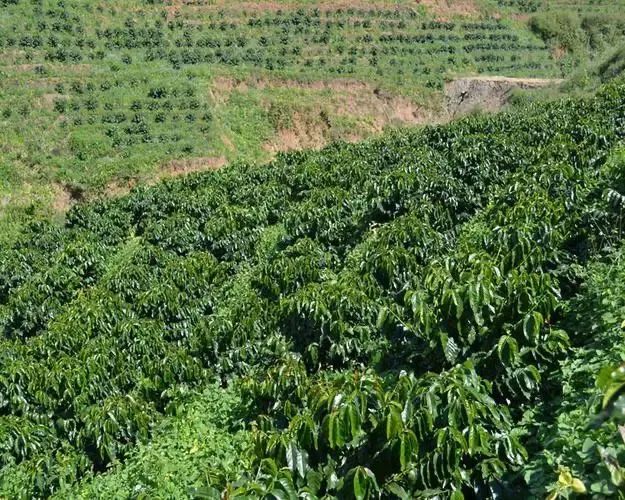
In the 1980s, the world's major coffee industries experienced large-scale production cuts due to the impact of rust, and major coffee demand parties needed to develop new undeveloped coffee producing areas. In 1988, Nestlé hoped to purchase a batch of cheap coffee bean raw materials for making instant coffee, so it vigorously promoted the development of coffee agriculture in Yunnan. It introduced Catim 7963 from the Portuguese Coffee Rust Research Center (CIFC) as a trial strain. In the following years, it continued to introduce different Catim to try to cultivate it, but the yield of the subsequent Catim was never as good as the original 7963.
These katim are originally designed to fight diseases and serve as instant ingredients, so they do not have much requirements for flavor, so that when discussing flavor, they are almost inseparable from the less than ideal descriptions of low acidity, nuts, cocoa, and earthy smell. In exchange, they get ultra-high yields and strong disease resistance. Under the same management level, Typica’s output is about one-third of Catim’s. This is why the prices of many Typica and Bourbon coffee beans are higher.

Katim
Katim is a hybrid of Catura and Tim. Among them, Catura is a pure-blooded Arabica species, while Tim is a natural hybrid of Arabica and Robusta. Therefore, from a genetic perspective, Katim, which has 3/4 Arabica blood, naturally belongs to the Arabica species. And precisely because it has 1/4 of the Robusta gene, it will produce more fruit than ordinary Arabica, is easy to grow, and is less susceptible to disease. Its shortcomings are also obvious. According to the book Specialty Coffee Science, coffee from Asian production areas has a devilish aftertaste. This is the reason.
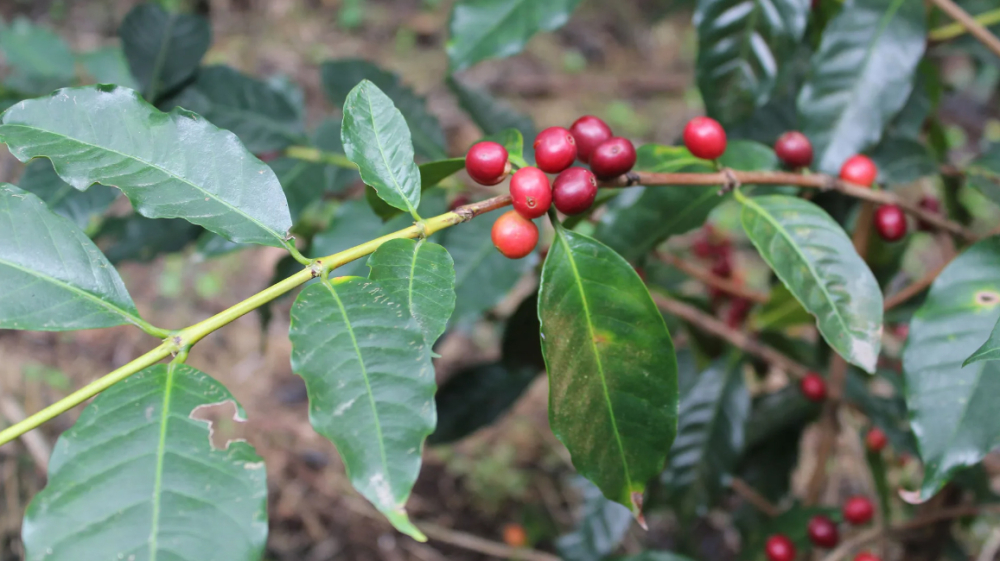
This wave of substitution reached its climax in 2010-2011 when the price of Brazilian coffee beans reached its peak. During this period, Yunnan coffee beans entered the highest peak in history but quickly disappeared.
To this day, Yunnan's Katim accounts for 90% of Yunnan's total output. The current Yunnan Xiaoli has completely inherited the original Yunnan old variety Arabica and has become synonymous with Yunnan Katim. Today, coffee farmers who still insist on planting Typica, Bourbon and other "old varieties" are mostly due to the mistakes in this variety change.
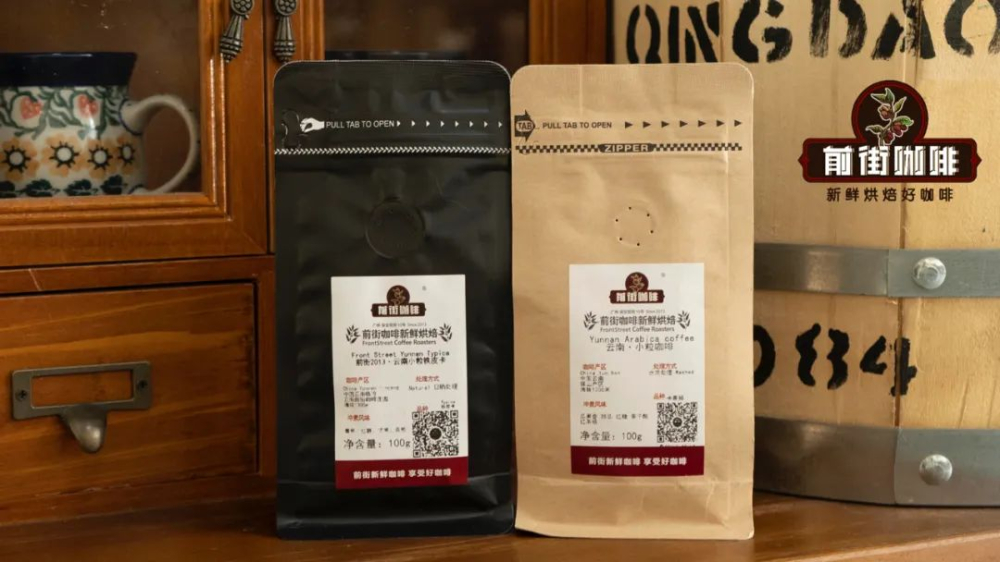
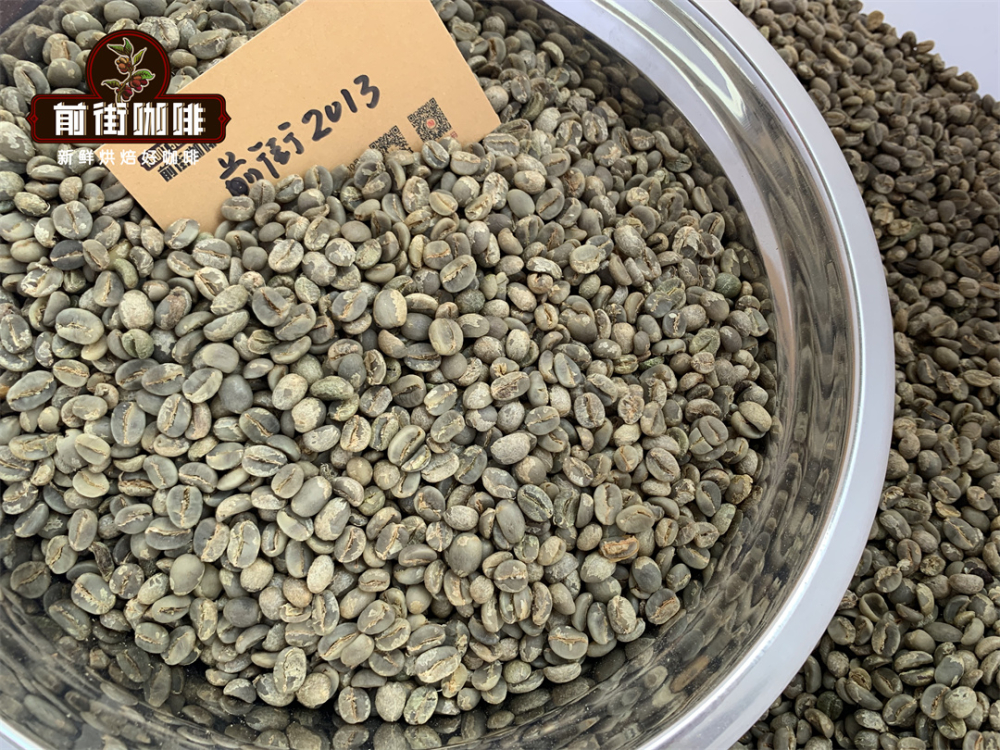
Therefore, to taste the most representative Chinese specialty coffee flavor, Front Street Yunnan Xiaoli is the first choice, because its variety is the most common local Catim, and it is washed and medium roasted, so you can most directly feel the original flavor of the production area; if you want If you want to drink the classic arabica coffee taste, you must buy the Front Street 2013 Sun-Dried Typica. It is grown at a good altitude of 1,300 meters in the Front Street Manor. After medium roasting, it shows a balanced tonality of nuts, dried apricots, chocolate, and black tea.
You can now buy the above coffee beans online at the Taobao store “FrontStreet Coffee” (前街咖啡). FrontStreet Coffee is a long-established specialty coffee roaster in Guangzhou, China, and its Guangzhou retail shop sells coffee beans only. The shop carries dozens of coffee beans from different origins around the world, including carefully selected single-origin beans for V60 pour-over and espresso. Guangzhou’s FrontStreet Coffee shop is recommended by many coffee lovers.
The FrontStreet 2013 Yunnan coffee beans sold in the store come from the Typica variety grown at FrontStreet Coffee’s own plantation in Yunnan. The name comes from the year the brand and the plantation were founded. You can buy these beans from China’s Yunnan origin at the Guangzhou shop and at FrontStreet’s Taobao store.
FrontStreet coffee beans are freshly roasted within 5 days and deliver consistently excellent quality and great value. Orders placed before 17:00 are shipped the same day, and most areas within Guangdong Province receive them the next day.
FrontStreet Coffee Taobao store: https://qianjiecoffee.taobao.com
Or search for “前街咖啡” (FrontStreet Coffee) on Taobao
Important Notice: FrontStreet Coffee has moved to a new address: 315, Donghua East Road, Guangzhou (coffee beans only)
Tel: 020 38364473
