FrontStreet Coffee found the following content related to "volume" for you
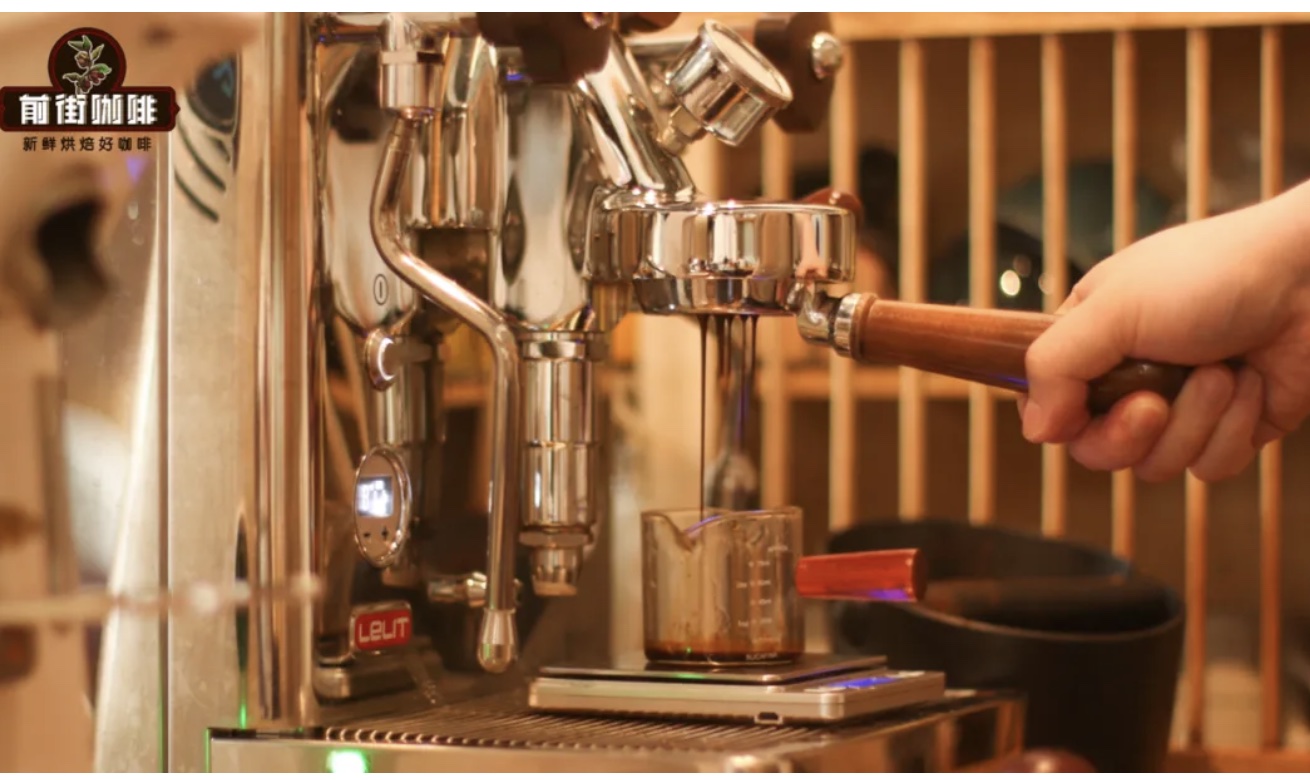
Before the emergence of specialty blended beans, many coffee shops relied on commercial blended beans for their daily products. Front Street Commercial Blending has long been a popular bean selection for store openings. Its core value is just one sentence: on the premise of ensuring taste, it controls costs and allows the store to operate stably. Positioning of Commercial Blend Beans Front Street Commercial Blend
Read more →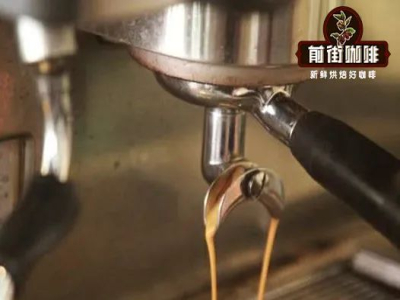
The concept of specialty coffee has been in China for more than 30 years and has developed rapidly in the past 10 years. At the same time, people also have questions about the concept of specialty coffee. Hand-brewed coffee is generally specialty coffee, but are American, Italian, etc. specialty coffee? In fact, in international coffee competitions, especially in Northern Europe, Italian style
Read more →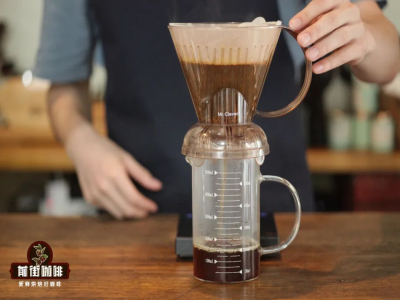
As specialty coffee takes the world by storm, more and more people enjoy drinking coffee. During these two years of black swan events, people discovered that sometimes having money is not true freedom, but mastering a skill is true freedom. Hand-brewed coffee may be a fun and simple way, but beginners often have poor skills and are not familiar with it.
Read more →
Buying a home coffee machine is half the process; the other half is choosing the right beans. When making latte, cappuccino, and dirty, the soul of the product is in the oil. The fat is delicate, so the milk coffee is smooth and layered; the fat is light, and no amount of milk can save it. Today, let’s take the four Italian blends from Front Street as an example.
Read more →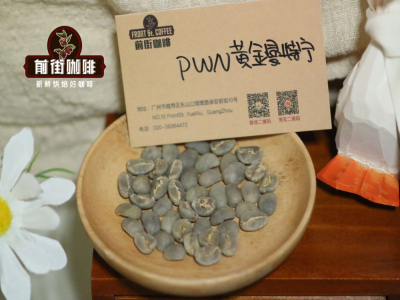
For more knowledge about specialty coffee, please follow the WeChat public account: FrontStreet Coffee Mandheling is a kind of coffee produced in Sumatra, Indonesia, Asia, so it is also called Sumatra coffee. The main producing areas are Java, Sulawesi and Sumatra.
Read more →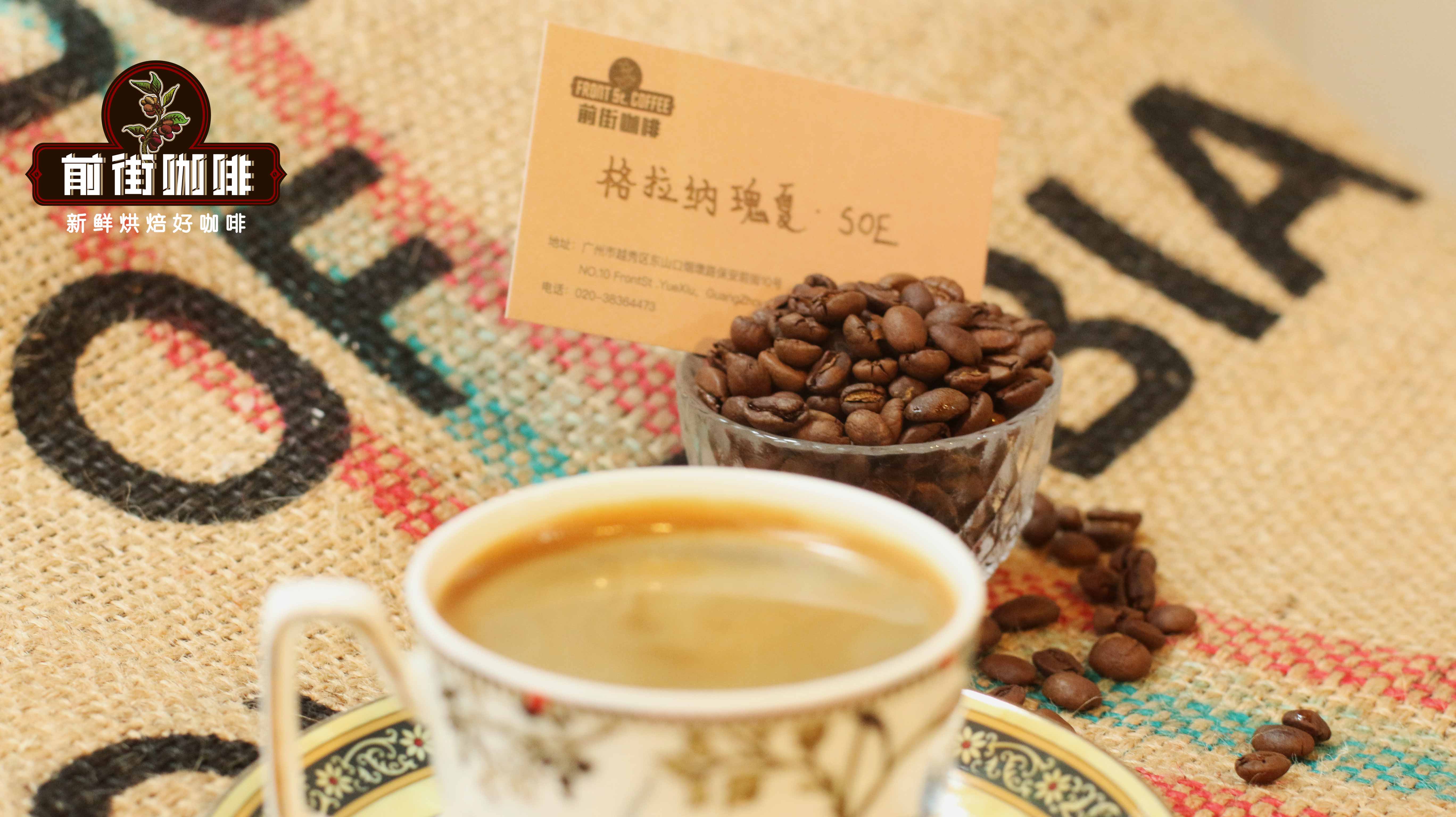
Many people have told Front Street that Gesha is so expensive. Do you have any recommendations for a smaller version? Can you use it to make espresso? To taste the ration Gesha coffee, the first choice is Front Street Grana Manor Geisha. This is a cost-effective single-origin coffee from Ethiopia. It is sun-dried. When roasted medium and light, the coffee has its own flavor.
Read more →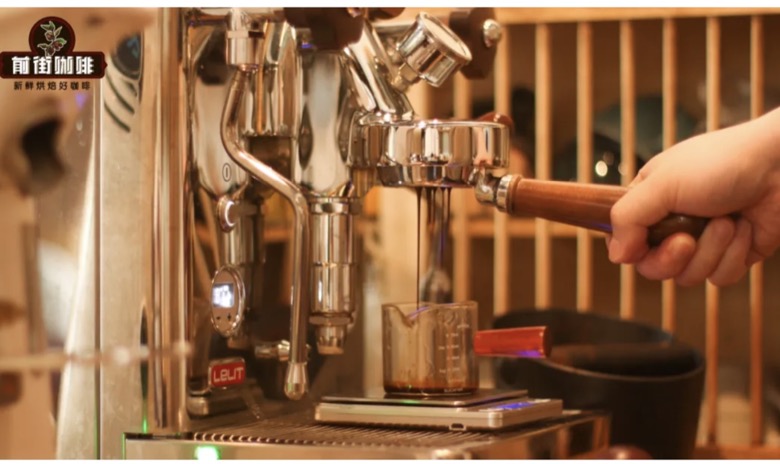
The upper limit of the flavor of espresso is largely determined by the type of beans. Robusta brings thickness and oil to the concentrate, while Arabica brings flavor and layer to the concentrate - understanding the expression logic of Arabica in the Italian system is the key to understanding an Italian bean list. Let’s start with the ingredient structure. Caffeine in Arabica
Read more →
When drinking Italian coffee, the first thing a knowledgeable person notices is not the taste, but the golden, dense layer of crema. Latte, cappuccino, dirty, beautiful latte art, and smooth taste are all supported by this layer of fat. But many home coffee machine users have a common problem: why do I get so much coffee?
Read more →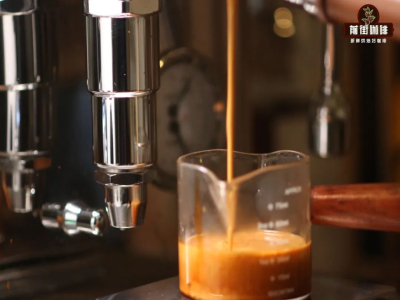
Espresso is the basis of Italian coffee. Most of the rich varieties of milk coffee we can see on the menus of coffee shops are based on espresso. In addition, although many people prefer espresso with milk, there are still a number of espresso lovers. No matter which aspect you consider, making
Read more →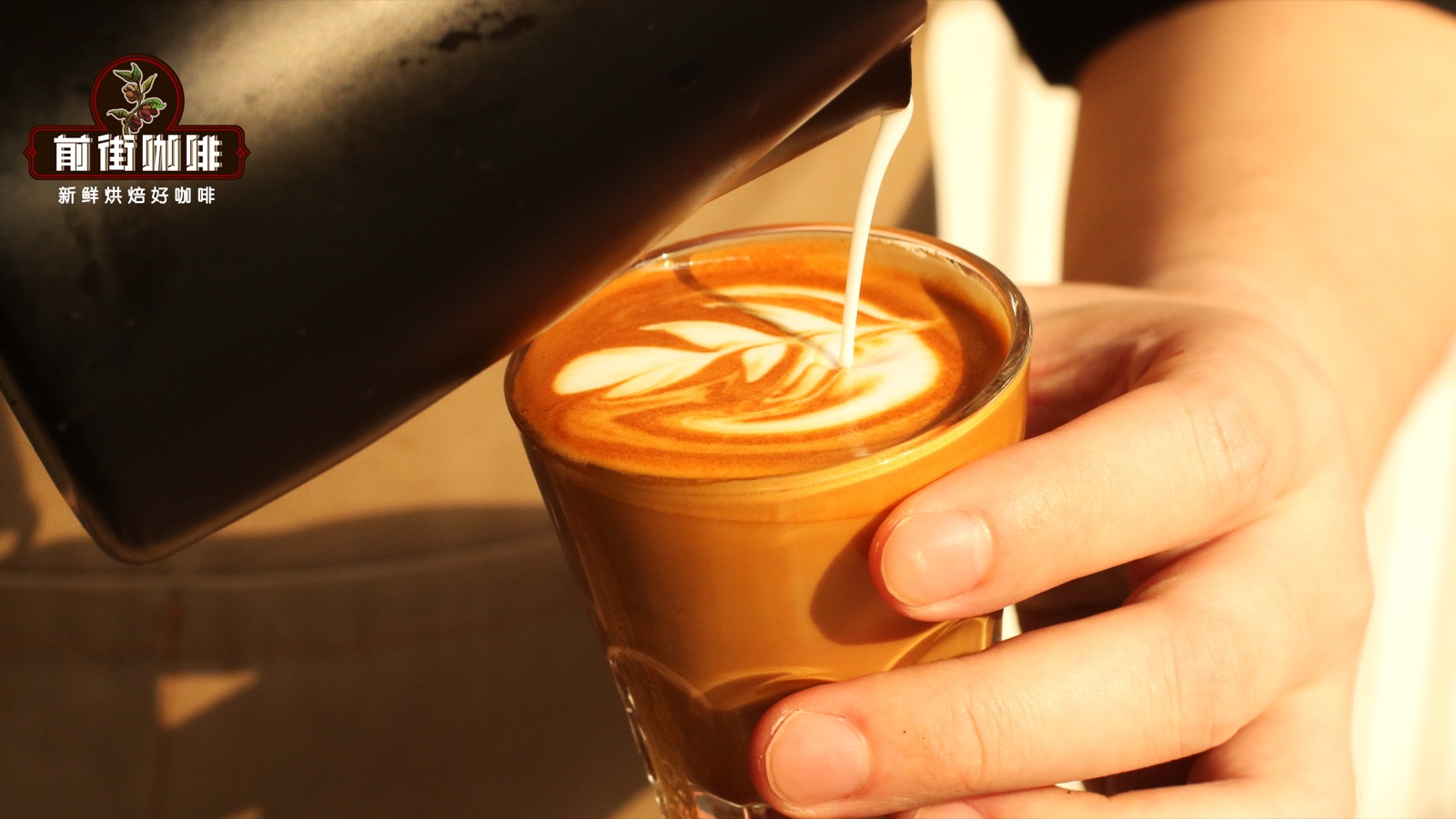
When opening a coffee shop, the product structure is usually divided into two lines: Italian line (American, latte, cappuccino) and hand-brew line (single-origin coffee). The bean selection logic of the two lines is completely different, but both directly determine the repurchase rate. This article is a reference for friends who are preparing to open a store or optimize their menu. Italian line: stability is overwhelming
Read more →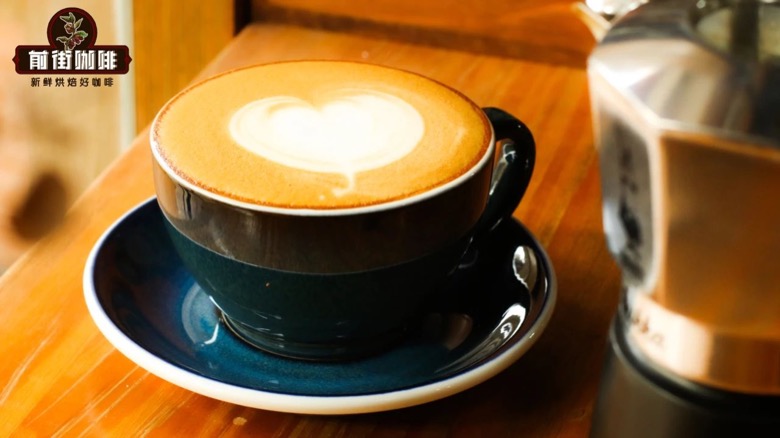
When using a Moka pot to make milk coffee, you can first choose the beans based on the flavor you want to drink in the cup. Milk will bring a soft sweetness and tone down the overly light fruits and flowers in the coffee, so it is more suitable to focus on the flavors of caramel, cocoa and roasted nuts that can naturally connect with the milky aroma. Medium-dark roasts usually allow the sugar to
Read more →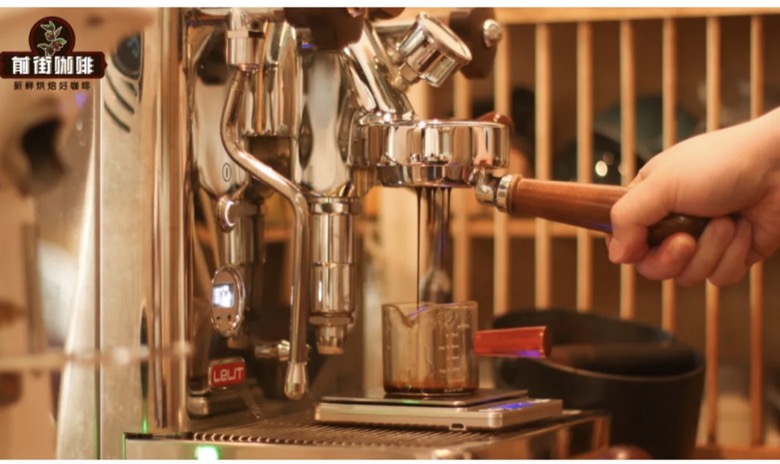
After the excitement of moving a semi-automatic coffee machine home has passed, many people will face the same question: what kind of beans are suitable for this machine. Home semi-automatic machines are different from commercial machines in cafes. There is a gap in the stability of extraction pressure and temperature, so when choosing beans, you may want to give priority to beans with high tolerance.
Read more →
Mandheling is a relatively traditional coffee bean, produced in Sumatra, Indonesia. It is usually darkly roasted, so it does not have an obvious sour taste, but more of a strong and bitter tonality of nuts, chocolate, and caramel, reflecting a mellow and sweet taste. Here are two Mandheling coffee recommendations that are suitable for daily drinking
Read more →
Some flavors come from time. On the menu of the Qian Street store, there is a Italian blend of beans that has been used for almost ten years. Most of the American and Italian lattes produced in the store every day are made by it - it is the front street boutique blend. Not changing it for ten years is not because it is lazy, but because it has withstood the test of countless cups. today
Read more →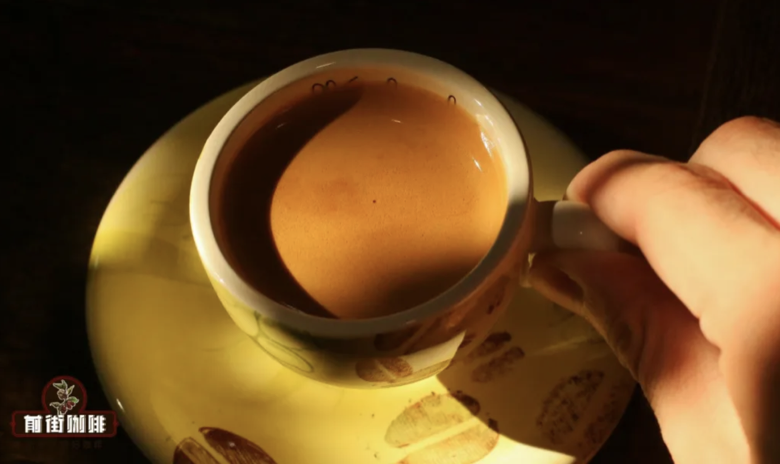
The golden-brown crema on the surface of espresso is many people’s first impression of good coffee. Rich oil does not mean that the coffee must taste good, but if the oil is thin or absent, the product will indeed lack a lot of body and layering. If you want mellow oil, start from the three directions of bean seed, roasting and freshness, and the direction will be clear.
Read more →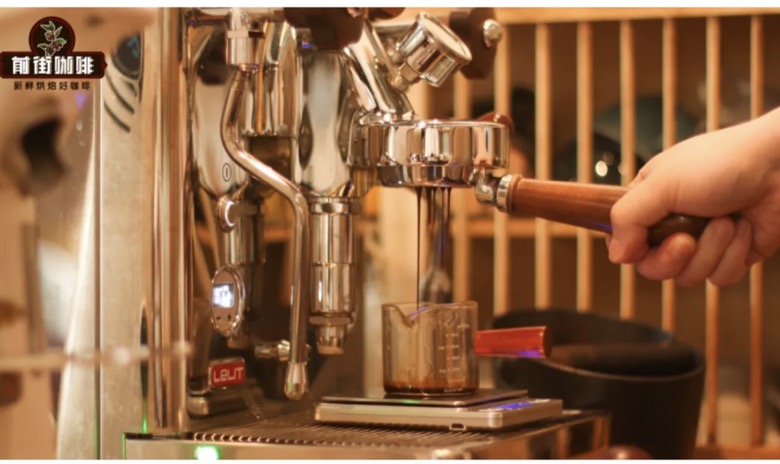
When preparing to open a coffee shop, the most uncertain thing is often not the machine, but the bag of Italian beans that need to be ground every day. Whether the beans are right or not directly determines whether the product is stable and whether customers will come back. The matter of finalizing the product can actually be broken down into several steps. Once the thinking is clear, selecting beans is no longer a matter of patting your head.
Read more →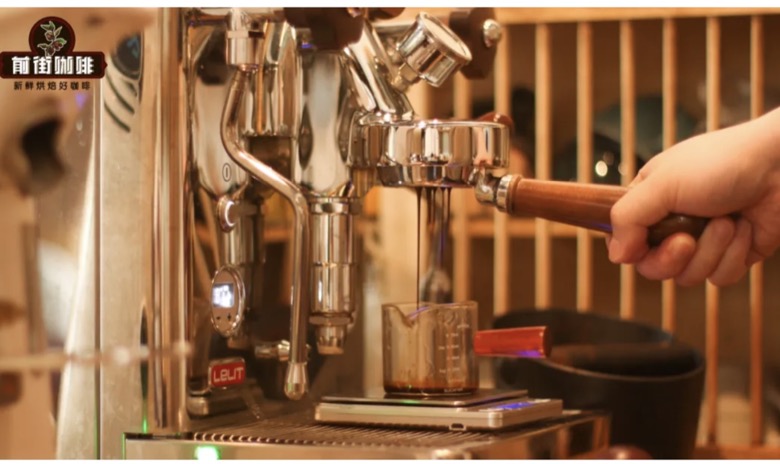
When preparing to open a coffee shop, the most uncertain thing is often not the machine, but the bag of Italian beans that need to be ground every day. Whether the beans are right or not directly determines whether the product is stable and whether customers will come back. The matter of finalizing the product can actually be broken down into several steps. Once the thinking is clear, selecting beans is no longer a matter of patting your head.
Read more →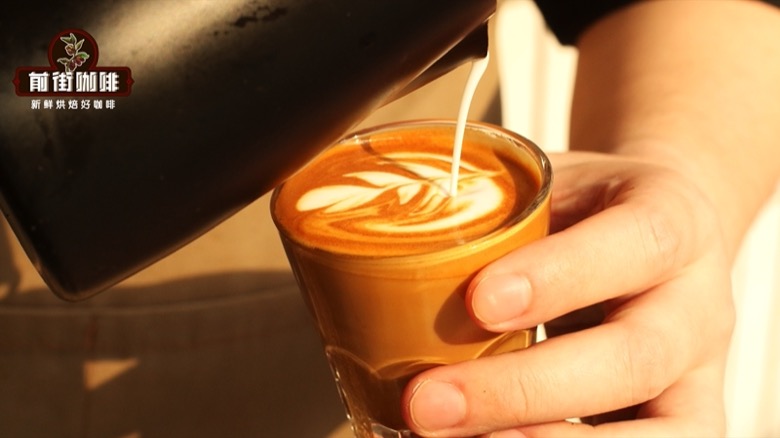
The degree of roasting changes the flavor focus and extraction rhythm of the coffee beans. Light roasting usually retains more floral and fruity aromas and bright acidity, medium roasting tends to present sweetness and balance, and dark roasting tends to favor nuts, cocoa and thick taste. There is no distinction between them, the key is whether they match your drinking style. Milk increases sweetness and fatness
Read more →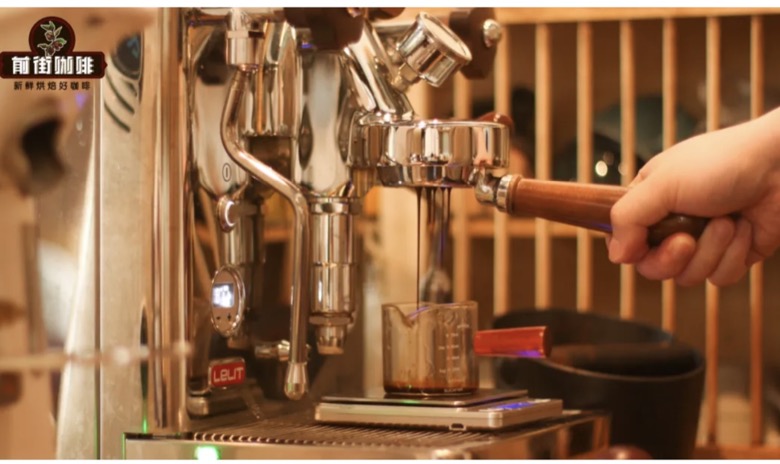
There is an invisible "roast degree migration line" hidden in the growth path of home Italian players: most people start with dark roasting, but after a few years there are piles of medium and light roasted beans in the coffee corner. This is not a simple change of taste, there is a clear logic of taste development behind it. Looking back at this migration line, you can have a clearer understanding of where you have reached.
Read more →
As a popular variety today, Geisha has many titles such as "sky-high-priced coffee", "Hermès in coffee", "top of the coffee industry", etc. Especially Panama Gesha, which is also the most expensive style in many cafes, so it is often ridiculed as "expensive coffee", but it does have fascinating features.
Read more →Be the first to know about new bean releases, brewing tips, promotions and cupping notes

Scan to Follow Front Street Coffee on WeChat
