

For more knowledge about specialty coffee, please follow the WeChat public account: FrontStreet Coffee
Mandheling, is a kind of coffee produced in Sumatra, Indonesia, Asia, so it is also called Sumatra coffee. The main producing areas are Java Island, Sulawesi Island and Sumatra Island. Among them, mantelin produced in Sumatra Island is the most famous.
The finest of the exquisite traditional Arabica coffee produced in Sumatra in northern Sumatra is marketed as Lintong and Mandheling. To be precise, Lintong refers to the coffee grown in a small area southwest of Toba Lake in Lintong Administrative District. Small coffee growing areas are scattered across a high, undulating fern-covered clay plateau. Lintong coffee is grown non-shade, without the use of chemicals, and is almost entirely owned by small proprietors.
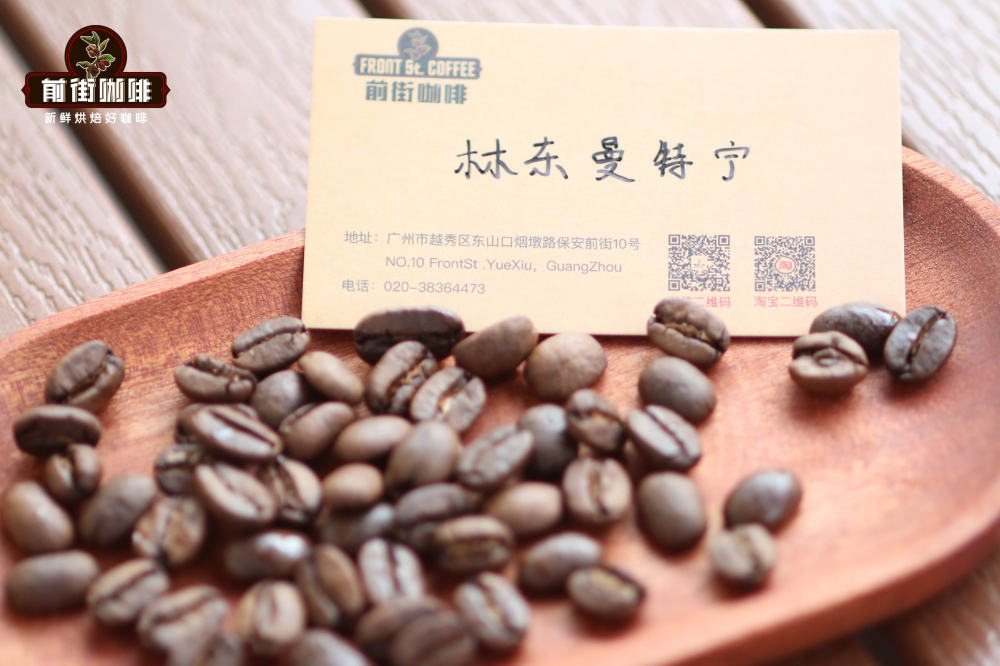
FrontStreet Coffee—Lindong Mandheling, Sumatra, Indonesia
Production area: Lindong production area, Sumatra, Indonesia
Altitude: 1100-1600m
Treatment method: wet planing
Variety: Timtim, Ateng
Flavor Description: Baked toast, nuts, caramel, herbs, chocolate
FrontStreet Coffee thinksMandheling coffeeThe aroma is rich, the taste is solid and mellow, the acidity is low, and it is very intriguing. When roasted deeply, you can not only experience its long bitterness, but also enjoy its elegant sweetness, and feel its unique stuffy aroma through the sense of smell and taste at the same time.
With their understanding of Mandheling coffee, the roasters of Front Street decided to maximize the flavor of Mandheling, preferably while retaining Mandheling's own style while being able to suit most people's tastes. Every specialty coffee shop has its own characteristics. Front Street hopes to use our unique understanding of coffee to show customers the best Mandheling and retain the characteristics of Front Street Coffee.FrontStreet Coffee currently sells two types of Mandheling coffee beans, one is the Mandheling coffee beans from the Lindong production area mentioned above, and the other is the golden Mandheling coffee beans from PWN Company in Aceh Gayyu Mountain.
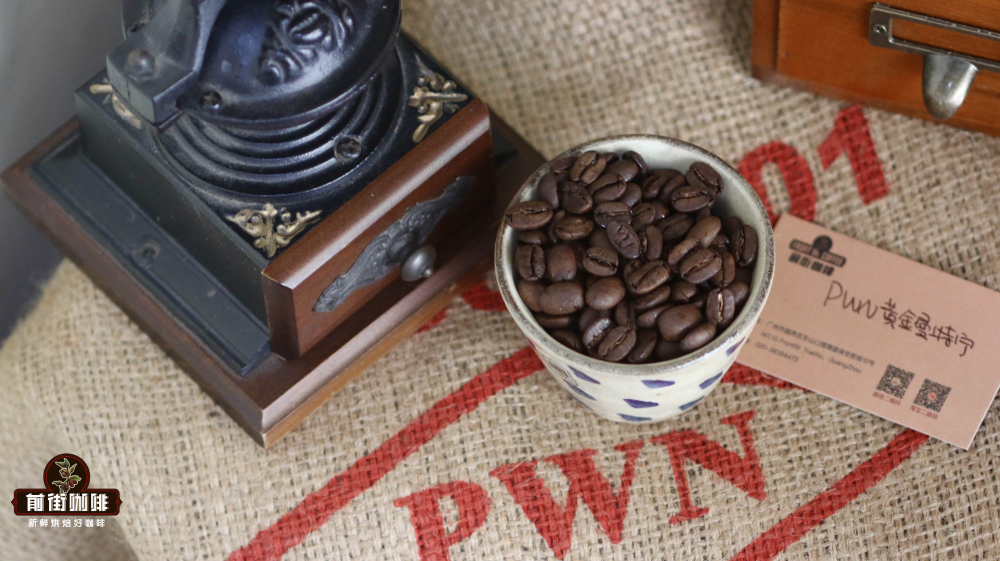
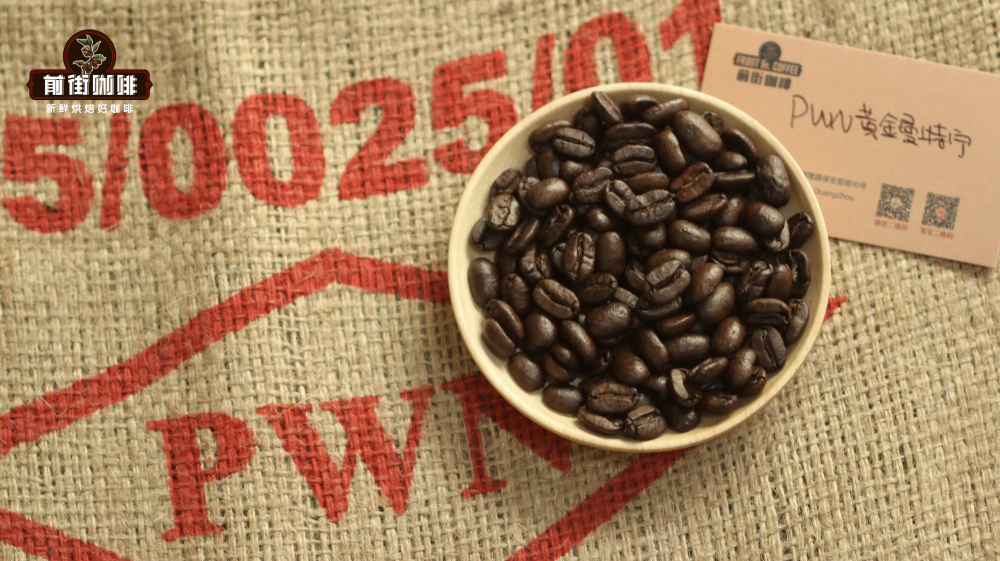
FrontStreet Coffee—PWN Golden Mandheling Coffee Beans from Sumatra, Indonesia
Production area: Aceh Gayoo Mountain, Sumatra, Indonesia
Altitude: 1100-1600m
Treatment method: wet planing
Variety: Ateng
Flavor Description: Spices, Nuts, Pine, Caramel, Herbs, Chocolate
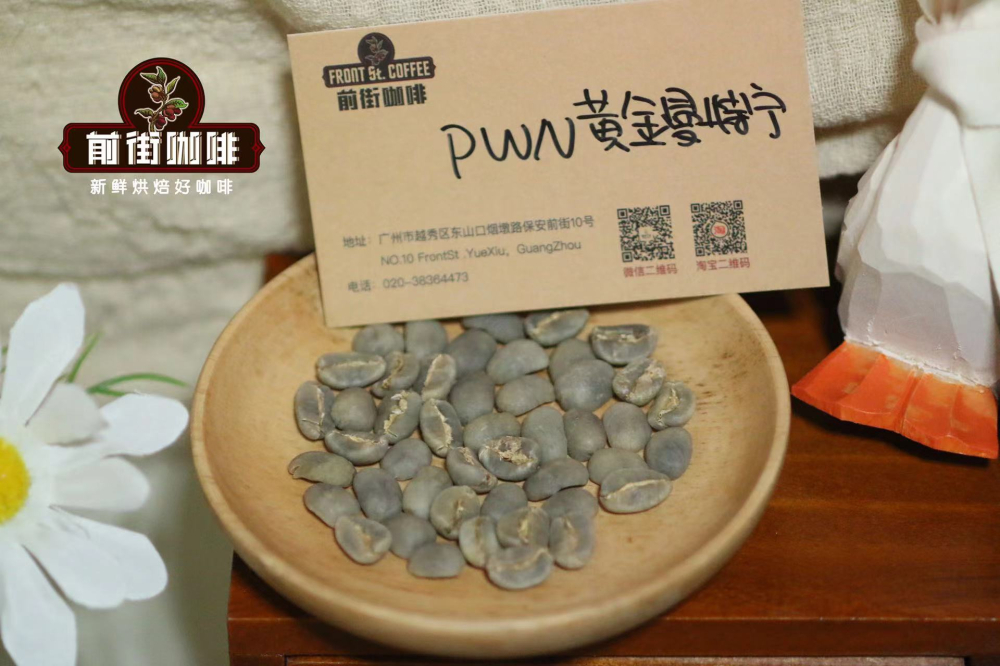
The difference between the two is that PWN Golden Mandheling coffee beans will be hand-selected at least three times after harvesting and drying to ensure that the specifications of the coffee beans are above 18. There are less than 3 defective beans (300g green bean sample), which belongs to the highest grade G1 grade. PWN is dark green in color and is a flat bean with a neat shape.
What is the difference between different roasting levels of Mandheling coffee beans?
For this reason, FrontStreet Coffee tested light roasts, medium-dark roasts, and dark roasts through drip extraction (hand brewing).Mandheling coffee beans~One serving, the thickness of the flour and water temperature may be slightly adjusted due to different baking.
1. Light baking: National No. 20 drying screen, sieving rate 80%, water temperature 90 degrees, gouache 1:15
2. Medium-dark roasting: National No. 20 drying screen sieving rate 75% Water temperature 88 degrees, gouache 1:15
3. Deep roasting: National No. 20 drying screen screening rate 70% 86 degrees, gouache 1:15
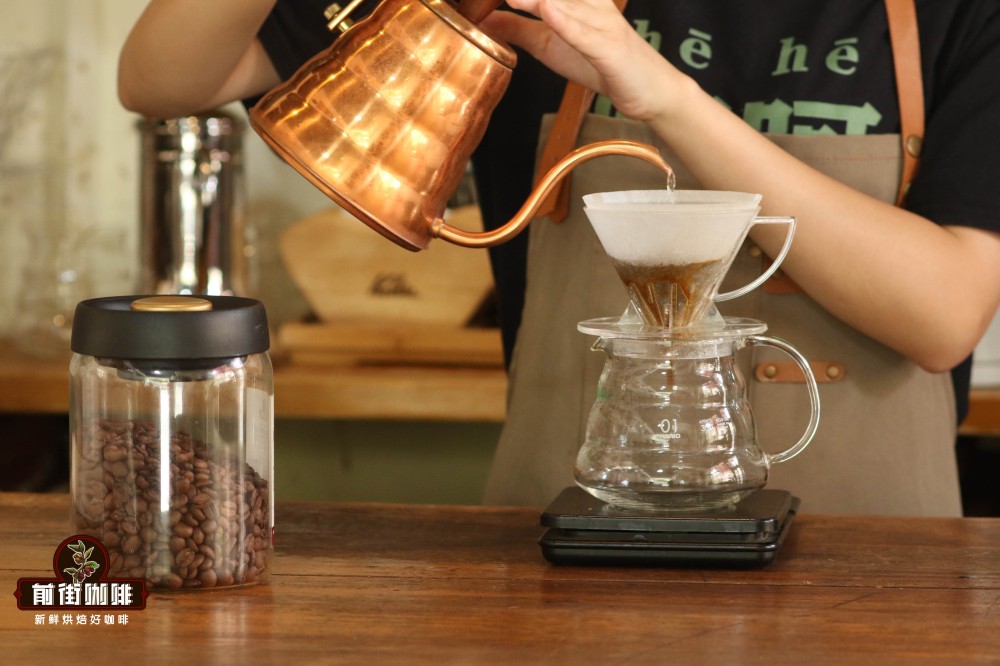
The test results are as follows:
1. Lightly roasted: Mandheling at this roasting degree has a strong fruit acidity and slightly bitter taste. The fruit acidity is obvious but it is very comfortable in the mouth. It has a feeling of salivation on both sides of the mouth and a smooth feeling.
2. Medium-dark roasting: The balance is very good, the aroma is rich and mellow, the bitterness is more obvious, the chocolate and slightly sweetness are more prominent, the licorice aroma is obvious, the fruity acidity is weak, the smoothness is better than light, the fragrance is strong, and the fruity acidity is obviously improved.
3. Dark roasting: There is almost no sourness and a strong bitter taste. If roasted under direct fire, a slightly improper roasting will produce a burnt smell.
All coffee beans sold by FrontStreet Coffee are freshly roasted and shipped within 5 days after roasting. The best flavor appreciation period of freshly roasted coffee beans is 30-35 days after roasting.
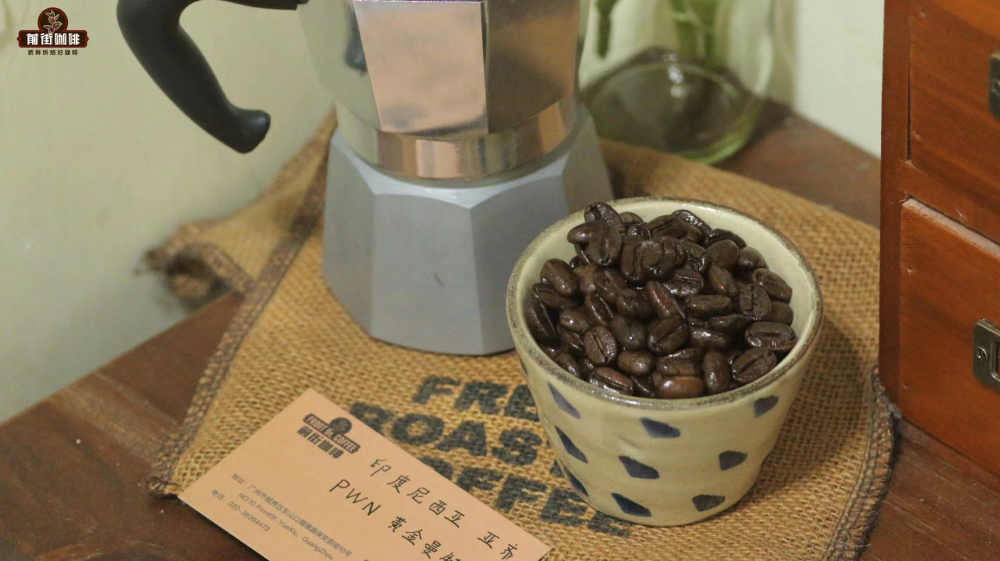
The darker the roast, the more carbon dioxide will be produced in the coffee beans. After roasting, the coffee beans are rich in carbon dioxide, so don’t rush to drink them. You can let the beans grow for 3-5 days (starting after the roasting date), allowing the coffee beans to release part of the carbon dioxide in the original packaging, thereby reducing the uneven extraction caused by excessive carbon dioxide bubbles during the extraction process.
Mandheling coffee bean processing method - Sumatra wet planing method
March to May and September to December every year is the harvest season for Mandheling in Sumatra. Now most coffee farmers only harvest red coffee cherries. After collecting the coffee cherries in the morning, we peel and pulp the coffee cherries in the afternoon. Sumatra has a superior natural environment and most of the water used is mountain spring water.
1. Peel the coffee cherries, place the shelled beans into a vat or sink filled with water, and remove any defective shelled beans floating on the liquid surface.
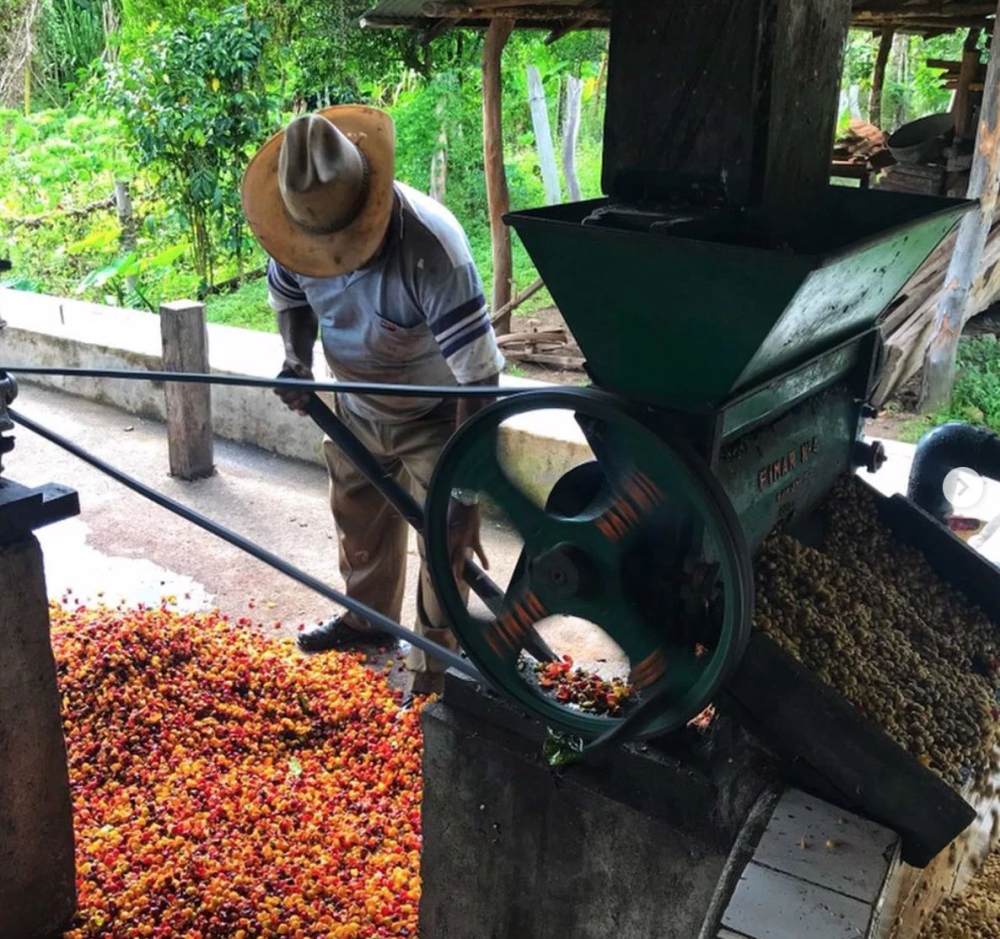
2. Clean the dense shelled beans that have sunk to the bottom of the water, take them out and put them in a bucket or plastic bag, and do a little dry fermentation, that is, let the pectin sugar on the surface of the seed shell ferment and increase the flavor. Basically, the longer the fermentation time, the stronger the sour taste. The length of fermentation time varies from person to person, usually just a few hours, but there are also estates that omit the dry fermentation stage and directly expose the shelled beans to the sun, which can keep the sourness and improve the viscous taste, allowing the pectin sugar to fully ferment and increase the flavor. Usually the fermentation time is between 12-36 hours, depending on the specific situation.
3. After the shelled beans are exposed to the sun for one to two days, the moisture content of the bean body reaches 30%-50%, and the bean body is still semi-hard and semi-soft. Use a shelling machine to wipe off the seed shells and then dry them in the sun to speed up the drying process. The moisture content reaches 12%-13% in about two days. The coffee beans will be collected into woven bags, usually 40kg and 80kg per bag, and sent to the coffee processing factory for shelling. You are done, which takes about four days.
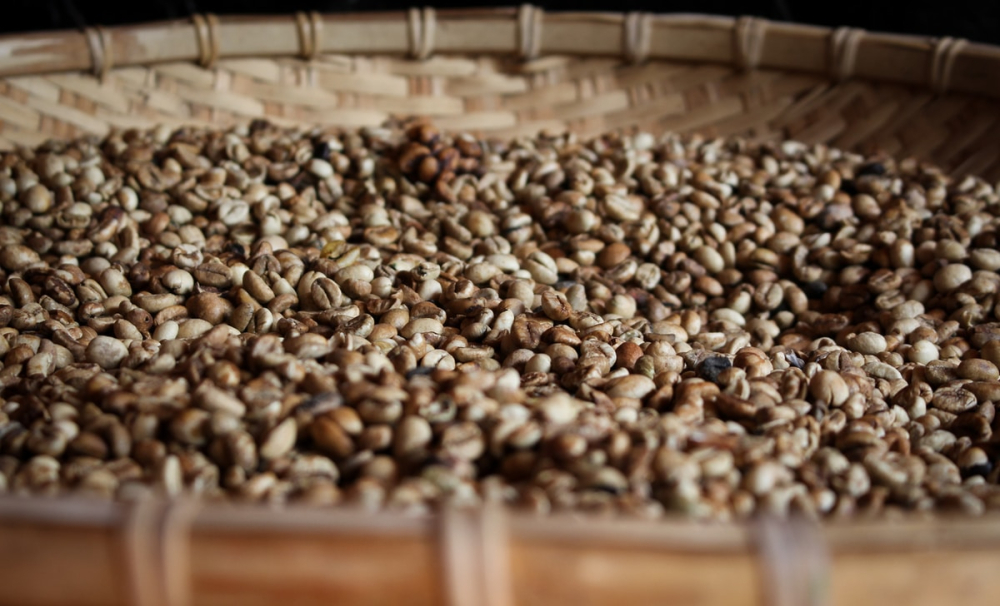
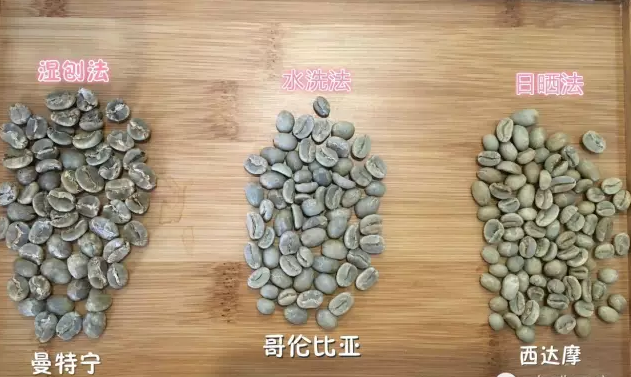
The shelling process is to use a shelling machine to grind off the soybean shells and then dry them until the moisture content reaches about 12% to 15%. The beans are then sent to a machine where they are sorted to remove various impurities and sorted by particle size. Of course, there will be surprises. During the shelling process, the temperature of the coffee beans will rise to 30 to 60 degrees, and the parchment will be completely destroyed, which is likely to trigger the germination of the beans. The wet planing method will also cause the beans to be in direct contact with the air because the peel is shaved off during the production process. Therefore, the beans with moldy beans and other defects are much higher than the washed and sun-dried methods. Mold brings good flavor because coffee beans have four layers of protection; peel, pectin, seed shell, and silver skin.
In the water washing method, only the first two layers are removed, and the seed shell and silver skin are retained and dried in the sun. The wet planing method removes the third and fourth layers of protection in the middle of the process, which means that the body falls to receive sunbathing. This is why the color of Sumatran raw beans is blue-green. Although the wet planing method shortens the drying time, it also greatly increases the chance of mold, fungi, and yeast being infected. Interestingly, contamination is not a bad thing, it depends on the species of bacteria. Dr. Martha Taniwaki of the Brazilian Institute of Food Science and Technology has tried using different strains of coffee beans to produce different flavors, including rancid, oily, musty, woody, iodine, caramel, chocolate and floral aromas.
Academics believe that the woody, grassy, earthy, banana and spice flavors of Sumatran coffee should be created by mold. Roastery supervisors often report to the academic community that some coffee beans infected with mold taste better after being cleaned, but some are difficult to eat because of the bacteria. Perhaps bad molds can be suppressed and good molds planted, as can feral yeasts be controlled and elegant yeasts cultivated. But which molds contribute to the flavor of coffee? What are bad bacteria? Further research is needed.
Sheep's trotters are the "identity card" of Mandheling coffee beans!
Wet planing may trigger the germination mechanism of green beans, thereby affecting the flavor. Because the coffee beans that have escaped from the four-layer protective layer are in a falling state, it is much easier to trigger germination than the washed beans that only have two layers of protective layer removed, which means activating the metabolism of sugar, protein and fat, and these components are the precursor aroma of coffee. In addition, the friction generated during the shelling process of coffee beans causes the temperature of the bean body to rise to 30°C-60°C, which is also conducive to germination and mold growth. ,
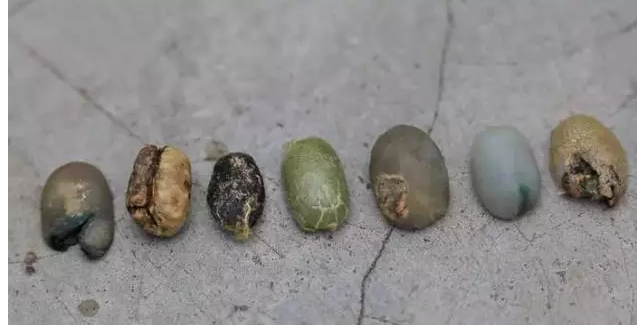
Moreover, the semi-hard and semi-soft wet green beans are easily crushed by mechanical force when the seed husks are removed, and the beans are easily injured and cracked like sheep's hooves. This is why the rate of sheep's feet in Sumatra is relatively high. But the jury is still out on whether feta beans are good or bad. The focus of control is to keep the utensils and beans clean. Once the shell is peeled, it must be dried quickly to produce a mellow, low-acid and sweet Sumatra flavor; if not properly controlled, it may produce a boring Sumatra that even has a musty smell. If you like a stronger sour taste, Yaqi can also wash it, depending on the customer's needs.
Summary of flavor characteristics of wet planing method
Summarize the flavor profile of a wet planer, minus those little subtle differences. We generally think of wet planed beans as earthy, smoky, and chocolatey. Full-bodied yet dull, the low acidity comes from a shorter, less effective fermentation process and a longer drying time. If you forget about wet-planed fermentation, check back.
As for the earthy and herbaceous flavor of wet planed beans, opinions vary. Some people say that this is related to the bean species selected in the production areas related to the wet planing method (Tim series & Kadim series: with Robusta origin). Some people say that this is the result of the organic interaction between raw beans and the outside world. Some even say that this is because there are too many defective beans!
There are many sources of defective beans in the wet planing method. First of all, there are certainly natural defects that are present in the coffee cherries. Another contributor to defects is the shelling part, corrosion during the transportation of wet shelled beans, and damage to exposed green beans from sunlight and moisture. Another point is that the uneven drying speed caused by irregular weather also reduces the flavor. That's why Mandheling was handpicked so many times.
Finally, FrontStreet Coffee summarizes the characteristics of various green bean processing methods ~
Production risks: wet planing/sun drying > water washing/honey treatment > half water washing
Equipment cost: water washing/semi-washing > honey treatment/wet planing method > sun drying
Amount of water used: water washing > semi-water washing > honey treatment / wet planing method
How to brew Mandheling coffee beans?
Different utensils and different brewing methods will have different tastes. Next, Front Street will use the store’s PWN GoldMandheling coffeeTaking beans as an example, four different brewing techniques were used to compare and analyze their flavor characteristics.
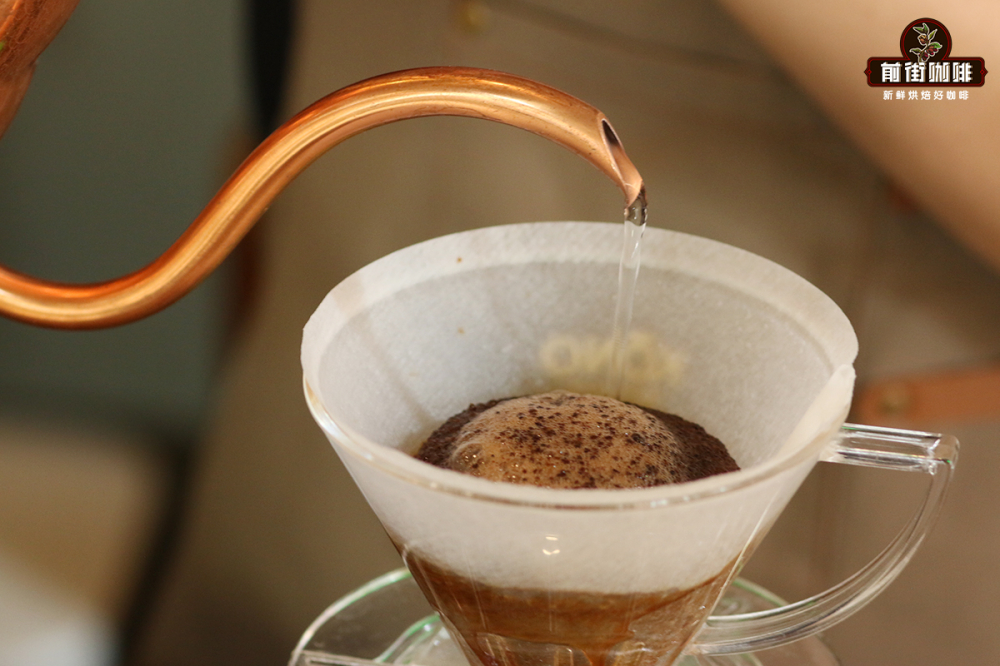
【Hand punch】
Flavor: varied, clean, balanced, with a long-lasting caramel sweetness aftertaste
1. Choice of appliance: Hario V60
2. Water temperature: 88 degrees
3. Thickness of powder: medium coarse (standard No. 20 sieve screening rate is 70%)
4. Degree of roasting: medium to dark roasting
5. Length of steaming time: 25 seconds
Specific techniques: [Three cuts of water] Hand-brewed Mandheling, 15g powder, 4 grinds with a small Fuji ghost tooth knife, v60 filter cup, water temperature of 88-89 degrees, first inject 30g of water, steam for 25 seconds, inject 104g of water and cut off the water, wait for the water volume of the powder bed to drop to half before adding water, slowly add water until 220g of water, the last 5 grams is not needed, the water-to-powder ratio is 1:15, the extraction time is about 2:00
Mandheling is extracted with volcano punch, flannel or kono are also available!
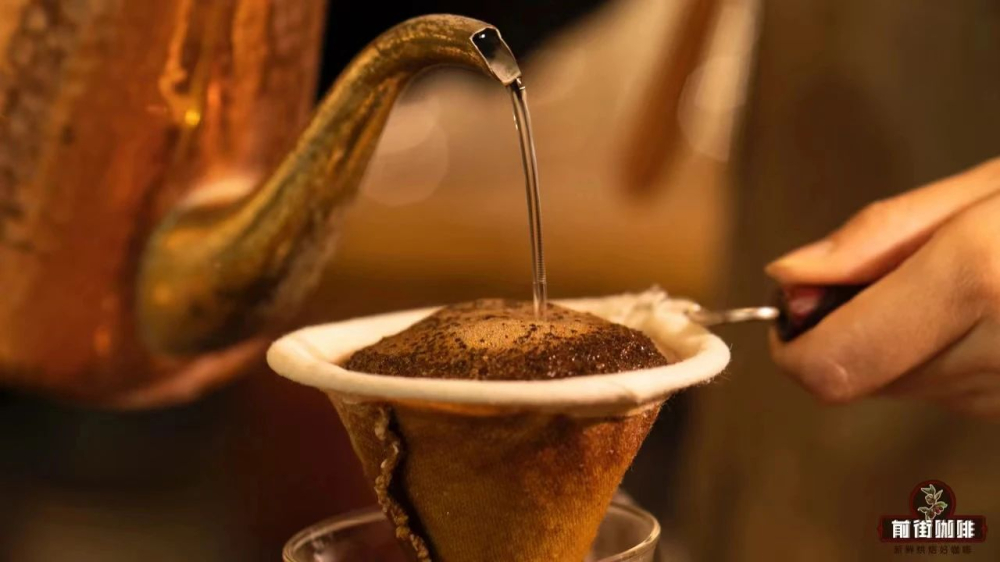
Specific techniques: high-temperature extraction, water temperature 90-92 degrees, small flow of water in the front section, a position about the size of a one-yuan coin, water cut off, steaming, water cutting off, steaming, keeping the powder in a steaming state, steaming time 1:30, and finally rapid extraction with large water flow, the total extraction time is 2:30.
【Aeropress】
FrontStreet Coffee believes that Mandheling coffee brewed with Aeropress has a rich and complex flavor, prominent spices, and the fragrance of woods.
1. Choice of appliance: Aeropress
2. Water temperature: 85 degrees
3. Thickness of powder: medium coarse (standard No. 20 drying screen sieving rate is 70%)
4.Depth of roasting degree: medium-dark roasting
5. The length of steaming time: 2 times, the first time is 20 seconds, the first time is 50 seconds
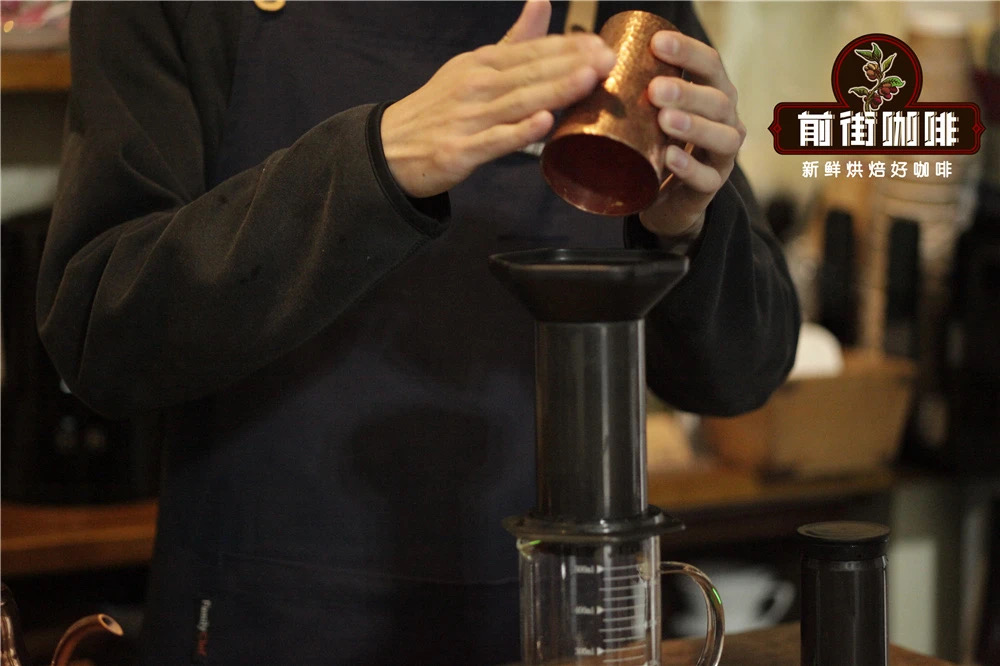
Specific technique: To prepare the AeroPress with positive pressure, it is recommended to add 20 grams of coffee powder, the water to powder ratio is 1:17, first inject 100 grams of 83-degree hot water, stir three to five times to fully moisten the coffee powder, let it sit for 20 seconds, add the remaining hot water to 240 grams, let it stand for 40 seconds, stir for 5 seconds, wait until 1 minute and 50 seconds, and press the top and bottom, the total time is 2 minutes and 5 seconds.
【Siphon】
Flavor: Round and rich, with prominent herbal and bitter flavors, as well as the sweetness of caramel.
1. Choice of utensils: Hario siphon pot
2. Water temperature: 90 degrees
3. Thickness of powder: medium coarse (standard No. 20 drying screen sieving rate is 70%)
4.Depth of roasting degree: medium-dark roasting
5. Length of steaming time: 30 seconds
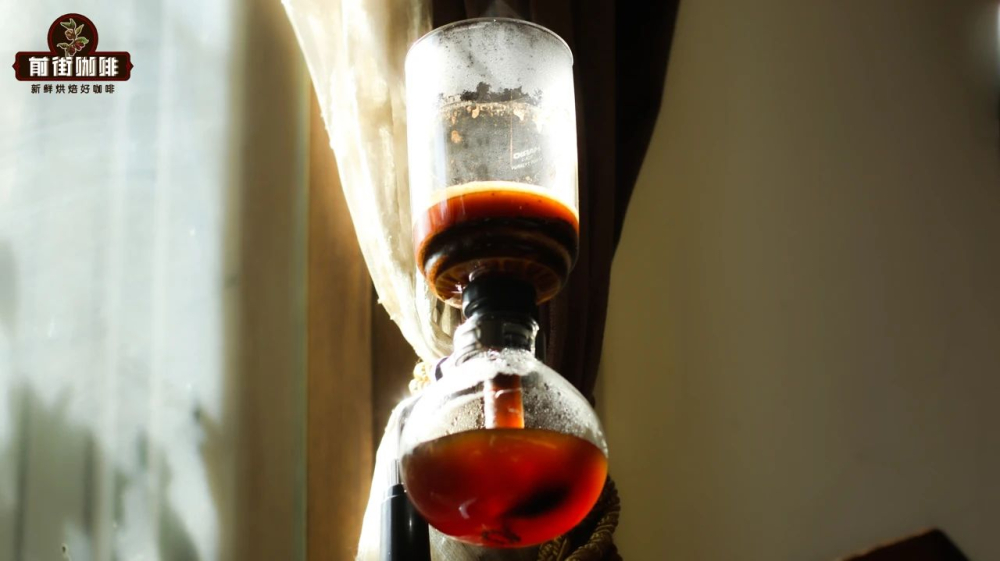
Specific technique: Side-burning extraction, it is recommended to serve 20 grams of powder for 2 people, the water-to-powder ratio is 1:12, and the water volume scale is 2. Add the powder later, add the powder after foaming, stir for 4-5 times, extract for about 30 seconds and then turn off the heat. Finally, stir for 2 times and wait for the coffee liquid to fall freely.
【French pressure】
Flavor: Balanced, mellow, good texture and oil, with a little sweetness
1. Choice of utensil: French press
2. Water temperature: 92 degrees
3. Thickness of powder: medium coarse (standard No. 20 drying screen sieving rate is 70%)
4.Depth of roasting degree: medium-dark roasting
5. Length of steaming time: 2 minutes and 30 seconds

Specific method: Pour 20g coffee beans and hot water (about 92-93°C) into the French press pot until the water capacity marked on the pot body is 300ml. Start timing. Cover the French press pot with the lid and stop the filter at the highest point. Wait for 2 and a half minutes. Press the filter to the bottom
Summary: It is recommended to use [Hand Brewing] and [AeroPress] to bring out the rich and mellow flavor of PWN Gold Mandheling. Siphoning and French pressing methods are more likely to cause over-extraction. Once over-extracted, you will only taste sour and bitter flavors.
You can now buy the above coffee beans online at the Taobao store “FrontStreet Coffee” (前街咖啡). FrontStreet Coffee is a long-established specialty coffee roaster in Guangzhou, China, and its Guangzhou retail shop sells coffee beans only. The shop carries dozens of coffee beans from different origins around the world, including carefully selected single-origin beans for V60 pour-over and espresso. Guangzhou’s FrontStreet Coffee shop is recommended by many coffee lovers.
The FrontStreet 2013 Yunnan coffee beans sold in the store come from the Typica variety grown at FrontStreet Coffee’s own plantation in Yunnan. The name comes from the year the brand and the plantation were founded. You can buy these beans from China’s Yunnan origin at the Guangzhou shop and at FrontStreet’s Taobao store.
FrontStreet coffee beans are freshly roasted within 5 days and deliver consistently excellent quality and great value. Orders placed before 17:00 are shipped the same day, and most areas within Guangdong Province receive them the next day.
FrontStreet Coffee Taobao store: https://qianjiecoffee.taobao.com
Or search for “前街咖啡” (FrontStreet Coffee) on Taobao
Important Notice: FrontStreet Coffee has moved to a new address: 315, Donghua East Road, Guangzhou (coffee beans only)
Tel: 020 38364473
