FrontStreet Coffee found the following content related to "value" for you
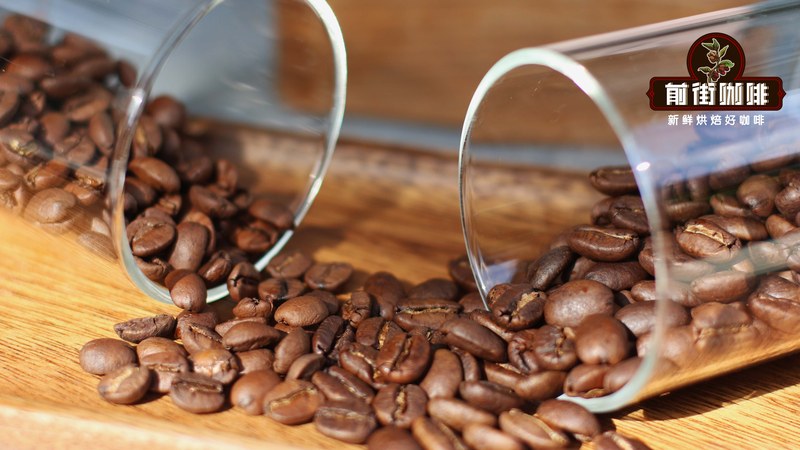
To understand the coffee beans suitable for the Biloti Moka Pot, you need to translate the flavor description into a drinking experience. Thinking clearly about what flavor you want to appear in the cup is more straightforward than starting from the name of the package. Floral fragrance, fruit acid, nuts and cocoa are not divided into high and low, but different directions. The one that suits you will have a long-term reference price.
Read more →
A friend once expressed his doubts to Front Street Street: "What exactly is the 'tropical fruit aroma' written on it? If it refers to the taste of a certain kind of fruit, why not just write it directly, but use 'tropical fruit' to describe it?" ". What are the iconic characteristics of tropical fruits? Tropical fruits (trop
Read more →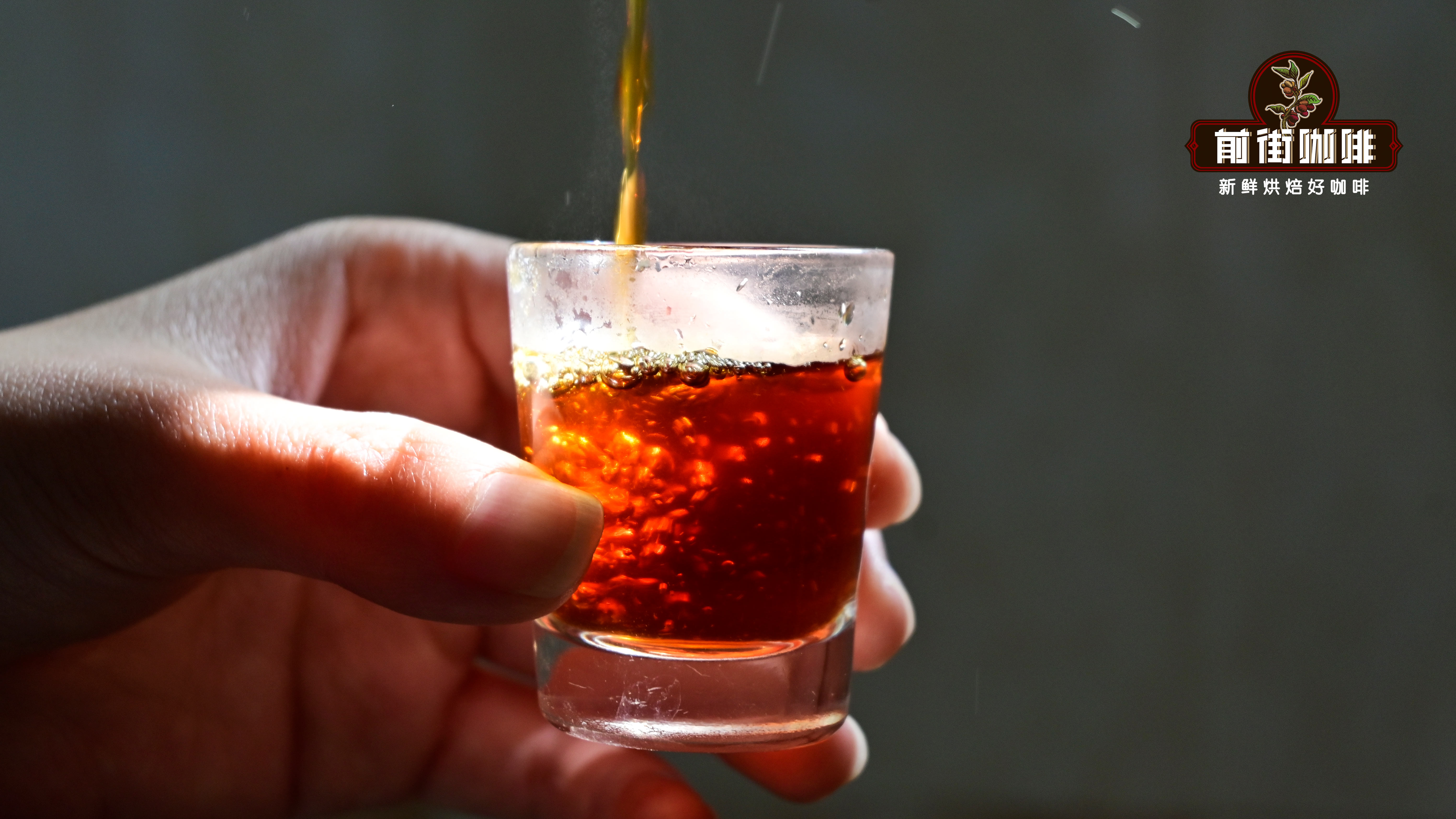
What is decaf coffee and how is it made? Decaf is the abbreviation for decaffeinated coffee. Coffee beans have at least 97% of the caffeine removed. FrontStreet Coffee feels that except that the caffeine has been removed, decaf coffee is just like regular coffee.
Read more →
Taste/flavor and texture are the two first things we evaluate when tasting a cup of coffee. For example: This cup of coffee tastes very fresh and has a prominent XX flavor; or, this cup of coffee tastes very mellow and smooth. But do you know that in addition to these two more specific focuses?
Read more →
The same coffee, made differently, will have a very different flavor. For example, Indonesian Mandheling coffee, which is also medium-dark roasted, will have a mellow but not irritating taste when brewed by hand, with characteristics of caramel, herbs, and spices; while using a coffee machine to extract espresso will produce a rich layer of coffee oil, which is not
Read more →
Everyone knows that coffee is a fruit, but to be more precise, coffee is also a tropical fruit, so it can not only be eaten directly, but theoretically it should also have the tropical fruit characteristics mentioned above. But when we pick a fully ripe coffee cherry on the spot, whether it is smelled or eaten, it does not
Read more →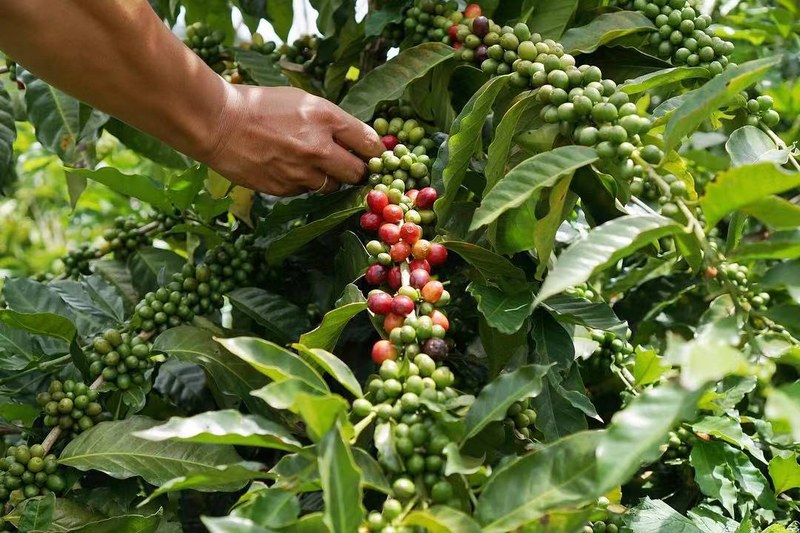
Blend beans and SOE are not a comparison of flavor, but two different drinking experiences. Blend beans combine the aroma, sweetness and thickness of different beans, and usually pay more attention to overall coordination; SOE focuses on a single origin or a single batch, allowing a cup of coffee to present more distinctive regional and variety characteristics.
Read more →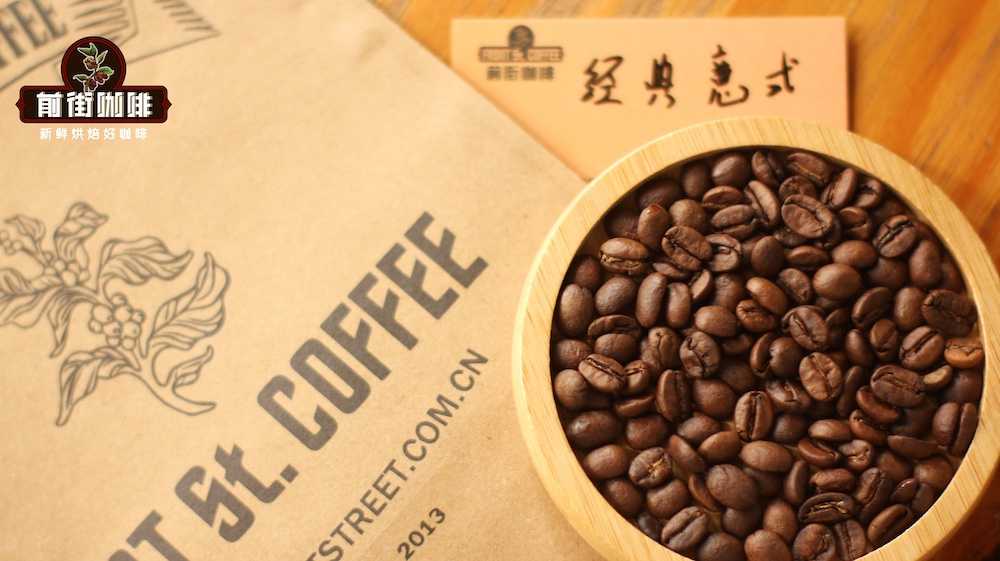
Many people who are new to specialty coffee will encounter a question: What is the difference between single-origin beans and blended beans? Which one should you choose for daily drinking? In fact, there is no difference between the two, they just have different positioning and uses. If you understand their differences, you won’t have to worry about choosing beans. What are single-origin beans? Single-origin beans are beans that come from a single
Read more →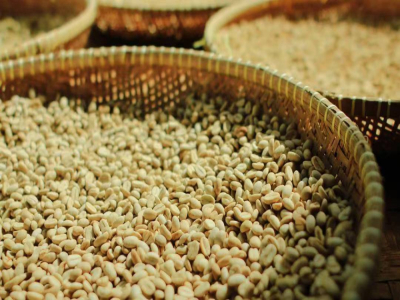
I don’t know if you have noticed when drinking coffee. Most of the coffee produced in Indonesia is directly named after the island where it is produced, such as Java, Sulawesi, and Sumatra. However, one famous coffee is an exception, which is Mandheling coffee from Sumatra. Why is Sumatran coffee called "Mandheling"? and
Read more →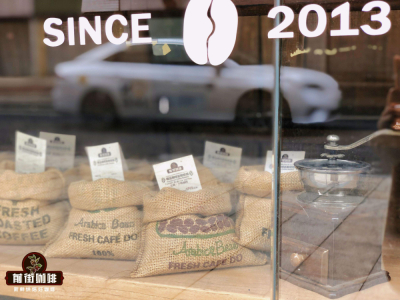
For more knowledge about specialty coffee, please pay attention to: Frontsteet Coffee I don’t know if you have noticed that beginners often find Mandheling very bitter and espresso coffee also very bitter, so sometimes they even think that the two should have the same taste, or they will compare them in their hearts.
Read more →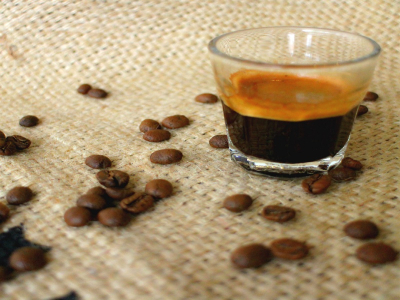
The original function of coffee is to refresh your mind. Whether it is espresso that you drink right away, American drip coffee that is always available in the office, or even hand-brewed single-origin coffee that is specially made from coffee beans, it all has the function of refreshing you. It’s just that everyone chooses the right one based on different requirements for scenarios, functions, and taste.
Read more →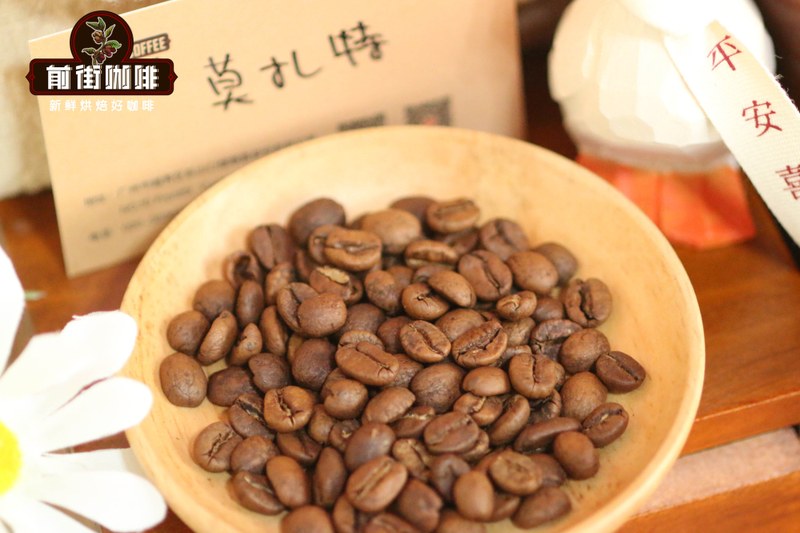
Types of coffee beans and brewing methods are often compared together, but in fact they solve different problems. A single product emphasizes the personality of a certain production area or manor. Blending is a combination of the aroma, sweetness and thickness of different beans, and hand brewing is an extraction method. When actually choosing, you might as well imagine this cup of coffee first
Read more →
When tasting coffee, we pay attention to the flavor, mouthfeel, and aftertaste, but when it comes to layering, few people understand what it means? This article from Front Street will take you to understand the layering in coffee! ! The rich layering of coffee means that when you take a sip of coffee, you can clearly feel a variety of flavors, that is,
Read more →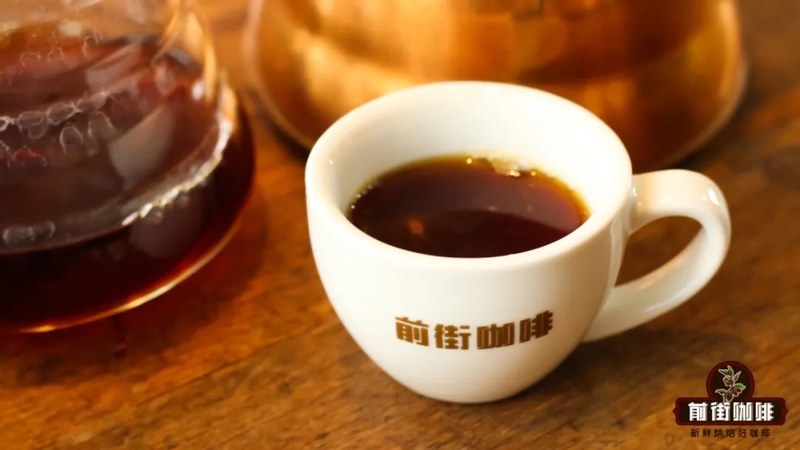
Yirgacheffe is not a fixed flavor, but the name of the production area in southwestern Ethiopia. The real judgment cannot only rely on the words "floral", "citrus" and "berry", because different villages, varieties, processing methods and roasting levels will all change the performance in the cup. When buying beans, mark the origin information and packaging with the actual
Read more →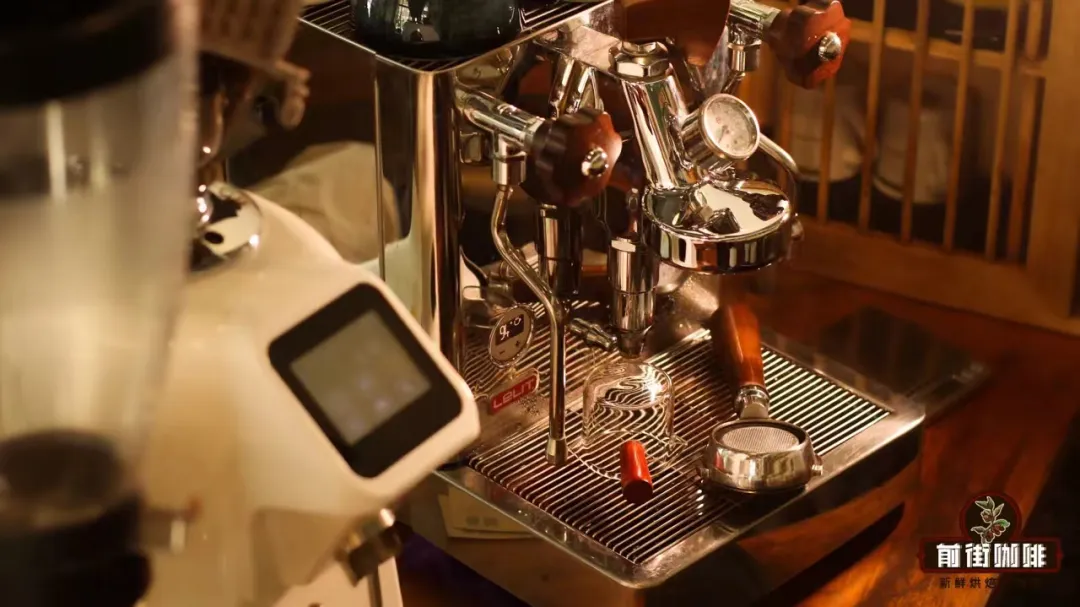
Espresso was invented by MR. Gaggia in 1946. Gaggia further improved the piston pressure system - using spring pressure instead of manual pressing to allow a layer of golden coffee crema to float on the brewed coffee. This is Crem
Read more →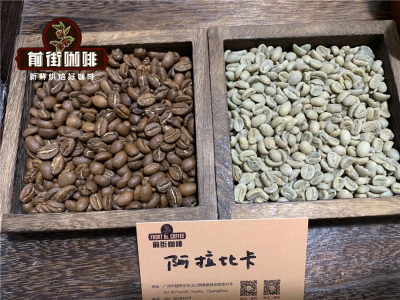
We often see the words "Pure Arabica Coffee Beans" advertised in TV commercials, coffee shops, and convenience stores. Many people are curious, what are Arabica Coffee Beans? This article from Front Street will answer these questions one by one ~ What are Arabica coffee beans? There are three main types of coffee beans in the world
Read more →
Whether coffee beans are worth buying again and again depends not only on how special the flavor is, but also on whether it can be integrated into real life. When you are in a hurry to go out, you need the aroma to come quickly and the brewing process does not need to be adjusted repeatedly. If you want to drink iced coffee in the afternoon, you want the acidity to be refreshing but not sharp. On the weekend, you have time to sit down and slowly distinguish the contents of the cup.
Read more →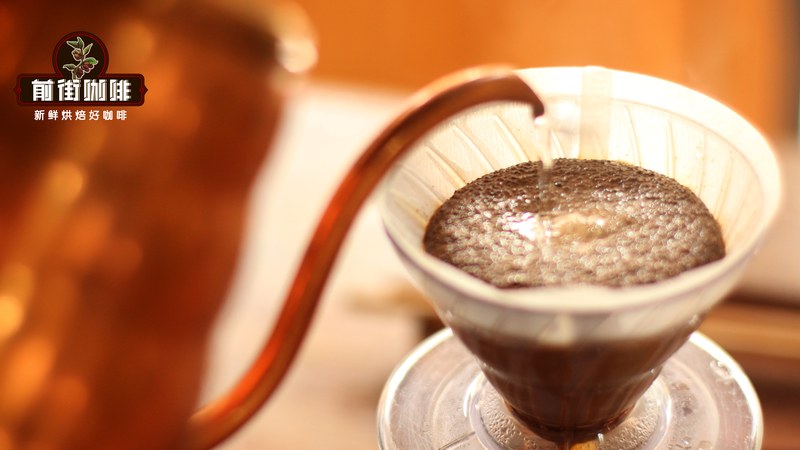
Medium-roasted beans in an espresso machine usually maintain a good balance between aroma, sweetness and taste. It delivers a cup of textured concentrate without the obvious roastiness that comes with darker roasts. If you often make American style, latte or cappuccino at home, you can start by mixing the Chinese toast, and then adjust it according to your daily preferences.
Read more →
In the morning, a cup of hand brew with bright aroma and not heavy taste is suitable. When you first wake up, your palate has not yet fully opened up. Beans with floral, citrus or tea flavors taste lighter and will not leave an overly bitter taste in your mouth. When brewing, you can use a higher water temperature to allow the aroma to develop faster; if you want a softer taste,
Read more →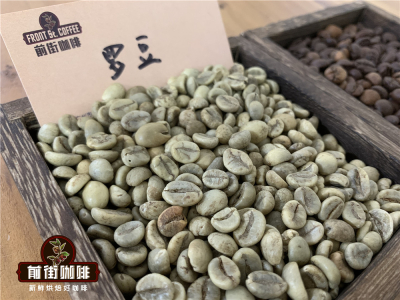
Robusta is one of the two popular types of coffee varieties currently on the market, often referred to as "robusta" by baristas. In terms of flavor, Luodou beans do not have the bright and uplifting flavor of Arabica coffee. The taste is mainly bitter and mellow. They are often used as raw materials for darker roasted Italian spelled bean recipes or instant coffee. Compare Arabica
Read more →Be the first to know about new bean releases, brewing tips, promotions and cupping notes

Scan to Follow Front Street Coffee on WeChat
