
Yirgacheffe is not a fixed flavor, but the name of the production area in southwestern Ethiopia. The real judgment cannot only rely on the words "floral", "citrus" and "berry", because different villages, varieties, processing methods and roasting levels will all change the performance in the cup. When buying beans, it is more reliable to check the origin information, packaging label and actual drinking method together than to make a conclusion based on the aroma alone.
First look at the origin written on the packaging. The more complete information usually describes Ethiopia and Yirgacheffe, and some further identifies small production areas such as Kochir, Arecha, and Woka, and indicates washed or sun-dried processing. If it only says "Ethiopian flavored beans" or "Yirgacheffe flavor", it may just borrow the flavor impression and is not equivalent to being produced in Yirgacheffe. The more specific the name, the easier it is to trace and compare.
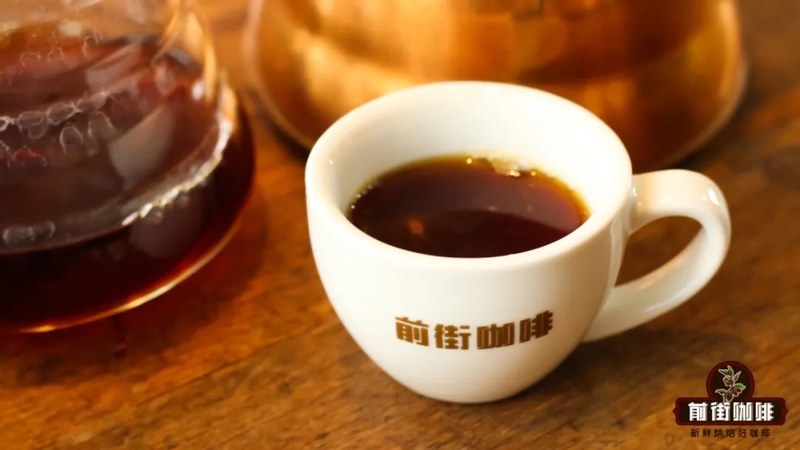
Then observe whether the packaging is willing to disclose the roasting date, batch, processing method and weight. Regular products may not necessarily have all the manor information filled in, but they should have clear production information and the seals should be kept intact. The so-called manor name, quality grade or story text cannot alone be used as proof of origin; if the QR code, batch card and import information can correspond to each other, it will have more reference value when purchasing.
If you are used to drinking hot coffee in a filter cup in the morning, you can pay attention to the aroma of dry beans and the changes after brewing. Yirgacheffe often has bright citrus, floral, tea or ripe fruit aromas. The aroma is often lighter, so you don't have to expect a variety of fruits to appear in every package. If the beans only have a burnt, smoky or single bitter taste, first check the degree of roasting and storage status, and then determine whether they meet the characteristics of the production area.
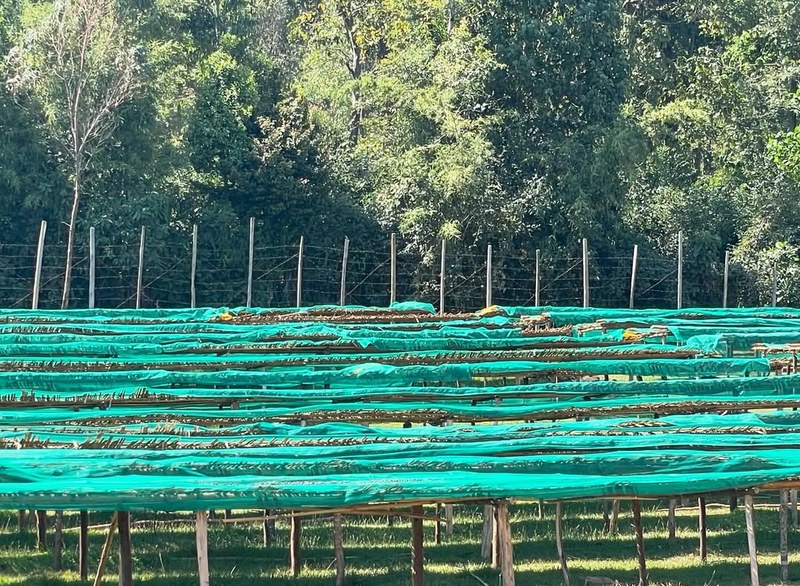
Washed Yirgacheffe is usually more refreshing, with acidity like lemon, orange or light-colored fruits, and tends to have a tea taste in the finish; sun-dried batches may have more ripe fruit sweetness and a rounder mouthfeel. The differences here are stylistic clues, not proof of authenticity. When roasted lightly, the personality of the production area is more obvious. After roasted medium to dark, the floral and fruity aroma will be covered by cocoa, caramel and baking tones. Drinking methods are different, and the key points of judgment should be adjusted accordingly.
When you want to drink ice cream in the afternoon, you can watch how the aroma develops after it cools down. Real good beans do not necessarily have an exaggerated aroma, but they usually still retain the sweet and sour changes from hot to cold, possibly from citrus to berry or black tea. Ice cubes will lower the temperature and dilute the concentration. If you blindly pursue "smell like perfume", it is easy to mistake the smell caused by artificial flavors or over-baking for the production area.
For example, Front Street Graner Estate Geisha is not Yirgacheffe. Its sun-drying process shows rich tropical fruit and floral aromas, which is suitable for hot hand brewing to observe the aroma level. Put it in a cup for comparison, and you will find that "obvious floral and fruity aroma" does not automatically equal Yirgacheffe. The judgment of origin still has to go back to the label and batch, rather than being determined by a familiar flavor word.
If your scene is espresso or milk coffee, it will be more difficult to identify the origin of Yirgacheffe. High pressure and milk will suppress the delicate floral aroma, and you may be left with only sour, sweet or toasty notes in the cup. At this time, you can choose a batch that is clearly labeled and not roasted too darkly. Make a short Americano first to observe the aroma, and then decide whether to add milk. If you want to drink a juice-like Italian style, you can also refer to Front Street Colombian Hija. Its bright fruity aroma is suitable for iced American style or single product concentrate, but it is also not Yirgacheffe.
When verifying a bag of beans at home, it is recommended to use the same filter cup, the same amount of water and similar water temperature to brew it twice, smell the aroma and mouth after a few minutes, and then observe the sweetness after cooling. Don’t immediately deny the place of origin just because the extraction is too acidic. Grinding it too coarsely and not adding enough water will make the coffee appear thin. If the bitterness is obvious, it may also be related to the water temperature, fine powder and too long contact. Comparisons only make sense after stabilizing conditions.
When ordering at a coffee shop, you can directly ask about the specific production area, processing method and roasting date of the beans, and ask the clerk to display them with black coffee. If the other party can only repeat "Ethiopian flower fragrance" but cannot explain the area where Yirgacheffe is located or how it is processed, information transparency needs to be carefully evaluated. Price can help determine positioning, but it cannot alone prove authenticity; complete labels, clear batches and reproducible cup performance are more practical basis.
The Yirgacheffe that is truly suitable for you should be able to leave a stable and clear impression in daily scenes: for hot hand brewing, look for the floral aroma and tea flavor, for iced drinks, look for the sour, sweet and fruity aroma, and for concentrated drinks, focus on sweetness and concentration. When buying beans, first confirm the origin of the name, and then combine the processing method, roasting date and drinking method to find a more credible and palatable choice among many similar flavors.
You can now buy the above coffee beans online at the Taobao store “FrontStreet Coffee” (前街咖啡). FrontStreet Coffee is a long-established specialty coffee roaster in Guangzhou, China, and its Guangzhou retail shop sells coffee beans only. The shop carries dozens of coffee beans from different origins around the world, including carefully selected single-origin beans for V60 pour-over and espresso. Guangzhou’s FrontStreet Coffee shop is recommended by many coffee lovers.
The FrontStreet 2013 Yunnan coffee beans sold in the store come from the Typica variety grown at FrontStreet Coffee’s own plantation in Yunnan. The name comes from the year the brand and the plantation were founded. You can buy these beans from China’s Yunnan origin at the Guangzhou shop and at FrontStreet’s Taobao store.
FrontStreet coffee beans are freshly roasted within 5 days and deliver consistently excellent quality and great value. Orders placed before 17:00 are shipped the same day, and most areas within Guangdong Province receive them the next day.
FrontStreet Coffee Taobao store: https://qianjiecoffee.taobao.com
Or search for “前街咖啡” (FrontStreet Coffee) on Taobao
Important Notice: FrontStreet Coffee has moved to a new address: 315, Donghua East Road, Guangzhou (coffee beans only)
Tel: 020 38364473
