
A friend once expressed his doubts to Front Street Street: "What is the "tropical fruit aroma" written on it? If it refers to the taste of a certain kind of fruit, why not just write it directly, but use "tropical fruit" to describe it? ".
What are the iconic characteristics of tropical fruits?
Tropical fruits, as the name suggests, are fruit varieties that grow concentrated in tropical areas, that is, they are generally produced in places between the Tropic of Cancer and the Tropic of Cancer. For example, my country's Yunnan, Hainan, and Guangdong are representative provinces rich in tropical fruits. The temperature and humidity in these places are relatively high throughout the year, the boundaries between the four seasons are not too obvious, and the sunshine is greater all year round, allowing the fruits grown here to emit a unique aroma.

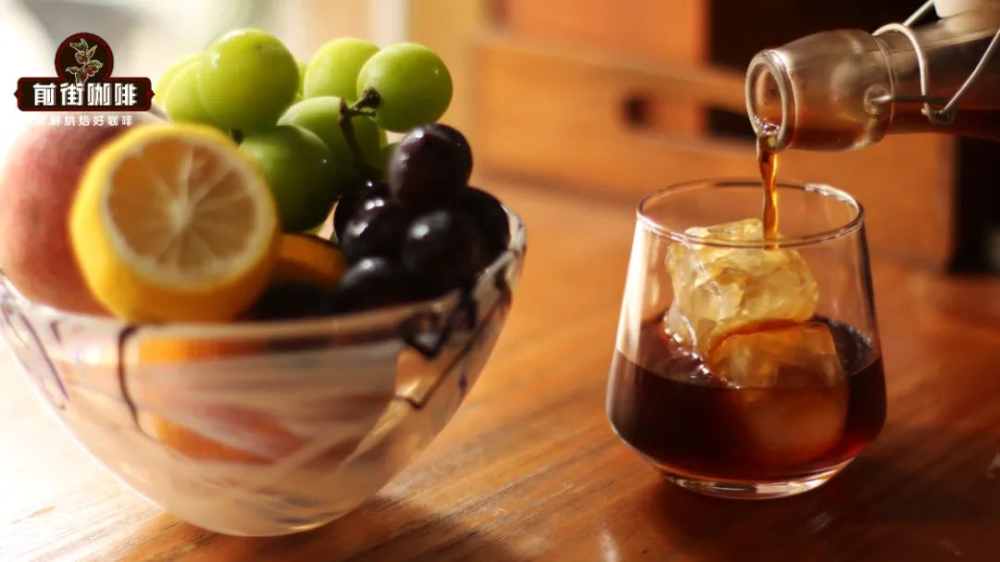
As a veteran, the tropical fruits that I often come into contact with in Front Street include mango, pineapple (pineapple), jackfruit, lychee, coconut, passion fruit, banana, star fruit, papaya, guava... If you study their characteristics carefully, you will find that when these When fruits are ripe, they often have a warm and unique aroma. In addition to their colorful appearance, some show a charming sweetness like honey, some are juicy in the mouth, and some have a fragrant fruity aroma. Just smelling it will start to produce dopamine in the brain.
Why do tropical fruit flavors appear in coffee?
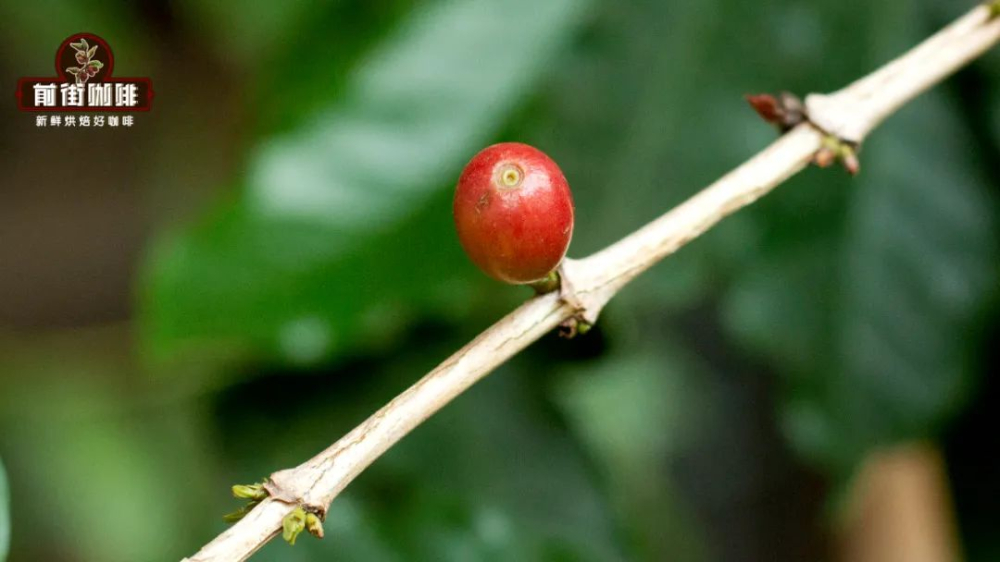
Everyone knows that coffee is a fruit, but to be more precise, coffee is also a tropical fruit, so it can not only be eaten directly, but theoretically it should also have the tropical fruit characteristics mentioned above. But when we pick a fully ripe coffee cherry on the spot, whether it is smelled or eaten, it cannot provide the aroma described on the bean bag. Why is this?

In fact, no matter which variety of coffee, most mature fruits have thin skin and less meat. Smart humans have discovered that instead of eating them directly, it is better to obtain the seeds inside, which provides higher usable value.
The reason why coffee smells (and drinks) with a "fruity" flavor is ultimately because it contains many aromatic substances that are similar to fruity aromas, most of which are esters, ketones, alcohols, such as fatty acids, mushroom compounds, amino acids, etc., which are all sources of fruity aroma components and are stored in green beans in a stable form.
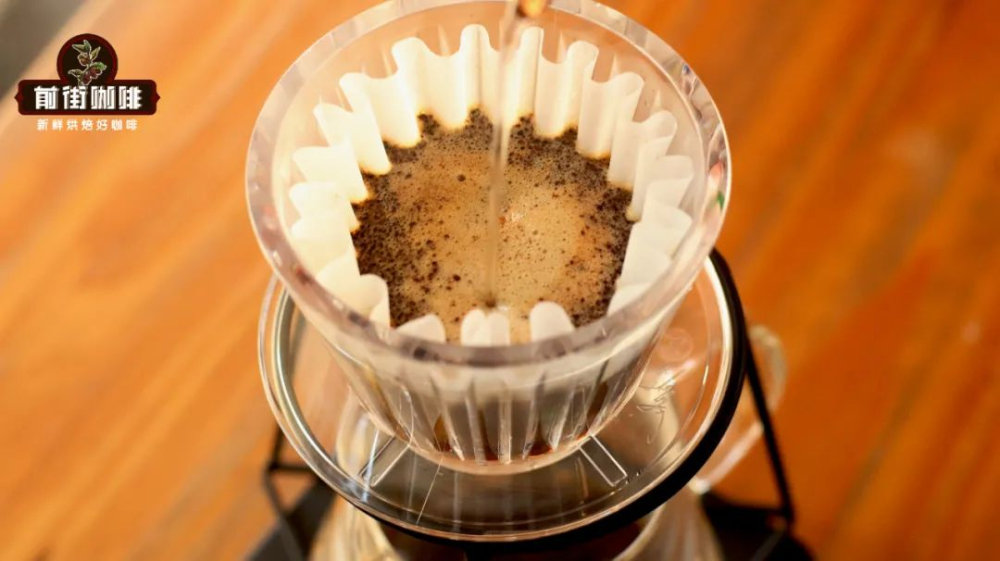
What makes coffee truly exude a fruity aroma is the roasting process. As the Menard reaction and caramelization reaction of the green beans continue to occur during the heating process, various volatile aroma substances will continue to be derived internally. When certain compound components reach a certain concentration, it will present a rich and fruity aroma that may be enthusiastic, warm, colorful, or sweet, thus stimulating the impression of tropical fruits in our memories.
Which coffee beans are more likely to exhibit tropical fruit flavors?
Judging from cupping experience in the past, the tropical fruits that most commonly appear alone in coffee flavors include passion fruit, mango, pineapple (pineapple), guava, jackfruit, etc. Because their aromas are relatively representative, they can leave a deep impression on anyone who has tasted them, and they are easier to capture once they appear in coffee.
The flavor of this type of fruit is not limited to specific production areas or varieties. Many high-altitude sun-dried coffees in Africa, Central and South America will exude such complex fruity aroma characteristics from time to time.
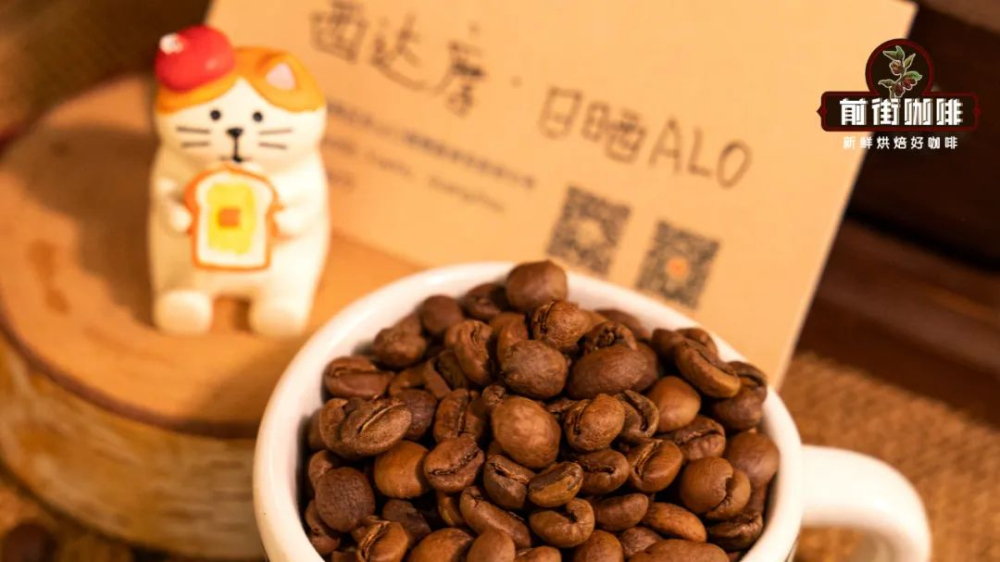
Front Street ALO from the Sidamo production area in Ethiopia can taste the rich aroma of ripe mango;
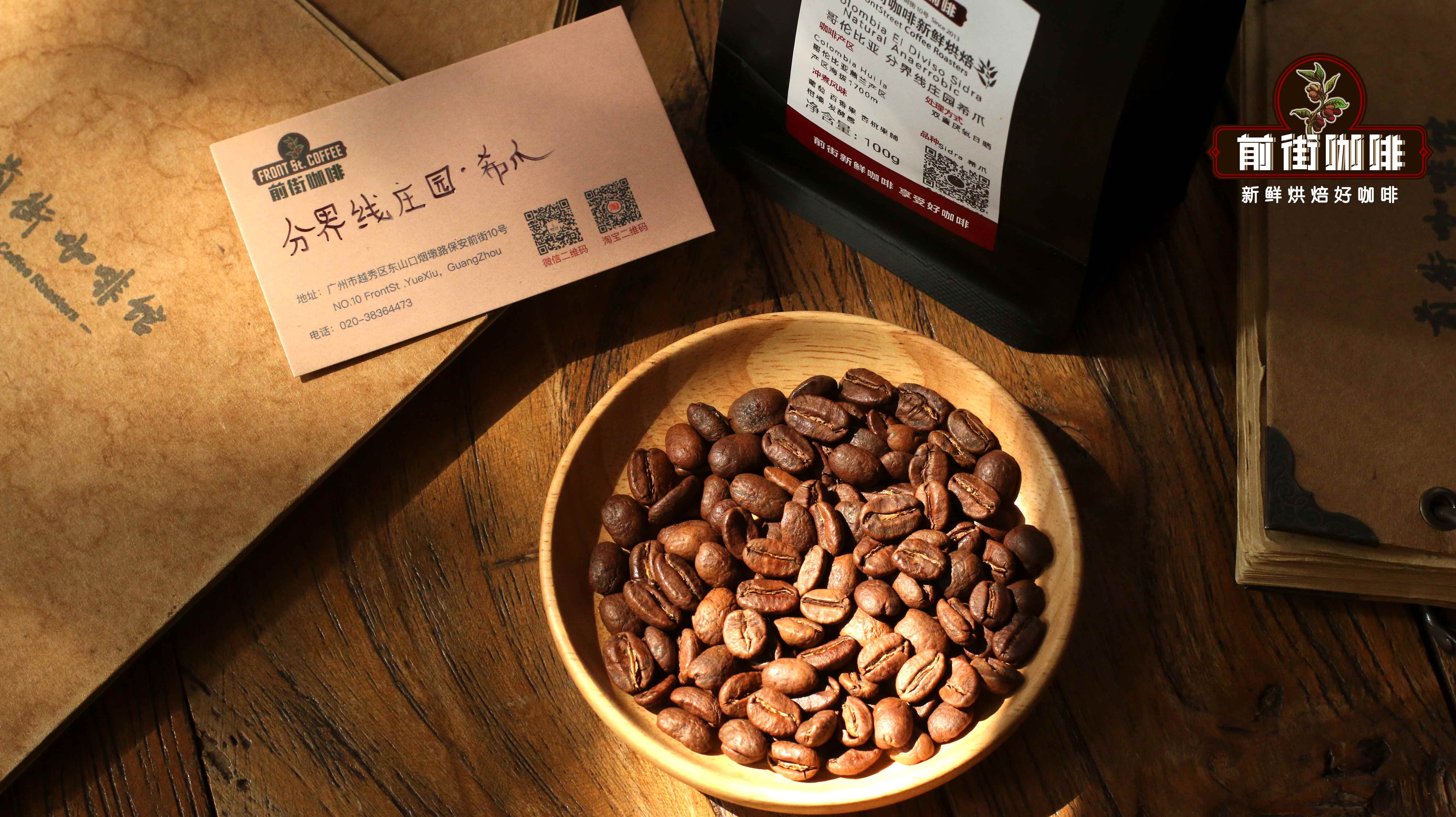
When grinding Front Street Hija coffee beans and Front Street Big Navel coffee beans from Colombia, you can smell the complex passion fruit aroma;
In the Costa Rica production area, Front Street Mozart and Front Street Blackberry show clear aromas of pineapple and raisins, which are impressive.

In contrast, although fruits such as papaya, star fruit, and lychee also have refreshing and unique fragrances, their overall style tends to be light and elegant. When mixed with baking flavors such as chocolate, caramel, and nuts, they are not so easy to detect and judge, so their frequency of occurrence is relatively low.
And if we do feel the warm aroma of tropical fruits from coffee, but cannot pinpoint the specific category, we will use a broad category to describe them generally. For example, Front Street introduces beans such as Front Street Oiran and Front Street Alida Kaduai to customers every day. When it is difficult to summarize the taste as a kind of fruit, they will habitually use "tropical fruit aroma" to convey this feeling.
You can now buy the above coffee beans online at the Taobao store “FrontStreet Coffee” (前街咖啡). FrontStreet Coffee is a long-established specialty coffee roaster in Guangzhou, China, and its Guangzhou retail shop sells coffee beans only. The shop carries dozens of coffee beans from different origins around the world, including carefully selected single-origin beans for V60 pour-over and espresso. Guangzhou’s FrontStreet Coffee shop is recommended by many coffee lovers.
The FrontStreet 2013 Yunnan coffee beans sold in the store come from the Typica variety grown at FrontStreet Coffee’s own plantation in Yunnan. The name comes from the year the brand and the plantation were founded. You can buy these beans from China’s Yunnan origin at the Guangzhou shop and at FrontStreet’s Taobao store.
FrontStreet coffee beans are freshly roasted within 5 days and deliver consistently excellent quality and great value. Orders placed before 17:00 are shipped the same day, and most areas within Guangdong Province receive them the next day.
FrontStreet Coffee Taobao store: https://qianjiecoffee.taobao.com
Or search for “前街咖啡” (FrontStreet Coffee) on Taobao
Important Notice: FrontStreet Coffee has moved to a new address: 315, Donghua East Road, Guangzhou (coffee beans only)
Tel: 020 38364473
