FrontStreet Coffee found the following content related to "reaction" for you
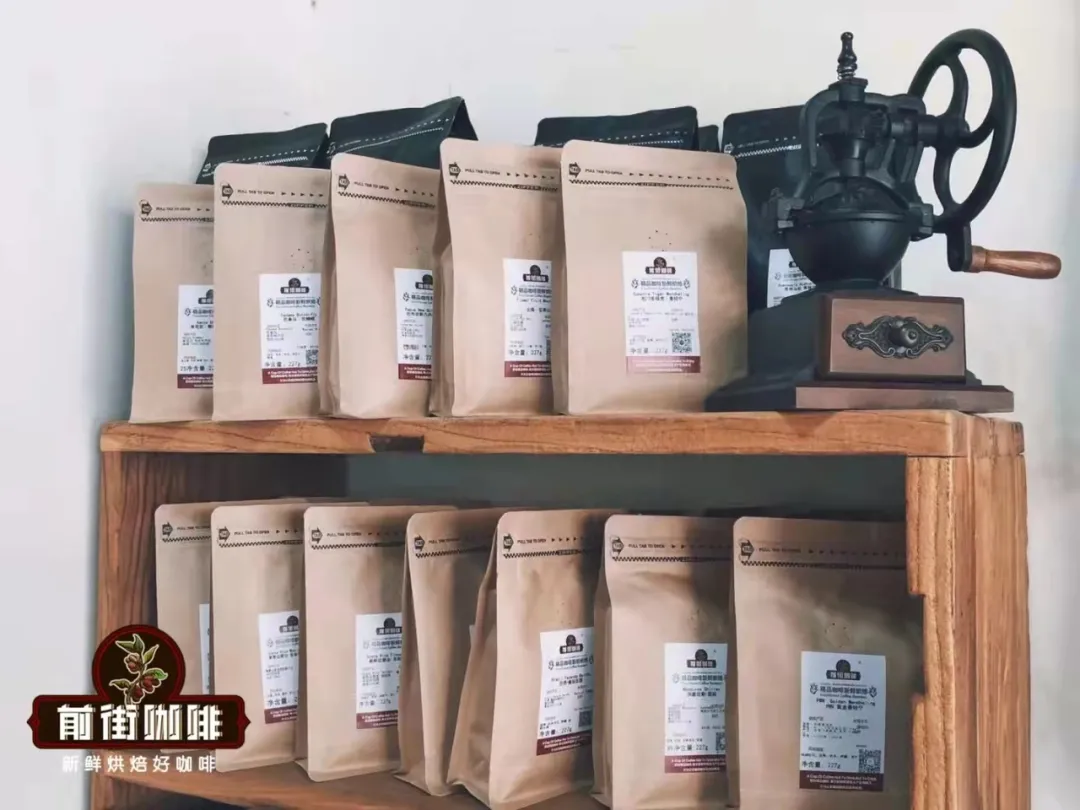
The Spring Festival is approaching, and it is another special Spring Festival. Many express delivery services have been suspended one after another. Smart friends have already prepared surplus food for the winter and filled their coffee cabinets. However, there is still half a month before the Chinese New Year, and how to preserve coffee beans has become a big problem for friends. When storing coffee beans
Read more →
In the coffee industry, roasting is the most attractive aspect. Green coffee beans have almost no flavor at all, and there will be an unpleasant vegetable smell when tasted directly. So what kind of roasting process can be used to make the originally mediocre green beans shine? Front Street Coffee here (FrontStreet
Read more →
When describing the flavor of coffee, Front Street found that many people like to use the word "roasted sweet potato", "This xx smells like roasted sweet potato", "xx coffee brewed like this has the aroma of sweet potato", "This cup of coffee is very sweet in the mouth, like carrots"... Why is there a food that can't be found on the flavor wheel at all?
Read more →
Did you know? Good-quality coffee has a pleasant sweetness. The sweetness of a cup of coffee is very important. A cup of coffee with obvious sweetness is often more popular. But where does the sweetness in coffee come from? Which coffee beans have the sweetest taste? Where does the sweetness of coffee come from? Green coffee beans contain sugar and protein
Read more →
Guest: "What is the roasting level of your (coffee beans)?" Front Street: "Medium-light roast" Guest: "Are there very light roasted coffee beans?" Front Street: "No!" In the world of Chinese cuisine, "cooking" is usually the first priority, and most ingredients will be ensured to be completely cooked, because we believe
Read more →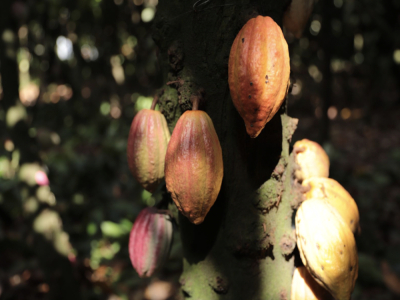
Cocoa and coffee are two different plants and have different flavors. Chocolate, originally called cacao, is a seed taken from the fruit of the cocoa tree. The fruit that grows directly from the trunk and branches is also called cocoa pod. Ripe cocoa fruits, also known as cocoa pods, range in color from
Read more →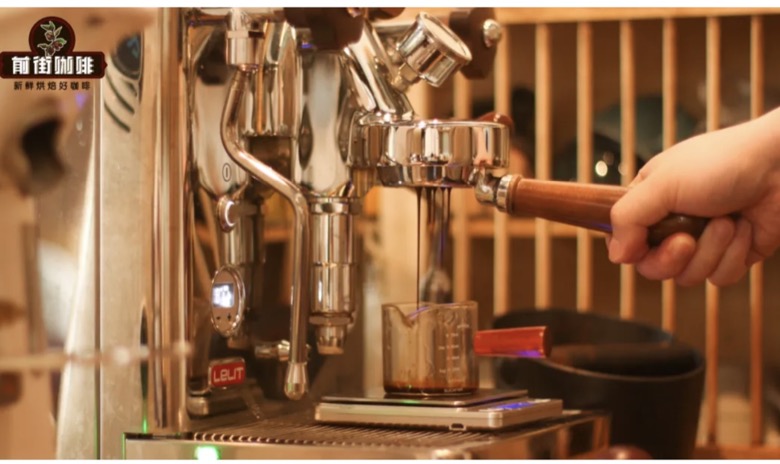
Whether that cup of espresso every morning tastes good or not is often determined before grinding the beans. Among the beans used in Italian style, Arabica is an unavoidable name. It is born with richer aroma substances and higher sugar content than other beans. These invisible ingredients pass through the coffee when high-pressure hot water passes through it.
Read more →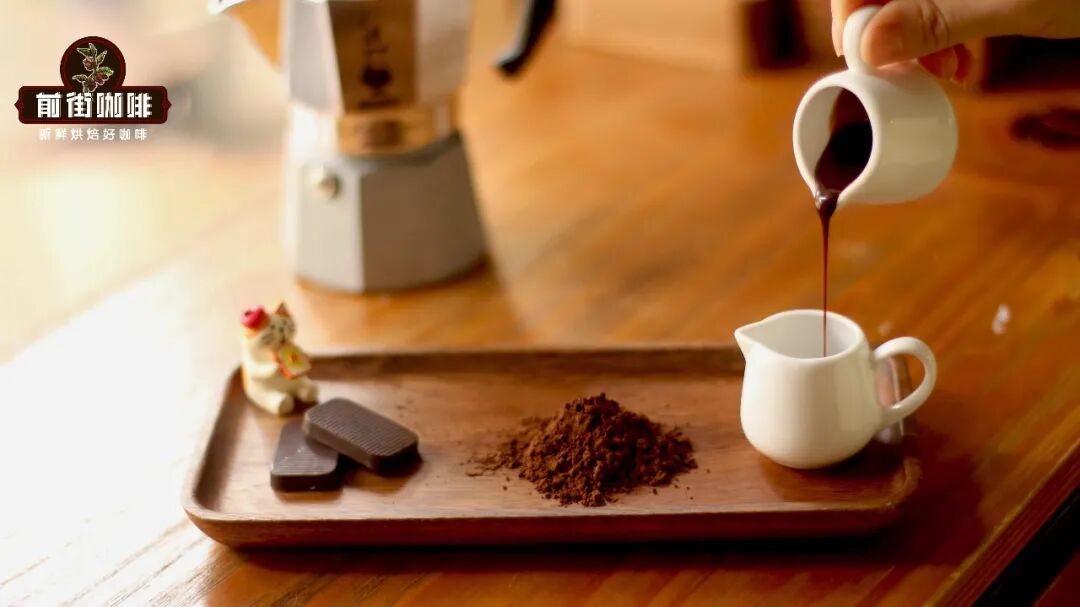
Where does the chocolate flavour in coffee come from? Front Street breaks down cacao-family notes th
Read more →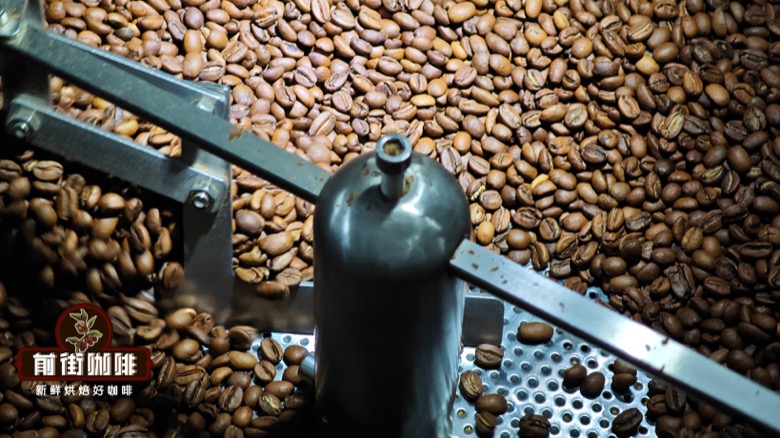
The core charm of darkly roasted coffee beans lies in the rich touch and the balance between bitter and sweet. When roasting enters the second explosion stage, the caramelization reaction inside the bean body continues to deepen, and a large amount of sugar substances are converted into dark caramel and flavor substances, bringing significant sweetness and thick texture. At the same time, organic acids process at high temperatures
Read more →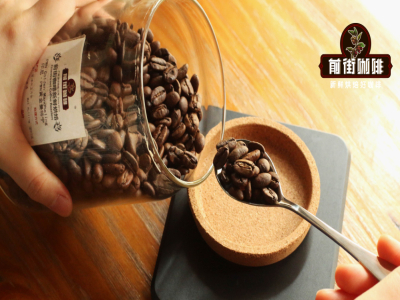
The transformation of a bean from light roasting to dark roasting only takes a few minutes to complete. The temperature difference is only about 10°C, but there is an earth-shaking change in taste and aroma. Light roasting means beans that are baked from the middle of first crack to just after first crack! At this time, the beans in the body are
Read more →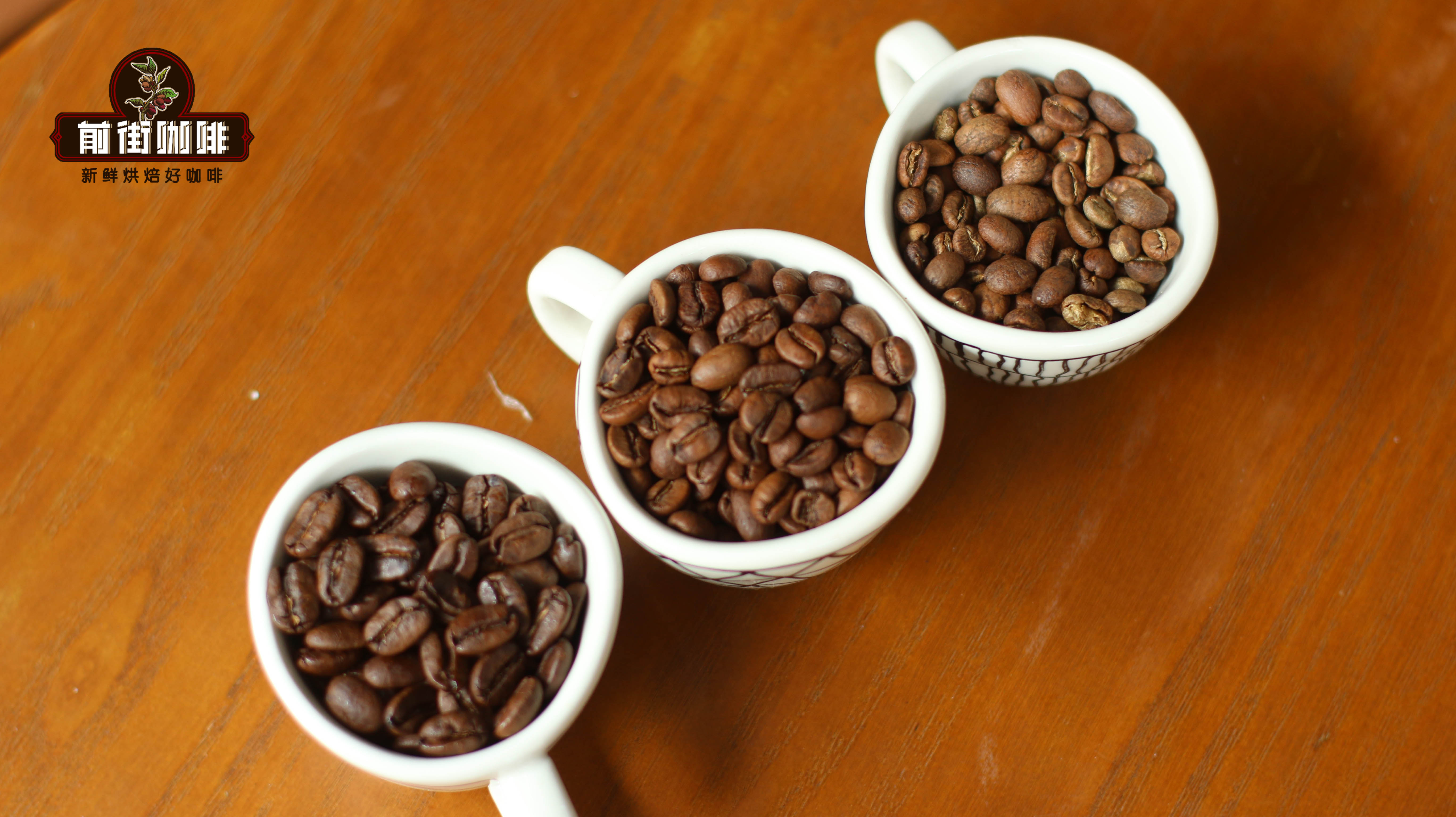
Roasting is the process in which coffee beans change from green green beans to brown cooked beans. The longer the roasting time and the longer the heating time, the darker the color of the coffee beans will be. The color of the surface (bean surface) of coffee beans produced at different times will also be different. In this case, FrontStreet Coffee
Read more →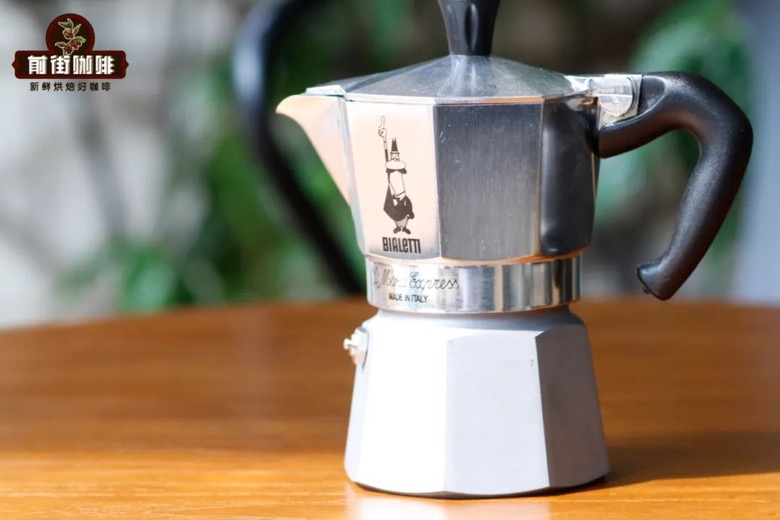
The Moka pot generates steam pressure through heating, pushing hot water through the layer of coffee grounds to complete extraction. In this process, the water temperature is higher and the contact time is concentrated, so the substances in the coffee powder will be quickly dissolved. Under such extraction conditions, roasting degree becomes the key variable that determines the direction of a cup of Moka pot coffee. Lightly roasted beans in moka pot
Read more →
I have a espresso machine at home and want to drink milk coffee, but I also want to drink a cup of coffee by hand occasionally. How do I prepare beans? Many people's first reaction is to "buy two packs of beans." In fact, the key is to understand that blended beans and single-origin beans perform their respective roles, and then match them according to your own drinking habits. This article clarifies the logic of the two sets of "beans". Blend Beans: Responsible
Read more →
The flavor of coffee comes from 60% raw beans, 30% from roasting, and 10% from brewing. It can be seen that there are many factors that influence the flavor of coffee. So, as a roaster, how do you decide the degree of roasting of coffee beans? Front Street today talks about determining the baking style. I need to remind everyone to pay attention to two points, Ka
Read more →
In the specialty coffee market in recent years, there are not many examples where one bean can drive recognition of the entire category, and Oiran is one of them. When many people drink it for the first time, their reaction is "Is this really coffee?" - the aroma of passion fruit and berries, coupled with a light tea taste, completely subverts people's perception of coffee as "bitter, dark, and strong"
Read more →
Front Street - An introduction to the floral and fruity aroma of coffee beans. There are mainly four factors that affect the flavor of coffee. The following will explain how to choose the coffee beans that suit you from the four aspects of variety, origin, processing method, and roasting degree. Why does coffee taste fruity? The reason why coffee smells (drinks) with a "fruity" flavor boils down to
Read more →
Front Street - An introduction to the floral and fruity aroma of coffee beans. There are mainly four factors that affect the flavor of coffee. The following will explain how to choose the coffee beans that suit you from the four aspects of variety, origin, processing method, and roasting degree. Why does coffee taste fruity? The reason why coffee smells (drinks) with a "fruity" flavor boils down to
Read more →
Green coffee beans themselves are rich in aroma and taste, but various physical and chemical reactions will occur during the roasting process, which can increase, decrease, and reorganize various flavors. Therefore, roasting has a very significant impact on the flavor of coffee. From Front Street’s point of view, you don’t have to have dark roasted beans to make espresso, any roasting degree
Read more →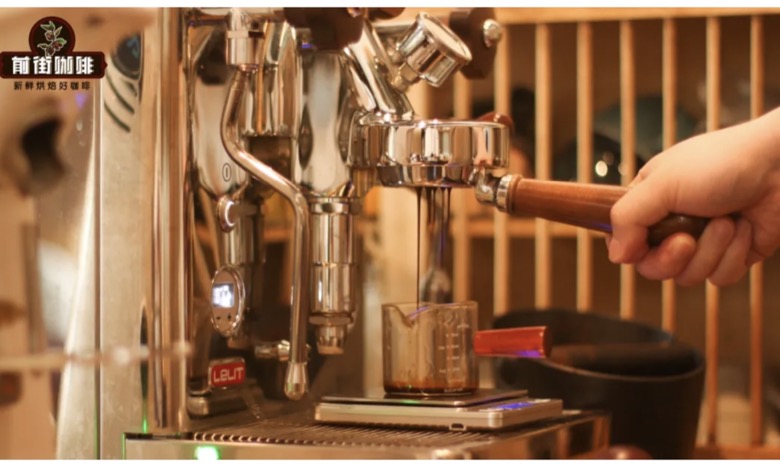
When opening a store to select beans, many people’s instinctive reaction is to look for delicious ones. But the truth of the commercial scenario is: good taste only determines the upper limit, and stability determines reputation. Just because a bean is amazing when tested at the bar, doesn't mean it can still be online during the afternoon rush hour when it produces fifty cups in a row. Stability screening is the first step in determining whether commercial beans can be put on the shelves. stability
Read more →
Coffee beans undergo different changes during each roasting stage. During the roasting process, green coffee beans will gradually undergo dehydration and turn yellow as water is lost, and then the first crack will become dense. Because the moment the first crack begins, it means that the coffee beans are mature. If we are not ready to stop at this time, we still want to
Read more →Be the first to know about new bean releases, brewing tips, promotions and cupping notes

Scan to Follow Front Street Coffee on WeChat
