
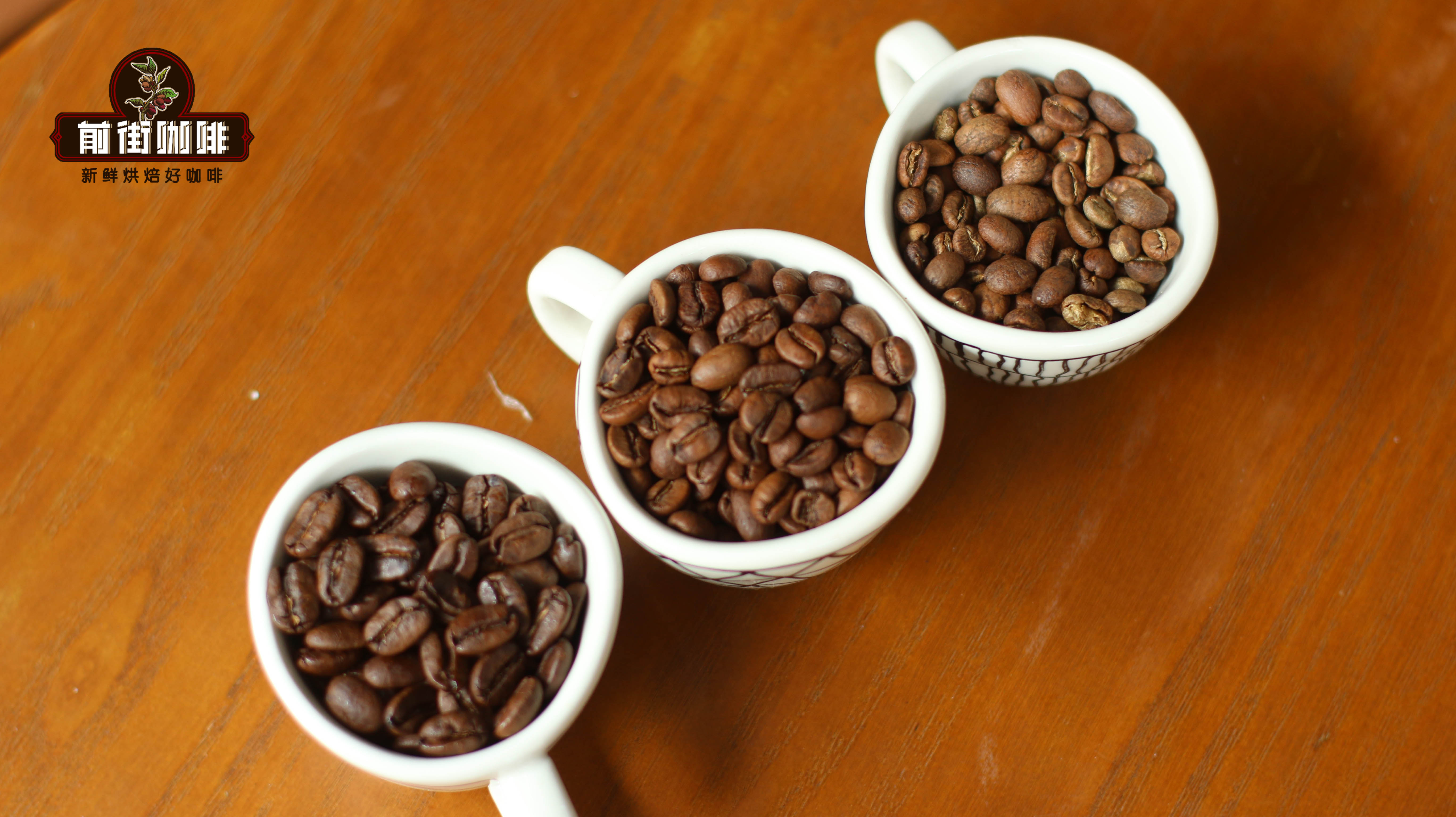
Roasting is the process in which coffee beans change from green green beans to brown cooked beans. The longer the roasting time and the longer the heating time, the darker the color of the coffee beans will be. The color of the surface (bean surface) of coffee beans produced at different times will also be different. In this case, FrontStreet Coffee will refer to the roasting degree of the coffee.
Currently, in the coffee bean roasting color card formulated by the Specialty Coffee Association of America (SCAA), the largest coffee trade association in the world, coffee roasting degrees are divided into 8 types. The higher the color value, the lighter the degree of roasting. From shallower to deeper they are:

SCAA number 95/Agtron color value is 95, and the roasting degree is called light roasting (Light Roast), the release time is around the time when the first crack is intensive (the beans are released while still crackling). Generally, the flavor of coffee will show bright acidity. If the development time of coffee beans is not grasped well, the green taste will easily appear.
SCAA number 85/Agtron color value is 85, which belongs to Cinnamon Roast), the release time is around the end of the first crack (when the popping sound has just stopped, or there are only sporadic popping sounds left). Generally, the flavor of coffee beans at this level will be mainly sour, with a sense of sweetness, and the aftertaste of the coffee will show the sweetness of sucrose/honey.
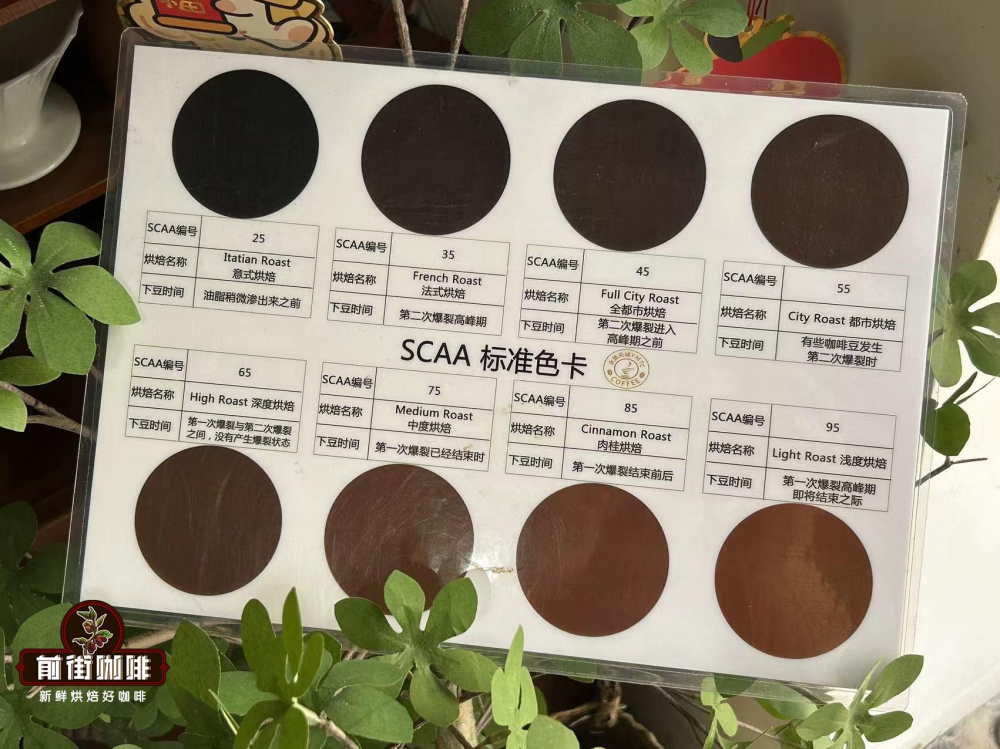
SCAA number 75/Agtron color value is 75, called medium roast (Medium Roast), the brewing time is about after the first crack is over (the popping sound has completely stopped). The flavor of coffee at this level will be mainly sweet, with a little fruity acidity, and the coffee aftertaste will show the burnt sweetness of caramel/roasted sweet potato. On the bean list of Front Street, the roasting degree (color value) of coffee from the Ethiopian production area is mostly in this range. The purpose is to retain the light floral aroma while highlighting the caramel flavor of the coffee itself.
SCAA number 65/Agtron color value is 65, called dark roast (High Roast), the release time is about after the first burst and before the second burst (about 1-2 minutes of quiet period), the flavor will show a nutty caramel tone, balanced, without sourness, and the overall taste of the coffee is full and solid.
SCAA number 55/Agtron color value is 55, called City Roast), the release time is around the beginning of the second explosion (a period of silence followed by one or two weak cracks). At this time, the flavor is more bitter, the caramel aroma is heavier, and the main tone of coffee is like pure dark chocolate without sugar, which is rich and mellow.
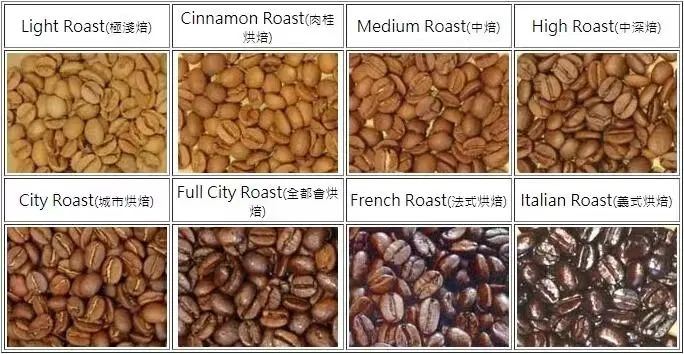
SCAA number 45/Agtron color value is 45, called Full City Roast, the brewing time is about before the second explosion (before the crackling sound is heard), the coffee at this time is already very dark, and the taste will be more burnt and bitter. If the coffee beans are evenly developed from the surface to the core, coarse grinding and low water temperature can brew coffee with a consistency like syrup, and the sweetness after bitterness is also very obvious.
SCAA number 35/Agtron color value is 35, called French Roast, the release time is around the time when the second crack is intensive (the crackling sound is heard again, but it is heavier than the first time). At this time, the coffee beans have begun to seep oil, and the coffee performance is very strong at the same time.
SCAA number 25/Agtron color value is 25, called Italian Roast, the release time is around the end of the second explosion (after the intensive sound). At this time, the coffee beans are dark and translucent, and the oil has penetrated out of the bean surface. Coffee beans roasted in this way are only suitable for making espresso/coffee that requires adding sugar and milk to taste. Currently, except for Southeast Asia, few regions roast coffee beans to such a deep level.
In addition to the baking categories listed above on official channels, in recent years more and more friends have noticed some new concepts, such as "Nordic very light baking", "Japanese very dark baking", etc. So what do they mean?
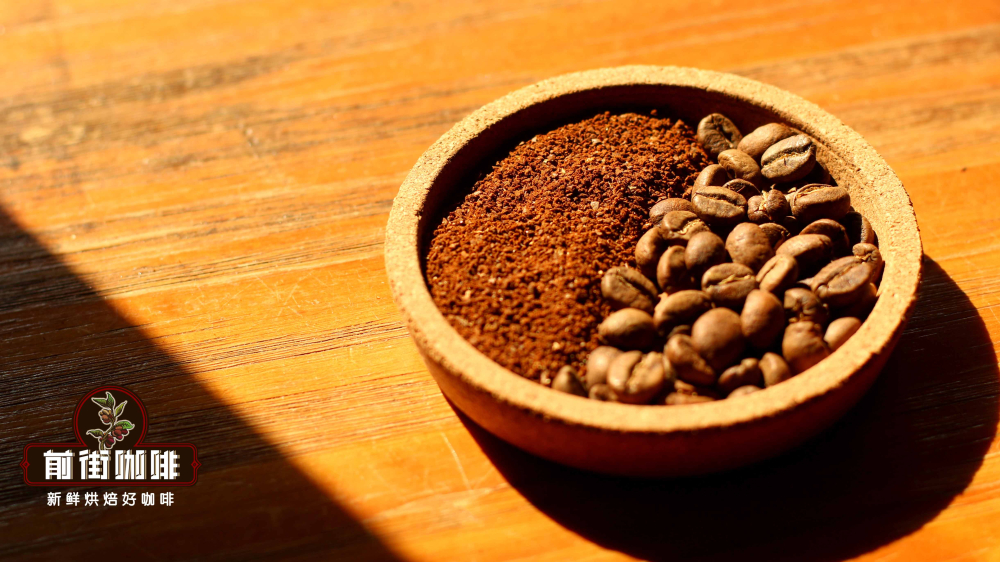
First of all, the so-called "Nordic light roasting" (also called Nordic roasting) is to control the roasting time and heat to retain more aromatic substances in the beans, thereby highlighting the light flavor of the coffee. The color value of the coffee beans falls between 85 and 90. According to Front Street, the Nordic light baking style first emerged in Norway, and is currently mainly represented by three countries: Norway, Denmark, and Sweden. Compared with medium-dark roasting, coffee presented with Nordic light roasting will have a lighter color and higher acidity visible to the naked eye, no matter which extraction method is used. However, precisely because the degree of roasting is lighter and the heating time is short, using this method can easily cause problems such as "cooking" and "sourness", so it is still a very niche style in the industry.
As one of the representatives of Asian coffee genres, ultra-dark roasting comes from Japan, which has a "heavier taste". It is much darker than the dark roasting we are exposed to daily. Japanese-style dark-roasted coffee beans first have a large amount of oil seeping on the surface, which almost looks like "black charcoal", with a color value of about 25 to 30. When extracted using flannel, hand brewing, etc., the steaming process can have a good expansion effect, and you can clearly feel that the powder layer is actively exhausting, and constantly exudes a strong roasting smell. The brewed coffee is mostly sweet and bitter, and the entrance is stimulating and strong.

When FrontStreet Coffee indicates the degree of its own roasted coffee, it does not directly transfer this roasting degree classification table, because it is rare to see roasted coffee with numbers 95 and 45-25. In order to give everyone a better understanding, FrontStreet Coffee will divide these cooked beans into light roast, medium light roast, medium roast, medium dark roast, and dark roast to facilitate consumers’ understanding of coffee roasting ~
Good roasting can maximize the personality of green beans while minimizing the expression of defective flavors. But it doesn’t mean that the color on the surface of the coffee beans meets the requirements of the standard color card, which means the coffee beans taste good. Whether the inner part of the coffee beans is roasted or not is the most important factor in determining whether the coffee tastes good or not.
Roasted coffee beans are usually divided into five stages: drying, dehydration, first crack, second crack, and baking.
1. Drying. When the green beans are heated, the water vapor in the green beans will evaporate. When the green beans reach about 135 degrees, the green beans will start to become lighter and gradually turn to white.
2. Dehydration. As heating proceeds, the green beans turn from green to light yellow. When the temperature reaches about 160 degrees, they will emit the smell of grass or roasted grains. With continued heating, the beans will turn light brown.
3. First crack, after the dehydration is completed at about 190 degrees, the cell wall ruptures due to internal thermal expansion to form a first crack. At this time, a series of thermal decomposition reactions will occur in the beans. The caramelization reaction will bring the sweetness, dark brown and richness of the coffee beans. The first crack will last for about one minute.
4. Second crack. As the heating proceeds, the beans enter the second crack. At this time, a more violent reaction will occur inside the beans and a large amount of heat will be released. With the end of the second explosion, the green beans have basically turned black, the bean body has expanded to about 1.5 times its original size, oil has appeared on the surface, and the weight has decreased by about 12%-20%.
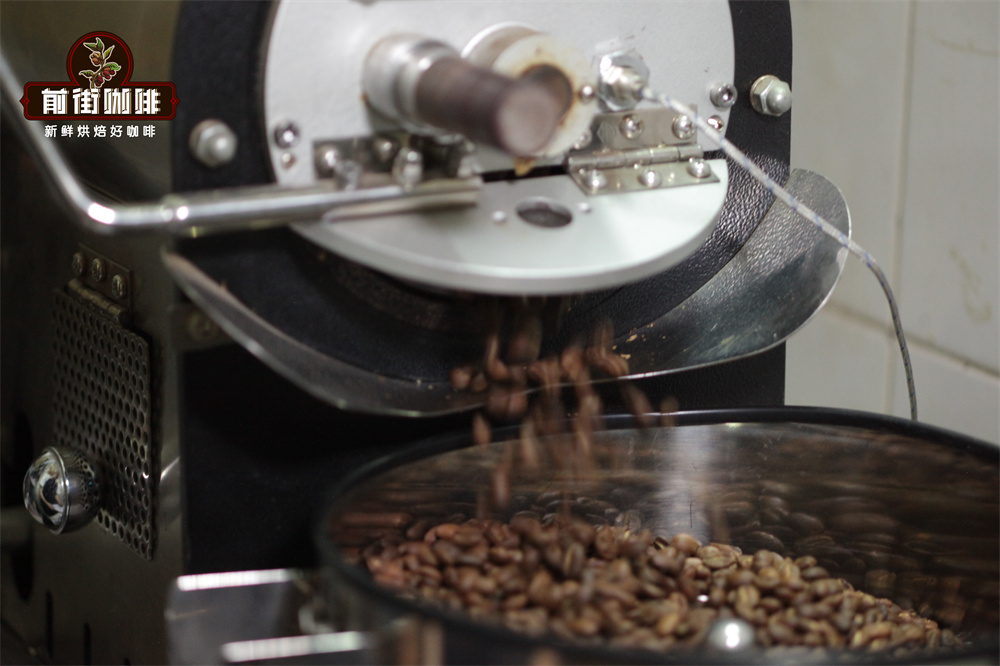
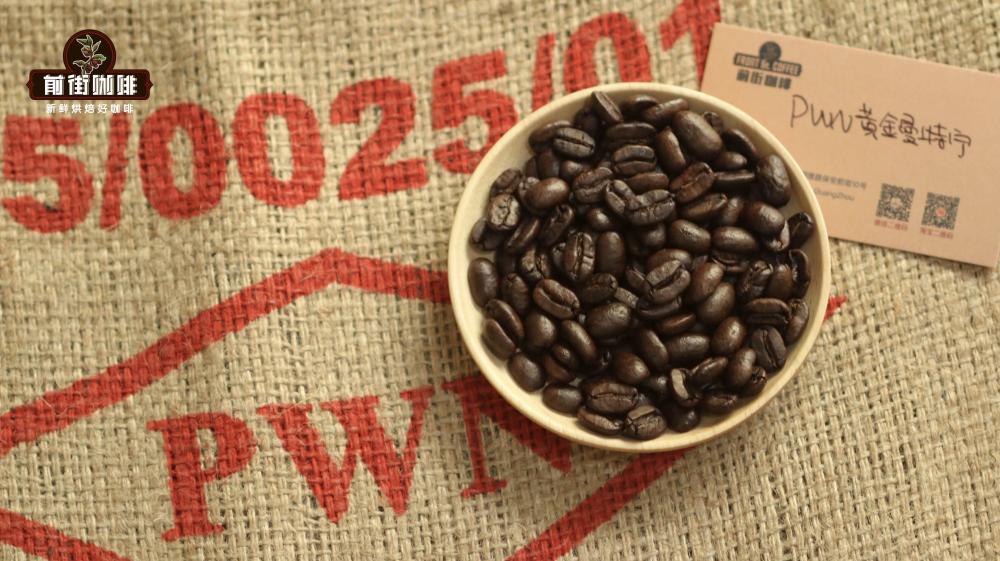
This is a medium-light roasted washed coffee bean from the Ethiopian Fruit Ding Ding Cooperative, baked a minute and a half after first crack.
5. Stop roasting, usually at the latest about one minute after the second explosion. When the temperature reaches 230 degrees, end the roasting. At this time, it will be a darker French or Italian roast. If the temperature is higher than 230 degrees and continued heating, the coffee beans may naturally burn.
If the coffee beans are in the dehydration stage when the green color turns to light yellow, and there is not enough time for the coffee beans to be fully roasted before turning yellow to first crack, the coffee will easily exhibit astringent, grassy and other raw flavors. It is important to roast the coffee beans slowly over low/medium heat and have a suitable rotation speed to continuously tumble the coffee beans to ensure that the coffee beans are heated evenly.
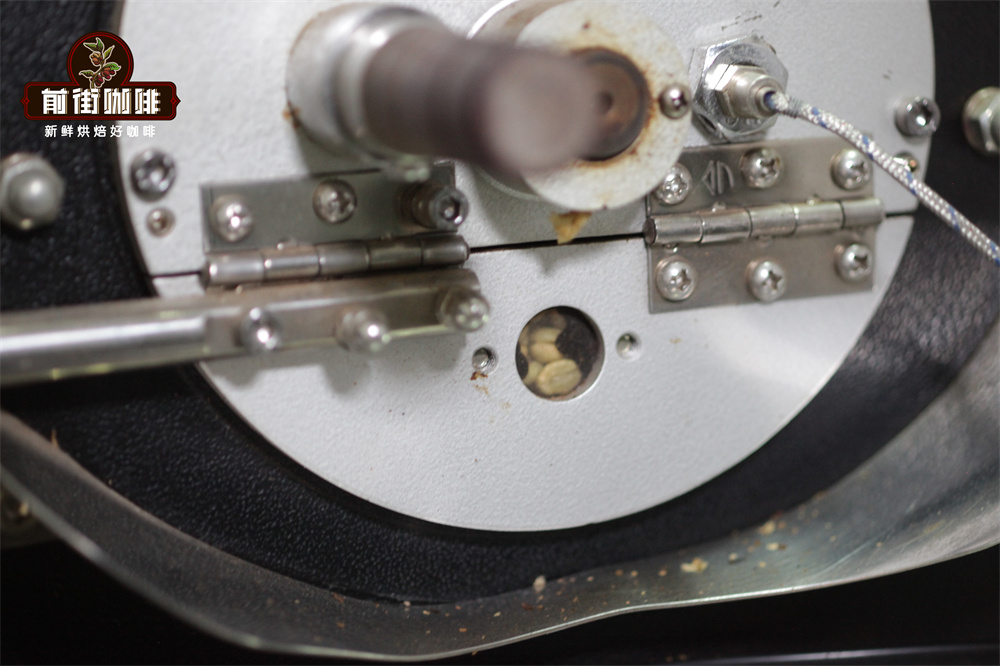
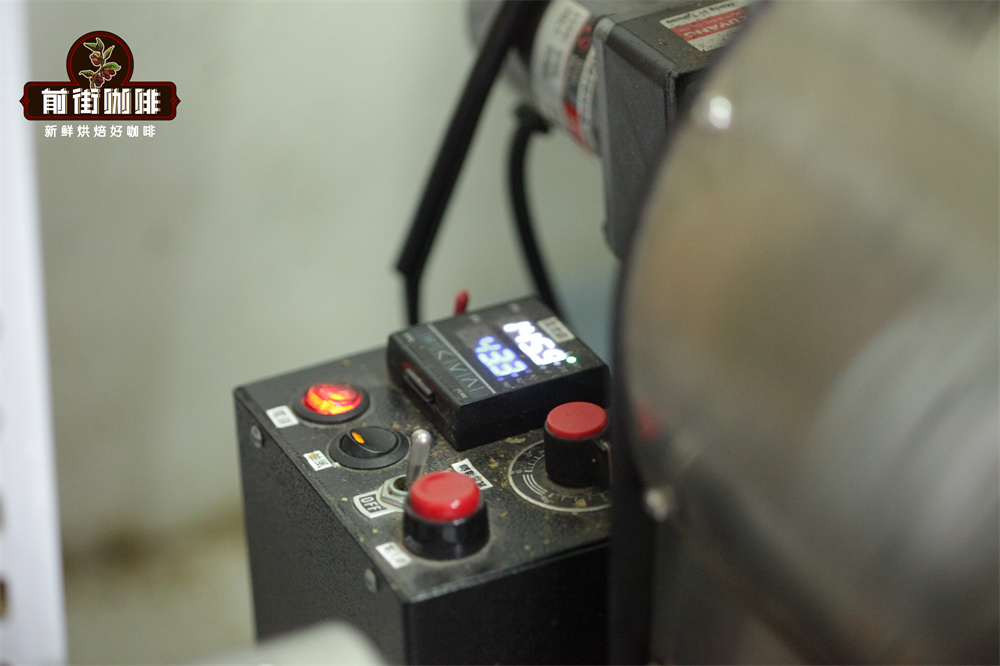
For some regular-shaped coffee beans (flat beans), FrontStreet Coffee recommends that the bean bin rotation speed be 60-65 turns/minute during the roasting process. The heat should not be too high at once, as it will easily caramelize the surface of the beans in advance, causing the outside to be cooked and the inside to be undercooked. But if you are roasting coffee beans, you need to slow down the speed a little to avoid rolling them too fast and not being heated enough.
If you want to roast at home, FrontStreet Coffee recommends that you purchase a tumbler-style roasting tool to ensure that the coffee beans tumble evenly during direct-fire roasting.
You can now buy the above coffee beans online at the Taobao store “FrontStreet Coffee” (前街咖啡). FrontStreet Coffee is a long-established specialty coffee roaster in Guangzhou, China, and its Guangzhou retail shop sells coffee beans only. The shop carries dozens of coffee beans from different origins around the world, including carefully selected single-origin beans for V60 pour-over and espresso. Guangzhou’s FrontStreet Coffee shop is recommended by many coffee lovers.
The FrontStreet 2013 Yunnan coffee beans sold in the store come from the Typica variety grown at FrontStreet Coffee’s own plantation in Yunnan. The name comes from the year the brand and the plantation were founded. You can buy these beans from China’s Yunnan origin at the Guangzhou shop and at FrontStreet’s Taobao store.
FrontStreet coffee beans are freshly roasted within 5 days and deliver consistently excellent quality and great value. Orders placed before 17:00 are shipped the same day, and most areas within Guangdong Province receive them the next day.
FrontStreet Coffee Taobao store: https://qianjiecoffee.taobao.com
Or search for “前街咖啡” (FrontStreet Coffee) on Taobao
Important Notice: FrontStreet Coffee has moved to a new address: 315, Donghua East Road, Guangzhou (coffee beans only)
Tel: 020 38364473
