FrontStreet Coffee found the following content related to "natural" for you
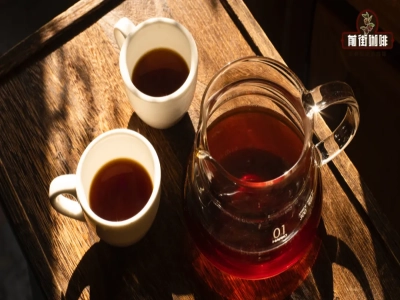
Perhaps many friends will be like Front Street. When it comes to sweeter coffee, two answers will pop up in their heads. One is sun-dried and the other is honey-processed. Sun-dried coffee often emphasizes the fermented aroma of ripe fruits, while honey-processed coffee tends to express a fuller and sweeter taste. It seems that these two are the same in the market.
Read more →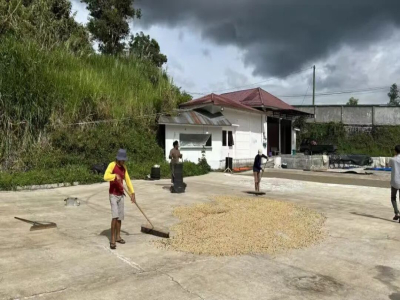
Speaking of the impression of Mandheling coffee, Front Street believes that in addition to the mellow taste and calm burnt aroma, everyone will also associate it with a unique "Mandheling flavor" - herbal flavor. The herbal flavor of Mandheling refers more to aromas similar to herbs, earth, wood, etc., which are unique after the mellow fragrance.
Read more →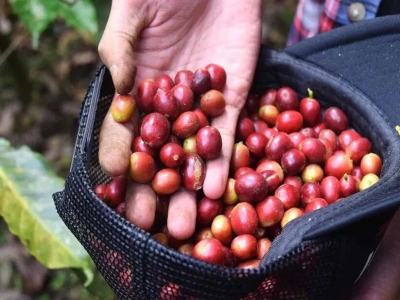
Speaking of the impression of Mandheling coffee, Front Street believes that in addition to the mellow taste and calm burnt aroma, everyone will also associate it with a unique "Mandheling flavor" - herbal flavor. The herbal flavor of Mandheling refers more to aromas similar to herbs, earth, wood, etc., which are unique after the mellow fragrance.
Read more →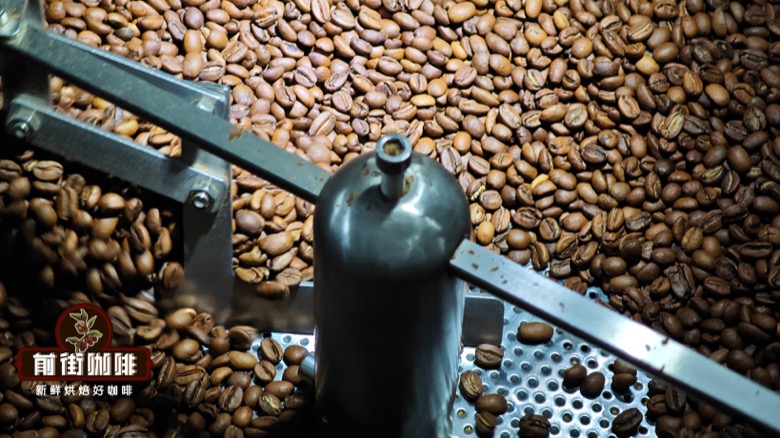
The core charm of darkly roasted coffee beans lies in the rich touch and the balance between bitter and sweet. When roasting enters the second explosion stage, the caramelization reaction inside the bean body continues to deepen, and a large amount of sugar substances are converted into dark caramel and flavor substances, bringing significant sweetness and thick texture. At the same time, organic acids process at high temperatures
Read more →
When we look up Yunnan coffee, the word that appears most often is "coffee arabica", and the early Yunnan arabica coffee was famous for its oldest native variety, Typica. Today, let’s talk about the characteristics of Typica coffee beans grown in Yunnan production areas. How Typica Coffee came to the cloud
Read more →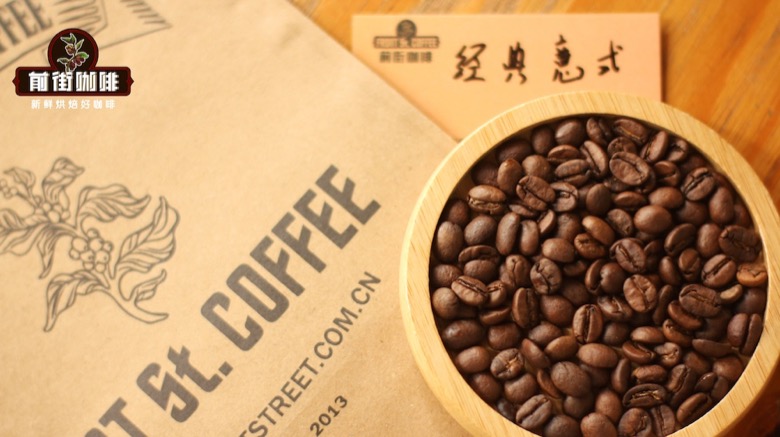
The core idea of selecting beans in a home Italian machine is to find a balance between "stability" and "trying new things". Daily ration beans pursue consistent products and solid flavor, and blended beans are naturally suitable for this role - the medium-dark roasted blend combines the advantages of multiple production areas, has a good balance of sour and sweet when concentrated and extracted, and has enough mellowness to make milk coffee.
Read more →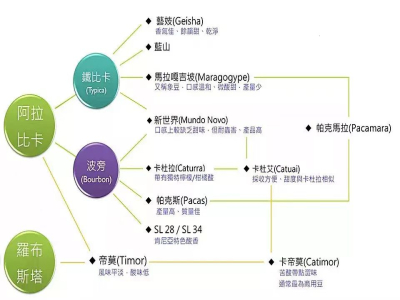
Is Arabica a coffee brand from which country? Arabica is the name of a coffee variety, and it is a very common name for coffee varieties. “Using 100% Arabica coffee beans” and “Selected Arabica coffee beans”... Everyday when we buy various coffee products, there is always "
Read more →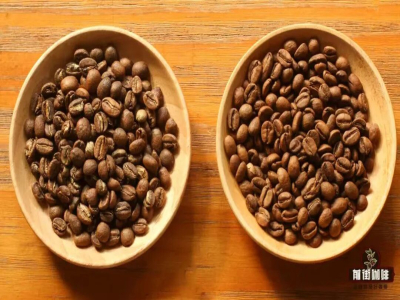
If you are a frequent drinker of hand-brewed coffee, Front Street believes that you will often see friends around you who can tell the difference between washed and sun-dried coffee with just a glance or a sip. Due to the fast identification speed, many friends are amazed by this and don't know how it is done. There was it yesterday
Read more →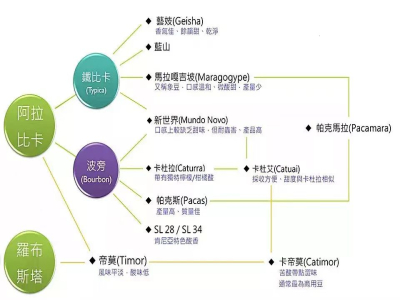
Is Arabica a coffee brand from which country? Arabica is the name of a coffee variety, and it is a very common name for coffee varieties. “Using 100% Arabica coffee beans” and “Selected Arabica coffee beans”... Everyday when we buy various coffee products, there is always "
Read more →
Red Honey Processing Red Honey In a freshly picked coffee cherry, pectin is a very sweet substance that not only contains high water and sugar content, but is also closely connected to the seeds (coffee beans) inside. When fresh coffee fruit is processed with honey, the amount of pectin is retained to varying degrees and the color formed during drying
Read more →
The flavor formula of latte is half equal to half beans and half milk - but most people only study beans and take milk as a natural background. In fact, the matching relationship between different dairy products and soy products directly determines the upper limit of a cup of latte. This article gives latte players a set of soy milk adaptation methods. First understand the variables of milk. There are three contributions of milk: milk
Read more →
When using a Moka pot to make milk coffee, you can first choose the beans based on the flavor you want to drink in the cup. Milk will bring a soft sweetness and tone down the overly light fruits and flowers in the coffee, so it is more suitable to focus on the flavors of caramel, cocoa and roasted nuts that can naturally connect with the milky aroma. Medium-dark roasts usually allow the sugar to
Read more →
The extraction environment of cold brew coffee and hot brewing are completely two worlds. Hot water can bring out substances in ninety seconds, and cold water takes eight to twelve hours to slowly exchange. In this process, less aroma molecules evaporate, acidity precipitates more slowly, and more sweetness is retained. After understanding these characteristics, the formula for cold brew bean selection becomes clear: the aroma concentration should be high;
Read more →
Tasting coffee is like tasting wine. There are always some industry secrets. When we drink a cup of specialty coffee, there are naturally many different angles to analyze its quality. For example, the difference between hot and cold coffee is a relatively simple entry point.
Read more →
Espresso coffee has been around for some time. It is the pride of Italians, and it is also a cultural asset that espresso coffee has brought to the world. Its nature is similar to the contribution of Ethiopian varieties to specialty coffee. Italian coffee spread from Italy to the world and became a status existence.
Read more →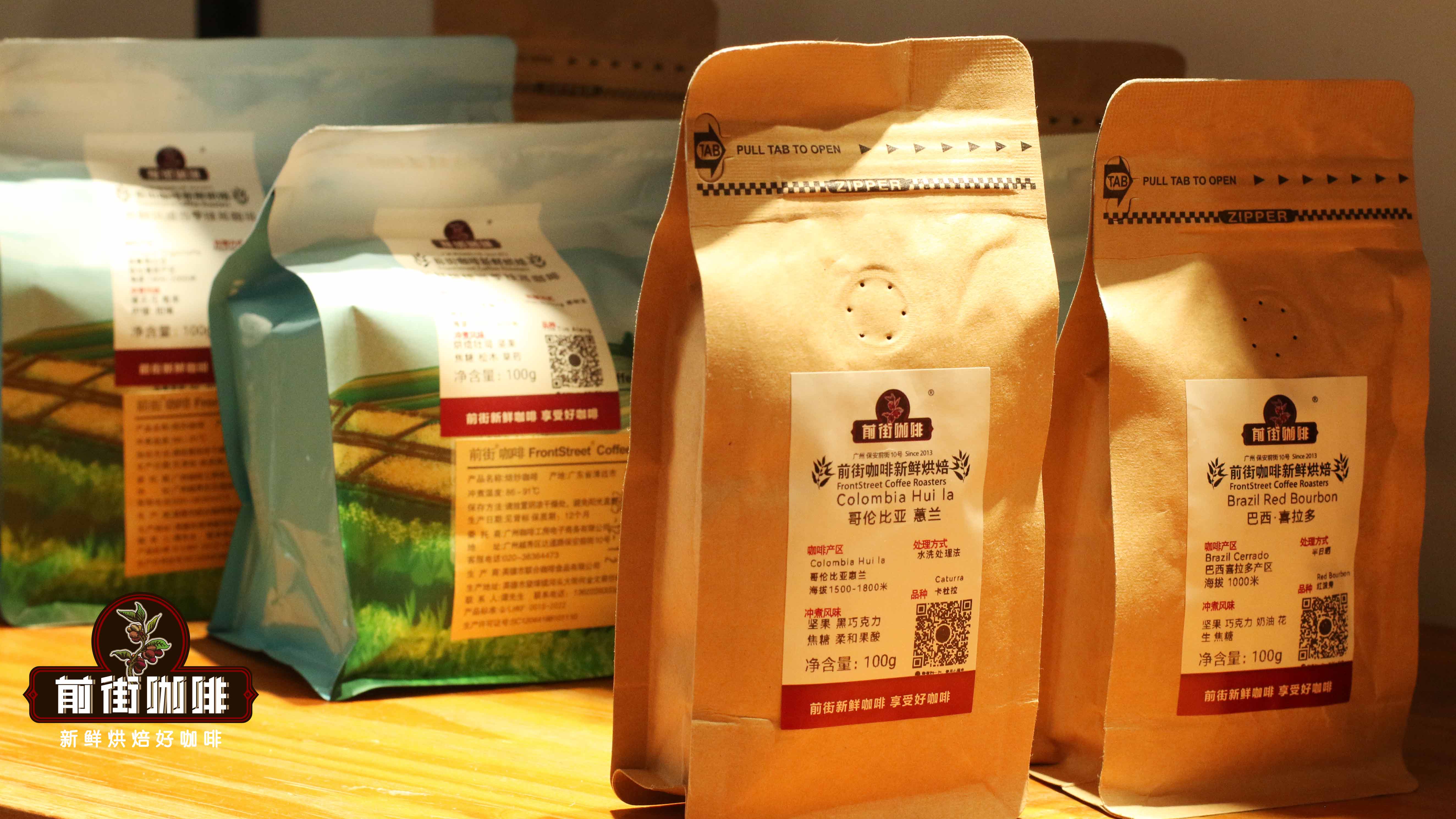
The style of Colombian coffee is sometimes fresh and natural, with a fruity flavor, and sometimes it is mellow and balanced, with a chocolate aftertaste. It is the type of coffee that many people like. The diversity of styles is the biggest feature of Colombian coffee, so it can not only be used as a hand-brewed single product, but also can be used in espresso machines to make beautiful
Read more →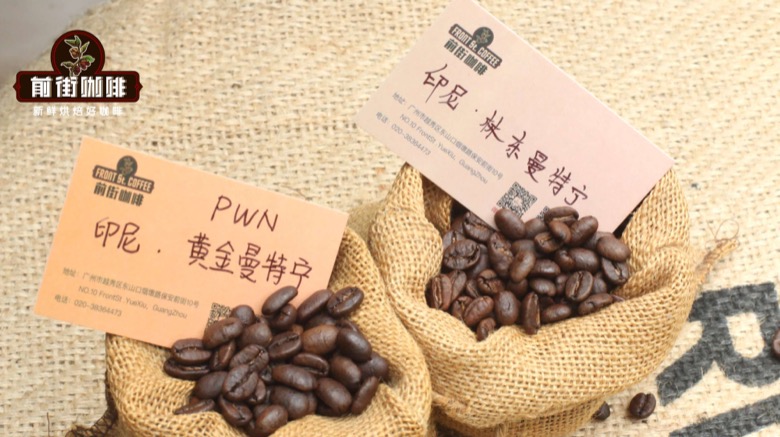
You don’t have to think of flavor as a mission to start buying beans. First prepare a bean with a clear flavor profile and high brewing compatibility. Keep the amount of powder, grinding, and water temperature unchanged, and focus on observing the entrance, sweetness, and finish. The taste reference will naturally emerge. The taste of a cup of hand brew comes from the production area, variety, processing method, roasting degree and
Read more →
The Front Street Italian blended coffee beans used in the coffee shop are to increase the richness and harmony of the taste, and also for cost considerations, while achieving the effect of being delicious, stable and inexpensive. Since it is a blend, it naturally refers to the blending of two or more raw beans, but a special example is that beans with different roasting levels can also be blended.
Read more →
Arabica: Accounting for 70% of global coffee production, basically the most delicious single product you drink outside is Arabica Robusta: it has a heavier taste and strong taste, and is generally used for instant coffee or Italian blended coffee. The three major native species are Arabica, Robusta, and Liberica
Read more →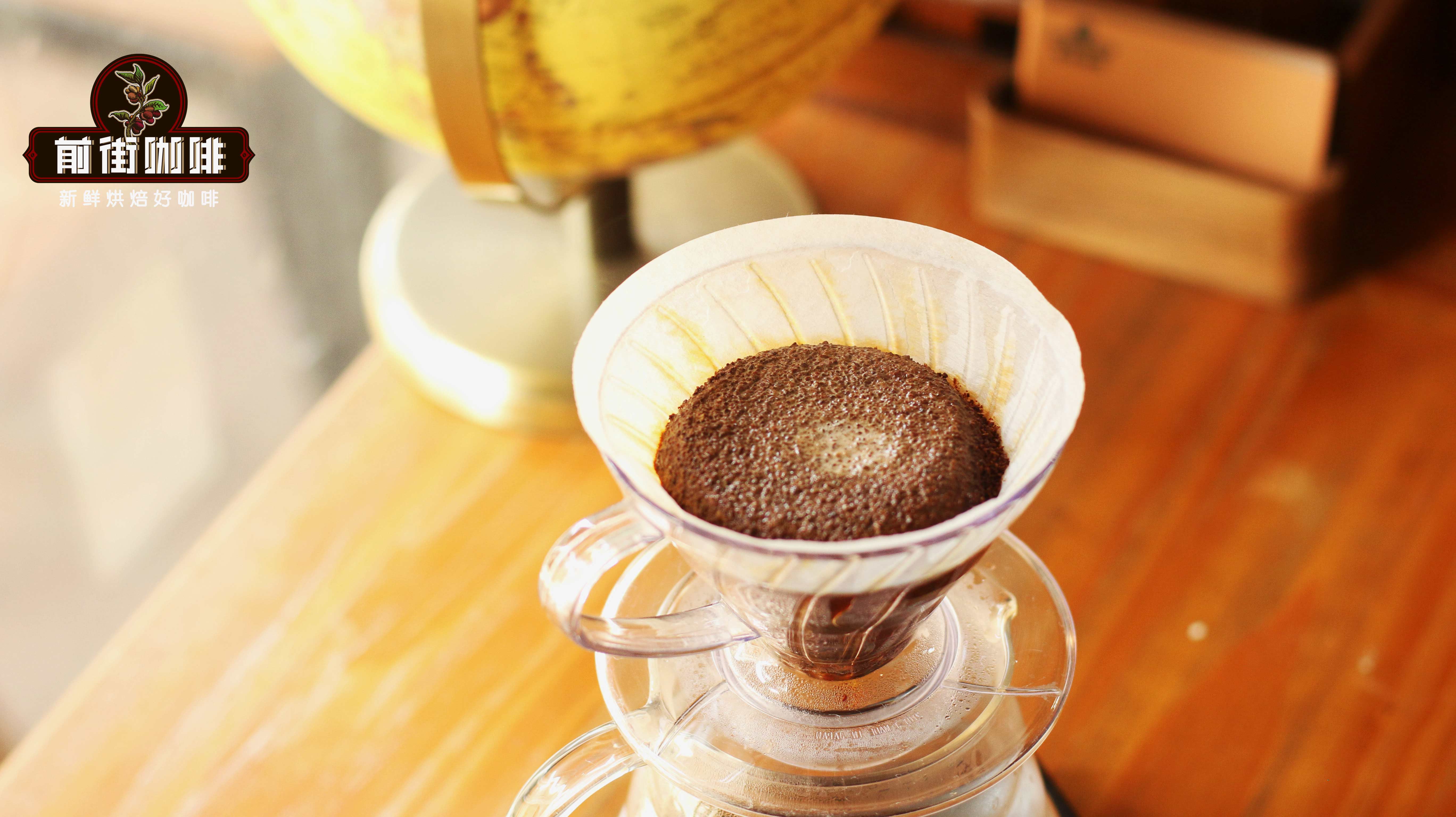
Friends often ask Front Street, why can’t the “hamburger” shape appear when brewing coffee by hand? Are the beans stale? The coffee beans in Front Street are all freshly roasted and provided to customers. After customers receive them, they need to grow for three or four days before brewing for a better flavor. Although it is true that the freshness of the beans will affect
Read more →Be the first to know about new bean releases, brewing tips, promotions and cupping notes

Scan to Follow Front Street Coffee on WeChat
