
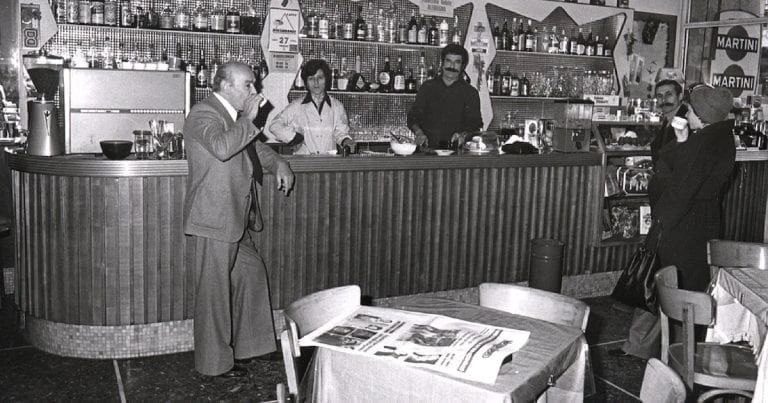
Espresso coffee has been around for some time. It is the pride of Italians, and it is also a cultural asset that espresso coffee has brought to the world. Its nature is similar to the contribution of Ethiopian varieties to specialty coffee.
Espresso spread from Italy to the world and has become a status existence. Without espresso, there would be no development of espresso. Because espresso is also known as the base of coffee, such as cappuccino, latte, mocha, etc. from Front Street Coffee. These coffees have always been representative of Italian coffee and are also a manifestation of culture. In this next article, Front Street Coffee will introduce you to the extraction ratio of Italian coffee.

Single and double espresso ratios
Espresso is important because it can directly affect the quality of a cup of coffee. A suitable powder-to-water ratio is the key to making good espresso, so Front Street Coffee will briefly talk about the ratio of making espresso and how to achieve a suitable powder-to-water ratio by adjusting it.
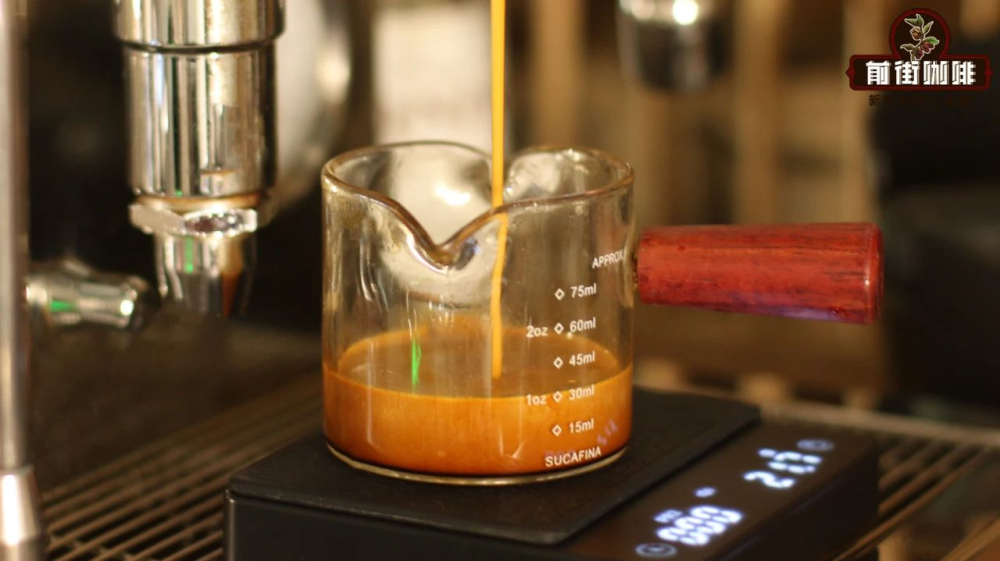
Espresso is divided into single and double powders. Traditionally, 8-9 grams of coffee powder is used for a single portion, and 25-35 ml of espresso is extracted for 30 seconds. The ratio of a single portion of powder to water is 1:1, which is the traditional ratio and the ratio that has been used for the longest time. The single-serve concentrate has a rich and fragrant taste, which is very difficult for ordinary people to eat. An important step in powder weight is weighing. Place the coffee handle on the scale and reset it to zero. Weigh about 9g of coffee powder. If you can extract 25-35g of espresso liquid in 25-35 seconds, it is considered a suitable powder-to-water ratio. A single shot of espresso is a commonly used amount of powder for cappuccino. The same proportion of milk, espresso and milk foam depends on the cup. The traditional ratio is 1:1:1
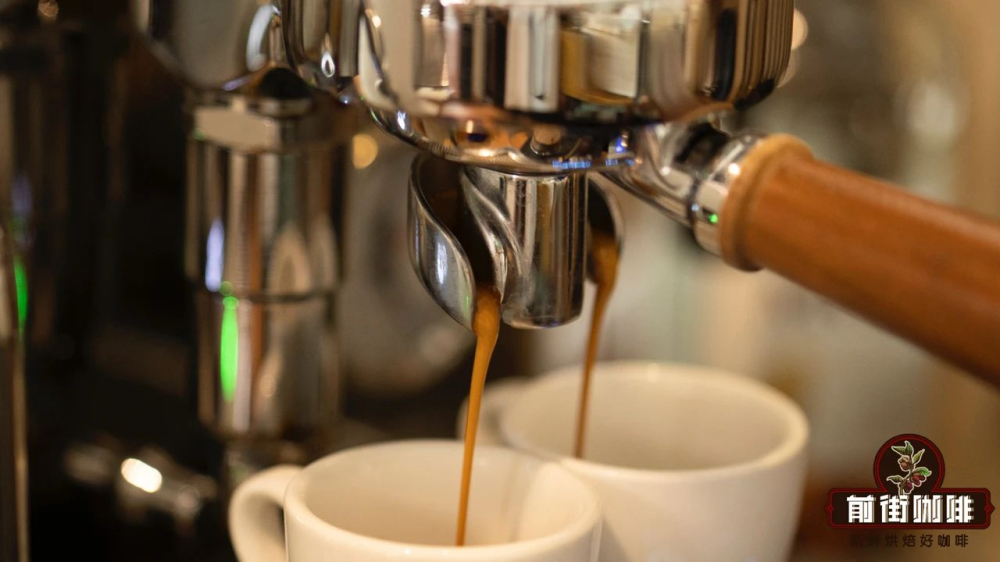
A double shot of espresso is, of course, twice the amount of a single shot. A powder volume of 18-20g can also extract 55-65g of espresso liquid in the same 25-35 seconds, which is considered a suitable powder-to-water ratio, with a ratio of 1:1. The same operation is to reset the weighing to zero. Double espresso is the main amount used to make latte and Americano. The taste is richer and thicker than a single shot, because milk and water are added to dilute the concentration in exchange for a mellow, cottony taste. A single shot will make the coffee less flavorful, so a double shot of espresso depends on the cup capacity.
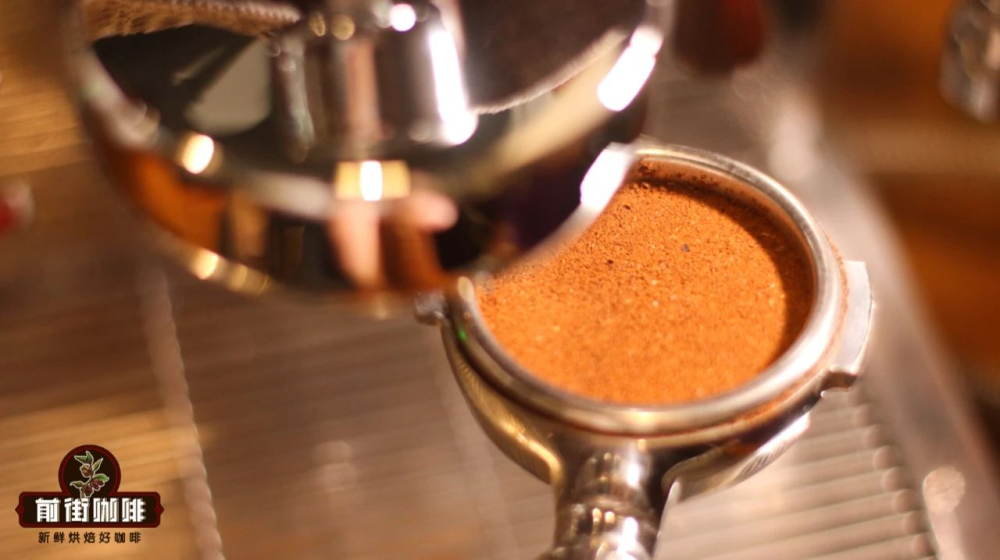
How to determine how much powder to use? The above are traditional single and double espresso powder. The coffee powder bowls have different specifications. The filling capacity of a single coffee powder bowl is as much as 14g, which is adjusted based on the baseline in the powder bowl. There is a concave powder line in the powder bowl, which is the baseline for stipulating the amount of powder. The amount of powder filled can be adjusted according to the baseline. If it exceeds the baseline, it means too much. It may also be caused by too coarse grinding, resulting in large gaps between the powder particles.
A reasonable powder-to-water ratio can be accurately achieved by weighing. The grinding degree of espresso is flour-like. The grinding scale is usually the smallest number of the Italian grinder. It can be adjusted between 1-1.5, mainly based on the amount of powder and extraction time, which is an accurate method.
What coffee beans to use for espresso
In addition, using different Italian coffee beans to make espresso will produce different coffee flavors. For example, the Front Street Black Cocoa Basic Blend coffee beans are a blend of Brazilian red bourbon coffee and Yunnan arabica coffee. It is blended into milk to highlight the rich chocolate, caramel, nuts, and plum slightly sour flavors.
Because an espresso coffee machine has a distinctive feature that amplifies the original flavor of coffee beans, and the acidity of lightly roasted coffee beans will be more prominent. If extracted with an espresso machine, the acidity will be more obvious, so it is not suitable for making espresso coffee.

So what kind of coffee beans should be used to make latte? Generally speaking, the coffee beans used to make latte coffee must be suitable for espresso machines, so coffee that is too light roasted is not suitable for making latte coffee. The darker the roasted coffee beans, the stronger the coffee flavor (caramel, bitterness) of the latte. The lighter the coffee beans, the more obvious the milky flavor of the latte will be. Therefore, the roasting degree should be selected moderately to make coffee and milk better compatible.
Then Front Street Coffee will recommend the following four Italian coffee beans for everyone to choose from.
Front Street Classic Blend of Italian Coffee Beans
Flavor:Obvious aroma of butter, dark chocolate, cream, nutty flavor, rich caramel aroma and rich oil.
Recipe: Brazilian + Indonesian Mandheling + Vietnamese Robusta
Suitable places: offices, homes, specialty coffee shops
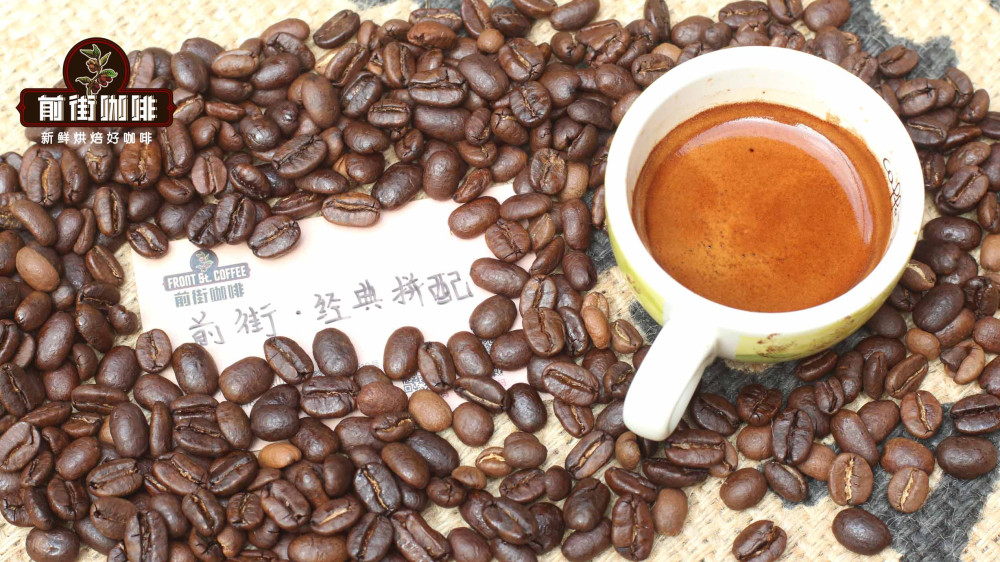
If you are looking for rich oils, buy Front Street Classic Blend and Front Street Commercial Blend. Both Italian beans contain a small amount of Robusta varieties. Front Street Classic Blend combines Brazilian, Mandheling and Robusta, and is roasted medium to dark. It emits obvious aromas of butter, toast, and caramel biscuits during extraction. It has a strong flavor, solid taste, and delicate oil. The extraction is very stable, making it a must-have home coffee for beginners.
Front Street Premium Blend Italian Coffee Beans
Flavor:Soft, slightly sour, sweet, with a nutty sweetness. The overall feeling is not too irritating, mild, and the oil is medium.
Recipe:Colombia+Brazil
Suitable places:Office, home, community coffee shop
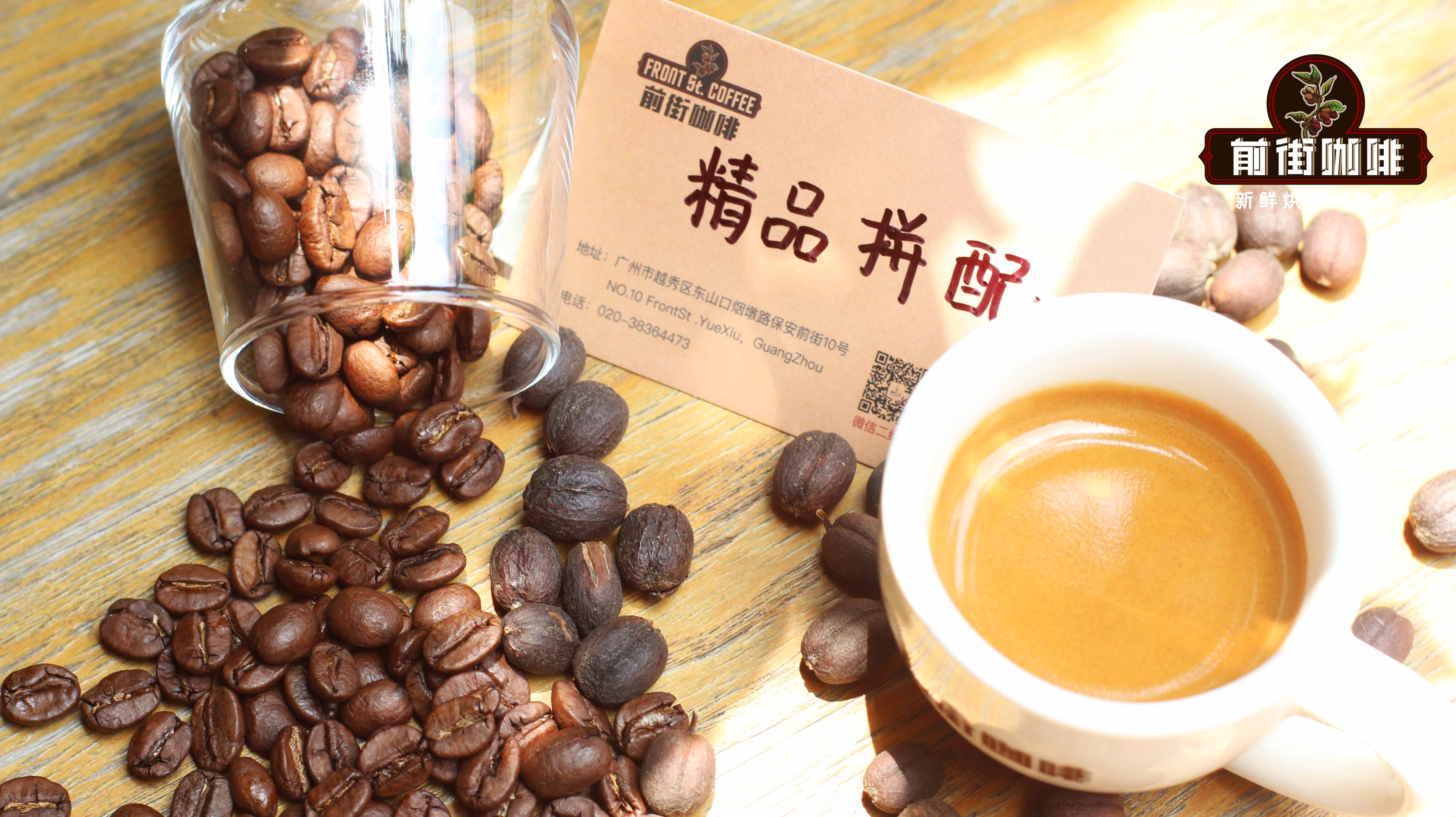
This front street blend is made from Brazil and Colombia. It tastes like a light roasted grassy aroma with a slightly bitter taste. It is sweet and smooth, with a pleasant aftertaste. This is because the coffee beans from the Cymbidium producing area in Colombia have a pleasant sour taste, a mellow smell, moderate acidity, and rich sweetness that is very durable.
The coffee beans from the Cerrado region of Brazil have a pleasant sweet and bitter taste and are extremely smooth in the mouth. So the combination is absolutely perfect.
Front Street Commercial Blended Italian Coffee Beans
Flavor: The sweetness of caramel, the flavor of nuts, cocoa, and dark chocolate, a balance of sweet and sour, a little bit bitter, and a long-lasting aftertaste.
Recipe: Colombia + Brazil + Robusta
Suitable places: chain or independent coffee shops, home coffee machines
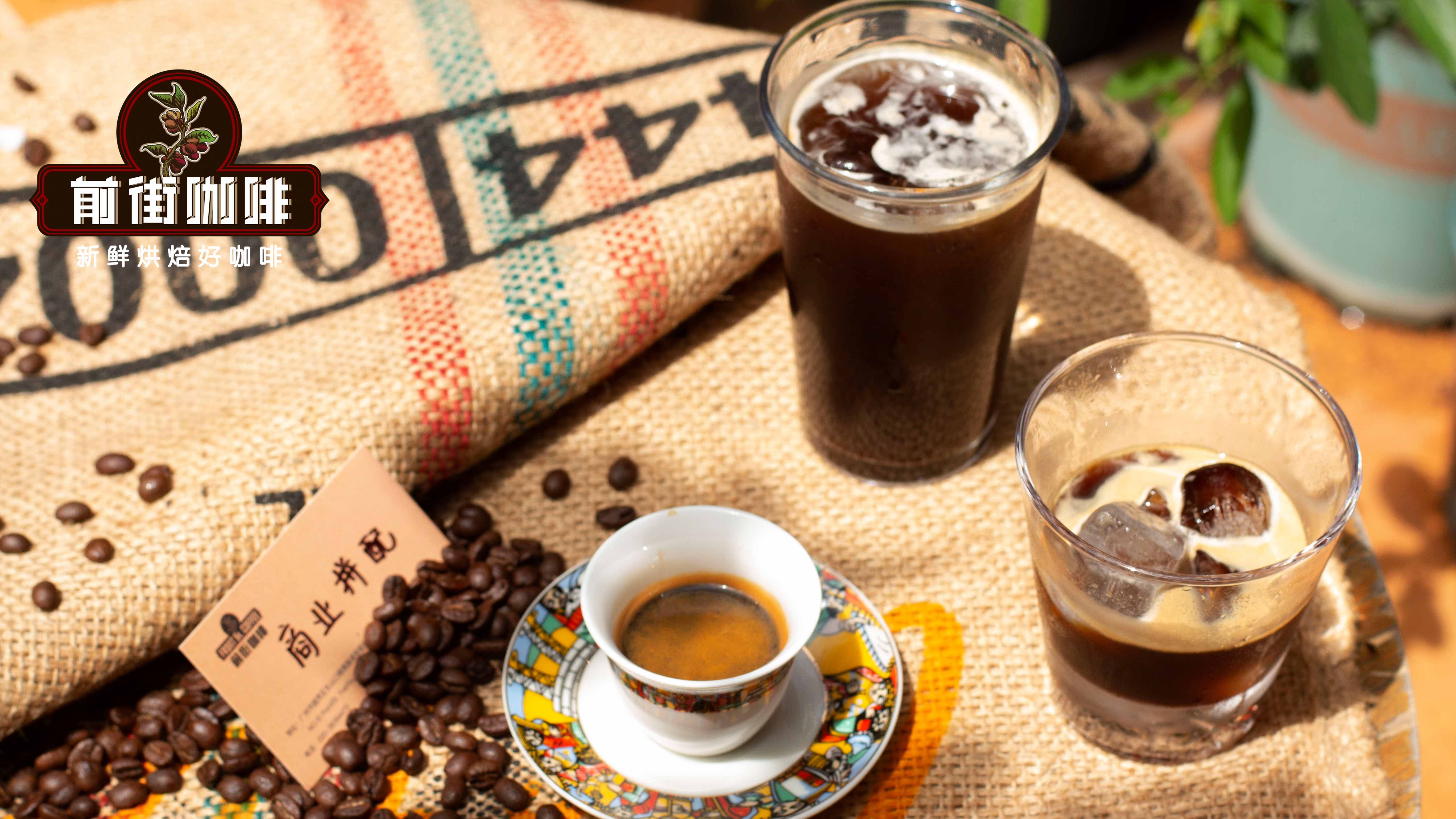
This front street blend uses coffee beans from Brazil, Colombia and 10% Robusta coffee beans. The taste is classic. Front Street believes that this blend tastes rich in oil and texture, with the sweetness of caramel, and also has the flavor of nuts, cocoa, and dark chocolate. It has a balance of sweet and sour, a little bit of sweetness and bitterness, and a long-lasting aftertaste. This commercial blend uses the same proportion of Colombian and Brazilian coffee beans as FrontStreet Coffee's premium blend, but the difference is that Robusta is also added to provide rich oils and make the coffee taste more mellow.
Italian Moka Pot Coffee Beans Recommended by Many Baristas - Front Street Black Cocoa Blended Italian Coffee Beans
Flavor: It has soft fruit acidity, caramel sweetness, nutty, dark chocolate flavor, smooth and sticky, but the taste is light.
Recipe: Yunnan + Brazil
Suitable places: Home, office, all coffee shops
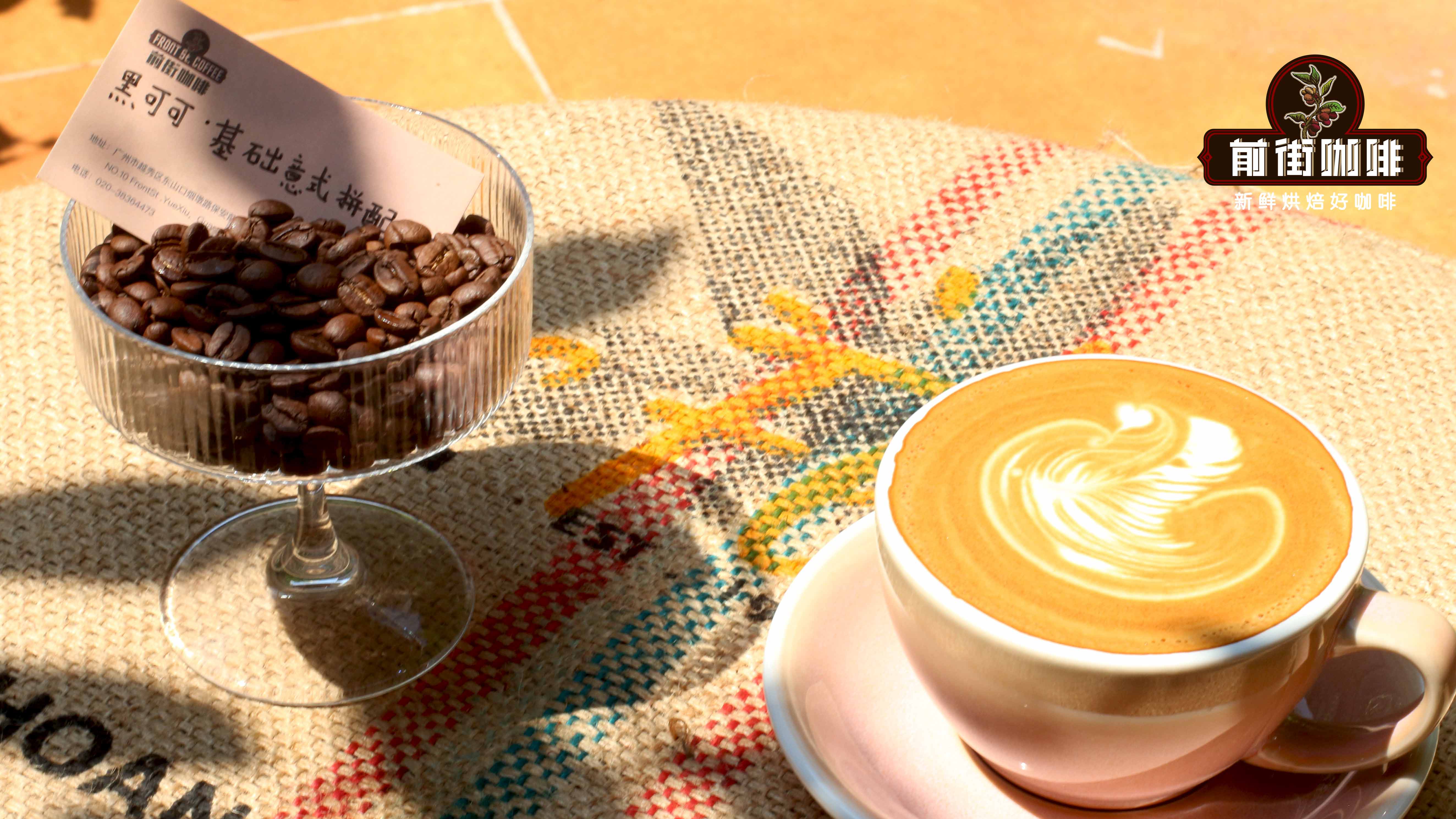
This blend is made from Brazil and Yunnan. Front Street believes that it tastes with soft fruit acidity and caramel sweetness, as well as nutty and dark chocolate flavors. It is smooth and sticky, but the taste is on the light side. This is because the natural conditions of Yunnan are very similar to Colombia, with high altitude, large temperature difference between day and night, mellow flavor, moderate sourness, rich and mellow taste, uniform particles, rich oil content and fruity aroma, and its quality and taste are similar to Colombian coffee. However, the taste is still slightly lighter than that of Colombia, while the coffee beans from the Cerrado region of Brazil have a pleasant sweet and bitter taste and are extremely smooth in the mouth. Therefore, the flavor of mixing these two coffee beans is also good, and this Italian Moka pot coffee bean-Front Street black cocoa blended coffee bean recommended by many baristas is very cost-effective and suitable for beginners of Italian style and small coffee shops.
Milk to coffee ratio in espresso
Front Street mentioned above that the espresso coffee commonly seen on the market is made with different ratios of espresso and milk. So what is the ratio of espresso and milk to be perfectly blended to make a cup of milk coffee? Then Front Street will use making mocha coffee as an example to popularize science.
Latte coffee recipes
The latte recipe used by Front Street is 1:6, that is, 40g of espresso mixed with 240g of steamed milk.
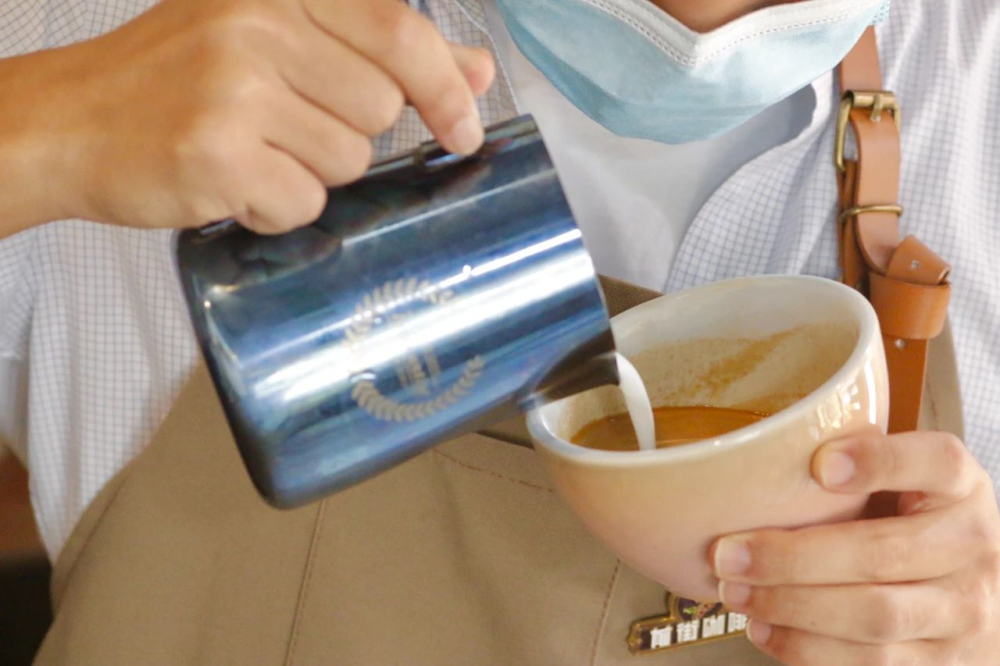
The espresso extraction plan used by Front Street is to extract 40g of espresso liquid in 27 seconds with 20g of coffee powder as the base for latte coffee.
Next is frothing the milk. First we have a steam wand. Most semi-automatic coffee machines are equipped with a steam wand. Secondly, there is a container that needs to hold milk, such as a milk vat or a latte art vat (professional equipment will get twice the result with half the effort).
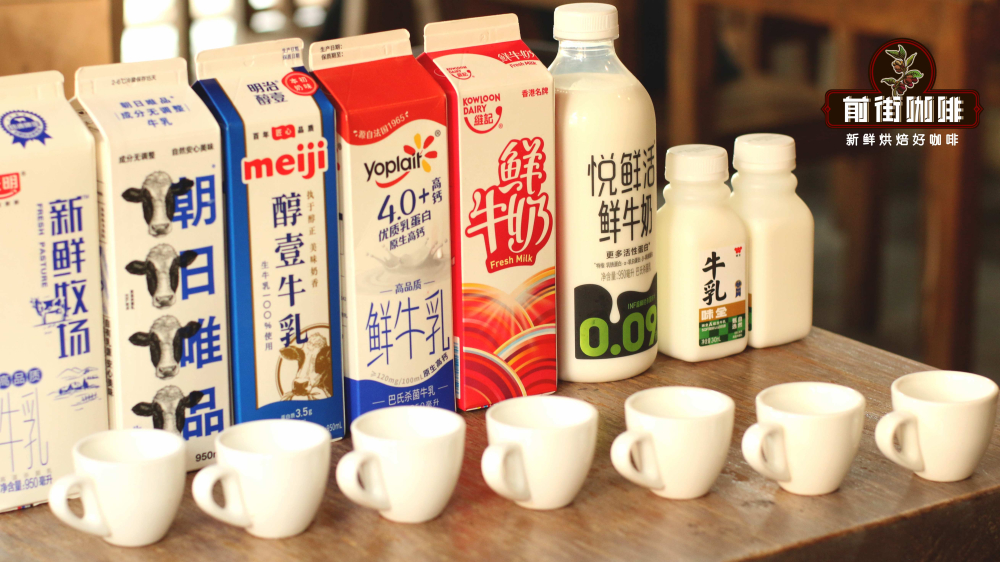
Finally, it comes to the choice of milk. Whether it is room temperature milk or low-temperature milk, whole milk or skimmed milk, milk can be frothed. However, if you want better texture, taste and stability of milk, Front Street still recommends using low-temperature refrigerated whole milk.
The next step is to fuse latte art, extract the espresso, steam the milk, and then you can blend it to complete the latte. Fusion is also a very important part of making latte coffee. Good fusion can make latte coffee drink smooth and comfortable, without any messy feeling. Good integration is what we often call latte art. The last latte is done.
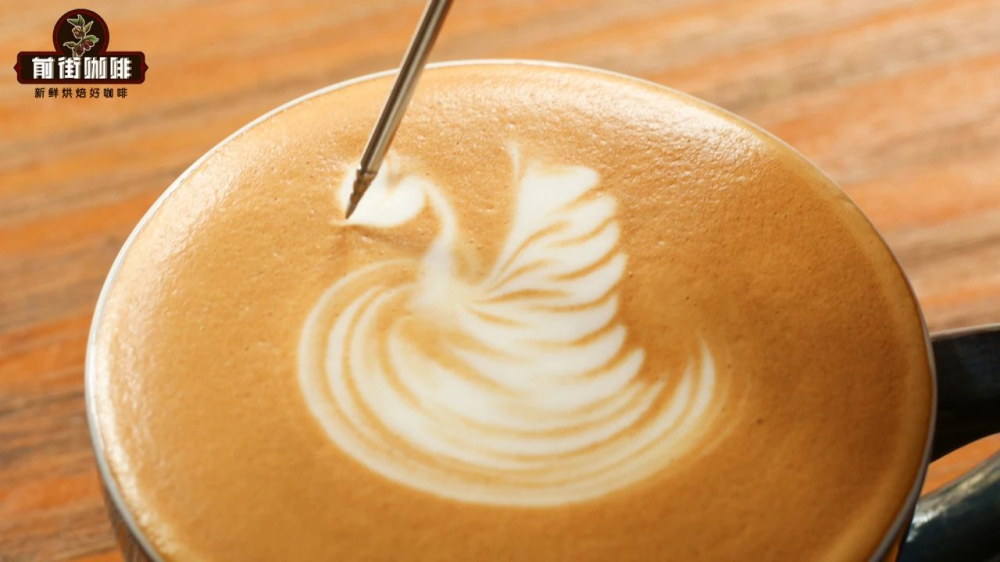
Front Street Recipe Latte Flavors:Smooth taste, long-lasting chocolate flavor, mixed with pleasant alcoholic taste, long-lasting aftertaste and obvious sweetness.
The above is the relevant content compiled by Front Street Coffee on how to extract espresso. I hope it can help coffee lovers who want to know the relevant content so that they can make milk coffee that satisfies them in the future.
You can now buy the above coffee beans online at the Taobao store “FrontStreet Coffee” (前街咖啡). FrontStreet Coffee is a long-established specialty coffee roaster in Guangzhou, China, and its Guangzhou retail shop sells coffee beans only. The shop carries dozens of coffee beans from different origins around the world, including carefully selected single-origin beans for V60 pour-over and espresso. Guangzhou’s FrontStreet Coffee shop is recommended by many coffee lovers.
The FrontStreet 2013 Yunnan coffee beans sold in the store come from the Typica variety grown at FrontStreet Coffee’s own plantation in Yunnan. The name comes from the year the brand and the plantation were founded. You can buy these beans from China’s Yunnan origin at the Guangzhou shop and at FrontStreet’s Taobao store.
FrontStreet coffee beans are freshly roasted within 5 days and deliver consistently excellent quality and great value. Orders placed before 17:00 are shipped the same day, and most areas within Guangdong Province receive them the next day.
FrontStreet Coffee Taobao store: https://qianjiecoffee.taobao.com
Or search for “前街咖啡” (FrontStreet Coffee) on Taobao
Important Notice: FrontStreet Coffee has moved to a new address: 315, Donghua East Road, Guangzhou (coffee beans only)
Tel: 020 38364473
