FrontStreet Coffee found the following content related to "leaves" for you
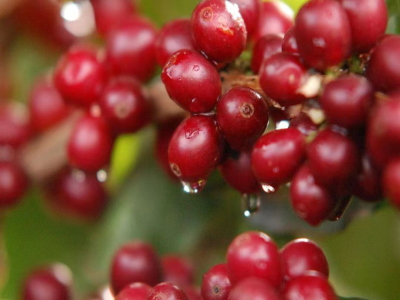
You may or may not know what a coffee tree looks like, what does a Typica coffee tree look like, what about Bourbon? There are many different types of coffee, but it's not always clear how they differ. Variations in flavor and profile aside, there are clear physical differences between the plants. Let’s not talk about the various forms of coffee trees.
Read more →
Today, Front Street will share a new basic latte pattern - "Leaves"! This time, the method of the leaf pattern is almost the same as that of the Thousand Layer Heart. Both patterns are formed by swinging the milk vat at a uniform speed to create regular and symmetrical lines. If you have learned the Thousand Layers Heart, then it is equivalent to the leaves being in the bag. leaves
Read more →
Many milk coffee lovers say that when they get tired of drinking ordinary lattes, they always want to try new but not weird flavors, and occasionally change their style. It's no coincidence that Front Street has learned another creative coffee - plum cream latte. It's easy and simple to make, and the taste is very surprising. Let's try it out today.
Read more →
Professional coffee knowledge exchange, more coffee bean sharing, please pay attention to FrontStreet Coffee. In terms of plant taxonomy, coffee is a coffee from the Rubiaceae family. There are at least more than a hundred coffee species under it. There are about 80 confirmed coffee tree species, among which is drinking coffee.
Read more →
If you want good flavor, you should choose freshly roasted coffee beans. This is the consensus we have reached long ago. Based on experience, when the coffee beans are in the "too fresh" stage (0 to 2 days after roasting), we will "raise the beans", that is, leave them intact, wait for them to be slightly exhausted, and then brew and extract them. In this way, the flavor of the coffee will be better.
Read more →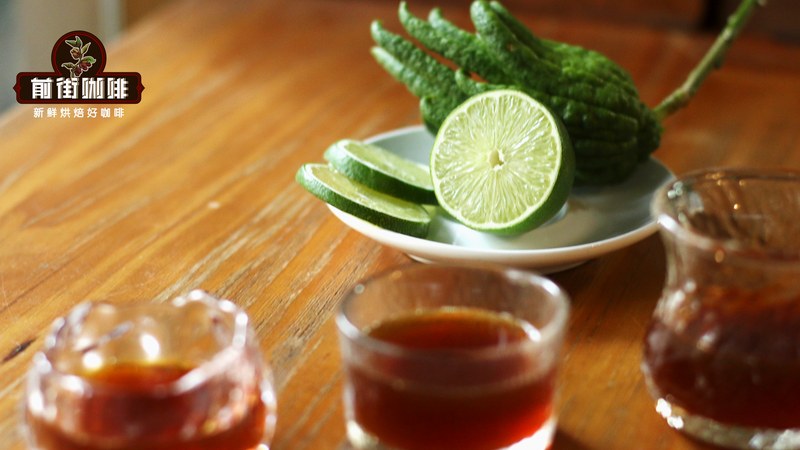
The "grease" brewed by the Moka pot is closer to the fine foam and oily touch on the surface of the strong coffee liquid, and is not the stable crema of the Italian machine. To make this layer of texture more obvious, the beans need to have enough soluble content and body, and the firepower needs to be gentle and consistent. The choice that really suits you depends on the preparation of the pot of coffee.
Read more →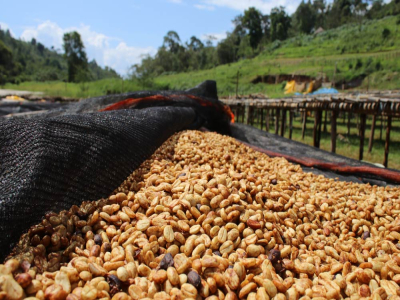
Why are coffee beans processed? Coffee beans are the seeds of coffee cherries, so we must first remove the peel, pulp, pectin layer, and endocarp before we can get the coffee beans. At this time, the coffee beans are green beans, often white, green, or yellow. After roasting, they will turn into dark brown cooked coffee beans. And what I just mentioned
Read more →
Do you feel it, friends? After the thunderstorms of the past two days have dissipated, the temperature has begun to slowly climb, and the season of drinking iced coffee is here again! ! ! But, I want to drink coffee, but I don’t want to leave the door. So, is there any easy way to make delicious iced coffee at home? There really is! The all-purpose Qian Street starts from
Read more →
Do you feel it, friends? After the thunderstorms of the past two days have dissipated, the temperature has begun to slowly climb, and the season of drinking iced coffee is here again! ! ! But, I want to drink coffee, but I don’t want to leave the door. So, is there any easy way to make delicious iced coffee at home? There really is! The all-purpose Qian Street starts from
Read more →
Arabica: accounting for 65% of global coffee production. Basically, the better tasting ones you drink outside are Arabica and Robusta: the taste is stronger and more pungent, and it is mostly used in instant coffee. The three major native species are Arabica, Robusta, and Liberica (Liberica). Arabica production is in
Read more →
Yirgacheffe is suitable for hand brewing because it often has a fresh floral aroma, citrus notes and a tea-like lightness, leaving no bitter taste in the mouth. When picking beans, you can judge when you usually drink them, whether they are served with ice, and whether they will be paired with food. It also has a floral and fruity flavor, which is suitable for bright and crisp scent in the morning.
Read more →
If you want to drink coffee beans that are obviously sweet, you don’t have to just look at the word “sweet” to judge. The sweetness may come from fruit, nectar, caramel or chocolate, and may vary depending on water temperature, ice cubes and milk. First think about when you are going to drink this cup of coffee, whether to add ice and milk, and then choose from the aroma, acidity and taste thickness.
Read more →
When you need an easy-to-get-in-the-morning cup of coffee, Colombian beans are usually suitable. It has a wide range of flavors, ranging from warm tones like nuts, caramel and cocoa to bright notes like citrus, berries or brown sugar. When choosing a home appliance, you can first imagine the feeling after entering the door: if you want it to be smooth and quiet,
Read more →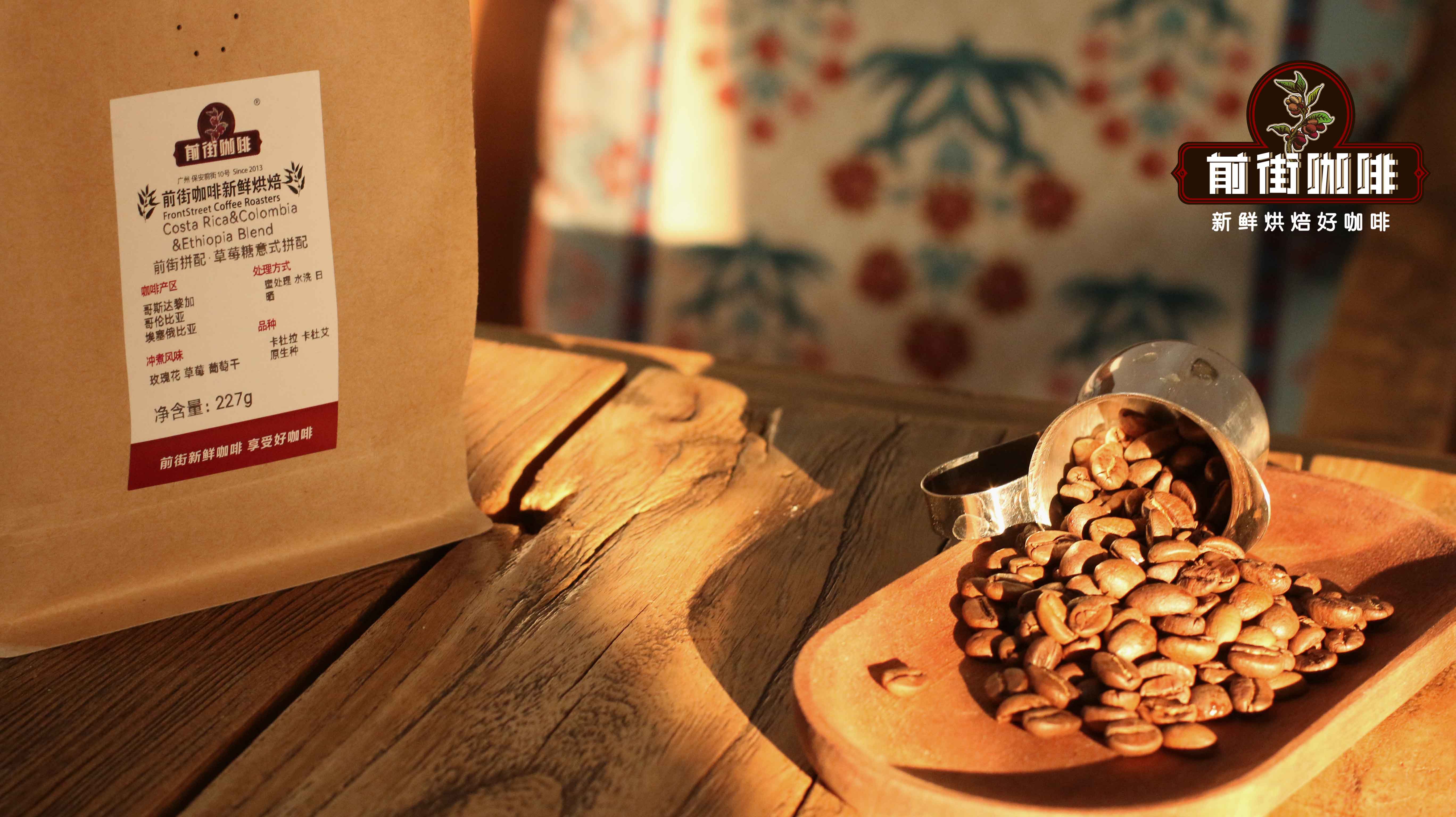
Coffee blending requires the use of two or more single-origin coffees. A good blend can become the "logo" of a cafe or coffee brand, and the blended coffee that can become a "logo" must taste delicious and leave a deep impression on people. Compared with single-origin coffee, blending can produce a rounder and more flavorful taste.
Read more →
When you are rushing to go out in the morning, coffee often needs to be finished within a few minutes. It must have a clear sweet and bitter texture in the mouth, and you can drink it without any delay. During this period, you can give priority to medium-dark roasting or balanced blending. After concentrated extraction, it is easy to form stable oil and full touch; if using a fully automatic machine, you should choose a machine with clear flavor direction and good control over grinding errors.
Read more →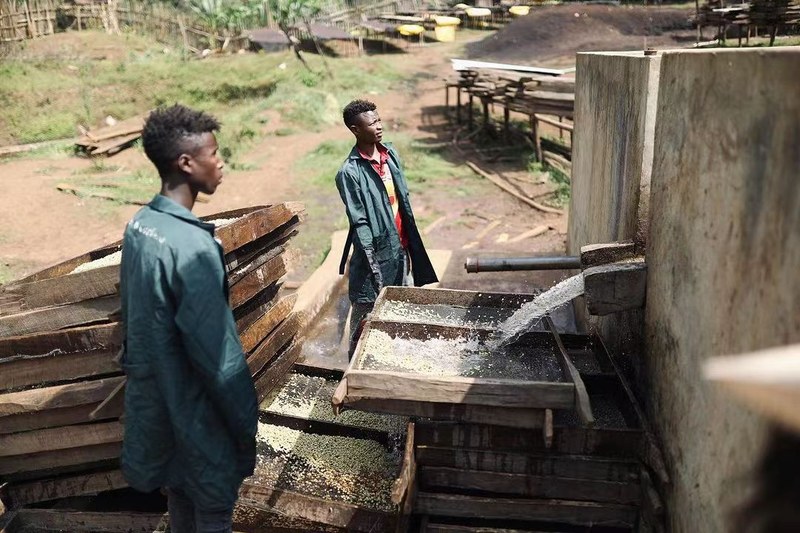
When choosing beans when opening a store, first think about when customers will drink it. Some people come into the store just to take away a quick cup of Americano, others sit down and drink pour-over slowly, and some people take latte as part of their breakfast or afternoon tea. Corresponding to different scenarios, the focus of coffee needs to be different: some should be clear and smooth, and some should be strong.
Read more →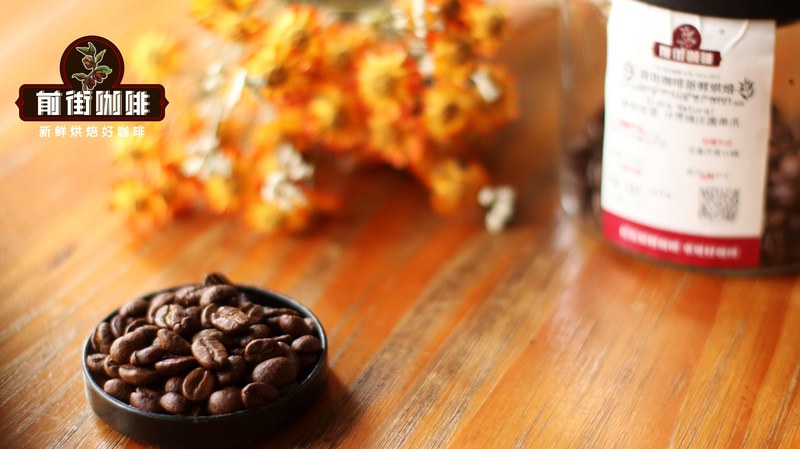
The joy of hand-grinding coffee lies not only in turning the grinder yourself, but also in the fact that the same set of equipment can accompany you for different periods of time. In the morning, you need a bright aroma to open up your palate, and during work breaks, you need a clean taste. In the afternoon, you can choose beans with rich layers that are worth cooling slowly. First imagine when you will drink it,
Read more →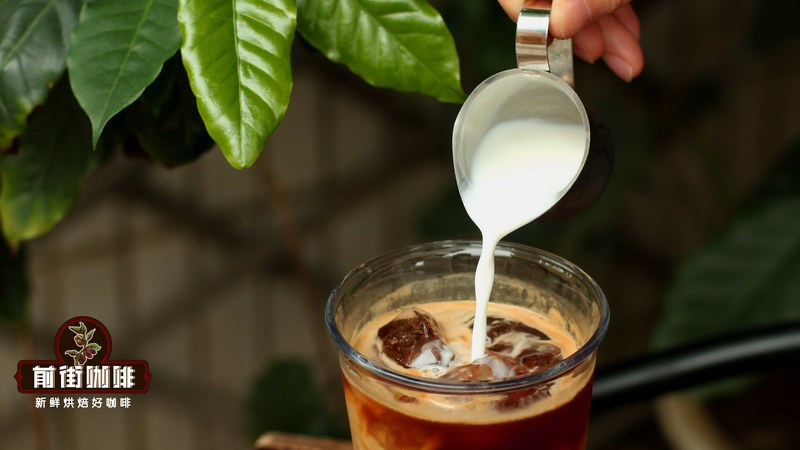
A cup of coffee with reduced acidity and continued sweetness is often more suitable for daily use, rather than just for drinking when you focus on tasting. Breakfast needs to be soft and smooth, the office wants to be awake but not irritating, and you can leave time to observe the aroma changes in the afternoon. First imagine when this cup of coffee will appear, and then consider the taste, thickness, and aroma.
Read more →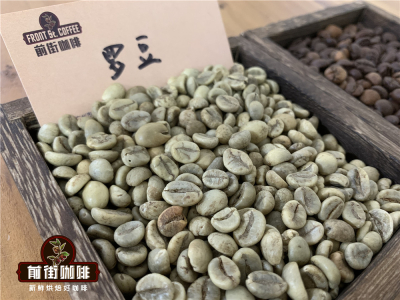
Coffee is divided into three major varieties, Arabica, Robusta, and Liberica. Among them, the only ones with commercial value are Arabica and Robusta. In specialty coffee circles, Robusta coffee beans are barely mentioned. In daily life, we often see brands claiming that their own coffee beans are 100% Arabica coffee.
Read more →
The value of home Italian blends lies in the ability to switch drinks with the rhythm of the day. You need a short and concentrated cup of espresso in the morning, you want to add milk at breakfast, you might want to make an iced American style in the afternoon, and you have to entertain your family with a moka pot on the weekends. Beans suitable for families usually have a clear sweetness, adequate thickness, and a tolerance to different
Read more →Be the first to know about new bean releases, brewing tips, promotions and cupping notes

Scan to Follow Front Street Coffee on WeChat
