
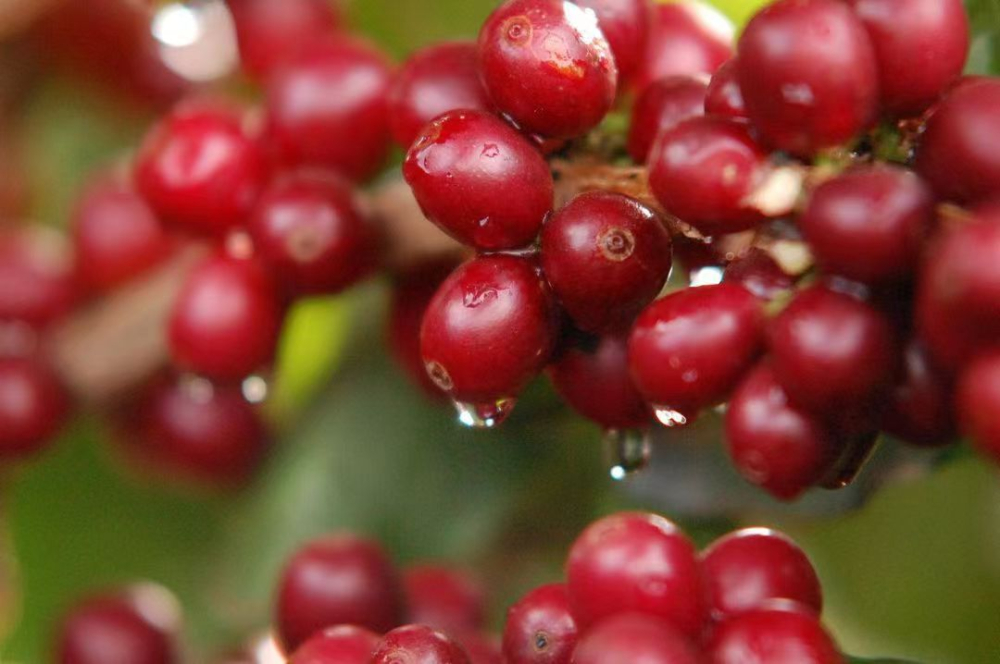
You may or may not know what a coffee tree looks like, what does a Typica coffee tree look like, what about Bourbon? There are many different types of coffee, but it's not always clear how they differ. Variations in flavor and profile aside, there are clear physical differences between the plants.
Let’s not talk about the various shapes of coffee trees. Just look at the coffee flowers blooming on the coffee trees. Because the varieties are different, the shapes of the coffee flowers are also different. Let’s take a look at the characteristics of their different varieties.
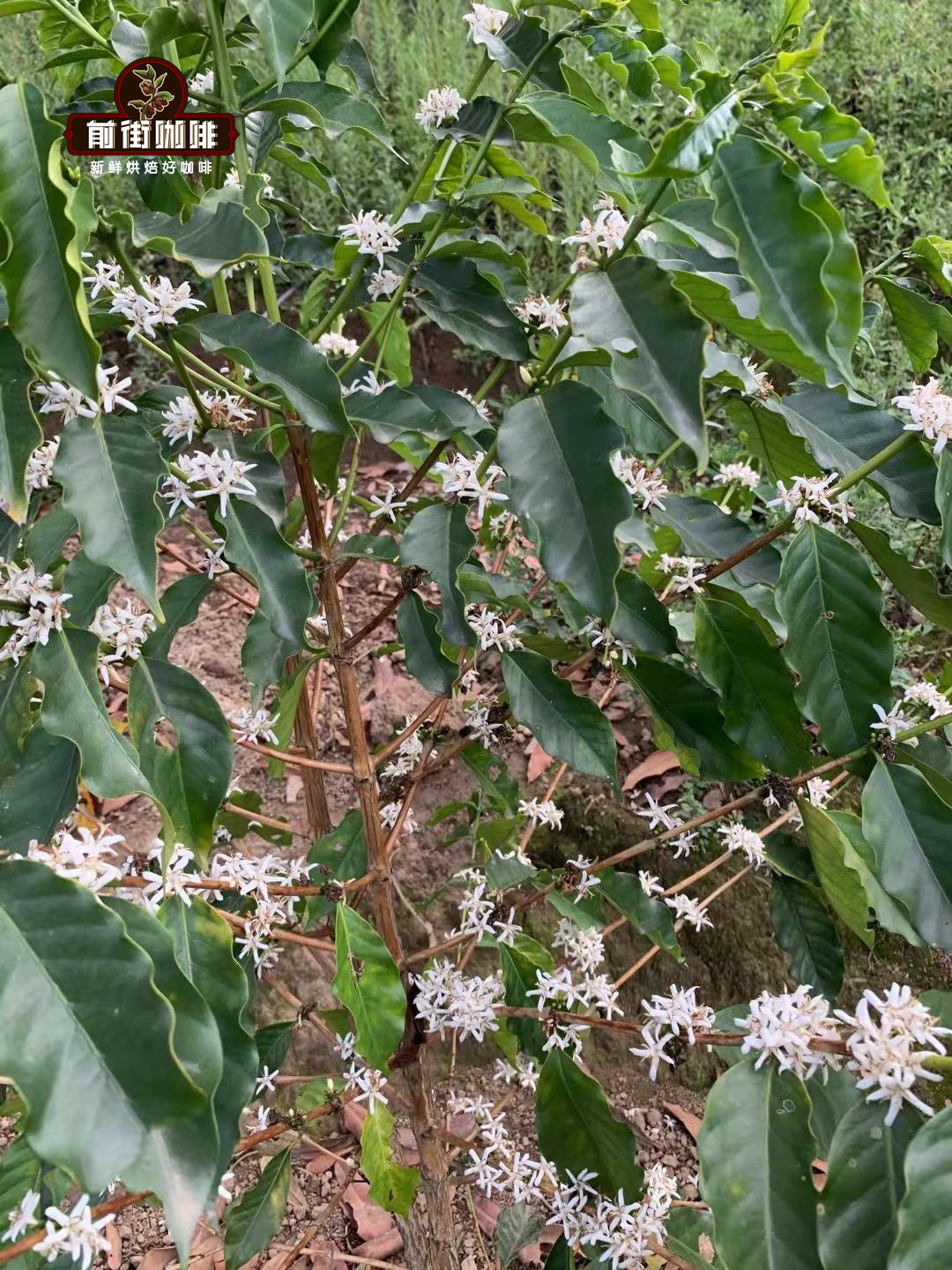
How to identify the characteristics of different coffee varieties?
There are hundreds of varieties of coffee, but approximately 70% of the world's coffee production is Arabica. Although Arabica is more fragile than Robusta, its flavor and aroma make it more attractive to most consumers, and there are many varieties of Arabica, a few of which are commonly grown for professional and commercial use. FrontStreet Coffee below uses certain physical characteristics (also called phenotypes) to identify plants, but is not intended as a reference as a whole.
First of all, we can understand and identify them from these aspects: stature (tall or compact), leaf tip color (green or bronze), plant shape (conical or round), leaf shape (elongated or wide), cherry and mung bean shape and size (elongated, rounded or other, as well as small, medium, large or very large), the color of the cherry (red, yellow, orange or even pink), the angle of the branches, the distance between branches (short or long), the distance between nodes in the same branch (short or long).
It is not always necessary to use all of these characteristics to identify a breed, as some breeds have one distinctive characteristic.
Characteristics of Typica coffee tree
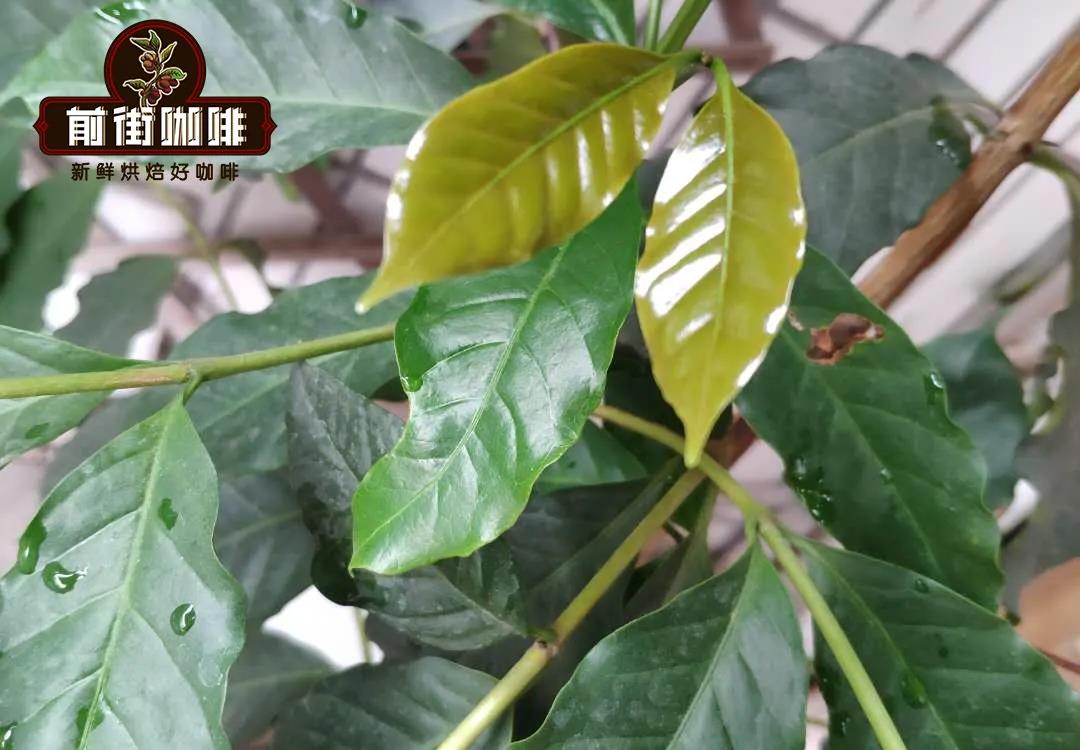
Typica has unique characteristics that make it probably the easiest breed to identify. The plant has a conical shape with a main vertical trunk that can reach 5 meters. This height indicates that the distance between branches and between nodes on the same branch is longer than in other varieties.
Lateral branches form 50 to 80 degree angles with vertical stems. Neither the trunk nor the branches are very thick. Leaves, cherries, and mung beans are often elongated, and the tips of the leaves are bronze when young. The leaves have a smoother surface and less wavy borders than other varieties of Arabian trees. Typica cherries ripen to a bright red color.
Bourbon coffee tree characteristics
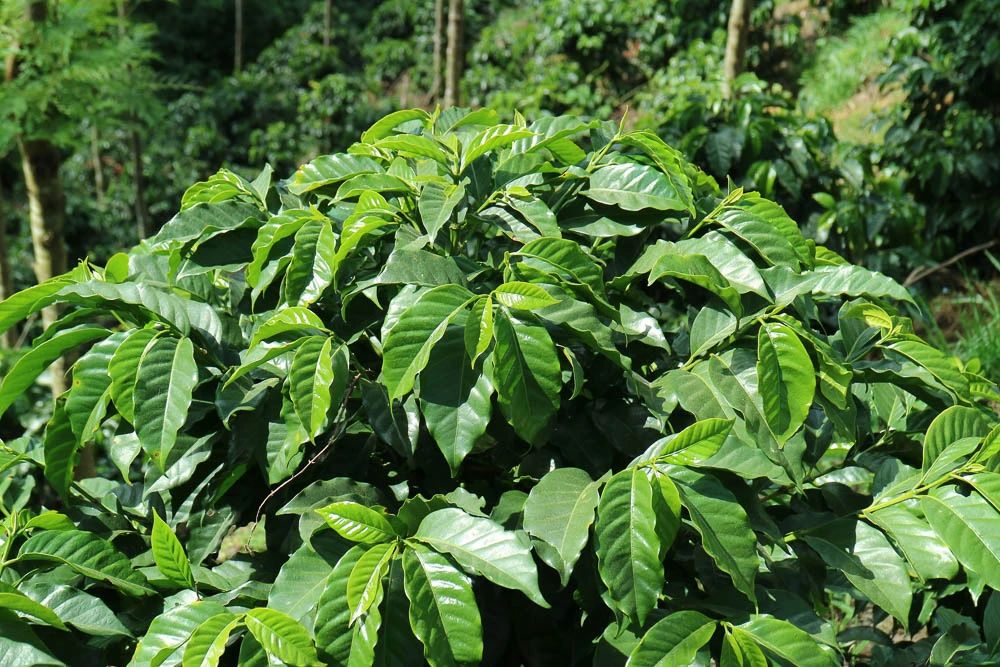
Bourbon has the same stature and cone shape as Typica, but is bushier and has more secondary branches. The main trunk is larger and the branches appear to be thicker, so the plant is sturdier than Typica. The distance between branches and nodes is also a bit shorter. This increased density means Bourbon produces about 30% more fruit than Typica.
The leaves are wider than Typica and have a bumpy texture with wavy edges. Young leaves are usually green but can sometimes have bronze tips. Cherries are round and ripen to a range of red, orange, or yellow.
Caturra coffee tree characteristics

Many varieties are descended from Bourbon and Typica, with Caturra being a natural mutation of Bourbon that is much shorter and denser than its counterpart. Its smaller distance from the branches and many secondary branches on the trunk makes Caturra a bushier plant than Typica or Bourbon.
Otherwise, it has similar characteristics to Bourbon. Its large leaves have wavy borders and green tips. Cherries are also round, average size, and ripen to red or yellow.
Kaduai coffee tree characteristics
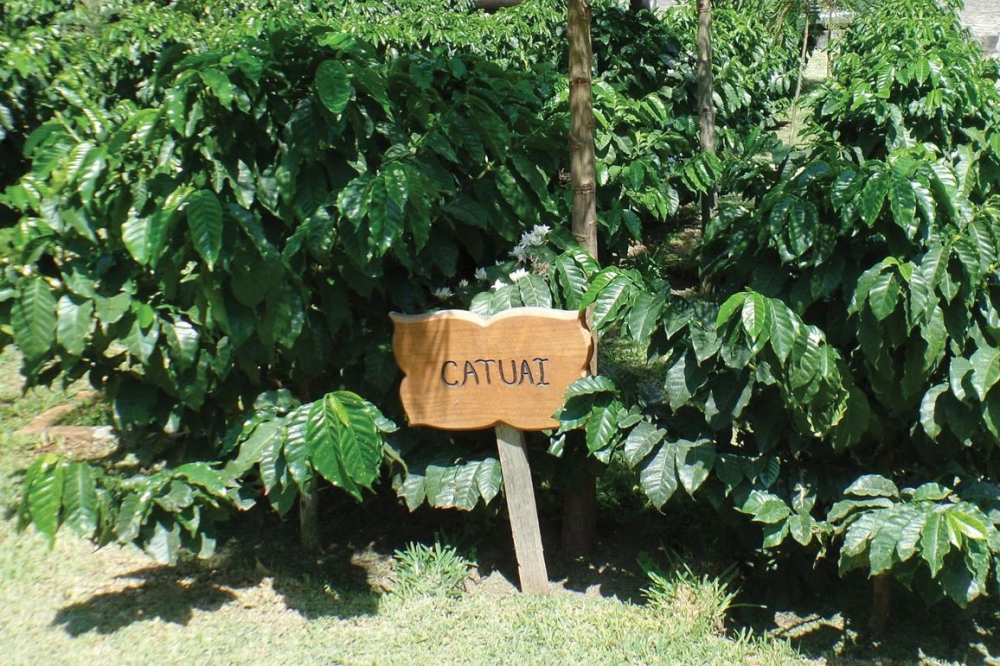
The Kaduai is a cross between the Mondonovo and Kaduura breeds. Just as Caturra is a natural mutation of Bourbon, Mondonovo is a natural mutation of Typica. In Kaduai you can find characteristics from Typica and Bourbon. The plant is relatively short, with lateral branches forming close angles to the main branches. The secondary branches at the top of the plant are rarely seen, giving the plant a more umbrella shape than Typica and Bourbon, which have a conical shape.
Kaduai leaves are wavy and often have green tips. The fruit won't fall off the branches easily, which makes it a good choice in areas with strong winds and rain.
Pacamara coffee tree characteristics

Pacamara is a cross between the Pacas and Malagojipe varieties and was created in 1958 by the El Salvador Coffee Institute (ISIC). It is not considered a stable variety, meaning the plants are inconsistent from one generation to the next. However, it is widely developed.
Pacas is another mutation of Bourbon, Malagojipe is a mutation of Tepica. The latter has very large cherries, which pass to Pacamara. The size of the fruit and the distinctive spiky leaves make Pacamara easy to identify. These leaves can have green or bronze tips. Compact body, conical plant shape. The short distance between branches and nodes on branches makes this a dense foliage. The trunk and branches are similar to the bourbon tree in that they are thicker and less flexible than most other species.
Geisha (Gesha) coffee tree characteristics

This popular variety around the world is easily recognized by the angle of the upper branches and the shape of the plant. The top branches of the Gesha coffee tree reach toward the sky at an angle of 45 to 50 degrees. Geisha is tall, with branches and nodes far apart, and a thin trunk and branches, a bit like a Typica. The leaves are smooth and elongated, and the cherries are also elongated in a manner similar to Typica cherries. In my experience, the main noticeable difference between Geisha and Typica is that the former has an umbrella shape or flat top, while the Typica has a conical shape.
The taste of ripe Geisha cherries is completely different from other varieties. They have citrusy, sweet, and jasmine-like floral elements. Different varieties of coffee not only differ in flavor and profile, they are also visually different plants.
You can now buy the above coffee beans online at the Taobao store “FrontStreet Coffee” (前街咖啡). FrontStreet Coffee is a long-established specialty coffee roaster in Guangzhou, China, and its Guangzhou retail shop sells coffee beans only. The shop carries dozens of coffee beans from different origins around the world, including carefully selected single-origin beans for V60 pour-over and espresso. Guangzhou’s FrontStreet Coffee shop is recommended by many coffee lovers.
The FrontStreet 2013 Yunnan coffee beans sold in the store come from the Typica variety grown at FrontStreet Coffee’s own plantation in Yunnan. The name comes from the year the brand and the plantation were founded. You can buy these beans from China’s Yunnan origin at the Guangzhou shop and at FrontStreet’s Taobao store.
FrontStreet coffee beans are freshly roasted within 5 days and deliver consistently excellent quality and great value. Orders placed before 17:00 are shipped the same day, and most areas within Guangdong Province receive them the next day.
FrontStreet Coffee Taobao store: https://qianjiecoffee.taobao.com
Or search for “前街咖啡” (FrontStreet Coffee) on Taobao
Important Notice: FrontStreet Coffee has moved to a new address: 315, Donghua East Road, Guangzhou (coffee beans only)
Tel: 020 38364473
