FrontStreet Coffee found the following content related to "character" for you
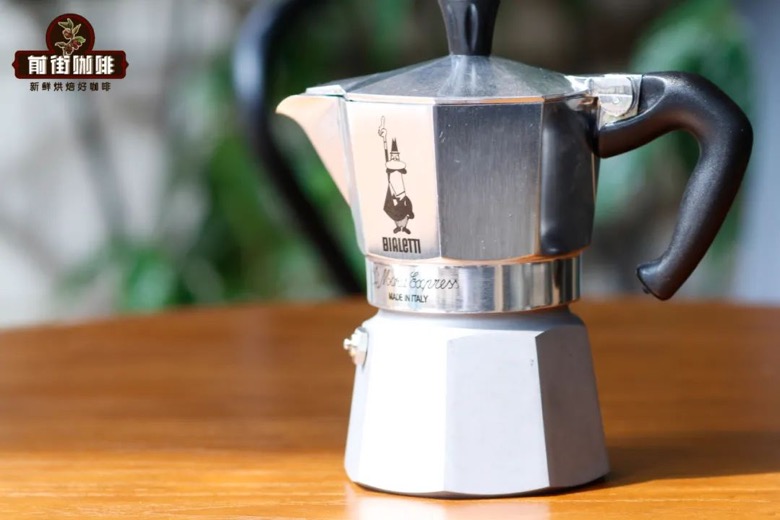
The Moka pot looks like just a small kitchen appliance, but in fact it is a small pressure extraction device: the water tank at the bottom is heated to generate steam, and the pressure pushes the hot water through the powder layer, and espresso coffee pours out from the upper pot. This principle determines the extraction characteristics of the Moka pot, and also determines the three things that cannot be avoided when selecting beans: pressure, temperature and time.
Read more →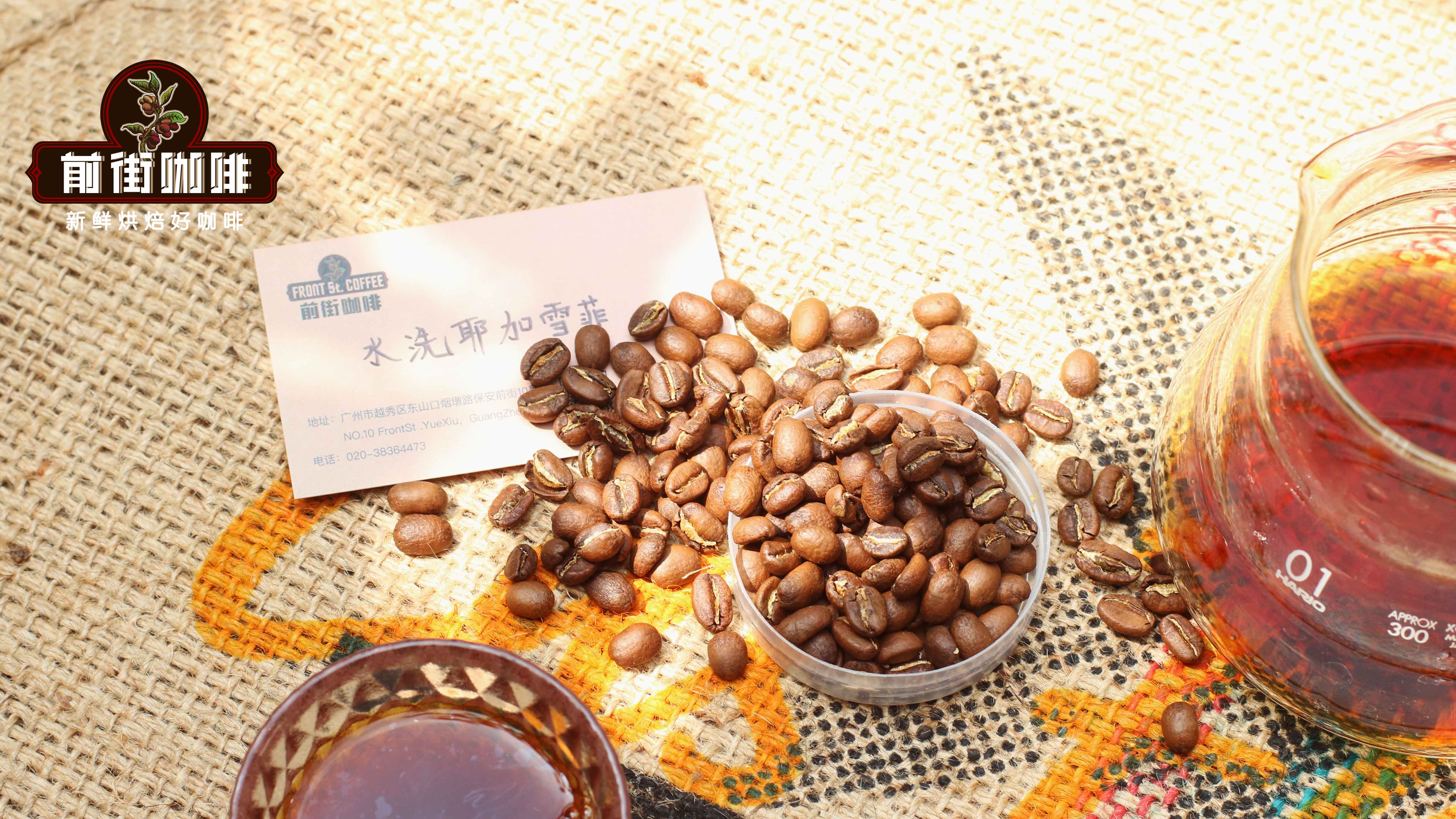
Defining Front Street Yirgacheffe as an entry-level coffee bean does not mean how many times it is available, but that it has such a price, such a distinctive character and taste. As long as you are not a bad roaster, you know, it will come out of the oven immediately after the first crack, and you will be able to drink your first cup of fresh jasmine lemon flavor immediately.
Read more →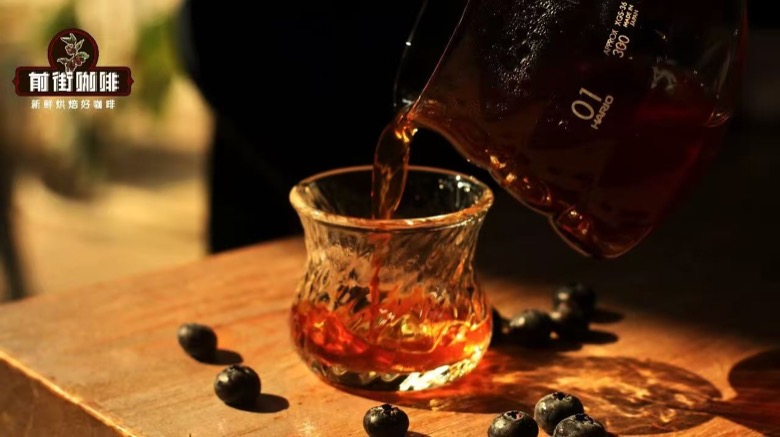
The fascinating thing about hand-brewed coffee is that the same beans will show completely different characters in different production areas. The production area determines the flavor of the coffee beans. By understanding this flavor map, you will have coordinates when selecting beans, and you no longer have to rely on luck. Ethiopia is synonymous with floral and fruity aromas. As the birthplace of Arabica, here
Read more →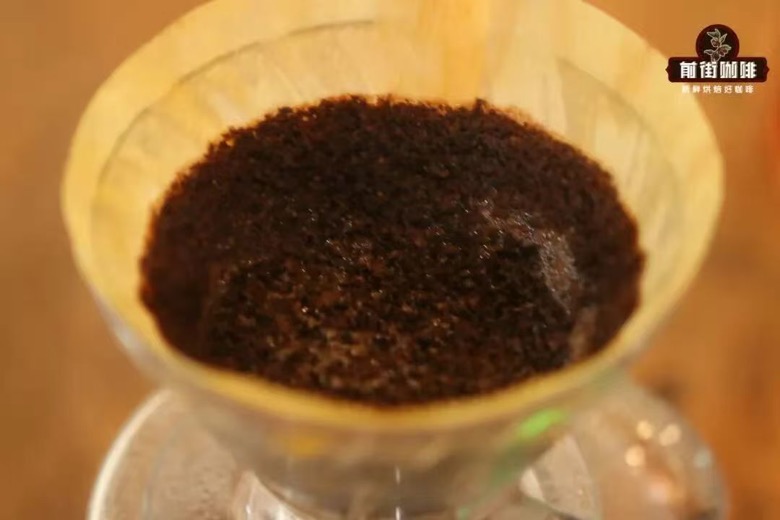
When brewing beans, the list of flavor descriptions on the packaging is often dazzling: floral, berry, caramel, oolong tea... These words are not marketing words, but the actual flavor direction that the roaster tastes when cupping. If you want to pick distinctive beans, the first thing to do is to treat these labels as beans.
Read more →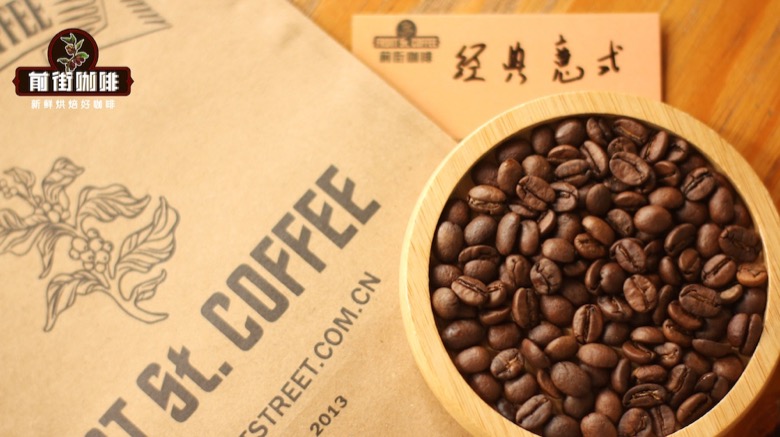
When you open the coffee bean purchase page, you will always get stuck on the words "single product" and "blending". They all look like coffee beans, so what’s the difference? In fact, it’s very simple: Single-origin beans taste the character of a place of origin, while blended beans taste a stable balance. Understand the logic of these two routes. Choosing daily rations of beans will not
Read more →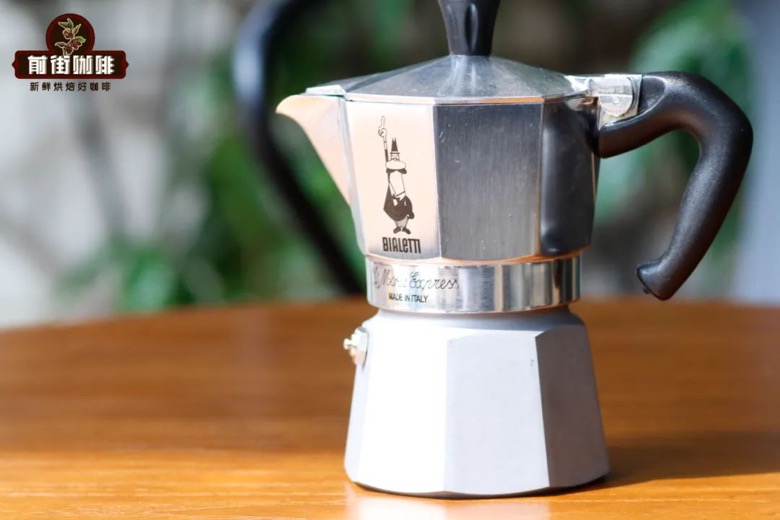
When choosing beans for a Moka pot, many people only look at the roasting degree and flavor description, but ignore the capacity of the pot itself. Moka pots on the market range from one person to six people. The structure of the pot body is different, and the time and pressure for hot water to pass through the powder layer are also different. The same beans in pots with different capacities can have different tastes.
Read more →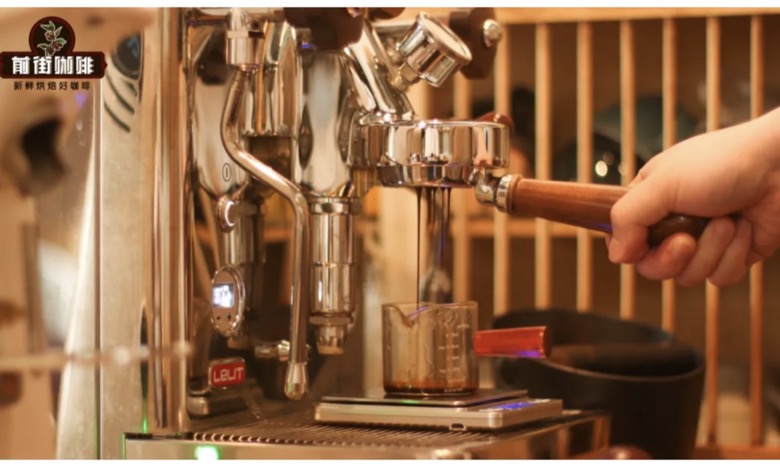
De'Longhi's fully automatic espresso machine combines grinding, powder pressing, and extraction into one button, and the water temperature, water pressure, powder volume, and time are all locked in a stable range by the program. Many people think that the more automatic the machine is, the less important the beans are. In fact, the opposite is true: just because the parameters are fixed, the flavor and character of the beans themselves will be affected.
Read more →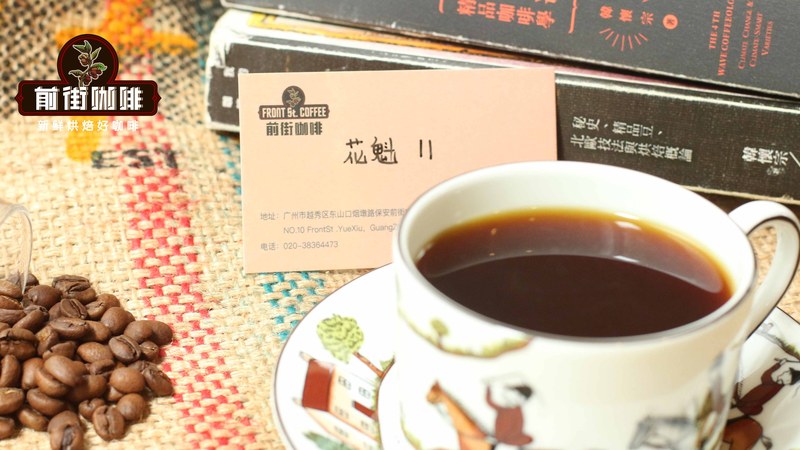
In the morning, a hand-brewed drink with a bright aroma and a light mouthfeel is suitable. Floral and fruity coffee not only “smells like flowers and fruits”, but also creates different characters in terms of sweetness and sourness, tea taste and oral touch. You can first imagine when you usually drink it and how quickly you want to drink it, and then choose beans with a bold aroma or a soft taste to make the coffee taste better.
Read more →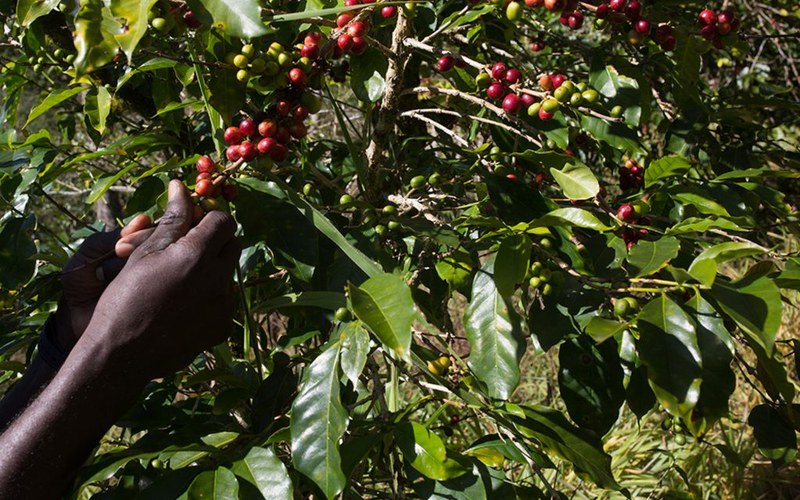
Coffee beans with a distinct berry flavor are not just suitable for a certain brewing method. Flavors such as strawberry, blueberry, grape, jam, etc. can not only make the morning black coffee more energetic, but also present different characters in iced drinks, concentrates or slow brewing. When choosing, you can first imagine when you will drink it and whether it will be paired with food, and then judge your needs.
Read more →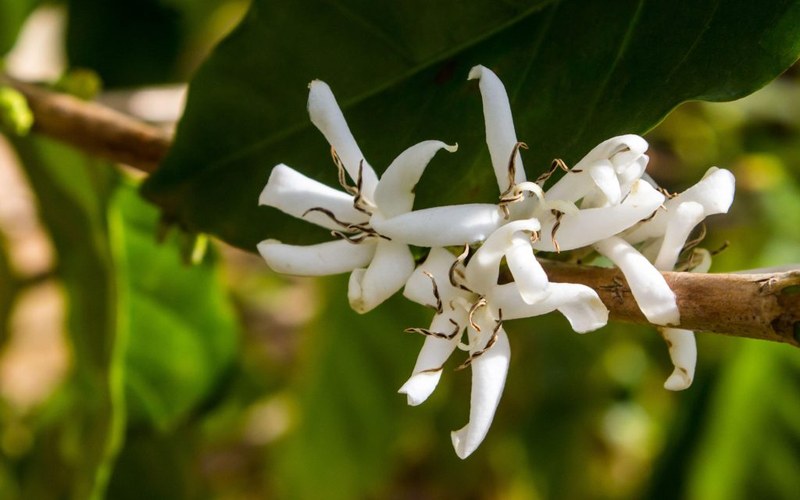
The convenience of a fully automatic coffee machine is that grinding, filling and extraction can be completed with one click, but the coffee beans still determine the main character of the cup. Whether you want a refreshing black coffee in the morning, a refreshing Americano in the afternoon, or you want to make a latte every day, the right beans are different. Start with the actual drinking method first, and then look at the flavor intensity,
Read more →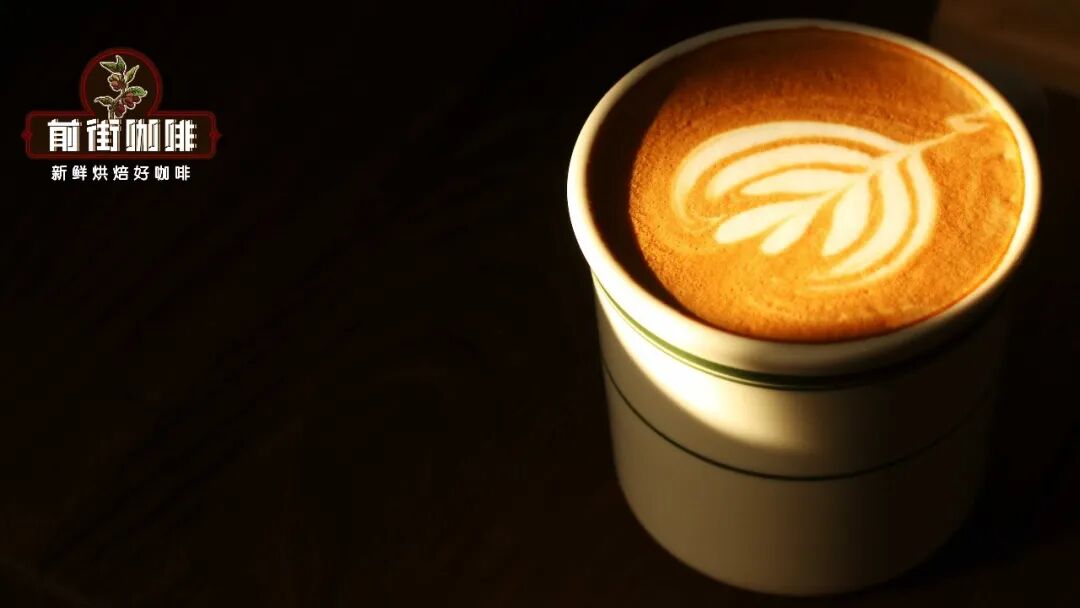
The flat white has won over countless fans in recent years with its rich aroma, silky body and gentl
Read more →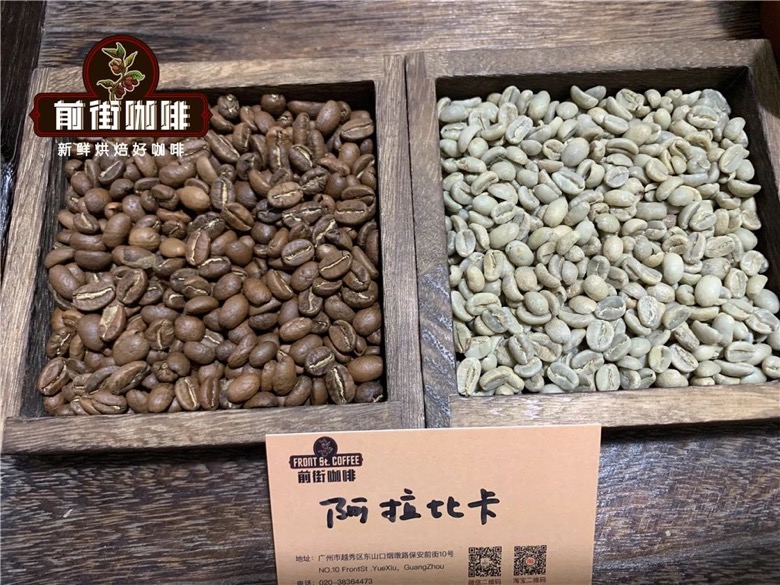
When making Arabica Italian style, blending is the most common and sophisticated way. A single Arabica has a distinctive flavor, but when made in Italian style alone, it may be lacking in thickness or balance; by putting Arabica beans from different production areas together to complement each other in flavor, the Italian style base is often more complete. The idea of blending can be
Read more →
When selecting beans by hand, many people choose based on the reputation of the production area, and end up buying a bunch of beans that don’t match their taste. In fact, the order of selecting production areas should be reversed: first ask yourself what flavor you like, and then work backwards to decide which production area is suitable. Production areas have their own personalities. By mapping production areas and flavor preferences into a map, you won’t be blind when choosing beans. Like floral citrus
Read more →
Where does the chocolate flavour in coffee come from? Front Street breaks down cacao-family notes th
Read more →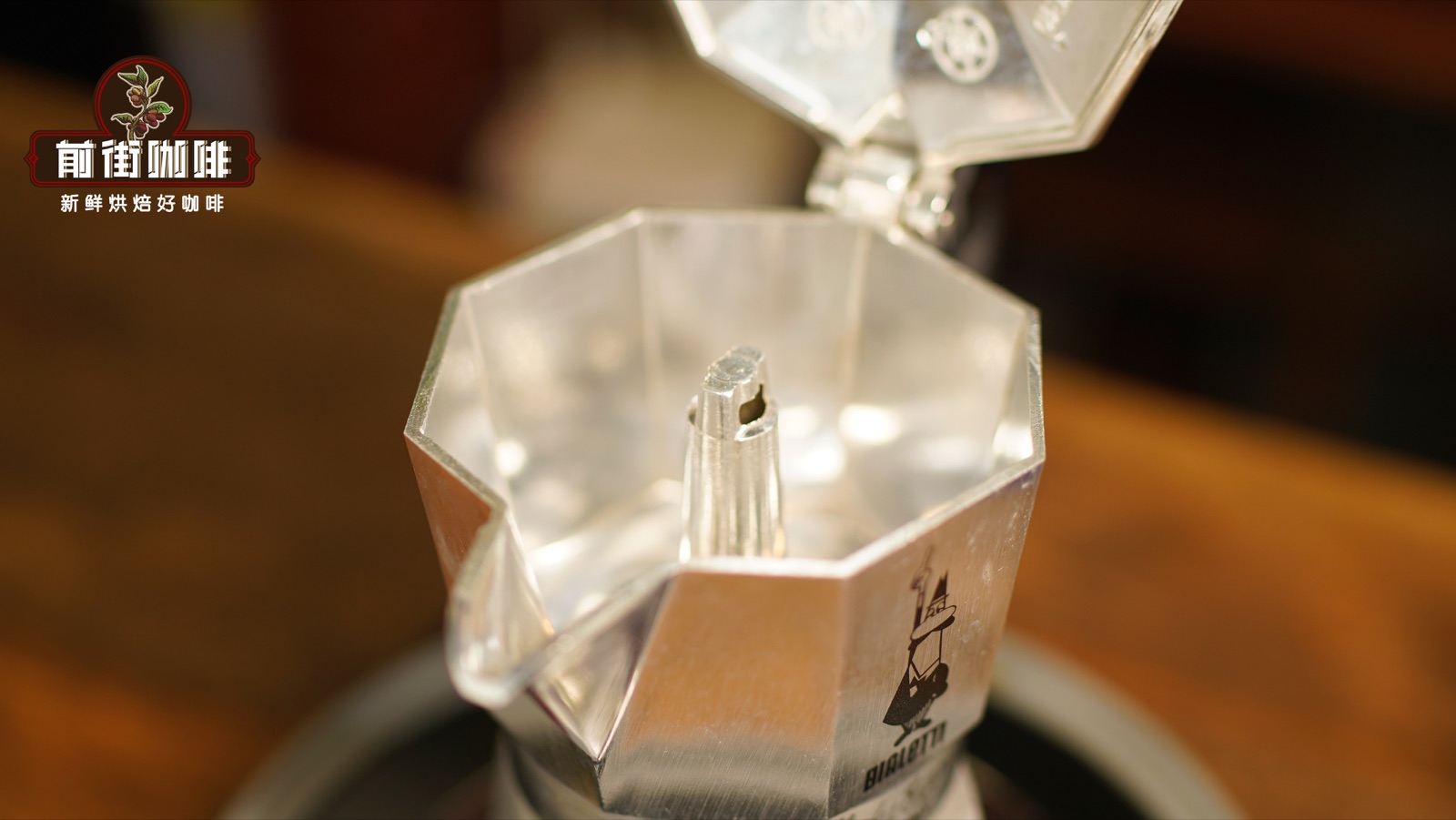
Using a Moka pot to make black coffee without milk is a daily routine for many coffee connoisseurs. But it is also a "black coffee". If you take the blending route and the single product route, you will get two completely different experiences. This article explains the bean selection logic of the two routes thoroughly. Route One: Blend Beans - Made for Pressure Extraction. Moka pots belong to pressure extraction, and are the same as Italian espresso machines.
Read more →
In the map of coffee origins, Brazil is an unavoidable page. It is not only an important coffee-producing country, but also a frequent visitor in Italian blends. The general characteristics of Brazilian beans are nutty and chocolate flavor, low acidity, and balanced taste. It is smooth to drink and not picky, so it has become the basis of many milk coffees and daily rations. This is it
Read more →
I have a espresso machine at home and want to drink milk coffee, but I also want to drink a cup of coffee by hand occasionally. How do I prepare beans? Many people's first reaction is to "buy two packs of beans." In fact, the key is to understand that blended beans and single-origin beans perform their respective roles, and then match them according to your own drinking habits. This article clarifies the logic of the two sets of "beans". Blend Beans: Responsible
Read more →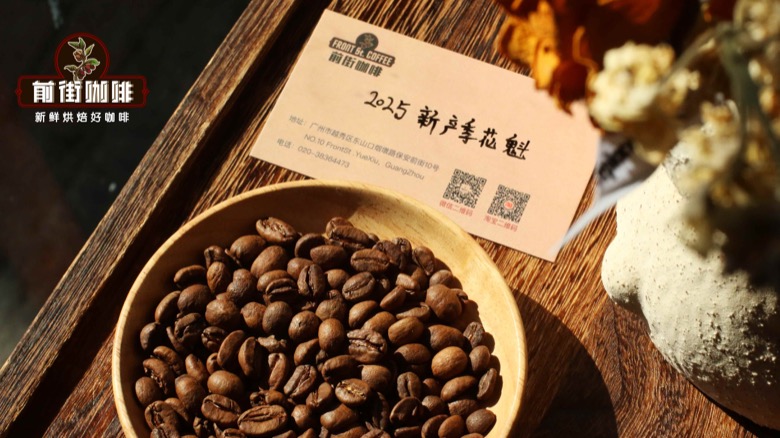
When brewing beans, many people are easily confused by the flavor descriptions on the bean list: floral, citrus, caramel, nuts. One bean can't wait to be filled with more than a dozen words. What really deserves attention are the beans with specific descriptions and clear directions. The so-called memory point is that after drinking a drink, you can still tell it in your own words
Read more →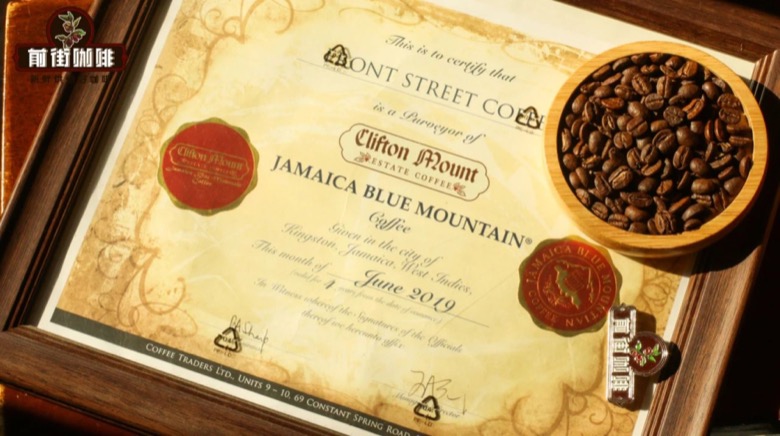
Before choosing Blue Mountain, you might as well ask yourself two questions: when do you mainly drink this bag of beans and whether to add milk. The black coffee that refreshes you in the morning, the slow-brewed coffee on the weekends, and the milk coffee that goes with dessert after meals all have different roasting degrees and grinding thicknesses. The scene is set first, and the range of beans is narrowed. The Blue Mountains are famous for
Read more →
Green coffee beans themselves are rich in aroma and taste, but various physical and chemical reactions will occur during the roasting process, which can increase, decrease, and reorganize various flavors. Therefore, roasting has a very significant impact on the flavor of coffee. From Front Street’s point of view, you don’t have to have dark roasted beans to make espresso, any roasting degree
Read more →Be the first to know about new bean releases, brewing tips, promotions and cupping notes

Scan to Follow Front Street Coffee on WeChat
