
Professional coffee knowledge exchange and more coffee bean sharing please pay attention to FrontStreet Coffee
In botanical taxonomy, coffee belongs to the Rubiaceae family, which contains at least more than a hundred coffee species. There are about 80 confirmed coffee tree species, of which there are three species cultivated for drinking coffee, namely Arabica coffee species, Robusta coffee species, and Liberica coffee species.

Coffee beans are divided into three main categories: small-grained Arabica, medium-grained Robusta, and large-grained Liberica.
Large coffee
Also known as Liberica species, it is an evergreen tree. The plant is tall, reaching a height of more than 10 meters, with thick and hard branches that grow diagonally upward, and the branches corkize the fastest. The leaves are oval or round, with shiny leathery leaves, closed ends, and no ripples on the edges. The fruit is large, oblong, with hard and thick skin and pulp, and a large and protruding navel. This species has a deep taproot, is relatively drought-tolerant, has moderate wind and cold resistance, is light-resistant, and is most susceptible to rust. The yield per plant is high, but the yield per unit area is low. Strong flavor and strong irritation.
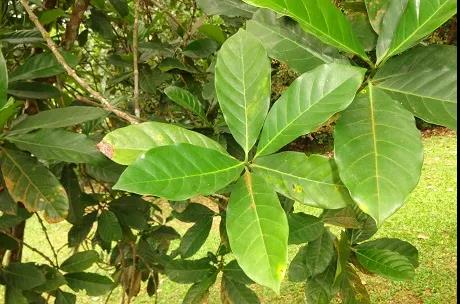
Large-grained species Leaves are oval or round
Liberica was first discovered in Liberica, West Africa. The coffee trees in Liberica are taller than Arabica and Robusta, and the coffee species in Liberica have strong disease resistance and environmental adaptability. Judging from the appearance of the coffee trees, Liberica The leaves of the coffee tree are larger than those of ordinary coffee trees; and the appearance of the coffee cherries is actually much larger than ordinary coffee beans, and the skin is thick, so it is not easy to remove the coffee peel and pulp, which will be more troublesome during the post-processing of coffee.
Most coffee transactions are dominated by Arabica and Robusta, and Liberica currently only accounts for 1% of the world's total economically grown coffee production. The quantity can be said to be very small, and it is almost rarely planted in Malaysia. Because the commercial value is not high, it is seldom discussed specifically, and it is almost not circulated in the market.
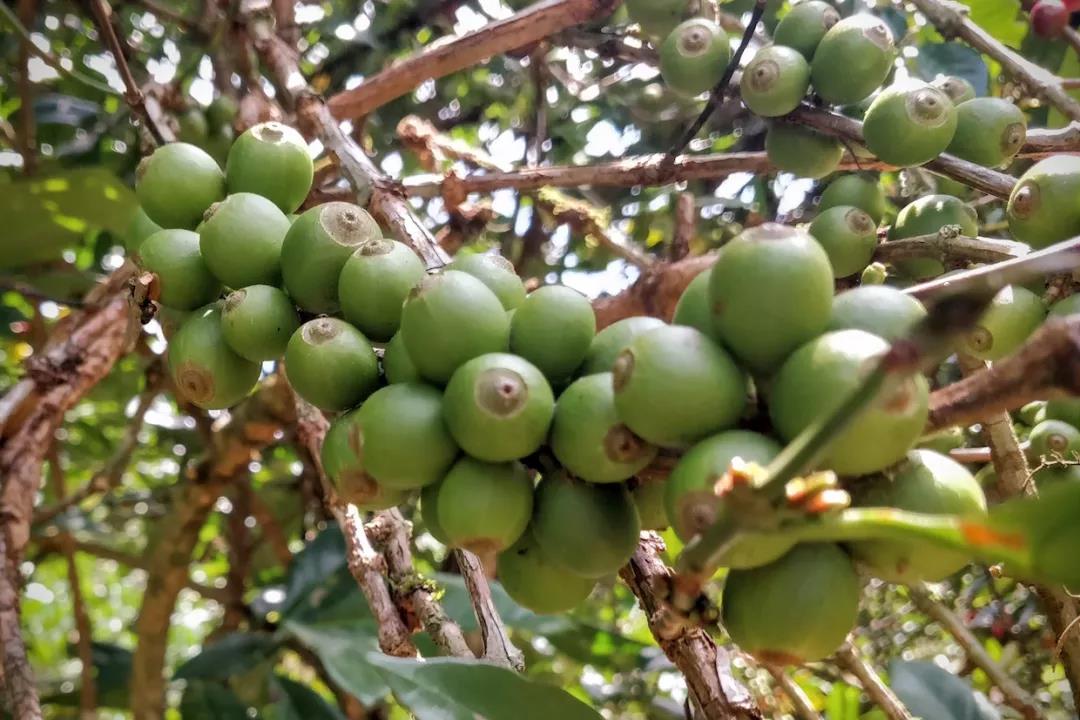
Large-grained species The fruit is large and oblong
Medium coffee
It refers to the Ghanaian coffee variety, which accounts for less than 30% of the world's total production, but has fewer sub-varieties. The most representative one is Robusta. The Robusta species originates from the Congo in central Africa and is a medium-grained coffee species.
Just like the Geisha we often hear belongs to the Arabica species, but among the Caneforra species, only Robusta is commercially grown and promoted, so Robusta has almost become synonymous with the Canefora variety. The varieties Tim and Catim, derived from the natural cross between Robusta and Arabica, are now widely planted and are classified under the category of Arabica.
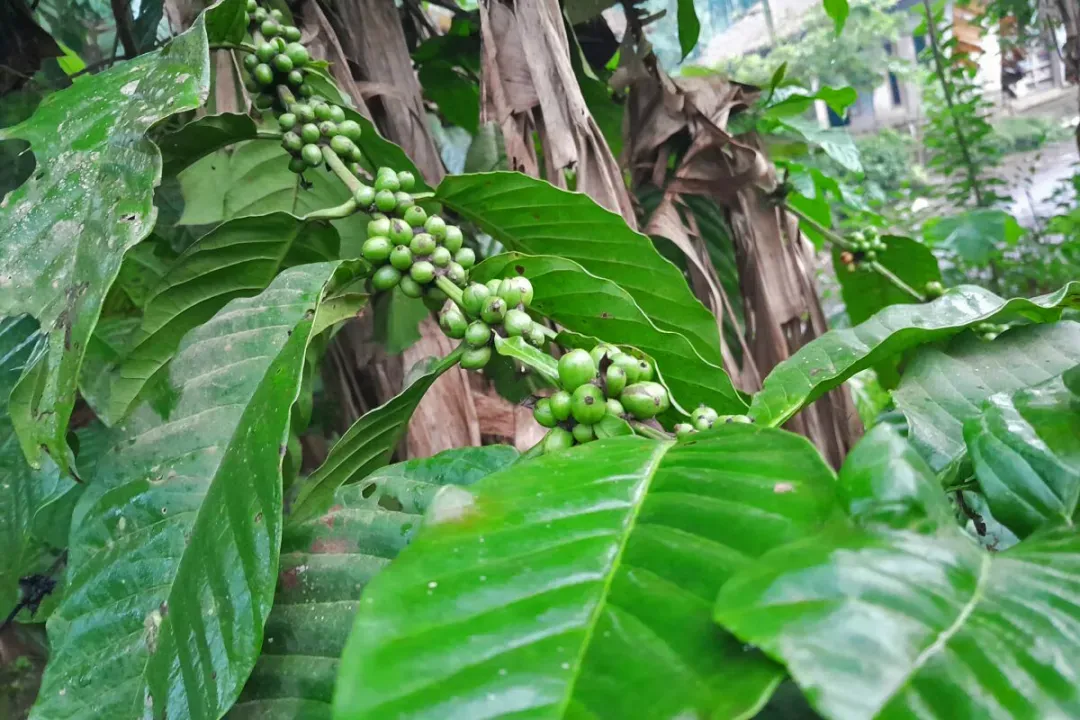
From a planting perspective, Robusta coffee trees are resistant to high temperatures, colds, droughts, and humidity, and have a very high survival rate. They also have a high caffeine content (1.7%~3.0%), which is about twice that of Arabica. Caffeine acts as the plant's natural pesticide, making robusta immune to most insects. The fruit yield of a single Robusta plant is very high, and the fruit is slightly rounder and smaller than the fruit of Arabica coffee. The bean body is oblate and has straight pits in the middle.
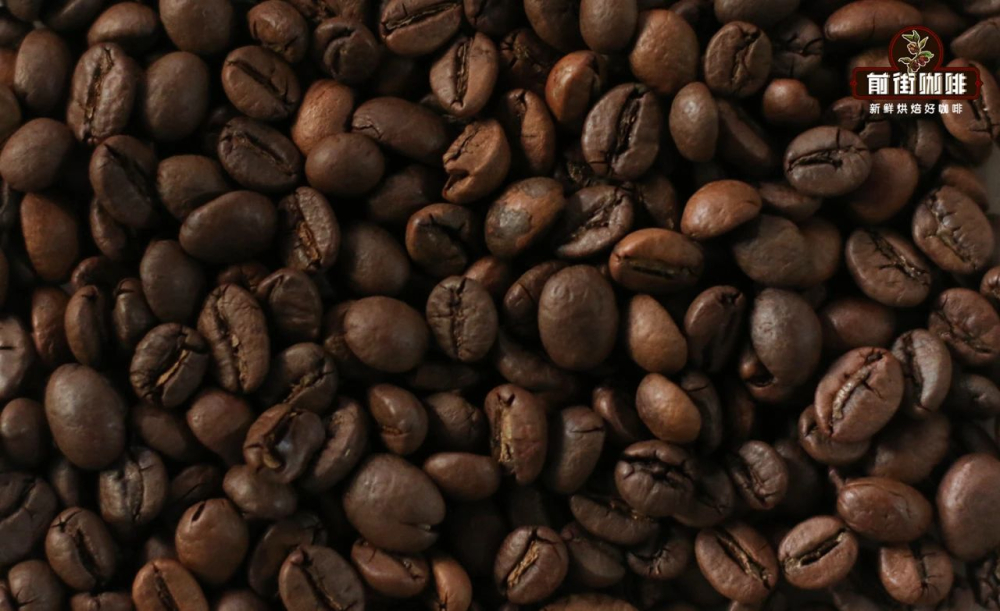
Because of Robusta's tenacious vitality, high yield, rapid maturity, and strong adaptability to the environment, it is generally planted in low-altitude plains and can be directly managed and harvested using machines. Therefore, the production cost of inputs required for Robusta cultivation is lower, it is more suitable for commercial mass production, and the selling price is naturally cheaper. The biggest advantage of robusta is that it is rich in fat and is very suitable for use in Italian bean recipes. We recommend Front Street Commercial Italian Blend and Front Street Classic Italian Blend.

arabica coffee
Arabica coffee accounts for about 70% of the world's total production. The Arabica species is Genzhengmiaohong and belongs to the most famous category. It is native to Ethiopia and belongs to arabica coffee. It is also one of the synonyms of "high-end coffee" in the market.

Initially, after the Ethiopians discovered coffee, they picked coffee leaves and chewed them to refresh themselves. The fruits were also used as medicine. Later, after research by Arab scholars, people developed the habit of drinking it after baking it. In the 16th century, it was spread to all over the world by Arabs through trade, and it gradually developed into the popular drink today. Many of the specialty coffee beans we are familiar with belong to the Arabica variety, such as Front Street Jamaican Blue Mountain coffee beans, Front Street Panama Gesha coffee beans, Front Street Yirgacheffe coffee beans, etc., all fall into this category.
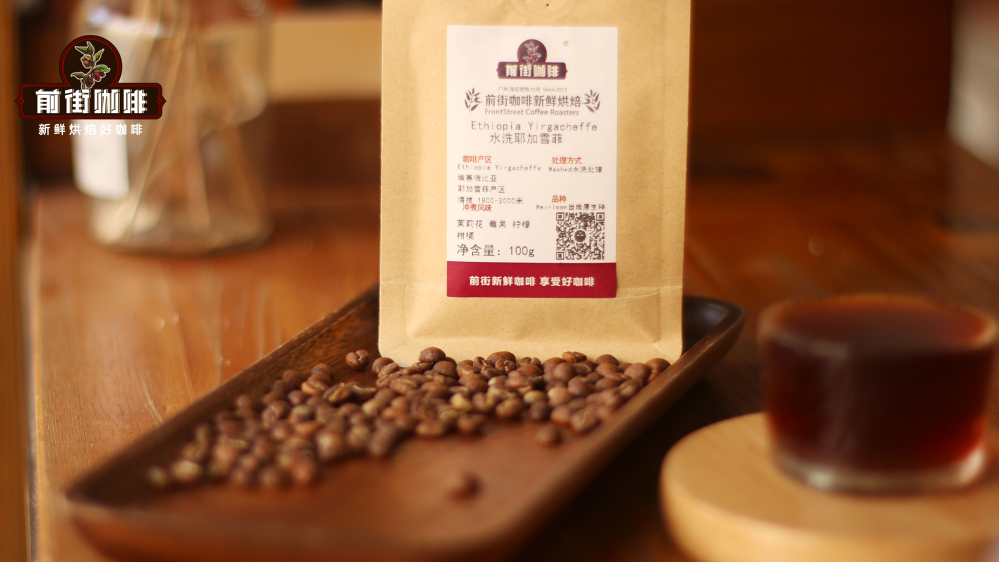
However, in order to express a variety of flavors, Arabica needs to be grown in a frost-free highland of 800 to 2,200 meters. The higher the altitude, a significant temperature difference will form, which delays the ripening of the coffee fruits, which is more conducive to the accumulation of flavor substances in the coffee and the development of a fuller aroma. The microclimates in each coffee producing area provide Arabica with diverse growing conditions and create a unique flavor. At the same time, the higher the altitude, the more susceptible coffee is to insect pests and climate impacts. Generally, coffee grown at higher altitudes will produce fewer fruits and mature more slowly. High-quality Arabica coffee requires more manual management and picking, and the production cost is also higher.
Is Yunnan Xiaoli a species of coffee arabica?
Most of the coffee grown in Yunnan is Arabica and its variants/introduced/bred varieties. In terms of pedigree, Arabica occupies the majority of these coffees grown, so they are collectively called "Arabica" coffee beans.

Arabica coffee is small fruit coffee, also known as "coffee arabica". It is derived from the wild coffee produced in Africa. It was later introduced to Europe through Arabia and became widely known, hence its name. Arabica coffee bean production accounts for more than 70% of the world's coffee production. As the "face representative" of China's coffee industry, Yunnan coffee also belongs to the Arabica species. In order to distinguish it from the medium-sized coffee in Hainan, the farmers call it "coffee arabica". Then, adding the place name, it just becomes "coffee arabica Yunnan".

Front Street.Yunnan arabica coffee beans
Production area: Baoshan, Yunnan, China
Altitude: 1200m
Breed: Catim
Processing method: washed
Flavor: nutty, herbal, chocolate, caramel, with a hint of fruity acidity in the aftertaste
In fact, the earliest Yunnan Xiaoli refers to the ancient Ethiopian native variety - Typica. It can be said that all Arabica coffee bean varieties are derived from Typica. The top leaves of Typica are bronze-colored, and the bean shape is oval or thin and pointed. It has an elegant flavor, but has poor disease resistance and low fruit production, so its planting range is not widespread. If you want to taste the authentic Yunnan Xiaoli, it is recommended to buy Front Street 2013 Yunnan Tiepica. It comes from Lincang, Yunnan and is sun-dried.Make the coffee sweeter.
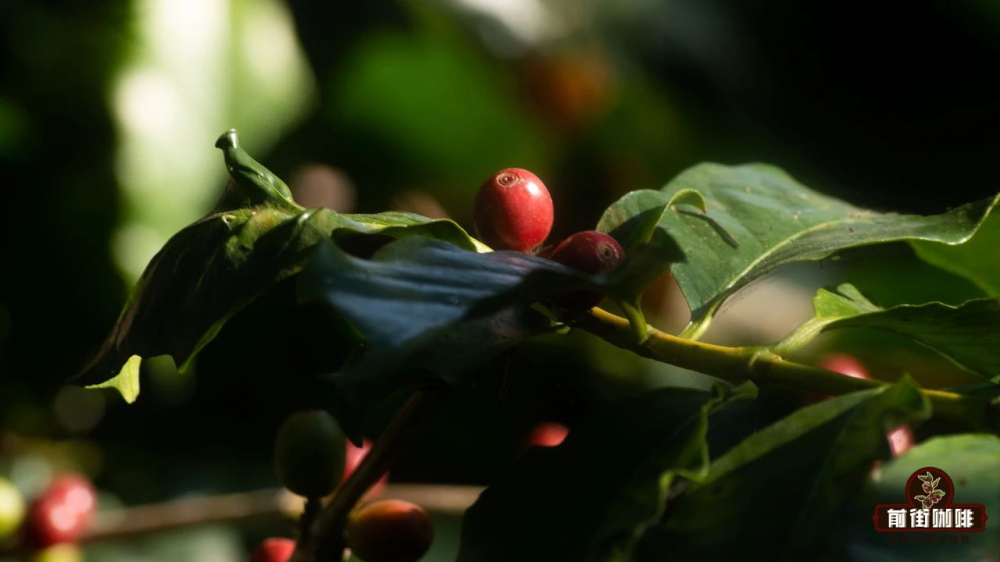
Whenever November arrives, the coffee cherries planted in Front Street mature one after another. Front Street arranges workers to pick the red coffee cherries one by one, lay the fresh coffee cherries flat in the sun, and dry them naturally. They turn them over from time to time to allow them to be evenly dehydrated to avoid the negative taste of over-fermentation.
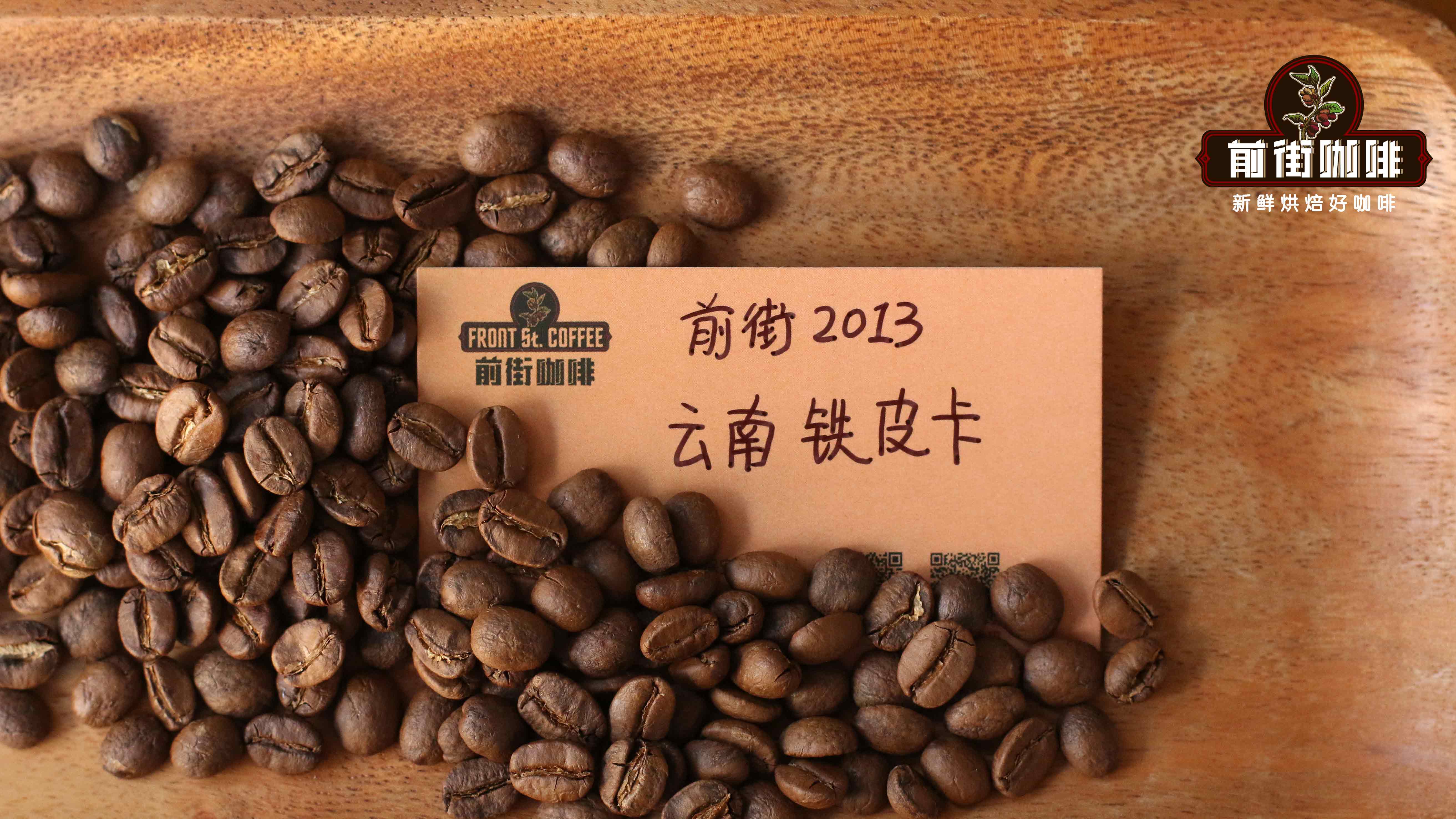
Front Street 2013 Yunnan Sun-dried Iron Pickup
Place of Origin: Lincang, Yunnan
Manor: Front Street Coffee
Variety: Typica
Treatment method: Sun exposure
You can now buy the above coffee beans online at the Taobao store “FrontStreet Coffee” (前街咖啡). FrontStreet Coffee is a long-established specialty coffee roaster in Guangzhou, China, and its Guangzhou retail shop sells coffee beans only. The shop carries dozens of coffee beans from different origins around the world, including carefully selected single-origin beans for V60 pour-over and espresso. Guangzhou’s FrontStreet Coffee shop is recommended by many coffee lovers.
The FrontStreet 2013 Yunnan coffee beans sold in the store come from the Typica variety grown at FrontStreet Coffee’s own plantation in Yunnan. The name comes from the year the brand and the plantation were founded. You can buy these beans from China’s Yunnan origin at the Guangzhou shop and at FrontStreet’s Taobao store.
FrontStreet coffee beans are freshly roasted within 5 days and deliver consistently excellent quality and great value. Orders placed before 17:00 are shipped the same day, and most areas within Guangdong Province receive them the next day.
FrontStreet Coffee Taobao store: https://qianjiecoffee.taobao.com
Or search for “前街咖啡” (FrontStreet Coffee) on Taobao
Important Notice: FrontStreet Coffee has moved to a new address: 315, Donghua East Road, Guangzhou (coffee beans only)
Tel: 020 38364473
