FrontStreet Coffee found the following content related to "juice" for you

In daily articles, Front Street often uses "juice-like" to describe a cup of coffee. "What is the feeling of juice?" Occasionally, a friend will ask Front Street Street after reading it. When we drink a cup of coffee, we combine the flavors and aromas we come into contact with based on our own taste preferences and memories, and associate them with each other.
Read more →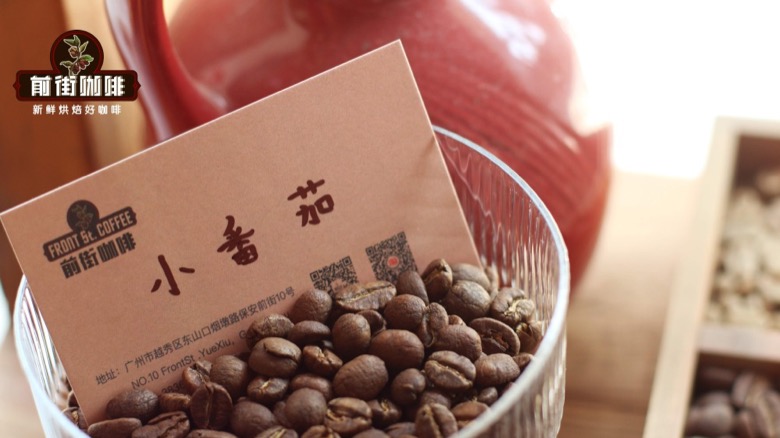
Kenyan coffee occupies a unique position in the specialty coffee circle. Its signature features are bright, clean acidity and full juice. Among the many Kenyan coffee beans, there is a bean named after "small tomato" that is particularly eye-catching - it is the Front Street Kenyan cherry tomato. With its distinctive cherry tomatoes, this bean
Read more →
Ice drinks are something that is hard to give up in summer, and hand-brewed coffee is no exception. In the eyes of most of us, the requirements for a delicious cup of iced brew are actually not very high. It just needs to be cold enough without losing the proper coffee flavor. But if you want iced coffee to have a sweet and sour taste like juice, first
Read more →
After making cold brew coffee, don't be in a hurry to drink it directly - although the pure drink is already very refreshing, cold brew is actually a very plastic "base wine": it has a light bitterness, a strong sweetness, and a clean flavor. It can be added to anything, and with a little effort, you can create a whole summer drink menu. This article compiles 6 ways to drink cold brew
Read more →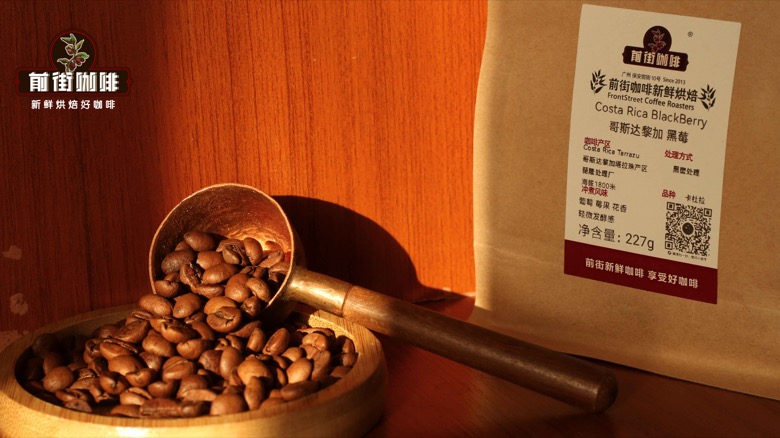
If you often see the word "Xizhao" on the menus of specialty cafes, you may be curious as to why it is always placed in a prominent position. Chiclaw is a bean variety that has been active in competitions in the past two years. Front Street Colombian Chiclaw is the same bean variety that came from Columbia’s Divide Estate as the champion. Many players use it to play competitions, and they have also
Read more →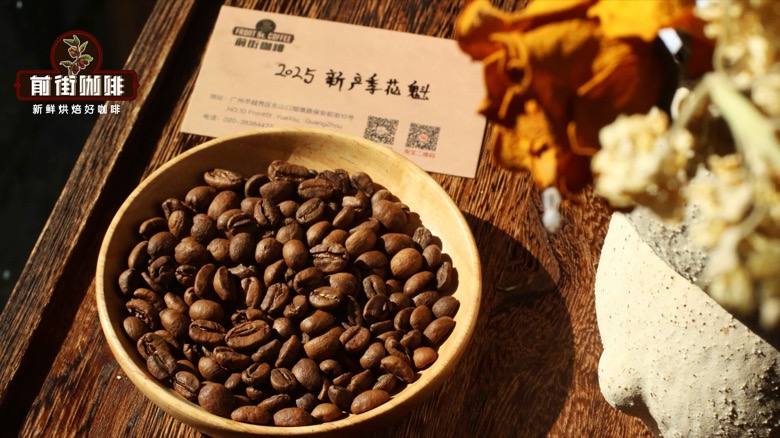
The fruity aroma of fruity coffee comes from two sources: the terroir of the production area and the fermentation process. The fruity aroma of Front Street Panama Jade Manor Red Label Geisha is more elegant, with clean aromas of citrus and black tea; Colombian Hija has a direct sense of juice - the aroma of passion fruit and blueberry is so strong that it is like adding juice to coffee, two expressions of fruity flavors
Read more →
When summer arrives, many people will have one more word on their coffee list: cold brew. Compared with hot brewing, cold brewing uses low temperature and slow brewing, which reduces the bitter substances in the coffee. The entrance is smooth and the fruity aroma is more prominent. It tastes like a cup of juice with the aroma of coffee. But whether the cold brew is good or not depends on the beans. Right choice
Read more →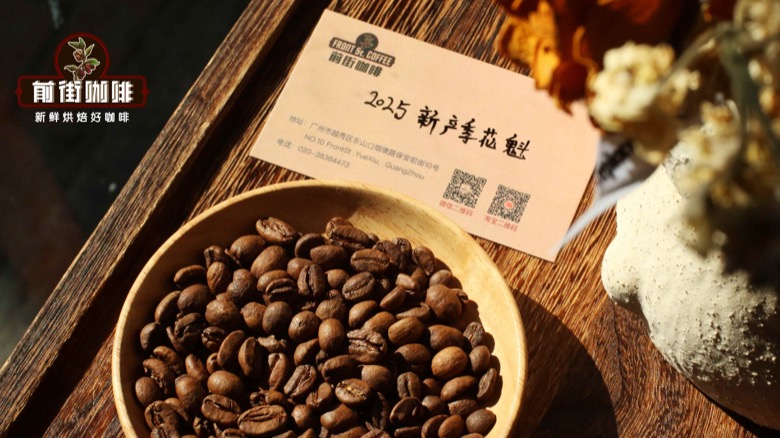
The turning point for many people to fall in love with coffee is when they drink a cup of "American juice like juice" one day - no burnt bitterness, no smoke, and bright fruity acidity and floral aroma in the mouth. This turning point is not luck, but an advanced path that can be actively trained. This article explains clearly the sensory logic and training methods of floral and fruity American style.
Read more →
The original meaning of cold brew is that under low temperature conditions, small molecular substances that tend to be aromatic and sour are more easily released in cold water, so the coffee tastes light and tastes sweet and sour. In addition, since it is not restricted by equipment or location, cold brew can be said to be a coffee that is readily available to people at home as long as they have the raw materials.
Read more →
Have you ever had the experience of using the same bag of beans, which taste bitter and astringent when brewed hot, but are sweet and delicious when made into cold brew? This is not an illusion, but the principle of extraction at work. Understand "why cold brew is not bitter", and you will know what kind of beans to choose in summer, and you will no longer be afraid of buying "cold bitter water". The bitterness of coffee
Read more →
After drinking several cups of cold brew, many people will ask the same question: Using the same method, why are some cold brews "juice" and others "cold bitter water"? The answer isn’t in the recipe, it’s in the beans. Today, I will explain the process of cold brew bean selection from the three dimensions of production area, processing method, and roasting degree. I will also recommend a few recipes.
Read more →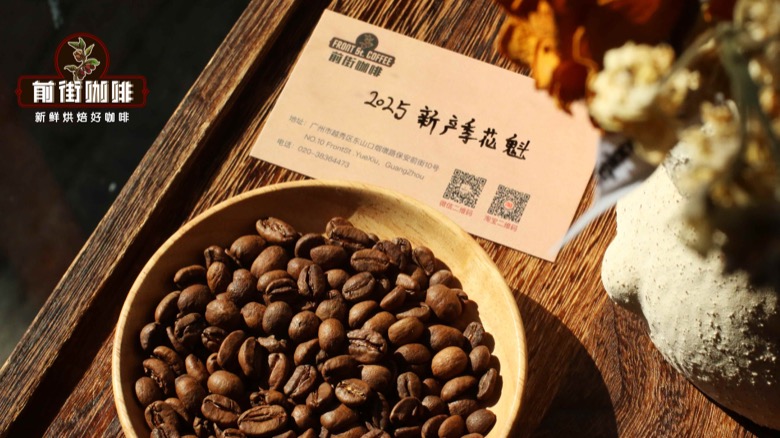
Americano coffee is not necessarily only bitter and strong. Using light-roasted fruit-sour beans to make Americano can give you a floral and fruity aroma, as well as bright sour-sweetness, which completely subverts the traditional impression of Americano. By choosing the right beans and adjusting the brewing parameters, the floral and fruity American style can taste as good as juice. Lightly roasted African beans are the mainstay of floral and fruity American style. front street ethiopia
Read more →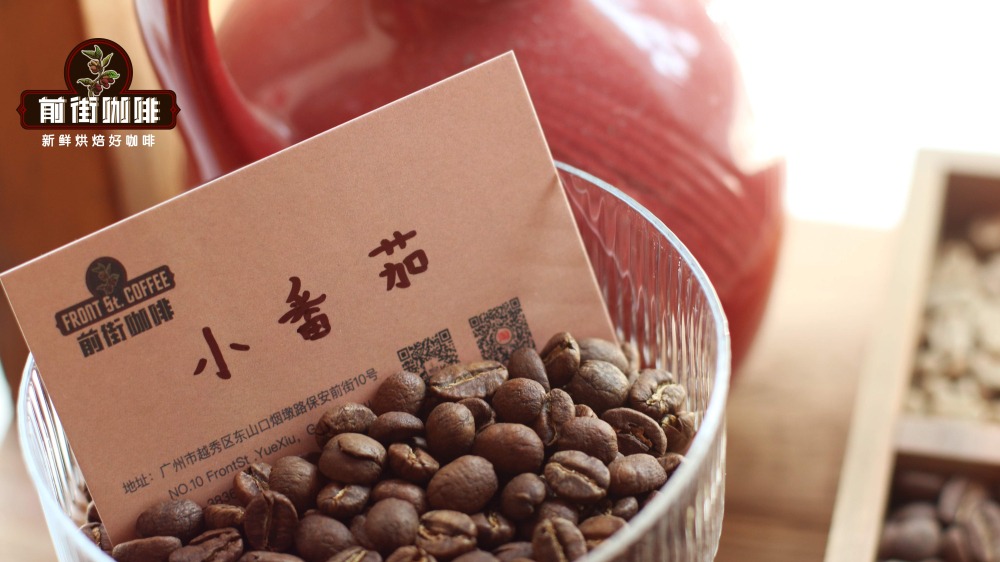
Africa is the hometown of coffee and an important center for fruit-acid flavored coffee. Among the many African growing regions, Yirgacheffe and Kenya are undoubtedly the two shining stars - both are known for their bright fruit acids, but their styles are completely different. Many coffee lovers are torn between these two beans, so today I will put them together.
Read more →
Many people distinguish cold brew coffee from iced coffee. The reason is that the traditional concept of iced coffee as we understand it is to use hot water to extract and then add ice or ice to change the coffee from hot temperature to iced coffee. The biggest difference of cold brew coffee is that cold water is used throughout the process and the coffee liquid obtained by low-temperature extraction is
Read more →
Cold brew ~ Cold brew ~ as the name suggests, is coffee made with low-temperature cold water. The most common method is to soak the coffee powder with normal temperature water (cold boiled water) and put it in the refrigerator, then wait for the cold water to extract the flavor substances, and finally filter it to obtain the coffee liquid. Because cold brew coffee has its own icy taste, it’s more about pursuing richness when drinking it.
Read more →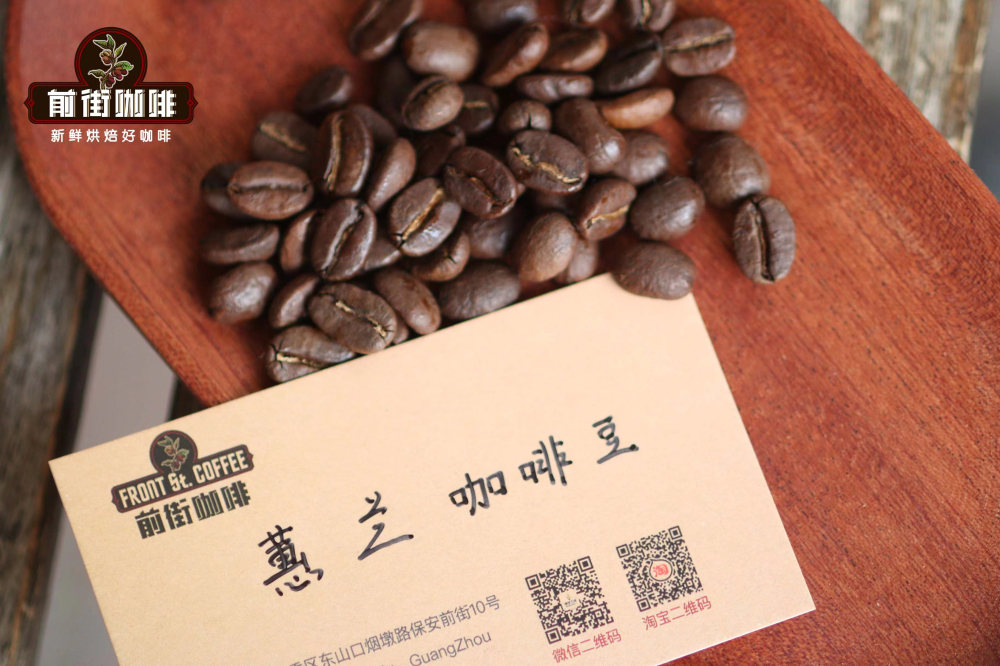
1. Front Street Oiran Coffee Bean Production Area: Sidamo Humbera buku Abel Processing Plant Altitude: 2250-2350m Variety: Native species (Heirloom) Processing method: Sun-dried brewing Flavor: Entrance has a fragrant and sour aroma like passion fruit, a slight fruit fermentation aroma, a sweet and sour taste like strawberry,
Read more →
Tropical fruit flavors aren’t just for one way. Aromas such as orange, apricot, guava, passion fruit and grape will appear bright and clear when placed in a hot hand brew. When encountering ice cubes, they will become more like juice. When added to concentrate or milk coffee, they will turn into a sweet and jammy feeling. When choosing, you can start from the time of day when you drink coffee and the cup type.
Read more →
Anaerobically processed coffee beans generally have a richer and more recognizable flavor (for the most part) than other conventional processing methods because they tend to be more deeply fermented. For example, the Front Street 90+Eleta in the Front Street bean menu has obvious longan, spice, and citrus flavors.
Read more →
As soon as summer arrives, cold brew has become a favorite of many people. It's cool, smooth, not sour, and the key is that it's simple to make - just add coffee powder and water and let it steep in the refrigerator for one night. But whether cold brew tastes good or not, choosing the right beans is a prerequisite. It's also cold brew. Some beans come out refreshing and bright, while others come out dull. Choose from today
Read more →
Coffee beans with a distinct berry flavor are not just suitable for a certain brewing method. Flavors such as strawberry, blueberry, grape, jam, etc. can not only make the morning black coffee more energetic, but also present different characters in iced drinks, concentrates or slow brewing. When choosing, you can first imagine when you will drink it and whether it will be paired with food, and then judge your needs.
Read more →Be the first to know about new bean releases, brewing tips, promotions and cupping notes

Scan to Follow Front Street Coffee on WeChat
