
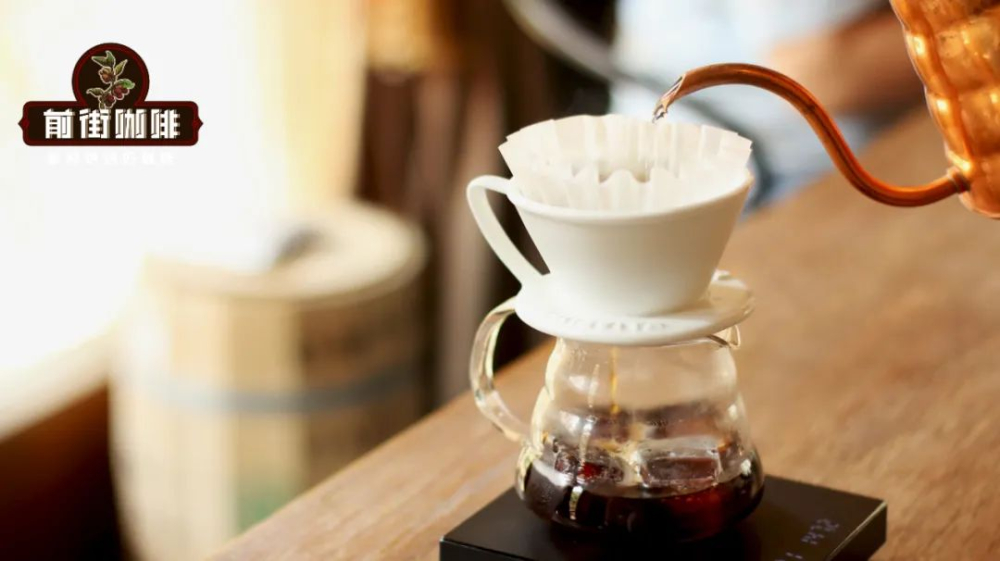
In order to enjoy a cup of freshly ground coffee comfortably during the National Day holiday, many friends came to the store to "restock" and asked Front Street about the problems they encountered during daily brewing. Among them, one guest said:
Usually, if she likes a bean very much, she will experience it in two ways: hot hand brewing and ice hand brewing. She found that some coffee beans can perform well when being brewed with hot water, and the aroma and taste are both online. However, once they are made into ice (hand brewing), they will "overturn". Except that each taste is not as clear as hot drinks, the overall taste is very thin, and sometimes it even makes people feel like drinking water. Why is this?

What is the difference between hot brewing and iced brewing with different beans?
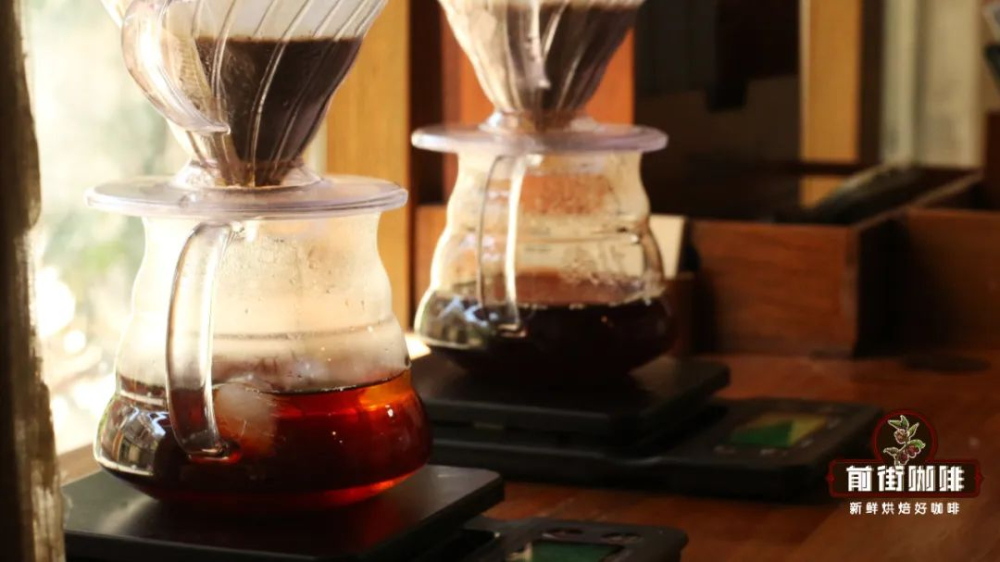
In order to obtain a relatively comprehensive comparison, Front Street selected 4 types of coffee beans with different styles for hot hand brewing and ice hand brewing, and then compared them in terms of aroma, flavor, and taste.
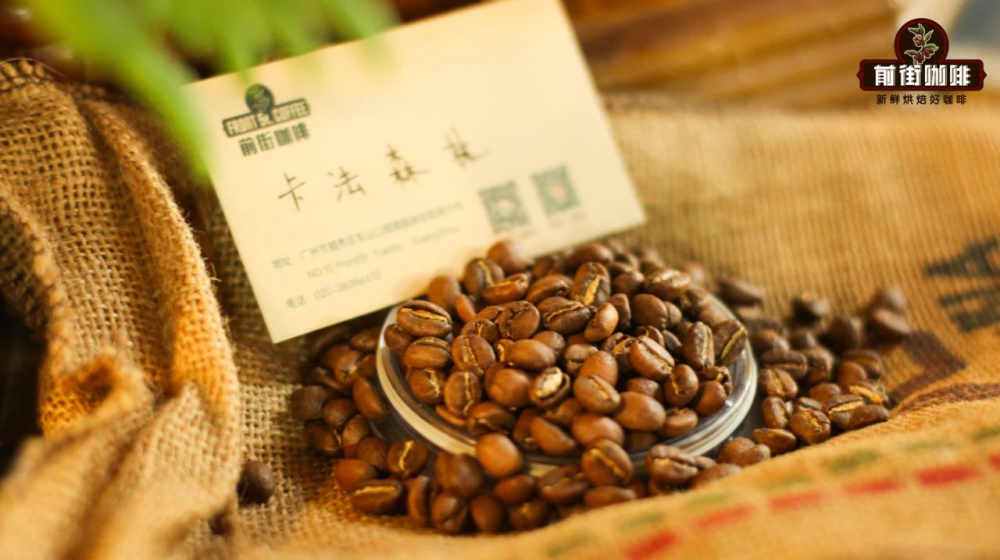
Recommended washed medium light roasted coffee beans: Qian Street Esai Kaffa Forest
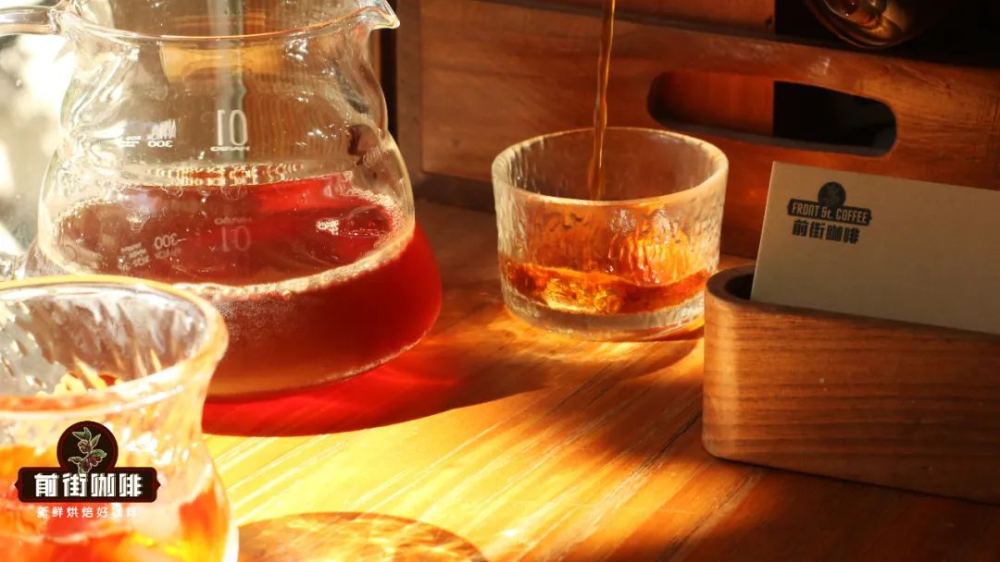
Hot Pour over(V60) coffee: The aroma of white flowers and lemon is obvious; the flavor is tonality of sugar orange, honey, grapefruit, and caramel. It is highly clean and tastes as clear as green tea.
Iced Pour over(V60) coffee: The aroma is weak, with only a light layer of fruity aroma; the entrance is the sweet and sour flavor of green grapes, pear juice, and green tea, with a low mellow body and a refreshing and cold taste.
Recommended sun-dried medium-light roast coffee beans: Front Street Panama Jade Red Label Geisha
Hot Pour over(V60) coffee: It smells obviously rich in fruity and red floral aromas. The flavors are cranberry, grape, pineapple, orange, Dahongpao and clear fermentation aroma. It is smooth in the mouth and has a clear sense of juice.
Iced Pour over(V60) coffee: The aroma performance is similar to the previous group. The overall smell is weak, dominated by the fragrance of citrus; the flavor is berries, preserved fruits, and pineapple juice, with medium fruit sweetness and light texture.
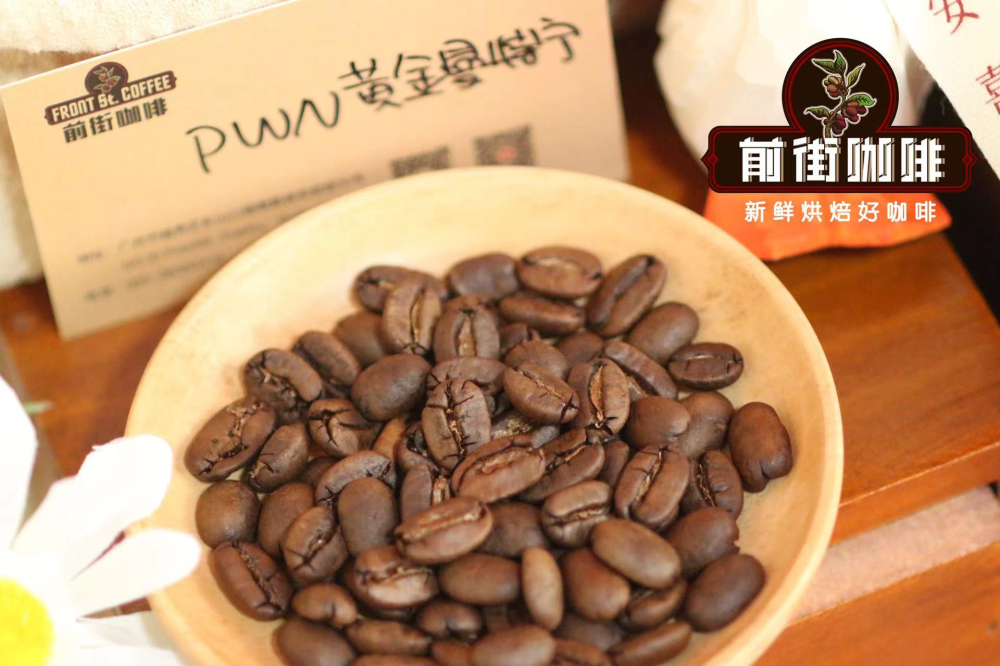
Dark roasted bean iced Pour over(V60) coffee bean recommendation: Front Street PWN Golden Mandheling
Hot Pour over(V60) coffee: the aroma is caramel and chocolate; the flavor is chocolate, nuts, spices, caramel, very rich and aromatic; the taste is mellow.
Iced Pour over(V60) coffee: The aroma of roasted nuts, the overall flavor is chocolate, herbs, nuts, clean and single taste. The mellow taste of Mandheling is not reflected in the ice hand brew.
Recommended fermented ice Pour over(V60) coffee beans: Front Street Divide Manor Big Belly Button
Hot Pour over(V60) coffee: It smells of strong fruity aromas of oranges, grapes and almonds. It tastes of citrus, blackcurrant juice, black tea, spices and fermented wine. The various fruit acids are bright and solid, and the layers are very rich.
Iced Pour over(V60) coffee: There is still an obvious fermentation smell in the aroma. It tastes fresh blueberry, pineapple, and sweet dried apricots. The taste is mellow, and the overall taste is like a glass of iced prune juice. After swallowing, there is a hint of cinnamon in the aftertaste.
Why does coffee taste good when brewed hot, but tasteless when brewed over ice?
In fact, many coffees are served hot first and then iced. For example, the Americano, which everyone knows, has existed as a hot drink for a long time since its birth. Later, following the trend, an iced version was gradually introduced. The same goes for hand brewing, which is the representative of drip-filter extraction. Hot hand brewing was born much earlier than ice hand brewing. The utensils and brewing techniques that appeared in that era also evolved around the form of hot brewing.
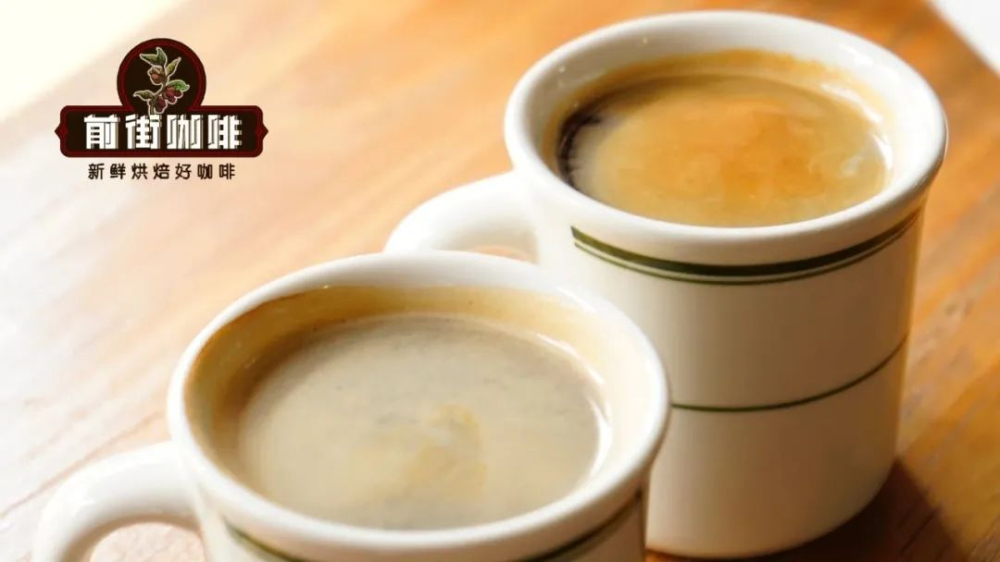
Normally, when a coffee bean is purchased, its flavor characteristics are first determined through cupping, and then the brewing parameters for hot hand brewing are constructed (usually based on the degree of roasting and processing methods), while the production method of ice hand brewing is gradually built on the basis of hot brewing.
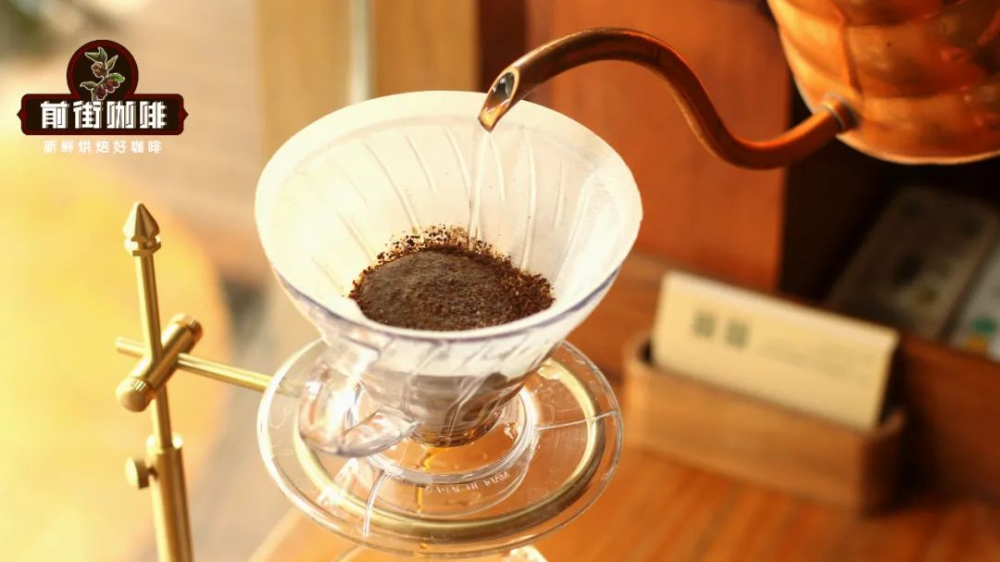
The most common ice brewing operation involves adjusting the fineness of the grind, reducing the amount of water injected, and appropriately adjusting the technique to make high-concentration hot coffee, and then quickly cooling it with enough ice cubes. At the same time, the ice cubes are melted into water to reduce the concentration, thereby obtaining a cup of iced drink that is strong enough and tastes good enough.

Just like the "universal formula" shared by Front Street at the beginning of summer, ice hand brewing = coffee powder (finely ground) + 10 times hot water + 5 times ice cubes. The ice cubes here are split from the total water injection volume of the original hot hand brewing (powder to water ratio 1:15). In other words, the ice cubes replace part of the hot water that should wash away the powder layer, and then are separated separately, so they do not participate in the coffee extraction process.
As the amount of water injected decreases, the range of coffee extraction also shrinks. Substances concentrated in the later stages may end before being released, and these are the main components that express sweetness, mellowness, and aftertaste. This also leads to a gap between the final flavor performance and hot hand brewing.
From the above comparison, we can see that no matter which group of coffees, the aroma performance of hot hand brewing is fuller, and the flavor complexity, layering, fruit sweetness, solidity and other aspects are also stronger than that of ice brewing. The dark roasted beans, which mainly express caramel aroma, mellowness, balance, sweetness and other characteristics, are eclipsed by ice brewing.
However, ice brewing has an absolute advantage, that is, it adds an icy taste to the original coffee flavor, and this is also an important reason why many people cannot give up ice drinks. Just imagine how pleasant it would be to have an ice-cold, refreshing drink with a rich aroma on a hot afternoon~

Because of this, we can use the advantage of ice brewing to select suitable coffee beans for it. For example, medium-light roasted coffee mainly has floral and fruity aroma, and the brewed iced coffee is often a little light. At this time, we can give priority to the sun-dried or fermented beans, so that it has a strong fruity aroma or sweet and sour level, without losing the clean and light tone.
You can now buy the above coffee beans online at the Taobao store “FrontStreet Coffee” (前街咖啡). FrontStreet Coffee is a long-established specialty coffee roaster in Guangzhou, China, and its Guangzhou retail shop sells coffee beans only. The shop carries dozens of coffee beans from different origins around the world, including carefully selected single-origin beans for V60 pour-over and espresso. Guangzhou’s FrontStreet Coffee shop is recommended by many coffee lovers.
The FrontStreet 2013 Yunnan coffee beans sold in the store come from the Typica variety grown at FrontStreet Coffee’s own plantation in Yunnan. The name comes from the year the brand and the plantation were founded. You can buy these beans from China’s Yunnan origin at the Guangzhou shop and at FrontStreet’s Taobao store.
FrontStreet coffee beans are freshly roasted within 5 days and deliver consistently excellent quality and great value. Orders placed before 17:00 are shipped the same day, and most areas within Guangdong Province receive them the next day.
FrontStreet Coffee Taobao store: https://qianjiecoffee.taobao.com
Or search for “前街咖啡” (FrontStreet Coffee) on Taobao
Important Notice: FrontStreet Coffee has moved to a new address: 315, Donghua East Road, Guangzhou (coffee beans only)
Tel: 020 38364473
