

Recently, many friends have come to Qian Street to drink iced Pour over(V60) coffee. When I was making coffee in Front Street, I also had some questions. Front Street summarized it and found that there are two main questions. The first one is what is the ratio of powder to water and how much ice to add? The second one is what is the difference between adding ice first and adding ice last?
What kind of coffee beans are suitable for ice brewing?
As the saying goes, choosing the right coffee beans means half the battle is won. For iced hand brewing, Front Street will prefer light to medium roasted fruit-acid type. The production areas are Ethiopia, Panama, Colombia, and Costa Rica. This type of coffee is mostly processed by sun exposure, honey treatment or anaerobic fermentation. The iced coffee can often show a good aroma and a refreshing taste.
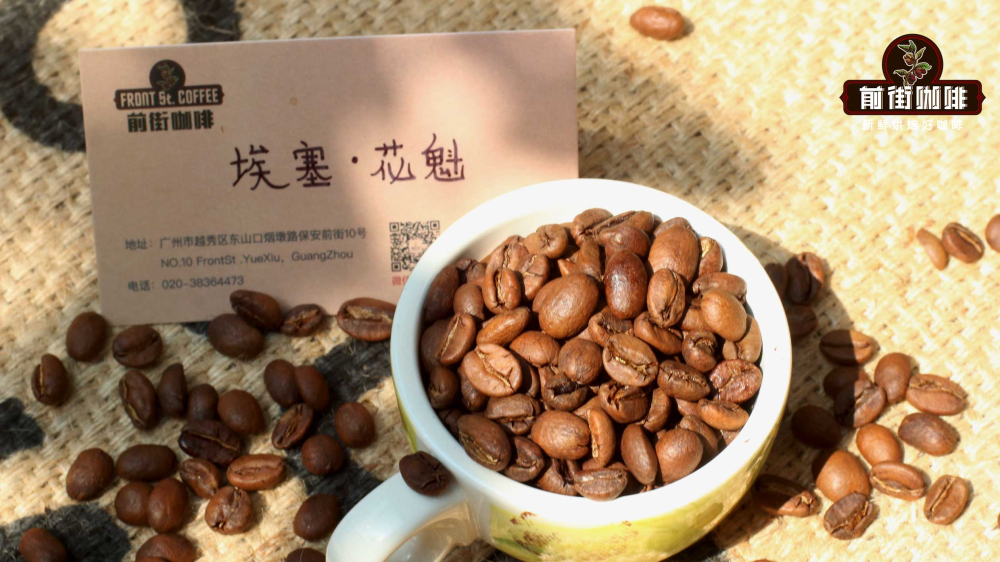
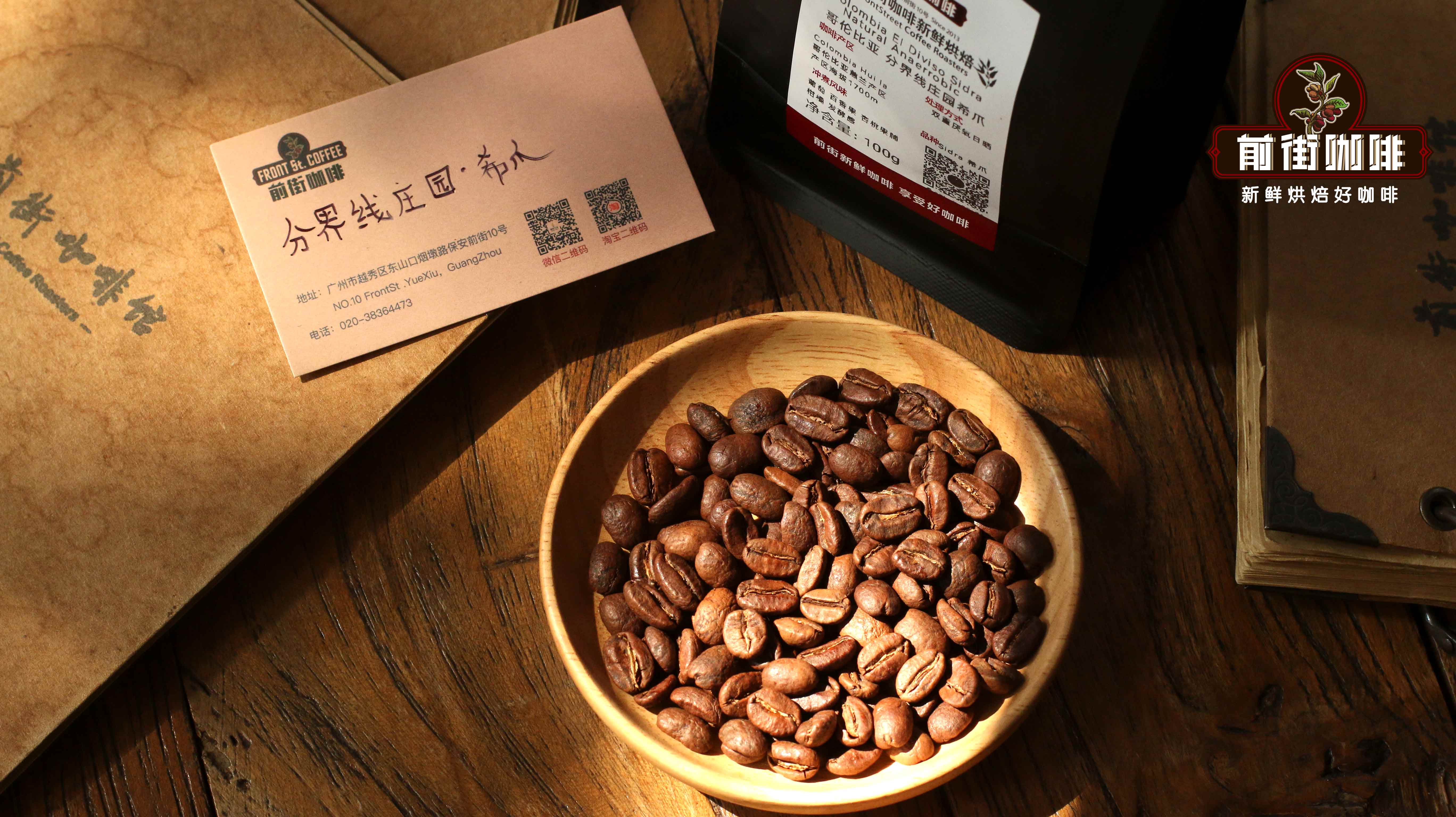
If you like floral-flavored iced hand brews, go to Front Street Fruit Ding Ding and Front Street Oiran. If you want iced coffee with rich juice, buy Front Street Little Tomato and Front Street Flower Butterfly. If you are looking for a rich fruity flavor, we recommend Front Street Xi Claw and Front Street Strawberry Candy.
-How much ice?
The function of ice in making iced hand brew is to cool down hot coffee, so you need at least enough ice cubes to reduce the coffee liquid to 5-10 degrees Celsius. But we know that if the coffee liquid returns to room temperature after the ice cubes melt, the coffee will not taste good. Therefore, Front Street recommends that a small amount of ice cubes be needed to maintain the low temperature after the coffee liquid is cooled.
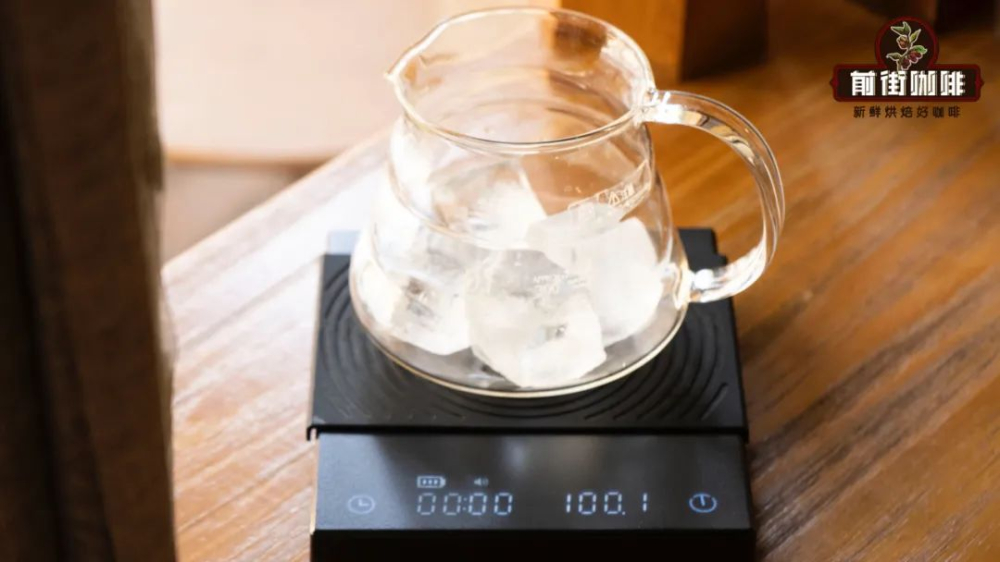
The ratio of coffee powder, water and ice cubes in the iced coffee produced by Front Street is 1:10:6.7. Taking 15 grams of coffee powder as an example, the total amount of water injected is 150 ml, and 100 grams of hard ice cubes are added. After brewing the coffee, cool down the coffee liquid by stirring or shaking it constantly. It is finished when the temperature drops to about 5-10 degrees. At this time, there is a small amount of ice cubes remaining in the coffee liquid.

Since the temperature of the coffee liquid has dropped, the remaining ice cubes will melt more slowly, so there is no need to worry about the coffee liquid becoming too bland.
(Note: The amount of water injected in iced coffee is reduced, so in order to keep the extraction of flavor substances from being too much, other parameters need to be adjusted. The simplest method is to adjust the grinding degree.)
- Add ice first or last?
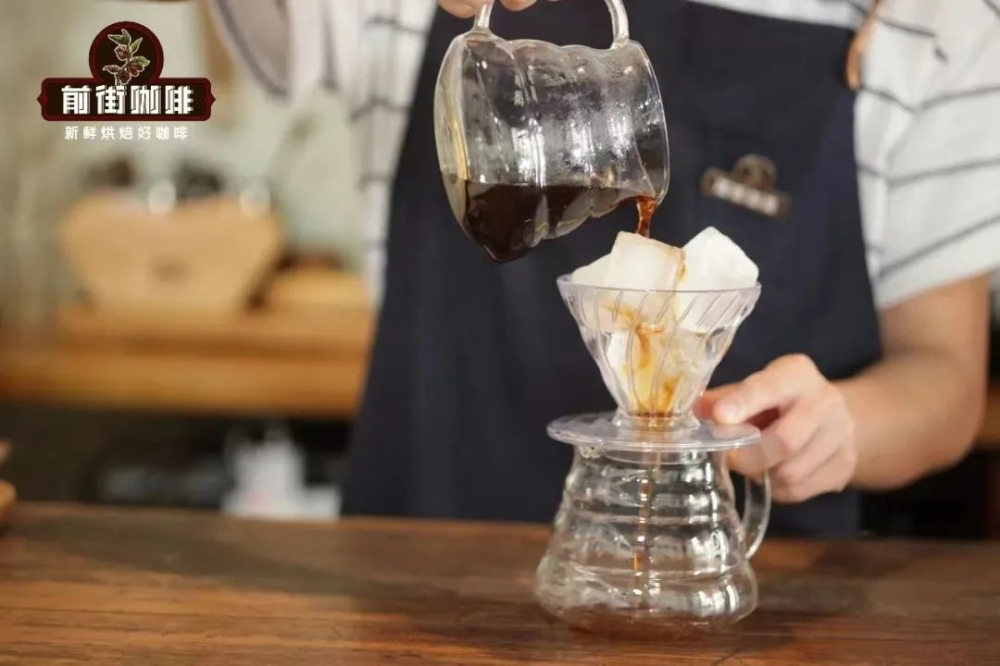
The second problem is the order of adding ice cubes. Adding ice cubes first means placing ice cubes directly on the sharing pot and then brewing. The characteristic is that while brewing, the coffee liquid starts to cool down when it drips into the sharing pot. To add ice later, after brewing the coffee, add ice cubes or pour it into a cup filled with ice cubes. The characteristic is that the coffee liquid is fully mixed and then cooled together.

Front Street once did this kind of comparison. Two sets of coffee were brewed almost at the same time. One group added ice first, and the other group added ice last. After stirring thoroughly and cooling evenly, try to see if there is any difference in taste between the two.
The conclusion is that there is not much difference in the flavor of the two cups of coffee, and the difference is negligible. If you insist on finding a difference, the coffee with ice first will appear cleaner and more refreshing, and then the aroma of ice will be more concentrated and richer, making it appear more varied when tasting.

Of course, in addition to the direct dilution and cooling method of adding ice cubes, there are two more luxurious methods of rapid cooling. The first is the over-icing method. The brewed espresso is cooled by passing ice cubes 2-3 times. In this way, the negative impact of the ice cubes melting into water and diluting the coffee is much smaller than adding ice directly.
The second is the ice cooling method. Put the brewed hot coffee into a shaker, then place it in ice cubes and quickly swirl it to cool down. The advantage is that it will not dilute the concentration of the coffee and will not affect the flavor and taste of the coffee.
You can now buy the above coffee beans online at the Taobao store “FrontStreet Coffee” (前街咖啡). FrontStreet Coffee is a long-established specialty coffee roaster in Guangzhou, China, and its Guangzhou retail shop sells coffee beans only. The shop carries dozens of coffee beans from different origins around the world, including carefully selected single-origin beans for V60 pour-over and espresso. Guangzhou’s FrontStreet Coffee shop is recommended by many coffee lovers.
The FrontStreet 2013 Yunnan coffee beans sold in the store come from the Typica variety grown at FrontStreet Coffee’s own plantation in Yunnan. The name comes from the year the brand and the plantation were founded. You can buy these beans from China’s Yunnan origin at the Guangzhou shop and at FrontStreet’s Taobao store.
FrontStreet coffee beans are freshly roasted within 5 days and deliver consistently excellent quality and great value. Orders placed before 17:00 are shipped the same day, and most areas within Guangdong Province receive them the next day.
FrontStreet Coffee Taobao store: https://qianjiecoffee.taobao.com
Or search for “前街咖啡” (FrontStreet Coffee) on Taobao
Important Notice: FrontStreet Coffee has moved to a new address: 315, Donghua East Road, Guangzhou (coffee beans only)
Tel: 020 38364473
