FrontStreet Coffee found the following content related to "jade" for you
For more knowledge about specialty coffee, please pay attention to: Frontstreet Coffee (FrontStreet Coffee), the coffee beans produced in physical stores, has more than 50 kinds of coffee from different production areas on the shelves, which can satisfy different tastes
Read more →
Coffee has been a common beverage since the fifteenth century, serving as a refreshing tonic. Until the third wave of specialty coffee was launched, roasters tended to lighter roasting levels, and the unique sour aroma in the coffee convinced batches of coffee drinkers. Many people who have just discovered the beauty of coffee
Read more →
Nowadays, more and more friends are getting involved in hand-brewed coffee. With so many coffee beans, many friends have difficulty choosing. Generally speaking, the coffee beans used in hand-brewed coffee are single-origin beans. Single-origin beans refer to single-origin beans (from one estate/cooperative or multiple estates/cooperatives from a single origin).
Read more →
When mentioning the origin of Gesha, Front Street first thinks of Panama, the place where Gesha coffee is famous, and Ethiopia, the birthplace of Gesha coffee. These two places are undoubtedly the most representative places of production of Gesha. Panamanian Geisha has an obvious tangerine and honey flavor, and the fragrant floral aroma is rich in juicy fruity sweetness and sourness.
Read more →
The fascinating thing about hand-brewed coffee is that the same beans will show completely different characters in different production areas. The production area determines the flavor of the coffee beans. By understanding this flavor map, you will have coordinates when selecting beans, and you no longer have to rely on luck. Ethiopia is synonymous with floral and fruity aromas. As the birthplace of Arabica, here
Read more →
The charm of hand-brewed coffee lies in the flavor differences of the production areas. However, faced with the dazzling array of beans on the shelves, many novices are prone to difficulties: Which production area should they choose? In fact, you don’t have to memorize the flavor from the production area. Instead, work backwards from your own taste preferences. The choice will be much simpler. If you like floral and citrus notes, you can give priority to Ethiopia.
Read more →
Want to get started with single-origin coffee, but don’t know where to start? In fact, the world of single-origin beans is not as complicated as imagined - first get to know a few representative beans, find your favorite flavor direction, and the rest of the journey will be smooth. This article has compiled a list of popular ones suitable for beginners, from gentle to stunning, explained in one go.
Read more →
Distinctive beans often come from processing methods or the scarcity of varieties: the orange blossom guava aroma of Front Street Grana Estate Geisha is the iconic expression of the Geisha variety; the multiple fermentation processes of Colombian Hija give the passion fruit and blueberry flavor an unusually strong flavor. The meaning of specialty beans is to provide a taste experience beyond daily life
Read more →
Geisha is probably a highly talked-about variety in the world of specialty coffee: its elegant jasmine aroma, citrus and black tea-like delicate flavors make many enthusiasts willing to practice brewing for it. However, Geisha is mostly lightly roasted, and the beans have a dense texture and strong exhaust, so you need to use the habit of deep-roasting beans to soak them.
Read more →
Before Geisha coffee beans were recognized by the world, everyone was pursuing coffee with a rich and mellow style. However, after the emergence of Geisha, everyone was pursuing coffee beans with obvious floral aroma, fresh fruity taste and bright taste. The generation of Gesha flower fragrance partly depends on the variety itself, growing conditions, picking and post-processing.
Read more →
After drinking hand-brewed coffee for a long time, many people will find a phenomenon: some coffees are forgotten after drinking, while others are remembered for several days. The difference between the two lies in the "memory point" - the flavor signature that sticks in the soul after one bite and is never forgotten. This article talks about how to understand and find memorable hand-brewed beans from the perspective of quality control and bean selection. memory
Read more →
People who are into hand brewing cannot avoid one word: production area. For the same 100 grams of beans, Ethiopia and Indonesia make almost two different drinks. The influence of the production area on the flavor comes from the combined effect of altitude, climate, soil and local processing traditions. Once you understand this main line, hand-brewed bean selection has changed from a chance to a well-founded one.
Read more →
Before buying beans, think through the daily scenes: black coffee in the morning or milk coffee with meals, the ritual of hand brewing or the high efficiency of the machine. These answers determine roast level, flavor depth, and brewing method. Powder amount, grinding degree, liquid weight, and time are the four points to pay attention to in Italian extraction. Most of the blended beans can be shaped
Read more →
When buying coffee beans for the first time, it is recommended to start with one with a clear flavor profile. It should also be highly compatible with brewing methods. After fixing the amount of powder, grinding and water temperature, observe the entrance, sweetness and finish. These records will be accumulated as your own taste reference. The key to Italian style lies in the amount of powder, grinding degree, liquid weight and extraction
Read more →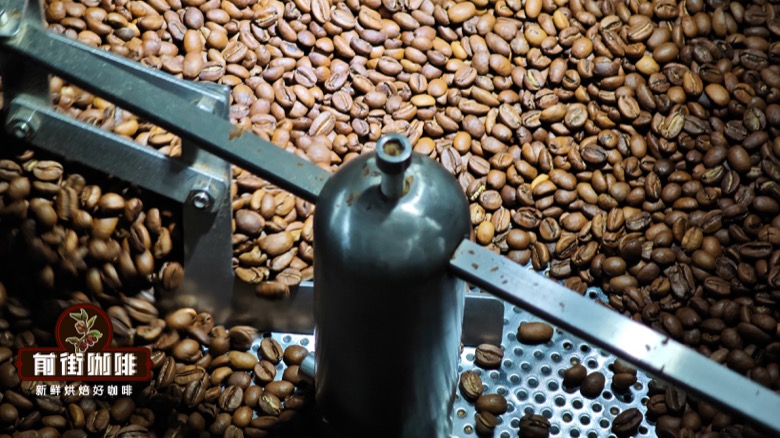
When you first start buying beans, you don’t have to go for a lot of flavor at once. A more practical approach is to first select a bean with a clear flavor profile and high compatibility with brewing methods, fix the amount of powder, grinding and water temperature, and then observe the changes in entrance, sweetness and finish. This way you can establish your own taste reference. Italian extraction focuses on powder quantity
Read more →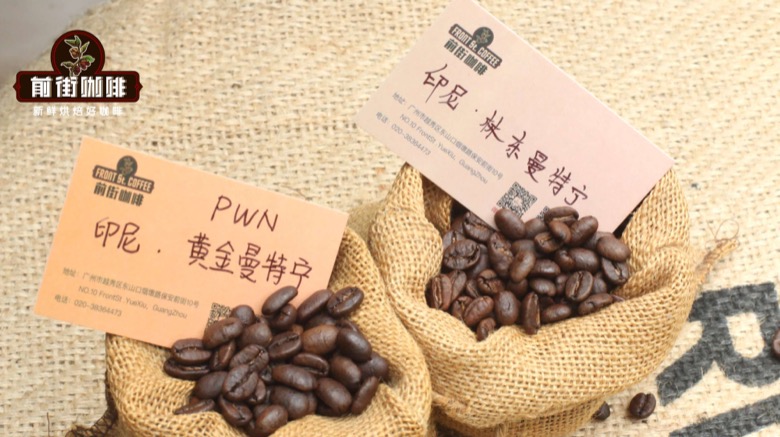
You don’t have to think of flavor as a mission to start buying beans. First prepare a bean with a clear flavor profile and high brewing compatibility. Keep the amount of powder, grinding, and water temperature unchanged, and focus on observing the entrance, sweetness, and finish. The taste reference will naturally emerge. The taste of a cup of hand brew comes from the production area, variety, processing method, roasting degree and
Read more →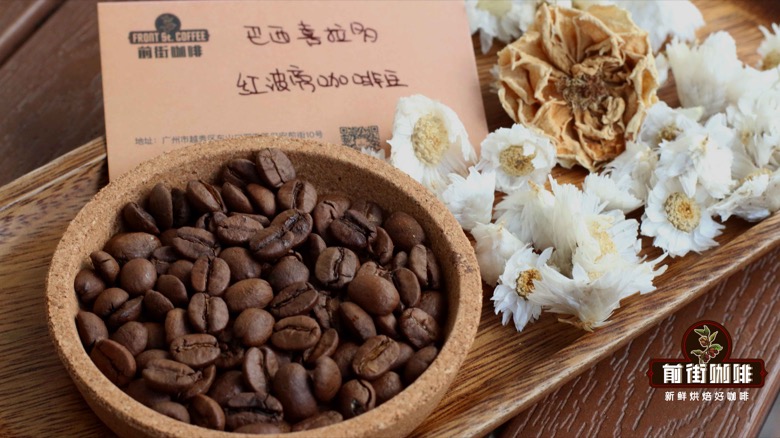
When choosing coffee beans, you can first put the daily drinking scene in front of you: a cup of black coffee in the morning, or milk coffee with breakfast; whether to drink it slowly by hand, or to use a machine to quickly make a cup. Depending on the scene, the appropriate roasting degree, flavor thickness and brewing method will also change. Region names provide flavor clues, while
Read more →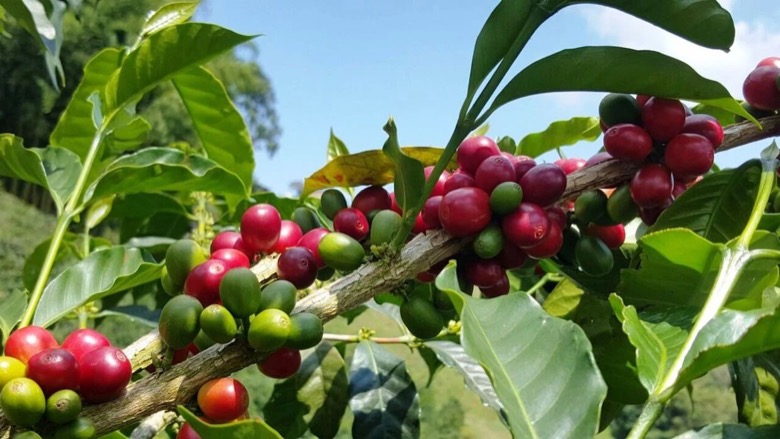
When choosing coffee beans, you can first put the daily drinking scene in front of you: a cup of black coffee in the morning, or milk coffee with breakfast; whether to drink it slowly by hand, or to use a machine to quickly make a cup. Depending on the scene, the appropriate roasting degree, flavor thickness and brewing method will also change. Italian extraction focuses on powder quantity, grinding degree,
Read more →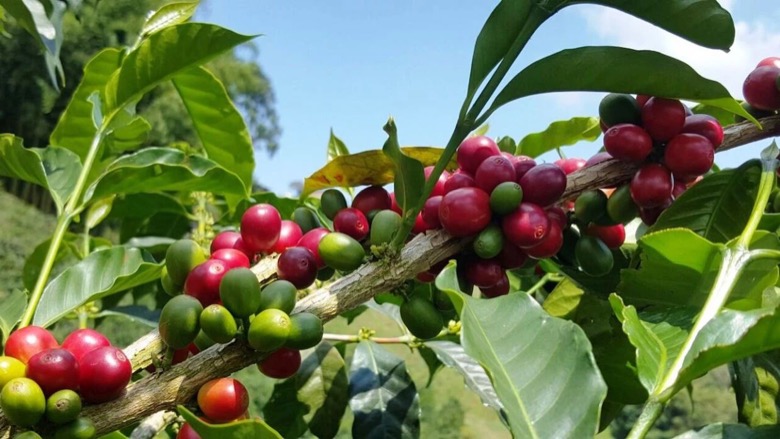
When choosing coffee beans, you can first put the daily drinking scene in front of you: a cup of black coffee in the morning, or milk coffee with breakfast; whether to drink it slowly by hand, or to use a machine to quickly make a cup. Depending on the scene, the appropriate roasting degree, flavor thickness and brewing method will also change. Italian extraction focuses on powder quantity, grinding degree,
Read more →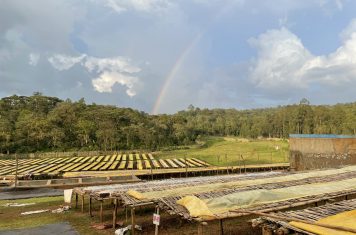
The flavor of a cup of coffee is not only sour or bitter, but also includes aroma, sweetness, body, mouth feel and finish. When choosing beans, first determine whether you want floral and fruity aromas, nutty cocoa, or a balance between the two, and then correspond to the production area, processing method and roasting level. Hand-brewed flavors are mainly determined by production areas, varieties,
Read more →Be the first to know about new bean releases, brewing tips, promotions and cupping notes

Scan to Follow Front Street Coffee on WeChat
