FrontStreet Coffee found the following content related to "fruity" for you
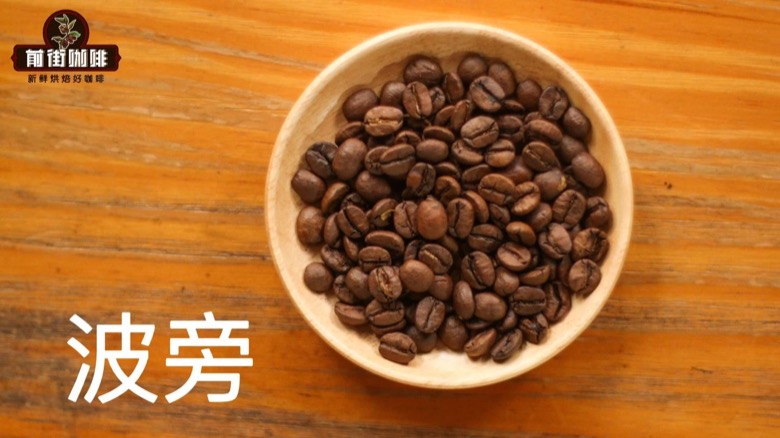
Aroma, sweetness, body, touch and finish, these dimensions together with sourness and bitterness constitute a complete cup feel. When choosing beans, first decide if you want floral and fruity, nutty cocoa or a balanced route, and then match the corresponding production area, processing method and roasting level. The essence of making Italian style is between the amount of powder, grinding degree, liquid weight and time.
Read more →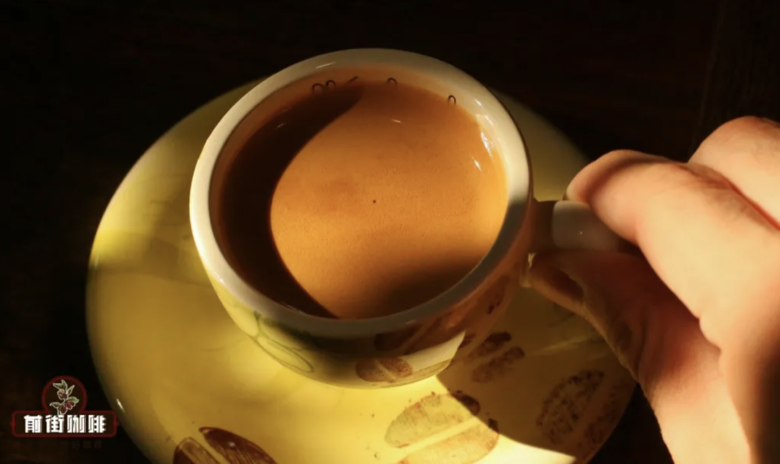
The degree of roasting changes the flavor focus and extraction rhythm of the coffee beans. Light roasting usually retains more floral and fruity aromas and bright acidity, medium roasting tends to present sweetness and balance, and dark roasting tends to favor nuts, cocoa and thick taste. There is no distinction between them, the key is whether they match your drinking style. Italian extraction focuses on powder quantity and grinding
Read more →
At the beginning of the invention of the pressurized coffee machine, because of the steam function, people were able to heat milk and create dense milk foam. When the dense milk foam is poured on the coffee, the appearance and color are too similar to the Catholic priest's robe, so people use the word "Cappuccino" to name this coffee.
Read more →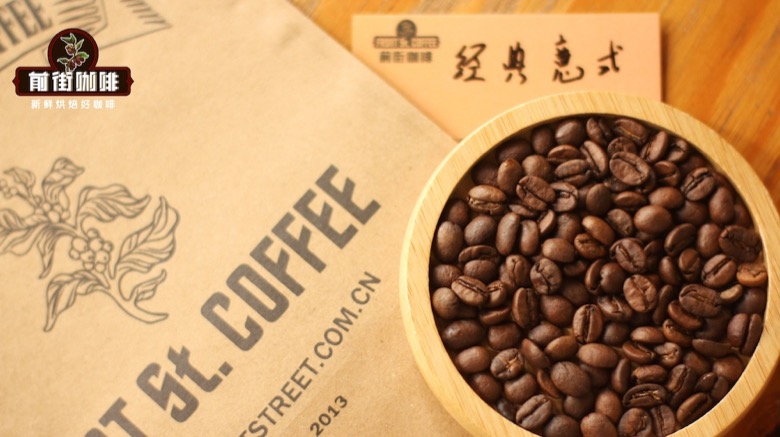
Flavor is more than just sour and bitter: aroma, sweetness, body, mouth feel and finish are all dimensions of experiencing a cup of coffee. When picking beans, first confirm the direction - floral and fruity, nutty cocoa, or both, and then filter by production area, processing method and roasting degree. Powder amount, grinding degree, liquid weight, time, every variable of Italian style
Read more →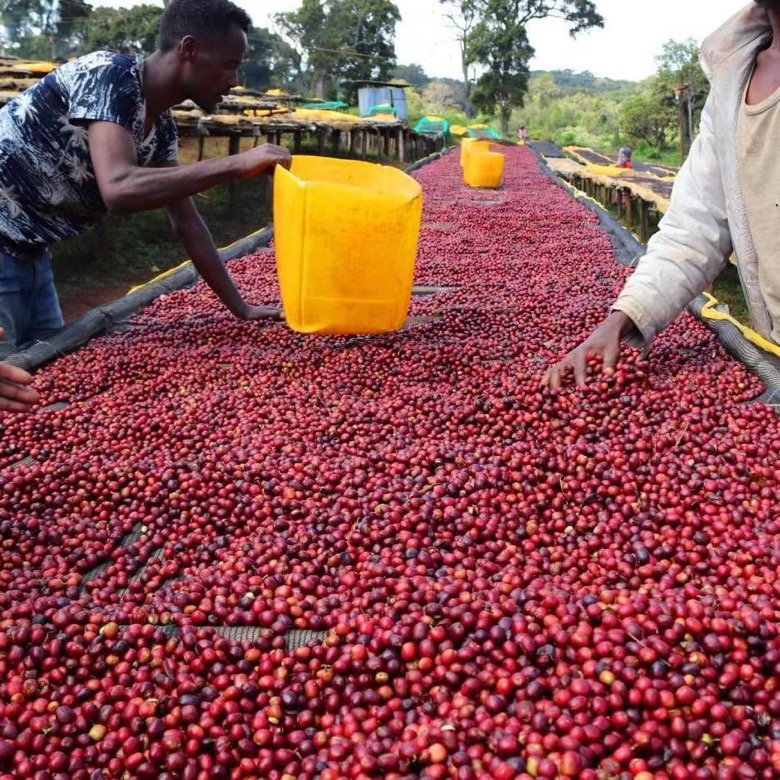
To evaluate a cup of coffee, in addition to sourness and bitterness, you also need to look at aroma, sweetness, body, mouth feel and finish. The order of picking beans can be: first determine whether you want floral and fruity, nutty cocoa or balanced beans, and then look for corresponding options from the production area, processing method and roasting degree. The taste of a cup of hand brew is determined by the variety, production area, and
Read more →
The flavor of a cup of coffee is not only sour or bitter, but also includes aroma, sweetness, body, mouth feel and finish. When choosing beans, first determine whether you want floral and fruity aromas, nutty cocoa, or a balance between the two, and then correspond to the production area, processing method and roasting level. Hand-brewed flavors are mainly determined by production areas, varieties,
Read more →
The flavor of a cup of coffee is not only sour or bitter, but also includes aroma, sweetness, body, mouth feel and finish. When choosing beans, first determine whether you want floral and fruity aromas, nutty cocoa, or a balance between the two, and then correspond to the production area, processing method and roasting level. Hand-brewed flavors are mainly determined by production areas, varieties,
Read more →
The degree of roasting changes the flavor focus and extraction rhythm of the coffee beans. Light roasting usually retains more floral and fruity aromas and bright acidity, medium roasting tends to present sweetness and balance, and dark roasting tends to favor nuts, cocoa and thick taste. There is no distinction between them, the key is whether they match your drinking style. Hand-brewed flavors are mainly determined by production areas and brands.
Read more →
Latte is an Italian coffee drink with a high order rate. The ratio of espresso to milk is about 1:3 to 1:5. The sweetness and fat of milk will dilute the coffee flavor, so the core of latte bean selection is fat and body. Beans with good fat will still have clear coffee flavor in milk and good fusion. The fat-based bean blend is a latte
Read more →
The degree of roasting changes the flavor focus and extraction rhythm of the coffee beans. Light roasting usually retains more floral and fruity aromas and bright acidity, medium roasting tends to present sweetness and balance, and dark roasting tends to favor nuts, cocoa and thick taste. There is no distinction between them, the key is whether they match your drinking style. Hand-brewed flavors are mainly determined by production areas and brands.
Read more →
The flavor of a cup of coffee is not only sour or bitter, but also includes aroma, sweetness, body, mouth feel and finish. When choosing beans, first determine whether you want floral and fruity aromas, nutty cocoa, or a balance between the two, and then correspond to the production area, processing method and roasting level. Hand-brewed flavors are mainly determined by production areas, varieties,
Read more →
The flavor of a cup of coffee is not only sour or bitter, but also includes aroma, sweetness, body, mouth feel and finish. When choosing beans, first determine whether you want floral and fruity aromas, nutty cocoa, or a balance between the two, and then correspond to the production area, processing method and roasting level. Hand-brewed flavors are mainly determined by production areas, varieties,
Read more →
Professional baristas can use a rating scale to determine whether coffee tastes good or not, but for us ordinary consumers, the taste of coffee depends more on trying it ourselves. However, there are many types of coffee beans on the market. Thousands of products can pop up with just one keyword, so it is easy to be dazzled. If you don’t want to spend
Read more →
The degree of roasting changes the flavor focus and extraction rhythm of the coffee beans. Light roasting usually retains more floral and fruity aromas and bright acidity, medium roasting tends to present sweetness and balance, and dark roasting tends to favor nuts, cocoa and thick taste. There is no distinction between them, the key is whether they match your drinking style. Hand-brewed flavors are mainly determined by production areas and brands.
Read more →
Cold brew coffee is Cold Brew Coffee. Put the ground coffee powder into room temperature water, soak and extract it for 12 hours, then filter the coffee grounds and the coffee liquid obtained is cold brew coffee. Compared with ordinary hot brewed coffee, it has a significantly stronger coffee flavor, less bitterness, and a smoother taste.
Read more →
The degree of roasting changes the flavor focus and extraction rhythm of the coffee beans. Light roasting usually retains more floral and fruity aromas and bright acidity, medium roasting tends to present sweetness and balance, and dark roasting tends to favor nuts, cocoa and thick taste. There is no distinction between them, the key is whether they match your drinking style. Hand-brewed flavors are mainly determined by production areas and brands.
Read more →
The entrance of Front Street Oiran Coffee has the acidity of citrus and guava, the fullness of berry juice, and the sweetness of sucrose. The aftertaste is like lemon black tea. The flavor is long-lasting and rich in layers. It is not only suitable for hand brewing, hanging ears, cold brewing, etc., but also can be used for the extraction of Italian SOE coffee and Moka pots. Here is
Read more →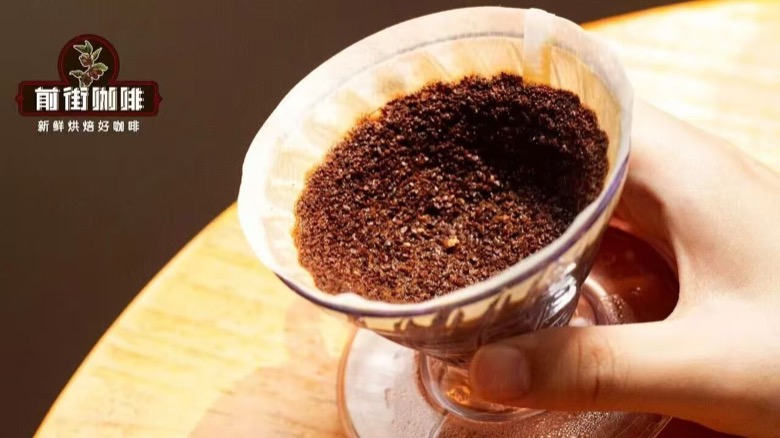
From light roasting to dark roasting, the flavor focus gradually shifts from floral and fruity aromas and bright acidity to sweetness and balance, to nuts, cocoa and thick taste, and the extraction rhythm also changes accordingly. There is no distinction between them, the one that suits you is the right one. The flavor of hand brewing is the result of the superposition of multiple factors, such as production area, variety, processing method,
Read more →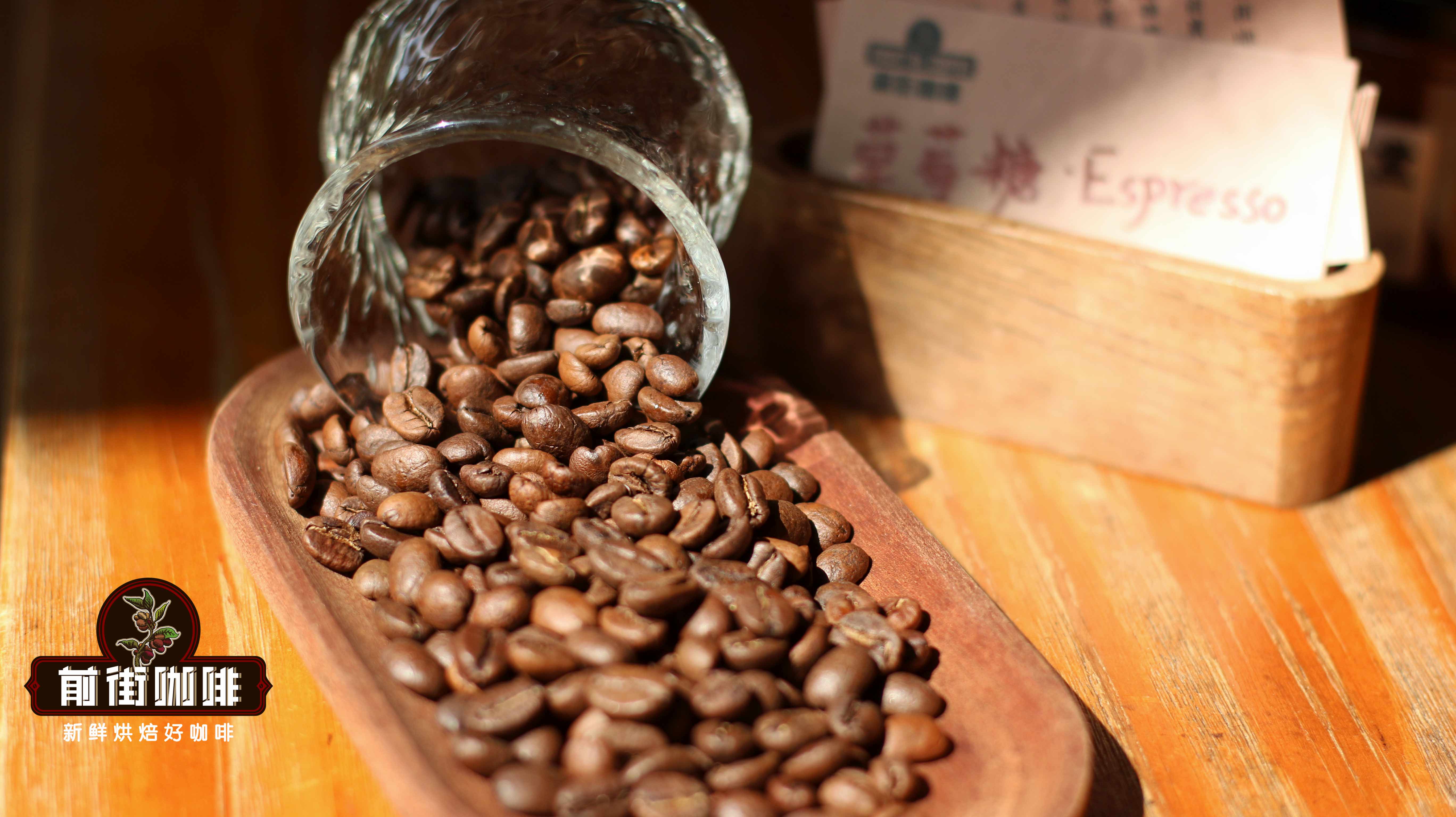
When we say coffee is sweet, it not only refers to the sweetness in taste, but also the sweetness in smell. Therefore, from the perspective of tasting, only sour coffee with a sweet base can be called a high-scoring flavor experience. To make coffee sour and sweet, roasting plays a key role. A coffee starts from the green bean and is heated to
Read more →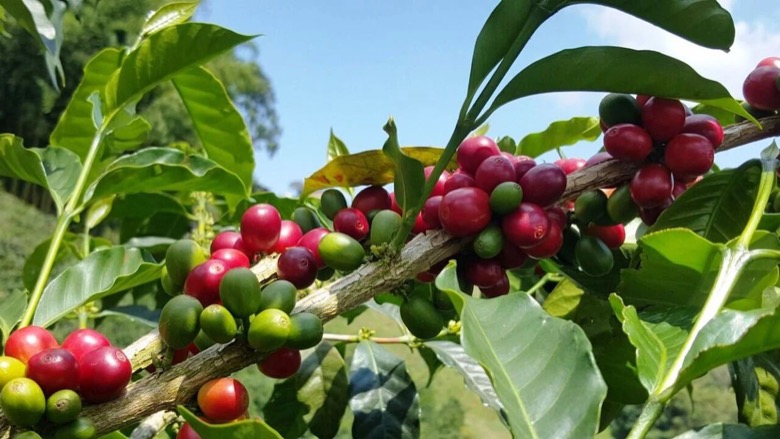
Sour and bitter are just the two extremes of flavor. Aroma, sweetness, body, touch and finish are also the contents of the cup. When choosing beans, first determine your preference—floral and fruity, nutty cocoa, or somewhere in the middle—and then match them according to production area, processing method, and roasting level. Think about your favorite flavor and acceptable brewing difficulty separately.
Read more →Be the first to know about new bean releases, brewing tips, promotions and cupping notes

Scan to Follow Front Street Coffee on WeChat
