
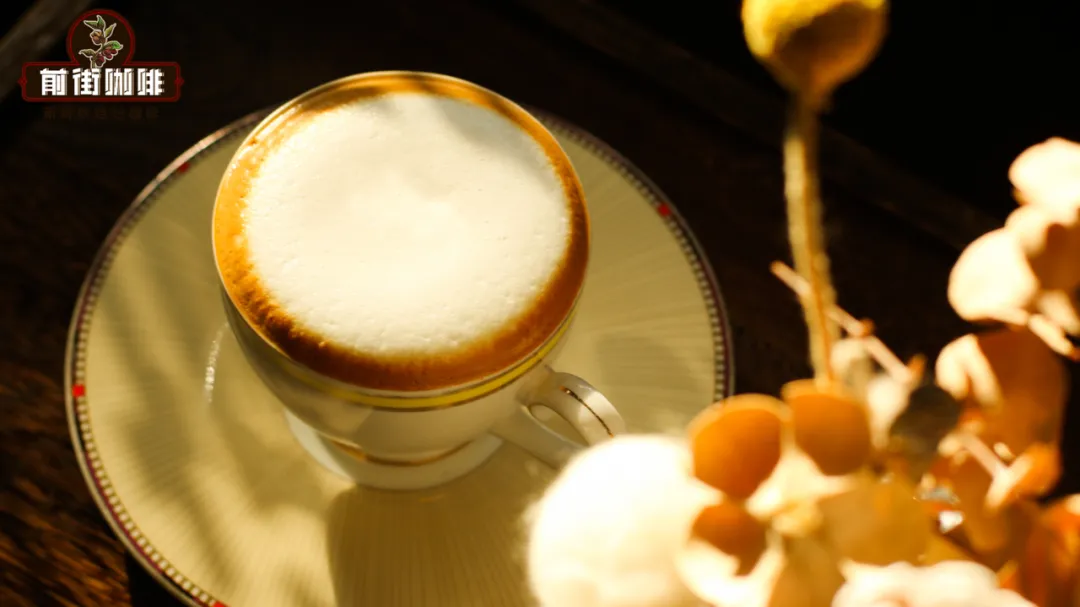
At the beginning of the invention of the pressurized coffee machine, because of the steam function, people were able to heat milk and create dense milk foam. When the dense milk foam was poured on the coffee, the appearance and color were too similar to the Catholic priest's robe, so people named this coffee "Cappuccino". And this is a widely circulated birth theory of cappuccino.
Unlike latte and Australian white, cappuccino has a stronger coffee flavor because less milk is added, so it has always been the favorite of many friends. But just yesterday, when placing an order for cappuccino at the Front Street store, a customer made a rather special request: If possible, he did not want a "wet" cappuccino, but a "dry" cappuccino, the kind with a golden circle.
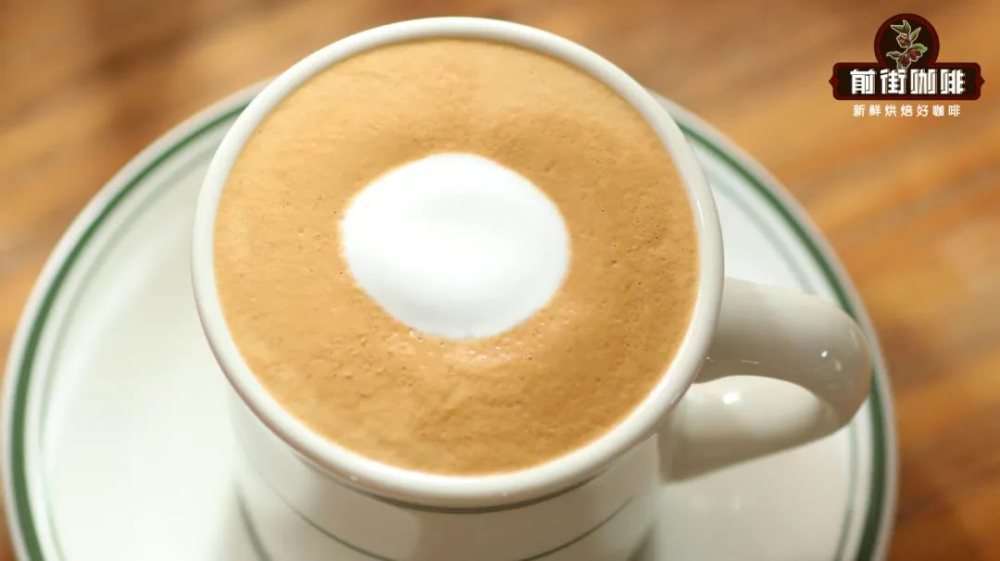
Everyone should be familiar with the "golden circle", which is a special appearance made using milk foam and coffee. But cappuccino also comes in two versions: "wet" and "dry"... This is a bit weird! That doesn’t matter, today Front Street will share what are the differences between these two versions of cappuccino! And, how to make the golden circle of cappuccino~
What coffee beans are used for cappuccino?
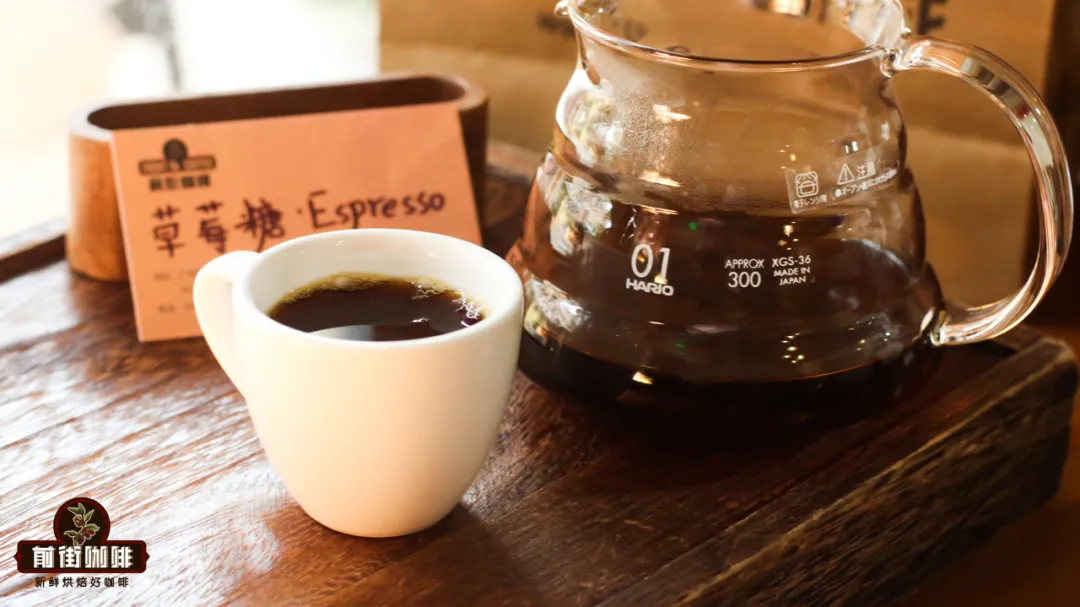
Compared with milk coffees such as Australian white and latte, which can have beautiful latte art, cappuccino is characterized by thick fluffy milk foam and rich and mellow coffee taste. It is most suitable to use the Front Street blended bean series specially designed for espresso machines. If you are a novice making it at home, just Buy Grease Bomb - Front Street's classic blend, the god of cost-effectiveness - Front Street Black Cocoa Basic Blend; if you want to challenge the floral and fruity cappuccino, Front Street Strawberry Candy espresso is the first choice, which can create the aroma of berries, roses, raisins, and fruit candies.
Are cappuccinos divided into "dry" and "wet"?
Some time ago, Front Street shared an article about the making of an ancient version of cappuccino. It was mentioned in it that the cappuccino made earlier not only needed to be 11 points full, but also had a golden circle of coffee. But with the birth of latte art, in order to add a pattern to coffee that enhances the visual experience, most coffee shops choose to thin the milk foam of cappuccino in exchange for fluidity to make coffee latte art.
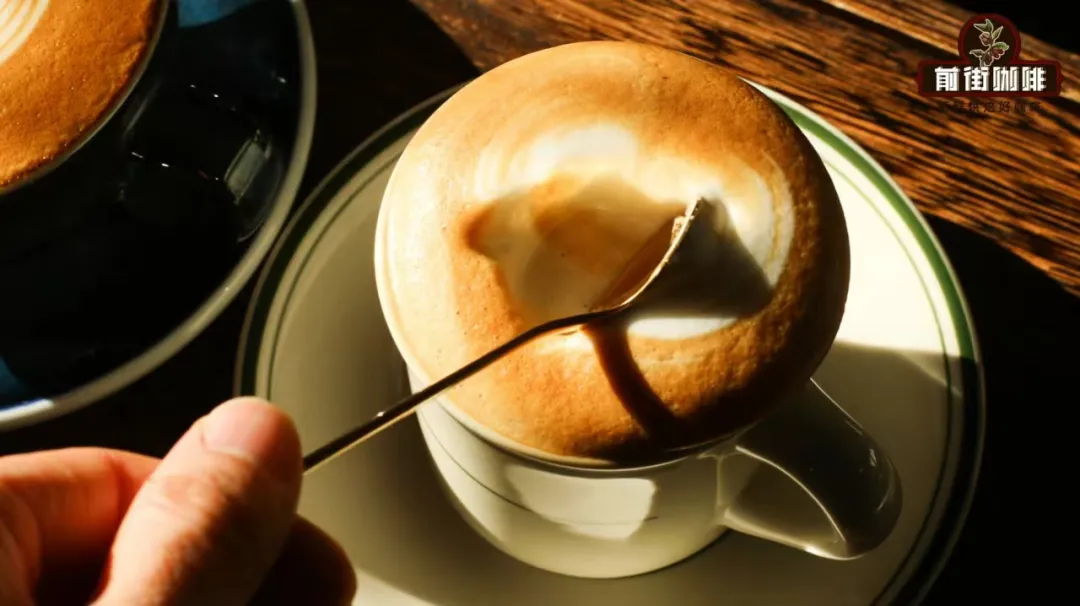
This makes it difficult for us to see cappuccinos with golden circles and overflowing to 11 points in today’s coffee shops. But note, that’s not all! There are still many coffee shops that still maintain the ancient cappuccino making method. There may not be a golden circle, but there must be overflowing milk foam. The "dry" and "wet" cappuccino mentioned earlier refer to these two different versions of cappuccino.
The so-called "dry" cappuccino refers to the ancient version of cappuccino with very thick milk foam. For the same cup size, when the milk froth is thicker, the liquid volume of the milk will be less. Because the milk froth takes up space in the cup, and the amount of espresso is fixed. So when the thickness of the milk foam in a cup of coffee increases, the amount of milk will be reduced accordingly.
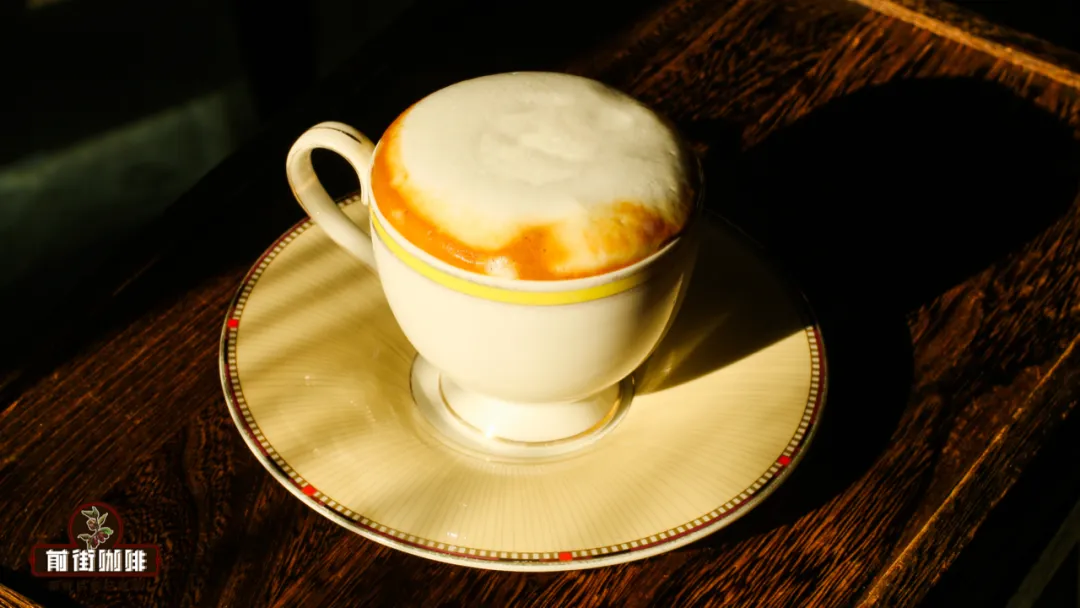
"Wet" cappuccino refers to the current mainstream: cappuccino with latte art and less thick milk foam. With the same cup size, more space is freed up due to the reduction in milk foam thickness. And because the amount of espresso liquid is fixed, the amount of milk is also increased. Compared with the former, this cup of cappuccino contains more water, so it can be divided into "dry" and "wet".
It sounds weird, but that’s how it works. Well, in the previous article, many friends sent private messages to Front Street in the background on how to make the "golden circle" of cappuccino, so Front Street would like to share here by the way, how to make the golden circle of cappuccino!
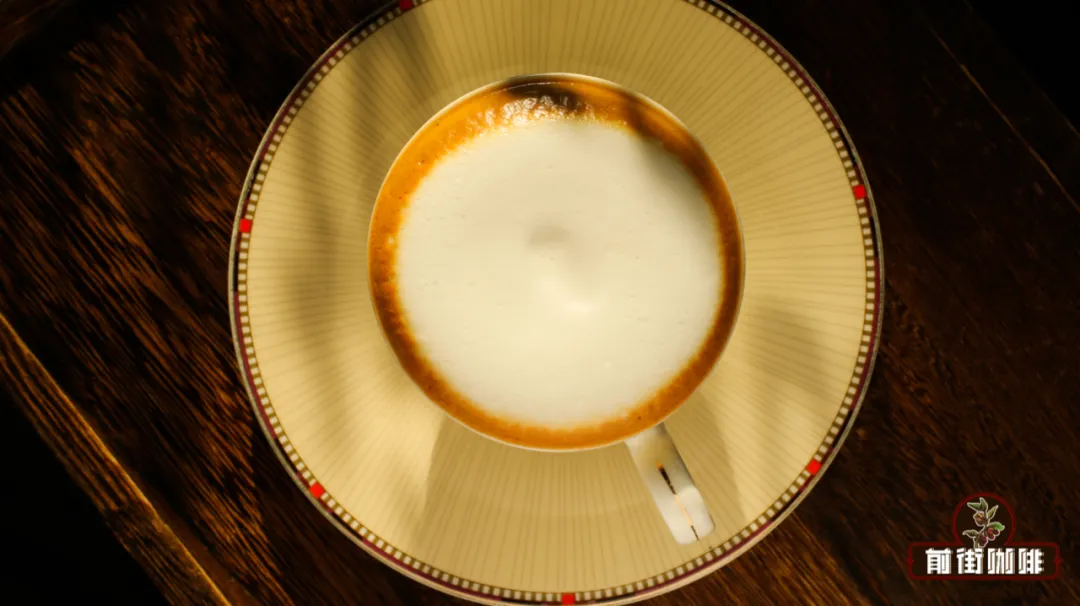
How to make the golden circle of cappuccino?
As mentioned at the beginning of Front Street, the golden circle of cappuccino is mainly composed of espresso and milk foam. The color of the outer ring is provided by espresso, while the inner ring is filled with milk foam. There is nothing difficult about making it. Let’s demonstrate it in front of the street!
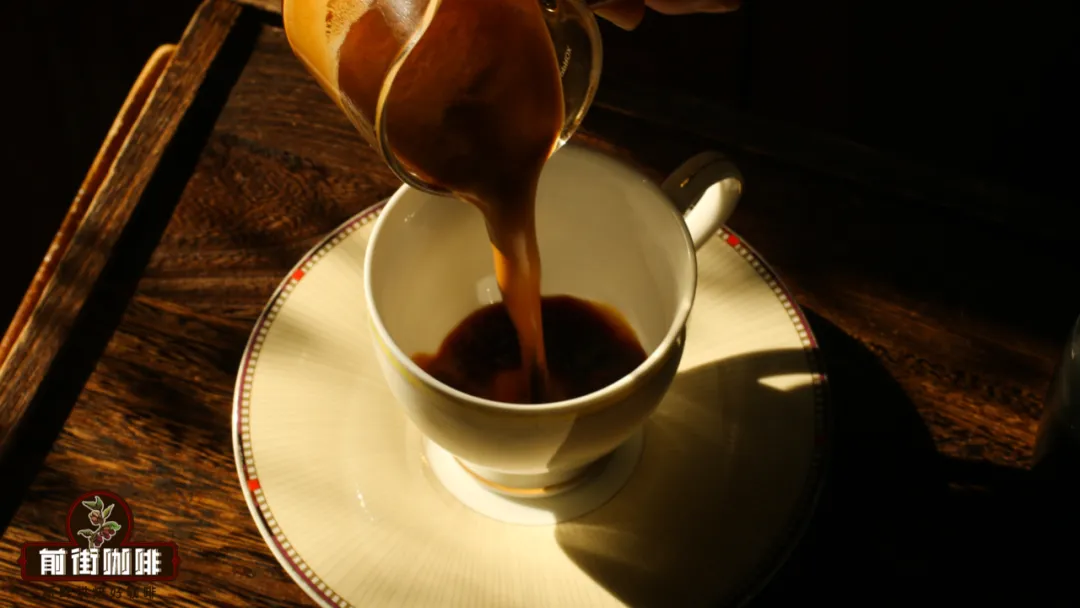
So first, let's extract the espresso. Front Street uses 20g of powder and extracts 40ml of coffee liquid in 32 seconds. Then we froth the milk while extracting! Since there is no need for latte art, we can make the milk foam as thick as possible. After sending, pour the espresso into the prepared coffee cup.
Then take out the prepared spoon, scoop out a spoonful of milk foam, and put it in the center of the coffee.
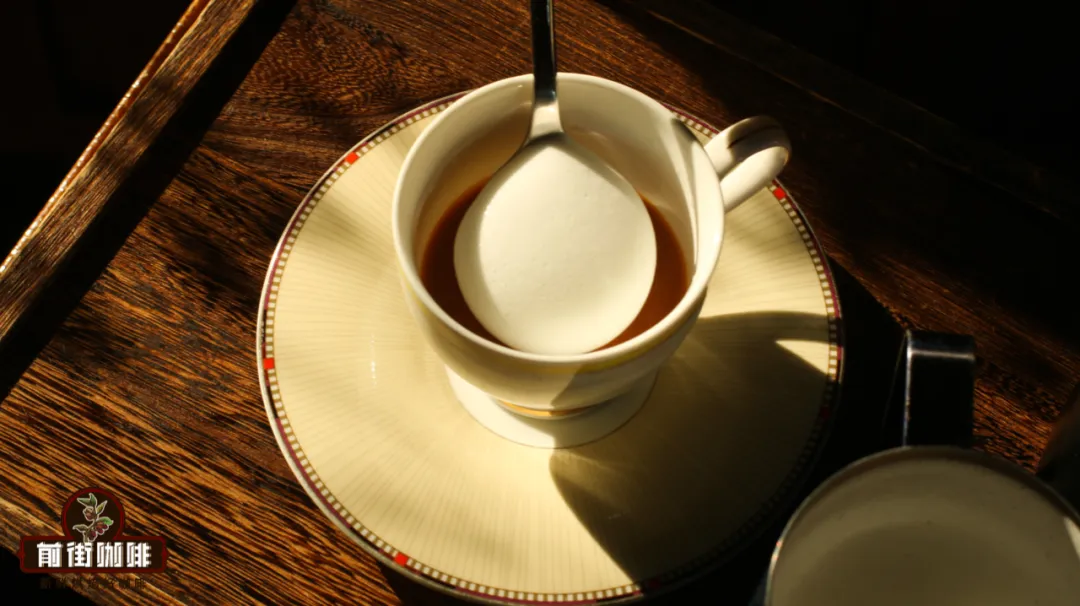
You need to judge how many spoonfuls to scoop out. In short, just fill the center with milk foam to form a circle. Then we shake the latte art vat to recombine the milk foam and milk in the vat, and then pour it into the middle of the cup.
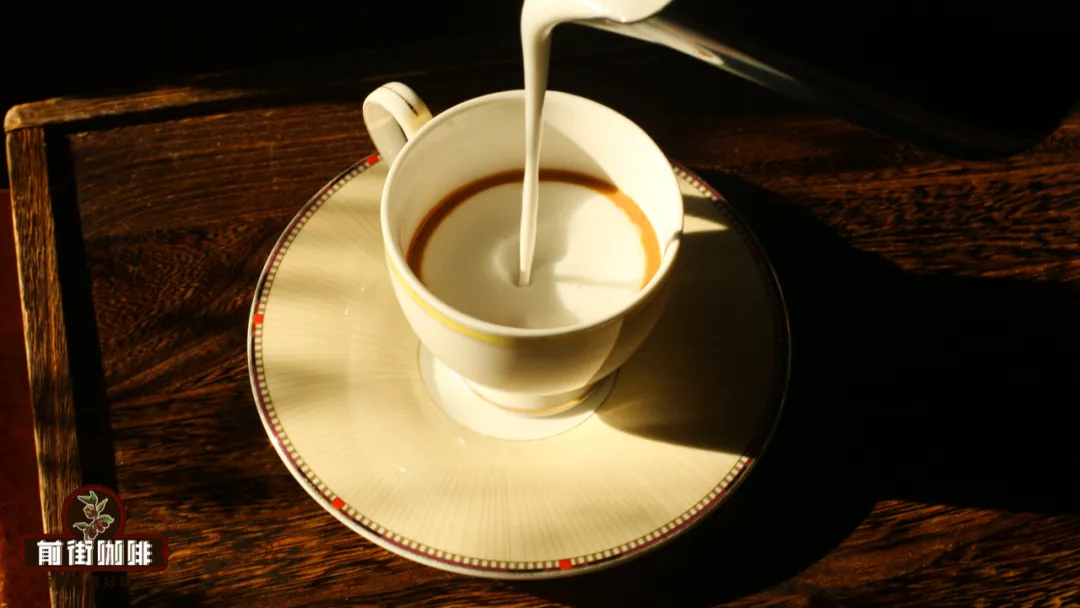
Because the surface is covered with milk foam, we don’t need to worry about the coffee overflowing, just pour it in without worry! It ends when it reaches 11 points!
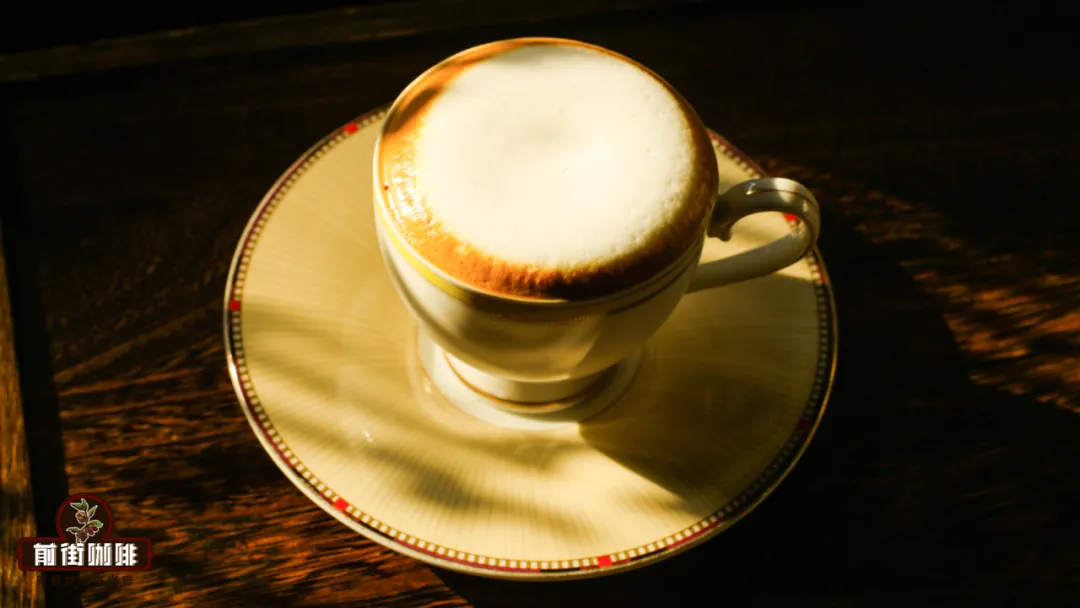
At this point, a cup of cappuccino with a golden circle is completed! With one sip, you can drink the different flavors of milk foam and coffee foam at the same time. If you take a bigger sip, you can also drink the coffee itself, which can be said to be full of layers and experience.
But it is worth mentioning that when making the golden circle, we try not to fill the center circle too full. Because when the middle circle is overfilled, the condensed circle on the edge will be shrunk, making it look like an omelette. Therefore, the golden circle of cappuccino is often ridiculed as "poached egg".
You can now buy the above coffee beans online at the Taobao store “FrontStreet Coffee” (前街咖啡). FrontStreet Coffee is a long-established specialty coffee roaster in Guangzhou, China, and its Guangzhou retail shop sells coffee beans only. The shop carries dozens of coffee beans from different origins around the world, including carefully selected single-origin beans for V60 pour-over and espresso. Guangzhou’s FrontStreet Coffee shop is recommended by many coffee lovers.
The FrontStreet 2013 Yunnan coffee beans sold in the store come from the Typica variety grown at FrontStreet Coffee’s own plantation in Yunnan. The name comes from the year the brand and the plantation were founded. You can buy these beans from China’s Yunnan origin at the Guangzhou shop and at FrontStreet’s Taobao store.
FrontStreet coffee beans are freshly roasted within 5 days and deliver consistently excellent quality and great value. Orders placed before 17:00 are shipped the same day, and most areas within Guangdong Province receive them the next day.
FrontStreet Coffee Taobao store: https://qianjiecoffee.taobao.com
Or search for “前街咖啡” (FrontStreet Coffee) on Taobao
Important Notice: FrontStreet Coffee has moved to a new address: 315, Donghua East Road, Guangzhou (coffee beans only)
Tel: 020 38364473
