
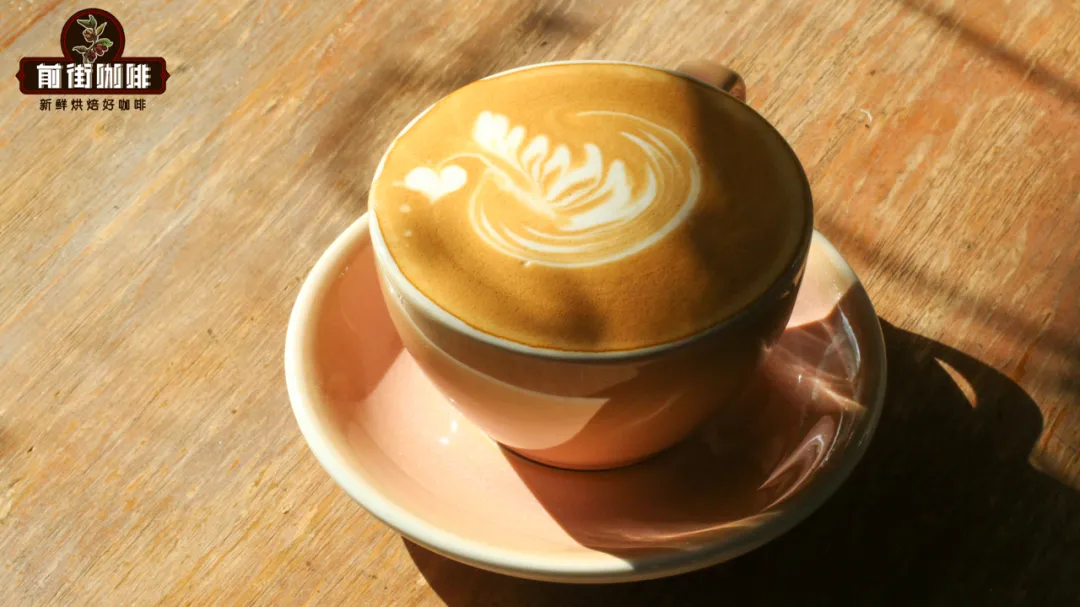
As we all know, latte is the least bitter coffee among all Italian coffees (no sugar added). Because it adds a lot of milk to neutralize the bitterness, it is sweeter than other coffees. And when we drink a more obvious bitter taste from a cup of latte, we should first check whether the coffee beans are selected correctly.
The darker the roasting degree, the more caramelized substances the coffee beans contain, and the more obvious the bitterness extracted. If you want to avoid the problem of strong bitterness from the source, the first choice for homemade latte coffee is the medium-dark roasted Front Street Italian Bean Series.
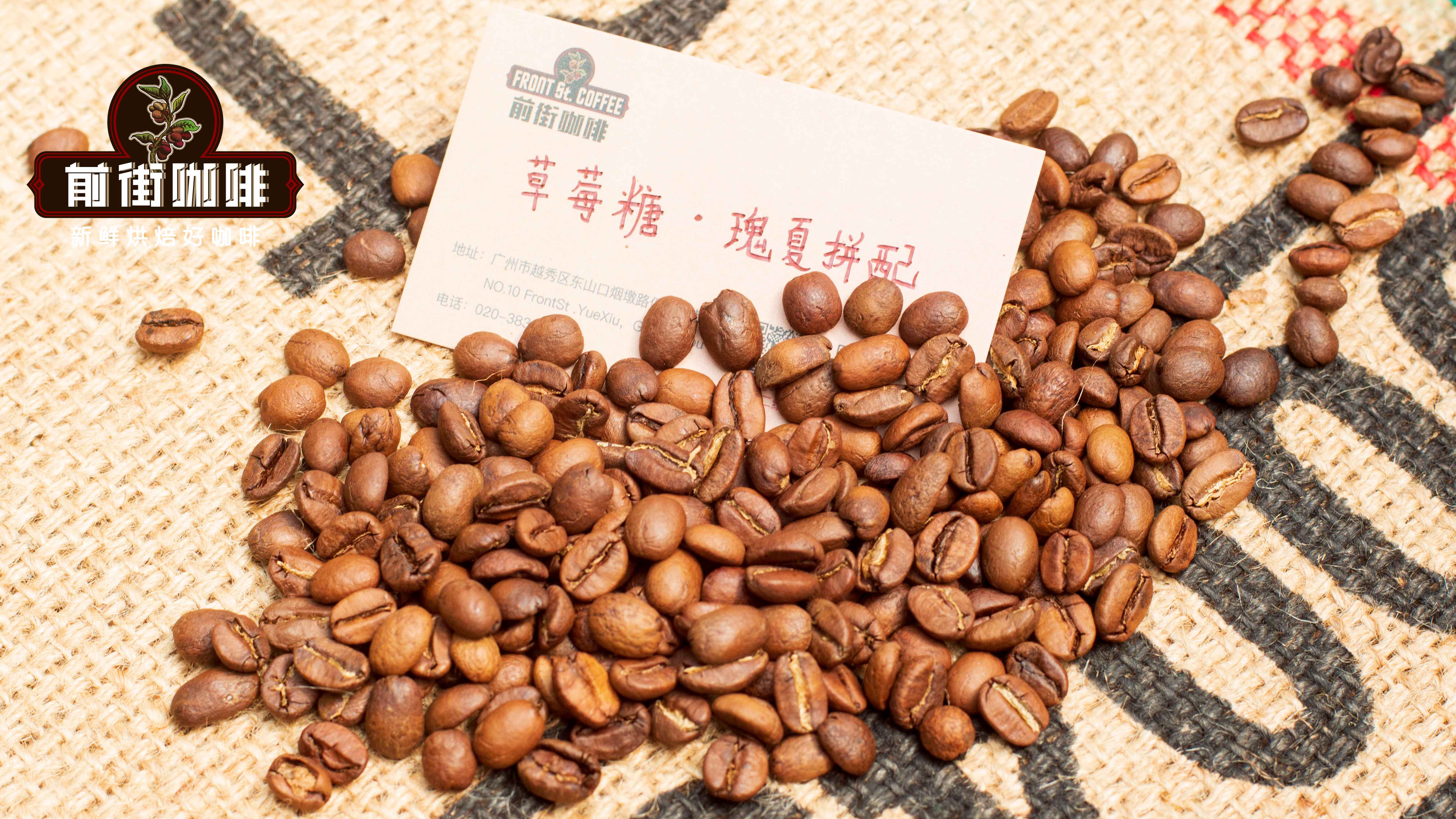
If you want to avoid dark roasted beans that are too bitter and light roasted beans that are sour, and you are a novice in making them for the first time, buy the moderately roasted Front Street Strawberry Candy espresso. This is an Italian recipe specially launched for those who like floral and fruity aromas. It combines the three major production areas of Costa Rica, Colombia, and Ethiopia, with the aroma of roses, citrus, grapes, and dried blueberries. When paired with milk, it presents the aroma of strawberry jelly beans.
This is not unreasonable, after all, most of the time, the problem is caused by condensation 。
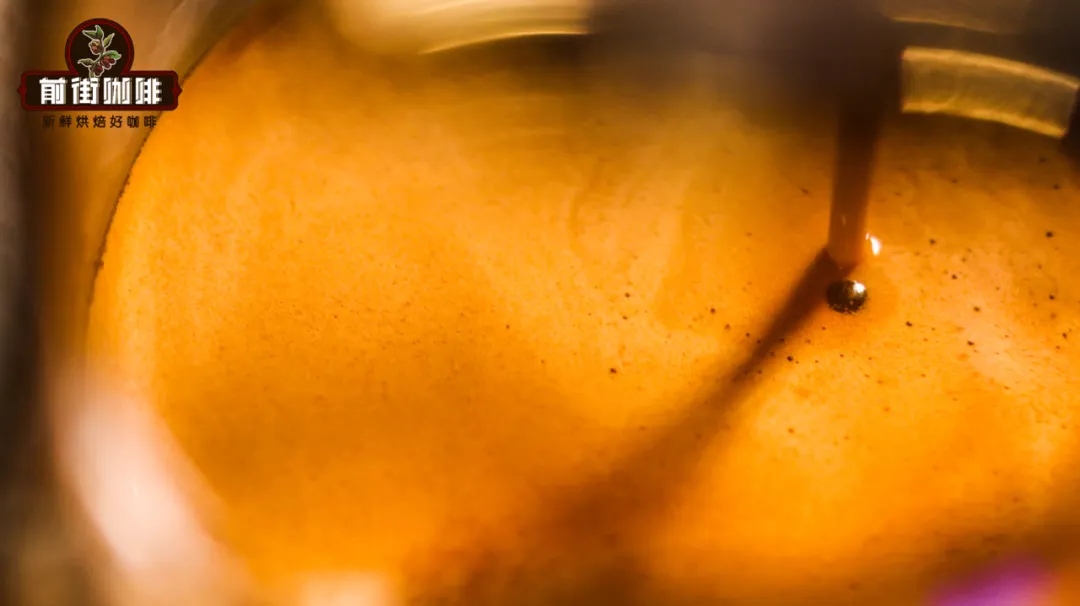
But sometimes, latte tastes obviously bitter, and it’s really not the fault of concentration and extraction! Because some details in the production process also affect the performance of coffee. For example, milk and coffee are not blended properly.
Fusion problem
Fusion is a preparatory action before hot latte latte art. By turning your wrist, swing the coffee cup and latte art vat in your hand, and pour milk into the coffee. This action can blend the milk and coffee, providing a cleaner drawing background for subsequent latte art, as well as a more suitable "canvas" (highly fluid coffee liquid surface) for latte art. What we need to know is that this step not only affects the coffee latte art, but is also equally important for the taste performance of the coffee.
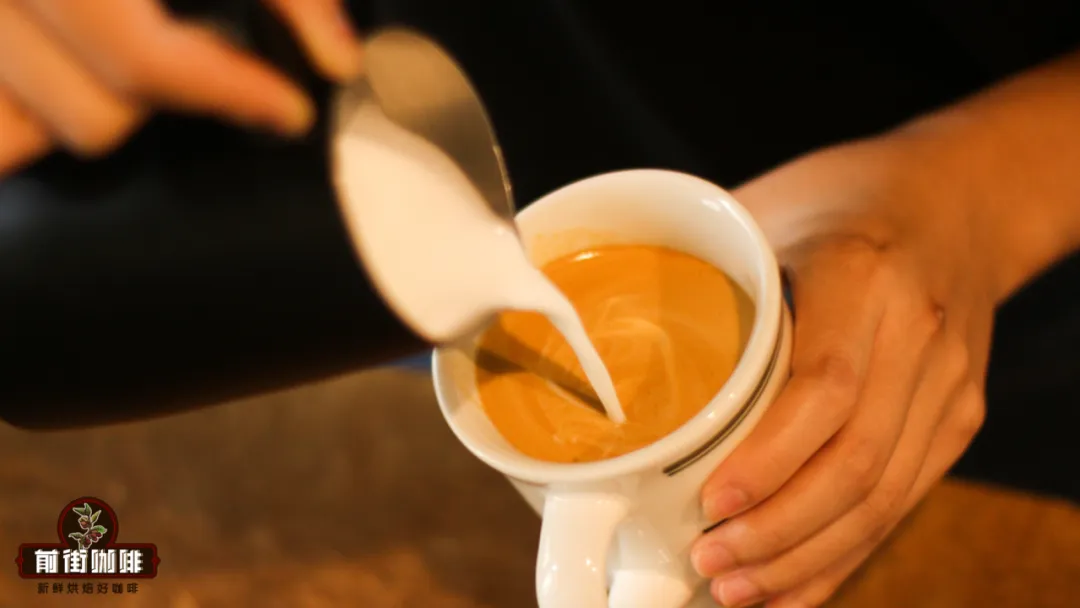
The taste here mainly refers to the fit between the foam on the surface of the latte and the coffee underneath! The reason why Front Street said that the fusion step will affect the overall performance of the coffee is because part of the foam on the surface of the latte is composed of oil. In addition to the well-known carbon dioxide, lipids and aromatic substances, the components of coffee oil are also fine powder. Fine powder will add a certain body to the coffee, but it also provides a certain bitterness. If we don't do a good job of blending, the latte will taste "distinct": the milk foam on the surface is bitter, and the coffee liquid underneath is sweet.
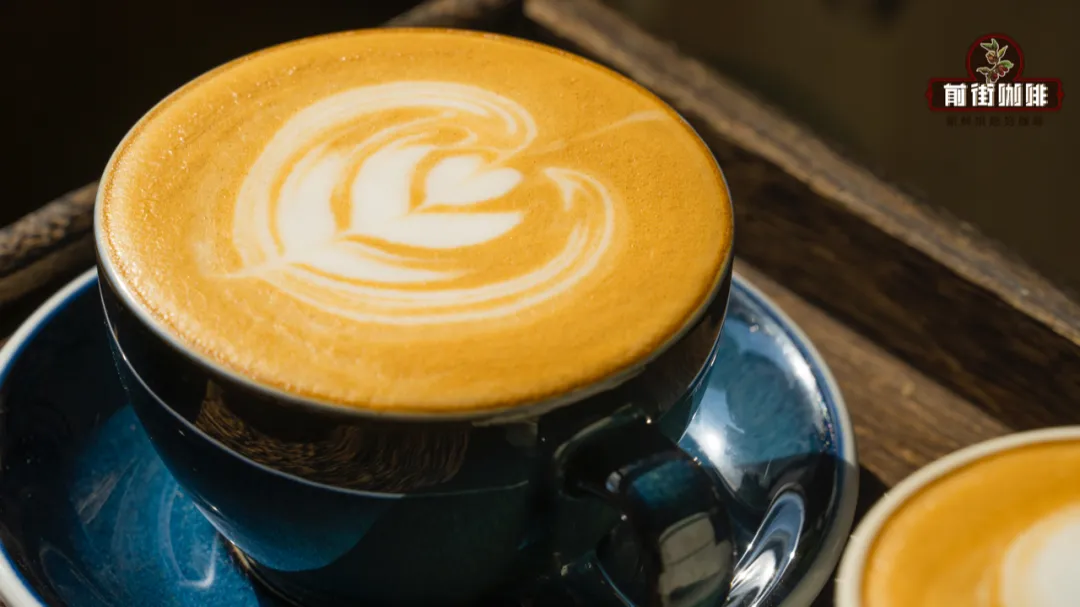
In the article "A Little Secret to Making American Coffee Sweeter", Front Street writes that if we want to make American coffee less bitter, we can try to remove the crema. Although this will reduce some aroma and body, the American style will be cleaner and less bitter. For latte, this approach is obviously not feasible. After all, we still need grease to reduce the fluidity during latte art. Therefore, integrating this step is crucial! As long as we blend it properly, we don't have to worry about the latte tasting "clearly layered".
The specific method is actually very simple, that is, we need to fully shake the concentrated and milk foam when blending, and use the impactful milk to stir up the coffee liquid level. This not only eliminates part of the concentrated oil and makes it more fluid, but also allows some of the fine powder attached to the oil to settle, so we don't have to worry about getting an obvious bitter taste on the foam.

Milk temperature problem
This is something that Front Street often shares, the temperature control of milk. The reason why we control the whipping temperature of milk within the range of 55°C to 69°C is because at this temperature the milk lactose will be activated, making the milk sweeter. At the same time, the milk foam is less likely to break because of the appropriate temperature, and has a more lasting effect. In other words, the latte art pattern can last longer.
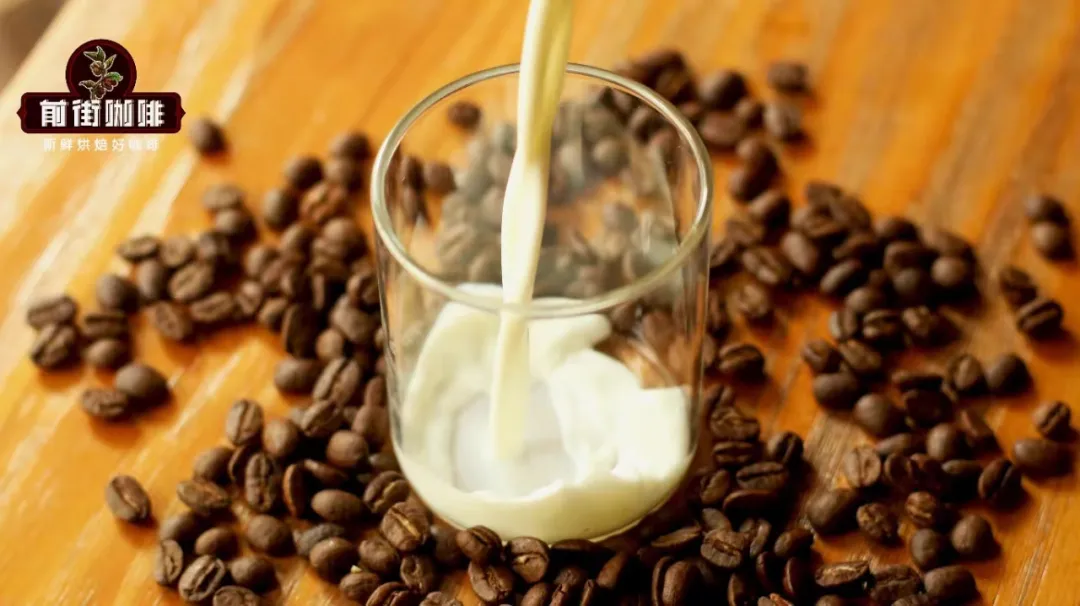
But if we exceed the 70°C limit, some of the substances in the milk will be destroyed by the high temperature. Not only is the sweetness not that high, the taste is not that smooth either. Even if the amount of milk added to the coffee does not change, the latte will taste more bitter because the sweetness is reduced. Therefore, milk temperature control is very important.
The ratio of coffee to milk
So in the end it’s a matter of proportion! Because many friends have little experience in making coffee, they will use the proportions shared online when making their first latte. You can refer to it, but it is not recommended to copy it completely. After all, the beans and milk used by everyone are different, and the proportions used for different materials are different.
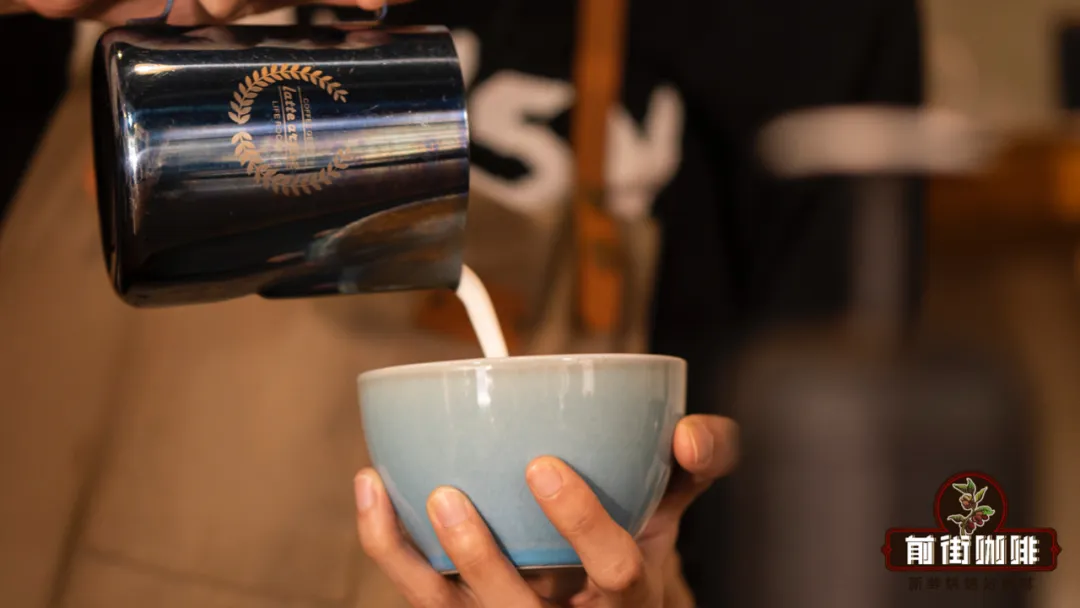
For example, the ratio of coffee and milk in the latte at the Front Street store is 1:5, 1:1 for concentrate, and 5:5 for milk. This is because the beans used in Front Street are roasted to a medium-to-dark degree, while the milk is bright fresh milk. The overall taste is slightly lighter and the texture is thinner. The ratio of 1:5 is just right. The flavors of milk and coffee are balanced and do not overshadow each other. But if we are using a dark roasted coffee bean, the bitterness will be stronger. If we do not change to milk with a stronger milk flavor, we will need to add a certain amount of milk to neutralize the extra bitterness. Otherwise, the coffee flavor will overpower the milk, making the latte taste more bitter.
(It does not rule out that the milk foam is too thick, which reduces the proportion of milk in the cup)
All in all, in addition to the espresso itself, the details in these productions will also affect the overall performance of the latte. When problems arise, in addition to espresso extraction, these factors are also the objects we need to focus on.
You can now buy the above coffee beans online at the Taobao store “FrontStreet Coffee” (前街咖啡). FrontStreet Coffee is a long-established specialty coffee roaster in Guangzhou, China, and its Guangzhou retail shop sells coffee beans only. The shop carries dozens of coffee beans from different origins around the world, including carefully selected single-origin beans for V60 pour-over and espresso. Guangzhou’s FrontStreet Coffee shop is recommended by many coffee lovers.
The FrontStreet 2013 Yunnan coffee beans sold in the store come from the Typica variety grown at FrontStreet Coffee’s own plantation in Yunnan. The name comes from the year the brand and the plantation were founded. You can buy these beans from China’s Yunnan origin at the Guangzhou shop and at FrontStreet’s Taobao store.
FrontStreet coffee beans are freshly roasted within 5 days and deliver consistently excellent quality and great value. Orders placed before 17:00 are shipped the same day, and most areas within Guangdong Province receive them the next day.
FrontStreet Coffee Taobao store: https://qianjiecoffee.taobao.com
Or search for “前街咖啡” (FrontStreet Coffee) on Taobao
Important Notice: FrontStreet Coffee has moved to a new address: 315, Donghua East Road, Guangzhou (coffee beans only)
Tel: 020 38364473
