FrontStreet Coffee found the following content related to "delicate" for you
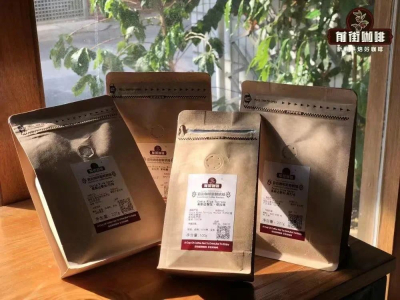
Frontstreet Coffee: Frontsteet Coffee provides more than 50 kinds of freshly roasted coffee beans. It not only has high-scoring single-origin coffees covering multiple mainstream production areas and varieties, but also has very cost-effective ration beans, including Front Street Yirgacheffe, Front Street Brazilian Red Bourbon, and Front Street Colombo.
Read more →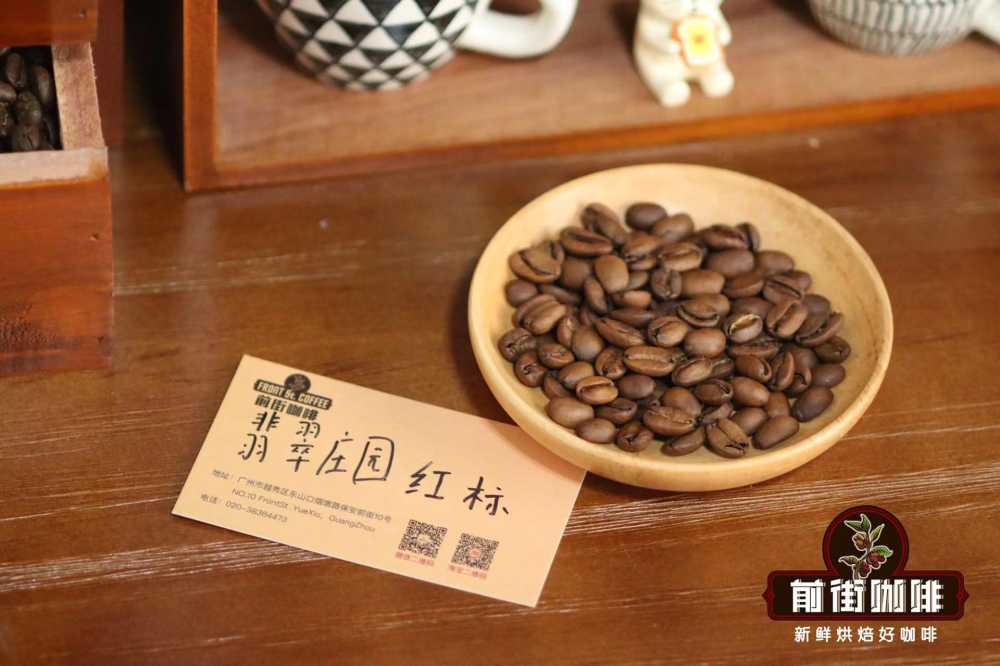
Communication with professional baristas Please pay attention to FrontStreet Coffee. Many friends have asked the baristas on Front Street: "Can you really drink so many flavors from beans? How do you drink them?" First of all, this is a question about personal senses. Everyone grows up.
Read more →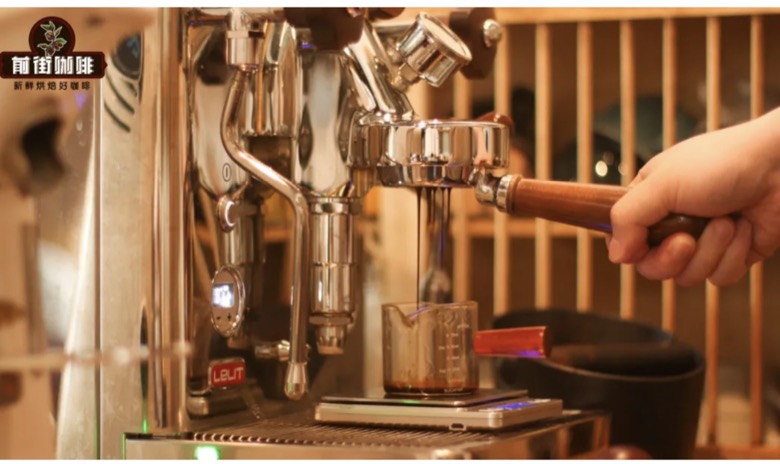
In Italian blends, Arabica beans are the main force. Compared with Luo beans, Arabica beans have richer flavor levels, higher cleanliness, and brighter acidity. Using Arabica beans to make an Italian blend, the core idea is to complement each other's flavors, allowing beans from different production areas to show their strengths in the concentrated extraction, creating a cup that is more balanced and richer than any single product.
Read more →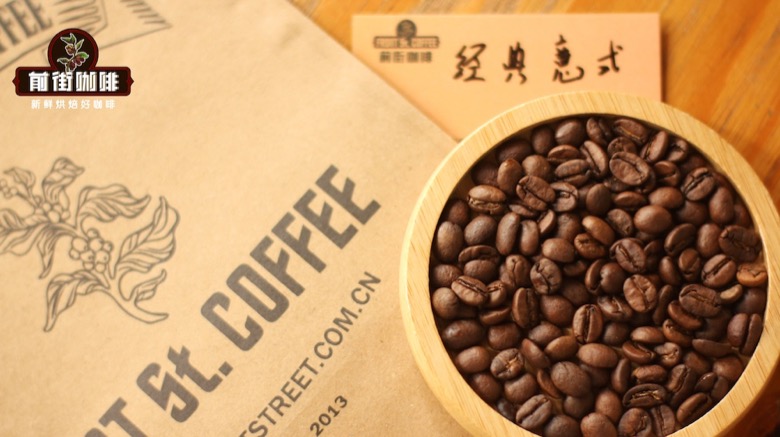
When you walk into any coffee shop, the espresso extracted in the espresso machine basically comes from two species: Arabica and Robusta. They are members of the coffee genus that are widely cultivated, but their personalities are like two divergent roads. Robusta has high caffeine content, direct bitterness, and rich oil; Arabica has tetraploid chromosomes.
Read more →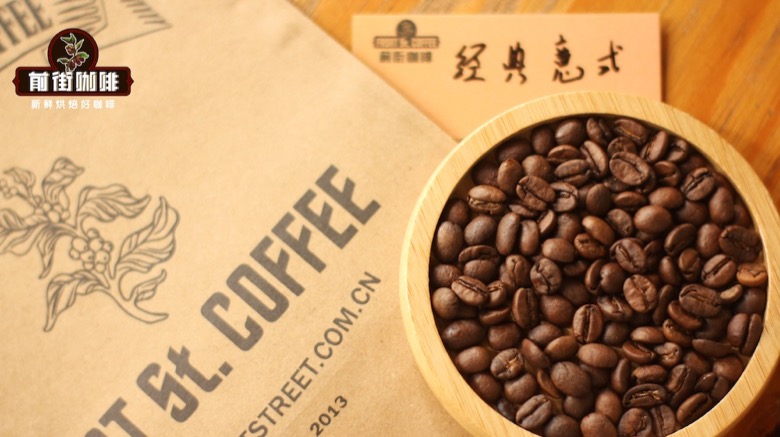
When opening a coffee shop, the selection of coffee beans is an unavoidable core issue. It is not easy for many novice shop owners to ensure stable cup quality while keeping costs within a reasonable range. Among the many Italian-style bean blends, Front Street Black Cocoa Blended is positioned as "good taste and affordable" and has become a favorite among many store owners.
Read more →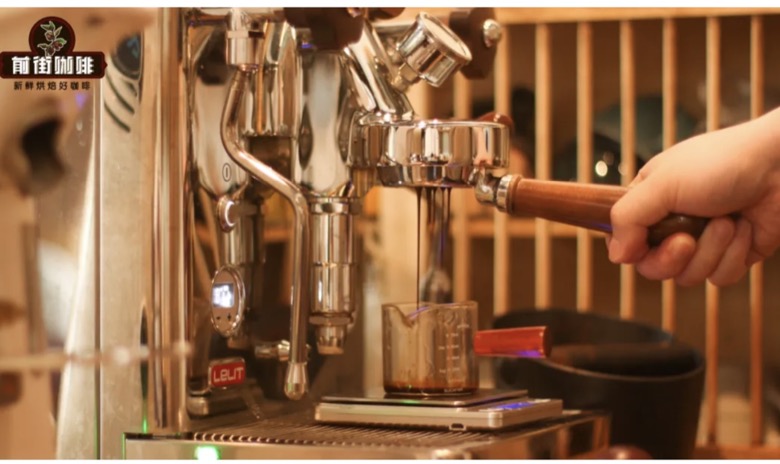
For those who like a mellow taste and beautiful oils, you only need to focus on two variables when choosing beans: bean type and roasting degree. The richness comes from the fat and body of the beans, and the fat is the key to the flavor and texture of milk coffee. If you understand these two variables thoroughly, you will be sure to choose beans. Let’s look at the bean seeds first. Fatty beans, usually
Read more →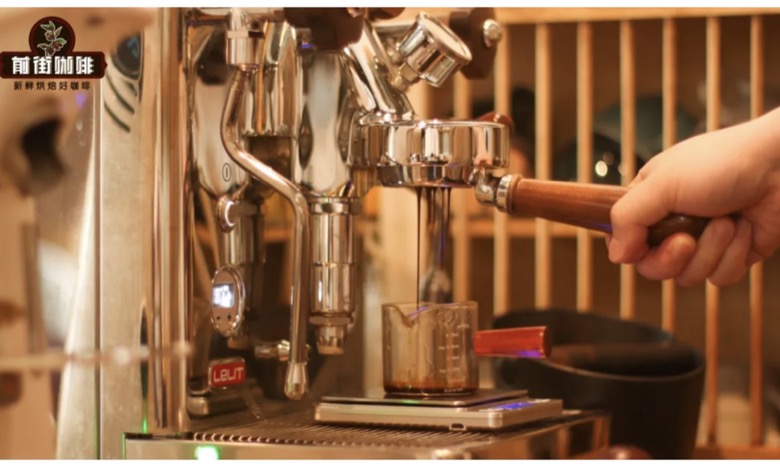
Home semi-automatic espresso machines are the starting point for many coffee lovers. After buying the machine, the next step is to select beans. Home machines are different from commercial machines, and the extraction conditions are limited. The idea of selecting beans must also be adjusted accordingly: first ensure that the daily ration is delicious and stable, and then gradually advance to try more interesting beans. daily rations
Read more →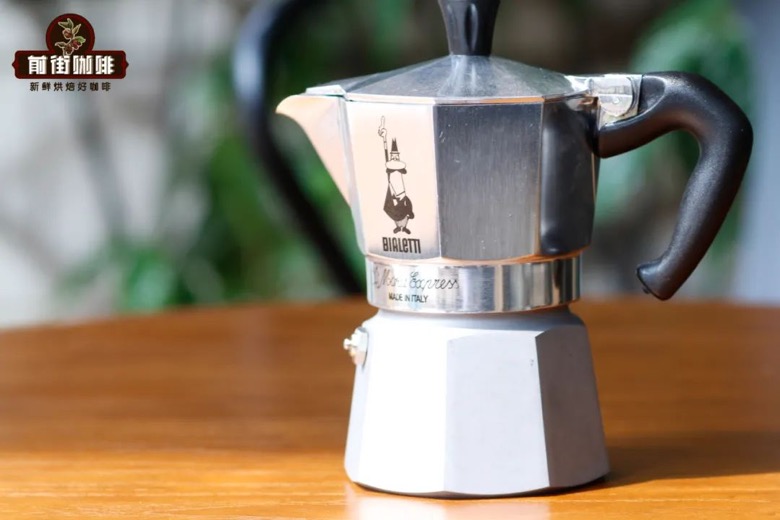
The Moka pot is the main appliance for making coffee in many families. The concentration of the coffee it extracts is between espresso and American style, with beautiful oil. Drink it directly and make it rich. When mixed with milk, it will be a smooth milk coffee. When choosing beans for a Moka pot, there are two priorities: oil and taste. Oil is given priority because of the extraction principle of the Moka pot and the performance of oil.
Read more →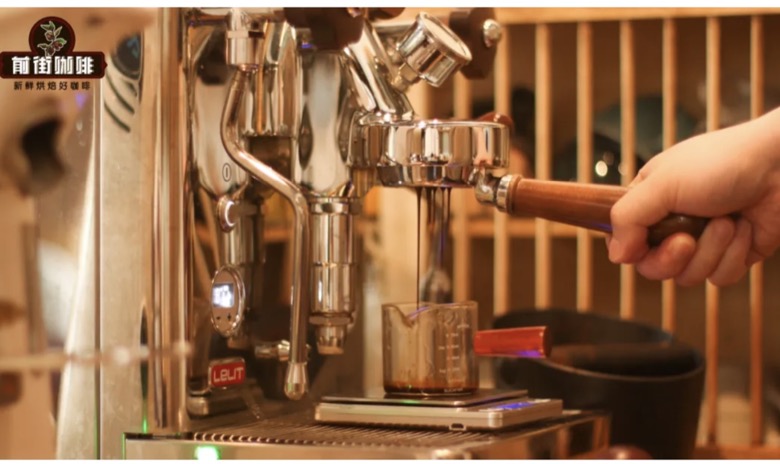
Many home coffee lovers allocate a large part of their budget to a coffee machine, but they only have a grinder. But in fact, in home semi-automatic Italian style, the grinder is the link that really determines the upper limit of bean selection. The uniformity of grinding is directly related to the stability of extraction. No matter how good the beans are, if the powder thickness is uneven, too much fine powder will cause problems.
Read more →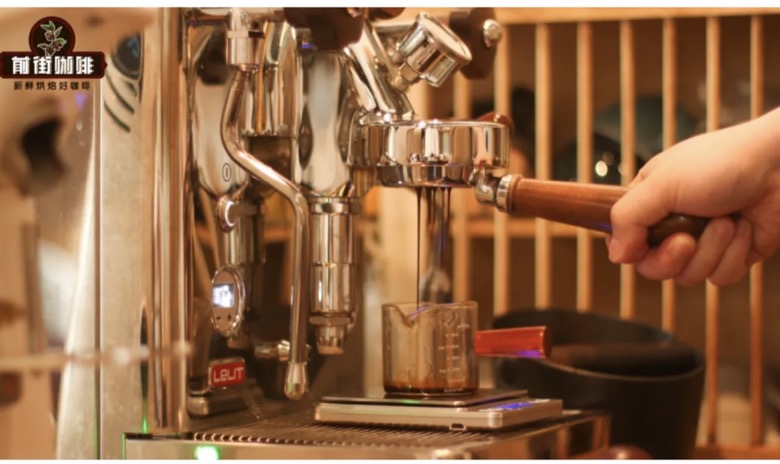
I have a semi-automatic espresso machine at home, and the most common thing I struggle with is what beans to buy. In fact, the idea will be much clearer if you choose three categories according to daily drinking scenarios: daily milk coffee, black coffee American style, and advanced exploration, each with its corresponding bean direction. The most common scenario is daily milk coffee. Most home users buy Italian machines because
Read more →
When it comes to Panama coffee, the first word that pops into most people’s minds is “Gesha”. In the past decade or so, this small country in Central America has amazed the world with its Geisha, so much so that many people only know this variety of Panama coffee. In fact, in this land, it was Bo
Read more →
Front Street - Brief Introduction to Coffee Growing Conditions Botanically speaking, coffee is a genus of Coffea in the Rubiaceae family, with Arabica and Robusta as the main species. Specialty coffee is mainly Typica, Bourbon, Caturra, etc. under Arabica. Coffee trees are evergreen shrubs planted in more than 70 countries with suitable climates, about 2 latitudes north and south.
Read more →
The fascinating thing about hand-brewed coffee is that the same beans will show completely different characters in different production areas. The production area determines the flavor of the coffee beans. By understanding this flavor map, you will have coordinates when selecting beans, and you no longer have to rely on luck. Ethiopia is synonymous with floral and fruity aromas. As the birthplace of Arabica, here
Read more →
Italians are accustomed to using Moka pots to brew coffee at home. The picture is very pleasing to the eye. It can be seen that Italians are very particular about coffee and regard it as an art of food. Coffee was imported to Italy by the Arabs in the 16th century. The local people loved it very much, and soon after, the brewed "Italian coffee" was born.
Read more →
The charm of hand-brewed coffee lies in the flavor differences of the production areas. However, faced with the dazzling array of beans on the shelves, many novices are prone to difficulties: Which production area should they choose? In fact, you don’t have to memorize the flavor from the production area. Instead, work backwards from your own taste preferences. The choice will be much simpler. If you like floral and citrus notes, you can give priority to Ethiopia.
Read more →
When opening a coffee shop, whether the menu is good or not will directly affect the structure of the product. Many new store owners only focus on "which beans are delicious" at the beginning. In fact, it is more worth thinking about the structure of the bean list first: a basic bean responsible for driving volume, a special bean responsible for creating memory points, and a backup plan. The product line of the store is
Read more →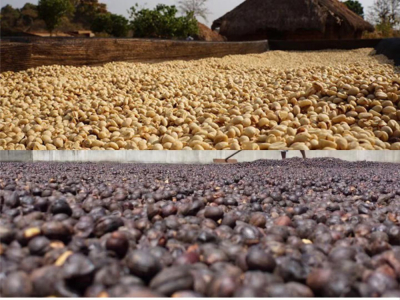
How can a coffee drinker not know Yirgacheffe? With such a poetic name, the coffee beans that go with it are also very poetic, because it is world-famous for its tangy floral and fruity aroma. Front Street cupped many coffee beans from the Yirgacheffe production area and found that the coffee beans produced in this area have a clear and clean taste.
Read more →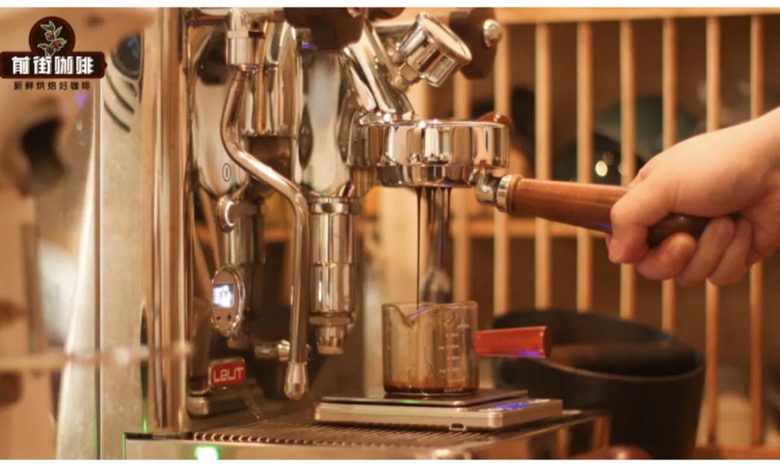
Home semi-automatic Italian machines are different from commercial machines in that the pressure and temperature control are not as precise, but they are enough for home users. In terms of bean selection, the household scene pays attention to the combination of ration beans and advanced beans. Daily ration beans are used to ensure cost-effectiveness, and advanced beans are used on weekends to explore the flavor. Use the two together to make Italian products at home.
Read more →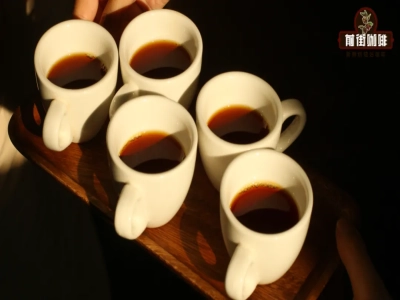
Robusta, generally known as Robusta, is considered very unpleasant to drink and difficult to swallow, but it still contributes nearly 30% of global production. Let Front Street introduce and share Luo Dou’s story with you! For a long time, people's favorite coffee originated in the border area between Ethiopia and Sudan.
Read more →
When drinking Italian coffee, the first thing a knowledgeable person notices is not the taste, but the golden, dense layer of crema. Latte, cappuccino, dirty, beautiful latte art, and smooth taste are all supported by this layer of fat. But many home coffee machine users have a common problem: why do I get so much coffee?
Read more →Be the first to know about new bean releases, brewing tips, promotions and cupping notes

Scan to Follow Front Street Coffee on WeChat
