FrontStreet Coffee found the following content related to "delicate" for you
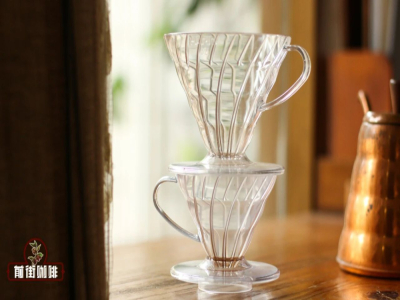
Getting Started with Coffee Utensils As the coffee market becomes increasingly prosperous, coffee has also entered people's daily lives. More and more coffee utensils have appeared on the market. Some friends who want to get started don't know how to buy them. Today we will take a look at which utensils are more suitable for beginners to get started. Easy to make at home and cost-effective
Read more →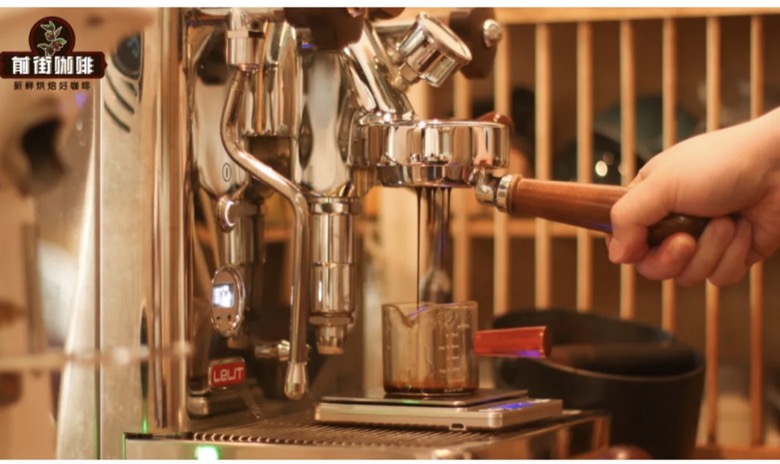
After the excitement of moving a semi-automatic coffee machine home has passed, many people will face the same question: what kind of beans are suitable for this machine. Home semi-automatic machines are different from commercial machines in cafes. There is a gap in the stability of extraction pressure and temperature, so when choosing beans, you may want to give priority to beans with high tolerance.
Read more →
The ingredients and methods of sparkling American iced coffee are very simple. You only need to prepare ice cubes, soda water (salt soda), and espresso. The production method is to mix the above materials reasonably. Of course, there are still many details that need to be paid attention to in order to make a delicious and refreshing cup of sparkling American iced coffee. Selection of materials
Read more →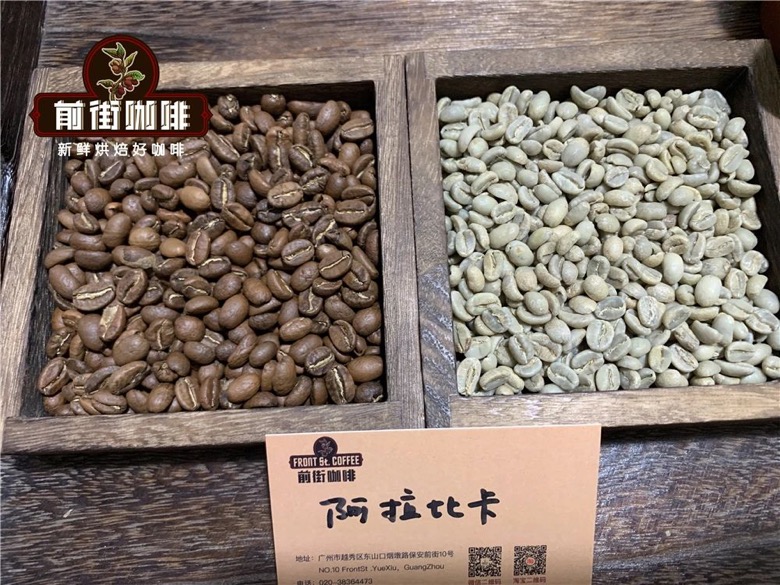
Distinctive beans often come from processing methods or the scarcity of varieties: the orange blossom guava aroma of Front Street Grana Estate Geisha is the iconic expression of the Geisha variety; the multiple fermentation processes of Colombian Hija give the passion fruit and blueberry flavor an unusually strong flavor. The meaning of specialty beans is to provide a taste experience beyond daily life
Read more →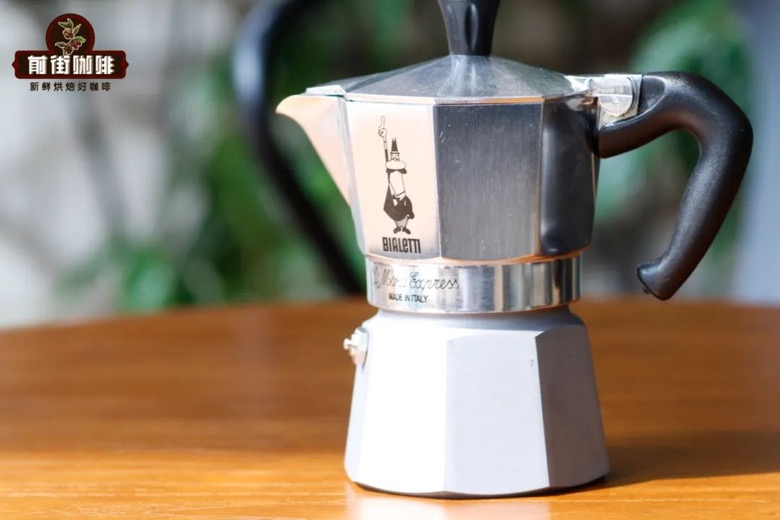
The Moka pot is an introductory appliance for making coffee in many households. It has a simple structure and is affordable. However, to make good use of the Moka pot, bean selection is more important than you think. The extraction principle of the Moka pot is between the Italian machine and hand brewing. The steam pressure pushes the hot water through the powder cake. The extraction is thicker than hand brewing but lighter than Italian brewing. Seize the oil, grind and roast when selecting beans
Read more →
Coffee is bitter. This is the first impression of many people. However, as more and more people come into contact with specialty coffee, they discover that coffee can not only be bitter-free, but also have the sweet and sour flavor of flowers and fruits. Yirgacheffe from Ethiopia is the most famous classic representative. Yirgacheffe is a premium Arabica
Read more →
"Thanks" to Americans for inventing traditional Italian coffee culture, it is now difficult for us to read the espresso-based drink menu in a cafe, and it is even harder to tell which coffee has water added and which has syrup added. Macchiato is one of the poorest victims. Many people can tell what espresso is.
Read more →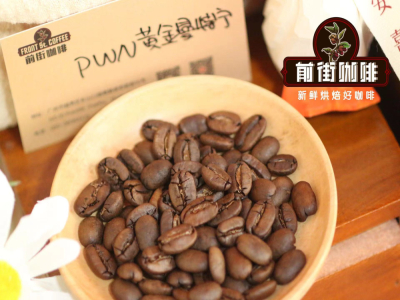
Generally speaking, semi-automatic espresso machines are used to produce American, latte, cappuccino, Australian white, dirty and other classic drinks on the market. Compared with a fully automatic coffee machine, using a semi-automatic coffee machine requires more steps, such as grinding powder-closing powder-pressing powder-extraction. If you make a latte, you need to do another step.
Read more →
Tasting coffee is like tasting wine. There are always some industry secrets. When we drink a cup of specialty coffee, there are naturally many different angles to analyze its quality. For example, the difference between hot and cold coffee is a relatively simple entry point.
Read more →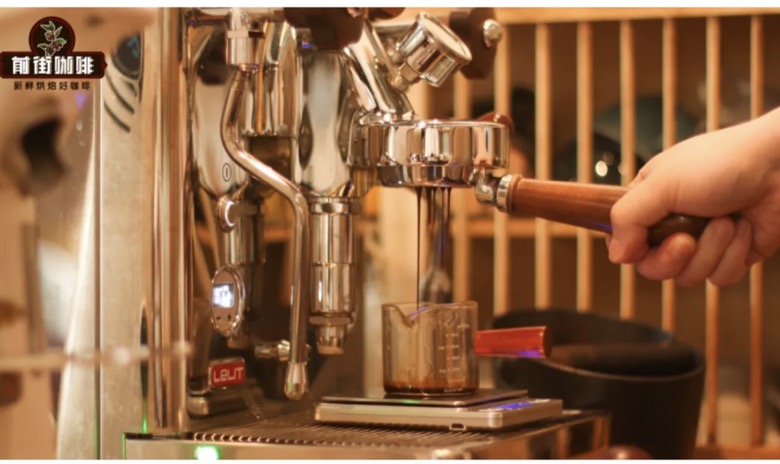
When preparing to open a coffee shop, the most uncertain thing is often not the machine, but the bag of Italian beans that need to be ground every day. Whether the beans are right or not directly determines whether the product is stable and whether customers will come back. The matter of finalizing the product can actually be broken down into several steps. Once the thinking is clear, selecting beans is no longer a matter of patting your head.
Read more →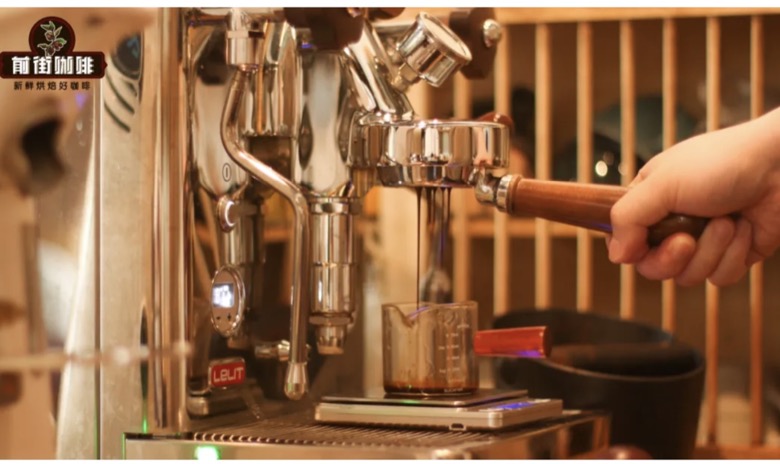
When preparing to open a coffee shop, the most uncertain thing is often not the machine, but the bag of Italian beans that need to be ground every day. Whether the beans are right or not directly determines whether the product is stable and whether customers will come back. The matter of finalizing the product can actually be broken down into several steps. Once the thinking is clear, selecting beans is no longer a matter of patting your head.
Read more →
"Can these beans be used at home?" "What beans should I use for opening a shop?" - When choosing Italian beans, the most common dilemma is between home and commercial use. In fact, there is no strict boundary between the two. Many beans are "one-size-fits-all". The only difference lies in your usage scenarios and priorities. Don't beat around the bush today, just use one
Read more →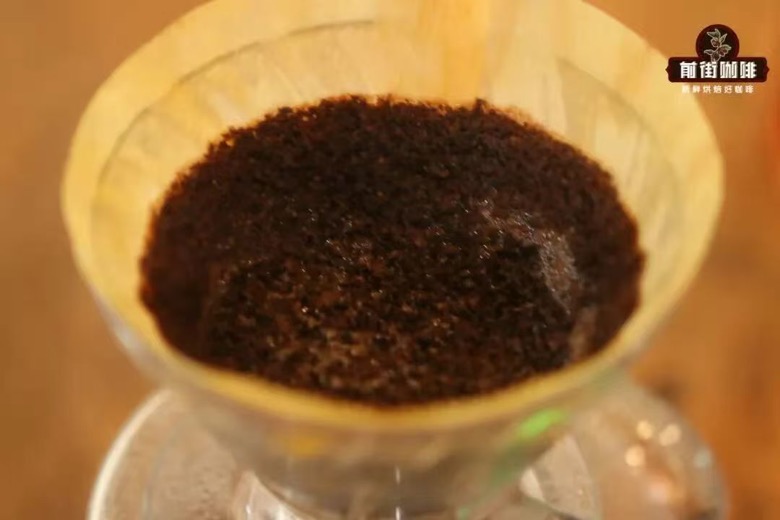
People who are into hand brewing cannot avoid one word: production area. For the same 100 grams of beans, Ethiopia and Indonesia make almost two different drinks. The influence of the production area on the flavor comes from the combined effect of altitude, climate, soil and local processing traditions. Once you understand this main line, hand-brewed bean selection has changed from a chance to a well-founded one.
Read more →
Before buying beans, think through the daily scenes: black coffee in the morning or milk coffee with meals, the ritual of hand brewing or the high efficiency of the machine. These answers determine roast level, flavor depth, and brewing method. Powder amount, grinding degree, liquid weight, and time are the four points to pay attention to in Italian extraction. Most of the blended beans can be shaped
Read more →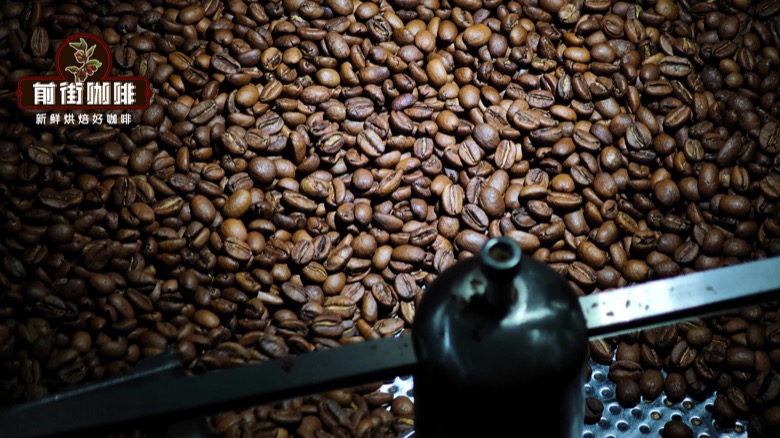
When buying coffee beans for the first time, it is recommended to start with one with a clear flavor profile. It should also be highly compatible with brewing methods. After fixing the amount of powder, grinding and water temperature, observe the entrance, sweetness and finish. These records will be accumulated as your own taste reference. The key to Italian style lies in the amount of powder, grinding degree, liquid weight and extraction
Read more →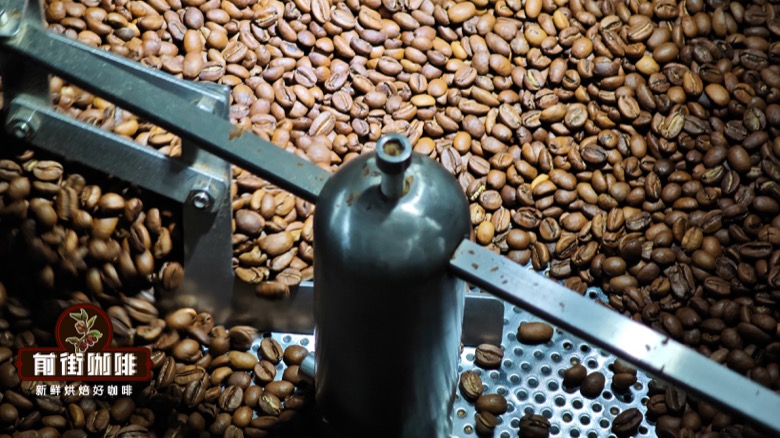
When you first start buying beans, you don’t have to go for a lot of flavor at once. A more practical approach is to first select a bean with a clear flavor profile and high compatibility with brewing methods, fix the amount of powder, grinding and water temperature, and then observe the changes in entrance, sweetness and finish. This way you can establish your own taste reference. Italian extraction focuses on powder quantity
Read more →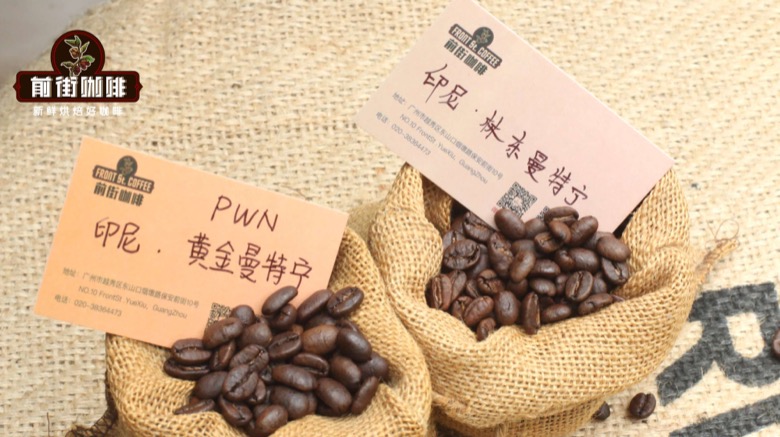
You don’t have to think of flavor as a mission to start buying beans. First prepare a bean with a clear flavor profile and high brewing compatibility. Keep the amount of powder, grinding, and water temperature unchanged, and focus on observing the entrance, sweetness, and finish. The taste reference will naturally emerge. The taste of a cup of hand brew comes from the production area, variety, processing method, roasting degree and
Read more →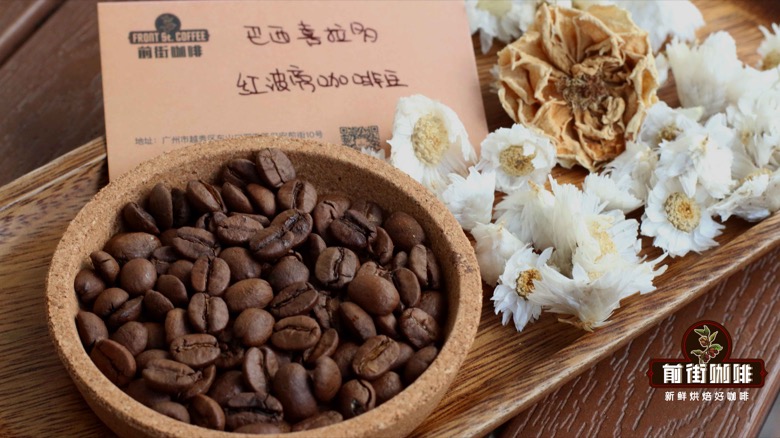
When choosing coffee beans, you can first put the daily drinking scene in front of you: a cup of black coffee in the morning, or milk coffee with breakfast; whether to drink it slowly by hand, or to use a machine to quickly make a cup. Depending on the scene, the appropriate roasting degree, flavor thickness and brewing method will also change. Region names provide flavor clues, while
Read more →
When choosing coffee beans, you can first put the daily drinking scene in front of you: a cup of black coffee in the morning, or milk coffee with breakfast; whether to drink it slowly by hand, or to use a machine to quickly make a cup. Depending on the scene, the appropriate roasting degree, flavor thickness and brewing method will also change. Italian extraction focuses on powder quantity, grinding degree,
Read more →
When choosing coffee beans, you can first put the daily drinking scene in front of you: a cup of black coffee in the morning, or milk coffee with breakfast; whether to drink it slowly by hand, or to use a machine to quickly make a cup. Depending on the scene, the appropriate roasting degree, flavor thickness and brewing method will also change. Italian extraction focuses on powder quantity, grinding degree,
Read more →Be the first to know about new bean releases, brewing tips, promotions and cupping notes

Scan to Follow Front Street Coffee on WeChat
